
92% of Iran’s Warships Destroyed, the IRGC Navy Commander Killed, and the Strait of Hormuz Still Closed: Why the April 6 Deadline Changes Everything
On March 26, 2026, CENTCOM commander Admiral Brad Cooper issued a rare and direct message to the enemy: abandon your posts and return home, Cooper said to the IRGC Navy. The ultimatum was not routine messaging but an example of psychological warfare, and it was likely a precursor to escalation. And because Iran is unlikely to comply, the ultimatum may be a signal that Operation Epic Fury is on the verge of entering a more aggressive phase.
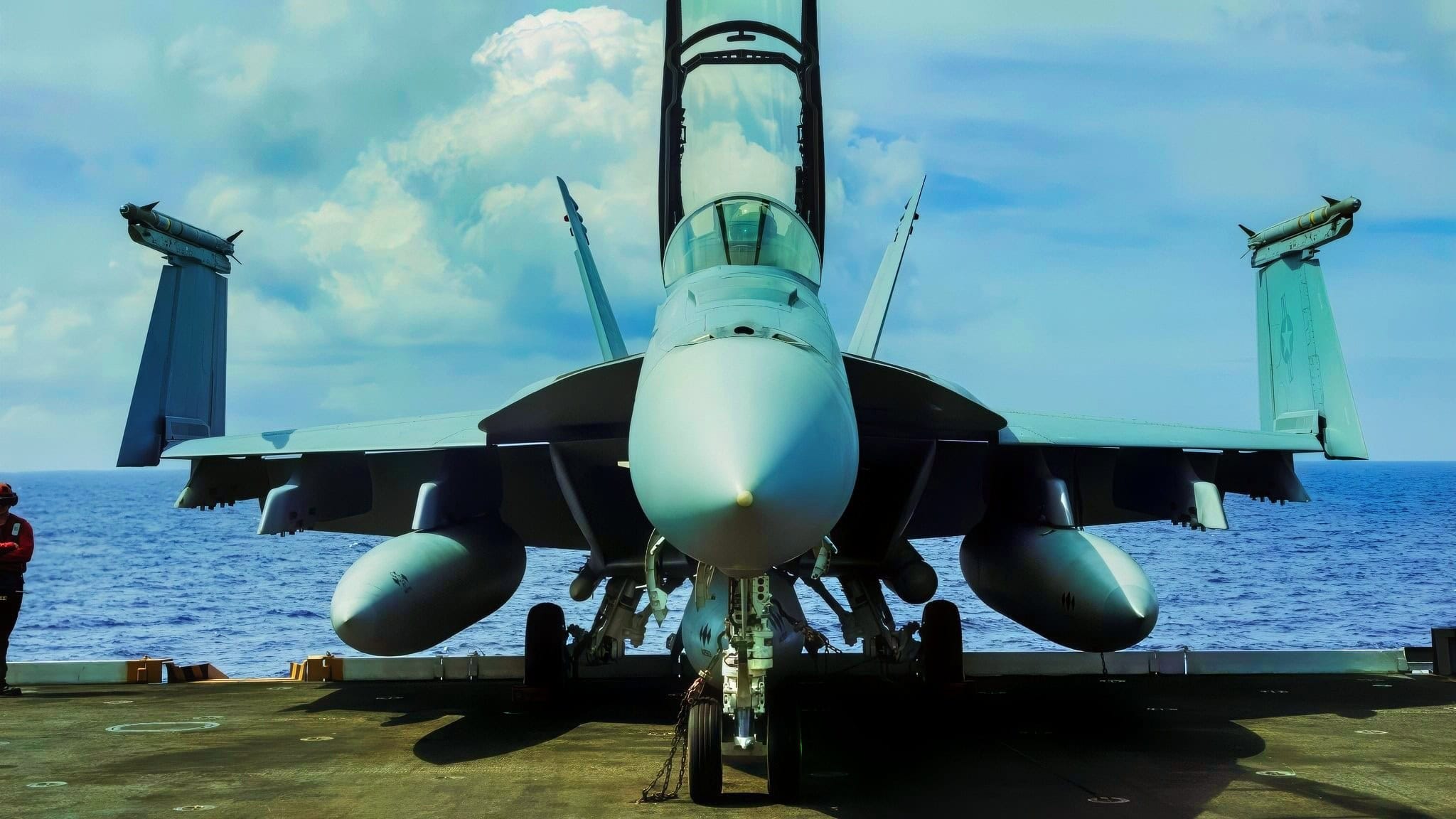
Capt. Tim Waits, commanding officer of Nimitz-class aircraft carrier USS George Washington (CVN 73), climbs into an F/A-18F Super Hornet, attached to Strike Fighter Squadron (VFA) 102, while underway in the South China Sea, Nov. 24, 2025. George Washington is the U.S. Navy’s premier forward-deployed aircraft carrier, a long-standing symbol of the United States’ commitment to maintaining a free and open Indo-Pacific region, while operating alongside allies and partners across the U.S. Navy’s largest numbered fleet. (U.S. Navy photo by Mass Communication Specialist 2nd Class Geoffrey L. Ottinger)
Current State of the Iranian Navy
As of March 27, the Iranian Navy is in functional collapse, suffering from “irreversible decline,” according to CENTCOM. Ninety-two percent of large vessels have been destroyed or rendered inoperable. Major ships lost include the IRIS Jamaran, Sahand, and Sabalan. IRGC Navy commander Alireza Tangsiri was killed on March 26. Iranian industrial capacity has been hit, too, with two-thirds of shipyards and production facilities destroyed. In effect, Iran has effectively lost its conventional navy.
Still in the Fight
Despite the collapse of a formal fleet, Iran retains asymmetric tools, including shore-based anti-ship missiles, one-way attack drones, and naval mines. The IRGC maintains that the Strait of Hormuz is closed.
Missiles remain a threat to US naval assets, while mines remain the primary concern for global shipping. Iran, in losing its functional navy, has shifted to a denial strategy based on relatively cheap, simple tools and, in effect, is still in the fight, so to speak.
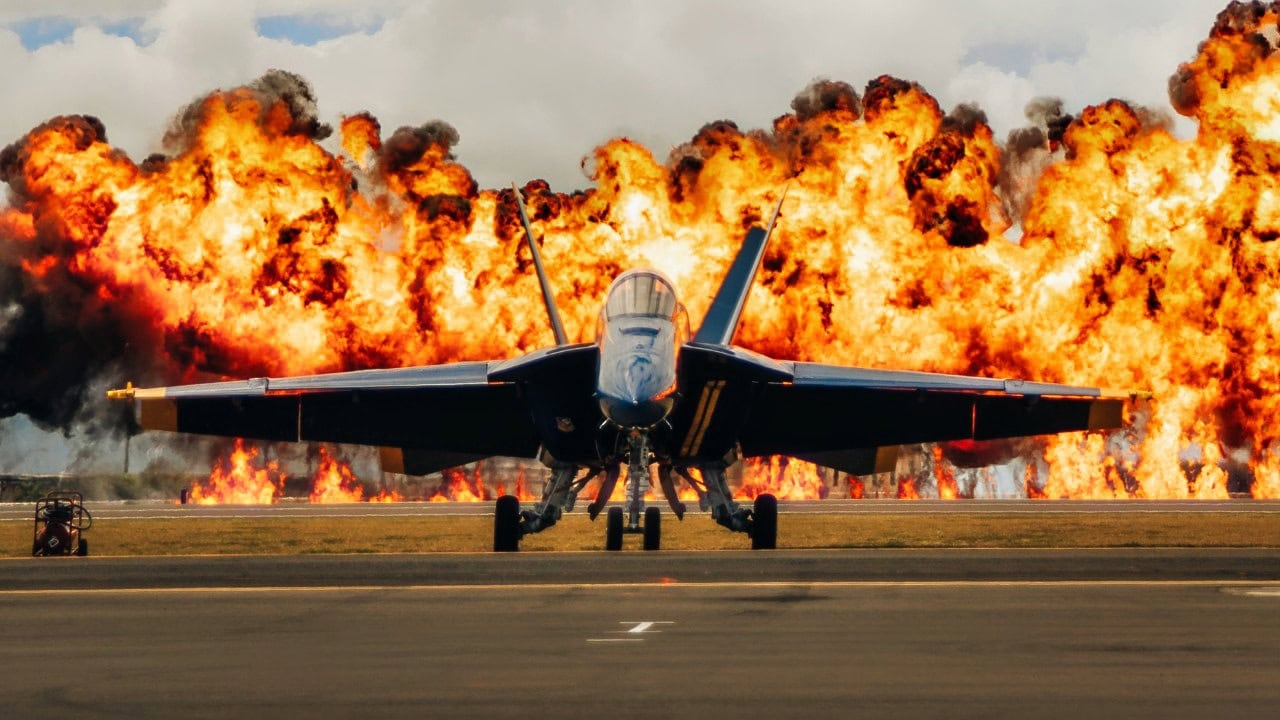
The ‘Wall of Fire” detonates behind two U.S. Navy Blue Angels F/A-18 Super Hornets during the 2022 Kaneohe Bay Air Show, Marine Corps Air Station Kaneohe Bay, Marine Corps Base Hawaii, Aug. 13, 2022. The air show provided an opportunity to demonstrate the capabilities of a Joint Force in the Indo-Pacific Region. The Kaneohe Bay Air Show, which contained aerial performances, static displays, demonstrations and vendors, was designed to express MCBH’s appreciation to the residents of Hawaii and their continued support of the installation. (U.S. Marine Corps photo by Cpl. Patrick King)
Will the IRGC Comply?
The likelihood that the IRGC complies with Admiral Cooper’s ultimatum is low. The IRGC’s immediate response was to warn civilians to leave US areas, suggesting counter-escalation.
Ideologically, the IRGC is closely tied to the survival of the regime; the regime’s collapse, or capitulation to the US, would likely mean the end of the IRGC. Historically, the IRGC has engaged in asymmetric resistance, for which it still has the capacity. Compliance would be an admission of defeat, whereas non-compliance would keep pressure on the US and maintain leverage over Hormuz. So, don’t expect the ultimatum to trigger collapse.
What if the IRGC Doesn’t Comply?
If the IRGC doesn’t comply, the US will likely intensify strikes against remaining IRGC personnel, missile batteries, and mine infrastructure. The US could also broaden its target set to include energy infrastructure and oil export facilities.
An escalation, to include ground operations, is not out of the question either. If the IRGC persists, the US will likely pivot from a strategy of degradation to one of elimination. The ultimatum is probably not symbolic—it is more likely a warning before escalation and intensification.
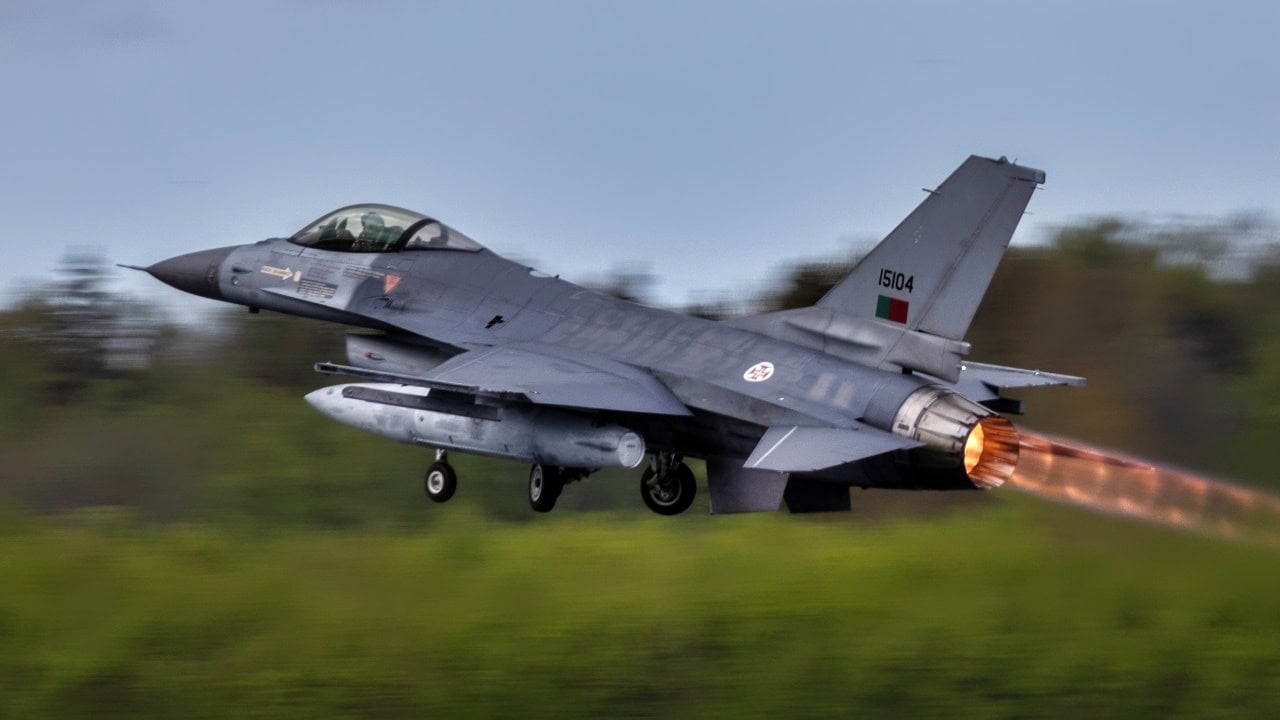
A Portuguese Air Force F-16 Fighting Falcon takes off during a Baltic Air Policing Rotation in Estonia.
Baltic Air Policing is a peacetime mission in which NATO Allies deploy fighter jets to cover the airspace of Estonia, Latvia and Lithuania. Image Credit: NATO.
Strategic Strait
The Strait of Hormuz handles 20 percent of the global oil and gas transit. But at present, the Strait is effectively paralyzed, with the IRGC using closure as leverage.
The US has given the IRGC an April 6 deadline to reopen the Strait, under threat of targeting the Iranian energy sector. Globally, the situation has harmed energy markets, while shipping has been rerouted or halted entirely. One takeaway here is that even though the IRGC Navy has been dismantled, it can still disrupt the global economy.
Broader Implications
For Iran, its ability to field a conventional navy is gone for the foreseeable future. It will have to shift to asymmetric warfare, which it is well-equipped for. For the US, Operation Epic Fury has clearly been a tactical success. But the conflict raises unresolved strategic questions, the most immediate of which is how far to escalate? For other global actors watching closely, the US’s ability to sustain a campaign and to control escalation is being noted.
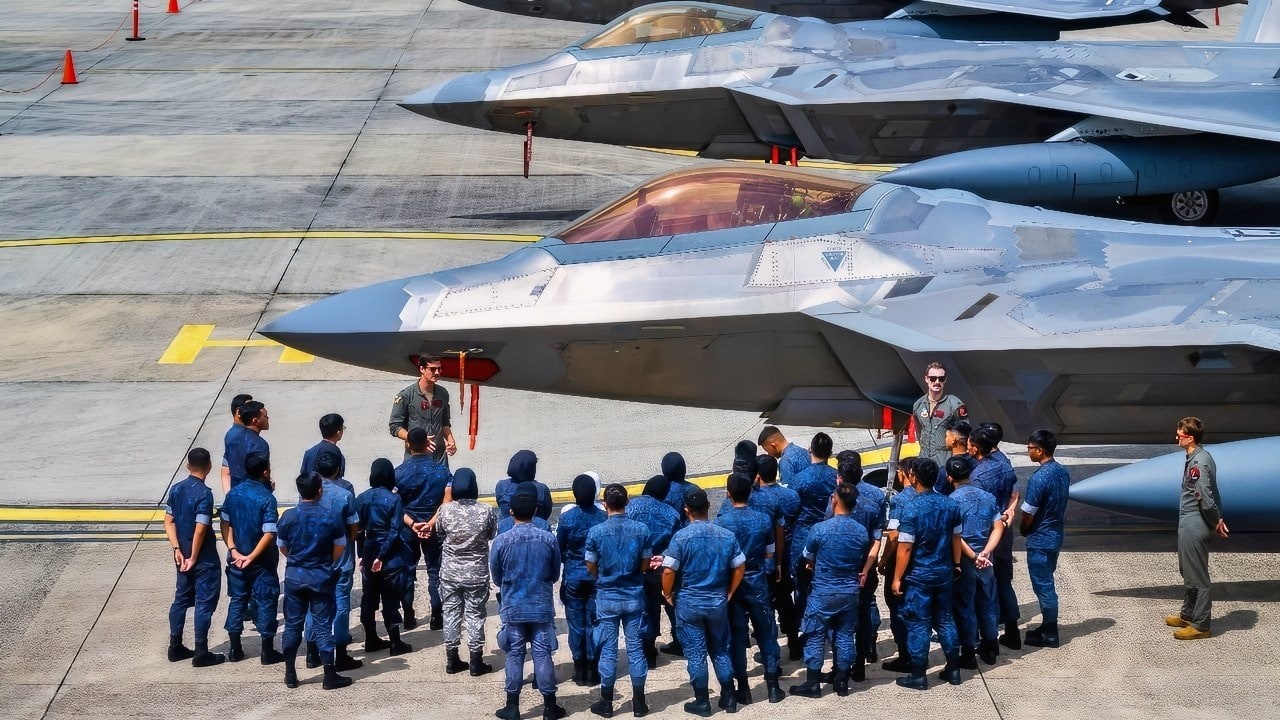
U.S. Air Force F-22 Raptor pilots assigned to 27th Expeditionary Fighter Squadron, Joint Base Langley-Eustis, Virginia, conduct a capabilities brief at Rimba Air Force Base, Brunei Darussalam, on Aug. 7, 2024. This year marks the 40th anniversary since the United States established diplomatic relations with Brunei Darussalam. (U.S. Air Force photo by Senior Airman Mitchell Corley)
China and Russia, for example, are no doubt curious whether the US can achieve its maximalist political objectives with just air power, remote strike, and ultimatum.
The IRGC Navy has been largely destroyed.
But Iran retains the ability to disrupt shipping and escalate asymmetrically. Don’t expect the IRGC to comply with the ultimatum; it’s not in its historical tendencies or future interests, and it disregards its ability to remain effective in the conflict despite having lost its conventional navy.
About the Author: Harrison Kass
Harrison Kass is an attorney and journalist covering national security, technology, and politics. Previously, he was a political staffer and candidate, and a US Air Force pilot selectee. He holds a JD from the University of Oregon and a master’s in global journalism and international relations from NYU.