
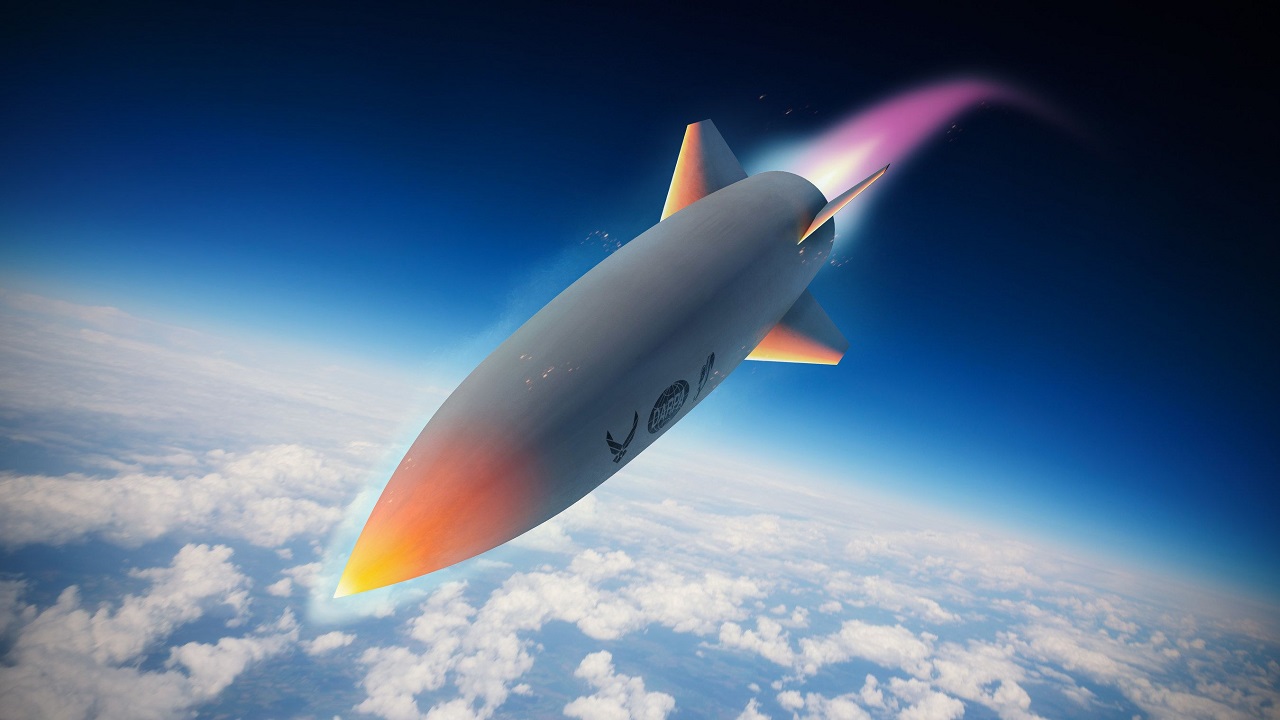
Russia’s Growing Hypersonic Missile Arsenal Is a Threat, But It Isn’t Perfect
Is Russia’s hypersonic arsenal a legitimate threat, or just a strategic exaggeration?
Its hypersonic program seems to be operational, with systems fielded in the air and at sea.
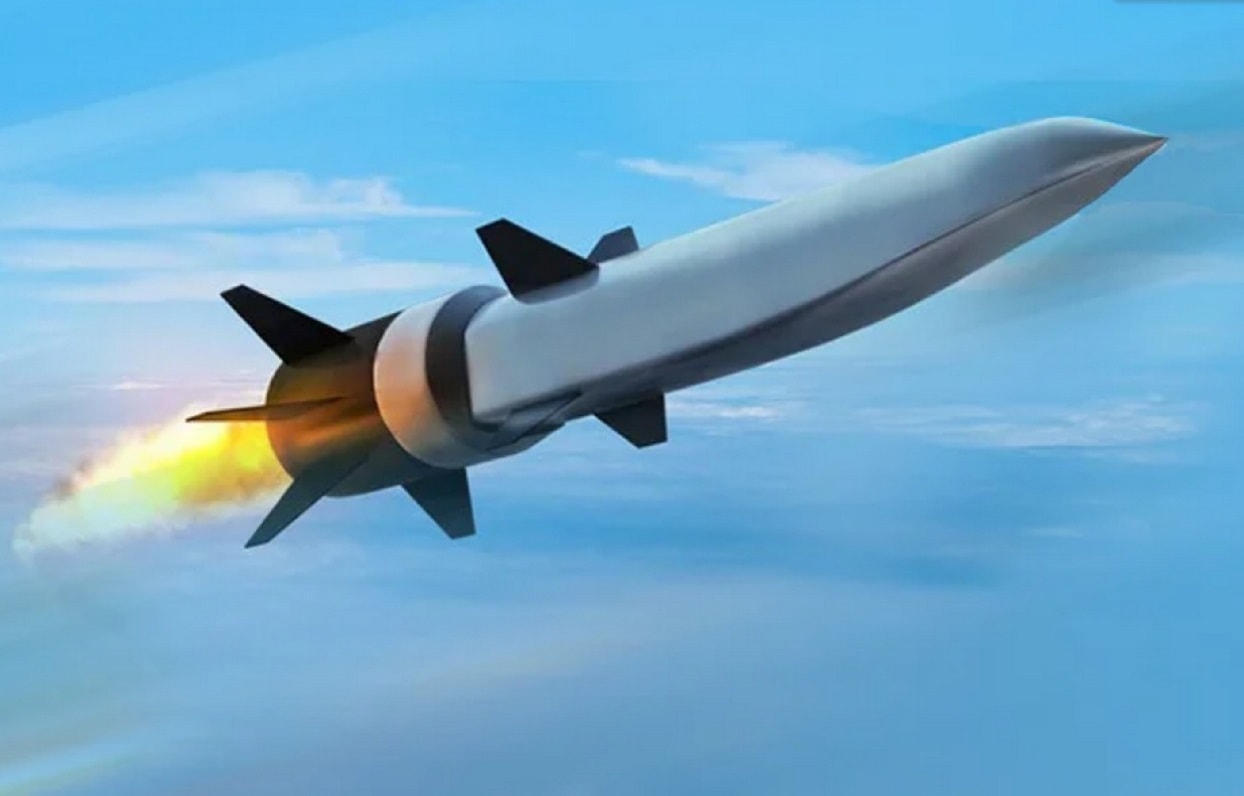
Hypersonic Missile. Image: Creative Commons.
Yet the Kremlin’s claim of an unstoppable hypersonic arsenal seems to stretch reality—not really necessary, given the program’s significant technological progress.
What is Hypersonic?
Hypersonic weapons travel at speeds over Mach 5. That makes them, by their nature, very hard to shoot down.
But it’s not just speed that makes hypersonic weapons lethal—it’s the ability to maneuver mid-flight.
There are two main categories of hypersonic weapons.
The first is hypersonic glide vehicles (HGVs), which are boosted before gliding unpredictably.
Second are hypersonic cruise missiles, which are scramjet-powered for sustained flight. Their great speeds make tracking and interception difficult while giving defenders less time to react.
But none of this means hypersonic weapons are unstoppable.
What Does Russia Have?
Russia currently has four hypersonic systems.
The Avangard HGV is a strategic system with speeds of Mach 20–27.
Carried by an intercontinental ballistic booster, the Avangard was designed to penetrate missile defense systems. Russia only has a dozen or so Avangard units deployed, however, limiting their impact relative to their capabilities.
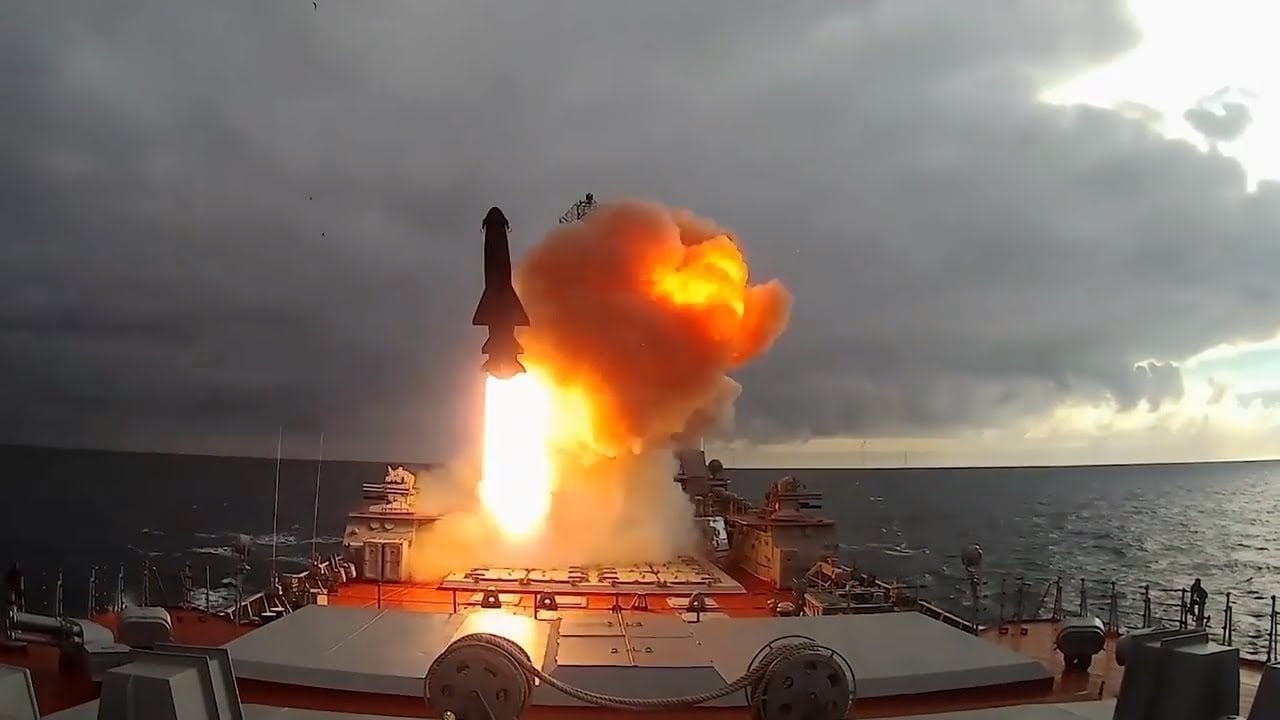
Tsirkon Hypersonic Missile. YouTube Screenshot.
The Kinzhal is an air-launched hypersonic missile launched from a MiG-31K fighter. Widely used in Ukraine, there were reportedly 50-plus Kinzhal launches in 2025. The Kinzhal is essentially a modified version of the Iskander missile.
The Zircon is a scramjet-powered naval cruise missile. Used for anti-ship and land attack roles, the Zircon can be launched from ships, submarines, and ground launchers. In 2026, Russia has used the Zircon with greater frequency, suggesting the missile may become a fixture.
The Oreshnik has a range of 3,000-5,500 kilometers. Capable of reaching speeds of Mach 10, the Oreshnik features multiple warheads. The Oreshnik is deployed in Belarus, and Russia has used it for recent strikes against Ukraine.
Russia’s Tactical Application
Russia is not using its hypersonic arsenal as a mass weapon.
Rather, Russia is using its hypersonic weapons selectively for high-value targets and hardened infrastructure.
Operationally, hypersonic weapons are being used as a supplement to conventional missiles and drones to provide speed and unpredictability. Russia uses its hypersonic weapons as much for political signaling as for battlefield destruction. In short, hypersonics are precision tools, not volume weapons.
Where the Hype Breaks Down
While hypersonics are real and capable, calling them unstoppable goes way too far.
The interception rate is not zero; the Patriot system has intercepted the Kinzhal and Zircon.
If hypersonics were truly unstoppable, Russia would use them more.
But instead, Russia still relies heavily on subsonic cruise missiles and drones. Granted, production limitations are a factor in Russia’s deployment tempo.
Indeed, hypersonics are only available in limited numbers compared to conventional munitions, though production is ramping up.
Regardless, hypersonics appear to be advanced and capable weapons, even if they are not the war-winning, unstoppable weapons the Kremlin would suggest.
Strategic Implications of Hypersonic Weapons
Hypersonic weapons reduce defenders’ reaction time, placing significant pressure on air defense systems.
But hypersonics do not eliminate missile defense or guarantee penetration.
The primary value of hypersonics may be psychological—they deter by signaling that Russia can strike quickly and deeply.
The perception of invulnerability has a value all its own, even if it is not real. Expect the Kremlin to tout future breakthroughs in a way that bolsters that perception, further enhancing the deterrent effect.
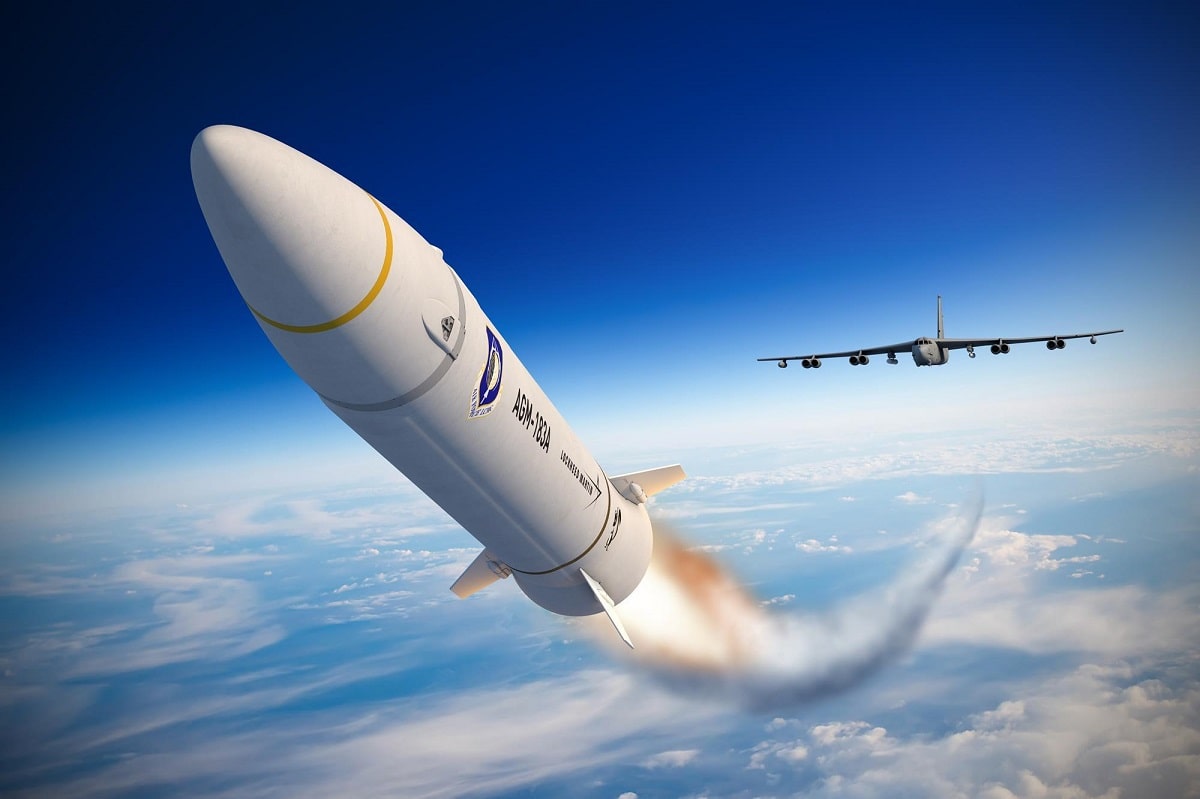
Hypersonic Missile. Image: Lockheed Martin.
Future of the Program
Russia aimed to produce 1,000 hypersonic weapons annually by 2025. They are currently developing advanced multiple-reentry systems.
Russia is also developing a defensive system, the S-500, that is believed to be capable of countering hypersonics.
The Russian commitment to hypersonic weapons mirrors a global trend; the United States and its allies are currently developing a glide phase interceptor, while both offensive and defensive weapons system development is generally accelerating.
In Closing: Fear Hypersonics, Yes, But They Aren’t Unbeatable
Russia’s hypersonic program represents a real technological step forward—but it’s not the revolution the Kremlin has been marketing.
Hypersonic weapons compress time and complicate defensive planning, but hypersonics do not win wars.
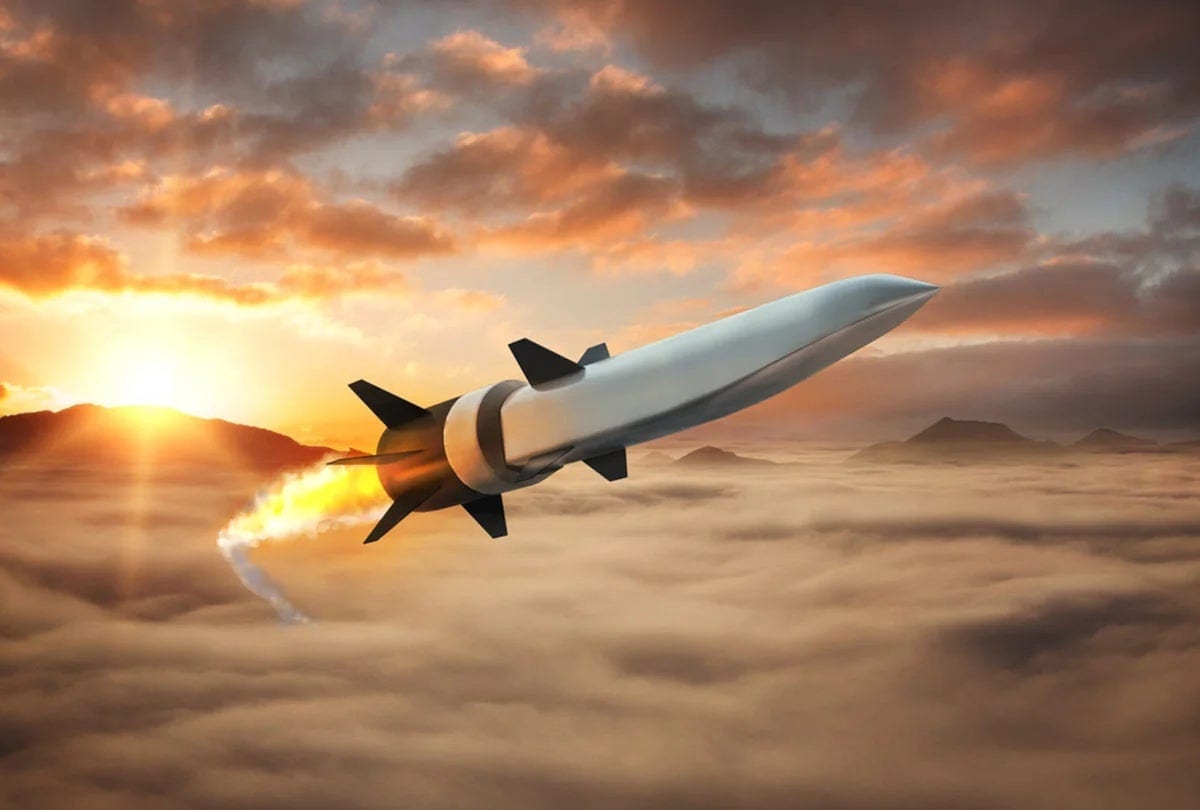
Image: Raytheon media handout.
Still, expect the technology to proliferate and become more central to battlefield operations in the coming decades.
MORE – The U.S. Navy Is Running Out of Aircraft Carriers
About the Author: Harrison Kass
Harrison Kass is an attorney and journalist covering national security, technology, and politics. Previously, he was a political staffer and candidate, and a US Air Force pilot selectee. He holds a JD from the University of Oregon and a master’s in global journalism and international relations from NYU.