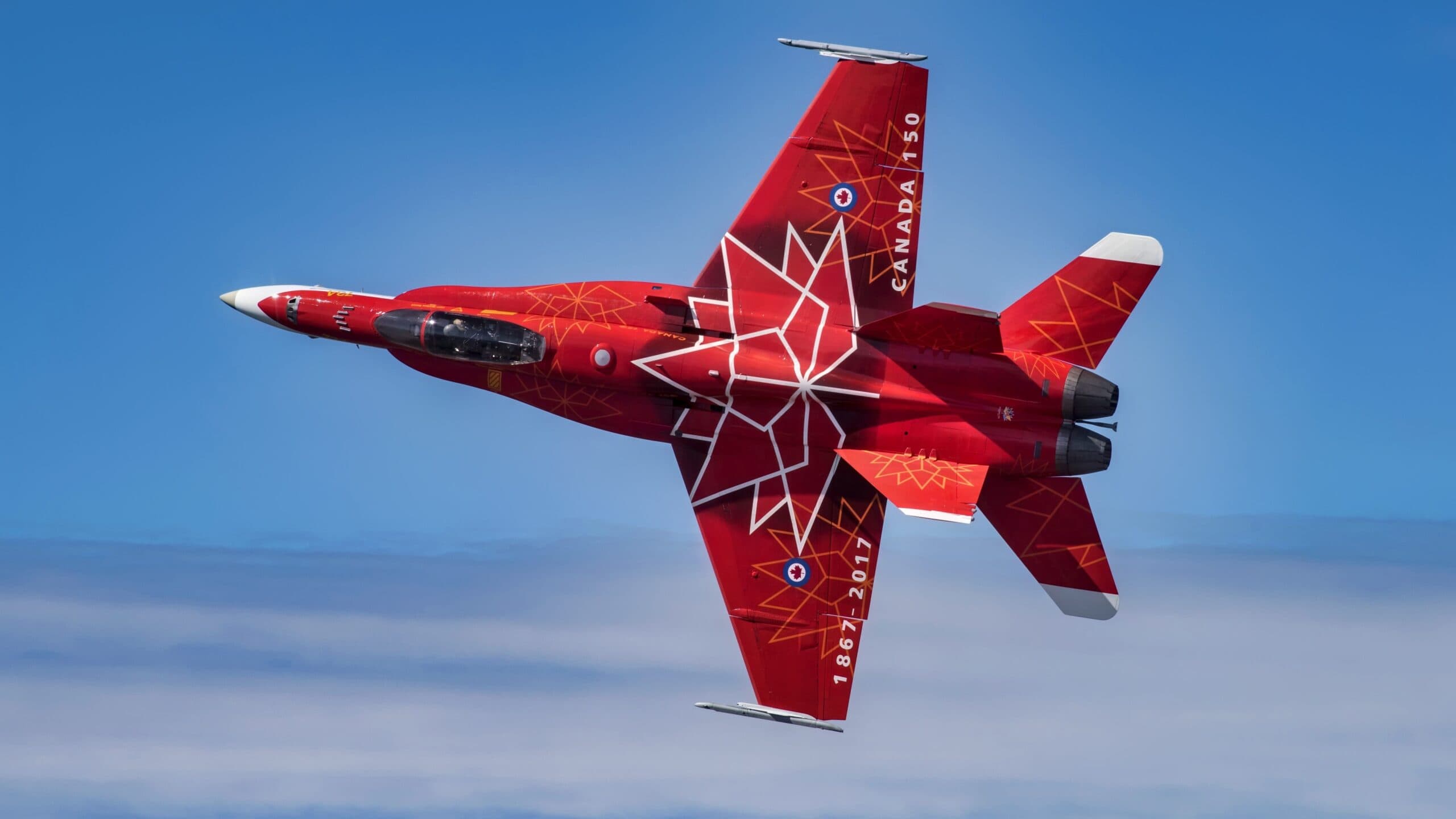
CF-18: The Fighter Canada Can’t Seem To Move On From
Canada’s CF-18 fleet is being worked past the point of viability.
A legacy of 1980s Canada, the US-licensed fourth-generation warplane is deteriorating before the world’s eyes. Ottawa knows it. The Canadian Air Force certainly understands this.
Yet, little is being done by the Canadian government to address this. This is not because they deny the crisis of their CF-18 fleet.
It is because the Canadians are between a rock and a hard place when it comes to procuring a new warplane.
The Fighter Replacement That Never Came
Before the rise of the Trump administration, the government in Ottawa assumed that they could replace their aging US-licensed CF-18s with America’s fifth-generation warplane, the F-35 Lightning II multirole stealth warplane.
But politics has complicated this move.
After all, with Donald Trump’s return to the presidency, the forty-seventh president’s abiding commitment to waging a trade war against Canada and his repeated comments about annexing Canada have given Ottawa pause about becoming more militarily reliant on the United States.
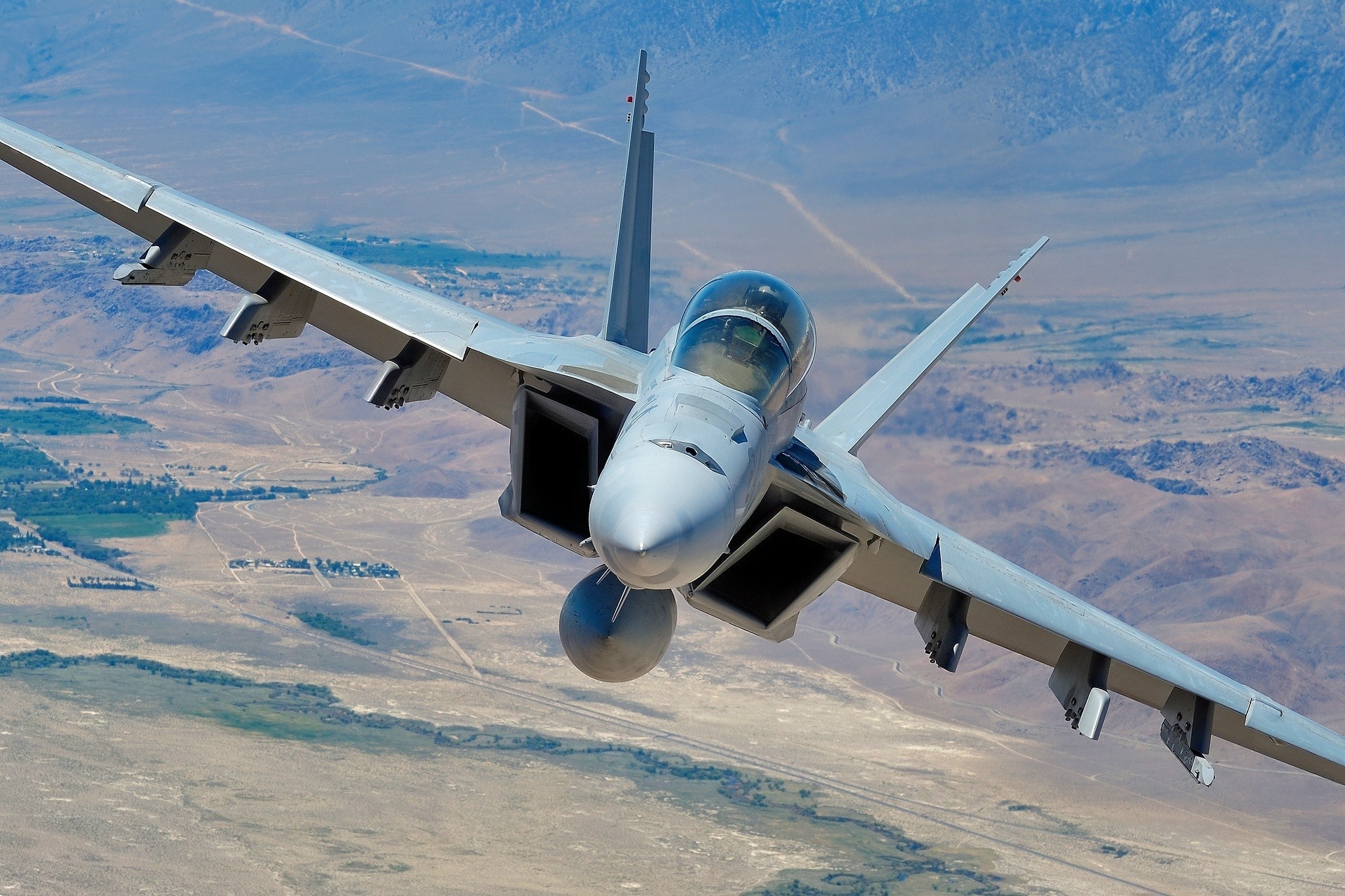
CF-18 Canada. Image Credit: Creative Commons.
Procurement Paralysis and Strategic Risk
The problem is that Ottawa is indecisive on replacing the old CF-18s. They debated the replacement for more than 15 years, long before Donald Trump ever came along.
There was even a series of false starts from the Ottawa government, wherein they canceled, reopened, then delayed, reselected, and then reviewed once more the purchase that essentially created a severe capabilities gap in their air force. The F-35 was selected late in this more than 15-year process of seeking a replacement, too.
Once more, even as the CF-18 falls apart for the whole world to see—with no viable replacement for these birds—Ottawa has placed the potential F-35 purchase under review due to the tense political season that has befallen US-Canada relations since January 20, 2025.
What Canada’s government has consistently done is to avoid deciding, and they’ve obfuscated that reality by claiming they were merely being prudent.
Current tepidity on the part of Ottawa cannot merely be chalked up to annoyance with Trump over the trade war and fears that the Americans might make good on Trump’s comments about annexing Canada. The failure to procure a proper replacement for the CF-18 precedes those events by many years.
Airframe Fatigue and Operational Decline
As for the CF-18s themselves, they are an export variant of America’s iconic F/A-18 fourth-generation warplane tailored specifically for the needs of the Canadian Air Force. Introduced in the 1980s, these once legendary planes have fallen into disrepair and decline.
Most CF-18s today are suffering from what’s known as airframe fatigue, in which multiple jets are approaching or exceeding safe flight-hour thresholds.
This has led to increasing maintenance burdens, leading to even fewer aircraft being available to the Canadian Air Force at any given time.
Today, a serious (and growing) gap exists between the CF-18 and peer threats, like Russia and China (and, if we are to take Trump’s threats against Canada seriously, the United States Air Force).
Essentially, Canada is flying museum pieces in an age of beyond-visual-range missiles, hypersonic weapons, and drone swarms.
Stopgap Acquisition and Readiness Degradation
Ottawa attempted a stopgap measure in recent years by purchasing a tranche of F/A-18 Hornets from Australia. Like the existing deteriorating fleet of CF-18s, though, the Australian F/A-18s were already aging when they were procured.
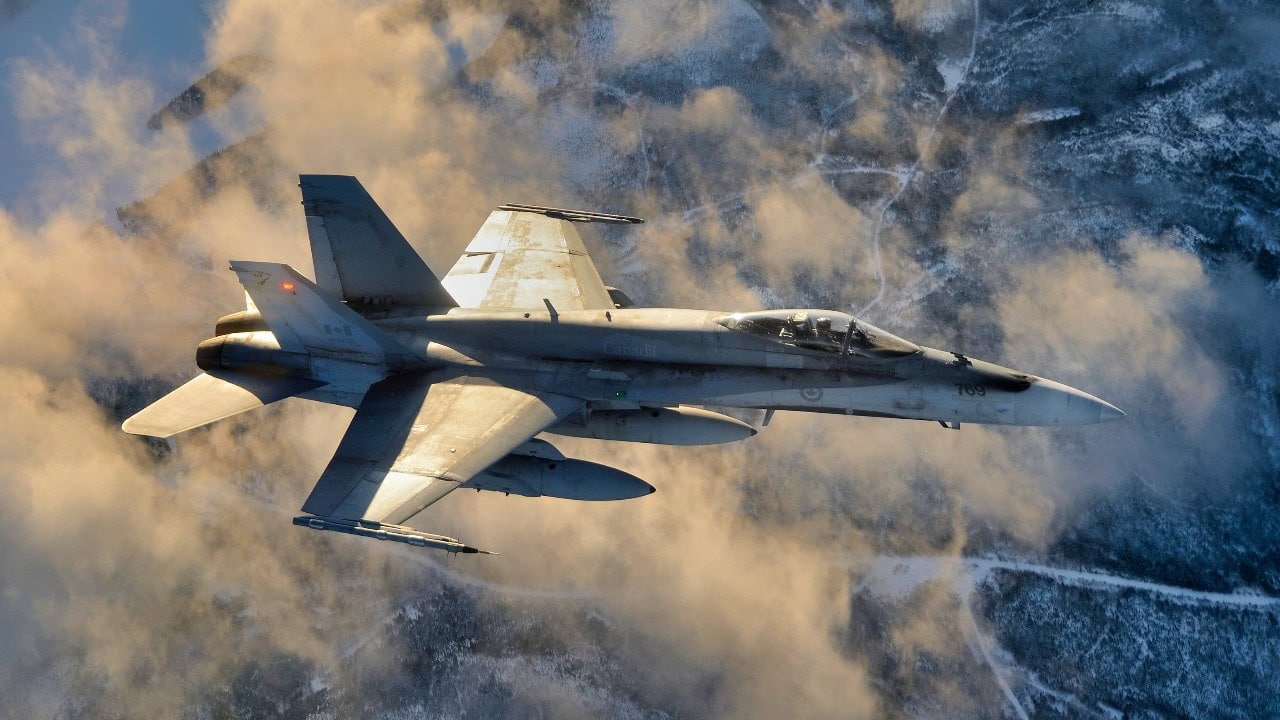
A Canadian CF-18 Hornet in flight during an air combat training exercise for Squadron 425 pilots from Bagotville.
In effect, this exacerbated the maintenance crisis in Canada’s warplane fleet.
There have also been serious personnel shortages in the Canadian Armed Forces over many years, along with significant parts shortages.
All these factors have only degraded readiness.
What Canada did was inflate its air force size on paper while, in reality, it spent more money procuring old jets from Australia, leaving even fewer jets ready to fight.
So, Canada’s air force is the equivalent of a sinking ship, and they’re trying to patch it over with scrap metal.
Why This Is America’s Problem, Too
More importantly, because the United States depends on Canada for defense of the High North, a region that is increasingly a hotbed of geopolitical competition between the United States (and its partners, like Canada), Russia, and China, the declining capabilities of Canada’s Air Force directly impact the United States.
Either the Americans will have to learn to live with fewer intercept capabilities along the now contentious North American periphery, including the Arctic, or the United States will be forced to divert precious resources toward building out its own capability to patrol the High North.
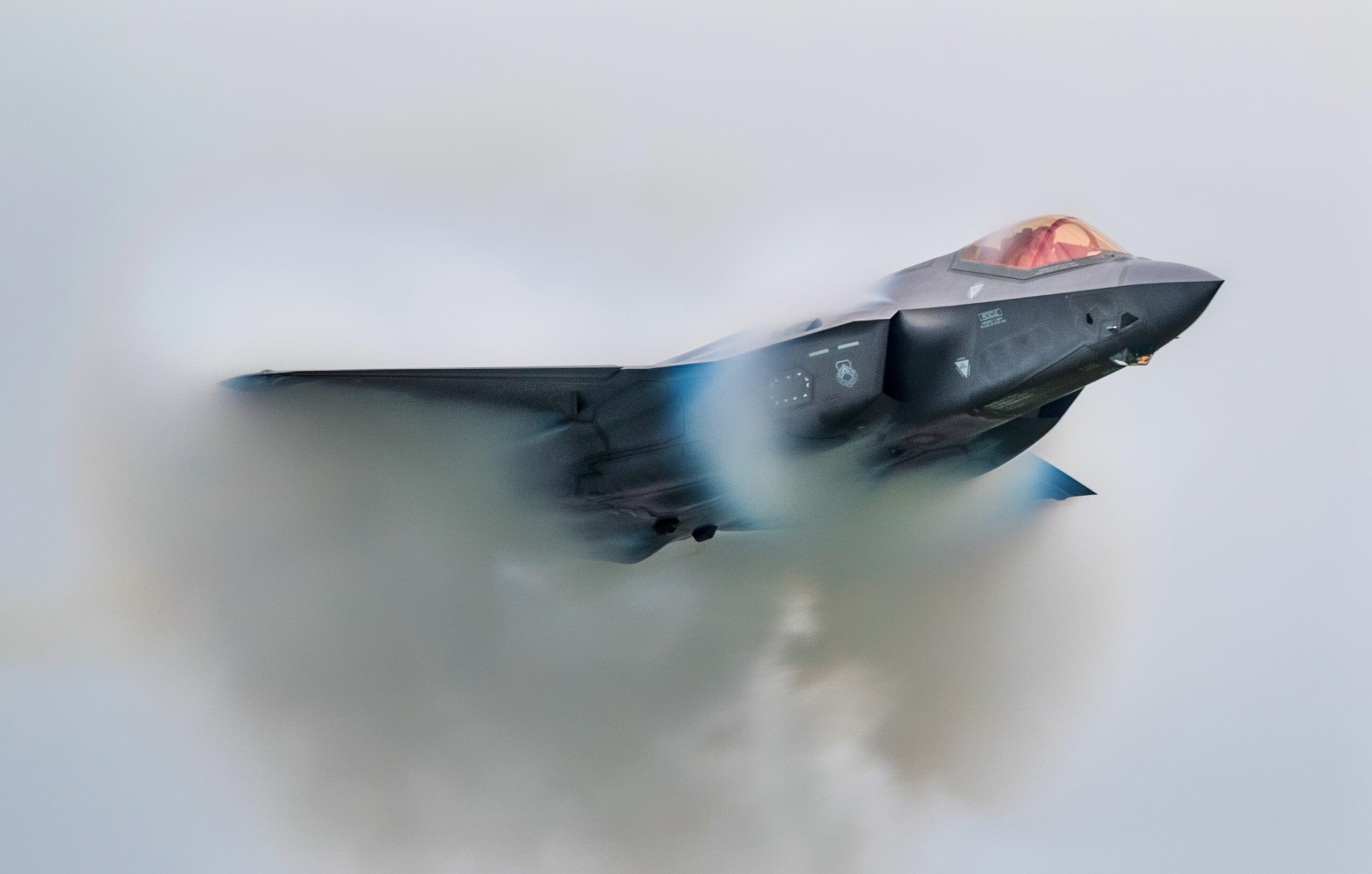
Capt. Andrew “Dojo” Olson, F-35 Demo Team pilot and commander performs aerial maneuvers during the Aero Gatineau-Ottawa Airshow in Quebec, Canada, Sept. 7, 2019. The team consists of 10 Airmen who help showcase the world’s most technologically advanced fifth-generation fighter jet. (U.S. Air Force photo by Senior Airman Alexander Cook)
The Interoperability Deficit
In the age of missiles and drones, though, having capabilities gaps in missile defense of the kind that is now being created due to the collapsing Canadian warplane capability, is a disaster-waiting-to-happen.
What’s more, the longer that Canada refuses to replace their CF-18 fleet, the graver the challenge is for all-important joint force interoperability. The more that interoperability declines between the US and Canadian forces, the harder it will be to enjoy mutual defense.
With most of America’s NATO allies flying the F-35, it was assumed that Canada would be well on its way toward integrating this force into their own. Sadly, the repeated delays have prevented this integration.
Whatever problems exist with the F-35—and there are many—the fact remains that the CF-18 is unworkable due to age and small numbers. What’s more, the United States needs an integrated force to strengthen homeland defense. Canada’s unwillingness to commit to a new fighter has left gaps in American defense.
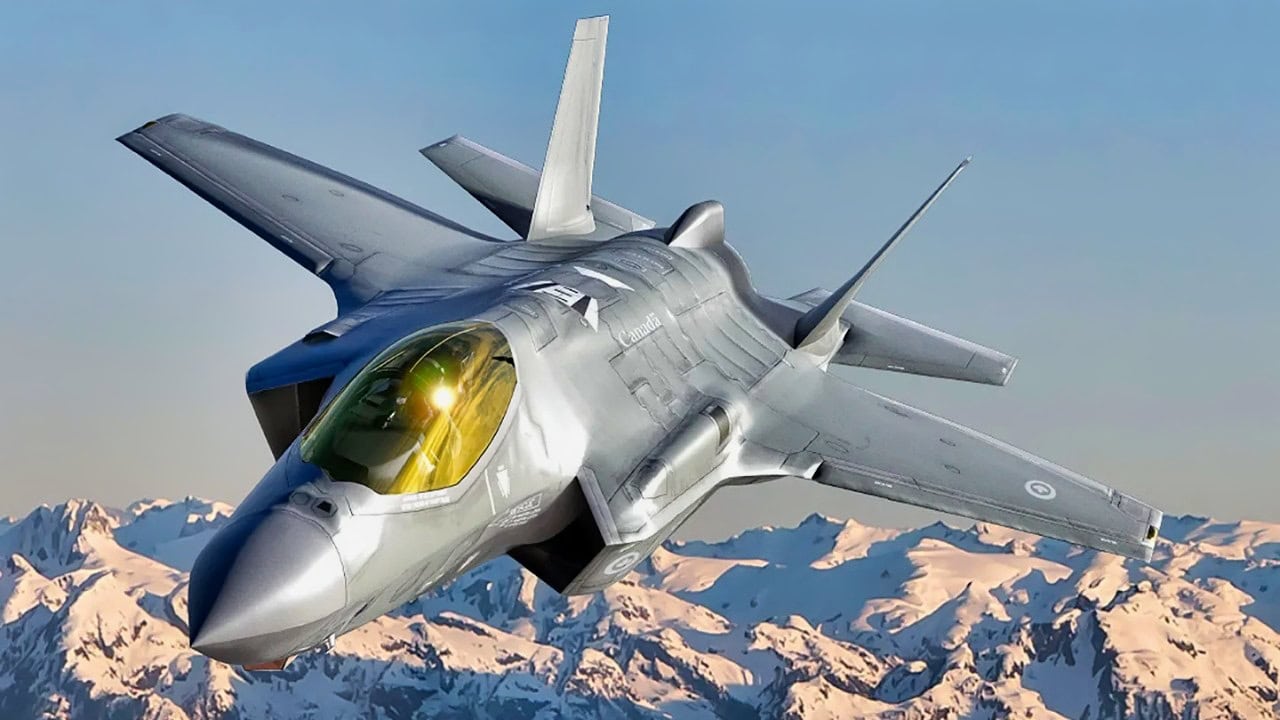
Canada F-35. Image Credit: Creative Commons.
The Cost of Waiting
If Canada does finalize its purchase of F-35s, they will not be available until late this decade at the earliest. This means major cost overruns compounding over time.
The cost overruns due to delays and the sclerotic nature of the Lockheed production line for the F-35, which is already in high demand, will likely lead to fewer available systems.
Airpower Doesn’t Forgive Delay
But airpower is unforgiving, especially in today’s contested world. You cannot just pause the development of capabilities to enhance airpower. Fighter fleets require decades-long planning. Airframes don’t wait for political differences to be resolved.
Every year of delay compounds into readiness gaps, pilot shortages, spiraling maintenance costs, and massive strategic vulnerability.
A Lose-Lose Airpower Trap
The Canadian military now faces a lose-lose scenario in which they are forced to keep flying degrading CF-18s while they must wait additional years for F-35s that should have already been operational by now.
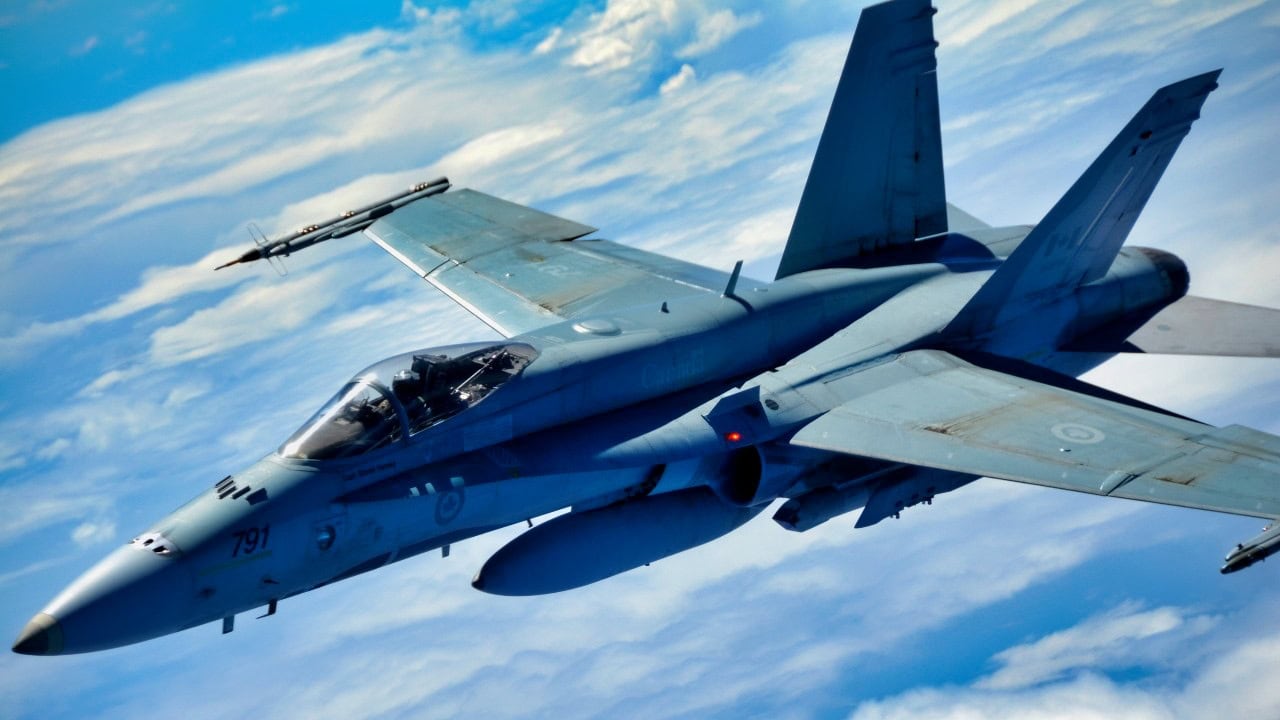
JOINT BASE PEARL HARBOR-HICKAM (July 11, 2016) A Royal Canadian Air Force CF-18 Hornet flies alongside a KC-135 Stratotanker flown by a crew from the 465th Air Refueling Squadron, Tinker Air Force Base, Okla., in support of Rim of the Pacific 2016. Twenty-six nations, more than 40 ships and submarines, more than 200 aircraft and 25,000 personnel are participating in RIMPAC from June 30 to Aug. 4, in and around the Hawaiian Islands and Southern California. The world’s largest international maritime exercise, RIMPAC provides a unique training opportunity that helps participants foster and sustain the cooperative relationships that are critical to ensuring the safety of sea lanes and security on the world’s oceans. RIMPAC 2016 is the 25th exercise in the series that began in 1971. (U.S. Air Force photo/Master Sgt. Grady Epperly)
There will be real ramifications for the combined defense of Canada and the United States as a result of this short-sighted and irresponsible decision by the Canadians to embrace the F-35 (or even just a new Western warplane entirely).
MORE – The U.S. Navy Is Running Out of Supercarriers
About the Author: Brandon J. Weichert
Brandon J. Weichert is the Senior National Security Editor at 19FortyFive.com. Recently, Weichert became the editor of the “NatSec Guy” section at Emerald.TV. He was previously the senior national security editor at The National Interest. Weichert is the host of The National Security Hour on iHeartRadio, where he discusses national security policy every Wednesday at 8pm Eastern. He hosts a companion show on Rumble entitled “National Security Talk.” Weichert consults regularly with various government institutions and private organizations on geopolitical issues. His writings have appeared in numerous publications, among them Popular Mechanics, National Review, MSN, and The American Spectator. And his books include Winning Space: How America Remains a Superpower, Biohacked: China’s Race to Control Life, and The Shadow War: Iran’s Quest for Supremacy. Weichert’s newest book, A Disaster of Our Own Making: How the West Lost Ukraine, is available for purchase wherever books are sold. He can be followed via Twitter/X @WeTheBrandon.