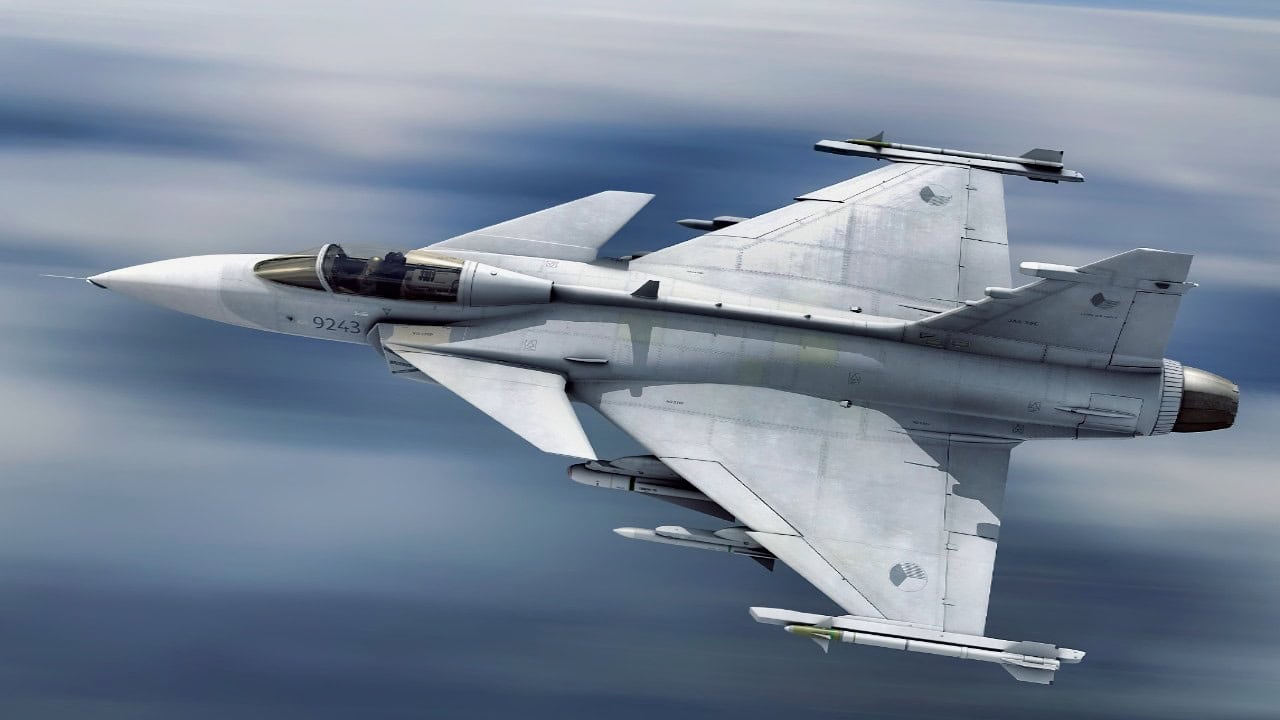
Saab’s JAS 39 Gripen and F-35 Are Locked Into Drama over Canada Deal
Canadian defense procurement remains at a crossroads. Saab still seems to be pushing hard to sell the JAS 39 Gripen to Canada, while the government drags out its review of the existing F-35 deal.
According to Air Data News, the Swedish firm’s chief executive Micael Johansson, described continued talks with Canadian officials as “intensive”, with the company continuing to press the case for its Gripen E fighter and a wider package that could also include GlobalEye surveillance aircraft.
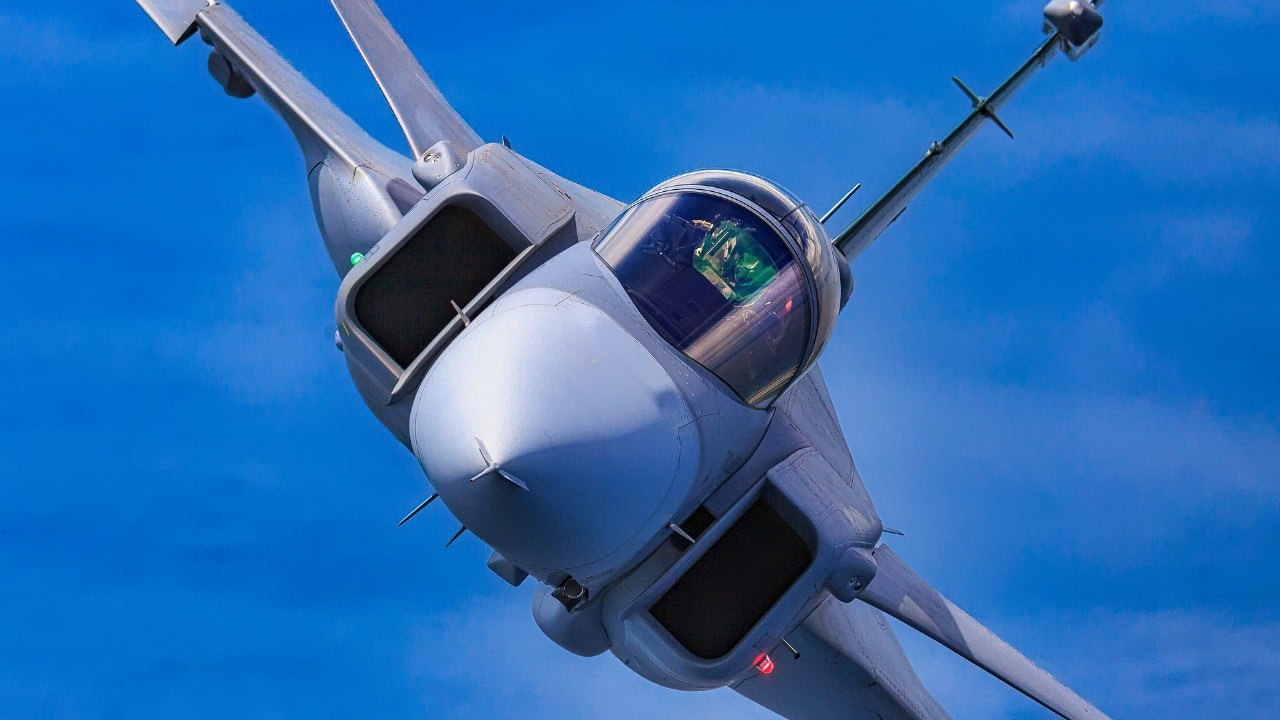
JAS 39 Gripen. Image Credit: Creative Commons.
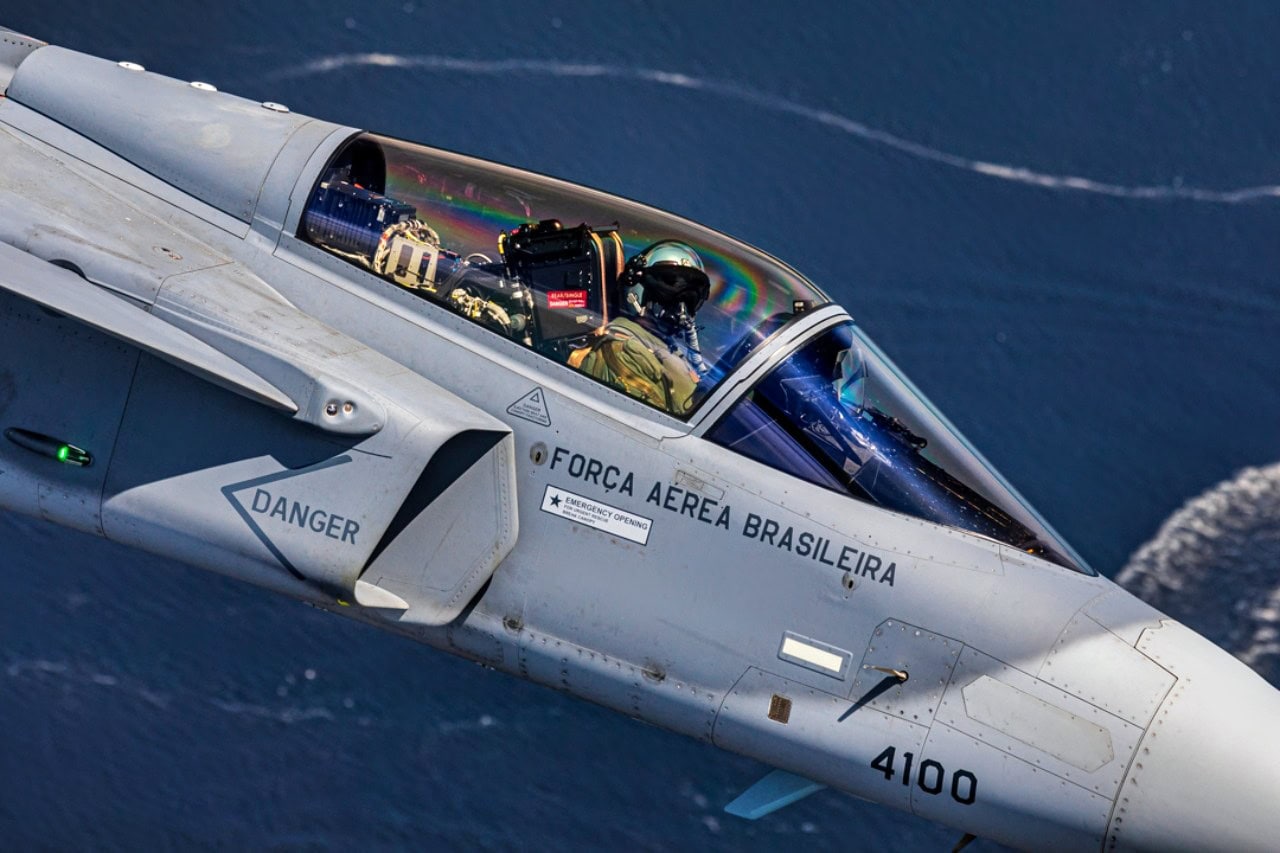
JAS 39 Gripen. Image Credit: Creative Commons.
The Drawn-Out F-35 Deal
That matters because Canada is no longer treating the F-35 purchase as settled.
The government has already committed funding for part of the planned fleet, but the wider deal for 88 aircraft is still under review.
What once looked like straightforward procurement has turned into a row over just how much Canada wants to rely on the United States, its closest neighbor and trade partner, for one of the most important defence purchases in its modern history.
There is now growing talk of a compromise, and officials are allegedly still weighing a mixed fleet, which would see Canada buy fewer F-35s while bringing in the Gripen as a second aircraft type.
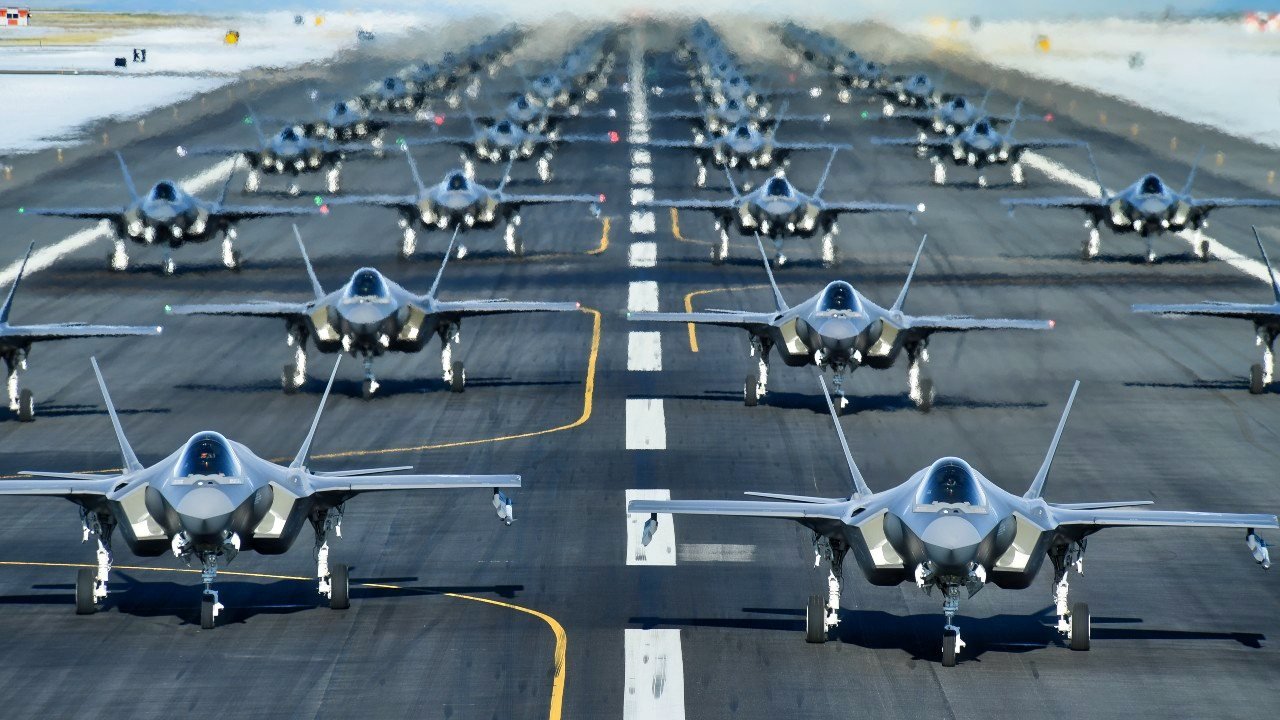
F-35 Elephant Walk. Image Credit: Creative Commons.
That would be a major shift from the original plan, but it reflects the fact that this is no longer just a question of which jet is better on paper.
Prime Minister Mark Carney has made a broader argument about diversification and reducing dependence on any one ally. That logic has spilled into defence procurement, especially after worsening tensions with Washington.
Saab’s pitch is fairly obvious, both a fighter jet, and more domestic control and jobs.
U.S. Response to Canada’s Decision
The U.S., unsurprisingly, has not been subtle in response, with U.S. ambassador Pete Hoekstra warning that NORAD “would have to be altered” if Canada pulled back from the full F-35 order. In effect, Washington argues that continental defence works best when both countries fly the same aircraft and are plugged into the same systems.
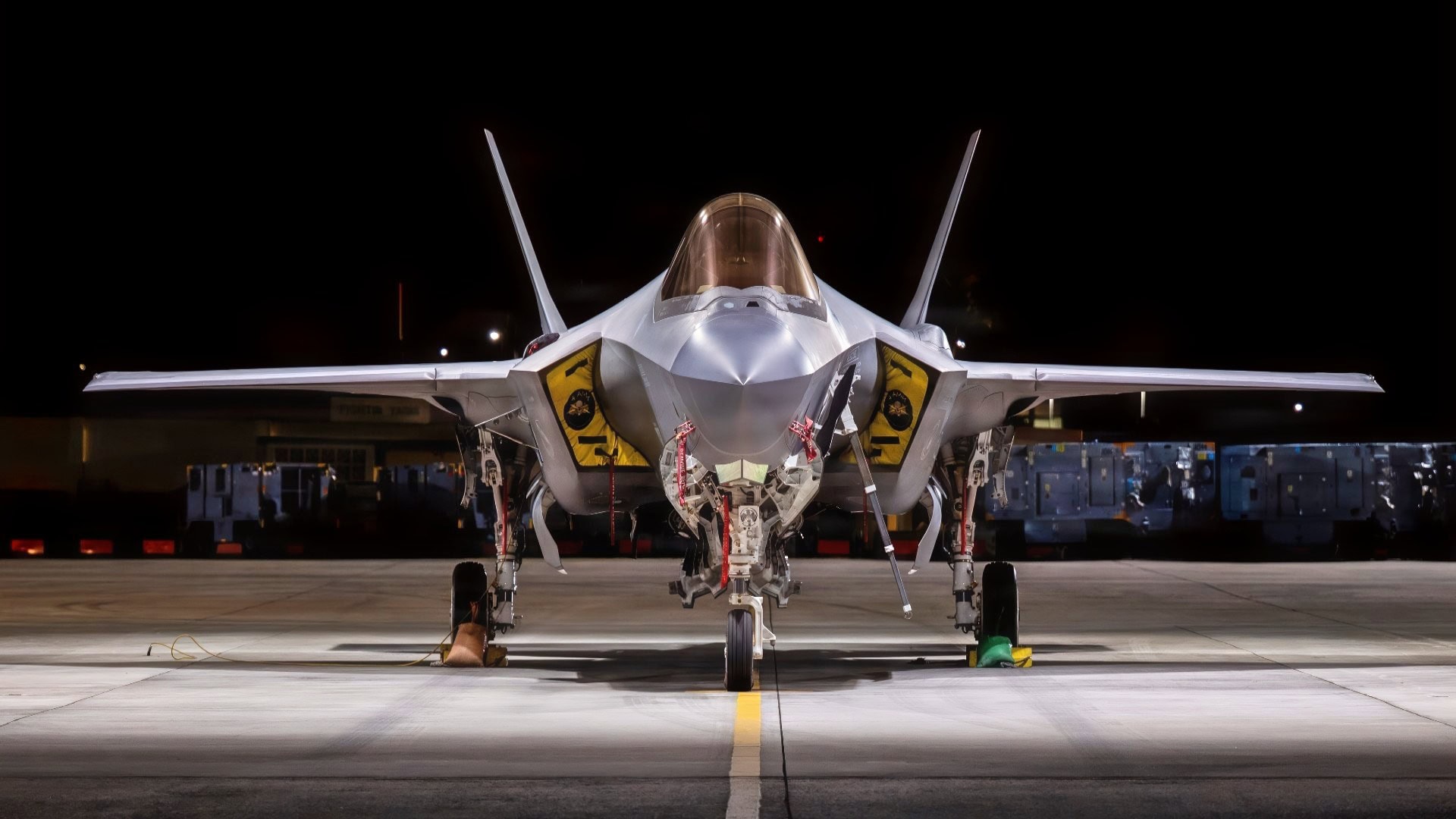
An F-35A Lightning II assigned to the 4th Expeditionary Fighter Squadron, deployed to Kadena Air Base, sit on the flight line during base-wide operational readiness exercise BH 26-1 at Kadena Air Base, Japan, Nov. 3, 2025. Kadena serves as a critical element in deterring potential adversaries through its demonstrated strength and commitment to regional security.
(U.S. Air Force photos by Senior Airman Jonathan Sifuentes)
That is the strongest case for the F-35, and indeed it was chosen in the first place because it fits neatly into Canada’s obligations to NORAD and NATO. It is stealthier, more advanced, and much more deeply embedded in the wider US-led combat network than the Gripen.
Supporters of the jet argue that, in an age of sensor fusion and high-end air warfare, it matters more than ever.
But Saab has tried to shift the conversation to other matters, telling AeroTime that domestically producing the Gripen and GlobalEye in Canada could support some 12,600 jobs, while also giving Canada greater control over its jets’ software and upgrades.
It is also the case that, despite not being as advanced as the F-35s, Gripens are well-suited to the Arctic conditions that prevail across vast swathes of Canadian airspace.
Naturally, many Canadians in and outside the defense sector are persuaded by this, given that, despite the F-35’s cutting-edge capabilities, it further embeds Canada in a US-led support and sustainment system, which politicians who are more prickly about Washington do not favor.
According to the Pew Institute, Canadians’ opinions of both President Donald Trump and the U.S. are at their lowest since 2002. Just 22 per cent of Canadian adults surveyed said they had confidence in the U.S. Commander in Chief’s approach to world affairs, while over half had said the same about former President Joe Biden.
Regardless, this toing and froing cannot go on indefinitely, given how old and expensive to maintain the CF-18 “Hornet” is.
Delaying too long, or changing course too drastically, risks turning an already messy procurement into an even longer-running one.
There is, as ever, an important economic angle also. Canadian firms already have a place in the F-35 supply chain, and that work supports real jobs.
Pulling back from the programme could jeopardise some of that at a time when unemployment is already rising, even if Saab promises to replace it with domestic manufacturing at some point.
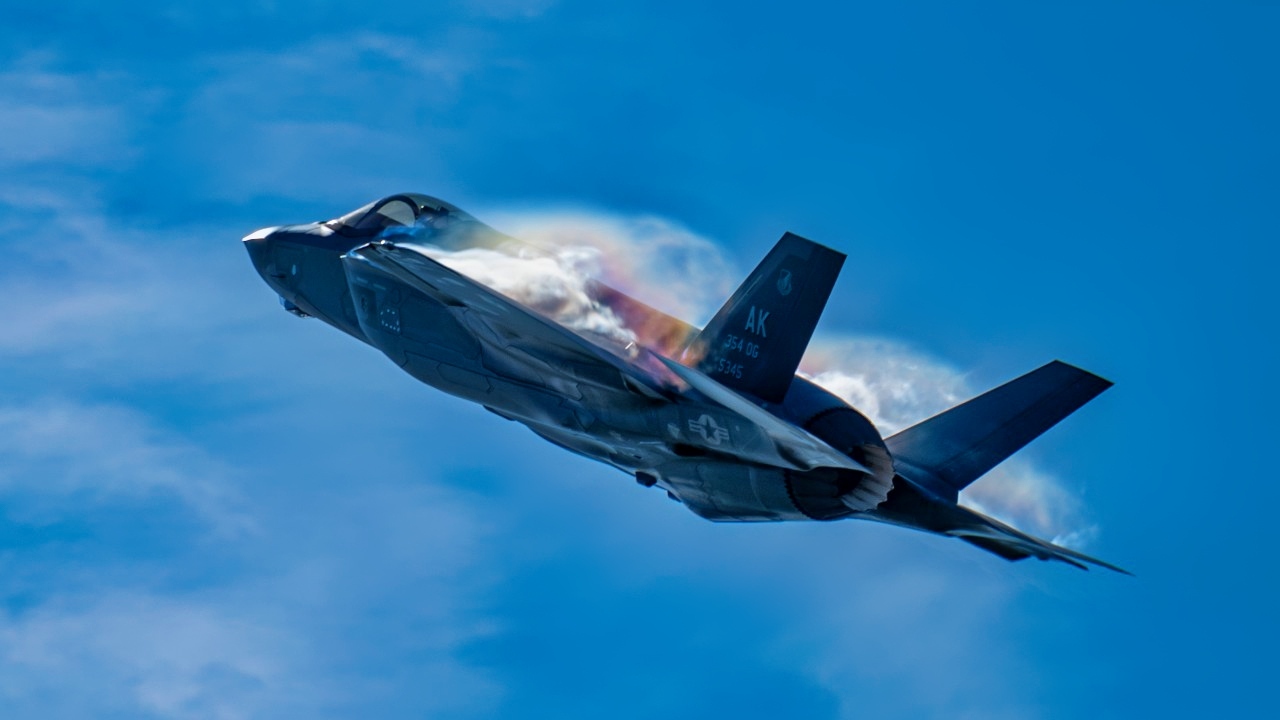
U.S. Air Force Maj. Kristin “BEO” Wolfe, F-35A Lightning II Demonstration Team pilot and commander, flies an aerial performance for the 2021 Arctic Lightning Air Show, July 30, 2021, Eielson Air Force Base, Alaska. The F-35 Demonstration Team utilized F-35s from the 354th Fighter Wing in order to showcase the combat capability of the Pacific Air Force’s newest F-35 units. (U.S. Air Force photo by Capt. Kip Sumner)
This is not simply a contest between two fighter jets, but a debate about the kind of defence posture Canada wants, and in particular how far it is willing to complicate military planning to make a political point. A full F-35 fleet would keep Canada closely tied to the U.S. and the established NORAD model.
A mixed fleet would send a different message: that Ottawa wants to hedge its bets, even if it means risking economic fallout and a less adept fighter jet fleet.
MORE – The U.S. Air Force’s Big F-22 Raptor Stealth Fighter Mistake
MORE – The Navy’s Biggest Fear Came True: A Nuclear Aircraft Carrier Caught Fire
About the Author: Georgia Gilholy
Georgia Gilholy is a journalist based in the United Kingdom who has been published in Newsweek, The Times of Israel, and The Spectator. Gilholy writes about international politics, culture, and education. You can follow her on X: @llggeorgia.