An F-15E Strike Eagle Crashed Inside Iran, and an A-10 Warthog Was Critically Damaged — Both Hit by Ground Fire on the Same Day
MANILA – On Friday, 3 April, two US military aircraft were shot down over Iran in separate incidents.
These aircrew were conducting combat operations in the ongoing air campaign against the Islamic Republic that began on 28 February.
The two aircraft were a US F-15E Strike Eagle, which carries a pilot and a rear-seat Weapons System Officer, and a single-seat A-10 Warthog, a close air support and attack aircraft.
The A-10 pilot and one of the F-15E aircrew have been recovered safely.
An intense search-and-rescue effort is ongoing for the missing crew member, according to US officials who spoke to multiple US media outlets.
An A-10 Thunderbolt II takes off to provide close-air support to ground troops in Iraq April 25 from Al Asad Air Base, Iraq. The 438th Air Expeditionary Group A-10s perform 10 sorties daily, with 900 sorties in this last four months. (U.S. Air Force photo/Tech. Sgt. Cecilio M. Ricardo Jr.)
The loss of the F-15E is the first known instance of a crewed American aircraft being brought down inside hostile territory since the conflict began.
The A-10 aircraft was critically damaged by incoming ground fire but was still partially flyable.
The pilot navigated his aircraft into Kuwait airspace, then ejected and was subsequently rescued.
The F-15E fighter jet and the A-10 attack plane both were hit by incoming ground fire, US officials said, and this is not another case of friendly fire.
One of two crew members aboard the F-15, which crashed inside Iran, was rescued, though that servicemember’s condition was not immediately clear, unnamed officials said.
Rescue Mission
The missing F-15E crew member had ejected over Iranian territory, raising the unpleasant prospect that this airman could be captured or even killed by any Iranian captors, particularly if those who locate that aircrewman were from the fanatical Islamic Revolutionary Guard Corps (IRGC).
A UK news site, The Independent, interviewed US President Donald Trump by phone and asked him what his response would be if some harm came to a US service member at the hands of Iran.
“We hope that’s not going to happen,” the president responded, but he declined to comment further on any US response. That aircrew being on the ground means two very unhappy realities tell US military officials. One of those is that Iran’s regime has offered a reward for the capture and handing over of the US airman.

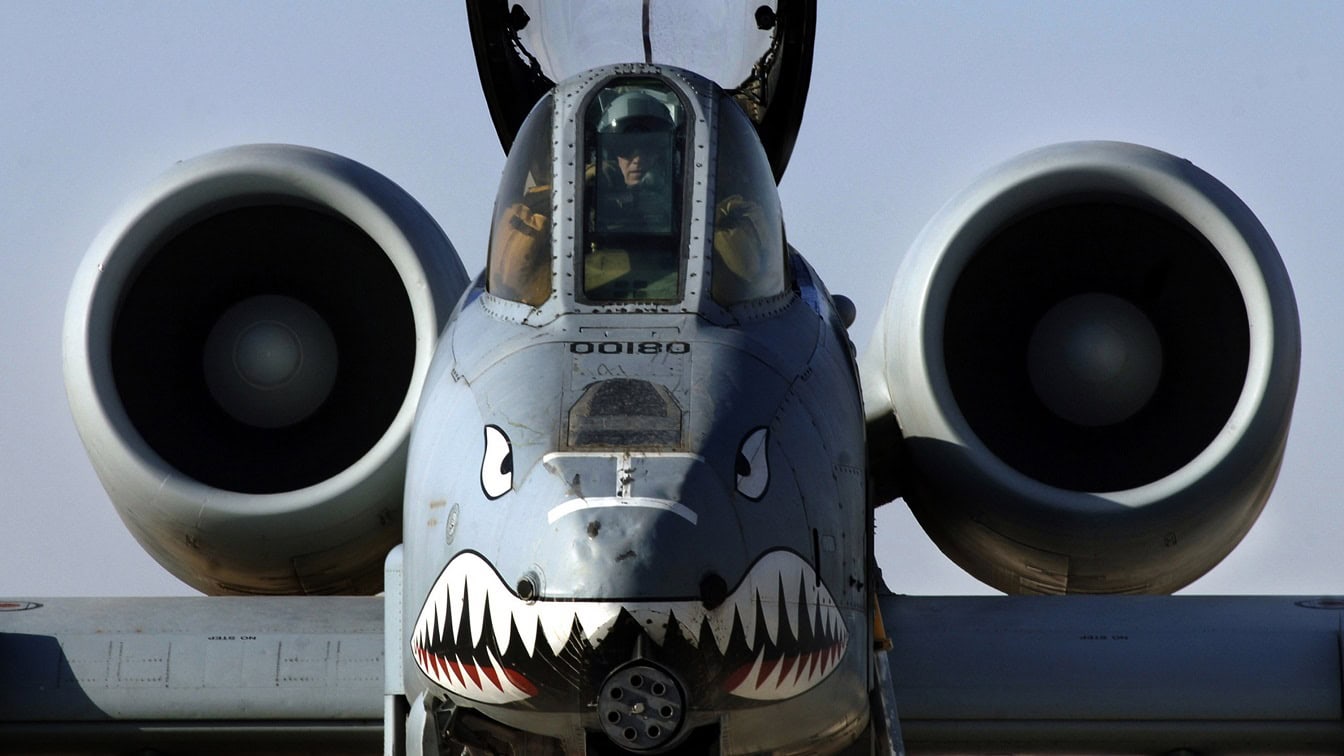
A-10 Warthog. Image Credit: Creative Commons.
The second is that the US search and rescue (SAR) team attempting to rescue is forced to operate in hostile territory.
“It’s a high-risk mission,” said retired Gen. James Slife, the former commander of the US Air Force Special Operations Command. Units of this USAF element specialize in infiltration and combat SAR missions. “The longer somebody is on the ground, the less opportunity you have to safely recover them,” he explained.
These rescue teams are launched immediately after just such a shootdown and are usually provided with incomplete information on what to expect. This is due to the risks faced by downed pilots, and time is of the essence. There is also the very real probability that, if they are captured, they will be forced to make scripted public statements or otherwise be exploited by US adversaries, Slife said in an interview with the Washington Post.
“In addition to the moral obligation we feel to make every effort to recover our isolated personnel, you want to deny the adversary the opportunity to use a captured service member as propaganda,” Slife said.
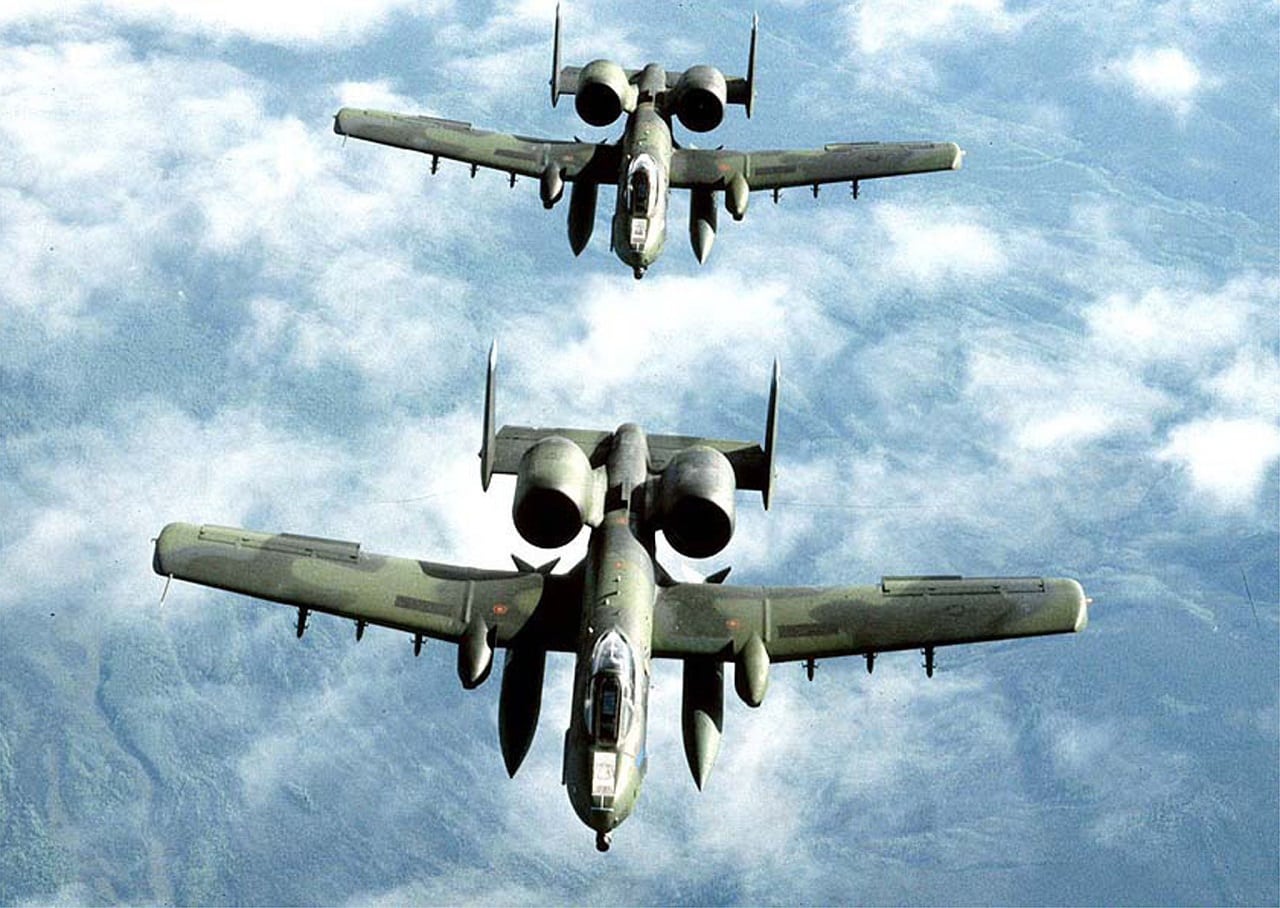
A-10 Warthog.
Operating Low
Much has been made of these shootdowns, including accusations that US officials offered misleading information about the degree to which Iranian air defenses had been destroyed or degraded, and the continuing ability of Iran to launch attacks.
In a speech on Wednesday night, US President Donald Trump said, “They have no anti-aircraft equipment. Their radar is 100 percent annihilated. We are unstoppable as a military force.”
Other speculation has been that the aircrews were not being adequately prepared to fly into high-threat environments, such as an on-board self-protection kit that includes electronic warfare jamming modules. But this, in the end, may not be much of a factor.

A-10 Warthog. Image Credit: Creative Commons.
“From a military perspective, the idea that Iran’s anti-aircraft capacity was eliminated made no sense,” said Kelly Grieco, who also spoke to the Post. Grieco is a senior fellow at the Stimson Center, a Washington think tank.
“I’m sure we’ve done great damage to radars, long-range missiles, and fixed surface-to-air missiles, but something like a MANPADS you can fire from a shoulder is really hard to find,” she said, using the acronym for a man-portable air-defense system like the famous US Stinger missile. “As we’ve seen today, if you fly low enough, anti-aircraft artillery or MANPADs present a significant threat.”
The practice of operating at low altitudes – below what is considered optimal for normal air operations – may be the ultimate culprit in these losses and the damage to other US aircraft.
“The fact that they [the US forces] are flying so low and slow indicates willingness to take a lot of risk,” commented Mark Cancian, a senior adviser at the Center for Strategic and International Studies (CSIS), to the Washington daily.
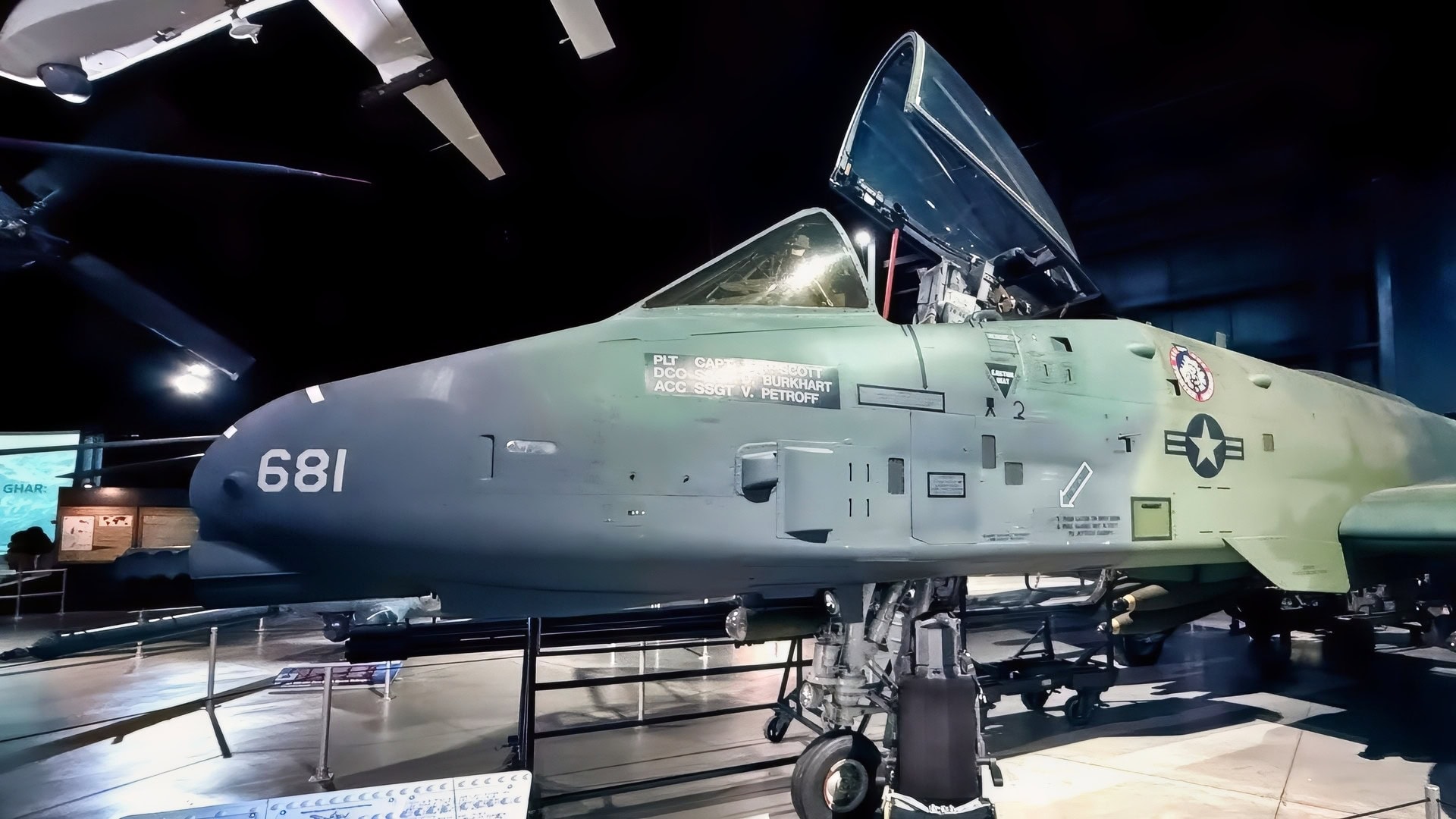
BONUS Photo Essay: We Saw the A-10 Warthog At the National Museum of the Air Force
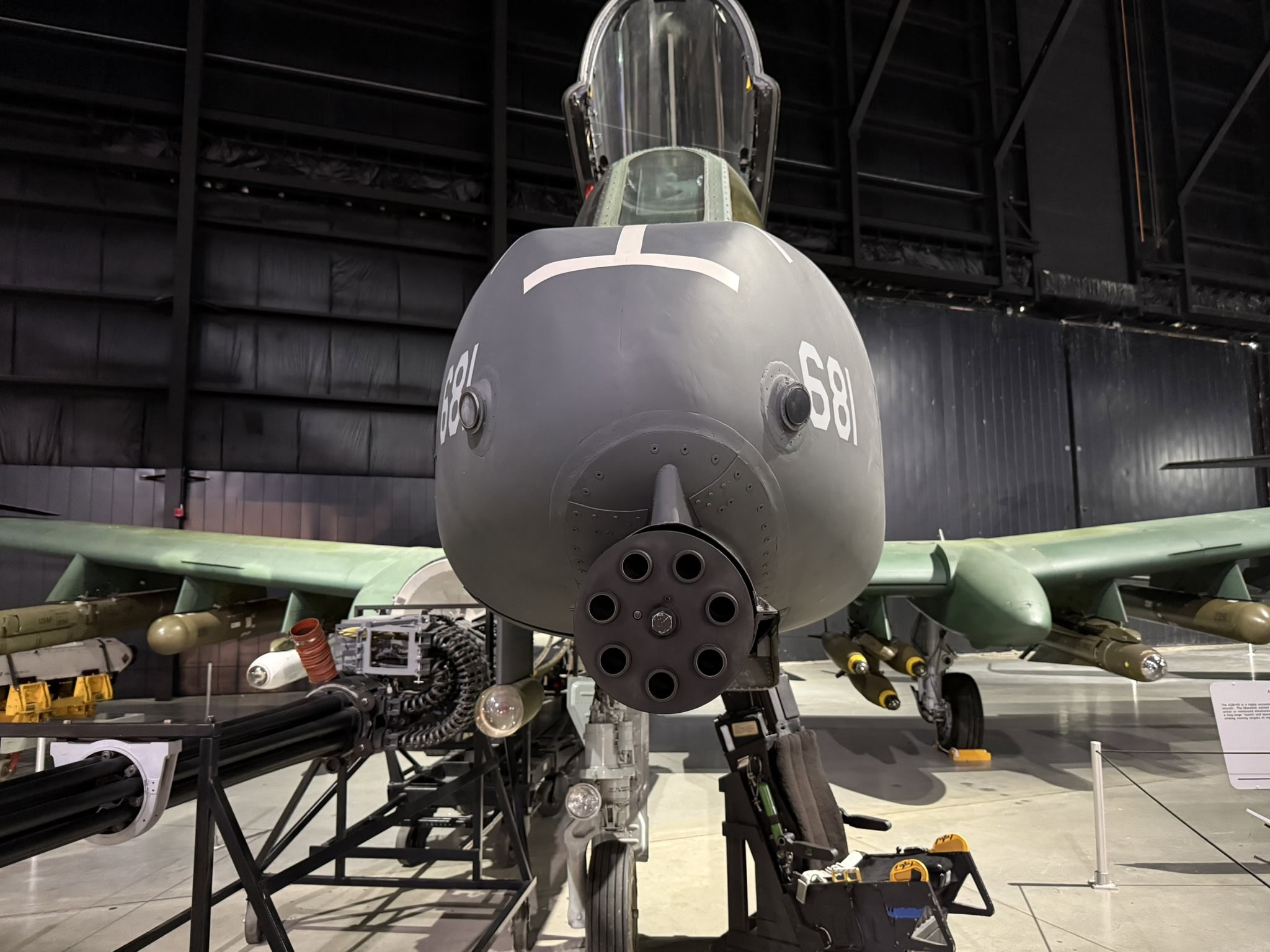
A-10 Warthog. Image Credit: 19FortyFive.com
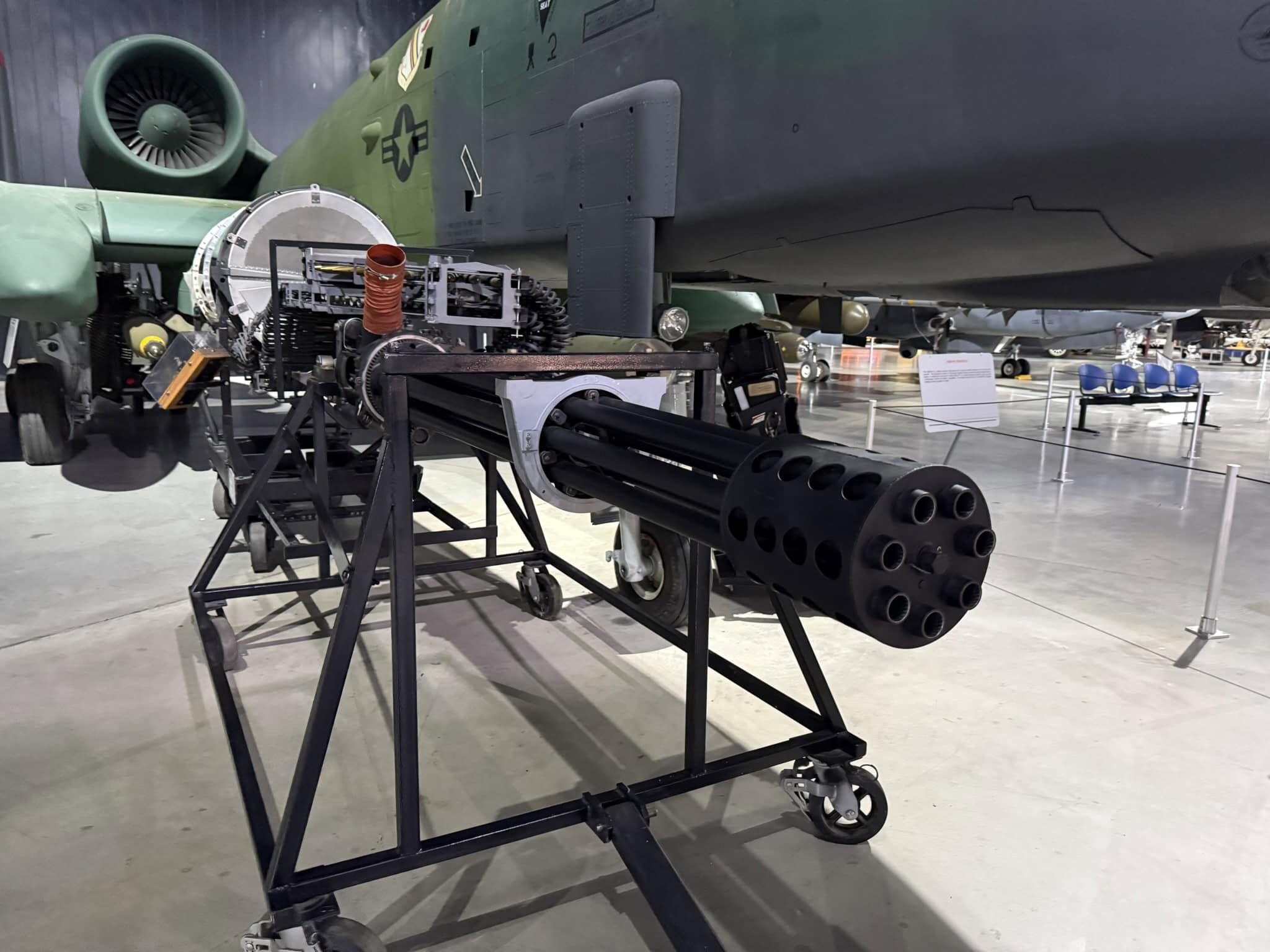
A-10 Warthog. Image Credit: 19FortyFive.com. Taken at the National Museum of the U.S. Air Force.
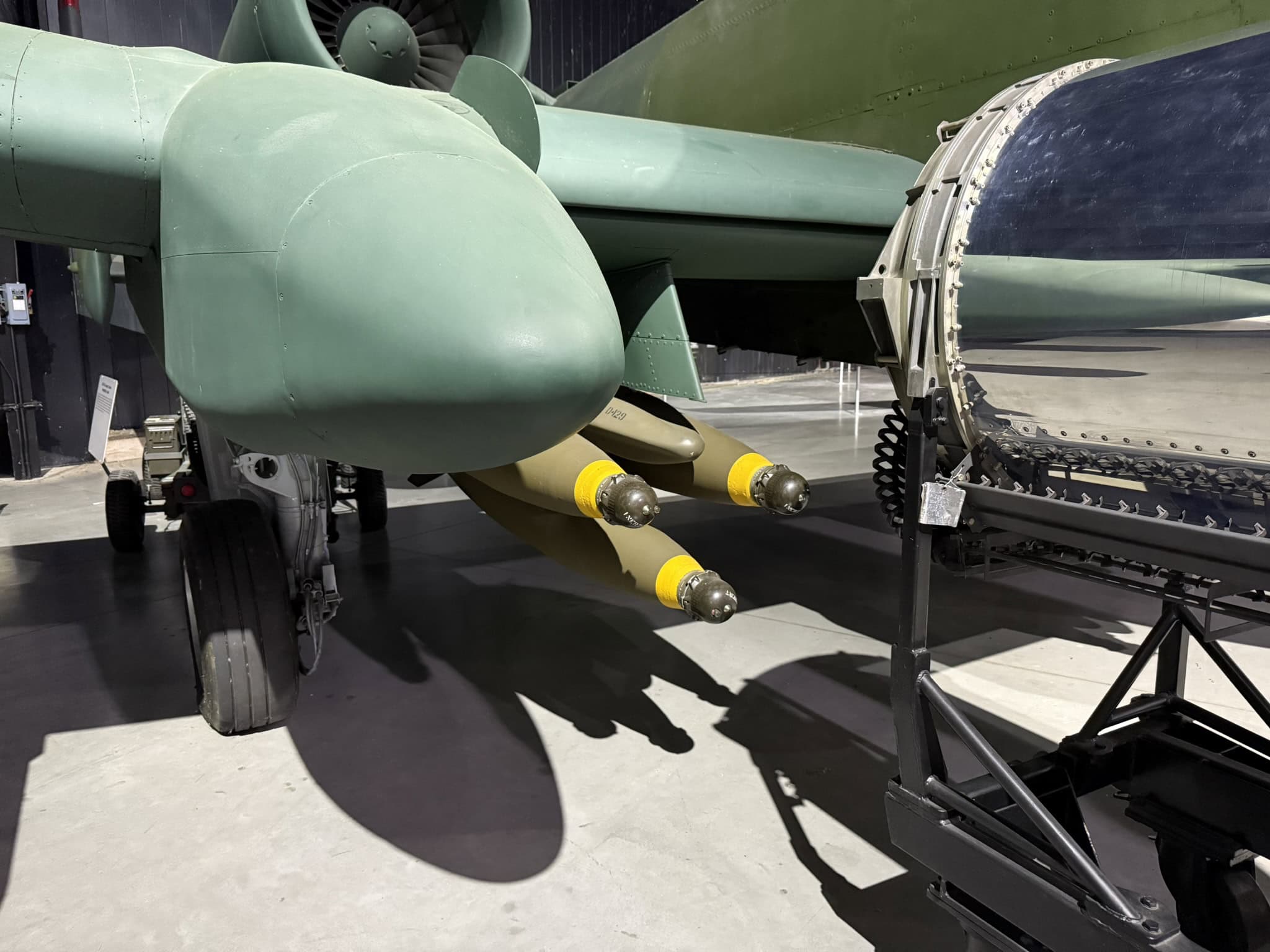
A-10 Warthog. Image Credit: 19FortyFive.com
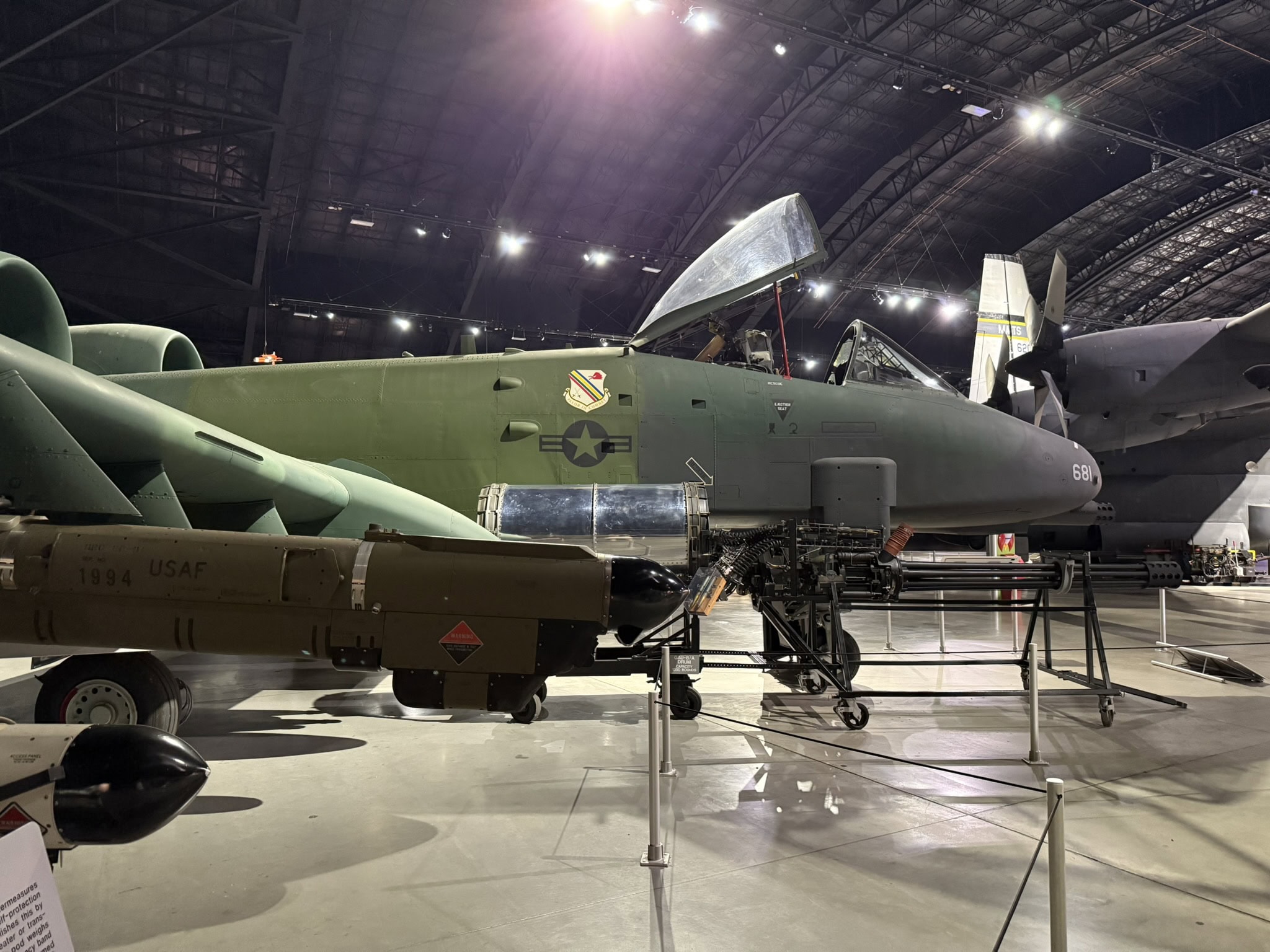
A-10 Warthog. Image Credit: 19FortyFive.com
About the Author: Reuben F. Johnson
Reuben F. Johnson has thirty-six years of experience analyzing and reporting on foreign weapons systems, defense technologies, and international arms export policy. Johnson is the Director of Research at the Casimir Pulaski Foundation. He is also a survivor of the Russian invasion of Ukraine in February 2022. He worked for years in the American defense industry as a foreign technology analyst and later as a consultant for the U.S. Department of Defense, the Departments of the Navy and Air Force, and the governments of the United Kingdom and Australia. In 2022-2023, he won two awards in a row for his defense reporting. He holds a bachelor’s degree from DePauw University and a master’s degree from Miami University in Ohio, specializing in Soviet and Russian studies. He lives in Warsaw.