
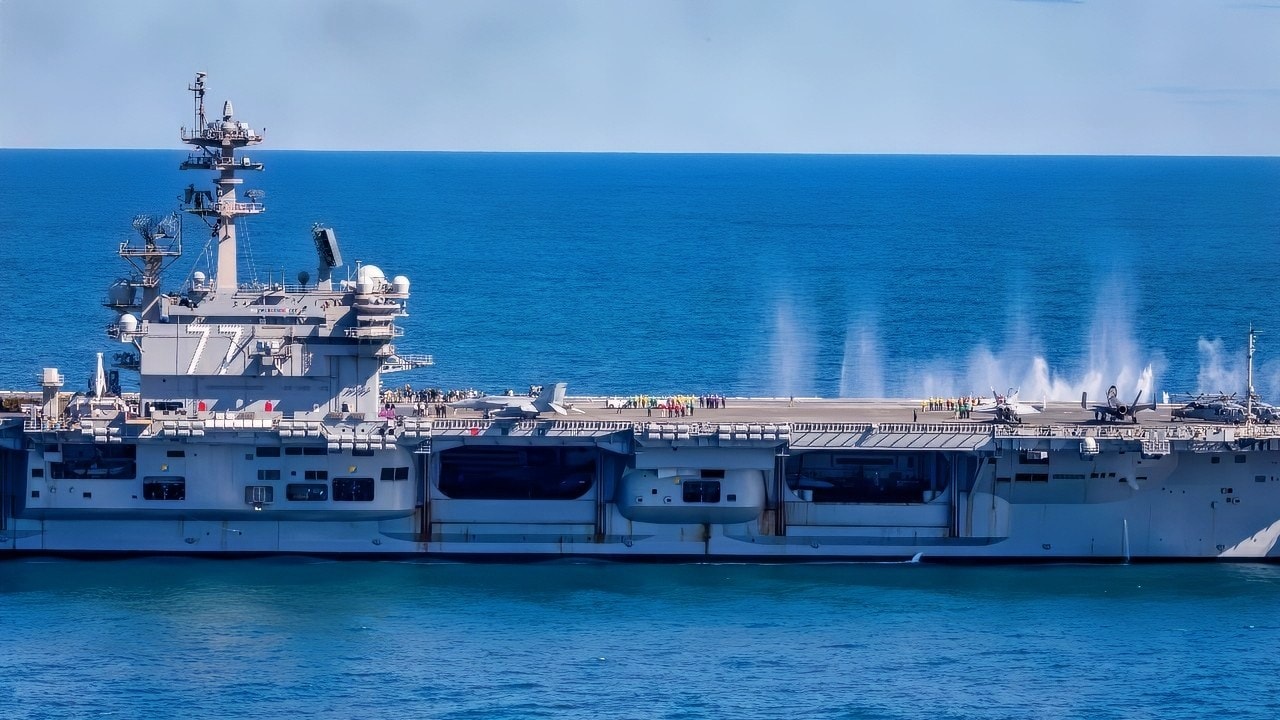
The Strait of Hormuz Crisis Might Not Be Over: One important aspect of the two-week ceasefire negotiated by the United States and Iran is that Tehran was supposed to order the Strait of Hormuz to be open.
As of 9 a.m. on April 8, only two ships have successfully passed through the critical waterway, while hundreds of other vessels are waiting to transit the Strait.
According to Marine Traffic, a maritime open-source data company that tracks global shipping, a Liberia-flagged ship, the Daytona Beach, and the Greek-owned cargo vessel, the NJ Earth, passed the gauntlet.
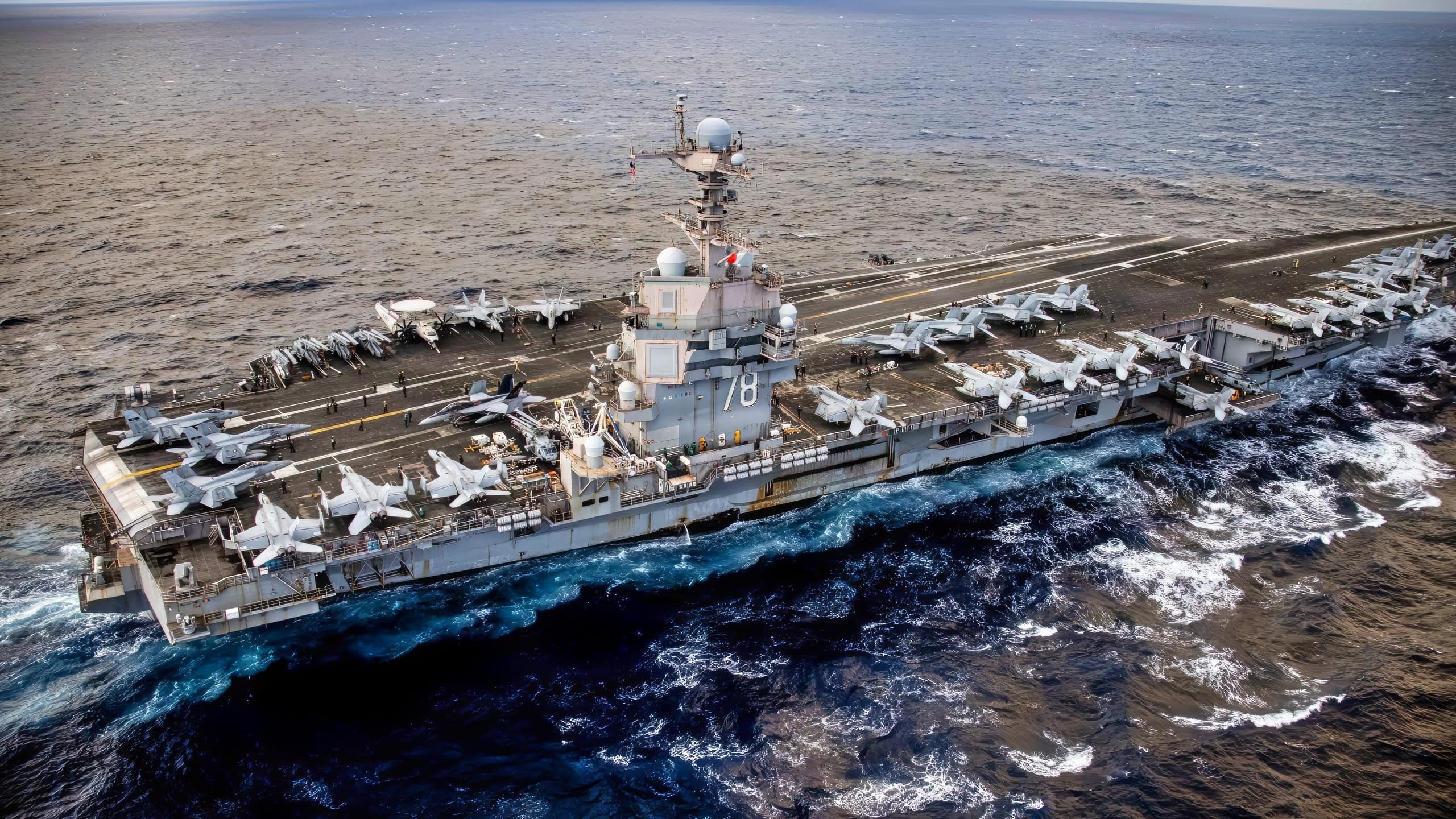
The world’s largest aircraft carrier, USS Gerald R. Ford (CVN 78), transits the Eastern Mediterranean Sea, March 22, 2026. Gerald R. Ford is on a scheduled deployment in the U.S. 6th Fleet area of operations to support the warfighting effectiveness, lethality and readiness of U.S. Naval Forces Europe Africa, and defend U.S., Allied and partner interests in the region. (U.S. Navy photo by Mass Communication Specialist 2nd Class Tajh Payne)
Hundreds of Ships Are Still Waiting to Cross the Strait of Hormuz
“Early signs of vessel activity are emerging in the Strait of Hormuz following a ceasefire announcement, which includes a temporary reopening of the strategic waterway to allow for negotiations. According to #MarineTraffic data, hundreds of vessels remain in the region, including 426 tankers, 34 LPG carriers, and 19 LNG vessels, many of which had been effectively stranded during the disruption,” Marine Traffic posted on X at 5 a.m. Eastern Time on April 8.
Paying Tolls to Pass
Iran had previously promised “safe passage” through the Strait, although there are reports that Tehran wants to impose a monetary toll on ships to cover damages from the war. Iran had blocked the Strait to most ships before, which sees around 20 to 25 percent of the world’s oil pass through it, as well as 20 percent of its natural gas.
Trump Makes Huge Threats as Usual
President Donald Trump ensured that the Iranians would agree to open the Strait before a ceasefire was agreed upon late in the evening on April 7, prior to a deadline that Trump said would destroy Iran’s “whole civilization” if Iran did not comply with his demands. Iran had been laying mines and using swift boats to attack some ships as the price of oil skyrocketed.
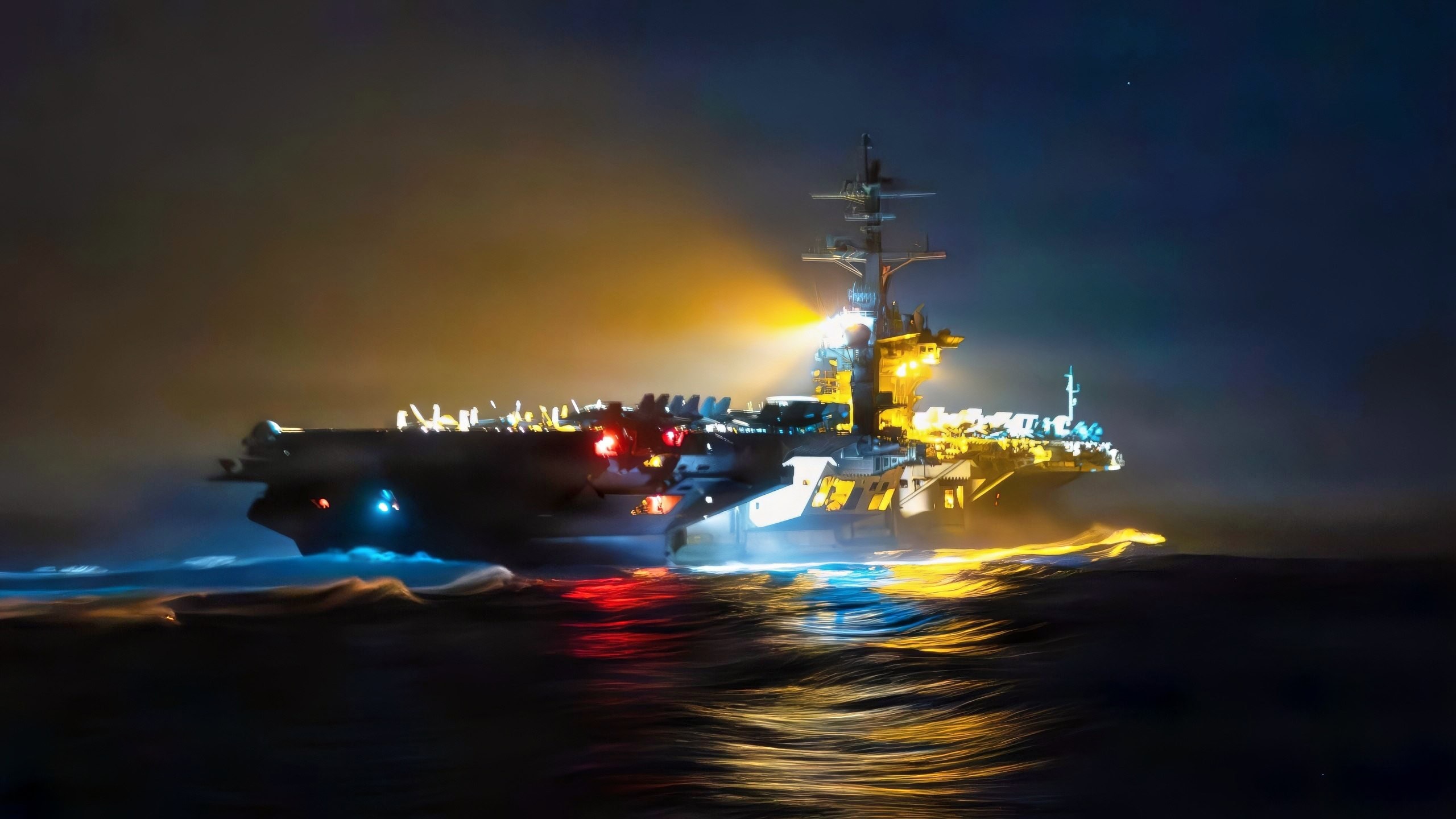
Nimitz-class aircraft carrier USS Abraham Lincoln (CVN 72) departs following a replenishment-at-sea with fleet replenishment oiler USNS Henry J. Kaiser (T-AO-187) during Operation Epic Fury, March 18, 2026. (U.S. Navy photo)
A Large Number of Ships Are Not Ready to Transit the Strait of Hormuz
The New York Times interviewed Dimitris Ampatzidis, a senior risk and compliance analyst at Kpler. “No clear signs yet of large-scale positioning or queuing that would indicate ships are preparing to move through in significant numbers,” he told the Times. “Most operators appear to be holding back.”
Trump stated that the U.S. Navy would be monitoring the situation to ensure ships could pass. Iran does not appear concerned about the backlog of vessels it needs to address. Shipping companies are cautious about the uncertainty and are wondering how long they will have to wait. Crew members may still have to risk their safety and cargo to get past Iranian defenses in the Strait.
What Does Victory Look Like or Iran War?
Meanwhile, Trump has claimed a “total and complete victory” for the Americans. He asserted that there was “no question” that was the case in an interview with Agence-France Press (AFP).
“We have a 15-point transaction, of which most of those things have been agreed on, Trump said to the French wire service. “We’ll see what happens. We’ll see if it gets there.”
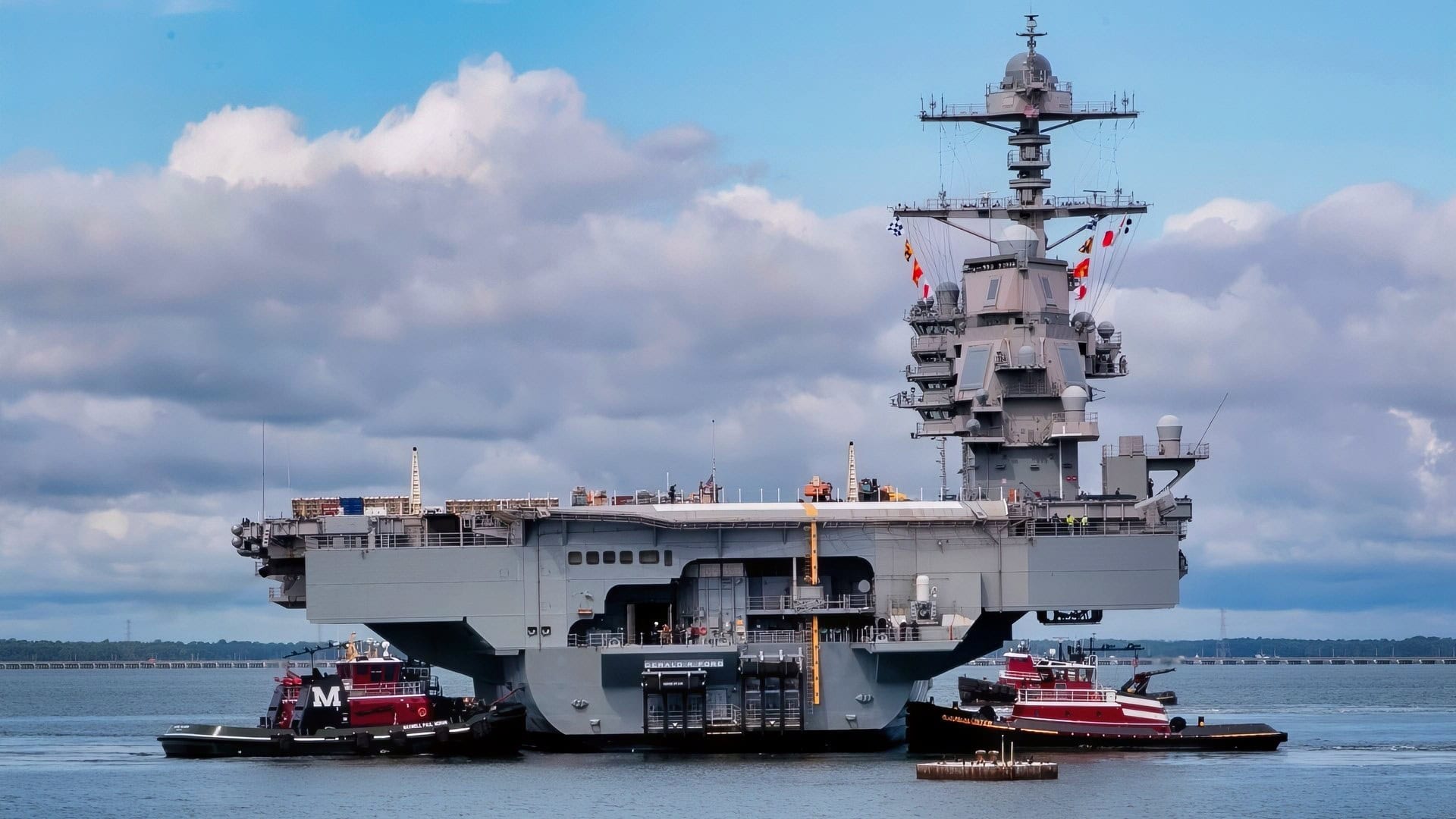
The aircraft carrier USS Gerald R. Ford (CVN 78) departed Naval Station Norfolk to make the transit to Newport News Shipyard in support of her Planned Incremental Availability (PIA), a six-month period of modernization, maintenance, and repairs, Aug. 20, 2021. (U.S. Navy photo by Mass Communication Specialist 1st Class Ryan Seelbach)
Iran Won’t Have a Nuclear Weapon If Trump Has His Way
Regarding the issue of enriched uranium for making a nuclear device, Trump stated that this will be “perfectly taken care of, or I would not have settled,” according to AFP, as noted by The Hill.
Was This Conflict Really an American Success Story?
The war lasted over a month, and it seems many of Trump’s goals and objectives have been achieved. The president might consider easing some sanctions and tariffs.
Iran Still Launched Missiles After the Agreement
The United States aimed to weaken Iran’s military so it couldn’t threaten neighboring countries or fund terrorists. Even after the ceasefire, Iran continued launching missiles following the agreement. Its military attacked southern Israel, and the United Arab Emirates had to defend itself from missiles and drones. This must stop for a negotiated settlement to be possible.
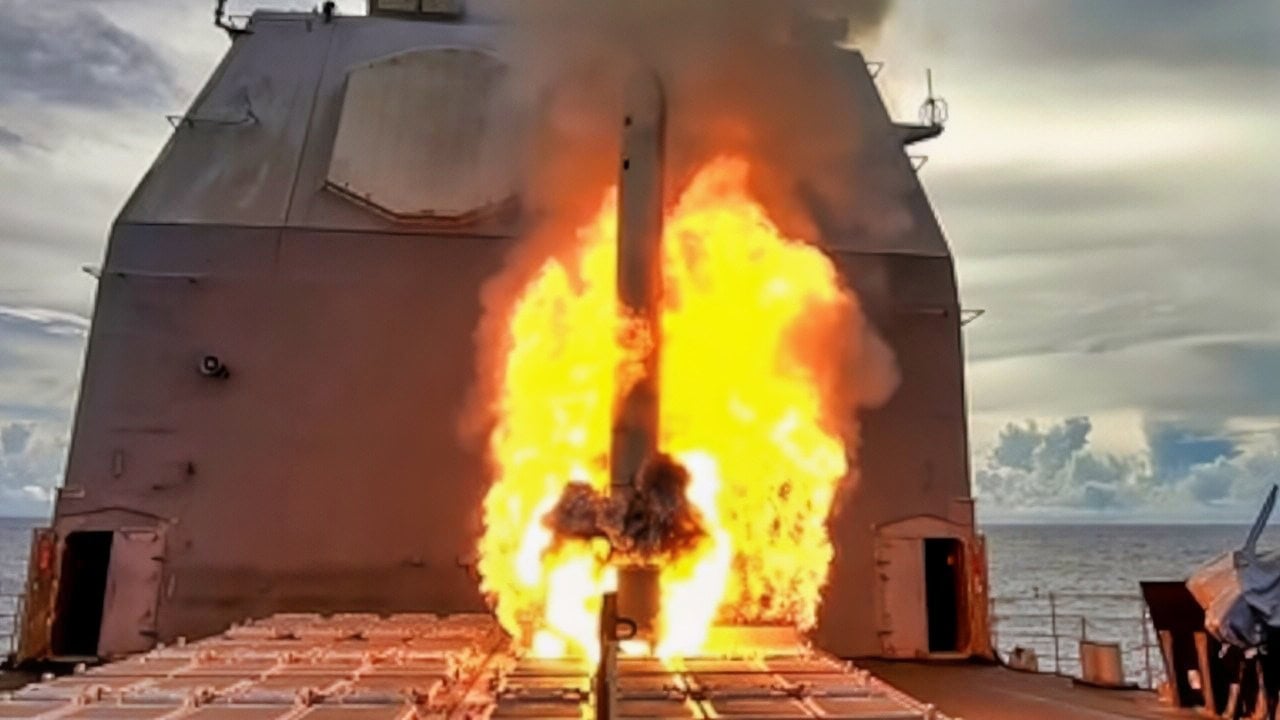
Tomahawk Missile Firing U.S. Navy Photo
Some Objectives Have Been Met
The Americans have targeted more than 11,000 sites inside Iran. This was to destroy as many missiles, drones, and naval assets as possible. The strikes also aimed at production facilities for these weapons and maritime replenishment points.
The country’s leadership has been severely weakened, including the removal of Ayatollah Ali Khamenei and the alleged injuries caused to his son, the new Supreme Leader.
Leadership Change and Not Regime Change
But this did not lead to regime change, an aspect of the war that could have been beneficial for peace and stability in the Middle East. The Iranian people did not rise up and demand a revolution. Many simply stayed in their houses and waited out the attacks. This did not result in a regime change like what President George W. Bush oversaw during the Second Gulf War, when Saddam Hussein was deposed and executed.
Does the lack of regime change mean that one crucial goal of the war—removing an oppressive and murderous leadership structure—has failed?
That remains uncertain, as it’s not clear who is truly calling the shots in Iran. The younger Khamanei could be incapacitated somehow, and he might be more hardline and violent than his father.
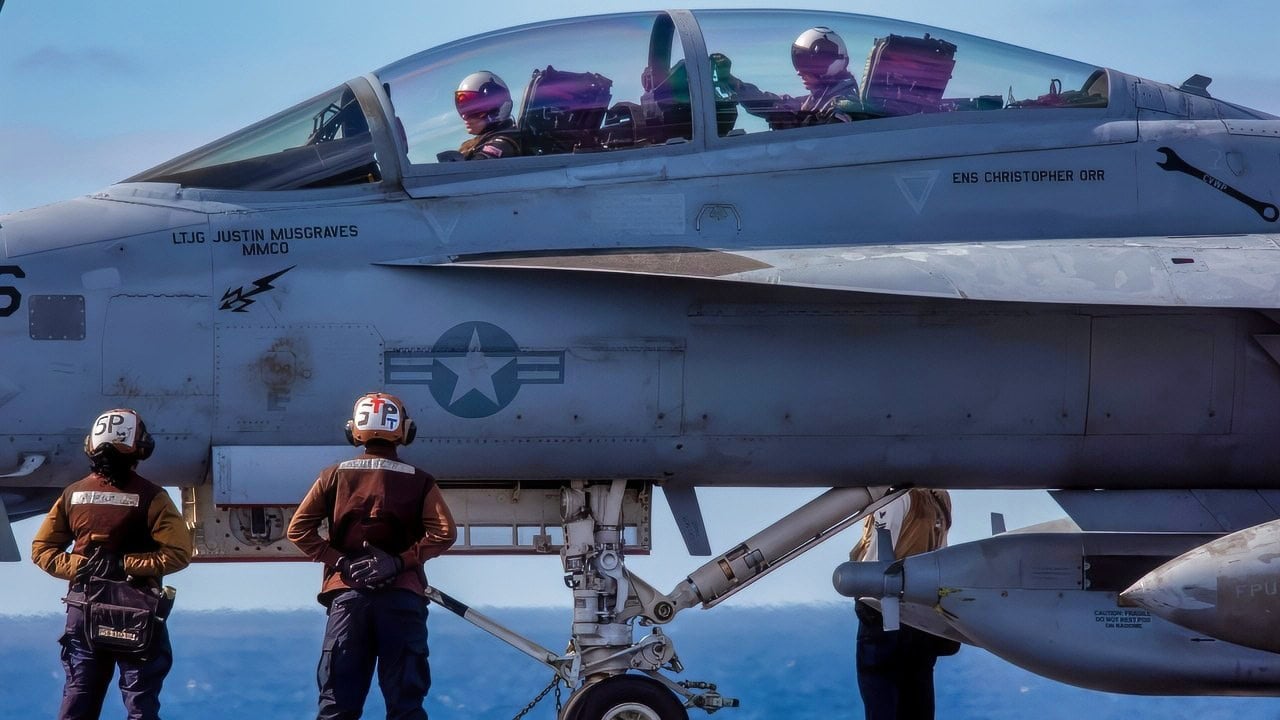
U.S. Navy Sailors prepare to taxi an EA-18G Growler, attached to Electronic Attack Squadron (VAQ) 133, on the flight deck of Nimitz-class aircraft carrier USS Abraham Lincoln (CVN 72) on Nov. 24, 2025. USS Abraham Lincoln (CVN 72), flagship of the Abraham Lincoln Carrier Strike Group, is underway conducting routine operations in the U.S. 3rd Fleet area of operations, demonstrating the U.S. Navy’s long-term commitment to a free and open Indo-Pacific. (U.S. Navy photo by Mass Communication Specialist Seaman Daniel Kimmelman)
The Need to Keep ‘Mowing the Grass’
That could mean the United States and Israel would need to periodically return to Iran with more air strikes to “mow the grass” and fully eliminate Iran’s missile program, much of which is buried deep underground as part of a decentralized, autonomous, and asymmetric “mosaic defense strategy.”
Ceasefires in the Middle East are often fragile, as Israel and Hamas have demonstrated over the years.
Two weeks is also not long enough to hold further talks that could lead to a long period of non-aggression between the two sides.
Trump Should Not Spike the Football
Still, this is good news for Trump. He should not declare “Mission Accomplished” and spike the football, but the casualties, although tragic, were not high.
And the Americans even carried out a daring rescue of a downed F-15E crew that will go down in history as one of the best combat search and rescue missions.
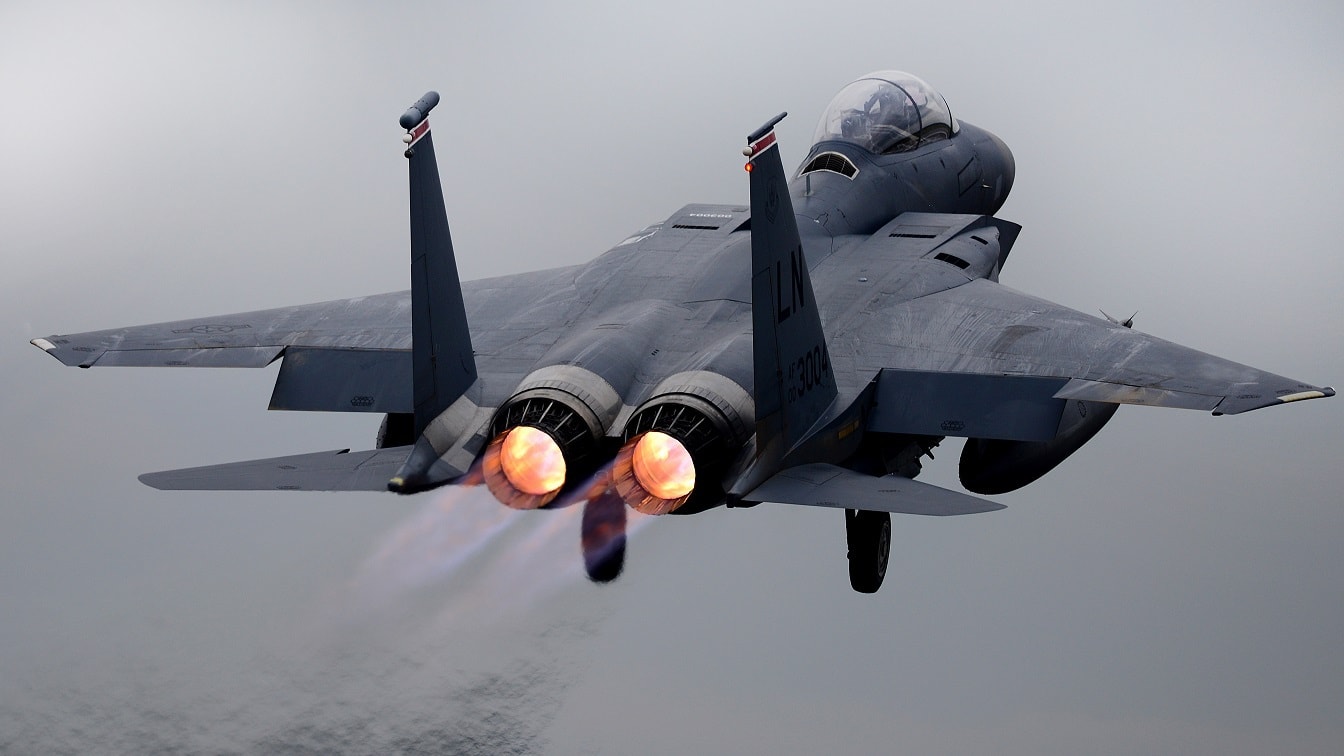
An F-15E Strike Eagle assigned to the 494th Fighter Squadron takes off for a training sortie at Royal Air Force Lakenheath, England, Oct. 26, 2018. The 494th trains regularly to ensure RAF Lakenheath brings unique air combat capabilities to the fight. (U.S. Air Force photo/ Tech. Sgt. Matthew Plew)
But Stopping the Fighting Is a Victory In Itself
This should be seen overall as a win if the war for the United States means the violence stops in its tracks and the Strait of Hormuz remains open.
The problem is that the Iranians could always start missile and drone launches to harass U.S. forces and their allies in the region.
Let’s give this ceasefire a chance to take hold and see where negotiations lead. Two weeks will pass quickly, and the cessation of hostilities will likely be extended. There are dangerous days ahead, but the United States has the advantage, and the military has performed exceptionally well.
This will be enough for the Trump administration to continue claiming a sweeping victory.
About the Author: Dr. Brent M. Eastwood
Author of now over 3,500 articles on defense issues, Brent M. Eastwood, PhD, is the author of Don’t Turn Your Back On the World: A Conservative Foreign Policy and Humans, Machines, and Data: Future Trends in Warfare, plus two other books. Brent was the founder and CEO of a tech firm that used artificial intelligence to predict world events. He served as a legislative fellow for US Senator Tim Scott and advised the senator on defense and foreign policy issues. He has taught at American University, George Washington University, and George Mason University. Brent is a former US Army Infantry officer. He can be followed on X @BMEastwood.