
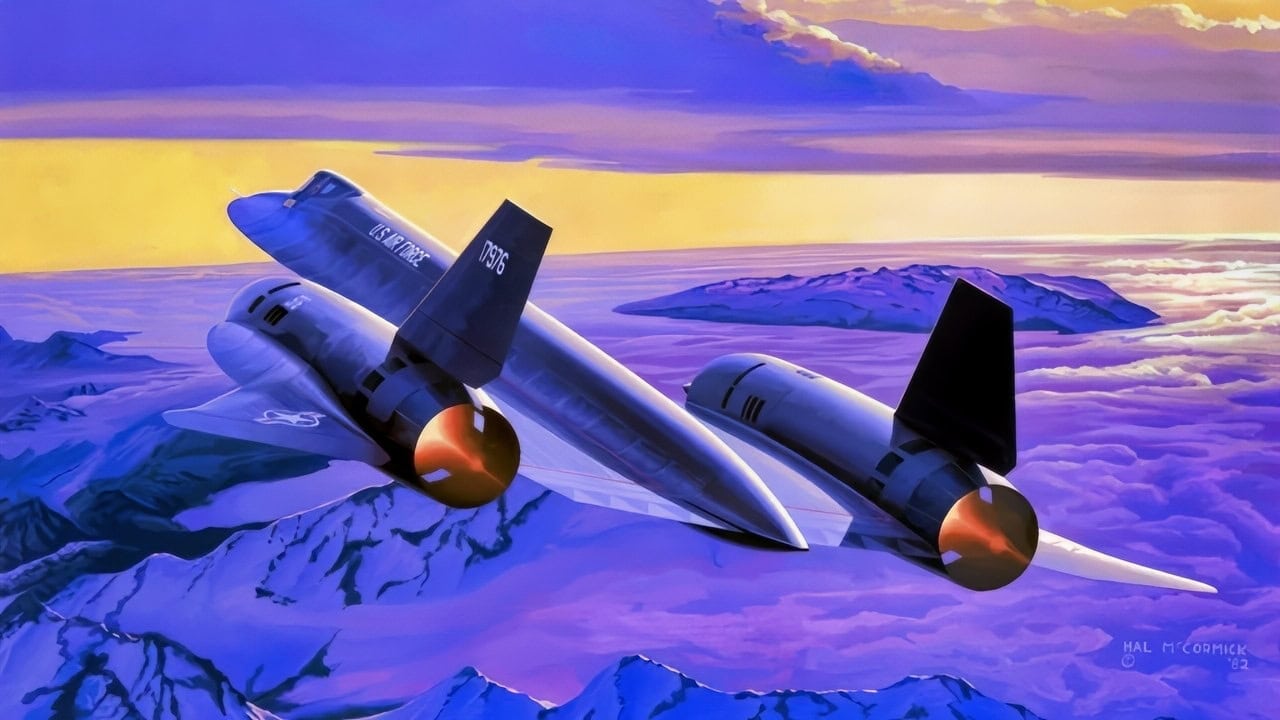
The SR-71 Blackbird was an outstanding aircraft. It was designed and built by Clarence “Kelly” Johnson’s Lockheed “Skunk Works” in Burbank, California. It was intended to be a long-range, high-altitude, Mach 3+ strategic reconnaissance aircraft.
And it was all that and much more. And honestly, every time 19FortyFive visits these planes in museums all over the United States, we get a little sad.
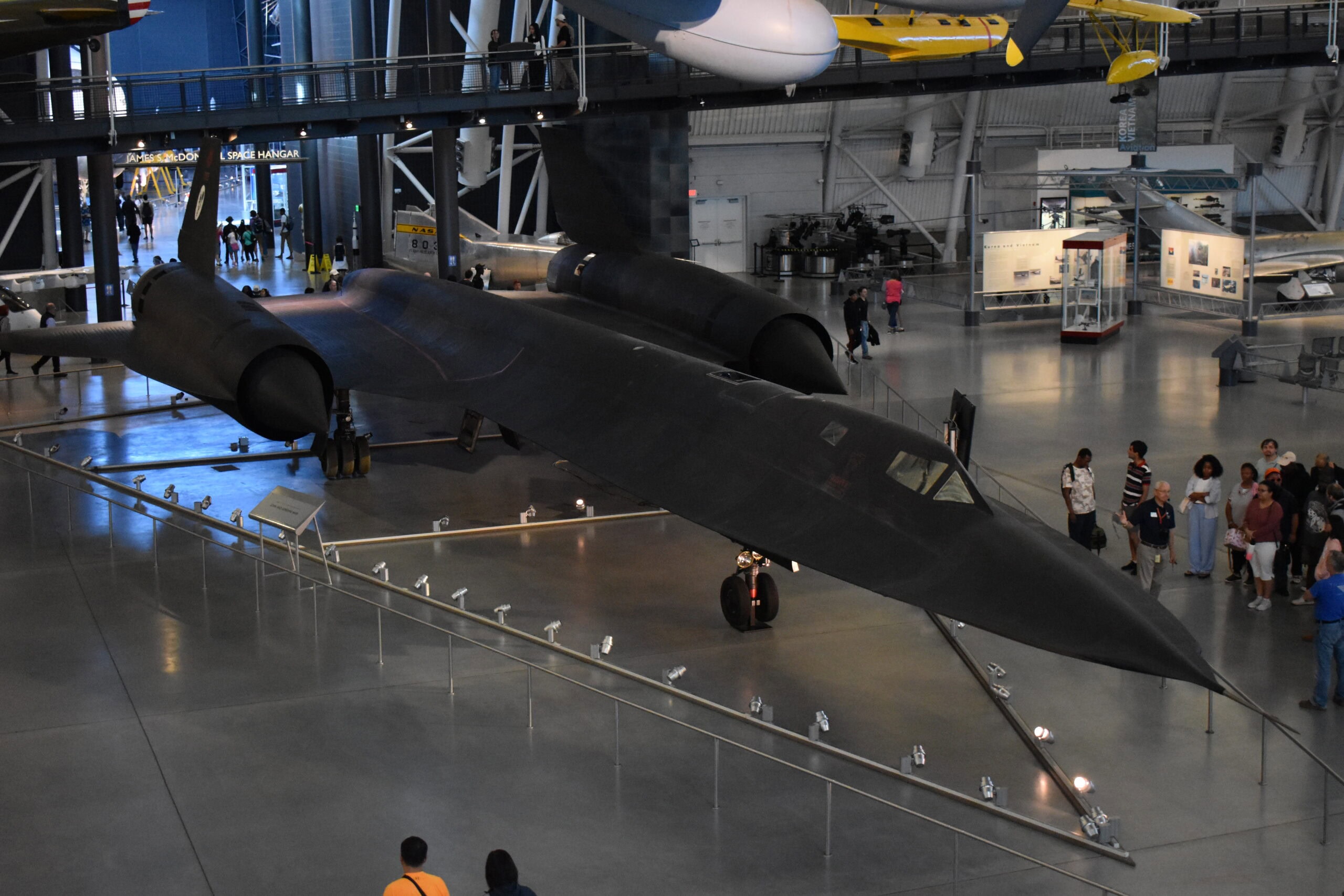
SR-71 Blackbird. Image Credit 19FortyFive.com Photo Archive/This Is An Original Photo.
The SR-71 is still the fastest known crewed, air-breathing jet to be formally put into service. The Blackbird’s top speed was officially Mach 3.2, but it has long been rumored that the aircraft could reach even higher speeds.
How Fast Could the SR-71 Blackbird Actually Go?
No official data shows a higher sustained speed under normal operations. Even decades after retirement, it has not been eclipsed by any subsequently introduced aircraft.
This makes the SR-71’s performance an ongoing benchmark point for aeronautical design, even as technology has changed dramatically in the decades since its inception.
The limiting of its speed was not because of the aircraft’s titanium frame but due to a crucial safety restriction on its Pratt and Whitney J58 engines. But two Air Force crewmen took an SR-71 over Libya to an astounding, Mach 3.55 (approximately 2,400 mph).
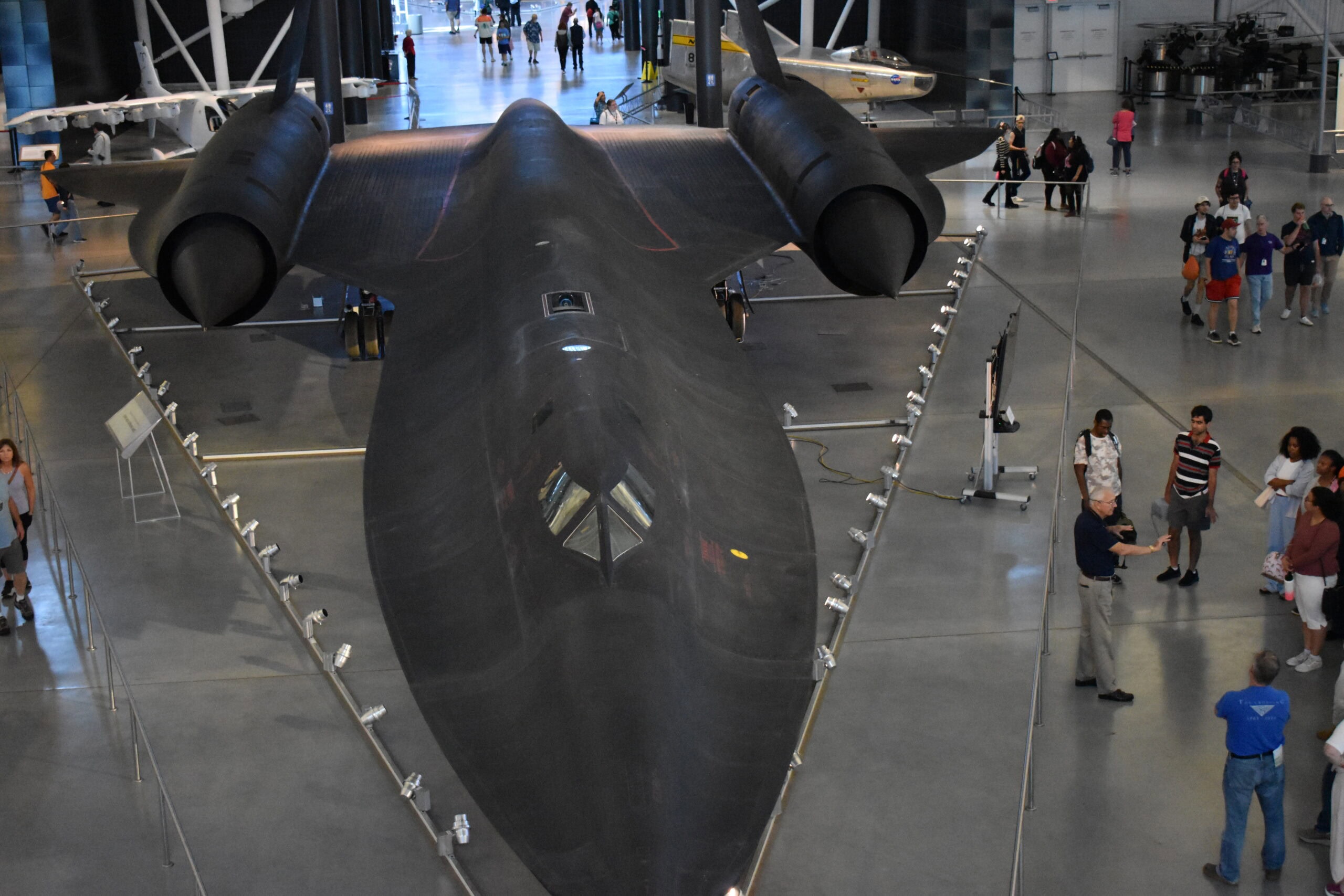
SR-71 Blackbird. Image Credit 19FortyFive.com Photo Archive/This Is An Original Photo.
The SR-71’s Engines Were The Key Factor of Limiting Its Speed:
The SR-71 Blackbird’s speed was primarily limited to around Mach 3.2–3.35 due to engine inlet temperature limits, specifically to avoid exceeding 427°C (800°F) at the compressor face. Exceeding this temperature risked engine damage.
While colder outside air sometimes allowed pilots to exceed Mach 3.3, it increased the risk of severe unstarts.
The compressor inlet temperature was a limiting factor. The Pratt & Whitney J58 engines were certified for safe operation only up to 427 °C. Going faster generated heat that could damage the engines.
The Pilots Explain the Limits of The Blackbird’s Speed:
In another compelling piece by Linda Sheffield Miller, the Pratt & Whitney J-58 engines were the reason for the limits.
“Right in front of the engine compressor was a temperature probe that reported the temperature to the pilot; when the temperature was around 427 °C, 800 degrees Fahrenheit, that’s as fast as they were allowed to go,” Sheffield Miller wrote.
But she added, however, that “a cold blast from frigid weather could make a difference in reducing the temperature,” making it possible for the aircraft to go faster than that.
Paul Crickmore, in his book Lockheed Blackbird: Beyond the Secret Missions, The Missing Chapters, during bomb damage assessment (BDA) flights of Libya in support of Operation El Dorado Canyon in April 1986, the SR-71 could go faster because the 427°C limitation was removed.
For this mission, the engine’s maximum temperature was increased to 450°C. As Sheffield Miller explained, “It is known from flight test experience that at Mach 3.4 the unstable air in the SR-71 Blackbird inlet reaches the engine and can cause a flame out. There were quite a few flameouts during the SR-71 career.”
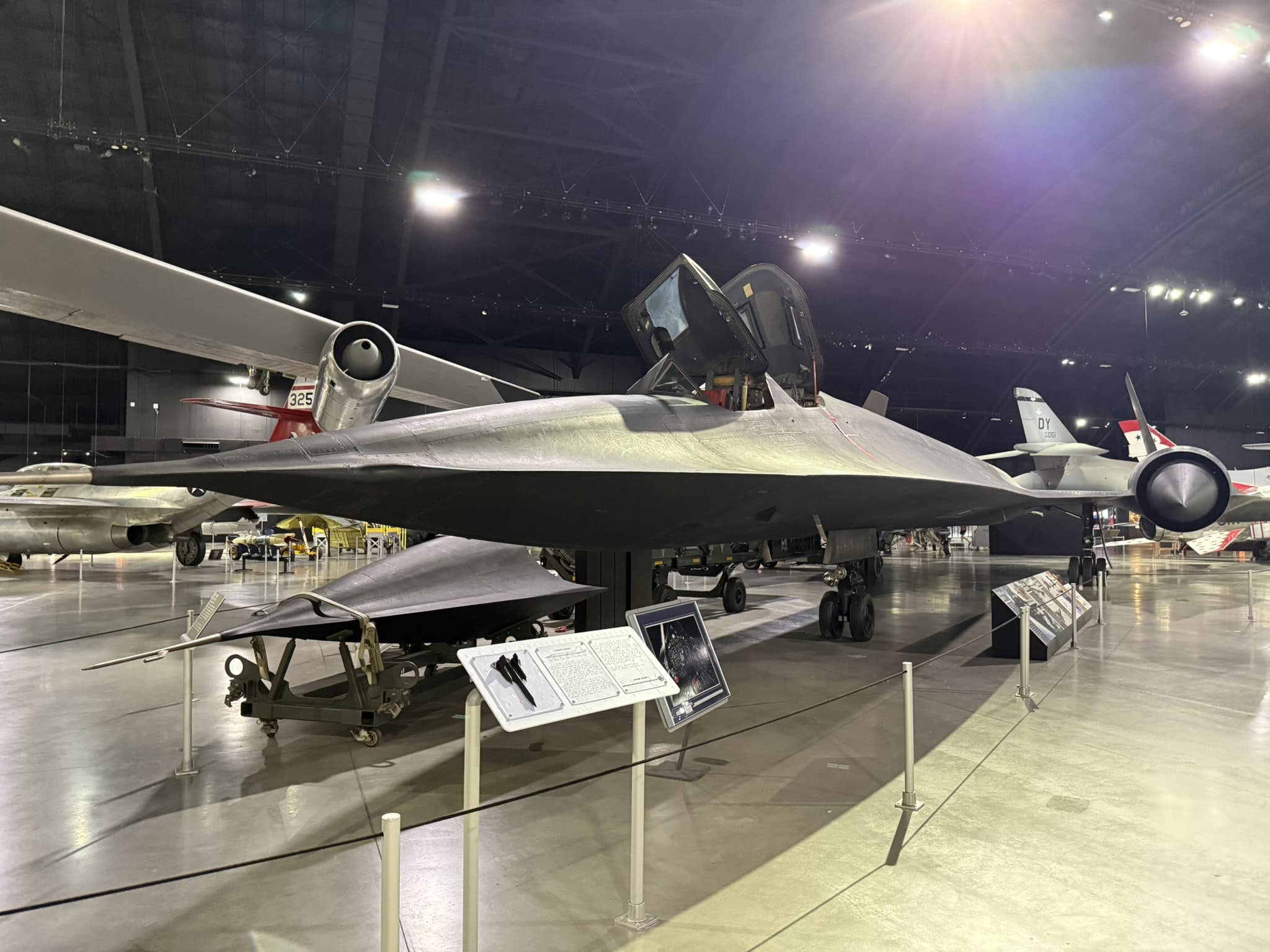
SR-71 Blackbird. 19FortyFive.com Image.
On Apr. 16, 1986, after the air strikes as part of Operation El Dorado Canyon, SR-71 #64-17960, piloted by Major Brian Shul, with RSO Major Walter Watson, entered Libyan airspace already doing 2,125 mph to photograph the targets for bomb damage assessment (BDA).
As they neared the end of their BDA passes, they started receiving launch indications from Libyan surface-to-air missile (SAM) sites below.
Shul recalled, “It is a race this jet will not let us lose. The Mach eases to 3.5 as we crest 80,000 feet. We are a bullet now, except faster. We hit the turn, and I feel some relief as our nose swings away from a country we have seen quite enough of.
“Screaming past Tripoli, our phenomenal speed continues to rise, and the screaming Sled pummels the enemy one more time, laying down a parting sonic boom. In seconds, we can see nothing but the expansive blue of the Mediterranean. I realize I still have my left hand full-forward, and we’re continuing to rocket along at maximum afterburner.
“The TDI now shows us Mach numbers, not only new to our experience but flat out scary. Walt says the DEF panel is now quiet, and I know it is time to reduce our incredible speed. I pull the throttles to the min ‘burner range, and the jet still doesn’t want to slow down. Normally, the Mach would be affected immediately when making such a large throttle movement. But for just a few moments, old 960 just sat out there at the high Mach, she seemed to love, and like the proud Sled she was, only began to slow when we were well out of danger.”

SR-71 Blackbird Photo from Dr. Brent Eastwood at the Smithsonian. 19FortyFive.com Original Image.
Pratt & Whitney’s Engine Warranties:
Mike Relja, who worked on the SR-71‘s for over 30 years, was quoted by Sheffield Miller in another piece, “I don’t know of any warranty that P&W had or any other parts manufacturer, for that matter. On March 6, 1990, during the speed run, Ed Yeilding stated that Don Emmons gave them permission to fly at the maximum Mach 3.3 limit.
“They asked Lockheed if they could exceed that number, and Lockheed said no, if the aircraft had an unstart above 3.3, it may go out of control and come apart, hard to keep the pointy end forward.
“Also, no fuel flow limits established above 3.3 M were ever tested.
“Pratt & Whitney did give them clearance to exceed 427 CIT for 30 minutes to a limit of 450 CIT, but that wasn’t needed; they stayed at the book limit of 427 CIT.”
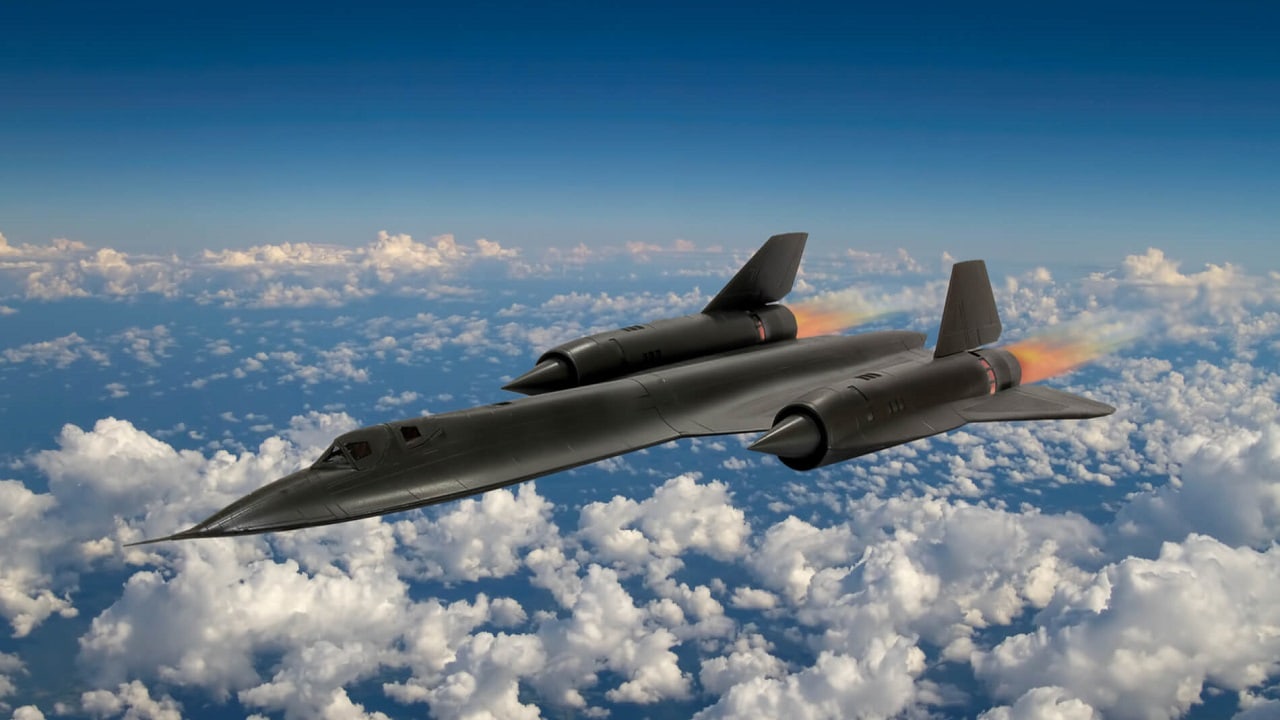
SR-71 Spy Plane. Image Credit: Creative Commons.
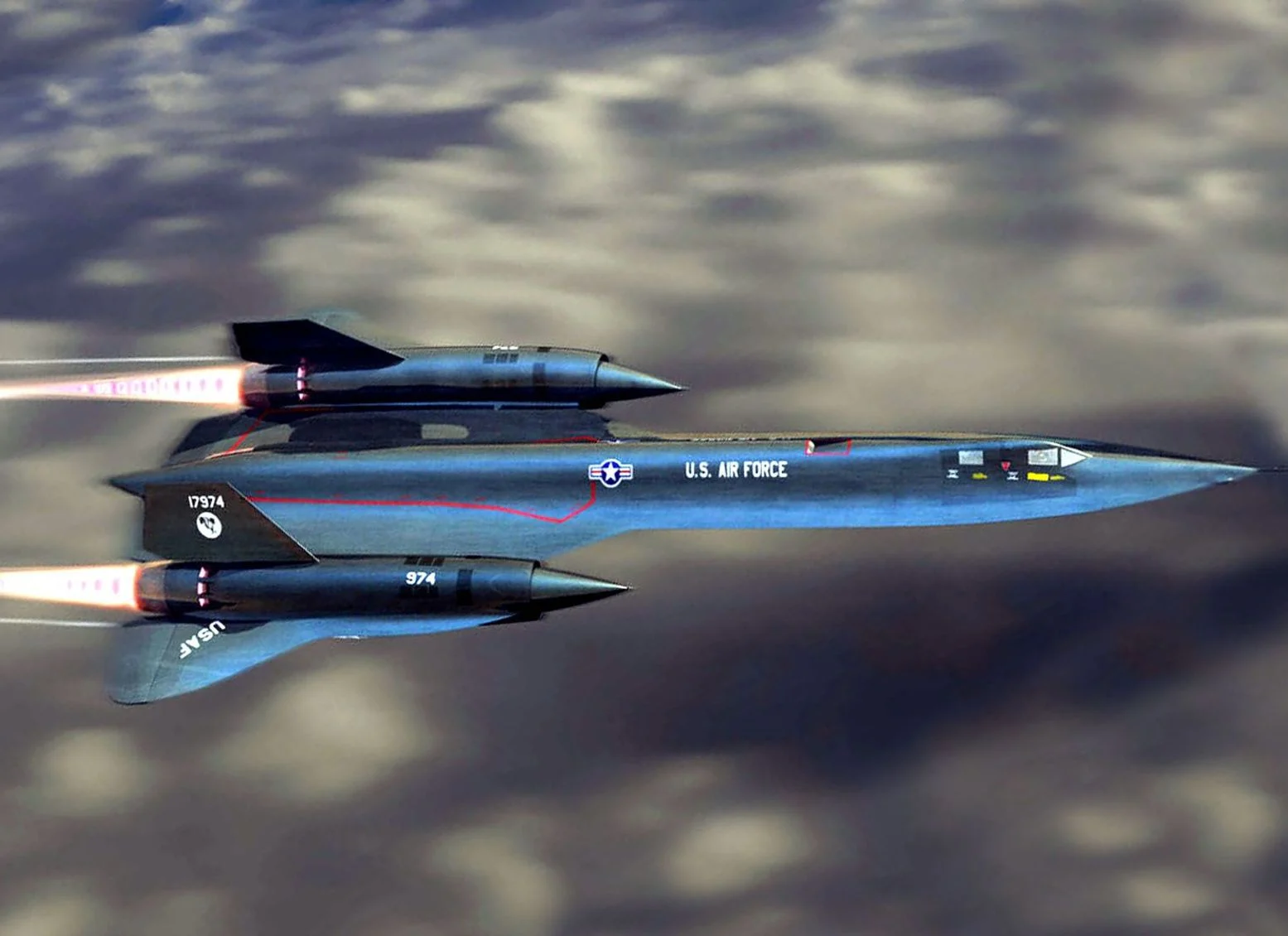
SR-71. Artist Image.
Pratt & Whitney would not honor the warranty or guarantee anything beyond 427; after that, the engine could come apart. The SR-71 crewmembers were too responsible to risk and exceeded the temperature limit. They wanted to keep the engines under warranty and keep the aircraft flying.
62 years after its first flight, the SR-71 is still the king of the crewed, air-breathing aircraft. But the reign of the king may soon be coming to an end.
Skunk Works Tackling The Engine Riddle For Mach 6:
In June 2017, Lockheed Martin’s executive vice president and general manager for Skunk Works, Rob Weiss, told the media that testing was complete on the turbine-based combined cycle hypersonic propulsion system for the SR-72 and that they were “getting close” to beginning work on what he described as an SR-72 Flight Research Vehicle (FRV).
This single-engine technology demonstrator was said to be “about the size of an F-22 Raptor” and was meant to demonstrate the platform’s ability to take off under conventional turbofan power, accelerate up to supersonic speeds, and then transition from turbofan power to a much more exotic dual-mode scramjet that would allow the aircraft to achieve maximum speeds well above Mach 6.
“Hypersonic aircraft, coupled with hypersonic missiles, could penetrate denied airspace and strike at nearly any location across a continent in less than an hour,” Brad Leland, Lockheed Martin’s hypersonics manager, said in a Lockheed Martin press release that has since been taken down.
“Speed is the next aviation advancement to counter emerging threats in the next several decades. The technology would be a game-changer in theater, similar to how stealth is changing the battlespace today.”
The work on the airframe, which will generate a ton of heat at Mach 6, is ongoing and will require extensive research and development, but the signs are there that Lockheed is serious about building it.
The long reign of the Blackbird’s speed records may be coming to an end.
About the Author: Steve Balestrieri
Steve Balestrieri is a National Security Columnist. He served as a US Army Special Forces NCO and Warrant Officer. In addition to writing on defense, he covers the NFL for PatsFans.com and is a member of the Pro Football Writers of America (PFWA). His work was regularly featured in many military publications.