
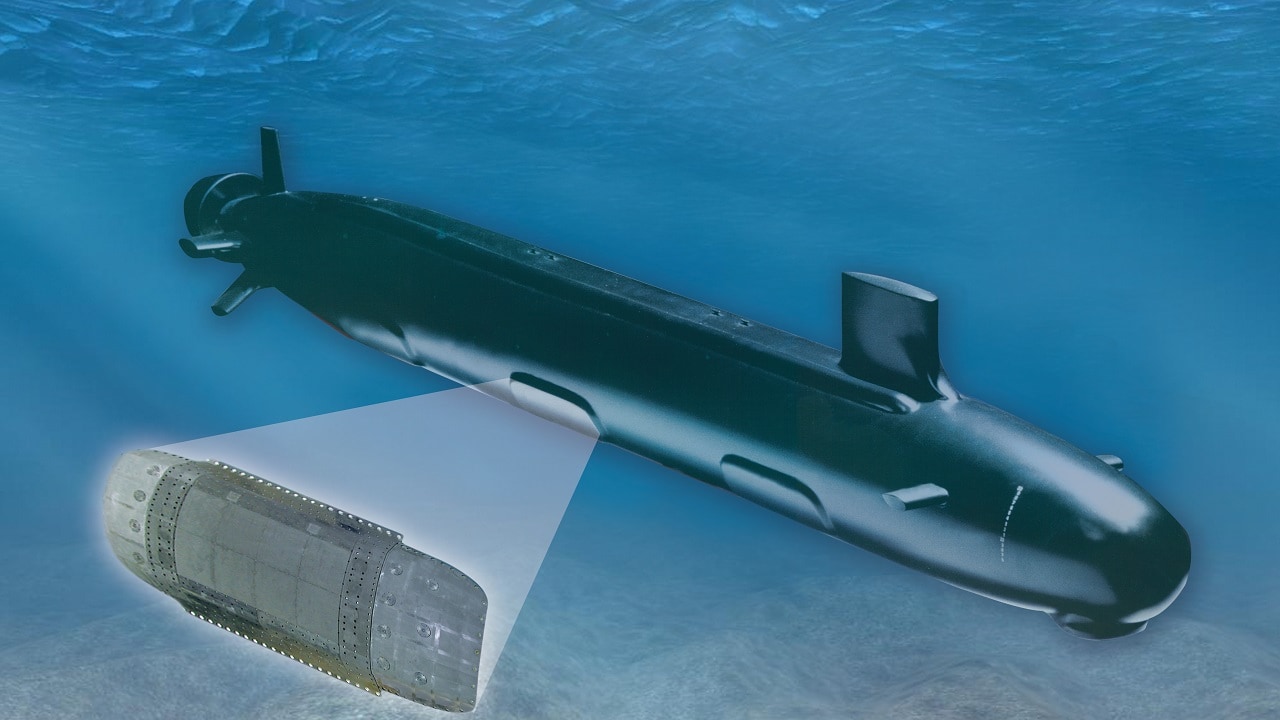
The AUKUS Deal Just Changed, Australia Saves Face: Australia’s ambitious plan to acquire nuclear-powered submarines under the AUKUS security partnership is in trouble, with Canberra now set to purchase three second-hand Virginia-class submarines from the United States instead of the mix of new and used boats expected in the original plan. The news was confirmed in a statement published by the U.S. Department of Defense on May 30, in which Australian Deputy Prime Minister Richard Marles and U.S. Defense Secretary Pete Hegseth confirmed that while the AUKUS Pillar I remains on track, a revised arrangement has been implemented to save money.
“The Deputy Prime Minister and Secretaries welcomed the proposed approach to streamline Australia’s acquisition of Virginia-class submarines (VCS), simplifying supply chain management, operational and maintenance requirements, and maximizing cost efficiencies. This approach would enable Australia to acquire three in-service VCS in lieu of a mixture of new and in-service VCS variants,” the joint statement reads.
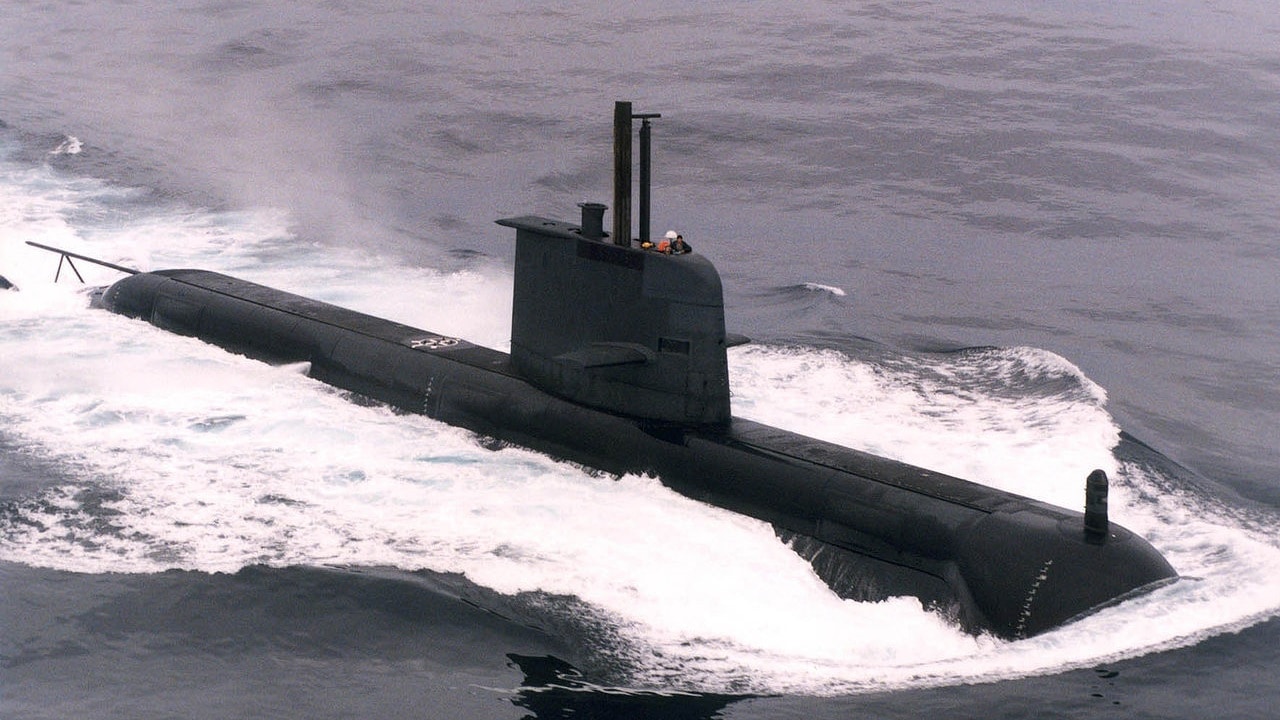
Collins-Class Submarine from Australia.
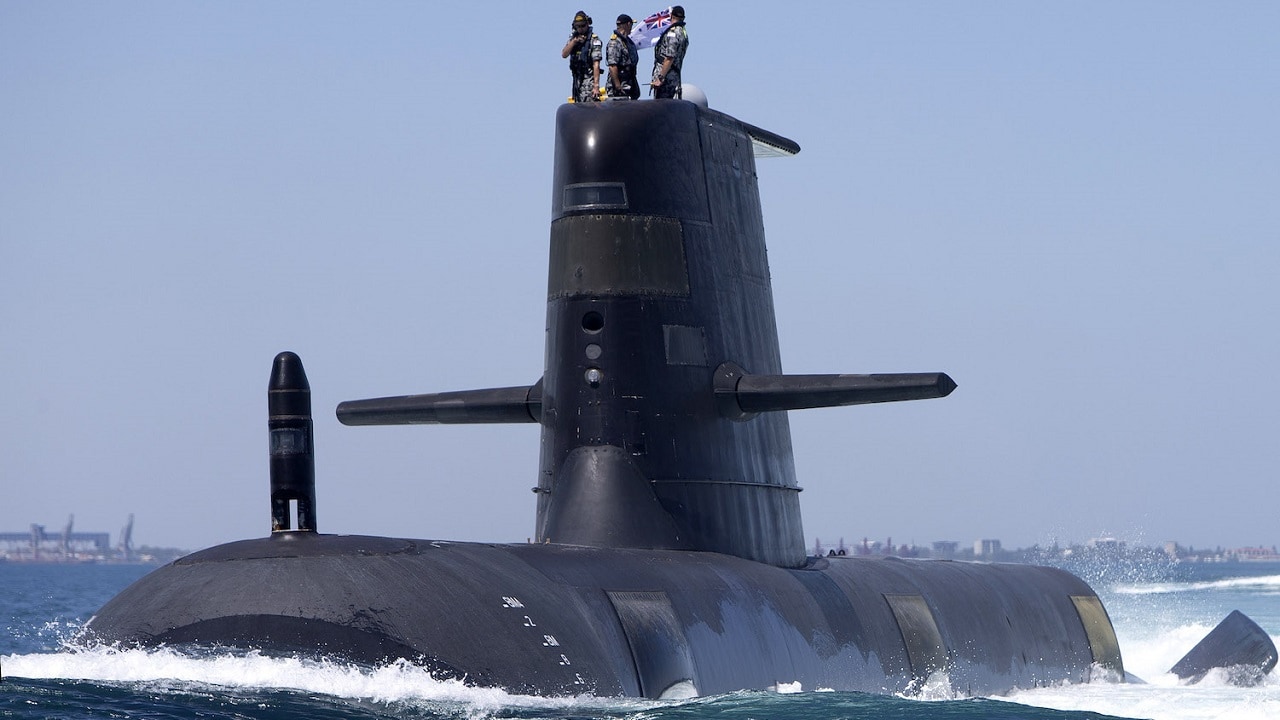
Collins-Class Submarine from Australia’s Navy.
While the news has been described by all parties involved as an effort to simplify sustainment and training, the decision has rattled some cages and sparked concerns that Canberra is receiving less than what was originally promised under the agreement with London and Washington. The announcement, however, should not be surprising: the Pentagon recently conducted a review of the AUKUS program under the Trump administration, following concerns about the ability of the U.S. Navy and the shipbuilding industry to sustain both American and allied commitments.
What the Original AUKUS Plan Looked Like
Under the original “Optimal Pathway” agreed by the United States, Britain, and Australia in March 2023, AUKUS was envisioned as a three-stage process. First, beginning in 2028, American and British nuclear-powered submarines would rotate through HMAS Stirling in Western Australia under the Submarine Rotational Force-West initiative.
Then, Australia would purchase between three and five Virginia-class attack submarines from the United States during the 2030s to avoid a capability gap as its Collins-class fleet was retired.
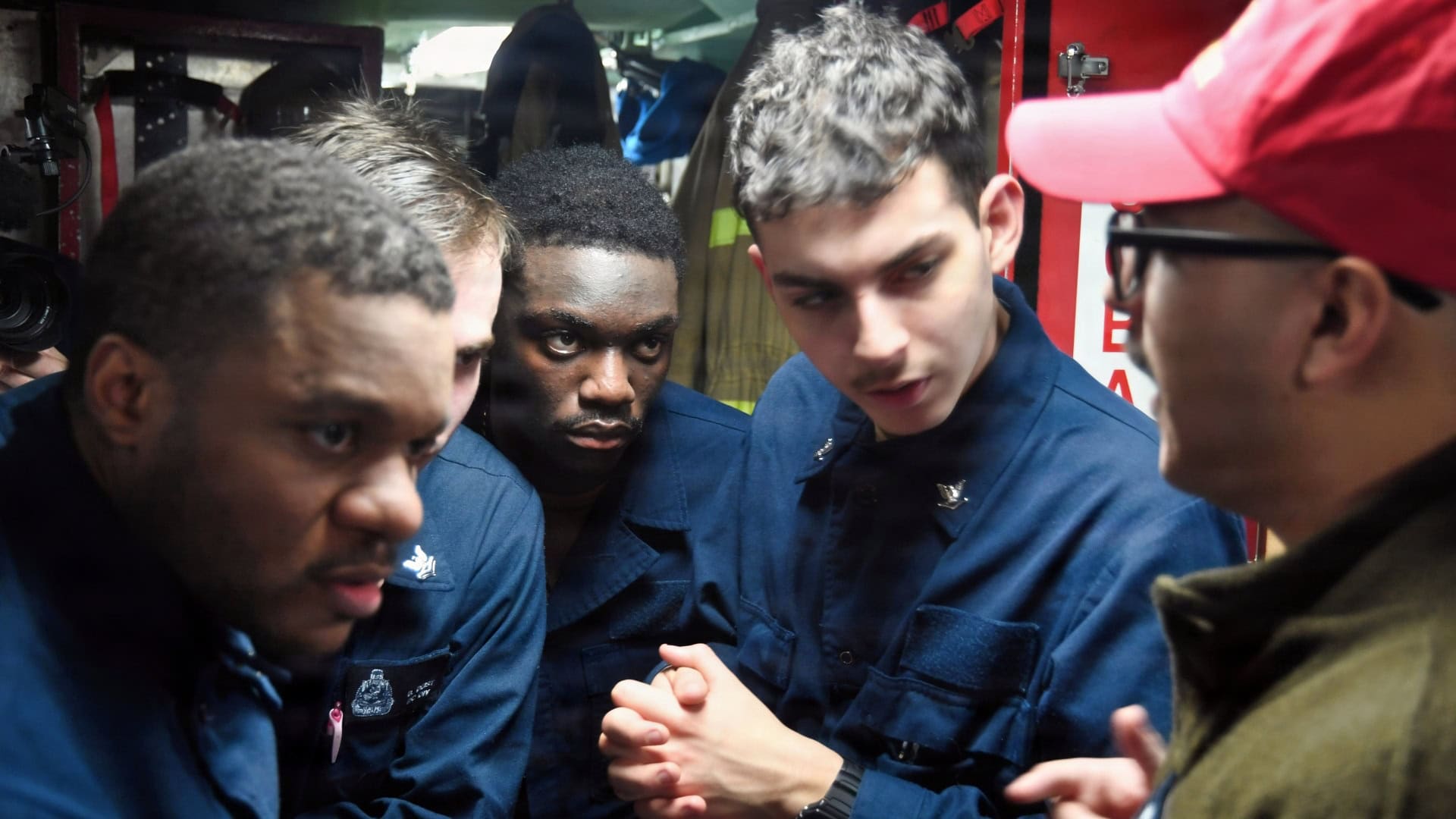
260321-N-ME988-1286 ARCTIC OCEAN (March 21, 2026) Machinist’s Mate (Nuclear) 1st Class Christian Garcia, right, assigned to the Virginia-class fast attack nuclear-powered submarine USS Delaware (SSN 791), provides feedback during a Crucible event to earn the Submarine Warfare qualification, commonly referred to as “fish,” while Delaware transits the Arctic Ocean, March 21, 2026. The Crucible event is the final stage in earning the Submarine Warfare qualification and consists of a question-and-answer board as well as damage control drills to demonstrate knowledge and skills learned. Delaware and crew operate under Submarine Squadron (SUBRON) 12 whose primary mission is to provide fast-attack submarines that are ready, prepared, and committed to meet the unique challenges of undersea combat and deployed operations in unforgiving environments across the globe. (U.S. Navy photo by Chief Mass Communication Specialist Darren M. Moore)
In the final stage, Australia would build a new class of submarines, known as SSN-AUKUS, in Adelaide, based primarily on a British design incorporating American combat systems and weapons technologies. That vessel, which would be Australia’s first domestically built SSN-AUKUS boat, was expected to enter service sometime in the early 2040s.
As the deal progressed, the Virginia transfer plan was expected to include a newly constructed Block VII Virginia-class submarine and two in-service Block IV submarines. The new vessel was intended to provide Australia with the most modern capabilities possible, giving it a boat with a full service life, ensuring long-term reliability, and demonstrating the United States’ commitment to the agreement.
Business & Industrial Headaches: Here’s What Changed for Australia
According to the latest statements, the mixed fleet concept described above has now been abandoned. Instead of Australia receiving two used boats and one newly built submarine, it will now acquire three used submarines from the U.S. Navy’s existing inventory, thereby reducing pressure on the U.S. shipbuilding industry.
Defense Minister Richard Marles also described the decision as offering significant cost savings for Australian taxpayers, noting that operating three submarines from the same block generation would simplify maintenance and crew training. The logic is sound, but it’s hard to ignore the fact that a new submarine with a full service life is by far better than an old submarine with a partial service life and older components.
“We right now [had] the prospect … of almost having four classes of submarines operating within our navy at a point in time: the last of the Collins class, two in-service Virginia, a brand-new Virginia, and then the SSN AUKUS. That gets pretty complicated in terms of how you’re operating a fleet of submarines,” Marles said about the decision.
“What we will have here is a much simpler pathway. It will mean that the Virginia-class submarines that we are acquiring will all be of the same type,” he continued.
The used submarines will also be serviceable for almost three decades, with Defense Industry Minister Pat Conroy telling reporters they will have around 26 to 27 years of life left.
Canberra Probably Isn’t Thrilled with this Military Deal
Although Australian officials have publicly endorsed the new arrangement, there is reason to believe that Canberra is not overly thrilled by the news. After all, the news represents a significant departure from what Australians believed they had signed up for – and if the deal is so much better now, then it likely would have looked like this from the beginning.
Australia expected at least one newly built submarine for the Royal Australian Navy, which would not only have featured upgraded components but would also have offered an extra decade of service life.
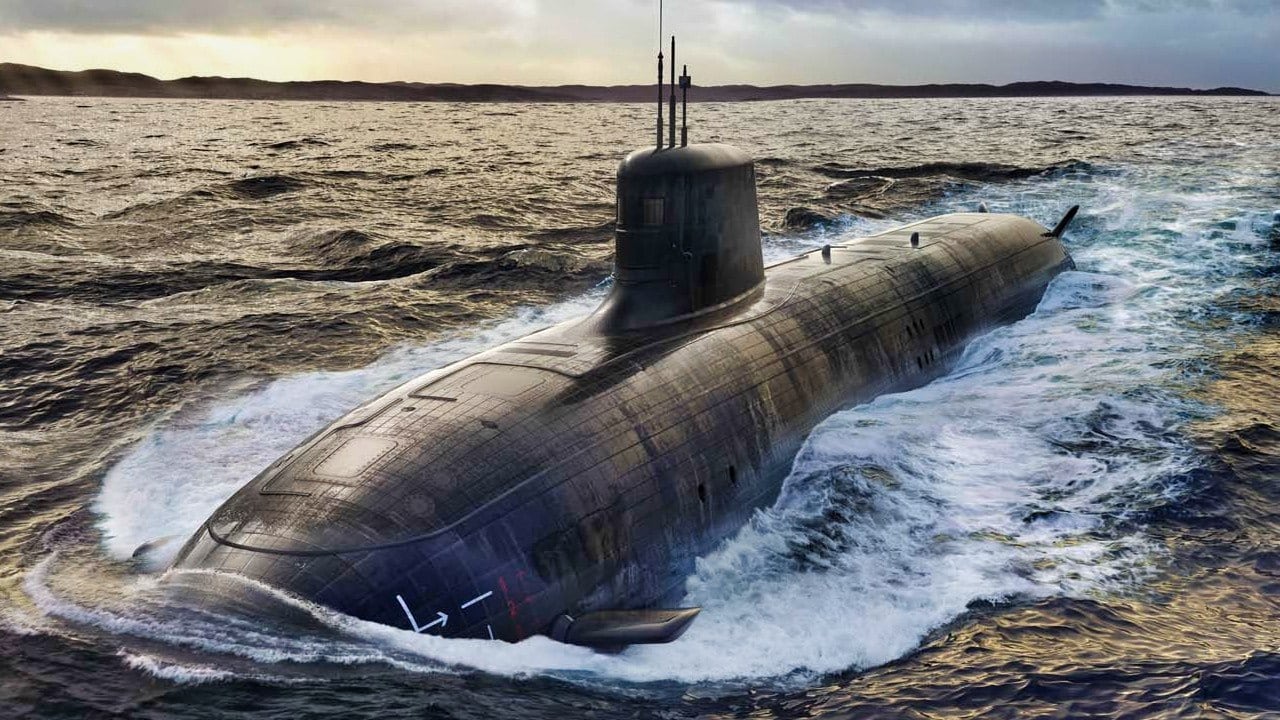
SSN-AUKUS Submarine. Image is Creative Commons Artist Rendering.
The revised arrangement means that Australia is being asked to accept increased risk and reduced capacity while still paying an estimated price tag of around AU$368 billion. The deal is facing pushback, too, with former Foreign Minister Gareth Evans describing AUKUS as one of Australia’s “worst defense and foreign policy decisions” ever made.
About the Author: Jack Buckby
Jack Buckby is a British researcher and analyst specializing in defense and national security, based in New York. His work focuses on military capability, procurement, and strategic competition, producing and editing analysis for policy and defense audiences. He brings extensive editorial experience, with a career output spanning over 1,000 articles at 19FortyFive and National Security Journal, and has previously authored books and papers on extremism and deradicalization.