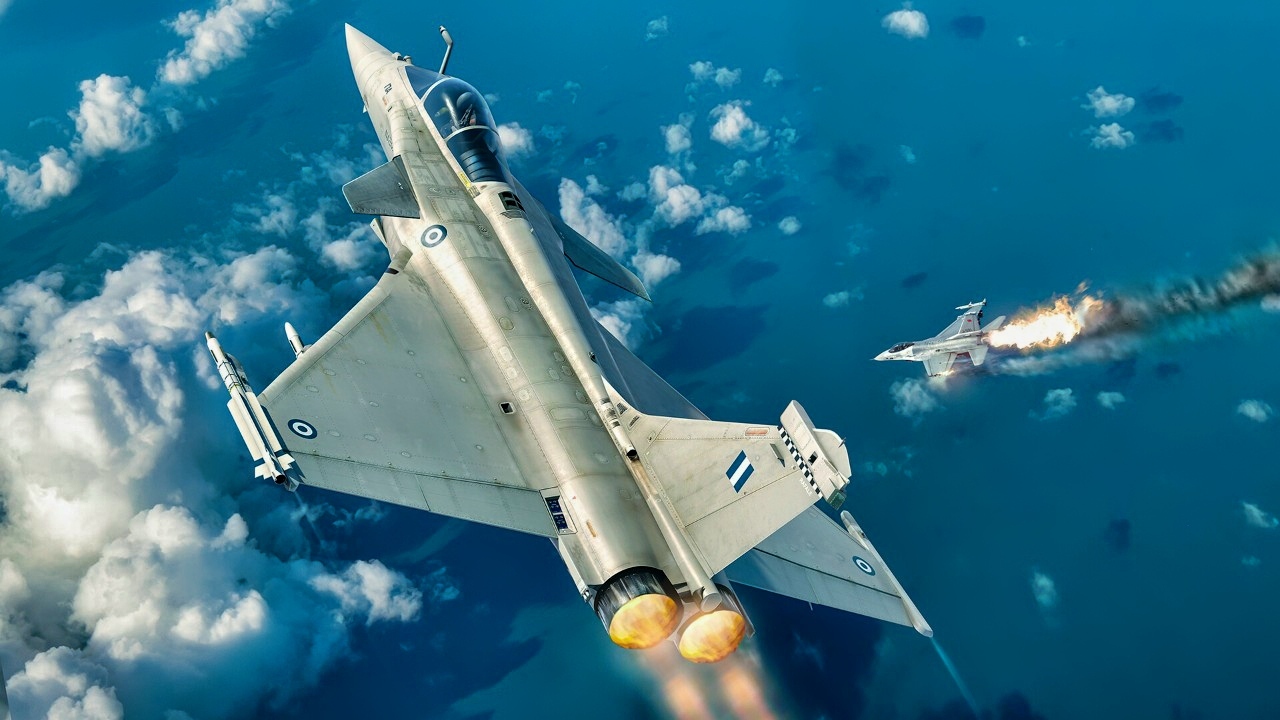
The Dassault Rafale Fighter Is Getting A Massive Upgrade: Europe wants the world, notably an increasingly skeptical United States, to know that it can carry its own weight militarily in the NATO alliance.
To prove it, European states started working together to create their own advanced indigenous platforms.
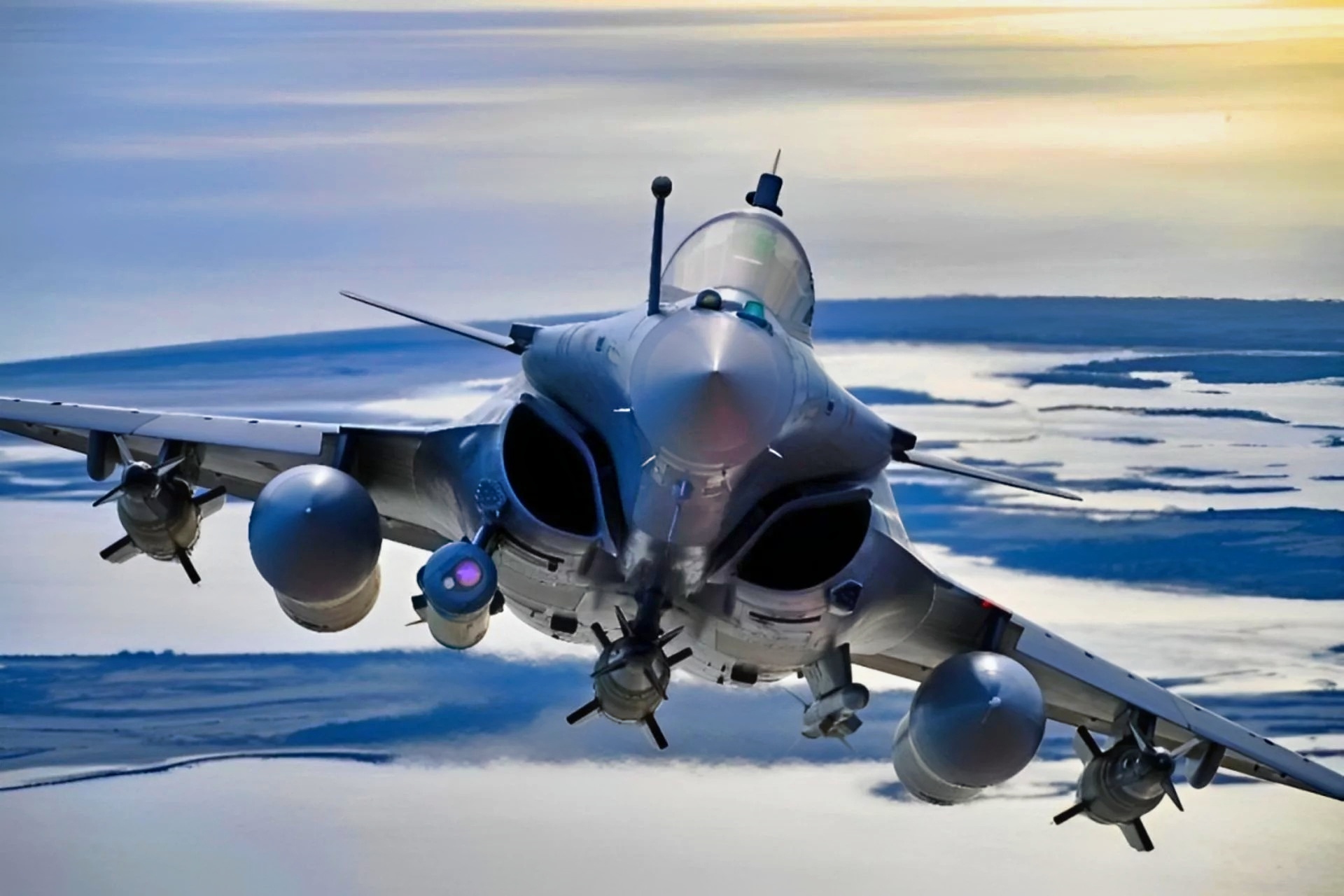
Dassault Rafale Fighter. Image Credit: Creative Commons.

Dassault Rafale Fighter from France. Image Credit: Creative Commons.
One such example of Europe’s attempt to hold up its end of the NATO bargain is the creation of the Franco-German-Spanish Future Combat Air System (FCAS).
Well, that has effectively collapsed after years of disputes between Dassault Aviation and Airbus over leadership, intellectual property (IP), and design authority.
Germany and France could never reconcile which nation would control the program. France wanted their legendary Dassault in charge, while Germany demanded a more equal arrangement.
FCAS was meant to replace the Dassault Rafale and the Eurofighter Typhoon around 2040. Instead, France is now saying it will keep developing their own fighter technology.
Indeed, Paris has already indicated that the billions they have invested in the FCAS will simply be redirected to a national fighter effort extending through 2040.
The Dassault Rafale Isn’t Going Anywhere
What this means is that the iconic Dassault Rafale warplane isn’t going anywhere anytime soon. The Rafale continues attracting export interest, and its F5 upgrade package is intended to sustain the jet’s relevance on the battlefield well into the 2040s.
Potential orders from India and other Asian states could significantly expand the Rafale’s production line, too.
France is essentially pursuing the same strategy that the United States pursued with the F-15EX.
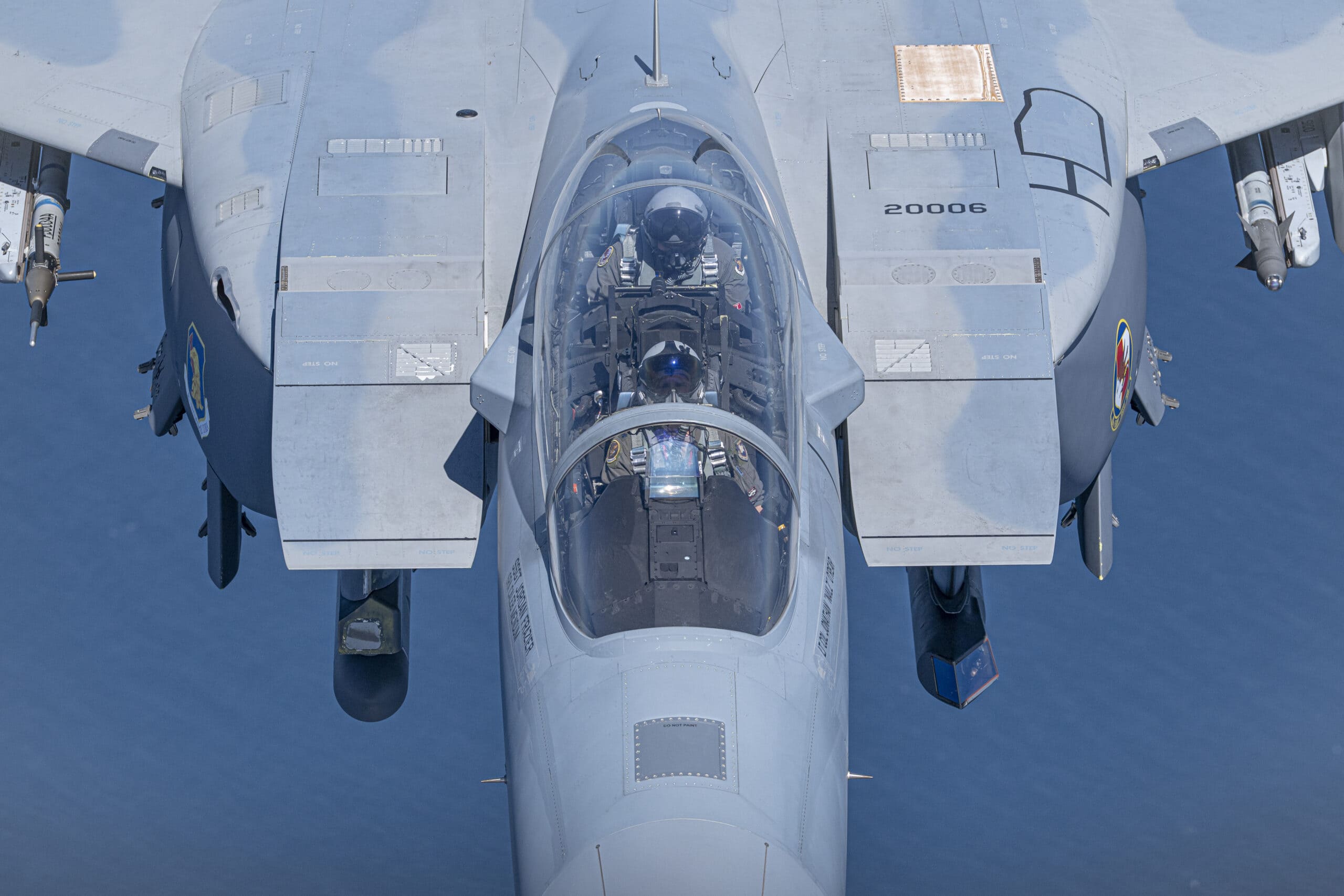
A U.S. Air Force F-15EX Eagle II flies over the Gulf of America, September 16, 2025. The F-15EX, from the 40th Flight Test Squadron at Eglin Air Force Base, Florida, is one of the first F-15EXs in the Air Force, and is going through developmental and operational test series at Eglin to confirm its operational capabilities before it is delivered to the combat Air Force. (U.S. Air Force photo by Tech Sgt. Jacob Stephens)
They want to keep upgrading a proven aircraft by adding new sensors and networking capabilities, as well as drones.
These actions would all delay the need for an expensive, clean-sheet replacement, which is already struggling to come online.
The Rafale’s success has given France something few European countries possess: a fighter program that pays for itself through foreign sales.
India alone is reportedly considering an additional 114 aircraft.
Why Rafale F5 Matters
France’s F5 standard is not just another software update for an older platform.
Multiple industry insiders report that the aircraft is being utterly transformed into something closer to a miniature sixth-generation warplane rather than a fourth-generation fighter.
If that’s true, of course, American taxpayers should ask why the United States Air Force needs to blow gobs of money on a sixth-generation warplane at all if the French demonstrate they can take a fourth-generation plane and give it the baseline capabilities of a vaunted sixth-generation plane.
Yes, yes, the sixth-generation mafia will argue that the French are simply overselling what they’re doing.
Anyway, some of the upgrades Paris is installing in the F5 include new-generation radar technology.
These systems should have a greater ability to detect low-observable aircraft. Dassault is expanding the plane’s data fusion to make it more like an aerial combat quarterback rather than just a fighter.
This upgraded Rafale will integrate more fully with France’s future nuclear deterrent mission. Oh, they’re incorporating drone teaming operations.
France is also expanding the plane’s standoff strike options (all of which are based on lessons learned from the wars in Ukraine and Iran).
So, don’t you dare view the F5 upgrade as an incremental step up the way that previous upgrades of the Rafale were.
Instead, this new F5 model represents a shift toward a system-of-systems approach in which the fighter serves as the command node for drones, missiles, sensors, and networked weapons.
That’s precisely what the USAF is taking with its F-47 and the same approach that China looks to be taking with its own emerging sixth-generation warplane concepts.
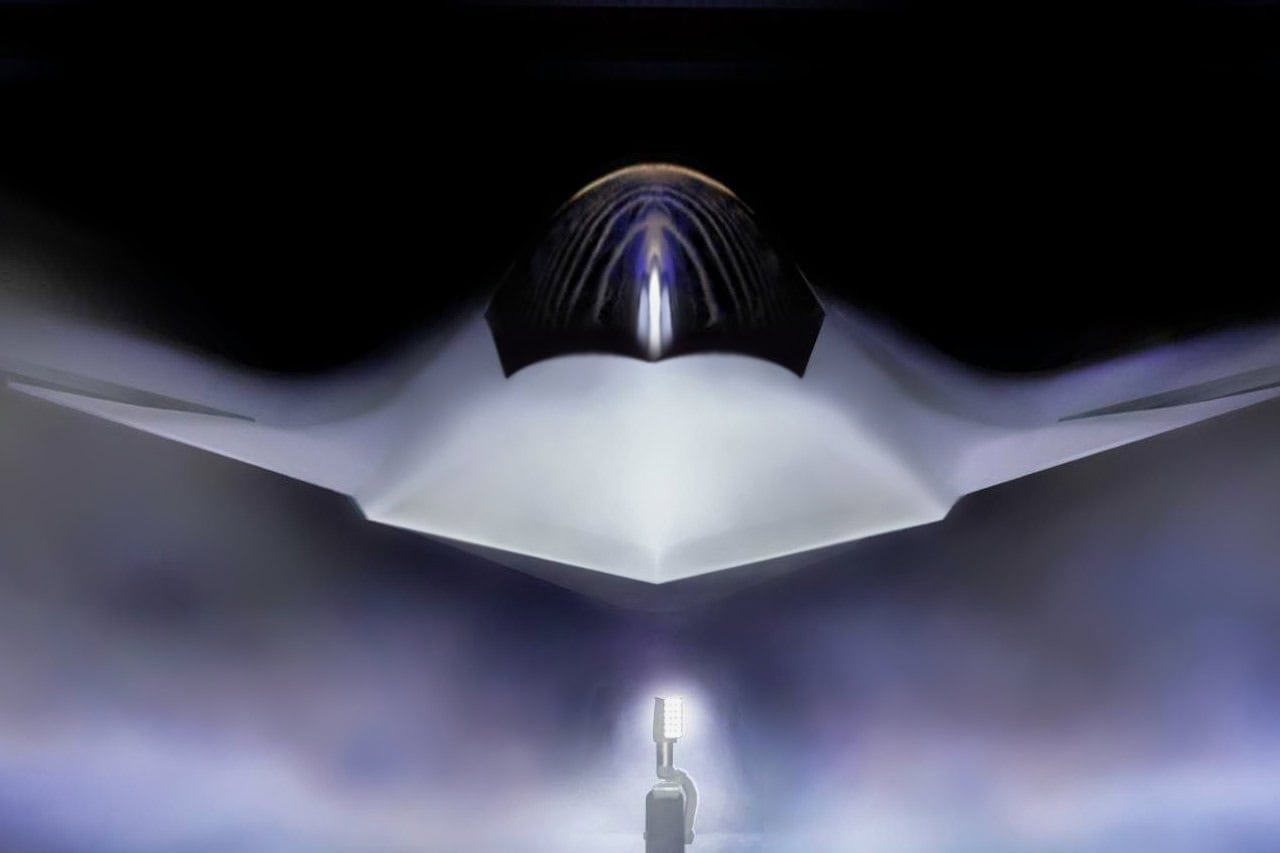
Shown is a graphical artist rendering of the Next Generation Air Dominance (NGAD) Platform. The rendering highlights the Air Force’s sixth generation fighter, the F-47. The NGAD Platform will bring lethal, next-generation technologies to ensure air superiority for the Joint Force in any conflict. (U.S. Air Force graphic)
The Rafale Is Becoming Less Like a Fighter and More Like a Combat Network
What the F5 is telling us is that the traditional fighter paradigm is truly dying.
The Rafale F5 is designed around the assumption that future combat will be network-centric rather than platform-centric, which is precisely the trend I’ve been writing about at this site for years.
Indeed, Dassault is saying that the future is the network, while their Rafale merely becomes the most survivable and flexible node in that network. All this with a modified fourth-generation warplane.
Either they’re exaggerating to sell planes or US taxpayers are being taken for a ride by Washington and its obsession with sixth-generation warplanes.
The Weak Spot
The biggest limitation of the upgraded Rafale F5 remains its lack of stealth.
Even French officials acknowledge that it cannot match the low-observable characteristics of the US Lockheed Martin F-35 Lightning II and F-22 Raptor or China’s stealth warplanes.
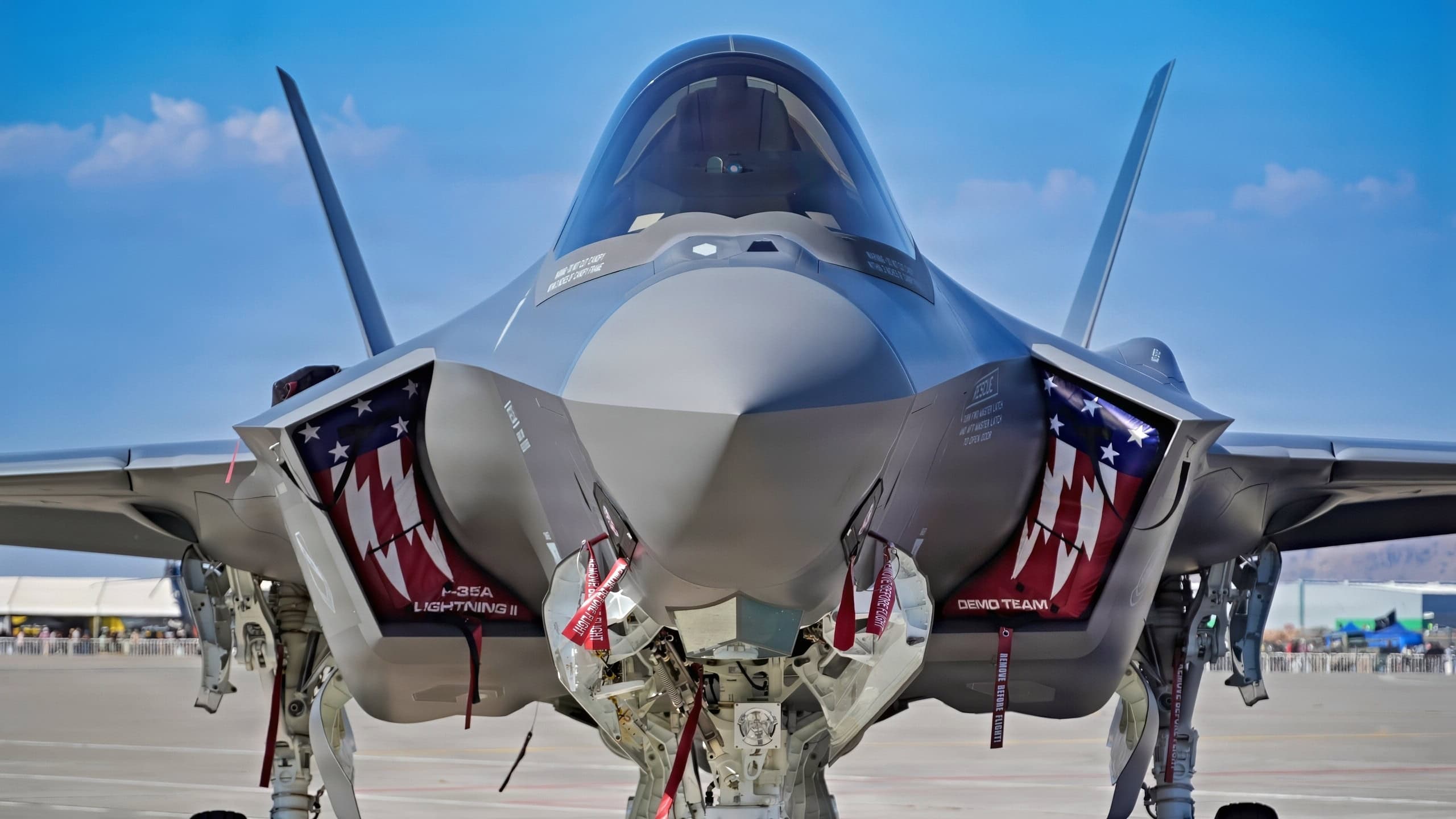
An F-35A Lightning II from the 388th Fighter Wing on display on a taxiway during Feria Internacional del Aire y del Espacio (FIDAE) in Santiago, Chile, April 11, 2026. The F-35A Lightning II is a fifth-generation multirole fighter designed for air superiority and precision strike missions. (U.S. Air Force photo by Staff Sgt. Derek Gutierrez)
But is stealth really the king of air war anymore? It looks increasingly as though speed and mass are.
So, while stealth certainly helps, being able to outrun enemy air defenses while packing a decisive punch–all while being cheaper than the fifth-and-sixth-generation warplane alternatives–seems like a brilliant move by the French.
Still, the lack of stealth is one of the main reasons the French continue to look for a longer-term successor to the Rafale.
It’s what originally brought them to the FCAS program. And it’s why, in the wake of the FCAS implosion, Paris is still looking for that long-term, next-generation replacement.
If the F5 delivers as promised, though, Paris won’t really need the sixth-generation warplane, at least not on the intense timeline they were originally on. The Rafale F5 buys them time.
Strategic Impacts
Missed in all the stories about European rearmament, though, is the fact that Europe is dividing more now than it has been in the last 30 years.
Even in the arena of mutual defense, the Europeans have split into three camps.
There’s the French side, which possesses the Rafale F5, is developing its own sixth-generation effort, has potential partnerships with India or the United Arab Emirates (UAE), has its own nuclear weapons arsenal, and emphasizes French sovereignty–even at the expense of regional solidarity.
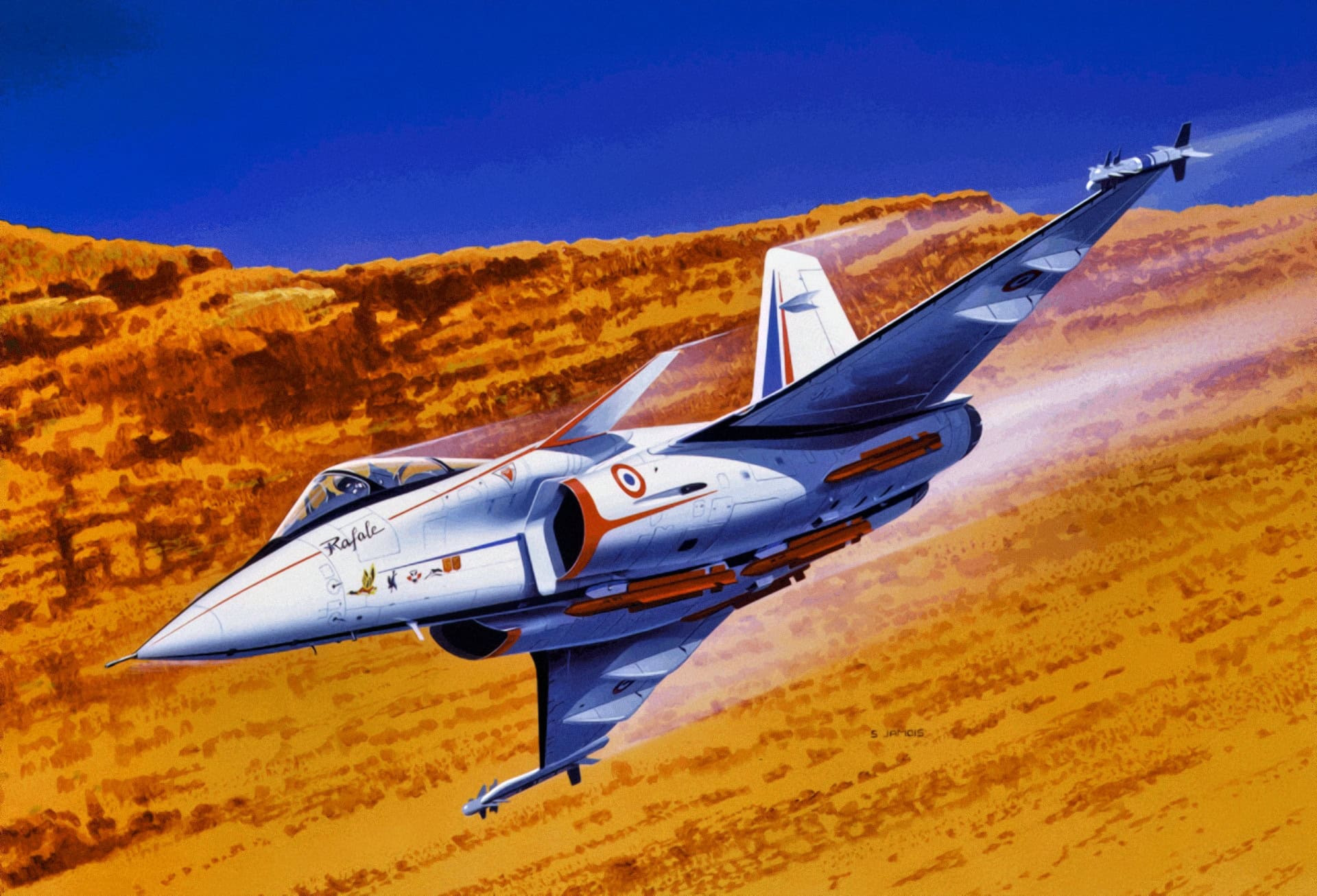
Dassault Rafale Artist Image. Image Credit: Creative Commons.
There’s the British-Italian side, which is aligning with Japan to develop the Global Combat Air Program (GCAP). And then there’s still the American side, with its own fifth- and sixth-generation ecosystem.
Rather than a unified European fighter industry, then, Europe is fragmenting into competing aerospace blocs. The FCAS collapse is probably the biggest European defense-industrial failure since the end of the Cold War.
But the way in which the entire continent is subdividing, I’d wager that FCAS is only the beginning of that collapse rather than a fluke.
Going Forward
France’s Rafale F5 is not a sign that Paris is stuck in the past and is doubling down on an older platform. It’s an indication that France is innovating the fourth-generation airframe into a truly network-centric warfare platform capable of surviving until their more advanced warplane replacement for the Rafale can be built and matured.
That’s not strategic sentimentality or short-sightedness.
That’s France preparing for an entirely new, less unified Europe.
That’s strategic foresight by Paris.
About the Author: Brandon J. Weichert
Brandon J. Weichert is the Senior National Security Editor at 19FortyFive.com. He also manages The Weichert Brief on Substack. Weichert also hosts “National Security Talk” on Rumble. He is the author of four bestselling national security books, the most recent of which is A Disaster of Our Own Making: How the West Lost Ukraine (Encounter Books). Follow him via Twitter/X @WeTheBrandon.