
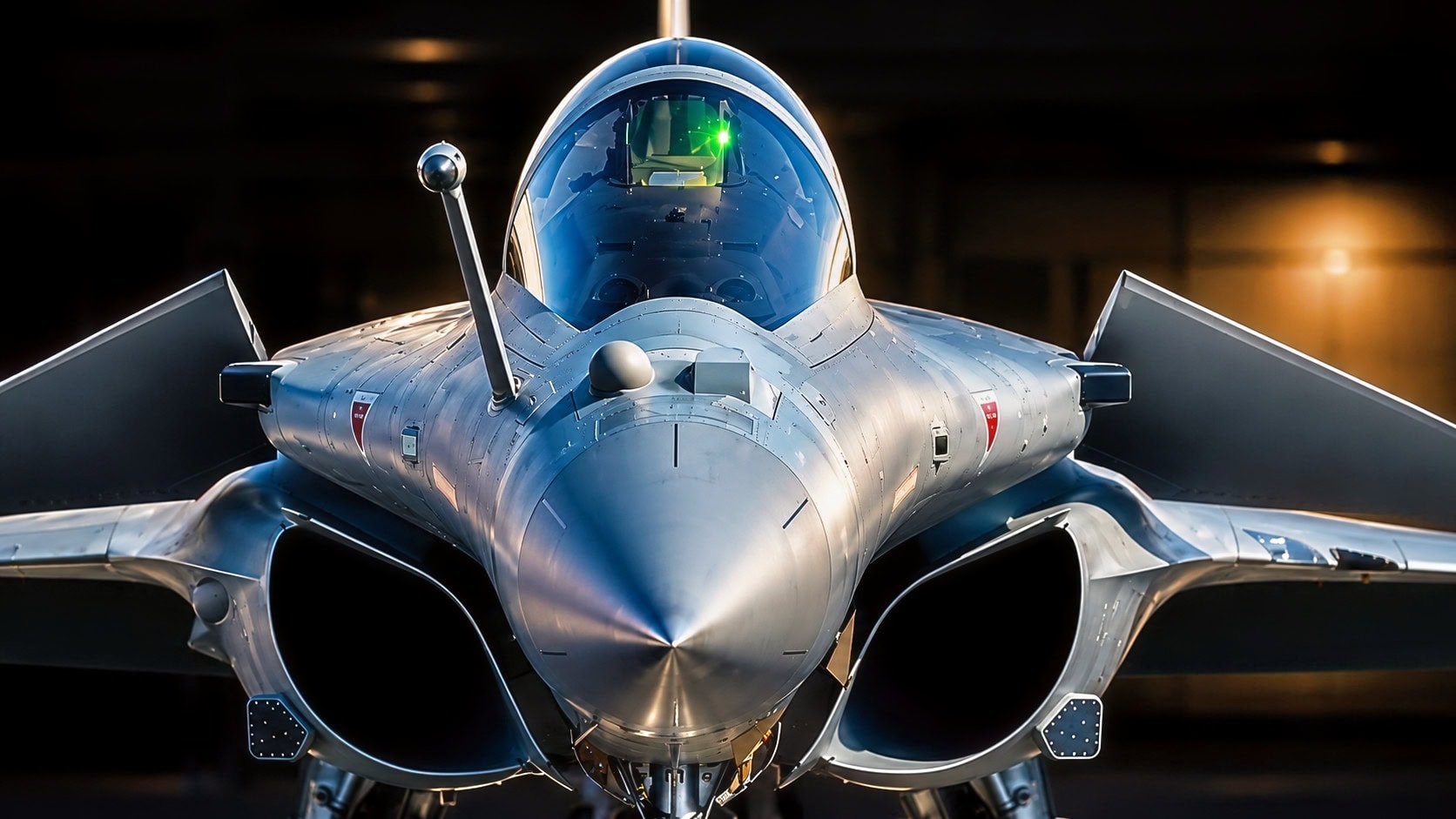
Rafale Won Europe’s Fighter Competition–and the Eurofighter Typhoon Shows Why: For years, military aviation enthusiasts have debated which fighter is superior: the French-built Rafale or the multinational Eurofighter Typhoon. The answer depends on what you value. If you want a pure air superiority fighter with blistering speed, excellent climb rates, and superb dogfighting performance, the Typhoon has a compelling case. If you want a true multi-role combat aircraft capable of doing almost everything well, the Rafale is difficult to beat.
After decades of competition, the real question is why one aircraft increasingly appears to be winning the strategic competition. And the answer says something more profound about the future of European defense than what most analysts realize.
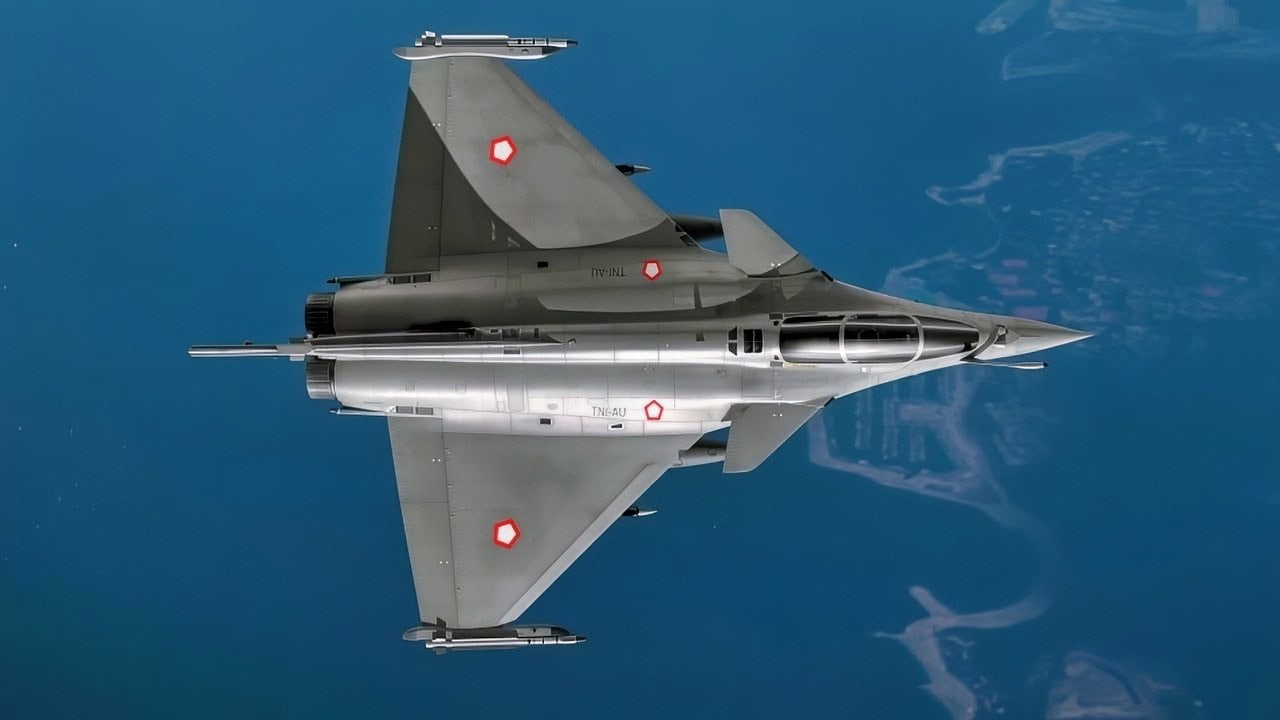
Dassault Rafale Overhead. Image Credit: Industry Handout.
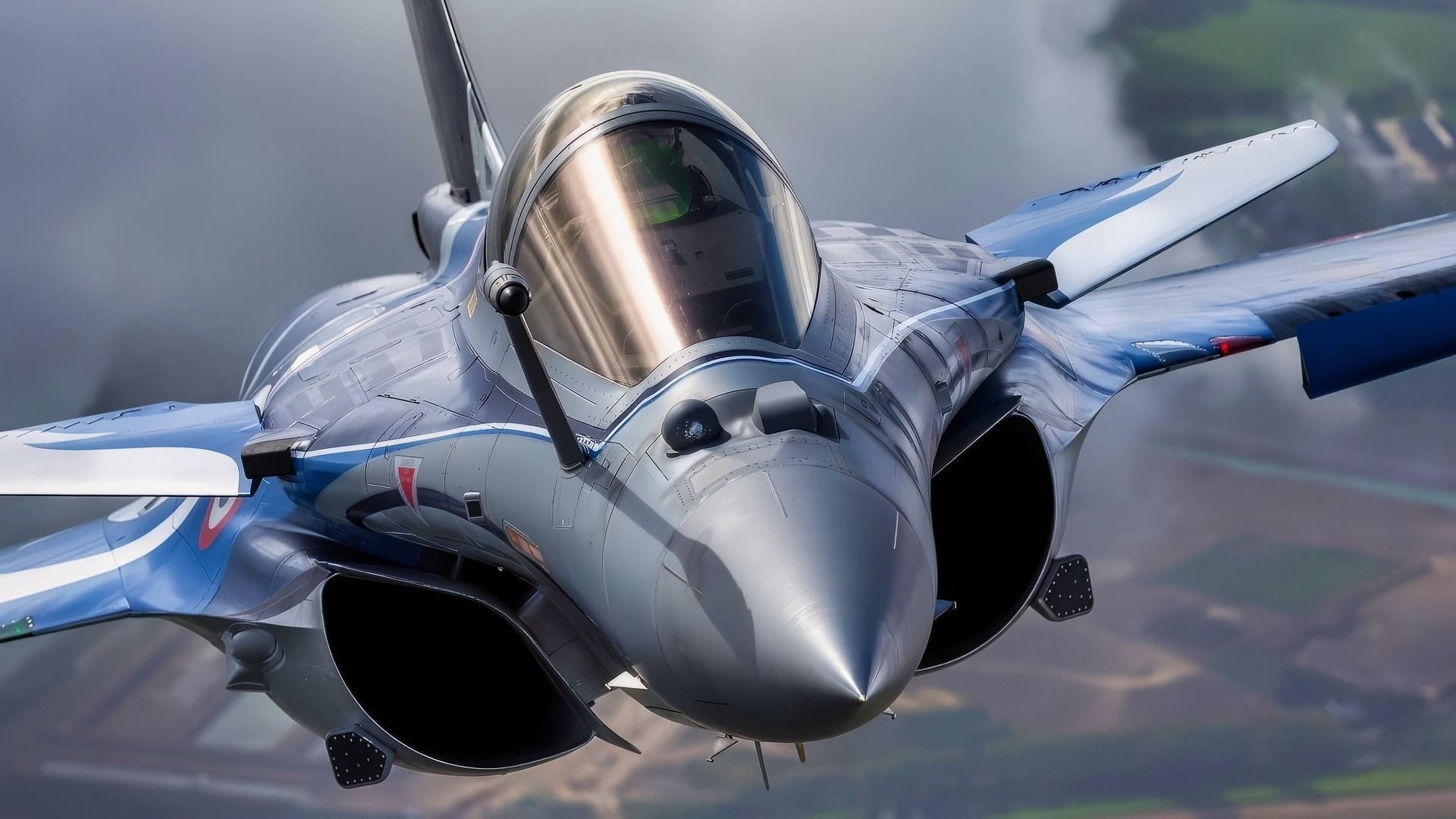
Dassault Rafale Fighter from France. Image Credit: Creative Commons.

Dassault Rafale Fighter from France. Image Credit: Creative Commons.
The Eurofighter Was Europe’s Great Dream
The Eurofighter Typhoon emerged from one of the most ambitious defense-industrial projects ever attempted in Europe. Britain, Germany, Italy, and Spain pooled resources to create an indigenous fighter capable of competing with American and Russian designs. France was initially involved but left the consortium after disputes over requirements and leadership, and later developed the Rafale independently.
At the time, the multinational approach seemed logical.
After all, development costs would be shared among many European states, all working toward a single, interoperable system. Production would be distributed, shoring up the ailing defense industrial base of Europe as a whole, too.
In theory, this was the perfect model for a more integrated Europe. In practice, however, it created a fighter that required constant political coordination among multiple governments, defense ministries, and industrial partners.
That complexity never truly disappeared.
Business & Industry Call: France Chose Sovereignty with Dassault Rafale
France looked at the same challenge and reached a different conclusion. Rather than compromise, Paris chose autonomy. That decision was in keeping with France’s historic preference for sovereignty over multilateralism.
The Rafale was designed to satisfy every French military requirement. This plane could operate from aircraft carriers. It could carry conventional and nuclear weapons. The Rafale could perform air superiority, strike, reconnaissance, and maritime missions. Most importantly, France would retain complete control over upgrades, exports, and future development.
That decision proved expensive during the Rafale’s early years. Today, that obvious preference for sovereignty over multilateralism proved prescient.
While the Typhoon consortium in Europe often requires consensus among multiple stakeholders, France can make decisions on Rafale upgrades, exports, and operational use without asking permission from anyone. In defense procurement, sovereignty has value in its own right. France understood that before most of Europe did.
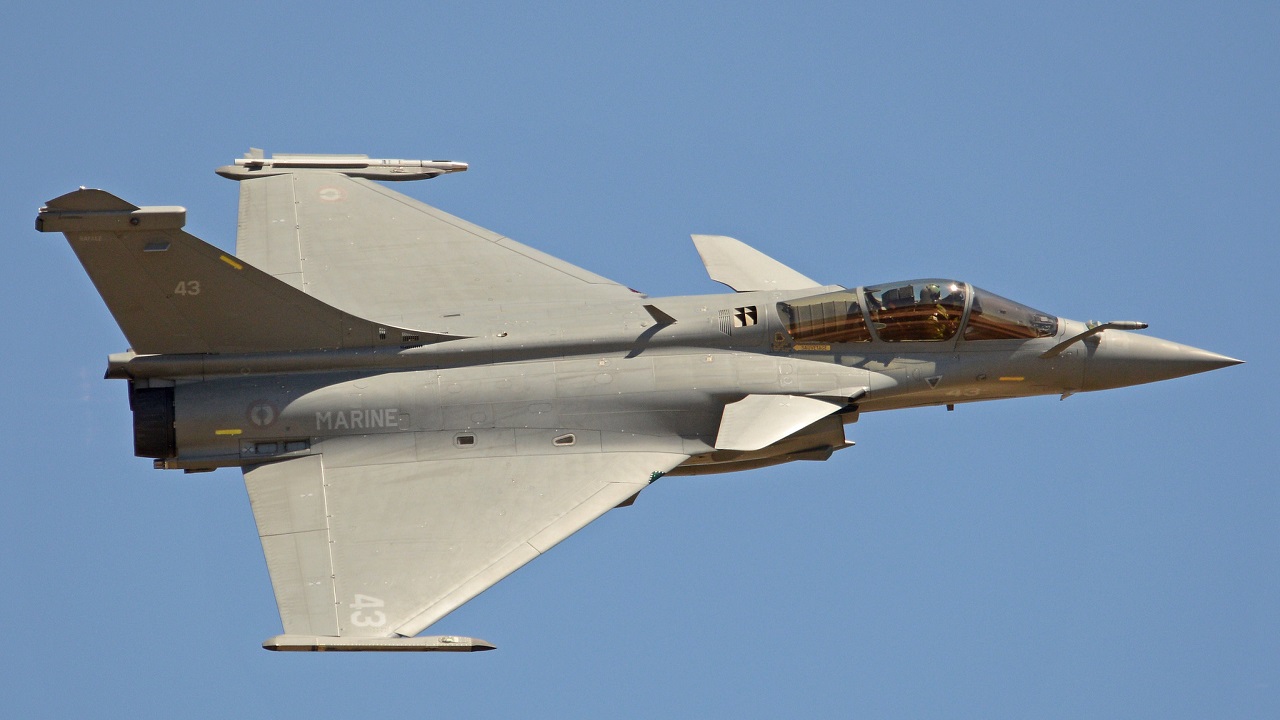
Operated by Flottille 12F, Aeronavale, based at Landivisiau.
Seen during a practice display routine at Zaragoza Air Base, Spain, during the 2016 NATO Tiger Meet (NTM).
Exports Reveal the Winner
One of the clearest indicators of success is export performance. The Rafale has accumulated major orders from countries, including India, Egypt, Greece, Croatia, Indonesia, Serbia, and the United Arab Emirates (UAE). Meanwhile, the Typhoon has struggled to achieve similar momentum despite remaining a highly capable aircraft.
France offers customers something many governments increasingly desire: simplicity.
When a nation purchases the Rafale, it negotiates primarily with Paris and Dassault, the firm that makes it. A country purchasing the Typhoon often faces negotiations involving multiple governments, multiple industrial partners, and multiple political considerations.
Few care about the plane’s performance when the process of acquiring the bird is so onerous. Why run through multiple layers of bureaucracy across multiple nations when you can just go through one in Paris? Especially when the Rafale is such a provably effective warplane?
The Typhoon’s Identity Crisis
The Typhoon was originally developed as an air-superiority fighter. Indeed, it is an excellent air superiority fighter. Eurofighter Typhoons have incredible speed, altitude performance, and agility. Even today, most experts regard it as Europe’s primary air-combat platform. The problem is that modern air forces increasingly demand aircraft capable of doing everything.
Wars in Libya, Syria, Iraq, Afghanistan, and elsewhere have reinforced the importance of strike operations, intelligence gathering, electronic warfare (EW), and precision engagement. The Rafale was designed from the outset to perform those missions. The Typhoon had to evolve into them. As a result, the Rafale often appears more naturally aligned with contemporary operational requirements.
Why the Typhoon Isn’t Going Away
Yet reports of the Typhoon’s demise have been greatly exaggerated. For years, analysts have argued that the aircraft was nearing the end of its life cycle as fifth-generation warplanes proliferated and sixth-generation programs advanced. Reality has proven more complicated.
The Typhoon continues receiving upgrades. New weapons, improved sensors, advanced EW systems, and enhanced computing power are extending its operational relevance well into the 2040s. The aircraft remains the backbone of several European air forces and continues attracting export interest.
The Eurofighter consortium increasingly describes the aircraft as a bridge to Europe’s next-generation combat systems. But, Europe’s future fighter programs remain uncertain enough that a fourth-generation aircraft first conceived during the Cold War must continue carrying the burden.
The FCAS Warning
The larger lesson extends beyond either fighter. Europe’s troubled Future Combat Air System (FCS) program has exposed the same tensions that shaped the Typhoon decades ago. Questions of industrial leadership, intellectual property, work share, and national control continue generating disputes among European partners.
The Dassault Rafale and Typhoon represent two competing visions of defense industrial strategy. One prioritizes multinational cooperation. The other prefers national sovereignty. For years, European policymakers assumed the multinational model represented the future. Increasingly, events suggest France may have been right all along.
The Real Winner
If a Typhoon and Dassault Rafale met in the sky tomorrow, the outcome would likely depend more on the pilot, tactics, and supporting network than the aircraft itself. Both the Rafale and Typhoon number among the world’s finest non-stealth fighters. History, however, is rendering the verdict on something larger than performance specifications.
The Rafale’s greatest advantage was never its engines or weapons package. That plane’s most significant feature was that France controlled its destiny. As Europe struggles to build the next generation of combat aircraft, that lesson may prove more important than any technical characteristic ever built into either fighter.
About the Author: Brandon J. Weichert
Brandon J. Weichert is the Senior National Security Editor at 19FortyFive.com. He also manages The Weichert Brief on Substack. Weichert also hosts “National Security Talk” on Rumble. He is the author of four bestselling national security books, the most recent of which is A Disaster of Our Own Making: How the West Lost Ukraine (Encounter Books). Follow him via Twitter/X @WeTheBrandon.

