The MiG 1.44 is one of the great “what if?” aircraft of the post-Cold War era. It was supposed to be the Soviet Union’s answer to the American F-22 Raptor, but instead became a victim of the Soviet collapse. If the F-22 represents a successful leap into fifth-generation air combat, the MiG 1.44 represents a failed leap that never got the chance to mature.
What Was the MiG 1.44?
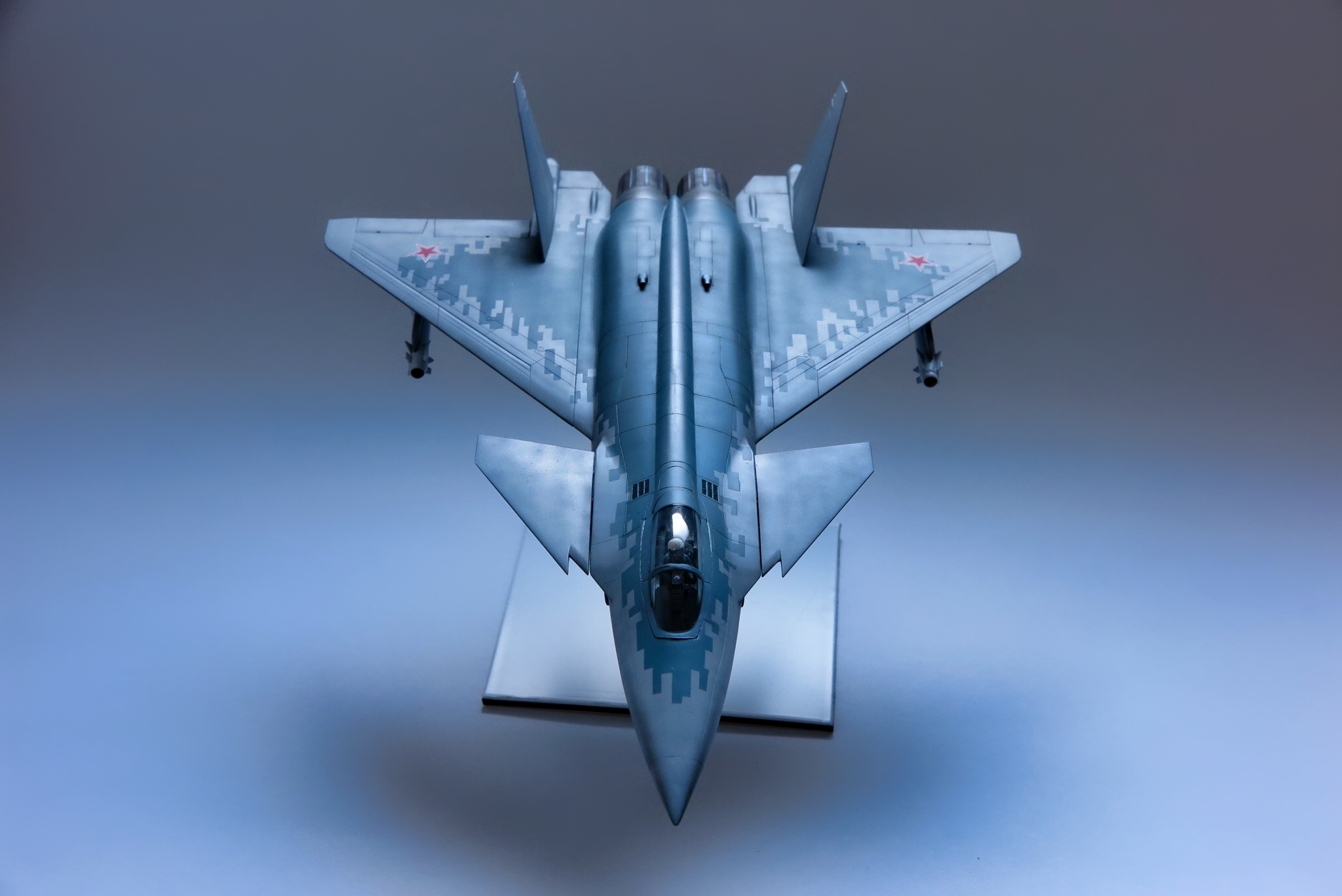
MiG 1.44 Russian Fighter. Image Credit: Creative Commons.
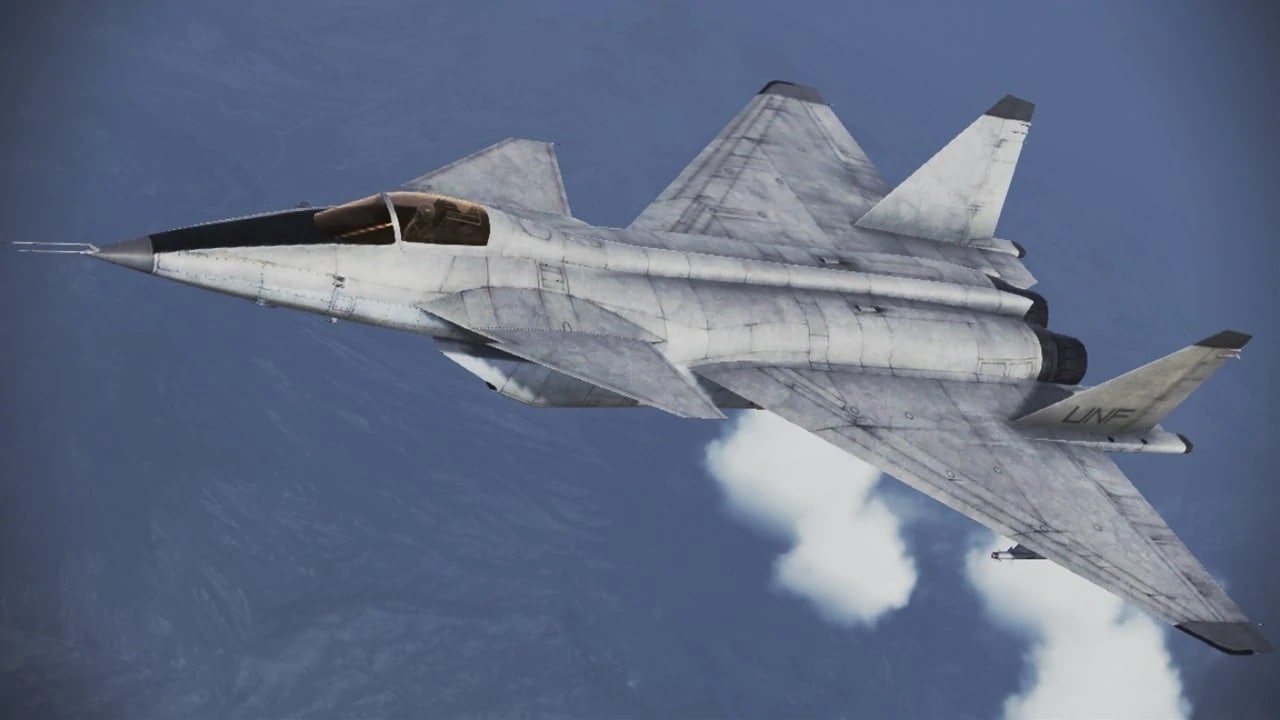
MiG 1.44 computer generated image of possible configuration.
Having emerged from the Soviet Multifunctional Frontline Fighter Program in the 1980s, Soviet planners wanted the MiG 1.44 to challenge America’s Advanced Tactical Fighter competition, which ultimately produced the F-22 Raptor. The Soviets wanted a fighter that could supercruise, carry weapons internally, possess reduced radar visibility, match or exceed American maneuverability, and dominate air-to-air combat well into the 21st century.
Why Did It Look So Strange
Unlike the F-22, which was designed around stealth first, the MiG 1.44 reflected Soviet aerodynamic thinking. Key design features of this plane included a large delta wing, prominent forward canards, two engines with thrust vectoring, a massive internal fuel load, and internal weapons bays.
The aircraft was optimized for extreme maneuverability and speed. The canards and delta wing gave it remarkable agility, but also made it less stealthy than the F-22. Exposed compressor faces, complex shaping, and canard surfaces created radar returns that stealth designers normally try to avoid.
This is why many analysts today argue the MiG 1.44 was really a “transitional” fifth-generation fighter rather than a true stealth aircraft.
Was It Actually Stealthy?
Soviet designers claimed that radar-absorbent materials, internal weapons bays, and shaping would significantly reduce the radar signature. But compared with the F-22’s carefully aligned edges and hidden engine faces, the MiG-1.44 looked more like a highly maneuverable fighter with some stealth features rather than a stealth fighter that could maneuver.
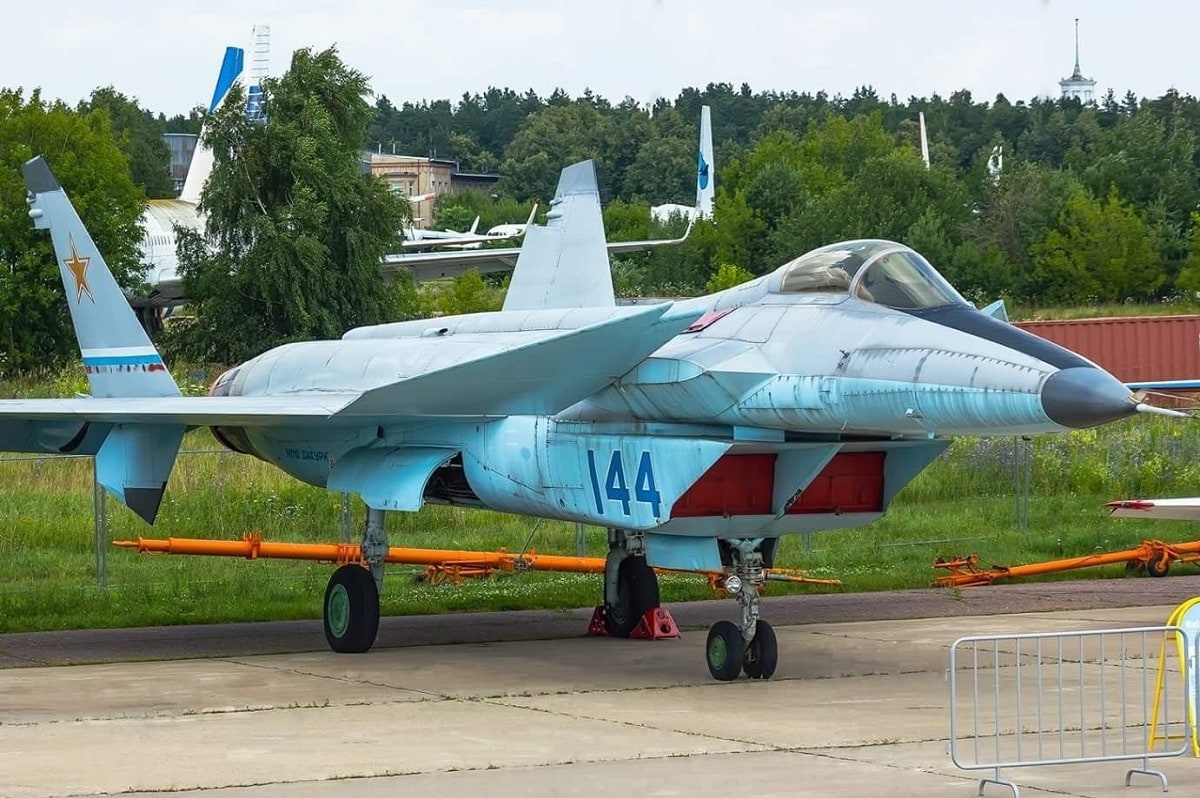
MiG 1.44. Image: Creative Commons.
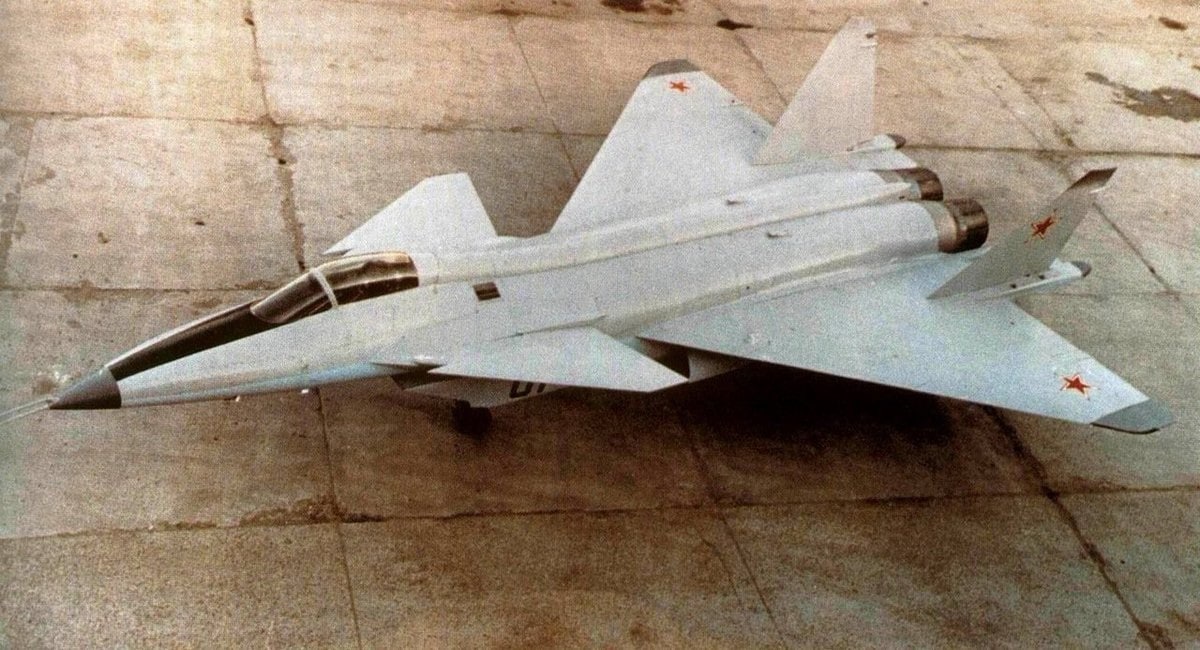
MiG 1.44. Image: Creative Commons.
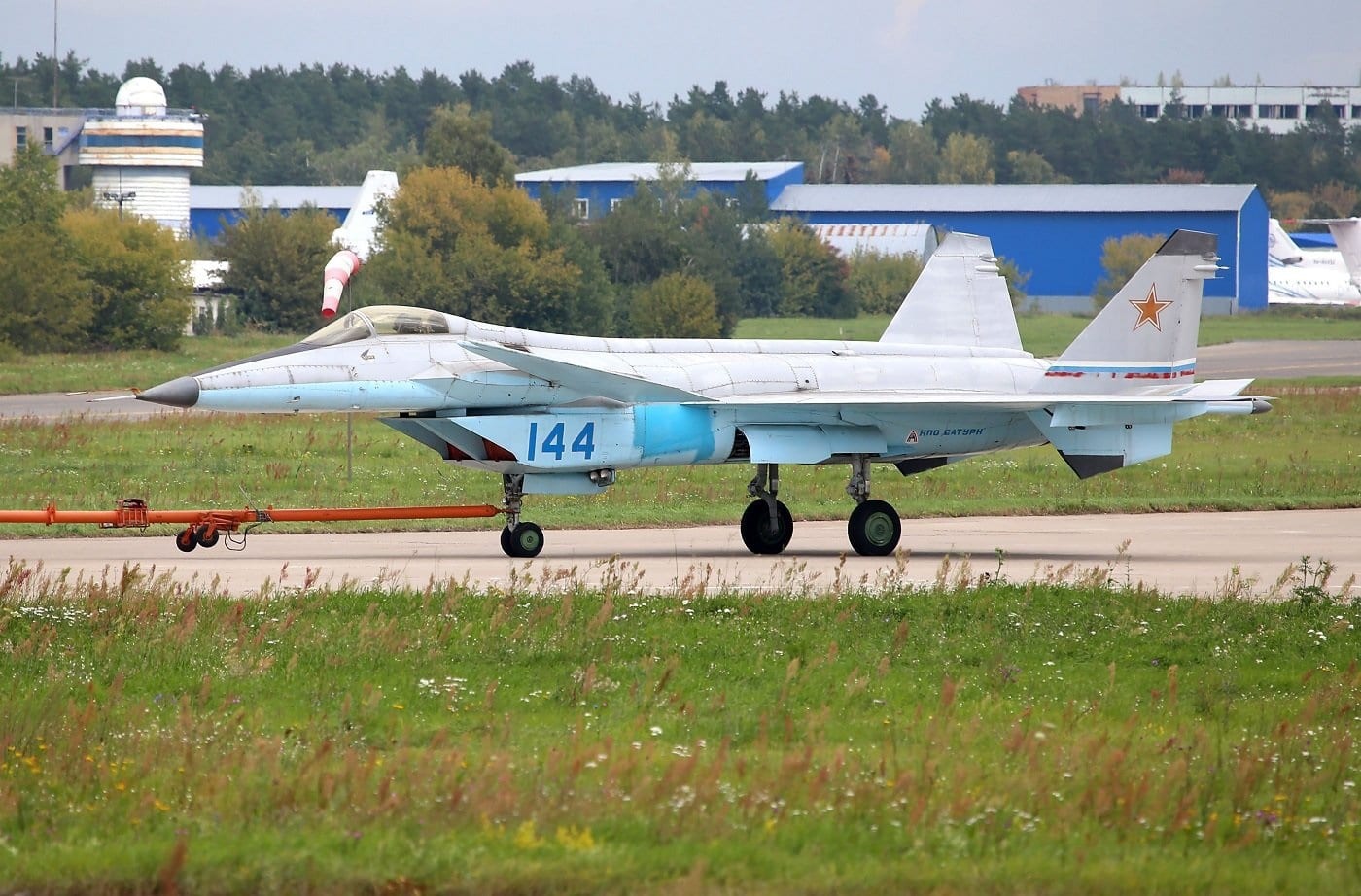
MiG 1.44. Image: Creative Commons.
That distinction matters. Whereas the Americans prioritized first-look, first-shot, and first-kill, the Soviets valued speed, maneuverability, and powerful sensors.
The MiG-1.44 reflected that philosophy.
Why Was It Compared to the German TKF-90
Interestingly, there were similarities between the MiG-1.44 and Germany’s abandoned TKF-90 concept. While there is no evidence of copying, engineers in the late 1980s often arrived at similar solutions when trying to combine supercruise, high agility, internal weapons, and large fuel capacity.
The canard-delta configuration appeared attractive before stealth design matured. In fact, similar concepts appeared in Europe, Russia, and even some American studies. The F-22’s diamond-wing layout ultimately proved to be the superior stealth solution.
The Flight That Ended Everything
The most famous fact about the MiG-1.44 is that it essentially flew once. After years of delays resulting from the collapse of the Soviet Union, the plane finally flew on February 29, 2000. The flight lasted 18 minutes. The plane climbed to 3,300 feet, circled the airfield twice, and landed safely.
It never flew again.
That’s why many historians call it one of the most expensive dead ends in fighter development history.
Why Did It Fail?
Despite the fact that it only ever flew once, years after it was supposed to, the MiG-1.44 was a fine aircraft. The main reason it failed was due to timing. When the Soviet Union collapsed, it took down everything with it–including the MiG-1.44.
With the Soviet Union’s collapse, the funding for the project evaporated, too. Russia spent most of the 1990s struggling through economic chaos and political crises. Even maintaining existing forces became difficult.
Developing a revolutionary stealth plane became nearly impossible.
Additional problems included rising development costs, expensive engines, delayed avionics, and massive bureaucratic infighting over the project’s future, as well as competition from Sukhoi, a rival design bureau in the USSR and, later, the Russian Federation.
So, Moscow concluded that it could not afford the MiG design. Instead, Russia shifted resources toward what became the PAK FA program and ultimately the Sukhoi Su-57.
Did It Influence the Su-57?
Although the aircraft itself failed, many technologies from the program survived. These lessons were eventually incorporated into developments in supercruise functionality, thrust vectoring, advanced flight controls, composite materials, and internal weapons carriage.
The lessons learned from the MiG-1.44 program truly informed the future warplane development programs of post-Soviet Russia. There’s also some evidence suggesting that parts of the MiG-1.44 program, like the aerodynamic layout of the plane, informed China’s fifth-generation Chengdu J-20 “Mighty Dragon” air superiority stealth fighter.
That doesn’t sound like a failure.
The Real Historical Verdict
The MiG-1.44 wasn’t Russia’s F-22. It was Russia’s YF-22. That’s a notable difference. The YF-22 was the prototype version of the F-22. Just as the MiG-1.44 was a prototype. It’d be as though the YF-22 never went into production, and therefore never became the F-22 Raptor that we all know and revere today.
Had the Soviet Union survived, the MiG-1.44 might have become a genuine competitor to the F-22. Instead, it became a museum piece and a symbol of what happened to Soviet aerospace power after 1991.
For military aviation enthusiasts, the MiG-1.44 remains fascinating because it represents a fork in history: a glimpse of the fifth-generation fighter Russia thought it would build before economics, politics, and the collapse of the Soviet Union intervened in these carefully laid plans.
About the Author: Brandon J. Weichert
Brandon J. Weichert is the Senior National Security Editor at 19FortyFive.com. He also manages The Weichert Brief on Substack. Weichert also hosts “National Security Talk” on Rumble. He is the author of four bestselling national security books, the most recent of which is A Disaster of Our Own Making: How the West Lost Ukraine (Encounter Books). Follow him via Twitter/X @WeTheBrandon.