
For more than a decade, China’s J-20 was a fifth-generation fighter held back by a fourth-generation problem: the country could build the stealth airframe but not the engine to match it. The “Mighty Dragon” entered frontline service in 2017 on Russian engines, then moved to a stopgap domestic powerplant that could not deliver true supercruise — the same wall that every other nation’s fighter program hits, because the engine is the part almost no one can build. In early 2026, China cleared it. The J-20 is now flying with the WS-15, a clean-sheet indigenous engine estimated to produce more thrust than the F-22’s, giving the fighter sustained supersonic cruise, a major performance jump, and propulsion China owns outright. The engine story makes the J-20 the mirror image of Turkey’s Kaan, India’s Tejas, and Sweden’s Gripen — the one major program that started in the dependence trap and fought all the way out of it.
The Dependence Years: A Fifth-Generation Jet With A Borrowed Heart
When the J-20 entered service with the People’s Liberation Army Air Force in March 2017, it flew on the Russian Saturn AL-31F, a reliable engine originally designed for the Su-27 Flanker family but never intended for a stealth fighter. China had built one of the world’s most advanced fighter airframes and had to power it with an imported Russian engine, leaving Beijing dependent on Moscow for the single most critical component of its flagship jet. It was a striking gap: a fifth-generation aircraft with a fourth-generation, foreign heart.
China closed part of that gap in 2019, when it transitioned the J-20 to the domestically produced WS-10C, a heavily enhanced member of the WS-10 engine family. The switch ended the reliance on Russia and was a real achievement, but it did not solve the underlying problem. The WS-10C’s thrust was widely assessed as adequate for the airframe but insufficient for sustained supercruise — the ability to cruise at supersonic speed without lighting the fuel-hungry afterburner.
The J-20 could reach supersonic speeds, but doing so burned fuel rapidly and raised its infrared signature, imposing trade-offs on range, persistence, and stealth. China’s own engine, in other words, was still a fourth-generation design pressed into a fifth-generation job, and analysts noted that the jet could not match the F-22’s tight maneuvering. The engine built specifically for the J-20, the WS-15, remained the missing piece, and it was years late.
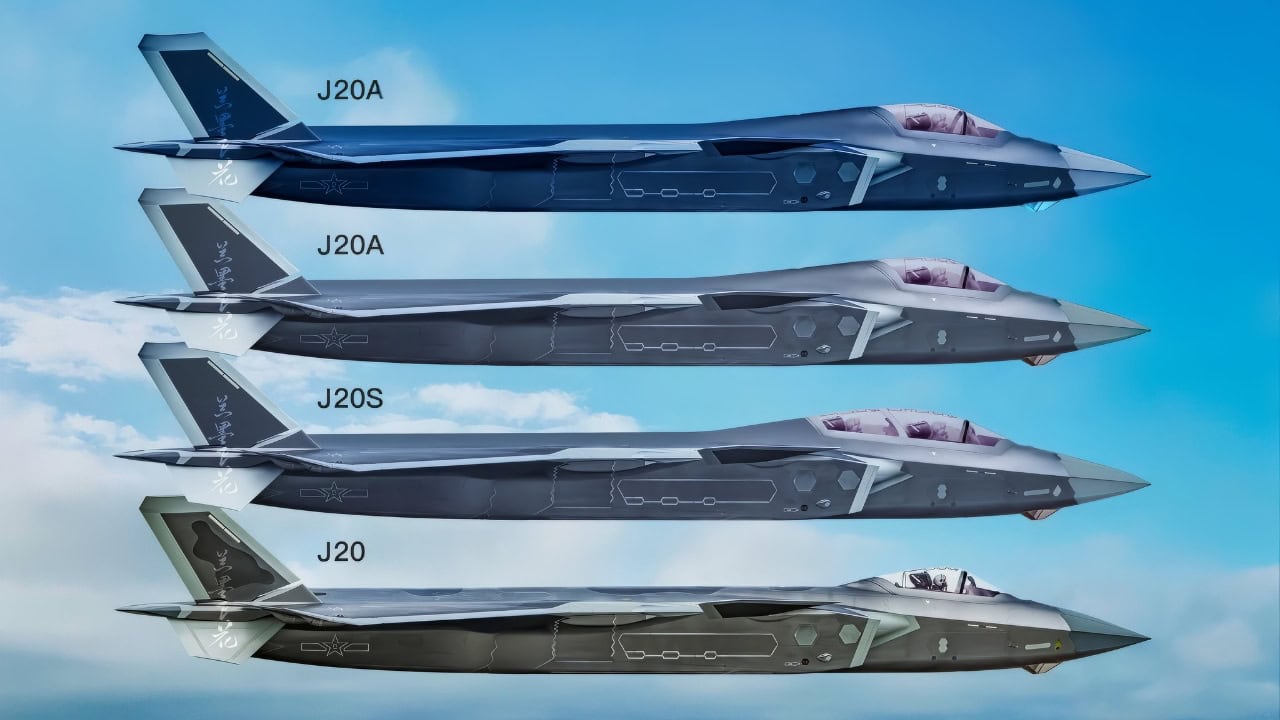
J-20 fighter diagram. Image Credit: Creative Commons.
J-20 Stealth Fighter: Why The Engine Was The Hard Part
The reason the WS-15 took so long is the reason engines defeat nearly every fighter program: they are the hardest thing to build in aviation. Development of the WS-15 began around the late 1990s and early 2000s, with core testing reported by 2005, but it was repeatedly slowed by the exact obstacles that stall every advanced engine effort — high-temperature turbine materials, blade durability, thermal management, and stable thrust at maximum power.
The central challenge was metallurgical: producing single-crystal turbine blades able to withstand temperatures above 1,600 degrees Celsius, a capability only a handful of countries have ever mastered. Reports from the mid-2010s described WS-15 prototypes failing during high-thrust testing, with some suffering serious damage under maximum afterburner, and early units falling short of the 18-to-20 tonnes of thrust the design targeted.
That difficulty has to be measured against where China’s engine industry started. The country only achieved design certification for its first domestic combat-jet engine, the WS-10, in 2005, and that engine’s early history was rocky — initial versions reportedly required refurbishment after roughly 30 hours of operation, compared with the AL-31’s several hundred hours, prompting a broad quality-control overhaul of China’s aero-engine sector around 2011.
The WS-10 family itself drew in part on the maintenance and technical documentation of the Russian AL-31, a lineage China’s aerospace industry has acknowledged. Going from that starting point to a clean-sheet fifth-generation engine as ambitious as the WS-15 in roughly two decades was a genuine leap, and the engine was always expected to be the most protracted part of the entire J-20 program.
The Milestone: The WS-15 Reaches The Production Line
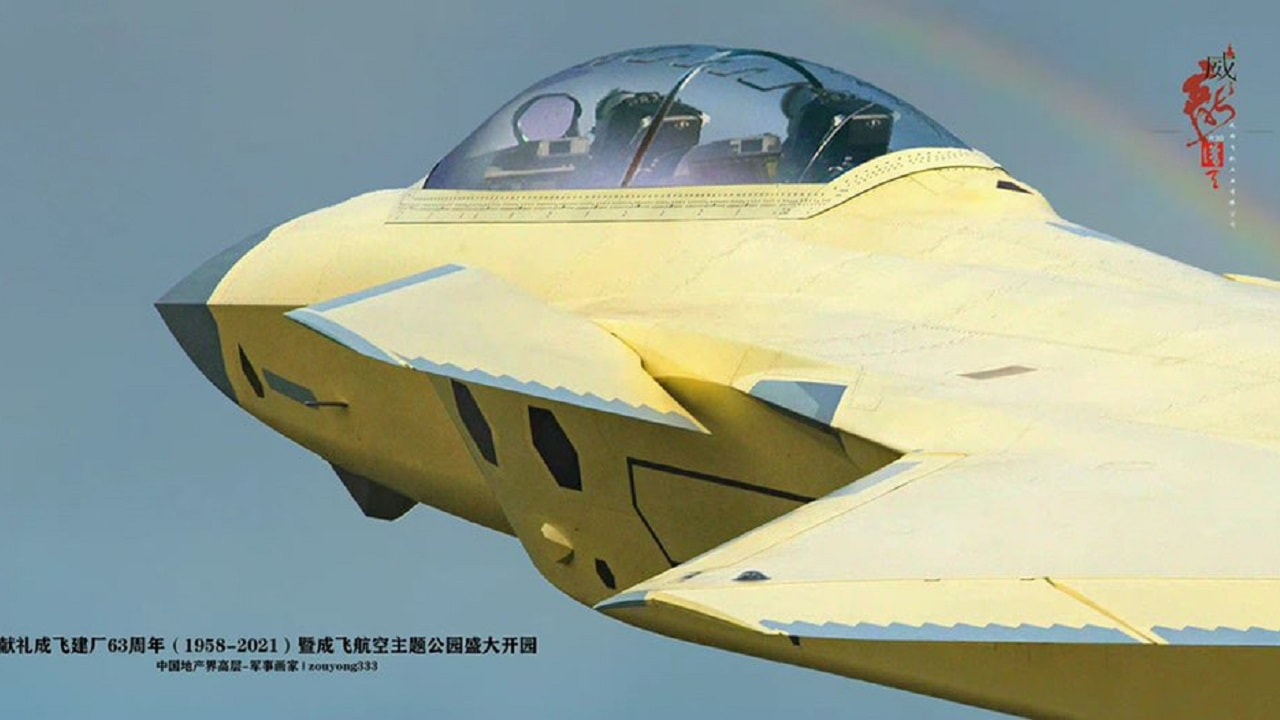
The breakthrough became visible at the start of 2026. After the WS-15 was first flight-tested on a J-20 in early 2022, and twin-WS-15 test aircraft were photographed in 2023 and 2024, China’s Chengdu Aircraft Corporation released images in January 2026 of a J-20A flying with WS-15 engines, finished in the yellow primer associated with newly built production or acceptance aircraft. State and industry sources indicated the upgraded J-20A was entering its delivery phase with the indigenous engine, with limited-rate production underway and broader deployment expected across 2026 and 2027 as the WS-15 supersedes the WS-10C as the J-20’s standard powerplant.
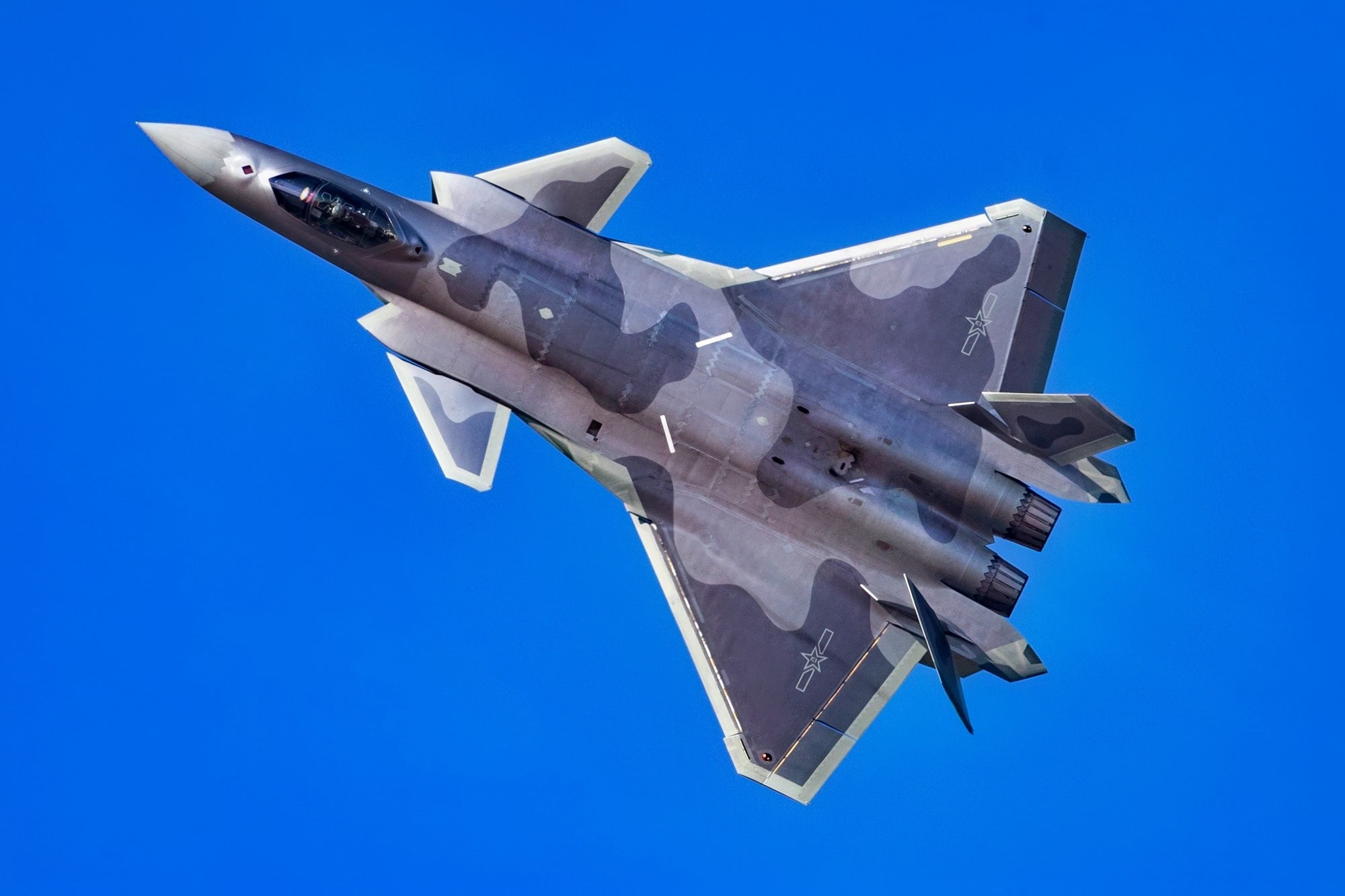
J-20 Fighter from China. Image Credit: Creative Commons.
The WS-15 is paired with an upgraded airframe. The current J-20A features a redesigned canopy-to-fuselage joint with a raised spine intended to reduce supersonic drag and increase internal volume for fuel and avionics, and China has also revealed a two-seat variant, the J-20S.
The aircraft is being built at a scale that matters as much as the engine: open-source analysis of commercial satellite imagery of the Chengdu plant points to five active production lines and an estimated output of roughly 100 to 120 J-20s per year, feeding a fleet that some analysts project could approach 1,000 aircraft by 2030. A powerful new engine entering that kind of production tempo is what makes the milestone consequential.
The Payoff: More Thrust Than The F-22, On Paper
The performance gain the WS-15 promises is substantial. The engine is estimated to generate around 160 to 180 kilonewtons of thrust with afterburner — figures not officially published and sourced from Chinese analysts and Western trackers, with the upper end placing it above the more than 156 kilonewtons of the Pratt & Whitney F119 that powers the F-22.
Chinese state broadcaster CCTV has claimed the engine produces up to 18.5 tonnes of thrust, which would put it in the class of the F-35’s F135. Trackers credit the WS-15 with a thrust-to-weight ratio estimated at 10:1 or 11:1, a longer service life, and lower maintenance than its predecessor, owing to its single-crystal blades, along with roughly a 20-to-30 percent improvement in kinematic performance over WS-10C-powered jets and more onboard electrical power for sensors and potential future directed-energy systems.
That comparison deserves a hard qualifier, and it is the heart of an honest assessment. Out-powering the F-22 on paper is not the same as fielding a better engine. Peak thrust is the easiest specification to state and among the least meaningful in service; what determines whether aircraft are actually available for missions is durability, time between overhauls, and consistency across mass-produced engines.
The F119 has accumulated millions of flight hours over two decades and is a proven, mature system with confirmed Mach 1.8 supercruise and two-dimensional thrust-vectoring nozzles that give the Raptor maneuverability the J-20 has not demonstrated.
The WS-15’s thrust figures are estimates, its reliability at scale is unproven, and its single-crystal blades — the key to its performance — are, by multiple accounts, particularly difficult to mass-produce consistently. The claim that the WS-15 out-powers the F119 on paper is true and striking. The claim that it is a better engine in service is not yet established.
The Honest Balance: Proven Reliability Versus Paper Thrust
The fair frame is that the WS-15 is a genuine milestone that closes the design gap, with the reliability question still open. China’s engine-quality consistency has historically lagged its design ambition — the WS-10’s troubled early service life is the cautionary precedent — and a clean-sheet fifth-generation engine is exactly the kind of program where mass-production consistency is hardest to achieve.
It will take years of fleet operation to know whether the WS-15 holds up across hundreds of engines the way the F119 has. There is also a specific capability gap that remains: thrust-vectoring, demonstrated on some WS-10C-powered J-20s, has not been confirmed on the WS-15, so the new engine’s contribution to close-in maneuverability is still unproven.
None of that diminishes what China has actually accomplished. Building a clean-sheet fifth-generation fighter engine that even plausibly rivals the F119 in thrust is something only the United States had previously done, and China did it after starting from an engine industry that could not match Cold War-era Western and Soviet powerplants two decades ago.
The honest reading is neither that China now leads in fighter propulsion nor that the WS-15 is mere propaganda — it is that Beijing has reached the front rank of engine design and now faces the harder, slower test of proving that design at scale.
The Bigger Pattern: The One That Escaped The Trap
The J-20’s engine story is the inverse of the pattern running through nearly every other national fighter and armor program. Turkey’s Kaan flies on an American General Electric engine while Ankara works toward an indigenous one. India’s Tejas runs on the GE F404 because its domestic Kaveri engine failed, and its successors depend on GE and French engines.
Sweden’s Gripen, sold as the sovereign fighter, runs on a GE engine that gives Washington a veto over its exports. Turkey’s Altay tank was left stranded when Germany imposed an embargo on its engine, and even South Korea’s celebrated K2 still relies on a German transmission. Every one of those programs proves the same law: the airframe or hull is the achievable part, and the engine is the chokepoint that almost no one clears.
China started in exactly that trap — borrowed Russian engines, then a stopgap domestic one — and is the one major program that has fought all the way out, fielding a clean-sheet indigenous engine that matches Western thrust. That is what makes the WS-15 strategically significant beyond its specifications: it removes the single dependency that constrained China’s flagship fighter.
A J-20 that no longer relies on Russian engines, and no longer makes do with an underpowered stopgap, is a more capable and more self-sufficient aircraft than the one that entered service in 2017 — and a different kind of problem for the United States and its allies. The lesson cuts both ways. The engine is the part almost no one can build, and China just built it.
The Dependence Era Is Over, The Proof Is Still To Come for the J-20
China has closed the last major gap in its premier fighter. For more than a decade, the J-20 was the aircraft that exposed the limits of Chinese aerospace — a world-class airframe that had to borrow its heart from Russia and then settle for a domestic engine that could not do the job it was built for. The arrival of the WS-15 on production aircraft in 2026 ends that era. On paper, the engine gives the J-20 more thrust than the F-22, true supercruise, and the propulsion independence China spent two decades chasing.
What it has not yet given China is proof. The WS-15’s thrust advantage is real on the numbers available, but those numbers are estimates; its thrust-vectoring is unconfirmed; and its durability across a fleet of mass-produced engines is the question that decades of F119 service have already answered for the United States and that China still has to answer.
The design milestone is genuine and should not be underestimated — it is the achievement that the Kaan, the Tejas, and the Gripen are all still striving for. But the reliability milestone, the one that decides whether a powerful engine on paper becomes a dependable engine in the air, is the next mountain, and China is only at the bottom of it. The dependence era is over. The proving has just begun.
J-20: A Photo Essay of the Mighty Dragon
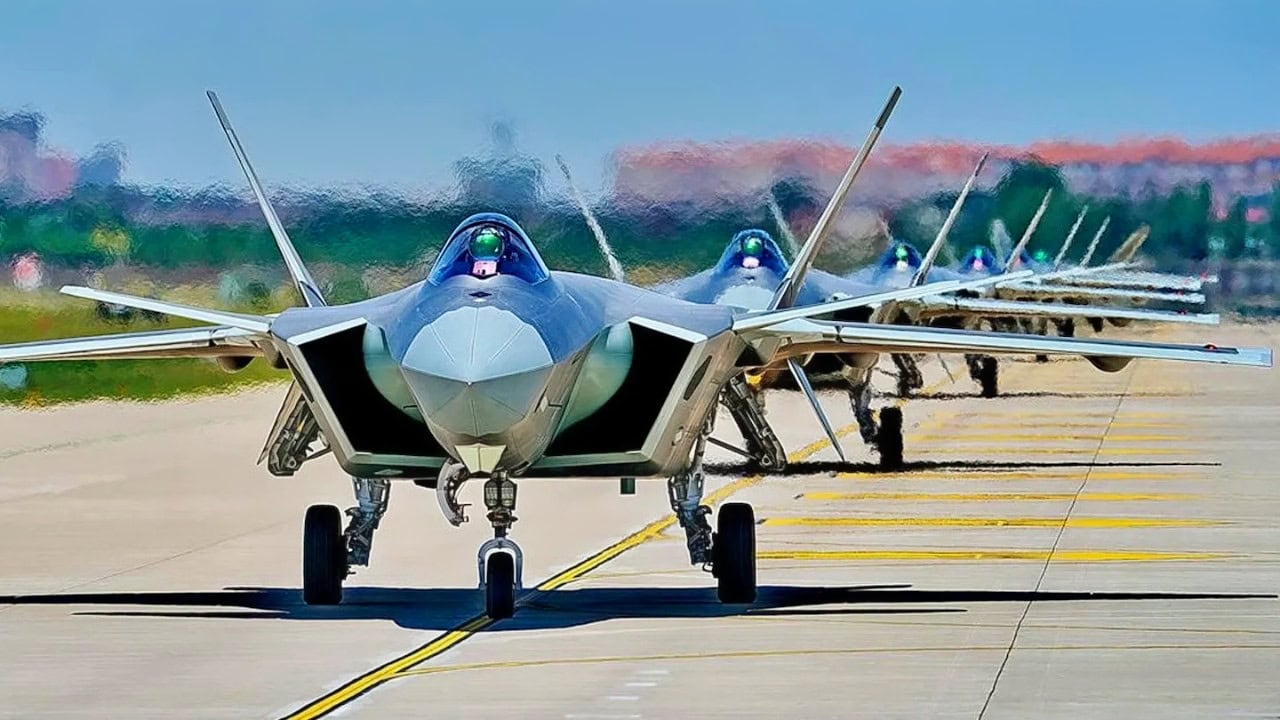
J-20 Fighter from PLAAF China. Image Credit: Creative Commons.
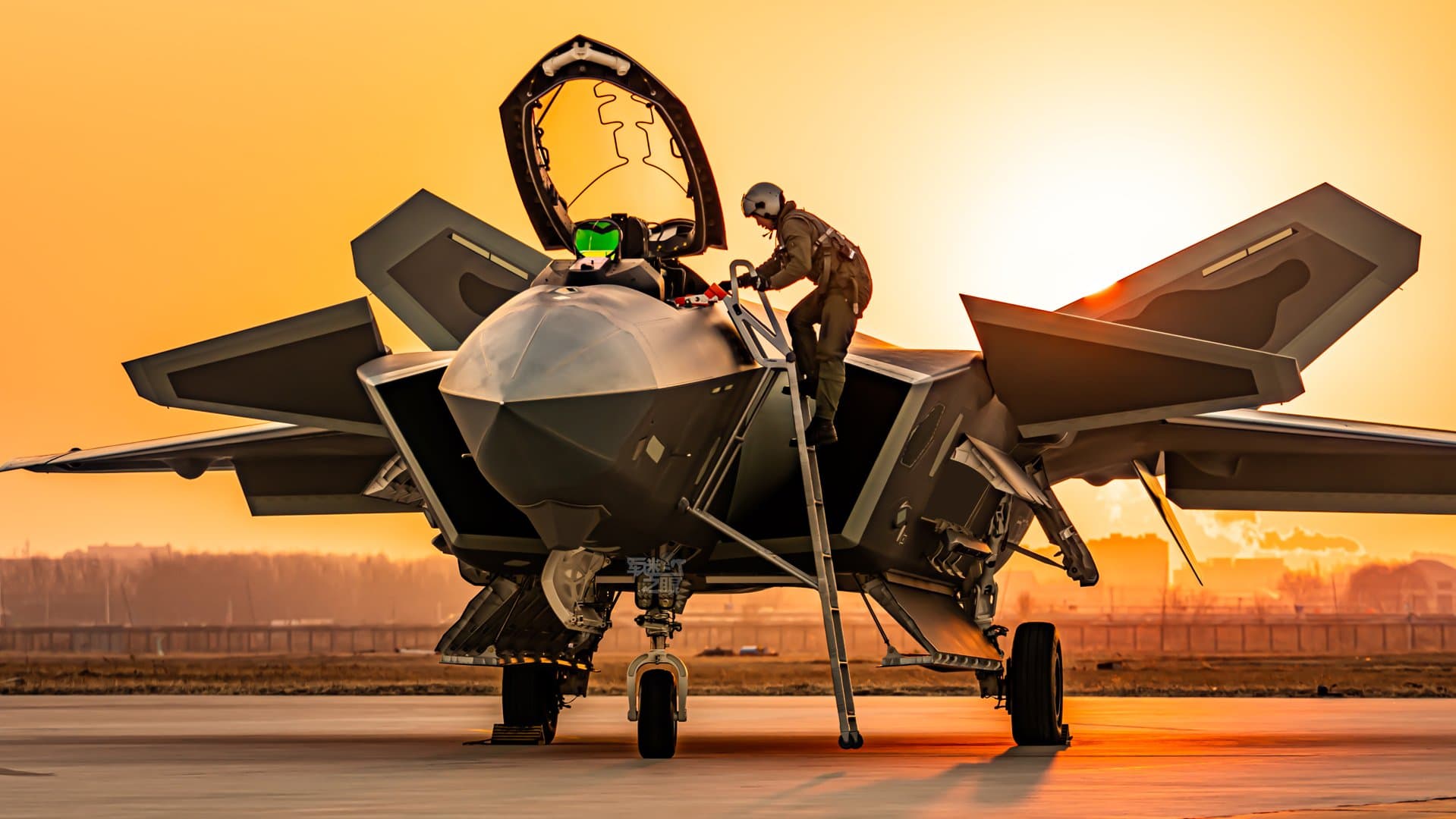
J-20 Fighter. Image Credit: Chinese Internet.
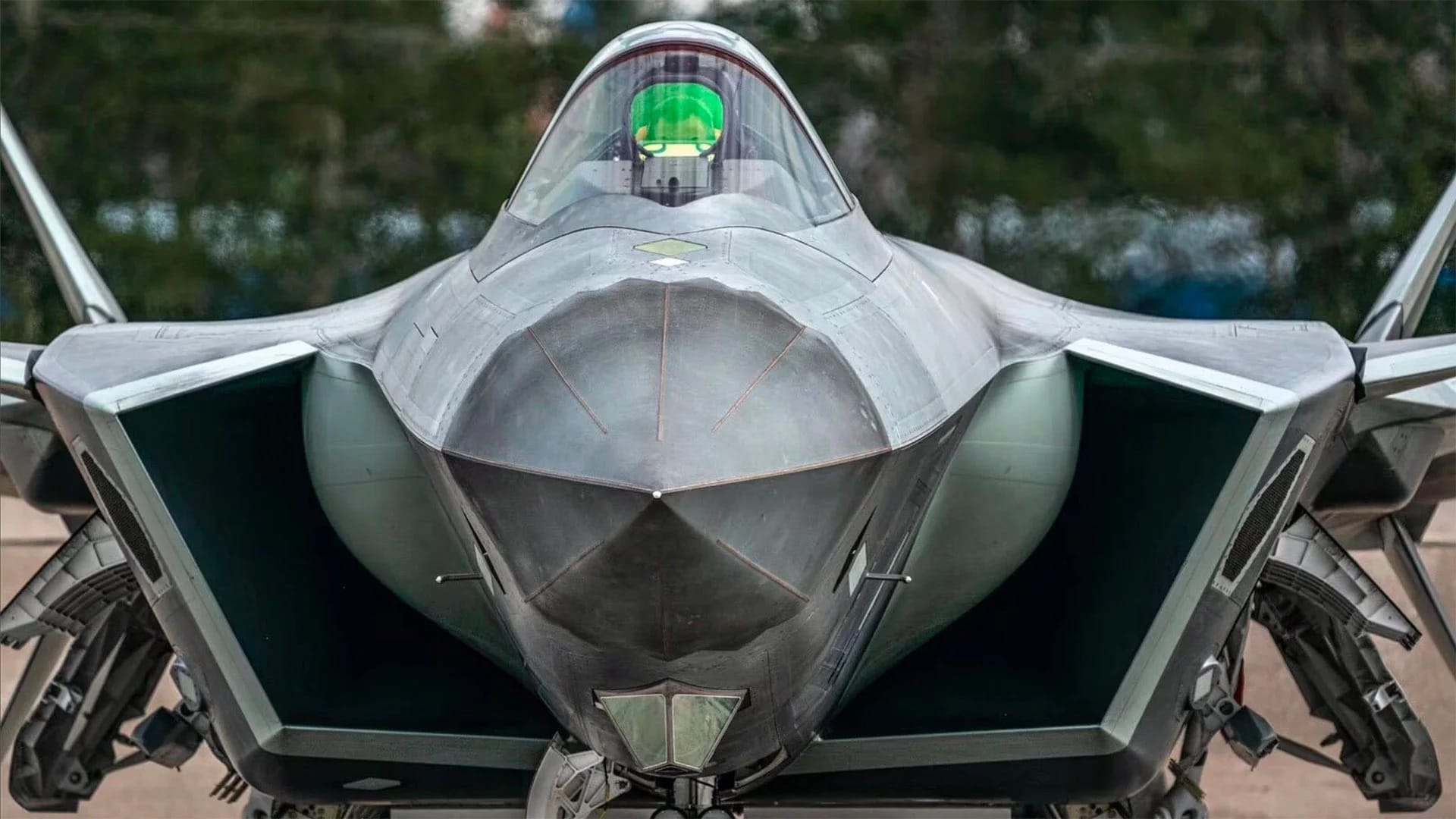
J-20 Stealth Fighter. Image Credit: Industry Handout.
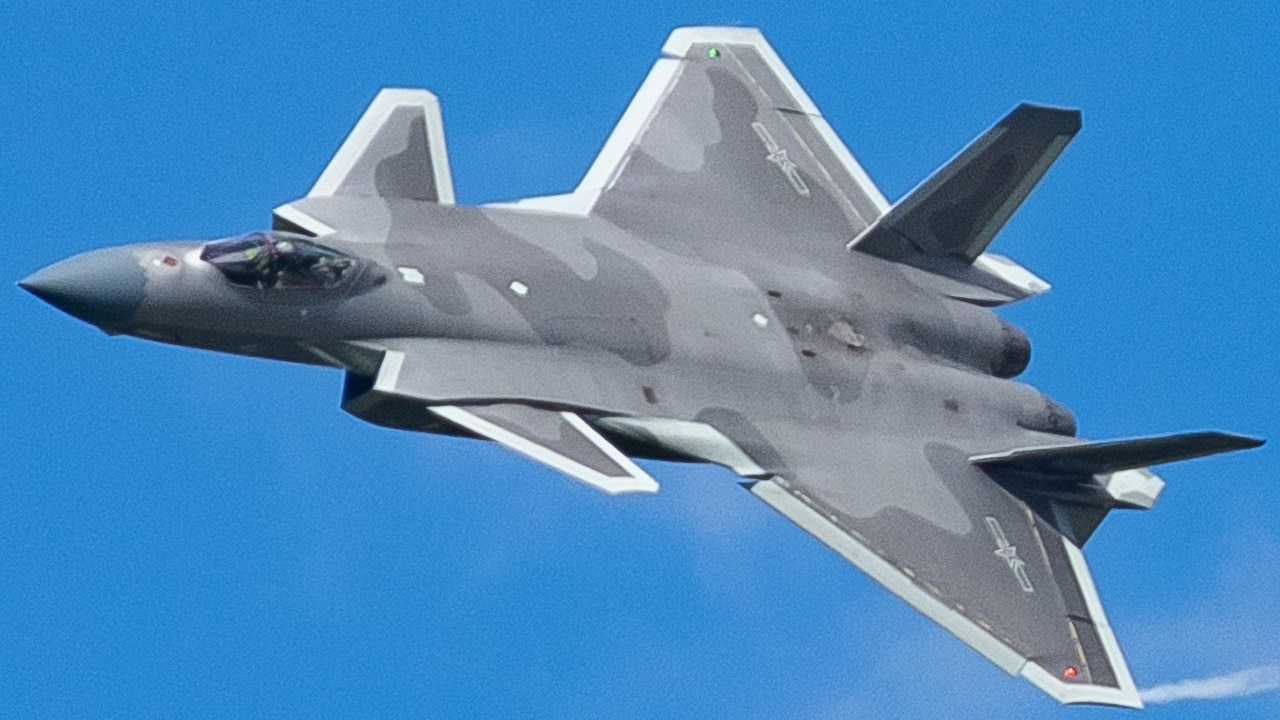
J-20 Fighter. Image Credit: Creative Commons.
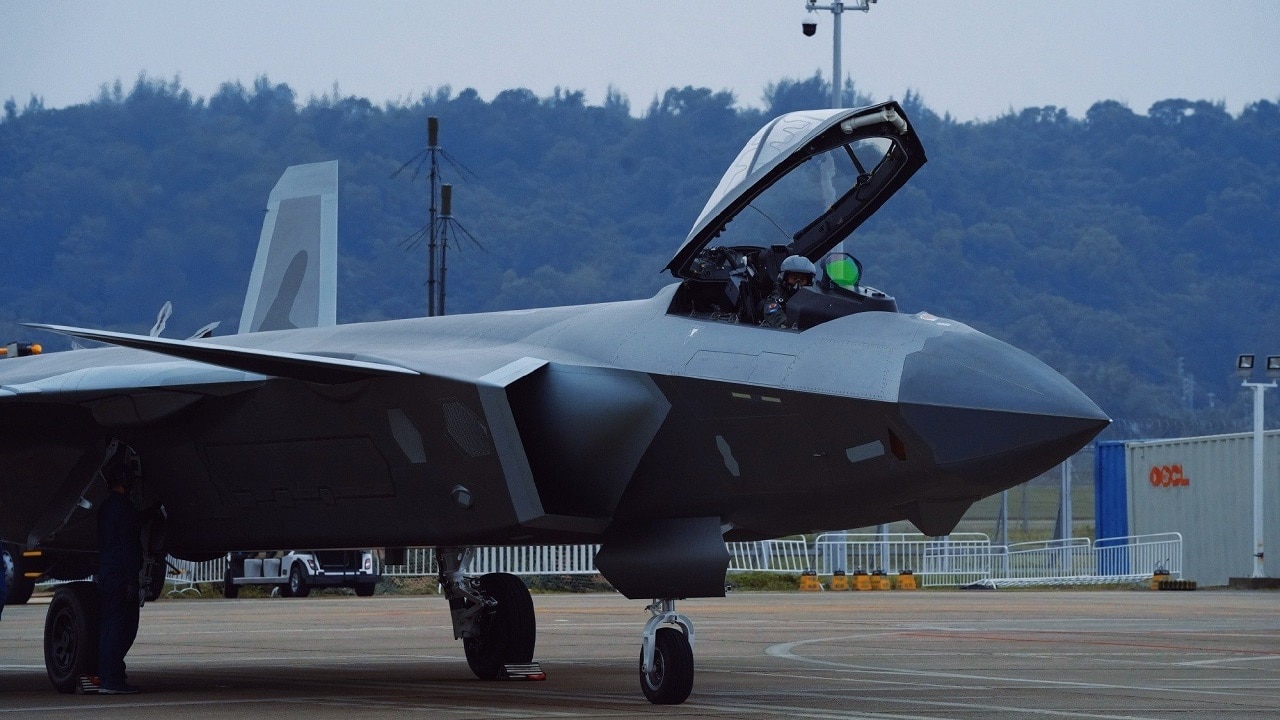
J-20. Creative Commons Image.
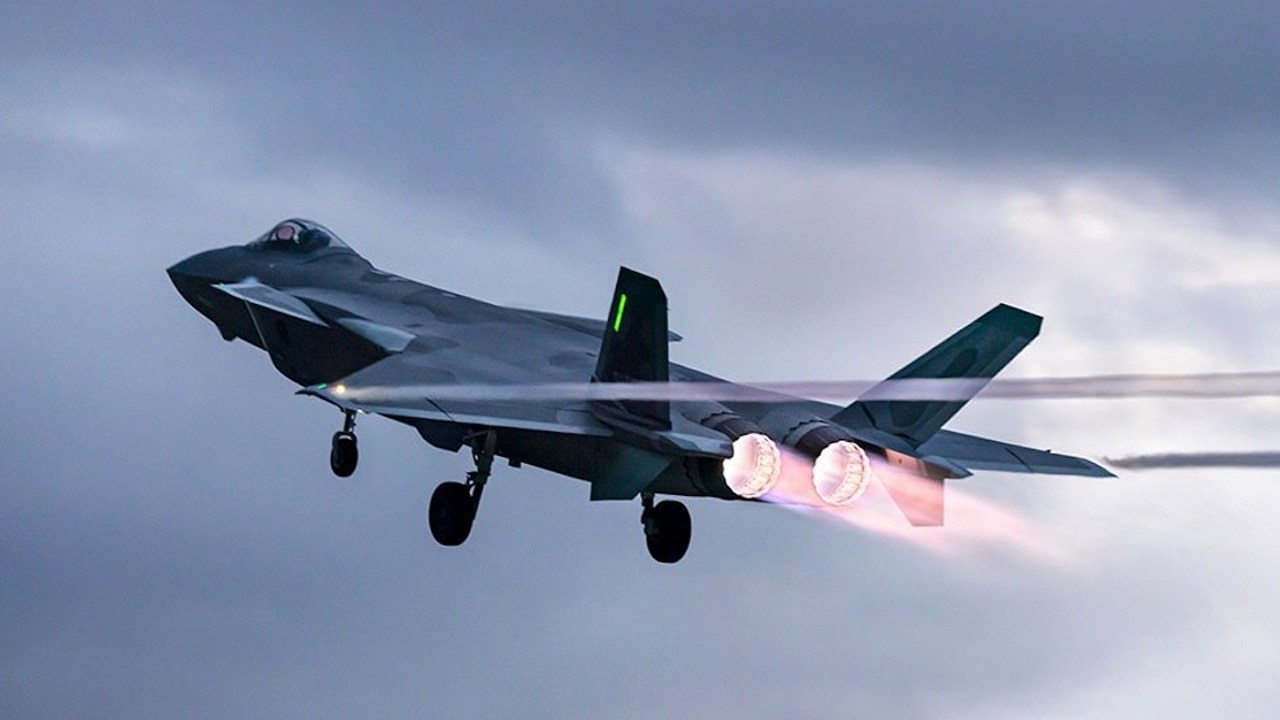
J-20 Fighter. Image Credit: Chinese internet.
About the Author: Harry J. Kazianis
Harry J. Kazianis (@Grecianformula) was the former Senior Director of National Security Affairs at the Center for the National Interest (CFTNI), a foreign policy think tank founded by Richard Nixon based in Washington, DC. Harry has over a decade of experience in think tanks and national security publishing. His ideas have been published in the NY Times, The Washington Post, The Wall Street Journal, CNN, and many other outlets worldwide. He has held positions at CSIS, the Heritage Foundation, the University of Nottingham, and several other institutions focused on national security research and analysis. He is the former Executive Editor of the National Interest and the Diplomat. He holds a Master’s degree focusing on international affairs from Harvard University.

