
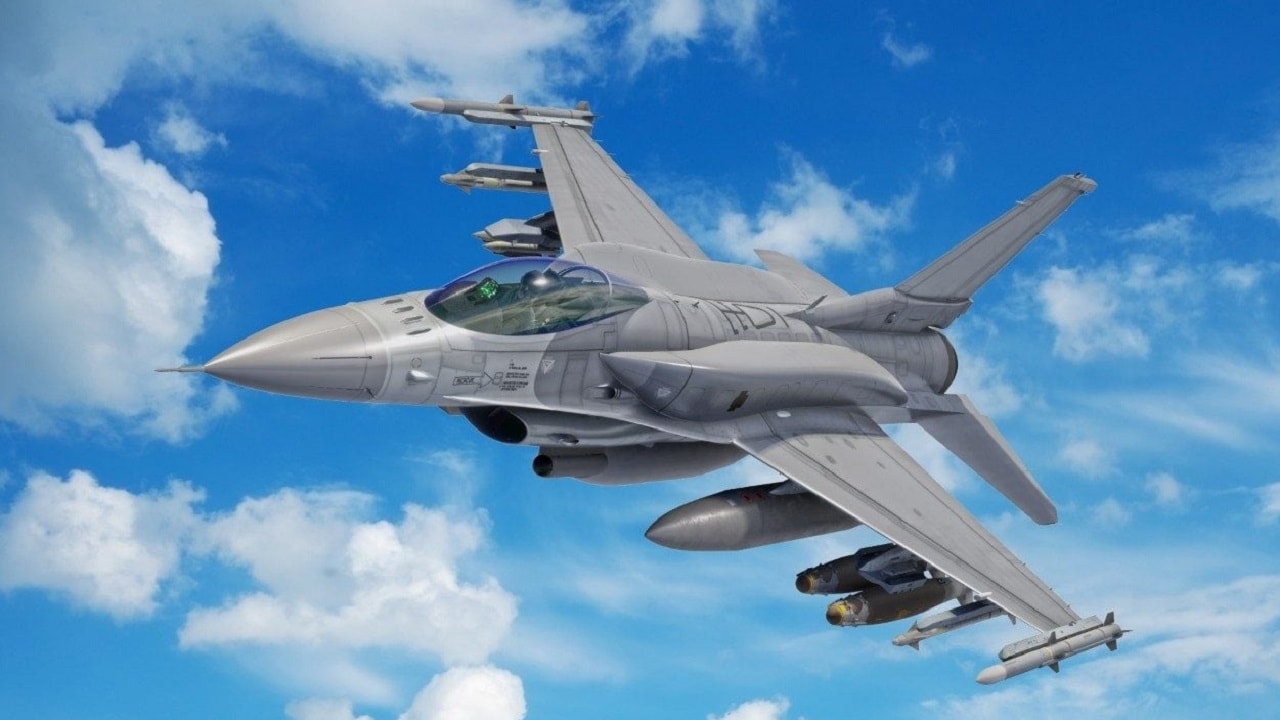
I have always said that when it comes to dealing with China and its aggressive form of “wolf warrior diplomacy,” it helps to have leverage in negotiations. That is why it is often necessary to hold back U.S. arms sales to Taiwan in exchange for a potential concession from Xi Jinping. These diplomatic wins could pertain to human rights issues or arms control.
Selling arms to Taiwan unnecessarily antagonizes the Chinese, and the best way to play the game is to refrain from making a weapons deal with the island only if the United States gains something of value from Beijing.
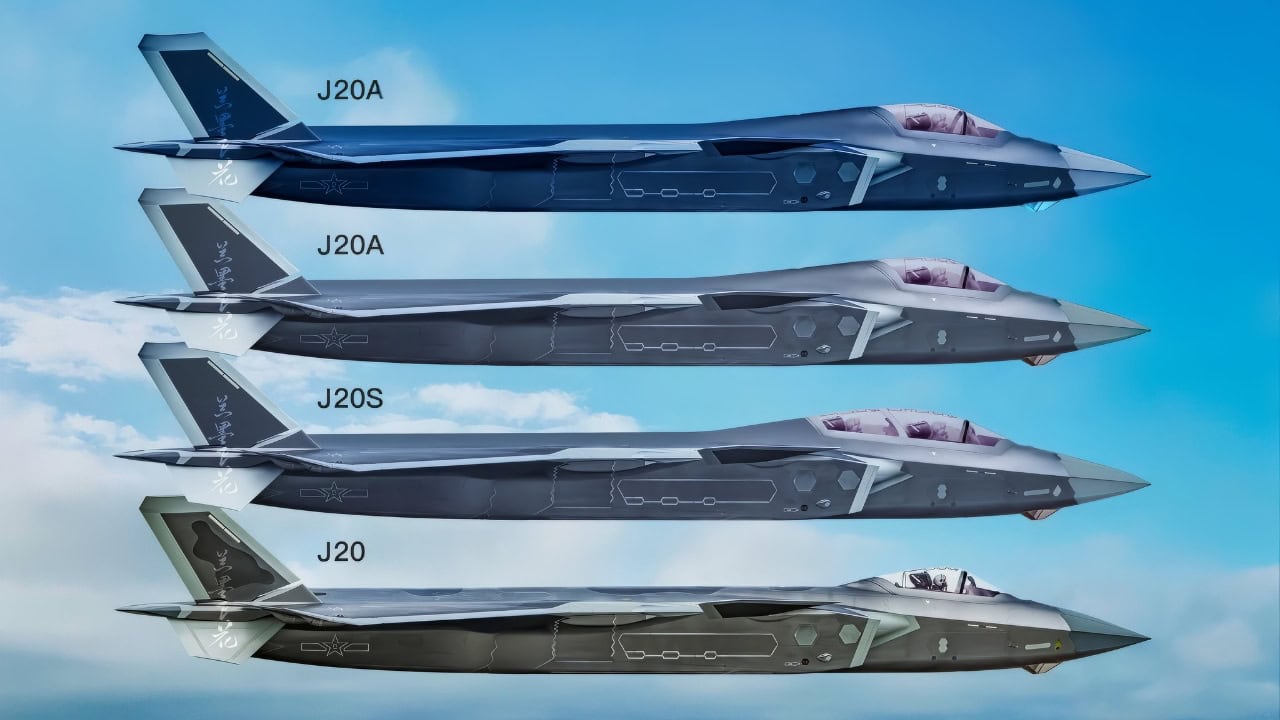
J-20 fighter diagram. Image Credit: Creative Commons.
Trust Trump to Display His Unique Form of Negotiating Style
President Donald Trump seems to be receiving this message. The last time he met with Xi, Trump brought up the $14 billion weapons package for Taipei and said that unless Xi made some kind of move toward human rights reforms, the Americans would green-light the arms deal.
Trump’s Bargaining Chip
In an interview following his meeting with Xi, Trump called the weapons package a good “bargaining chip” that he was holding in “abeyance,” adding that it depended on China’s reactions, Reuters reported.
Twist to the Plot
As is typical in the Trump administration, members of his diplomatic corps are now sending a different message. The top U.S. ambassador for East Asia says the Taiwan weapons offer does not hinge on China. That’s an about-face for the Trump national security team.
What Does Marco Rubio Think?
Secretary of State Marco Rubio, known as a China hawk, has always preached that Beijing must make improvements to its human rights record, especially as it relates to Tibet, Hong Kong, and the treatment of the Uyghur minority group, who are savagely repressed. Trump is less enamored of human rights concerns, but he knows that dealing with China can be fraught with risk, since it has a prickly stance on sovereignty regarding U.S. interference in its domestic affairs.
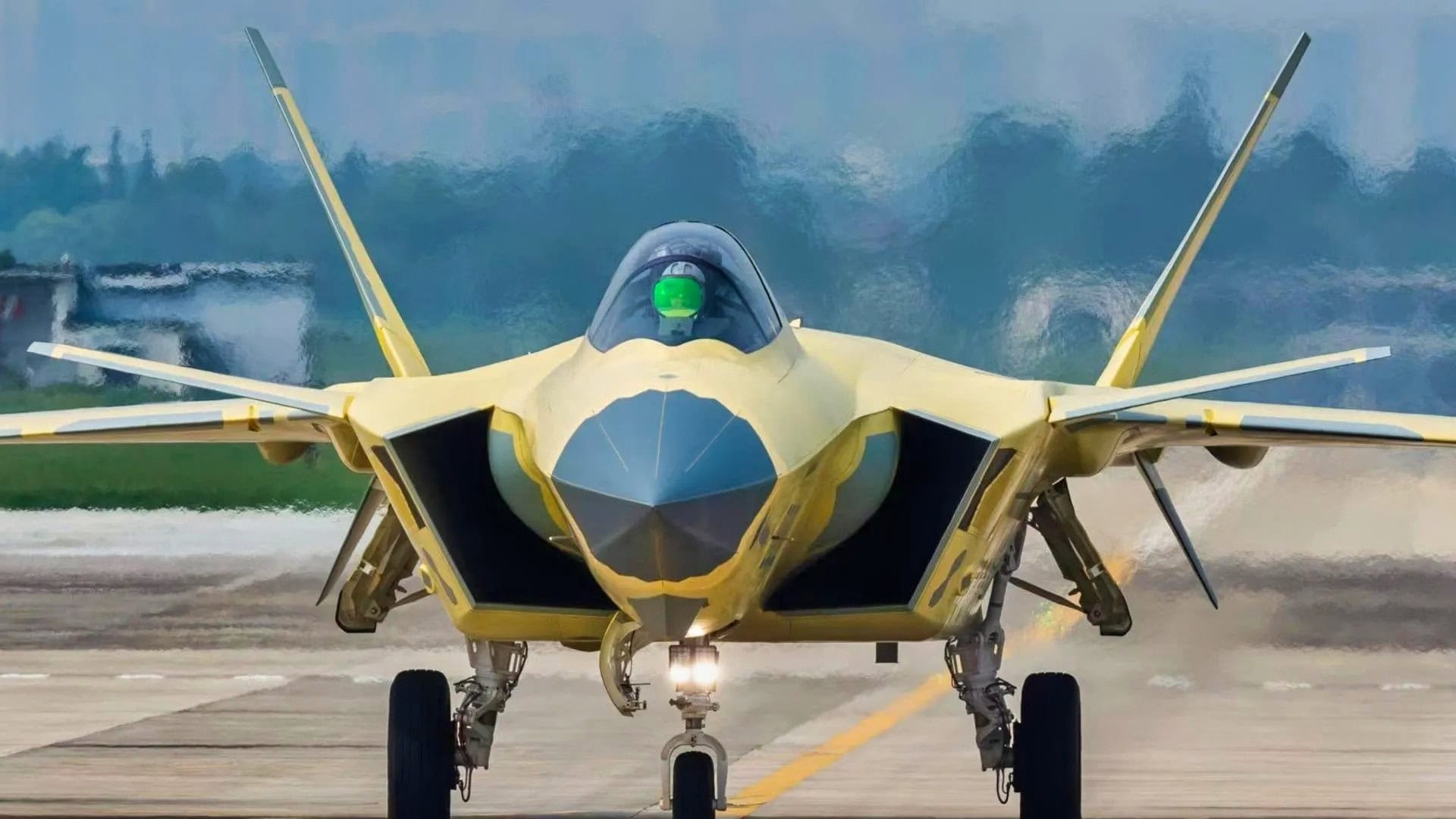
China J-20 Fighter. Image Credit: Creative Commons.
Taiwan Is Left in a Tough Spot
Meanwhile, Taiwan is steaming mad. They expected the arms deal to be finalized by now and thought the weapons would be on their way soon.
Another frustration in Taipei is that the Taiwanese have always supported the U.S. policy of “six assurances” that the Chinese would not interfere in U.S.-Taiwan arms sales. Now the situation is murky with mixed signals coming from the Trump national security team.
Confusing Admission to Congress
As Reuters wrote recently, “Asked during a House Foreign Affairs Committee subcommittee hearing to confirm that a decision on whether to advance the weapons sale did not depend on talks with Beijing, Assistant Secretary of State for East Asian and Pacific Affairs Michael DeSombre said: ‘Correct.’”
Well, there goes the leverage that Trump once enjoyed. Now, it is not clear what America’s weapons sales policy is. Will it go forward and upset the Chinese, or could it be used as a bargaining chip to get Xi to change his views towards human rights?
Patriot Air Defense Interceptors for Taiwan
Taiwan wants the weapons now without intrigue from Washington. One essential piece of the package is surface-to-air missiles that could protect Taiwan from Chinese air strikes. These are the valuable Patriot PAC-3 interceptors that many nations clamor for.
Taipei has been waiting patiently for these arms and is getting frustrated about the delays. The deal was placed on pause by U.S. Secretary of the Navy Hung Cao in May. This was likely due to American interceptor shortages caused by the war against Iran, even though Cao said current missile stocks were sufficient.
Letting the Deal Simmer
Trump still has the arms deal under review. But it appears that he needs to get his diplomats and bureaucrats on the same page. Trump is a cagey dealmaker, and his diplomacy is usually transactional, while other members of his administration want to ensure Taiwan is not upset.
J-20 Stealth Fighter. YouTube Screenshot.
Strategic Ambiguity
This all falls under the policy of strategic ambiguity with Taiwan. Trump is normally upfront about his negotiating tactics and loves to make deal sweeteners as he goes, while his aides compete to offer him different foreign policy options.
Trump the Juggler
Thus, Trump is a “juggler” who catches and drops the ball whenever the mood strikes him. I support a pause on the weapons sale until China makes some type of concession in relations with the United States. Taiwan can wait a little longer. Meanwhile, let’s keep the messaging consistent among the Secretary of State, his diplomats, and the Department of Defense. The shifting tone is confusing to U.S. allies, who wonder whether they can depend on the Americans to follow through on their promises.
Xi also has a vote in this situation. He could refuse to extend further talks with Trump if the weapons sale goes through. China would be naturally upset. But this situation is more favorable to the American president’s unique negotiating style. His messaging and inclinations should come directly from the White House and be synchronized across the government. That is the best way to deal with China’s “wolf warrior” diplomacy and will help Taiwan finally get what it wants to help its military.
About the Author: Dr. Brent M. Eastwood
Author of now over 3,500 articles on defense issues, Brent M. Eastwood, PhD, is the author of Don’t Turn Your Back On the World: A Conservative Foreign Policy and Humans, Machines, and Data: Future Trends in Warfare, plus two other books. Brent was the founder and CEO of a tech firm that predicted world events using artificial intelligence. He served as a legislative fellow for US Senator Tim Scott and advised the senator on defense and foreign policy issues. He has taught at American University, George Washington University, and George Mason University. Brent is a former US Army Infantry officer. He can be followed on X @BMEastwood.