
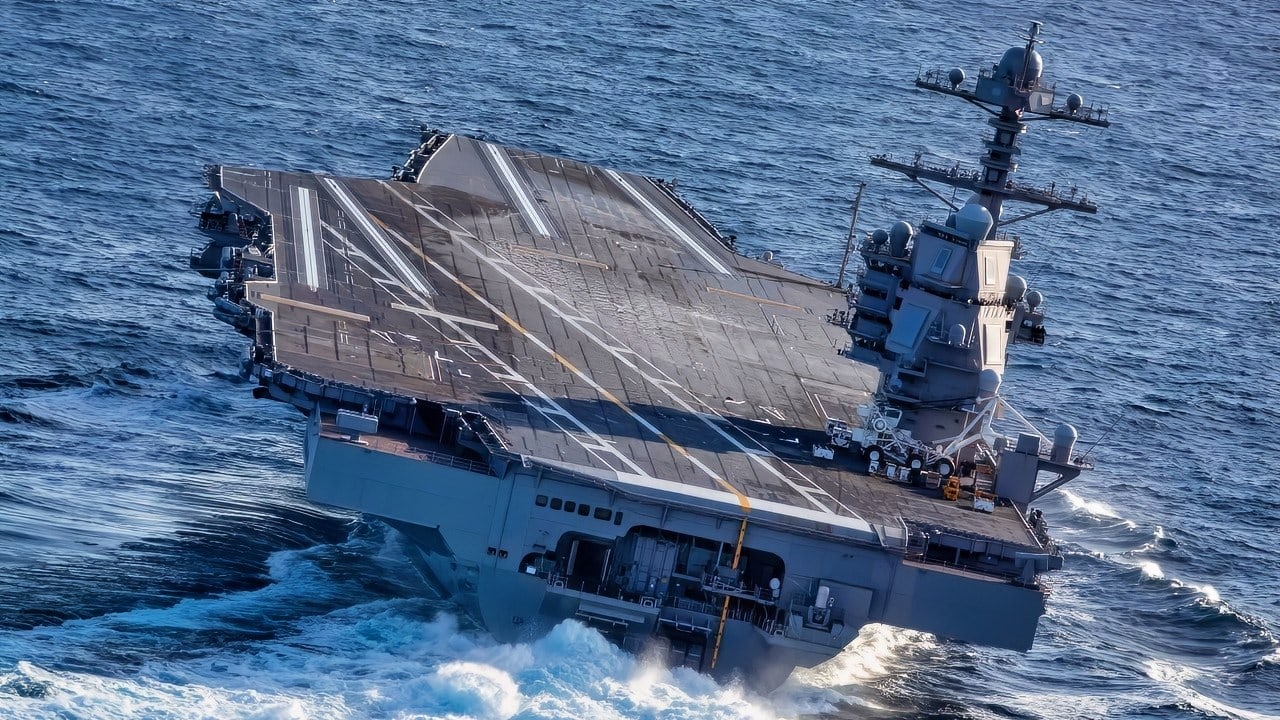
Summary and Key Points: The U.S. Navy is spending billions of dollars to solve a single engineering problem: its $13 billion aircraft carriers can now be threatened from farther away than their own aircraft can strike back. China’s long-range missiles have reversed the reach advantage that made the carrier the dominant warship of the last eighty years, and two recent wars at sea — one in the Red Sea, one in the Black Sea — have finally replaced decades of theory with real evidence about how vulnerable these ships actually are. The Navy’s answer is a set of new machines, the MQ-25 tanker and the F/A-XX fighter among them, designed to push the carrier’s reach back outside the missile rings. Whether that engineering race can be won is now the most expensive open question in American naval planning.
Introduction: The Aircraft Carrier Crisis of 2026?
For decades, strategists have warned that the aircraft carrier is going the way of the battleship: too big, too expensive, and too easy to sink in an age of long-range missiles. For most of that time, the argument was pure theory.

USS Missouri Iowa-Class Battleship Broadside. Image Credit: Creative Commons.
Then American carriers spent two years fighting under fire in the Red Sea, and a country with almost no navy gutted a fleet with cheap drones in the Black Sea. The real-world evidence is finally in, and it cuts both ways.
The comparison almost writes itself, which is part of the problem. The aircraft carrier, like the battleship before it, is the most expensive and most symbolically loaded warship a great power can build, the floating embodiment of its naval might. And the battleship, for all its armor and its guns, was rendered obsolete by a cheaper weapon that could strike it from beyond its reach.
For at least two decades, a growing chorus of strategists has argued that the supercarrier is now living the same story, that China’s long-range missiles are to the carrier what the carrier’s aircraft once were to the battleship, and that the US Navy is pouring roughly $13 billion per ship into vessels that a future war would send to the bottom. It is a serious argument.
It had also, until very recently, been almost entirely theoretical. That changed over the past three years, in two very different wars at sea.
Reach, Not Age: What Actually Killed the Battleship
To judge the analogy, it helps to be precise about what killed the battleship, because it was not age or expense. It was reached. In November 1940, British carrier aircraft struck the Italian fleet at Taranto, sinking or crippling three battleships as they sat in harbor, a raid that helped inspire the Japanese attack on Pearl Harbor thirteen months later.
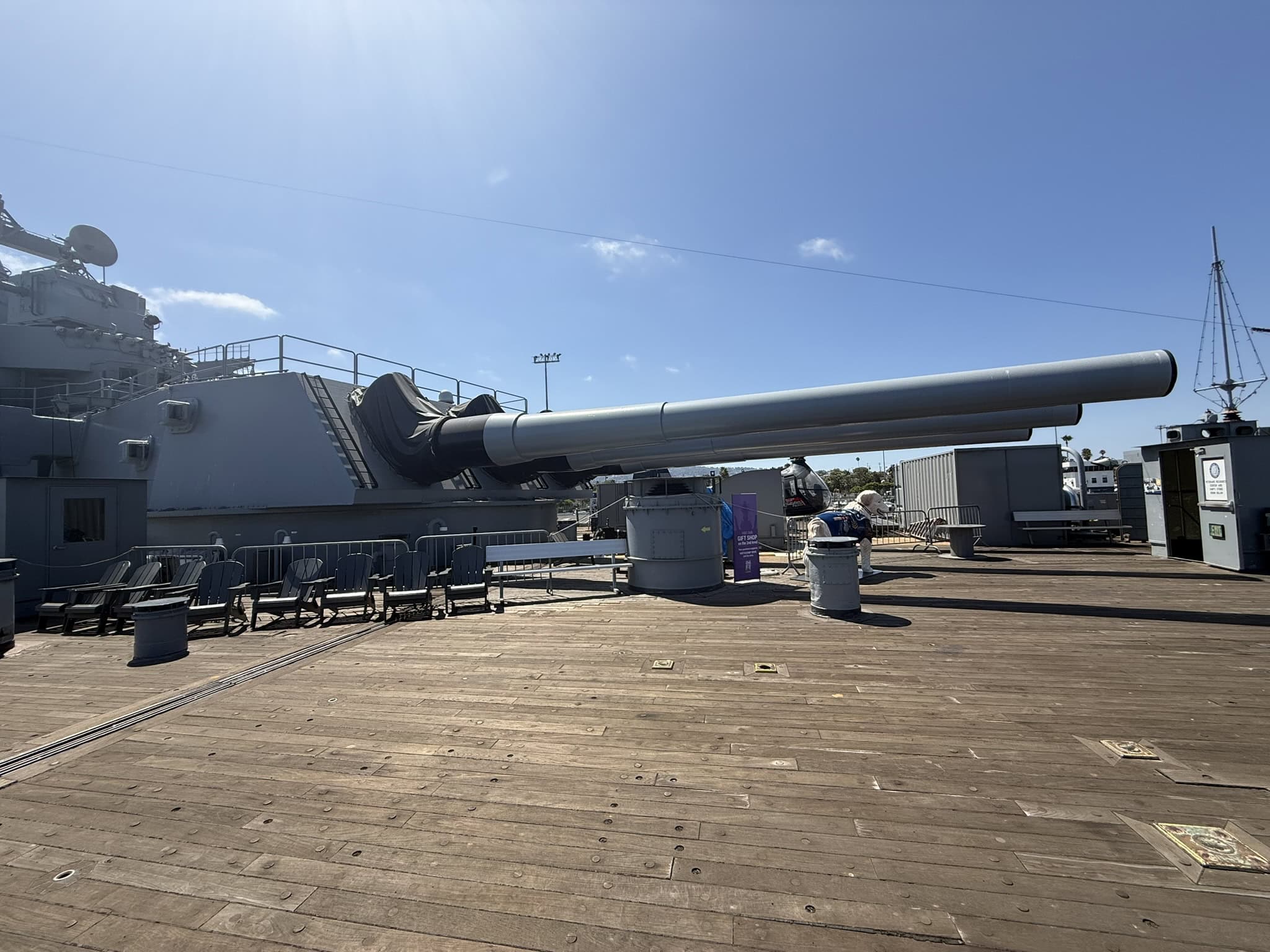
USS Iowa 16-Inch Guns. Image Credit: Harry J. Kazianis.
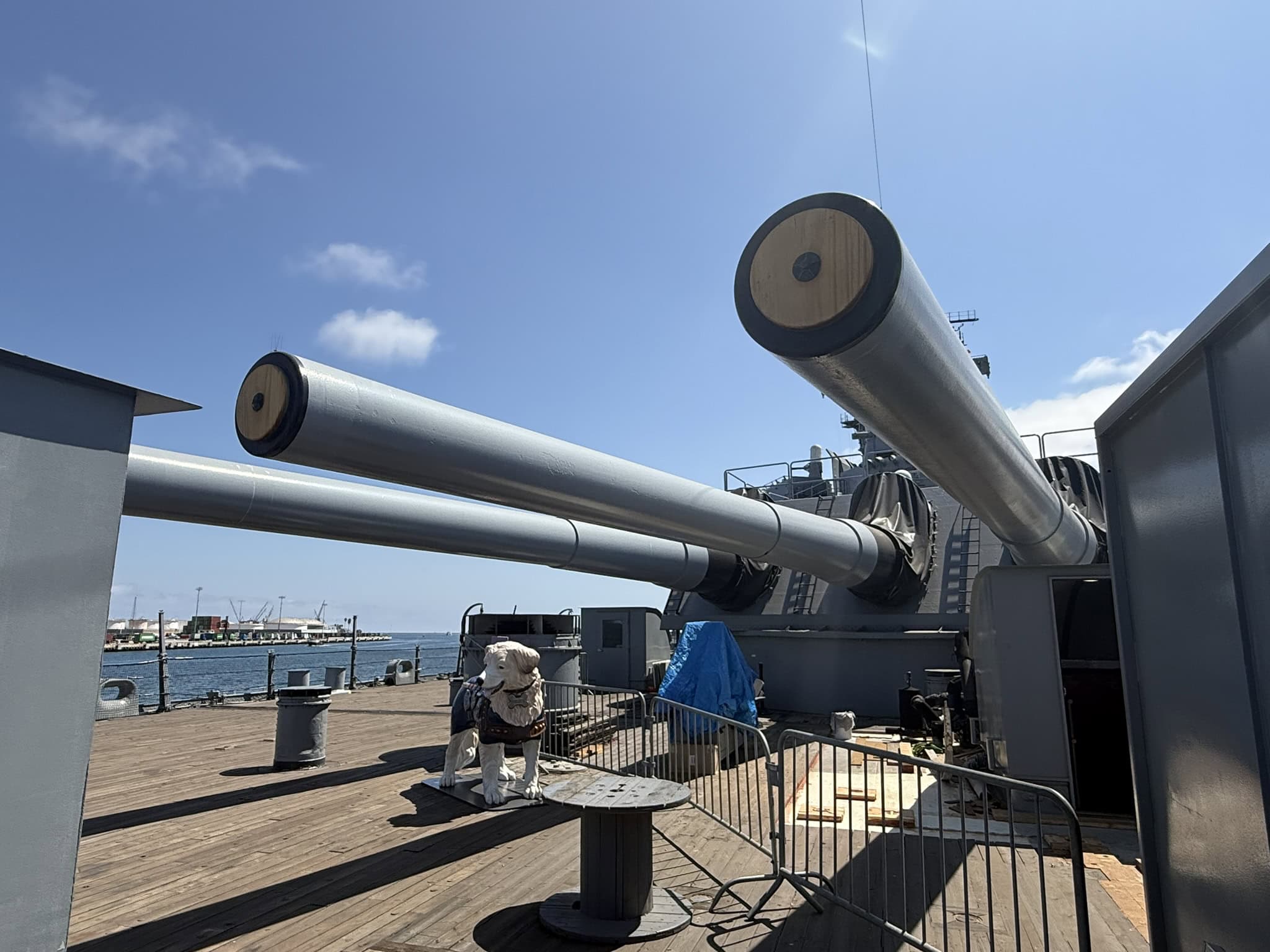
USS Iowa 16-Inch Guns. Image Credit: Harry J. Kazianis.
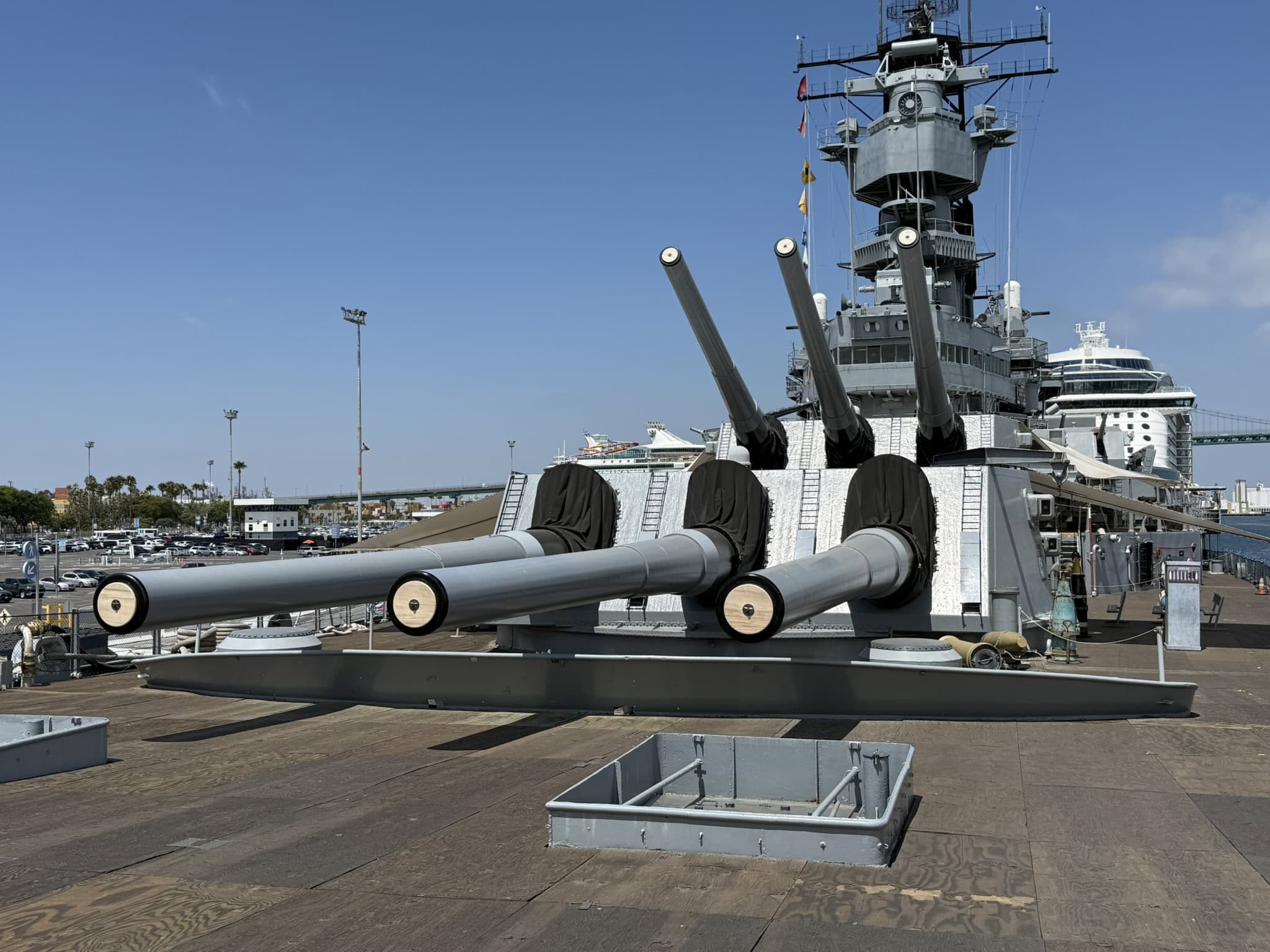
USS Iowa 16-Inch Guns. Image Credit: Harry J. Kazianis.
By 1945, the logic was total.
When Japan sent the battleship Yamato on its final mission, the largest battleship ever built, mounting 18.1-inch guns that could throw a shell some 45,000 yards, it was overwhelmed and sunk by American carrier aircraft launched from ships that stayed hundreds of miles beyond the reach of those guns. The carrier had eroded the entire premise of surface firepower. A battleship’s power lay in the range of its guns, and an enemy who could hit it from far beyond that range rendered the guns, the armor, and the ship itself irrelevant.
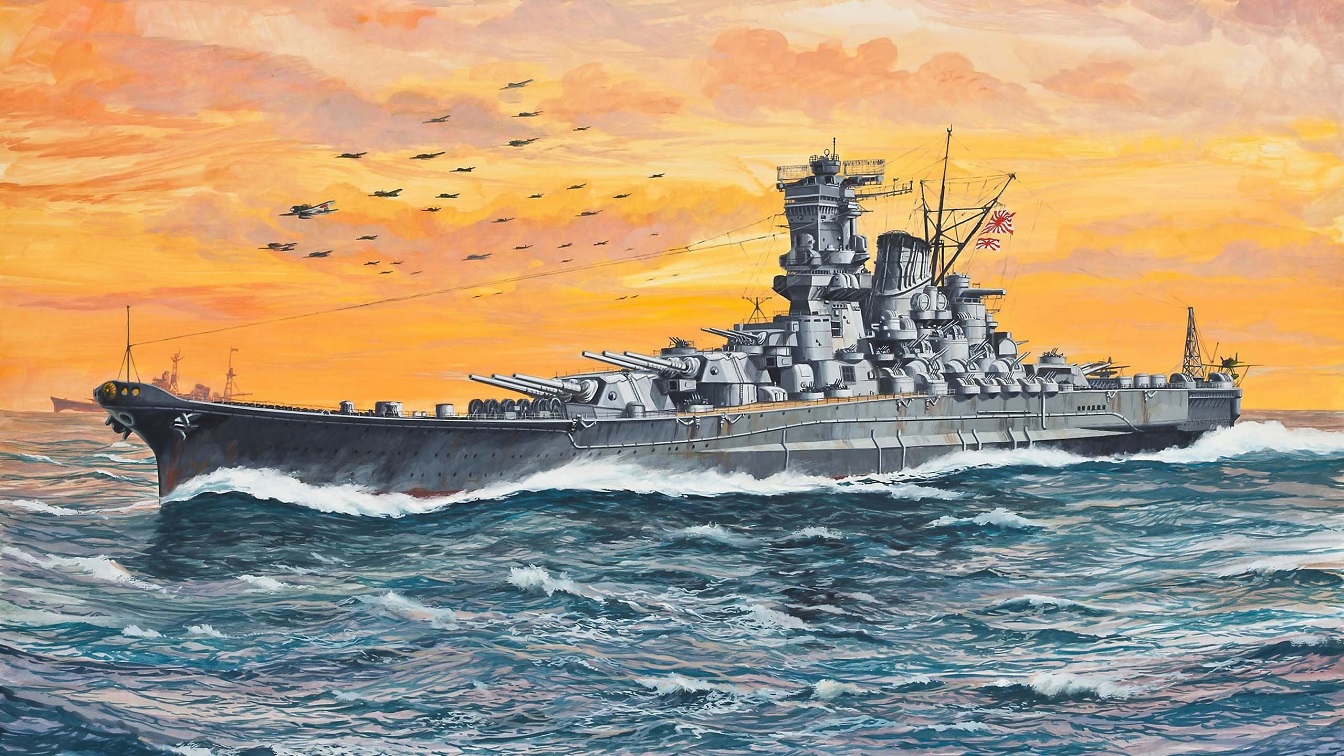
Yamato-Class Battleship/Artist Rendition. Image Credit: Creative Commons.
That is the mechanism to test against the carrier, and here the analogy has real force. A carrier’s power is not its hull; it is the combat radius of the aircraft it launches. A Super Hornet, the backbone of the air wing, has a combat radius of roughly 400 nautical miles; the stealthier F-35C reaches perhaps 600. If an adversary can reliably strike the carrier from farther away than the air wing can strike back, the same reversal that doomed the battleship comes into play. And that is precisely what China has spent two decades building.
The Case That the Aircraft Carrier Is Next
The obsolescence argument, at full strength, is not a slogan. China’s anti-ship ballistic missiles, the DF-21D and the DF-26, are purpose-built to hold carriers at arm’s length, with the DF-26 credited with a range of nearly 2,500 miles and the newer DF-27 reaching farther still. Layered atop them are hypersonic weapons that maneuver in flight, compressing a defender’s reaction time to seconds.
The effect is to push a carrier so far offshore, analysts widely argue it must stay perhaps a thousand miles from a contested coast, that its own aircraft can no longer reach the fight without vulnerable tanker support. The reach has been reversed.
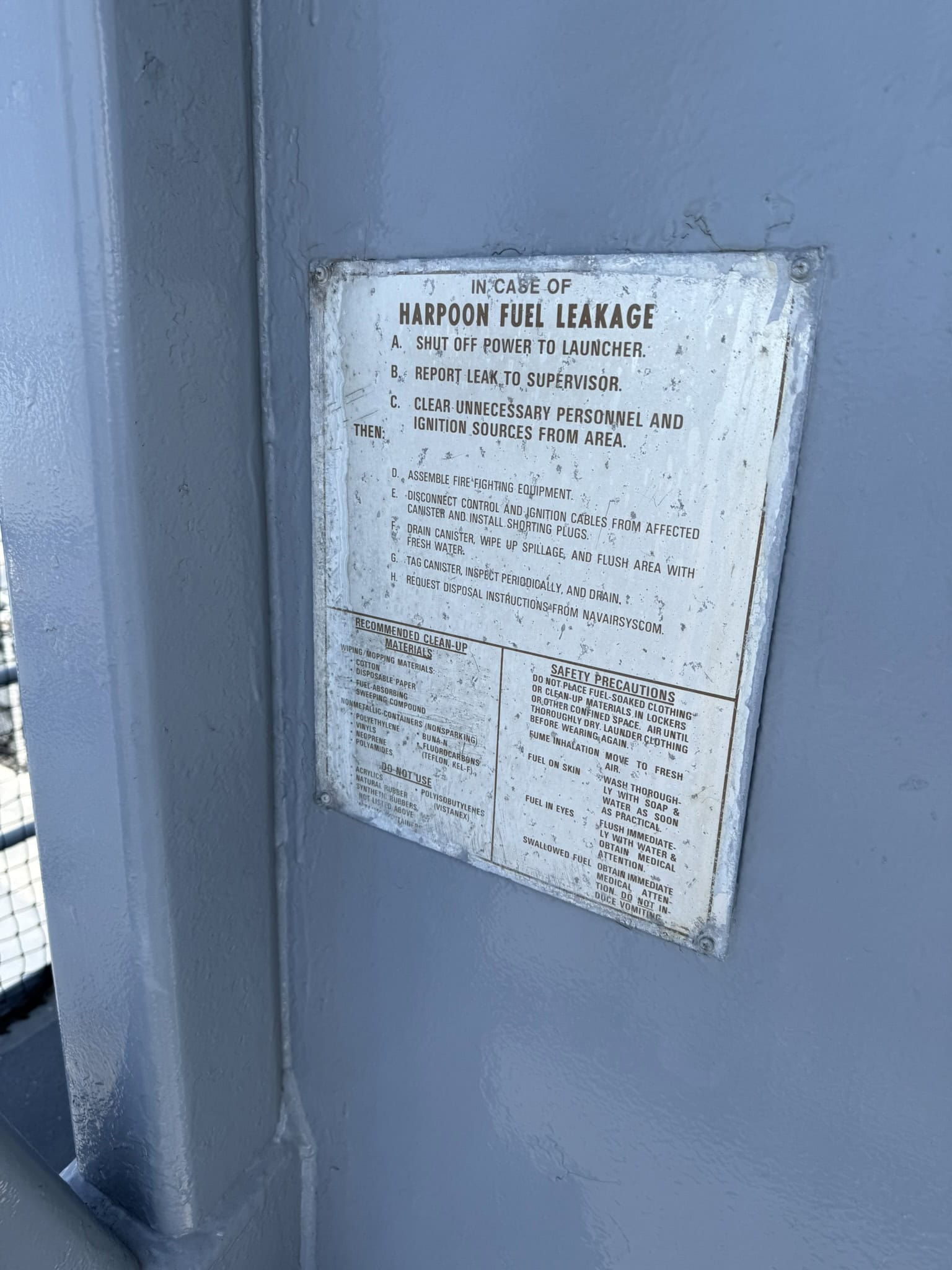
Harpoon Missile Equipment Aboard USS Iowa. Image Credit: 19FortyFive
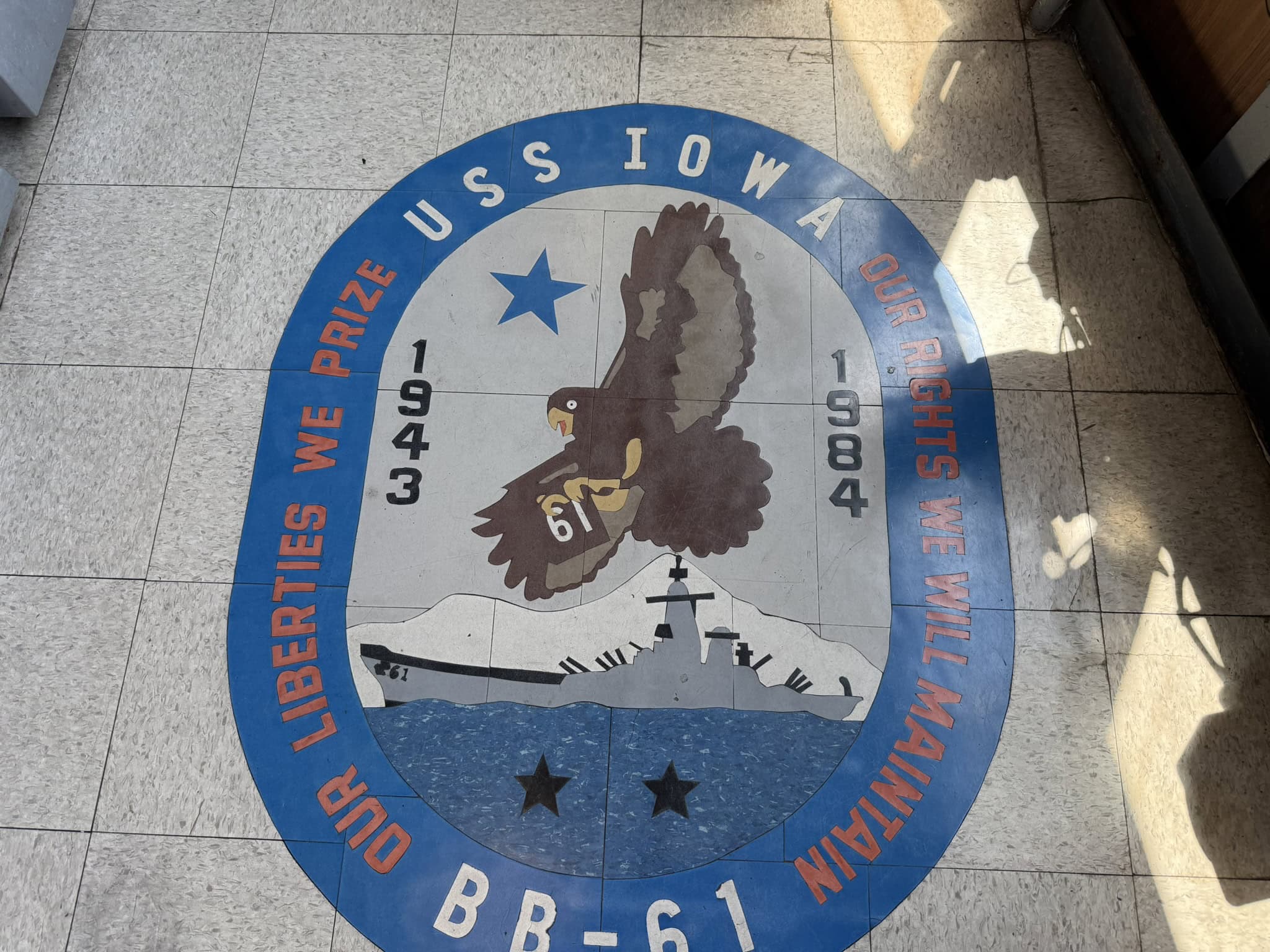
USS Iowa Battleship Seal on the Bridge. 19FortyFive Photo by Harry J. Kazianis
The threat is not only ballistic. Wargames run by CSIS and other institutions have repeatedly found that massed missile salvos can overwhelm the finite interceptor magazines of a carrier’s escorts, forcing the whole group to retreat until the enemy’s missiles are spent.
Quiet diesel submarines, of which China is building many, threaten from below, and cheap drones and drone swarms threaten to saturate defenses from above and from the surface. Underneath it all sits a brutal cost logic: a ship worth $13 billion, carrying five thousand sailors, defended against weapons that can cost a thousandth as much. Send enough cheap missiles and drones, the argument runs, and eventually the math wins. It is a coherent, well-evidenced case, and for years, the counterargument was mostly faith. Then the shooting started.
What the Red Sea Actually Showed
From late 2023, US carriers and their escorts operated for months in and around the Red Sea under sustained fire from the Houthis, a non-state group in Yemen. By some counts, the group launched more than 170 attacks on warships and shipping with missiles and drones.
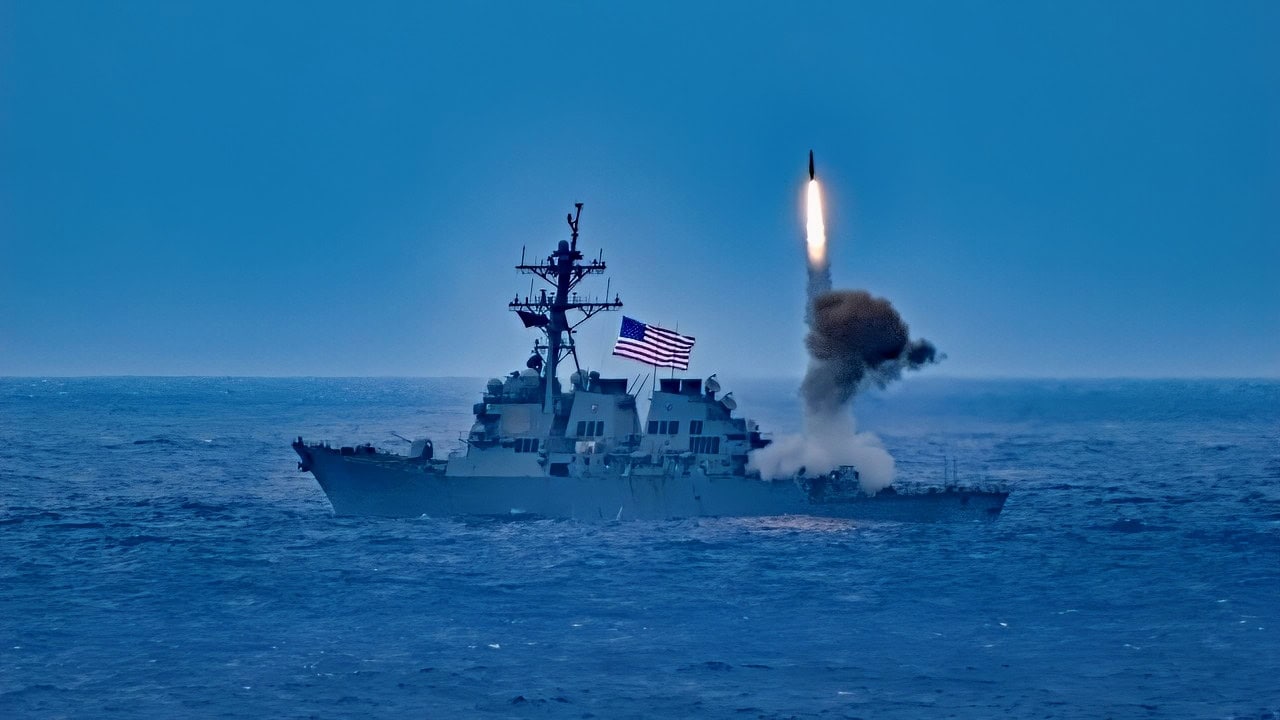
(March 24, 2022) – The Arleigh Burke-class guided-missile destroyer USS Milius (DDG 69) launches a Standard Missile (SM) 2 during Surface Warfare Advanced Tactical Training while operating in the Philippine Sea, March 24, 2022. Milius is assigned to Commander, Task Force 71/Destroyer Squadron (DESRON) 15, the Navy’s largest forward-deployed DESRON and the U.S. 7th Fleet’s principal surface force. (Courtesy photo)
And the headline result cuts against the doom case: no US warship was sunk. The layered defenses, Aegis-equipped destroyers, interceptor missiles, and electronic warfare worked. American ships even conducted exo-atmospheric intercepts of Iranian ballistic missiles in defense of Israel, a genuine demonstration that the sea-based shield can catch even fast, high-flying threats. For carrier advocates, the Red Sea is Exhibit A that the ship is not the sitting duck its critics claim it is.
But the campaign also exposed the carrier group’s real vulnerability, and it is not the one the headlines emphasize. It is the magazine.
A destroyer carries a fixed number of interceptors, and it cannot reload them at sea; once the cells are empty, the ship must sail to a friendly port to rearm. Against the Houthis’ modest volume, that was manageable. Against the salvo density a peer like China could generate, magazine depth becomes the whole game, and the Navy knows it. There were smaller warnings too.
In April 2025, the carrier USS Harry S. Truman lost an F/A-18 overboard while maneuvering to evade a threat, a reminder that even operating under the shadow of these weapons imposes costs. The honest reading of the Red Sea is that carrier defenses are better than the pessimists allow, and that they were never tested at anything close to the intensity a great-power war would bring. Defense Secretary Pete Hegseth has claimed publicly that Chinese hypersonic missiles could sink the entire US carrier force in twenty minutes; that is his assertion, not a demonstrated fact, but the Red Sea did nothing to disprove the underlying worry about scale.
What the Black Sea Actually Showed
If the Red Sea is the carrier optimist’s evidence, the Black Sea is the pessimist’s, and it is genuinely alarming. Ukraine began the war with essentially no navy. It ends up, four years on, having sunk or damaged roughly a third of Russia’s Black Sea Fleet and driven the survivors out of their main base at Sevastopol. Its principal weapon was the Magura sea drone, a motorized boat costing around $200,000, packed with explosives, and steered remotely to slam into warships worth hundreds of times as much.
In April 2022, Ukraine sank the cruiser Moskva, the fleet’s flagship, the first Russian flagship lost since the Russo-Japanese War of 1905. Vladimir Putin fired the fleet commander and then the head of the entire navy. Ukraine’s former commander-in-chief put it bluntly, noting that Russia’s most powerful ships had been reduced to hiding in defended ports. A nation without a fleet had, using cheap, expendable machines, achieved what analysts call sea denial against one of the world’s oldest naval powers.
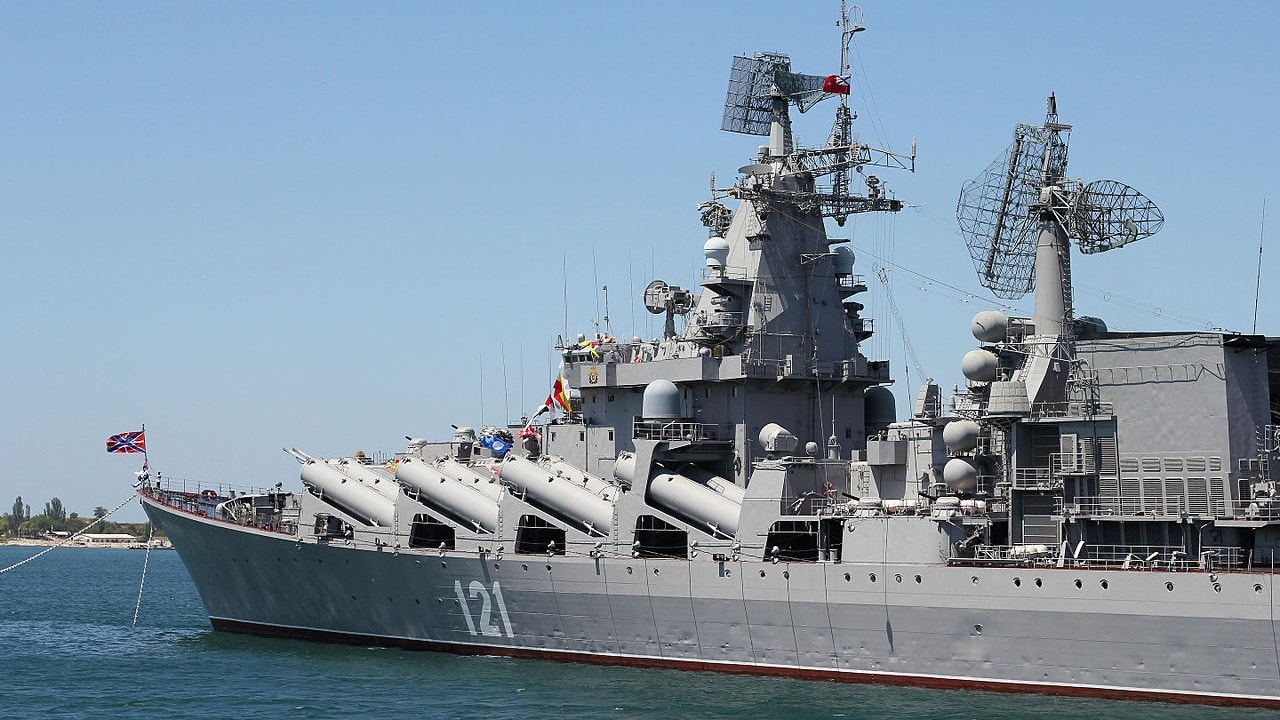
“Moskva” (“Moscow”) (ex-“Slava”, which means “Glory”) is the lead ship of the Project 1164 Atlant class of guided missile cruisers in the Russian Navy. This warship was used in the 2008 Russia-Georgia War. The Black Sea. Sevastopol bay. This photo was taken from a boat.
For the “carriers are doomed” case, this looks like proof of concept. But the serious analysts who study the campaign attach caveats that matter enormously, and any honest treatment has to carry them. The Moskva was an old, Soviet-era cruiser sailing without a proper escort screen, sunk by two shore-launched cruise missiles; it is not a stand-in for a modern carrier surrounded by Aegis destroyers and its own aircraft.
More broadly, Russia’s Black Sea Fleet was poorly modernized and poorly handled, and Naval Institute writers explicitly warn against generalizing from a foe that failed to protect itself into sweeping conclusions about all warships everywhere. And the decisive fact for the analogy: for all the carnage, no aircraft carrier has been sunk, in this war or any other, by any of these weapons.
What the Black Sea proves is that cheap, smart, expendable weapons can devastate surface ships that are not properly defended. What it does not prove is that they can defeat a fully defended American carrier strike group. Those are very different claims, and the gap between them is where the whole debate lives.
The Case That the Aircraft Carrier Endures
The endurance argument starts from that gap. No carrier has been sunk, and sinking one is genuinely hard, because the hardest part of the “carrier killer” kill chain is not the missile but the targeting. To hit a carrier at a thousand miles, an adversary must first find it, identify it, and track it continuously across open ocean as it moves at more than thirty knots, then pass that data to the shooter fast enough to matter.
That surveillance-and-targeting chain is long, contested, and jammable, and defeating any link in it defeats the shot.
The carrier is also, unlike the battleship, not a one-trick platform. It is a mobile airbase, a sensor and command node, and by far the most useful tool a navy has for the missions that actually fill its days: disaster relief, presence, blockade, coercion, and strikes on lesser powers that cannot shoot back. The battleship, once outranged, could do none of its job. The carrier, pushed back, can still do most of its.
The Navy is also not standing still, which is the other half of the endurance case. Its layered defenses keep improving, from upgraded SM-6 interceptors to electronic-warfare systems to shipboard lasers that promise to burn down cheap drones at low cost per shot. And it is directly attacking the reach problem that anchors the whole battleship analogy. The MQ-25 Stingray, an unmanned carrier-based tanker expected to reach the fleet soon, is designed to extend the air wing’s reach by hundreds of miles, letting the carrier strike from farther out.
It flew from the deck of the USS Nimitz in a multinational exercise this year. Behind it comes the F/A-XX, a next-generation carrier fighter built around roughly 25 percent more range than the F-35C, plus longer-range missiles and unmanned wingmen.
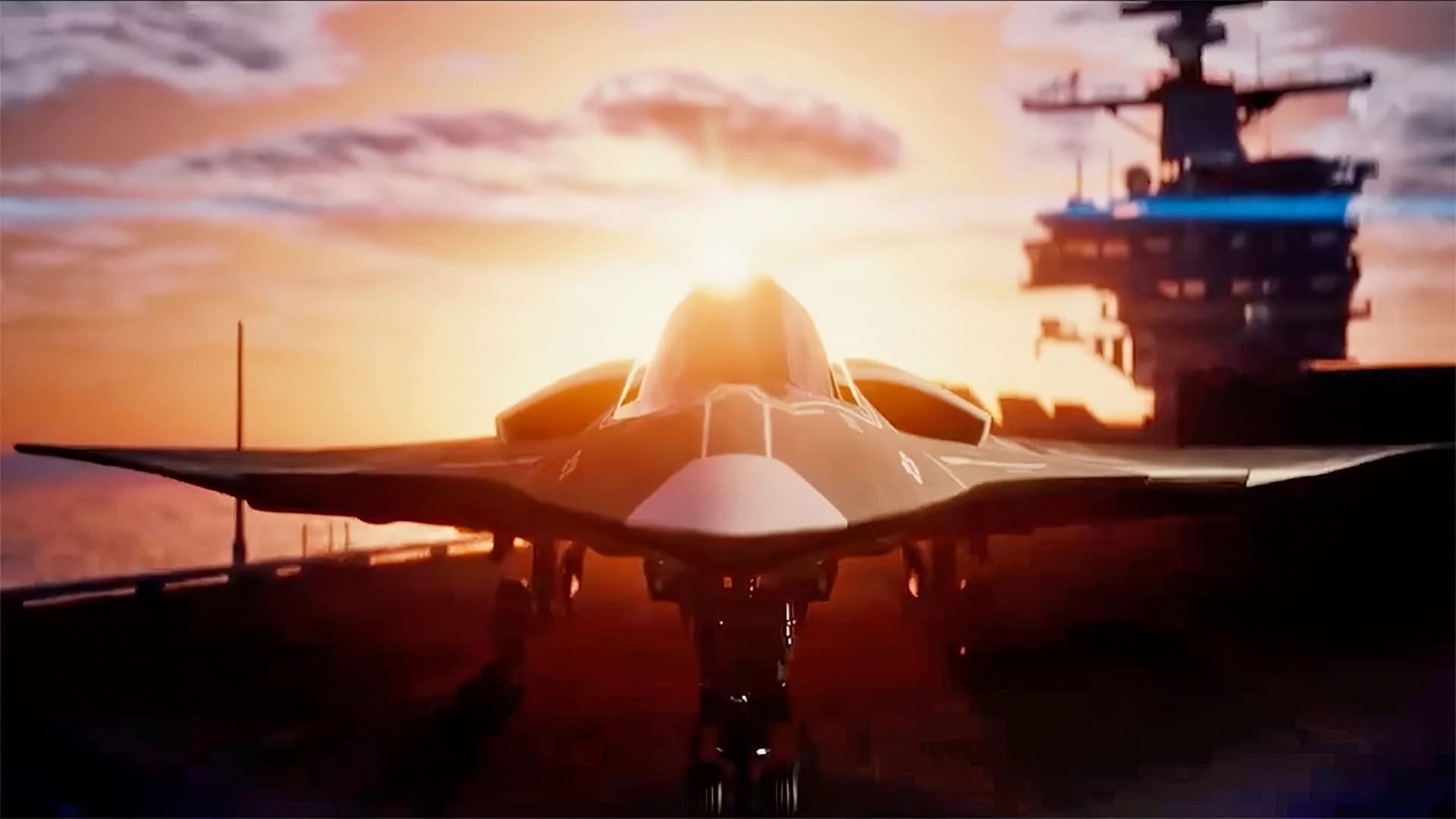
FA-XX Fighter Video Screenshot. Image Credit: NG Video Screencap.
The strategy is explicit: push the air wing’s reach back outside the missile rings and restore the geometry the carrier has lost. Whether it works and whether it arrives in time are open questions, but the premise of the endurance case is that the carrier’s reach problem is an engineering problem the Navy can solve, not a death sentence.
The Verdict
So is the carrier the new battleship?
The honest answer, weighing both wars, is that the analogy is half right, and the half it gets wrong is the important one.
The era of the supercarrier as an uncontested striker, free to park off an enemy coast and dictate terms, is closing, at least against a peer like China. On that, the pessimists are correct, and the reach reversal is real: missiles now outrange the air wing, and a missile’s range is far cheaper to extend than a jet’s. Anyone who insists the carrier remains invulnerable is not reading the evidence.
But “the new battleship,” in the sense of obsolete, overshoots what the evidence actually shows.
The battleship was finished the moment it was outranged, because being outranged left it with nothing else to offer.
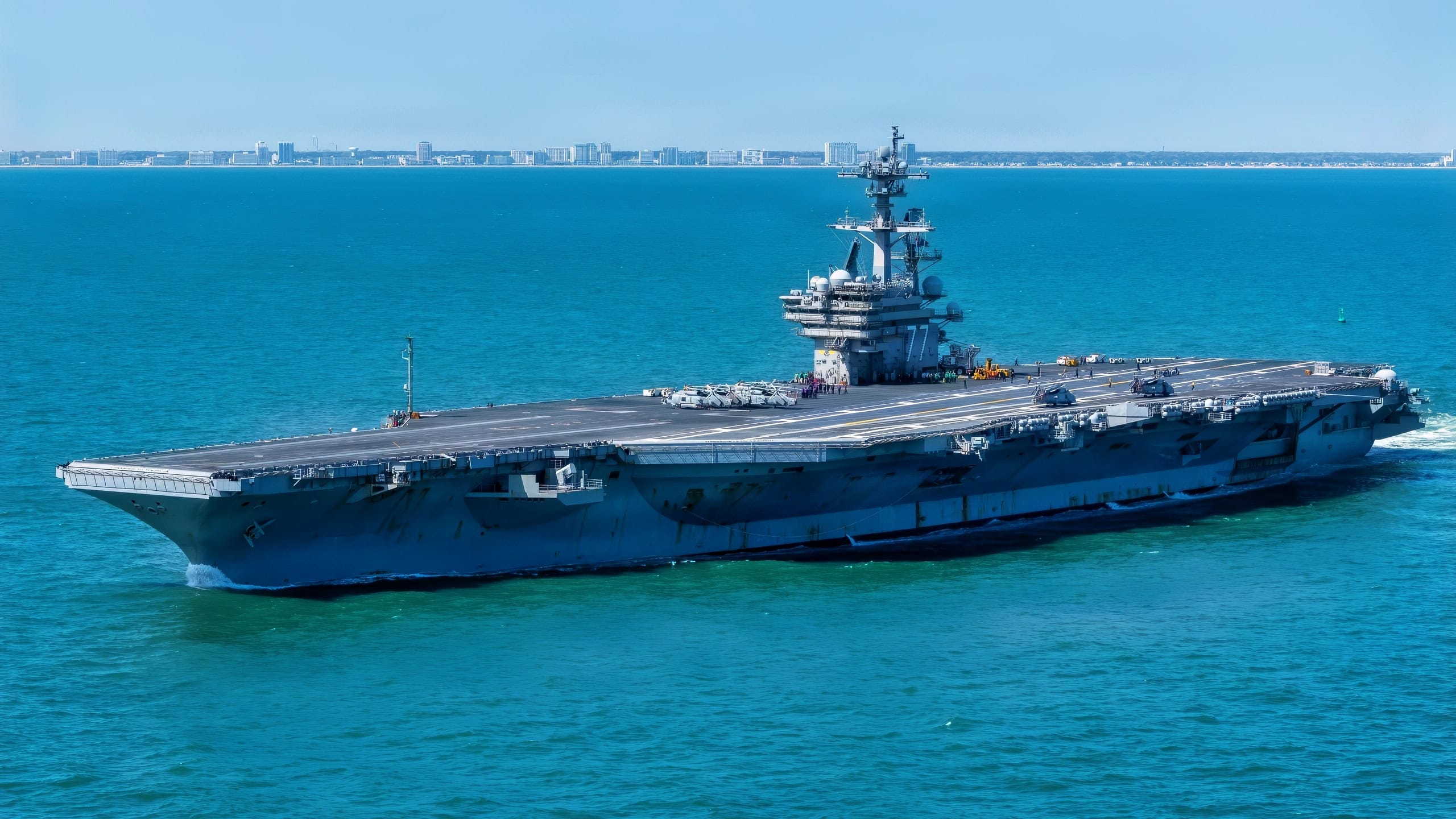
ATLANTIC OCEAN (March 31, 2026) Nimitz-class aircraft carrier USS George H.W. Bush (CVN 77) departs Naval Station Norfolk for a regularly scheduled deployment. The George H.W. Bush Carrier Strike Group departed Naval Station Norfolk on March 31, 2026. The strike group, comprised of nearly 5,000 Sailors, provides combatant commanders and America’s civilian leaders increased capacity to underpin American security and economic prosperity, deter adversaries, and project power on a global scale through sustained operations at sea. (U.S. Navy photo by Mass Communication Specialist 2nd Class Jayden Brown)
The carrier, outraged, still offers a great deal, and the real combat record is mixed rather than damning: carriers absorbed everything a determined enemy threw at them in the Red Sea without loss, and the Black Sea slaughter fell on an un-modernized fleet that failed to defend itself, not on anything resembling a US carrier group.
The most defensible reading is that the carrier is becoming a more constrained and more carefully husbanded instrument, one that must fight from farther away and be committed with far more caution, rather than a doomed one.
The question the two wars leave open is not whether the carrier can be sunk in theory, but whether the Navy can extend its reach and deepen its defenses faster than adversaries can extend theirs, and whether a nation will still spend $13 billion on a ship it has to hold at arm’s length from the very fight it was built to win.
That contest, between the carrier’s evolving defenses and the widening reach of the weapons hunting it, is the one worth watching, and it is nowhere near settled.
About the Author: Harry J. Kazianis
Harry J. Kazianis (@Grecianformula) was the former Senior Director of National Security Affairs at the Center for the National Interest (CFTNI), a foreign policy think tank founded by Richard Nixon based in Washington, DC. Harry has over a decade of experience in think tanks and national security publishing. His ideas have been published in the NY Times, The Washington Post, The Wall Street Journal, CNN, and many other outlets worldwide. He has held positions at CSIS, the Heritage Foundation, the University of Nottingham, and several other institutions related to national security research and studies. He is the former Executive Editor of the National Interest and the Diplomat. He holds a Master’s degree focusing on international affairs from Harvard University.

