
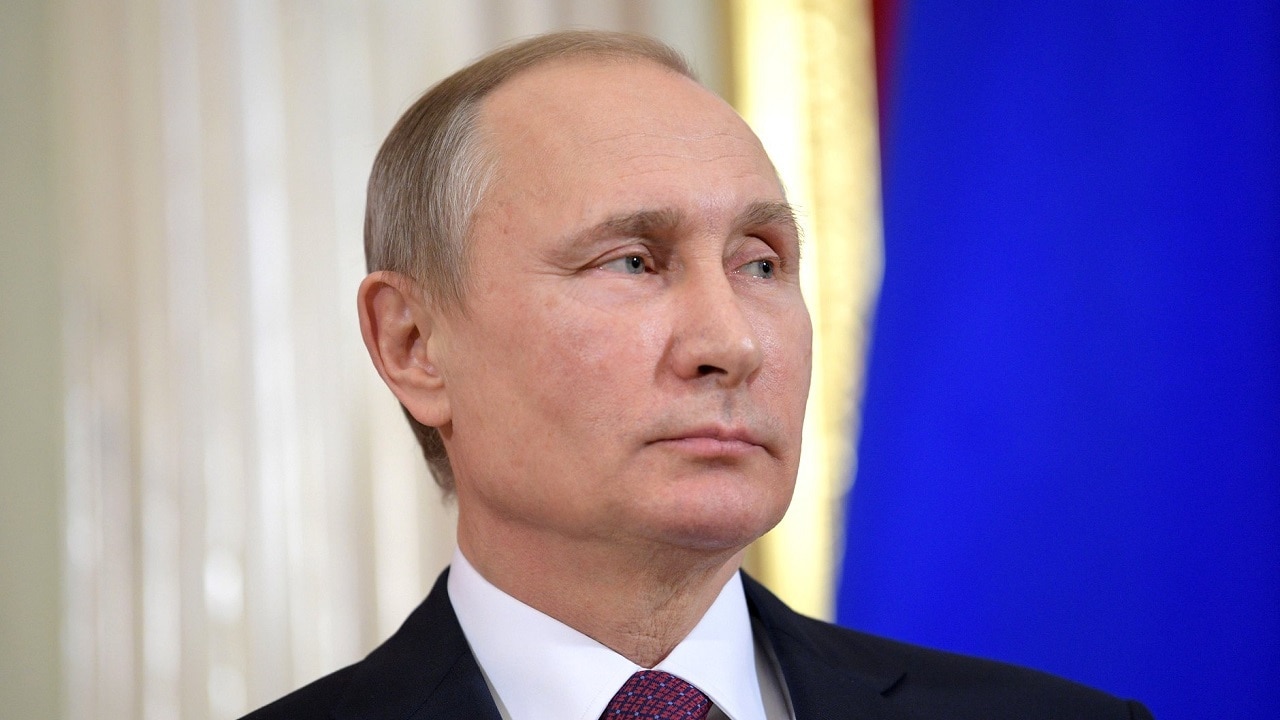
A Ukrainian drone strike over the weekend killed three people and wounded five in the Moscow region, France 24 reported, citing a Telegram post by a Russian politician.
“In the settlement of Pionersky in Istra, three people were killed and three more wounded as a result of a drone falling,” Governor Andrey Vorobyov of Moscow oblast posted to Telegram, as reported by France 24.
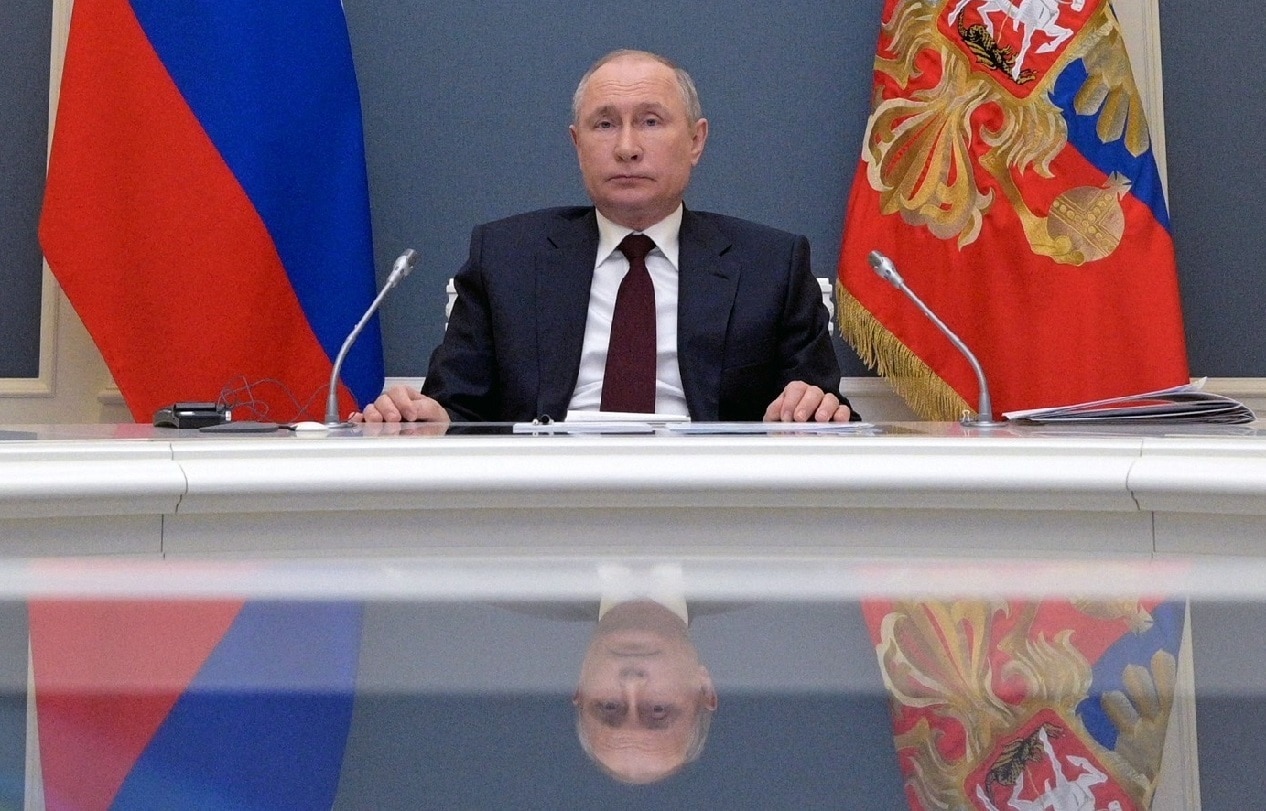
Image of Russia President Putin. Image Credit: Russian Government.
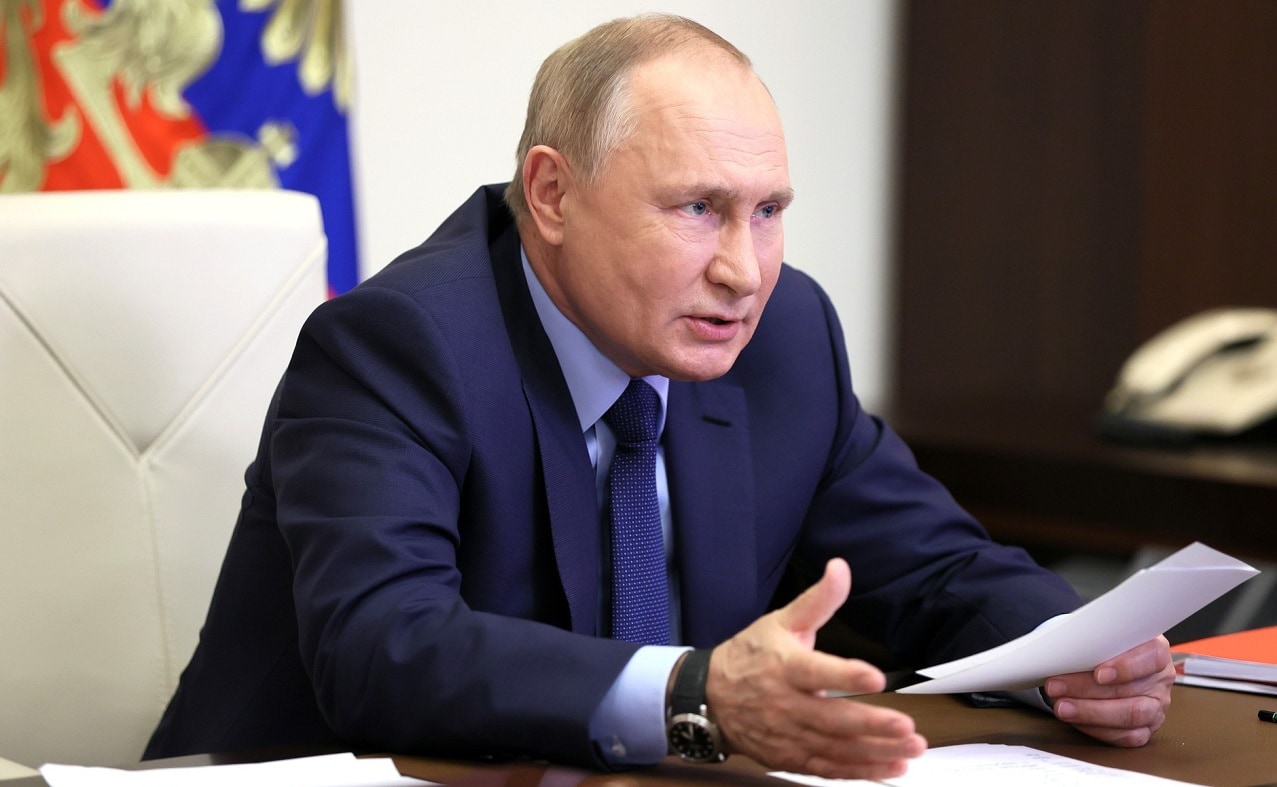
Russian President Vladimir Putin. Image Credit: Russian Government.
The governor claimed that Russian air defenses had shot down 81 drones. Separately, drones had struck southern Stavropol, causing a fire in an industrial zone, the report said.
According to the Kyiv Post, the attacks “temporarily disrupted operations at all four Moscow airports,” although they had reopened by Monday morning.
Testing Russian Defenses: Moscow Has a Problem
According to a Financial Times report, the recent drone attacks have begun to test Russia’s air defenses.
“Ukraine has intensified its deep-strike drone attacks targeting energy infrastructure inside Russia in recent weeks, in an effort to weaken the country’s war machine and force President Vladimir Putin into earnest peace talks,” FT reported. This, the report said, has caused Russia to suffer its worst fuel crisis since the end of the Soviet Union.
The Telegraph published a similar report on Monday, noting that the lightweight drones being used by Ukraine have begun to stretch Russia’s defenses “all the way to Siberia.”
“The Ukrainian drones flew for more than 12 hours before they tilted their wings and smashed into the oil refinery in the Siberian city of Omsk,” the Telegraph reported. “Their 1,500-mile journey was the longest-range strike yet by the Ukrainian army – the equivalent of three trips across the length of Great Britain.”
CNBC, similarly, reported that Ukraine’s drone offensive is “wreaking havoc on Russia,” and also making NATO reassess its investment strategy when it comes to drones.
A New NATO Drone Strategy
NATO Secretary-General Mark Rutte, at the alliance’s annual meeting last week, had discussed how drones had “fundamentally altered” warfare.
“This is clear from what we see in Ukraine, in the Middle East, and across the Alliance. Allies themselves have seen repeated drone incursions. In response, NATO is rapidly expanding our ability to deploy and operate drones at scale,” Rute said. “And at the same time, we are building robust counter-drone defenses to detect, identify, and neutralize drones. That’s how we protect our one billion people against the full range of drone threats.”
Rutte also announced the launch of the NATO Drone Edge initiative, which will invest $40 billion in counter-drone capabilities.
“Together, we are building a drone-ready Alliance. We are leveraging the latest innovative technologies, investing in our transatlantic defense industries, and learning real-world lessons from the battlefield in Ukraine,” Rutte said in his remarks.
It also shows, CNBC said, that Ukraine has something to offer its allies in NATO.
“Ukraine is winning because they have become good at drones and counter-drone systems — technologies that other NATO allies aren’t very good at,” Ulrike Franke, senior policy fellow at the European Council on Foreign Relations, told CNBC. Ukraine, Franke added, has “drones and counter-drone systems, and indeed data on how to fight the Russians.”
NATO also committed to “train five times as many drone operators in their armed forces by the end of 2027.”
The Next Step
Per DW.com, allies of Ukraine, known as the “Coalition of the Willing,” are meeting on Monday in Paris to discuss ways to help Ukraine in its efforts.
“Today, important talks will take place here that can open up significantly greater opportunities for Ukraine to strengthen its defenses,” Ukrainian President Voldymyr Zelenskyy said in a social media post.
“Our top priority is anti-ballistic defense,” he added. “We will present our Anti-Ballistic Program to our partners and, for the first time, hold a meeting at the level of leaders, national security advisors, and defense companies from countries that can make a concrete contribution to building a new anti-ballistic system.”
French President Emmanuel Macron addressed the meeting, per DW.com.
“The message we send to the world is this: Yes, peace is our goal,” Macron said. “Yes, we cherish freedom and the rule of law. And yes, we stand ready to fight to defend them. Always, and at the cost of blood if necessary.”
MORE – The Navy Now Has Nuclear Submarines As Drone Motherships
About the Author: Stephen Silver
Stephen Silver is an award-winning journalist, essayist, and film critic, and contributor to the Philadelphia Inquirer, the Jewish Telegraphic Agency, Broad Street Review, and Splice Today. The co-founder of the Philadelphia Film Critics Circle, Stephen lives in suburban Philadelphia with his wife and two sons. For over a decade, Stephen has authored thousands of articles that focus on politics, national security, technology, and the economy. Follow him on X (formerly Twitter) at @StephenSilver, and subscribe to his Substack newsletter.