
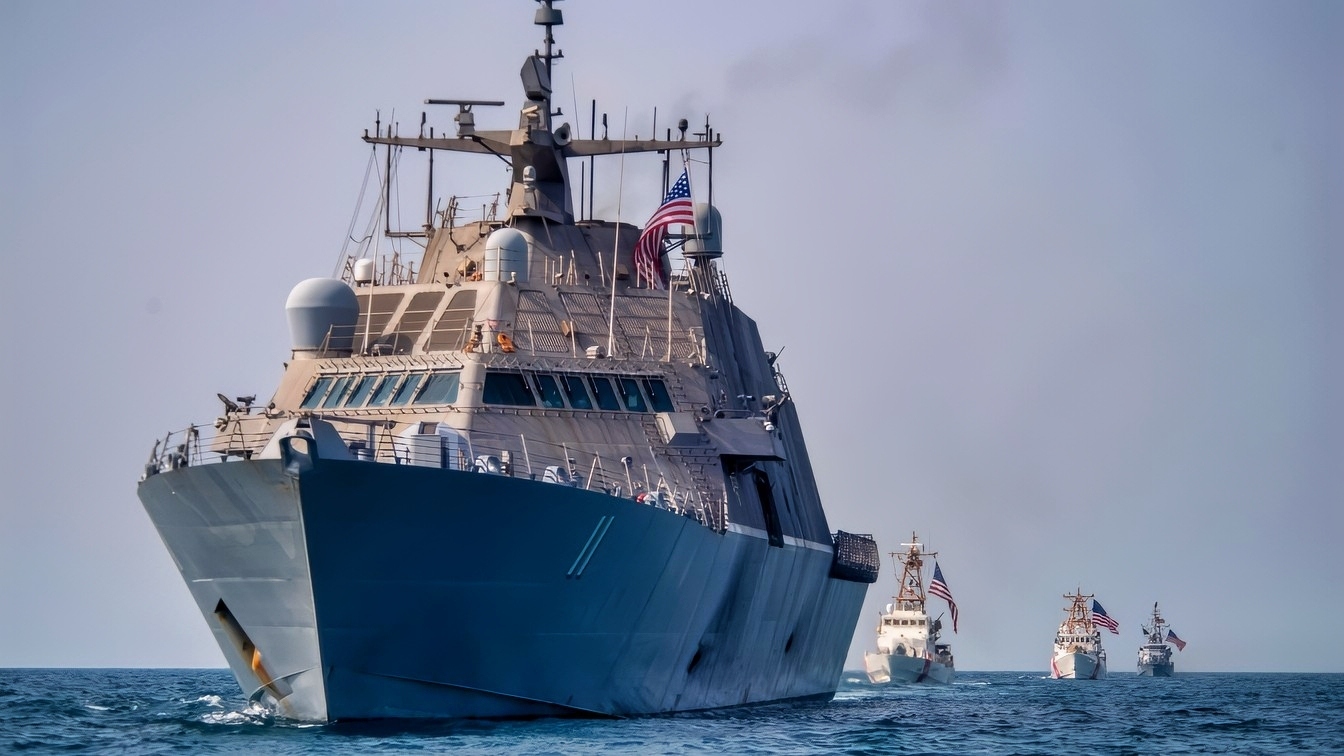
The Navy commissioned USS Sioux City at the Naval Academy in Annapolis on November 17, 2018. It decommissioned her at Mayport, Florida, on August 14, 2023. Between those two dates lie 1,731 days, four years and nine months. The Freedom-variant littoral combat ship was built against a 25-year service life. She completed 19 percent of it.
The arithmetic of that is worth stating plainly. Sioux City cost roughly $362 million to build. Divided across her time in commission, the ship cost about $76 million for every year she was in the fleet.
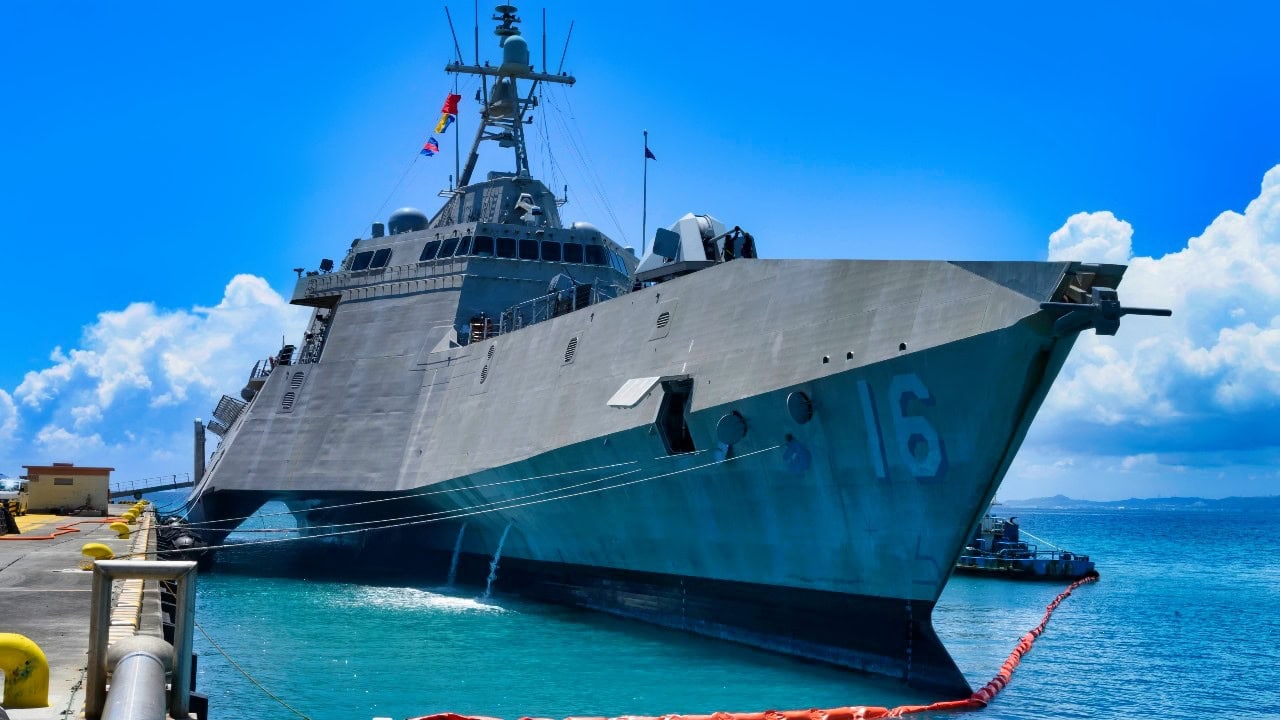
(Sept. 2, 2021) Independence-variant littoral combat ship USS Tulsa (LCS 16) sits pierside at Commander, Fleet Activities Okinawa White Beach Naval Facility, Okinawa, Japan, Sept. 2, 2021. Tulsa conducted a brief stop for resupply at CFAO White Beach Naval Facility. Tulsa, part of Destroyer Squadron Seven, is on a rotational deployment in the U.S. 7th Fleet area of operation to enhance interoperability with partners and serve as a ready-response force in support of a free and open Indo-Pacific region. (U.S. Navy photo by Mass Communication Specialist 1st Class David Krigbaum)
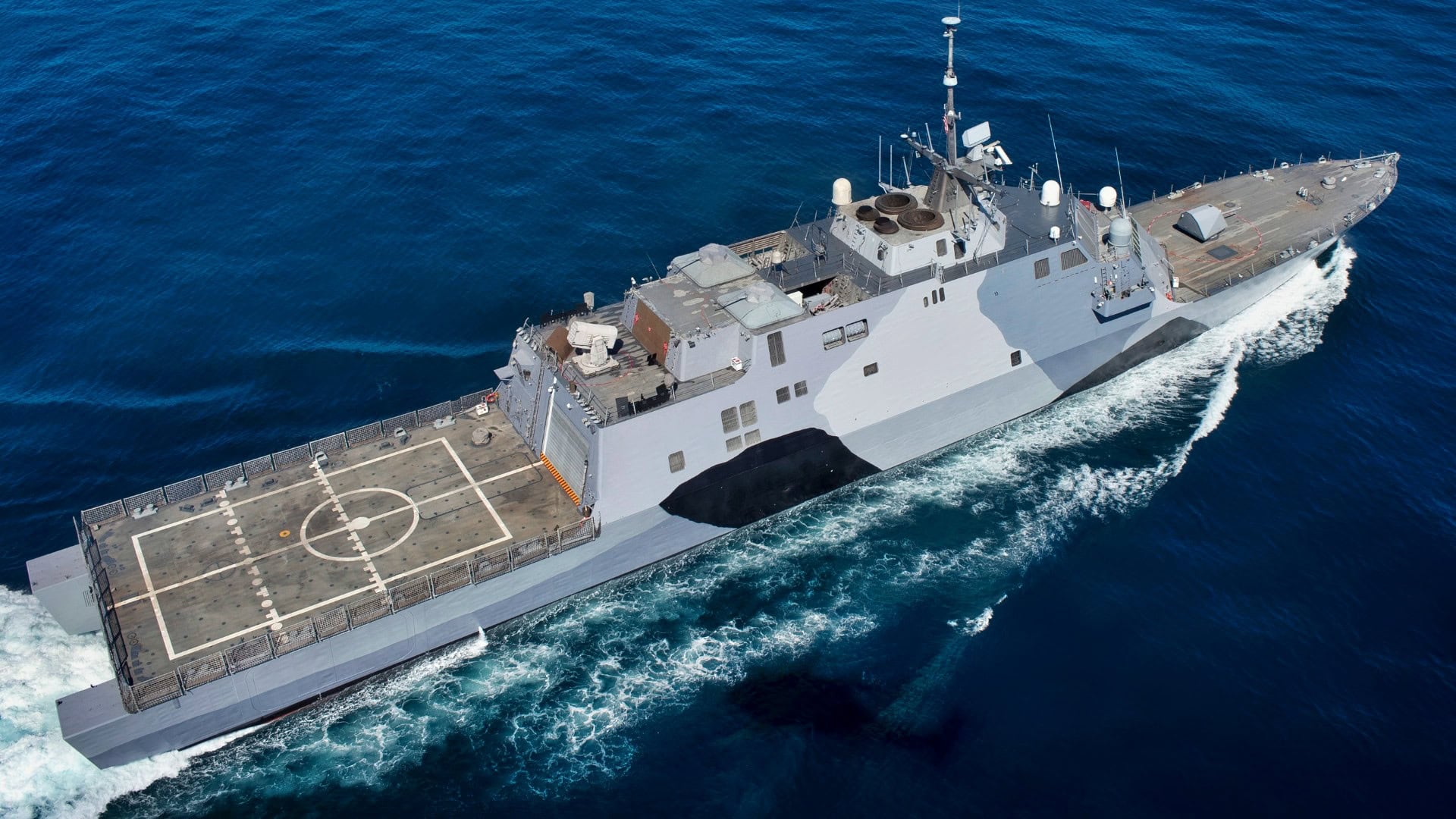
(Feb. 22, 2013) The littoral combat ship USS Freedom (LCS 1) is underway conducting sea trials off the coast of Southern California. Freedom, the lead ship of the Freedom variant of LCS, is expected to deploy to Southeast Asia this spring. (U.S. Navy photo by Mass Communication Specialist 1st Class James R. Evans/Released)

USS Savannah (LCS 28) conducts a live-fire demonstration in the Eastern Pacific Ocean utilizing a containerized launching system that fired an SM-6 missile from the ship at a designated target. The exercise demonstrated the modularity and lethality of Littoral Combat Ships and the ability to successfully integrate a containerized weapons system to engage a surface target. The exercise will inform continued testing, evaluation and integration of containerized weapons systems on afloat platforms.
Had she served the full 25 years the design promised, the same hull would have worked out to $14.5 million a year. Retiring her at four years and nine months multiplied her annual price by more than five, and the higher program-wide cost figures the Navy and outside analysts use for LCS hulls, which run past $500 million once mission packages and support are counted, make the ratio worse rather than better.
USS Sioux City: The Ship Was Not the Problem
Sioux City was not battle-damaged, not worn out, and not technologically overtaken.
Asked why a five-year-old warship was being retired, a Naval Surface Force Atlantic spokesman told Navy Times the decision “was not about the material condition.” The class was the problem.
Freedom-variant ships carried a combining-gear defect that kept them from reaching full speed, and the modular mission packages that justified the entire concept, swappable kits for mine warfare, submarine hunting, and surface action, never arrived in usable form.
Her service record makes the decision stranger, not clearer. Sioux City completed four deployments between December 2020 and October 2022, became the first LCS to operate across the Fourth, Fifth, and Sixth Fleets, and ran counter-narcotics missions alongside the Coast Guard. The Navy announced in the spring of 2022 that it wanted her and eight other Freedom-class ships gone, projecting $4.3 billion in avoided upgrades and maintenance. The individual ship worked. The class it belonged to could not be sustained at a price the Navy was willing to pay.
Seven Ships, One Pattern
Sioux City was not an outlier; that much is clear and is quite sad. The Navy has decommissioned seven littoral combat ships since 2021, several of them years into a 25-year design life, after a 2021 surface-forces study identified 32 fixes the class needed, many stemming from systems only contractors were allowed to repair. Rear Adm.
Ted LeClair, the surface force’s deputy commander, framed the problem as sustainment rather than design: “These are great warships; we just need to be able to sustain them properly.”
An analysis by Defense News using Congressional Budget Office data put the loss from retiring the ships early at nearly $7 billion, and lawmakers blocked several of the proposed retirements outright, unwilling to scrap warships built to last a quarter century after less than a decade of use.
The Reversal
In January 2026, the Navy stopped. Officials speaking at the Surface Navy Association conference confirmed the service had shelved plans to decommission five more Freedom-class and two Independence-class ships.
The acting LCS program manager, Jay Iungerich, told USNI News his office had received “no signals” to proceed, and retaining the seven hulls leaves the Navy with 28 small surface combatants.
The reprieve came with new jobs attached: mine countermeasures work inherited from retiring Avenger-class ships, and a role as test beds for the unmanned surface and air systems the fleet is now betting on.
The program has consumed roughly $22 billion by one accounting, was pitched to Congress at $220 million per hull against a real price that ran past $500 million, and belongs to a run of surface programs, alongside Zumwalt and the canceled Constellation frigate, that never delivered what was promised.
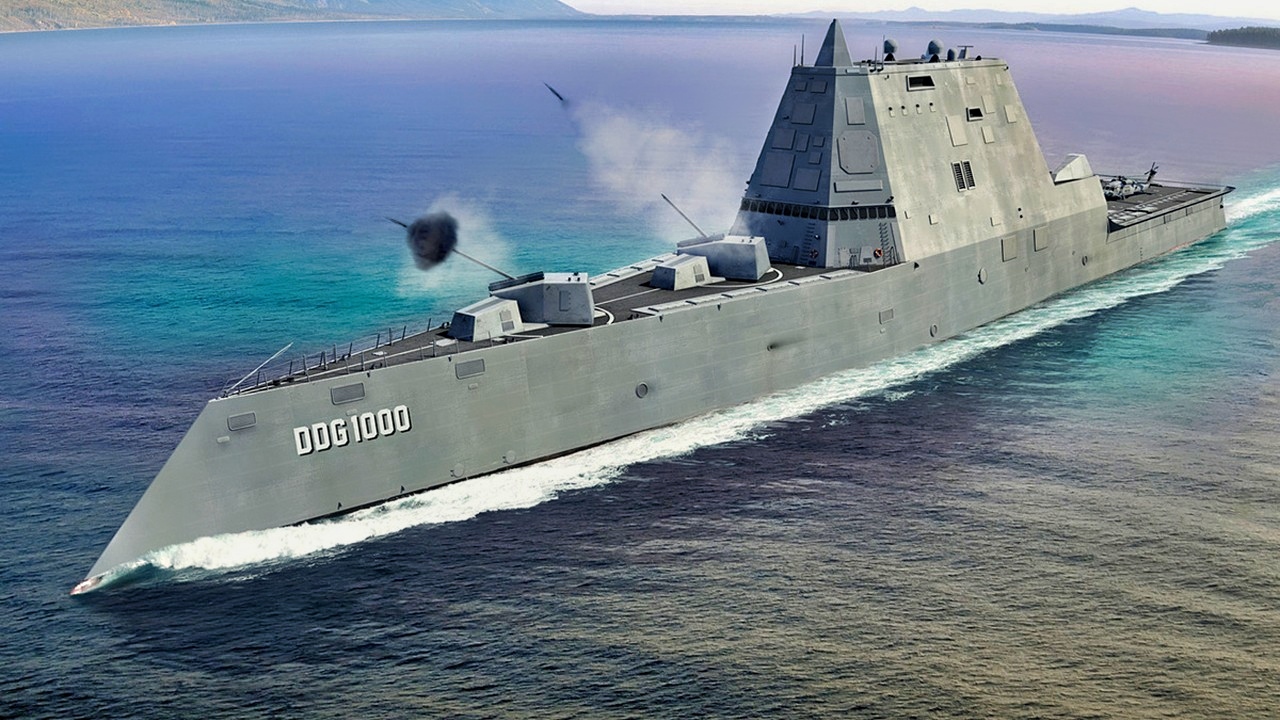
Zumwalt-Class U.S. Navy Destroyer. Image Credit: Creative Commons.
Production stopped at 28 ships against the 52 the Navy once planned. The frigate meant to replace the littoral combat ship in the small-combatant role was canceled with its lead hull barely started. And Sioux City, three years after her crew walked off at Mayport, remains stricken from the register with her final disposition pending, one of the hulls the Navy has designated for possible sale to partner navies that have not yet bought them.
About the Author: Harry J. Kazianis
Harry J. Kazianis (@Grecianformula) was the former Senior Director of National Security Affairs at the Center for the National Interest (CFTNI), a foreign policy think tank founded by Richard Nixon based in Washington, DC. Harry has over a decade of experience in think tanks and national security publishing. His ideas have been published in the NY Times, The Washington Post, The Wall Street Journal, CNN, and many other outlets worldwide. He has held positions at CSIS, the Heritage Foundation, the University of Nottingham, and several other institutions related to national security research and studies. He is the former Executive Editor of the National Interest and the Diplomat. He holds a Master’s degree focusing on international affairs from Harvard University.