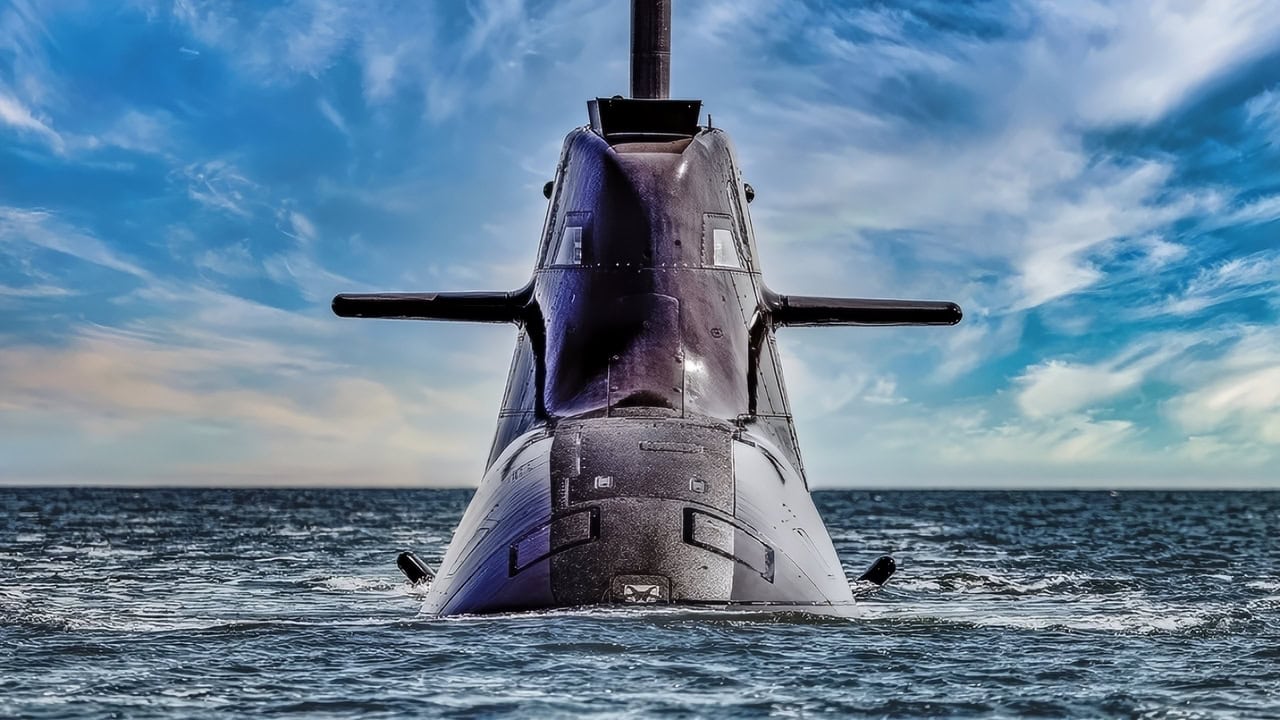
Canada Wants 12 German Type 212CD Conventional Attack Subs — it finds itself in a unique spot. As one of only two neighbors that share a land border with the gigantic United States, Ottawa used to depend almost exclusively on its larger North American neighbor for military supplies. Since the rise of Donald Trump and his major trade war against Canada, Ottawa has striven to diversify its defense systems.
The Race for the Arctic and the Type 212CD Submarine
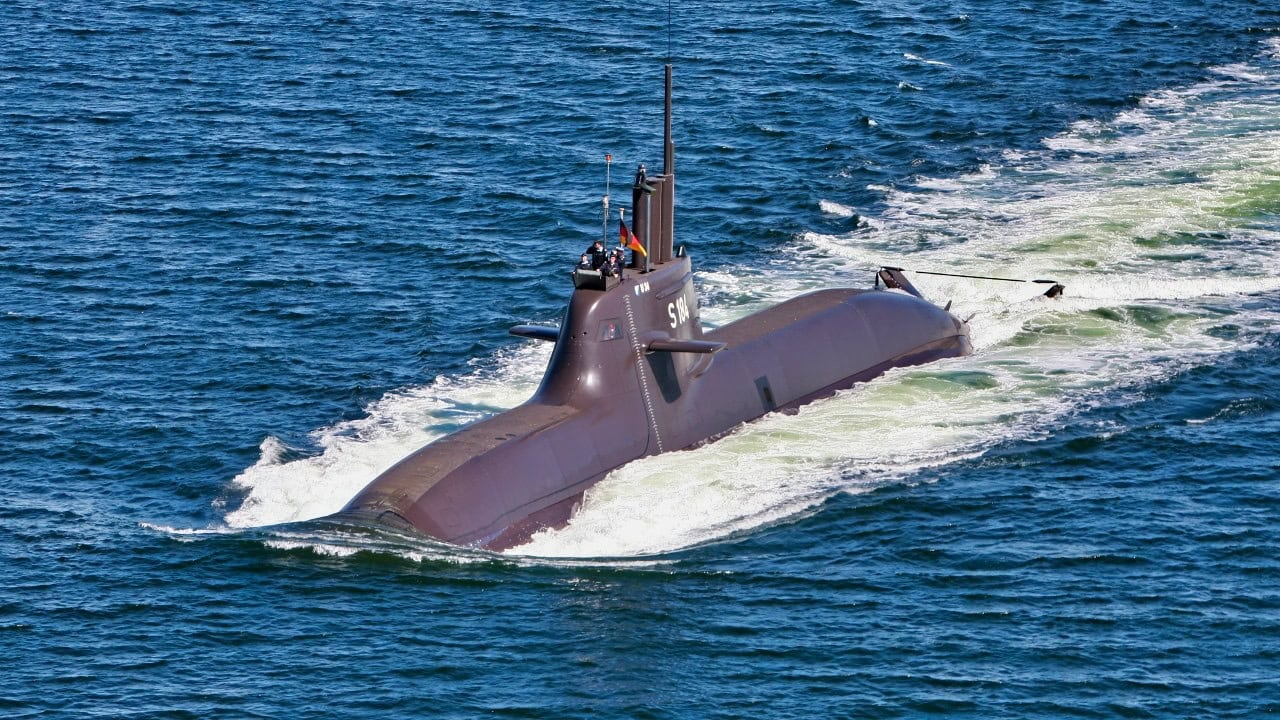
Type 212A Submarine from Germany.
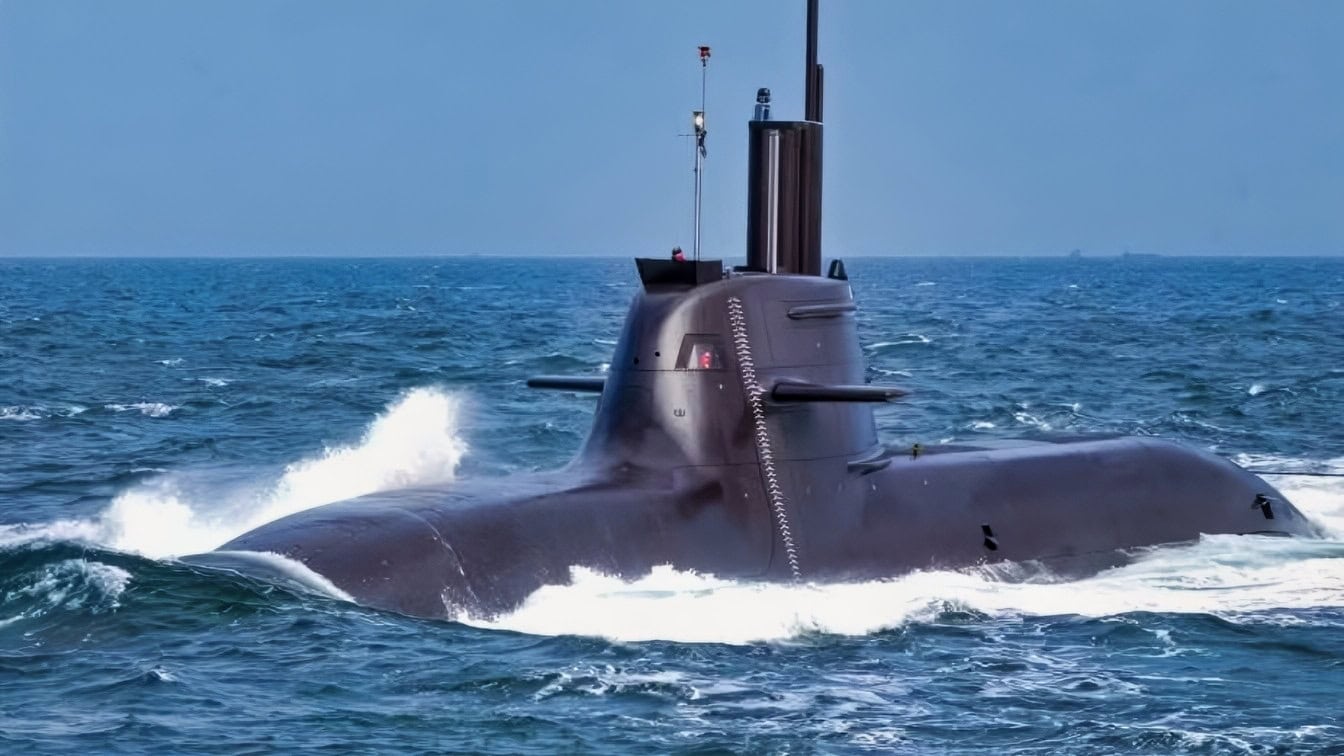
German Type 212CD Submarine Creative Commons
All this is occurring at a time when Ottawa is undertaking a major military modernization program.
While analysts fixated on the Canadian government’s balking at completing its original deal to purchase 88 Lockheed Martin F-35 Lightning II fifth-generation warplanes from the United States, many missed the announcement that Ottawa had selected German shipbuilder Thyssenkrupp Marine Systems (TKMS) to build 12 new submarines for the Royal Canadian Navy.
Thyssenkrupp is set to reap the rewards of what many in Canada call the largest defense procurement project in Canadian military history. And it couldn’t come at a more important time. After all, the Russians are dominating the Arctic — and bringing the Chinese with them. That region shares a major border with Canada, which is underdefended. The Americans try to do what they can to patrol the High North, but Washington (and the European members of NATO) require Canada’s assistance in this specific area.
The only problem is that Canada’s submarine capacity has been appallingly limited. Ottawa is primed to change that dynamic. TKMS offered to sell its Type 212CD conventional attack submarine to Canada, beating South Korea’s bid to supply Canada with Hanwha Ocean’s KSS-III submarine design.
Of course, that decision does not indicate a finalized contract. Canada and TKMS must now negotiate a multitude of technical, operational, financial, and industrial terms to get the program moving. Ottawa says that contracting will be completed by the end of 2027, indicating that Canada is still moving at a dangerously slow pace to plug the widening gaps in its submarine force. If the negotiations with TKMS fail, Ottawa will likely pivot to South Korea’s Hanwha as an alternative.
Out With the Old, In With the New
Canada must replace its four aging Victoria-class diesel-electric submarines, originally built for Britain’s Royal Navy during the Cold War and later acquired by Canada in 1998.
The Canadian government anticipates the Victoria-class subs will be retired in the mid-to-late 2030s. Only one of the four submarines was seaworthy when TKMS was announced as the preferred vendor to supply the Canadian Royal Navy with its new submarines.
Defense News reports that the completed program could ultimately cost $70 billion in US dollars, including long-term maintenance, weapons, and other related costs.
Canada formally launched the replacement effort for its Victoria-class submarines in 2024. The planned replacement fleet of up to 12 boats will conduct surveillance and intelligence missions, maritime security operations, and support allied deployments to better defend North American territory.
TKMS’ Type 212CD (CD meaning “Common Design”) is being developed for both the German and Norwegian navies, which will also conduct operations in the Arctic and North Atlantic. Canada’s adoption of the same basic platform would place the Royal Canadian Navy inside an existing NATO submarine program rather than creating a unique Canadian design from scratch (which would likely be costly and time-consuming).
South Korea Competed Hard
While South Korea mounted an aggressive campaign for the contract, interoperability with fellow NATO navies was likely the determining factor (along with price). The South Korean KSS-III submarine was comparable to the Type 212CD offered by TKMS. Interestingly, the South Koreans took the ROKS Dosan Ahn Chang-ho, a KSS-III submarine, from Busan to Victoria, British Columbia, in May to showcase the submarine’s long-range capabilities. It was the longest voyage undertaken by a South Korean submarine.
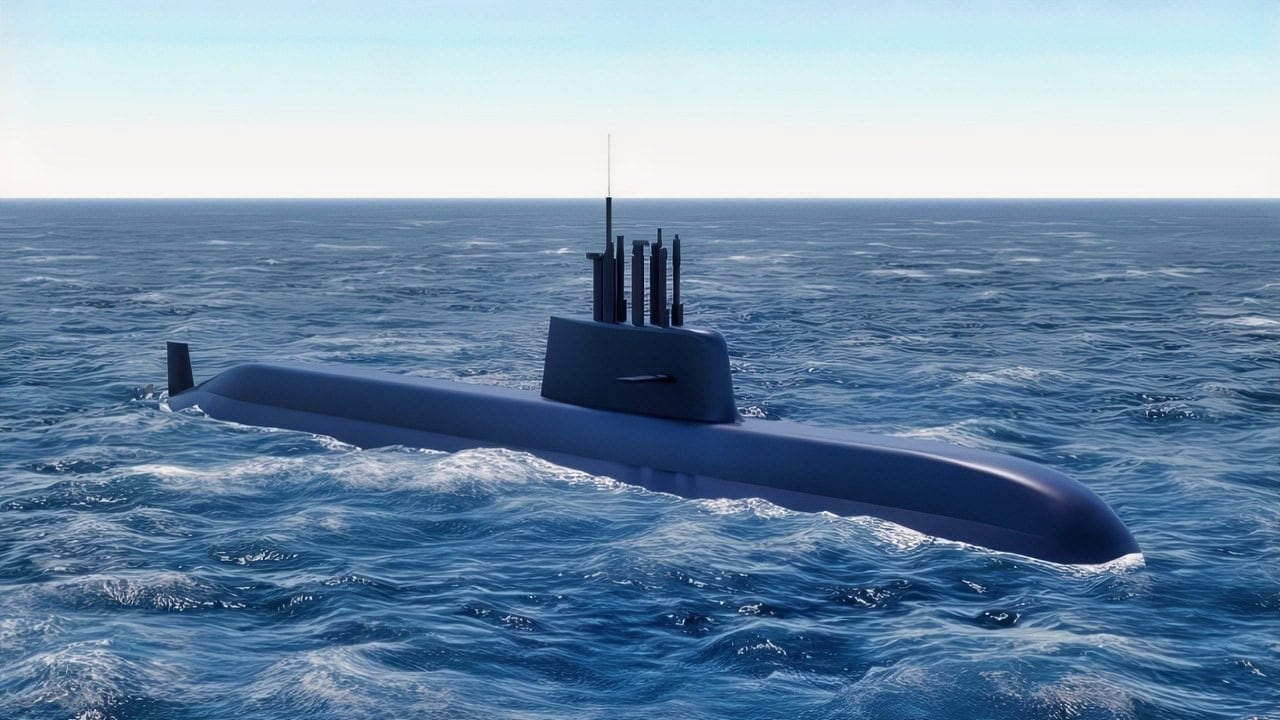
KSS-III. Image Credit: Creative Commons.
Hanwha went a step further by proposing a broader defense production agreement that would have included the production of armored vehicles and artillery. Yet, Hanwha admitted, after losing out to TKMS, that it simply could not overcome the prospect of increased interoperability with fellow NATO partners that TKMS offered Ottawa.
Canada First
The deal with TKMS falls under Canada’s Industrial and Technological Benefits Policy, which requires the procurement to generate economic activity in Canada. If negotiations proceed as planned, the TKMS Type 212CD will become the primary component of a significantly larger—and enhanced—Canadian submarine force that will operate across all three oceans bordering Canada (the Arctic, Atlantic, and Pacific).
MORE – The US Army Spent Billions on 80 New Light Tanks That are Stuck in Limbo
About the Author: Brandon J. Weichert
Brandon J. Weichert is the Senior National Security Editor at 19FortyFive.com. He also manages The Weichert Brief on Substack. Weichert also hosts “National Security Talk” on Rumble. He is the author of four bestselling national security books, the most recent of which is A Disaster of Our Own Making: How the West Lost Ukraine (Encounter Books). Follow him via Twitter/X @WeTheBrandon.