
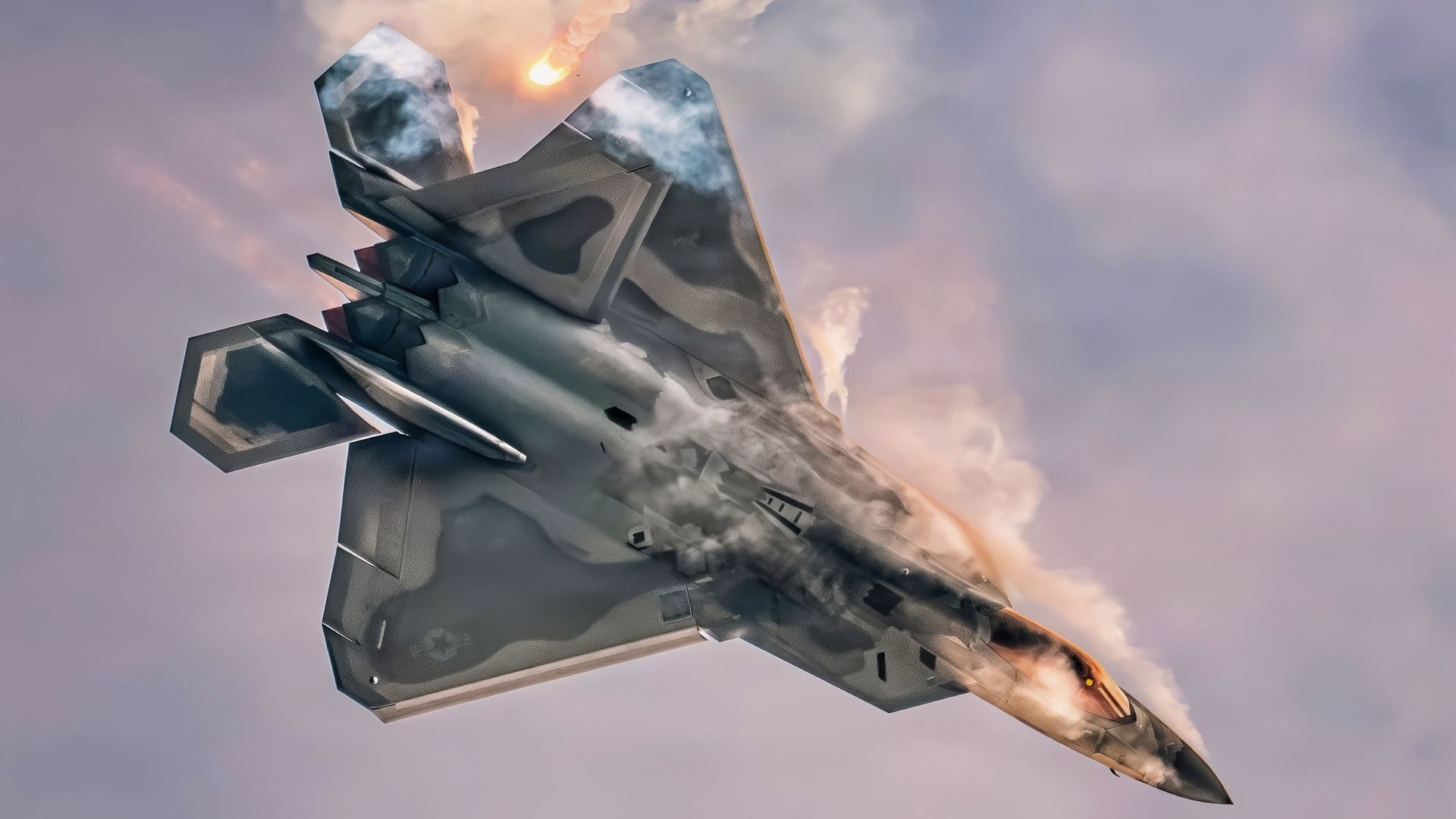
Congress Wanted the F-22 Production Line Reopened. The Air Force Priced It at $50 Billion and Chose the Future Instead – In the spring of 2016, two documents about the same airplane were moving through Washington simultaneously. I remember it well, as I was working for several different DC think tanks, and there was real buzz in the air that a comeback was on the horizon.
In one, Congress directed the Air Force to calculate the cost of restarting production of the F-22 Raptor, the stealth air-superiority fighter whose production line had closed four years earlier.
In the other, the Air Force published its Air Superiority 2030 flight plan, which described the aircraft it wanted to build after the F-22. The restart debate that ran through the rest of the decade was, in a real sense, settled before it began. The service had already decided where the next $50 billion belonged, and it was not in reopening a factory.
Why the Calls Started on the F-22 Raptor
The pressure came from arithmetic, which the Air Force had never liked.
The F-22 program began with plans for around 750 aircraft to replace the F-15, a figure that was repeatedly cut throughout the 1990s until the service’s stated requirement settled at 381.
Defense Secretary Robert Gates capped production at 187; the last operational jet rolled out of Lockheed Martin’s Marietta, Georgia, plant in December 2011, and the final Raptor was delivered in May 2012.
Here Comes the J-20 and Su-57
Then the assumptions behind the cap collapsed. China’s J-20 stealth fighter, which first flew in 2011, moved toward operational service. Russia flew its Su-57 prototypes.
The F-35 program ran late and over budget, and its design was never intended to replace the Raptor’s pure air-dominance role.
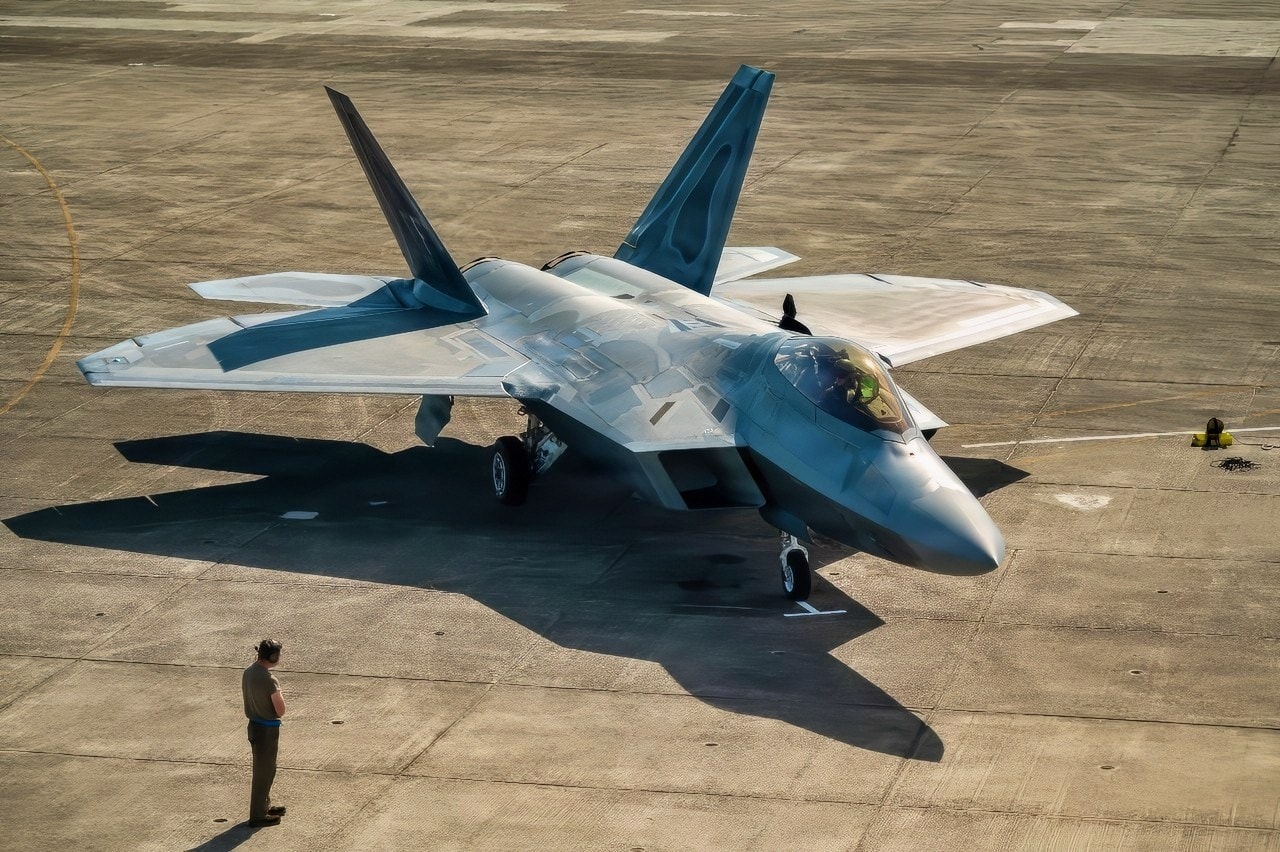
A U.S. Air Force F-22 Raptor waits to taxi on the flight line in Ceiba, Puerto Rico, Jan. 4, 2026. U.S. military forces are deployed to the Caribbean in support of the U.S. Southern Command mission, Department of War-directed operations, and the president’s priorities to disrupt illicit drug trafficking and protect the homeland. (U.S. Air Force photo)
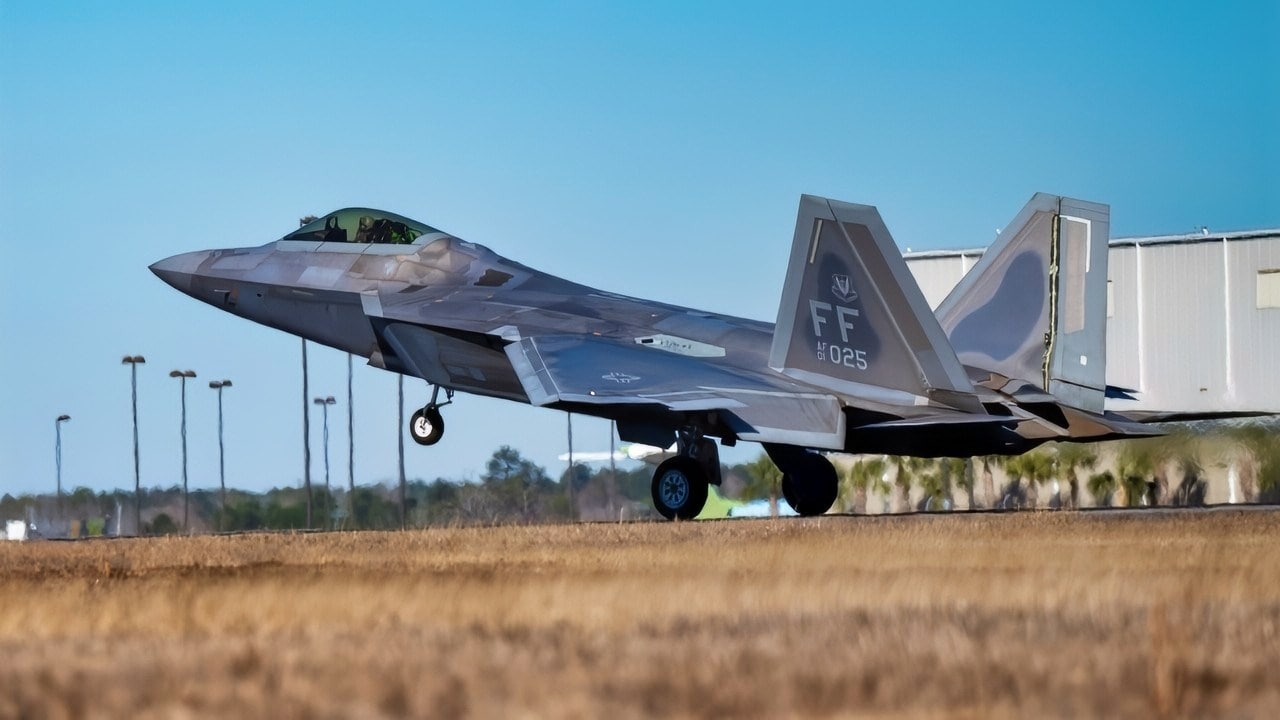
A U.S. Air Force F-22 Raptor aircraft assigned to the 1st Fighter Wing, Joint Base Langley-Eustis, lands on the runway during Sentry Savannah 25-1, at the Air Dominance Center, Savannah Air National Guard Base, Georgia, Jan. 17, 2025. Sentry Savannah is the Air National Guard’s premier fourth- and fifth-generation fighter integration exercise, with this year’s event involving more than 1,000 participants and 56 aircraft from eight flying units. (U.S. Air National Guard photo by Senior Airman Xaviera Stevens)
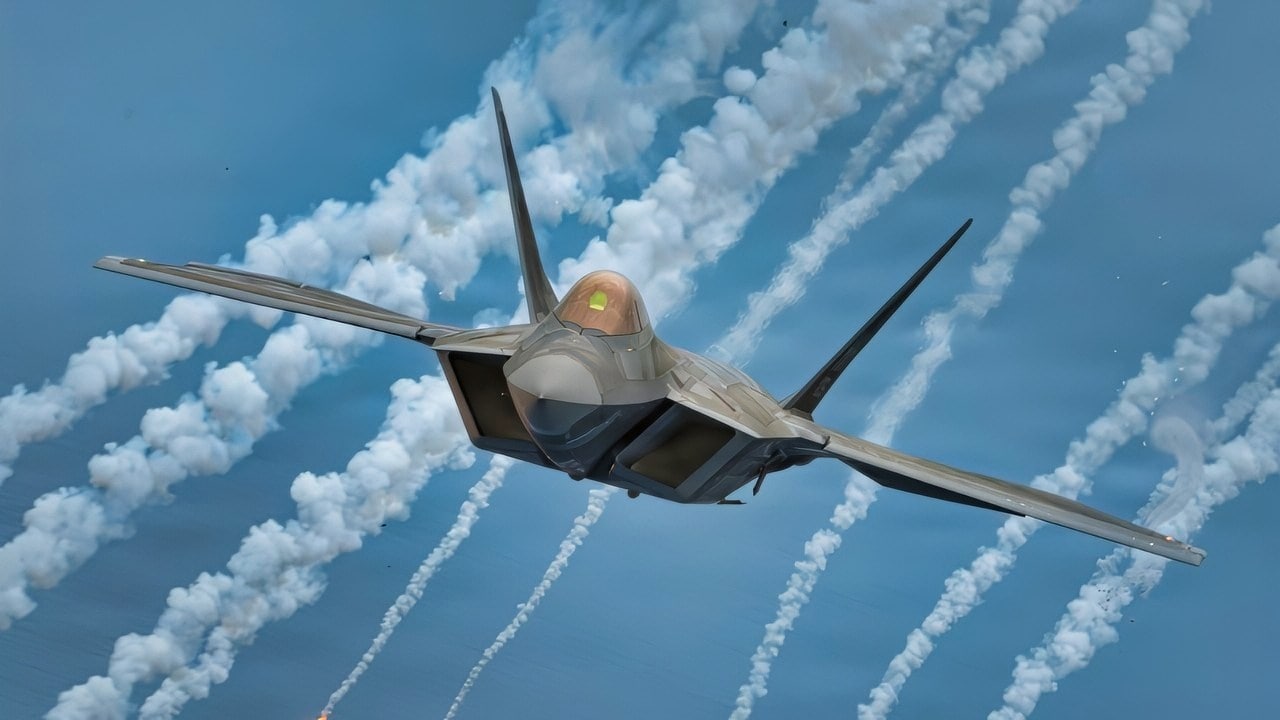
An F-22A Raptor aircraft assigned to the 154th Fighter Wing, Hawaii Air National Guard, completes flight operations during Sentry Aloha 26-1, Jan. 22, 2026. Sentry Aloha 26-1 is a recurring, large-scale training exercise designed to enhance readiness, interoperability and integration across U.S. and partner air forces. (U.S. Air National Guard photo by Senior Airman Michael Swingen)
By the mid-2010s, lawmakers, analysts, and retired officers were making the same argument in unison: America had stopped building the world’s best air-superiority fighter 194 jets short of its own requirement, just as two rivals fielded stealth fighters of their own.
The idea sounded practical because the tooling still existed.
Tens of thousands of production items had been carefully preserved and stored at a California depot precisely so a future administration could change its mind.
What Congress Asked
In 2016, the House Armed Services Committee’s tactical air subcommittee ordered the Air Force to price the change of mind formally: restart the line, buy 194 more aircraft, and restore the fleet to the old 381 requirement, with the answer due to Congress by January 1, 2017.
There was already a problem. A RAND analysis conducted around the shutdown had priced a restart for just 75 aircraft at roughly $17 billion in fiscal 2008 dollars, a number that suggested what the full study would find.
The Fifty-Billion-Dollar Answer
The classified report reached the congressional defense committees in June 2017, delivered by Air Force Secretary Heather Wilson, and officials described its contents to Military.com.
Restarting production and procuring 194 additional Raptors would cost approximately $50 billion in 2016 dollars: about $9.9 billion in non-recurring startup costs before the first new jet existed, and roughly $40.4 billion for the aircraft themselves, at $206 million to $216 million per fighter.
Averaged across the whole buy, each new Raptor cost about $259 million, at a time when an F-35A cost around $80 million. The restart would deliver yesterday’s fighter at two and a half times the price of the jet already in mass production.
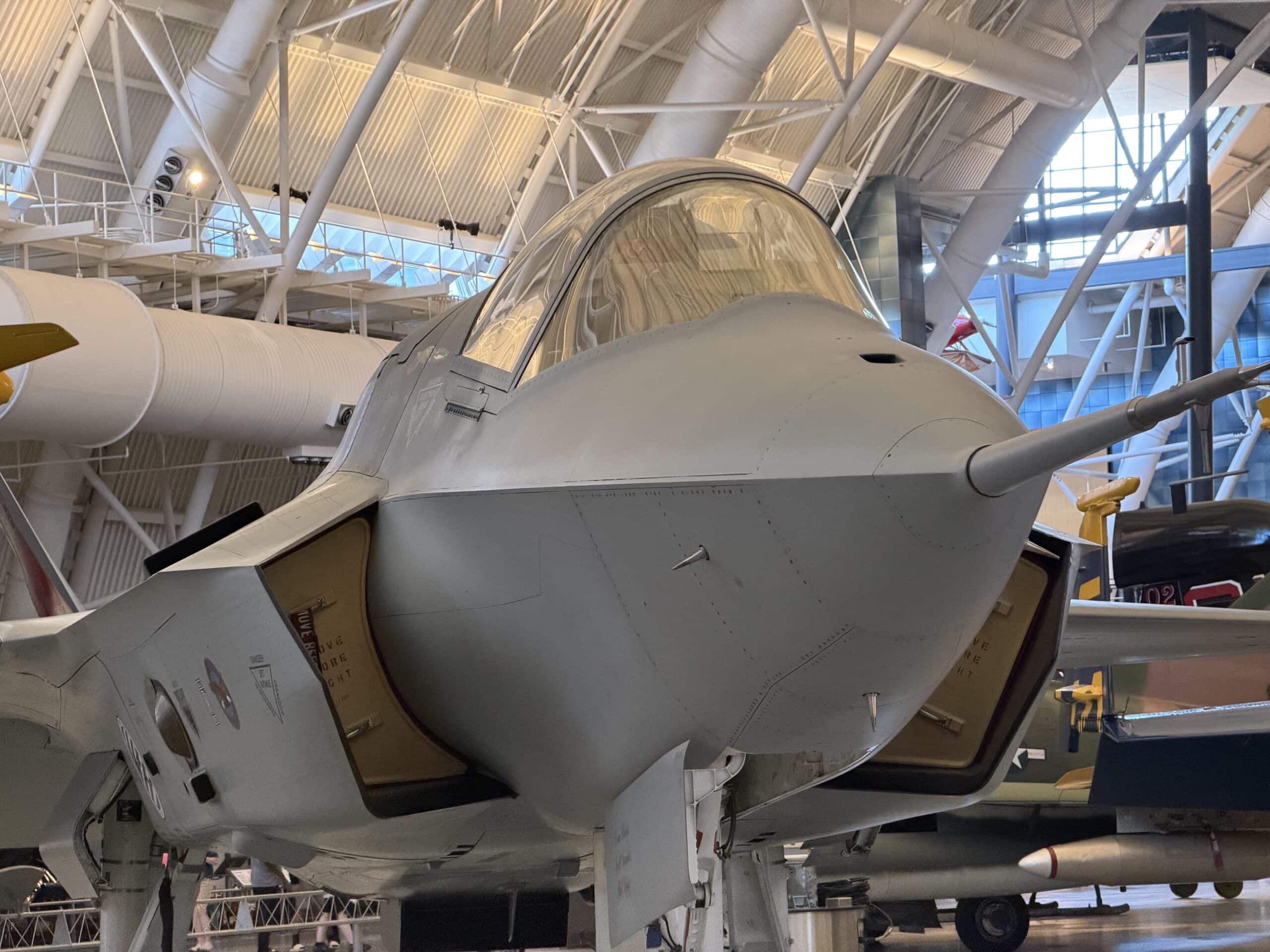
F-35 at the Smithsonian. Image taken on 7/8/2026 by 19FortyFive Staff.
What the Money Could Not Buy Back
The study’s harder finding was that the preserved tooling had preserved almost nothing that mattered.
About 95 percent of it still sat in storage, but the assembly space had been repurposed, the certified supplier network had dissolved, and the workforce that knew the aircraft had scattered into other programs or retirement. Four subsystems would need to be redesigned outright because their components were no longer manufactured anywhere.
The avionics posed the deepest problem: the Raptor’s 1990s computing architecture would require modernization simply to remain relevant against the threats that justified the restart, which meant the project was no longer a restart but a new development program wearing an old airframe.
Even the export route that saved other fighter lines was sealed, since the 1998 Obey amendment banned F-22 sales abroad, and the Air Force’s own earlier assessment found that a foreign version, while technically feasible, would be a multi-billion-dollar effort in itself.
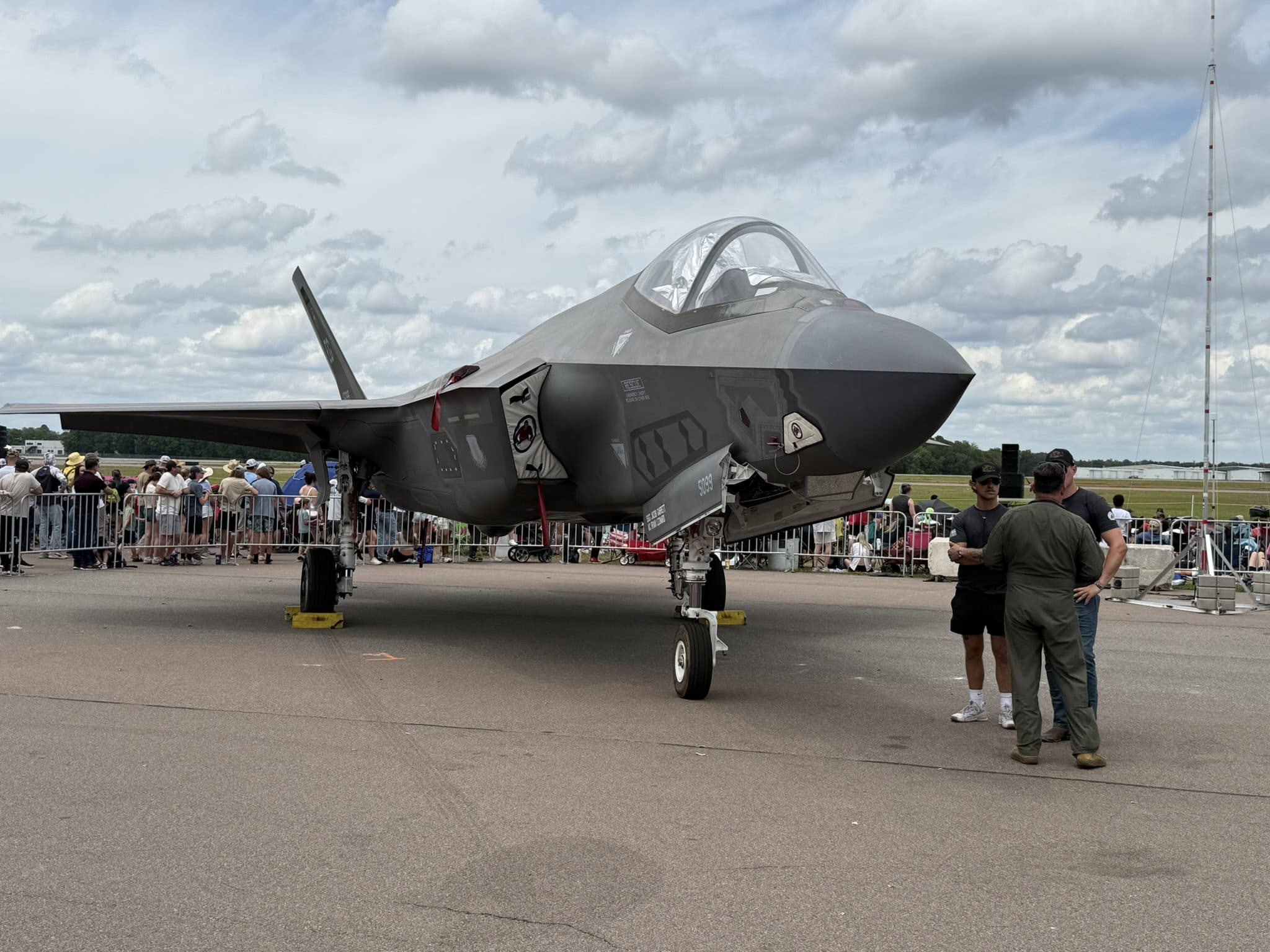
F-35 at Lakeland, Florida Airshow. Photo taken by Harry J. Kazianis.
The Pentagon Was Already Somewhere Else
Underneath the accounting sat a strategic judgment the Air Force had already made.
The Air Superiority 2030 study published in May 2016 concluded that the fight of the 2030s required something beyond any fifth-generation design, and the service’s Penetrating Counter-Air concept, grown out of work with DARPA earlier in the decade, was renamed Next Generation Air Dominance in 2018.
Seen from inside the building, the choice was never really between 187 Raptors and 381. It was between spending $50 billion on a 1991 design or spending it on the aircraft meant to beat whatever China builds next.
Congress never funded the restart, and the calls faded as that logic sank in.
The Answer Arrived With a New Name
The sixth-generation bet finally produced an aircraft designation on March 21, 2025, when Boeing won the NGAD contract and the F-47 was announced at the White House, a development deal reportedly worth around $20 billion, with a first flight originally targeted for 2028.
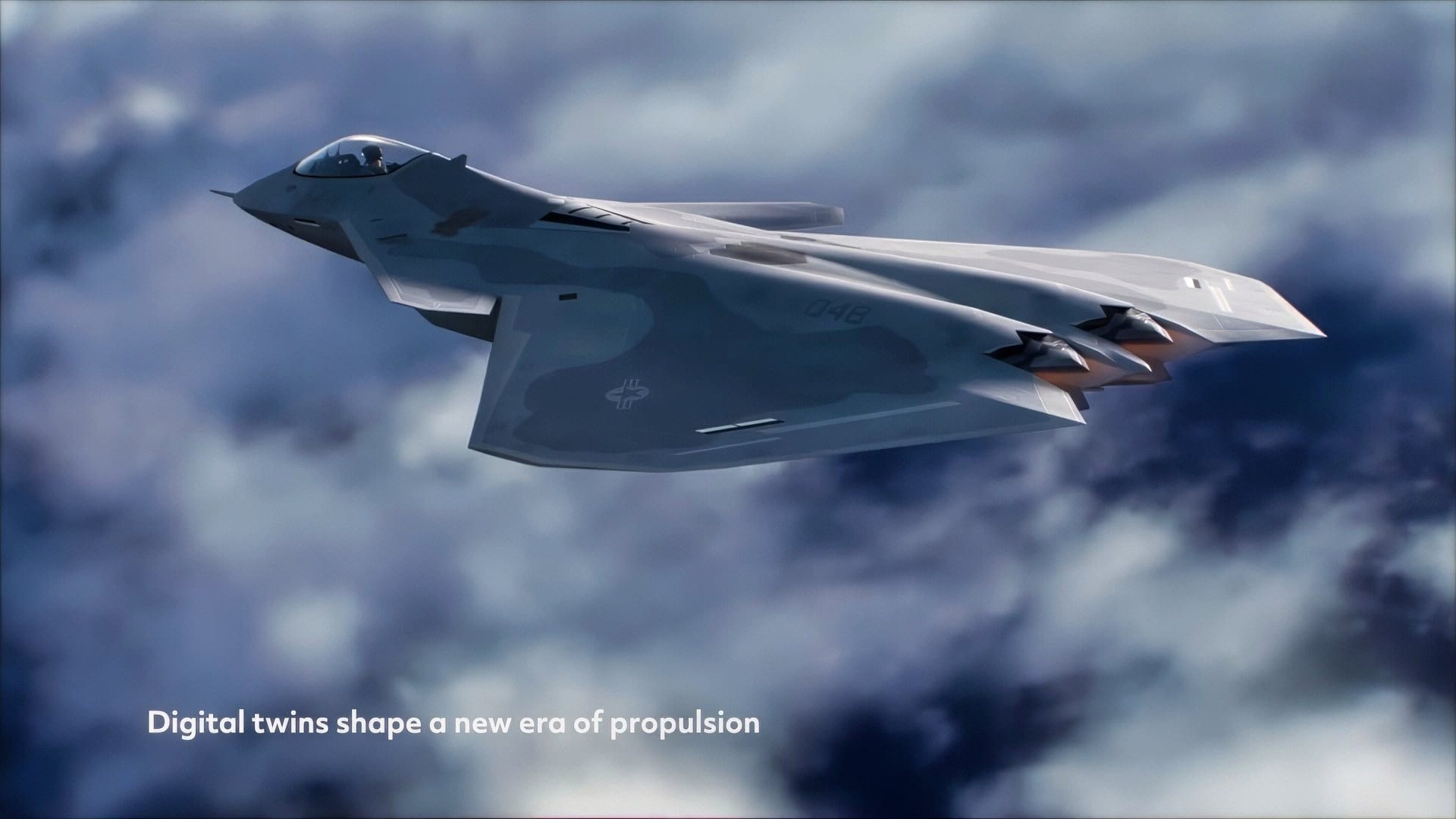
F-47 NGAD Fighter Possible Image. Image Credit: Screenshot.
The schedule has not been kind since. By this spring, the F-47 and the Navy’s companion F/A-XX had slipped toward the mid-2030s, and the Air Force that declined to build more Raptors in 2017 is now budgeting billions to extend the ones it has through the next decade, at roughly $80,000 per flight hour.
The F-22s flying combat missions over the Gulf this month come from the same 187 airframes that existed when Congress first asked the question, and the fighter meant to replace them is not due for another nine years.
About the Author: Harry J. Kazianis
Harry J. Kazianis (@Grecianformula) was the former Senior Director of National Security Affairs at the Center for the National Interest (CFTNI), a foreign policy think tank founded by Richard Nixon based in Washington, DC. Harry has over a decade of experience in think tanks and national security publishing. His ideas have been published in the NY Times, The Washington Post, The Wall Street Journal, CNN, and many other outlets worldwide. He has held positions at CSIS, the Heritage Foundation, the University of Nottingham, and several other institutions related to national security research and studies. He is the former Executive Editor of the National Interest and the Diplomat. He holds a Master’s degree focusing on international affairs from Harvard University.