
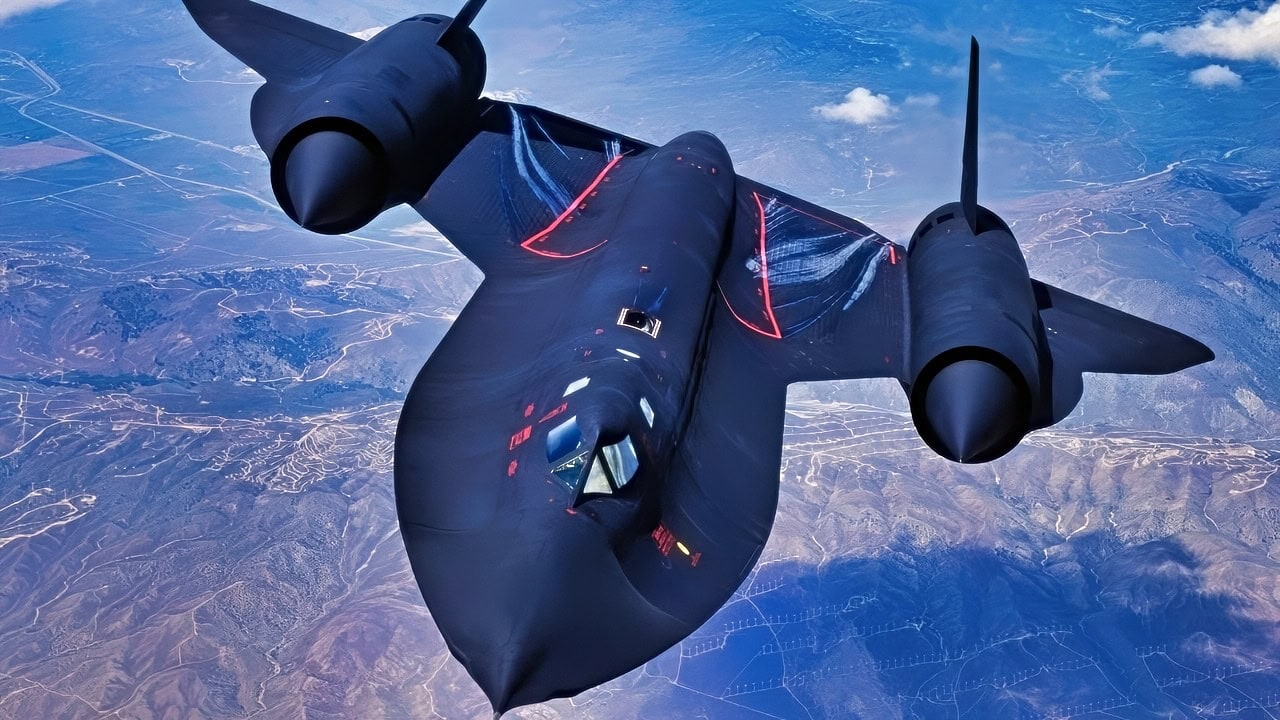
On June 29, 1987, an American SR-71 Blackbird was conducting a reconnaissance mission over the Baltic region when Cold War tensions were still high.
Under normal circumstances, the SR-71 would have been exceedingly difficult for Soviet fighters to intercept, as the SR-71 was built to fly so high and so fast that nothing else on Earth could keep pace.
The SR-71’s typical reconnaissance profile included speeds above Mach 3 and altitudes of roughly 80,000 feet.
At this rate, the jet could cover approximately 35 miles per minute, and though Soviet interceptors routinely tried to position themselves against Blackbird flights, achieving a meaningful firing solution was exceedingly difficult.
But then, on the June 29 incident, one of the SR-71’s two engines failed, and suddenly an aircraft designed to outrun everything else in the sky had lost the performance capabilities that had made the jet untouchable.
Riding the Baltic Express
During the Cold War, the Baltic was one of the world’s most heavily monitored military regions.
SR-71s flew a recurring reconnaissance route sometimes called the “Baltic Express.” The recon flights remained in international airspace while collecting intelligence around Soviet Baltic installations, Poland, East Germany, Soviet naval activity, radar, and air-defense networks.
The Soviets, of course, knew these flights were occurring and attempted interceptions, without much luck.
Swedish air defenses knew these flights were happening, too. Sweden was officially neutral but possessed one of Europe’s most sophisticated indigenous air defense systems, a result of its geography wedged between NATO and the Soviet bloc. Swedish radar operators became quite familiar with the SR-71’s movements.
Losing an Engine
The SR-71 involved was serial number 61-7964, commonly known as “Rapid Rabbit.” During the mission, one of its Pratt & Whitney J58 engines suffered a disabling failure, forcing an adjusted tactical approach.
The pilot had to throttle back immediately, descend dramatically, and abandon the normal Mach 3 reconnaissance profile while limping toward friendly territory.
The SR-71 descended to about 25,000 feet, and at that altitude and reduced speed, it was no longer an unreachable object at the edge of space.
Instead, it was one of the world’s most valuable aerospace platforms, hobbling through one of the most militarized regions on Earth.
Enter the MiG-25
Soviet MiG-25 Foxbats were reportedly dispatched in response to the vulnerable SR-71.
The MiG-25 was the right platform—purpose-built for this sort of problem—capable of Mach 2.8 operational speeds, high-altitude interception, enormous engines, powerful radar, and long-range air-to-air missiles. The MiG-25 sacrificed maneuverability for altitude and speed, not unlike the SR-71.
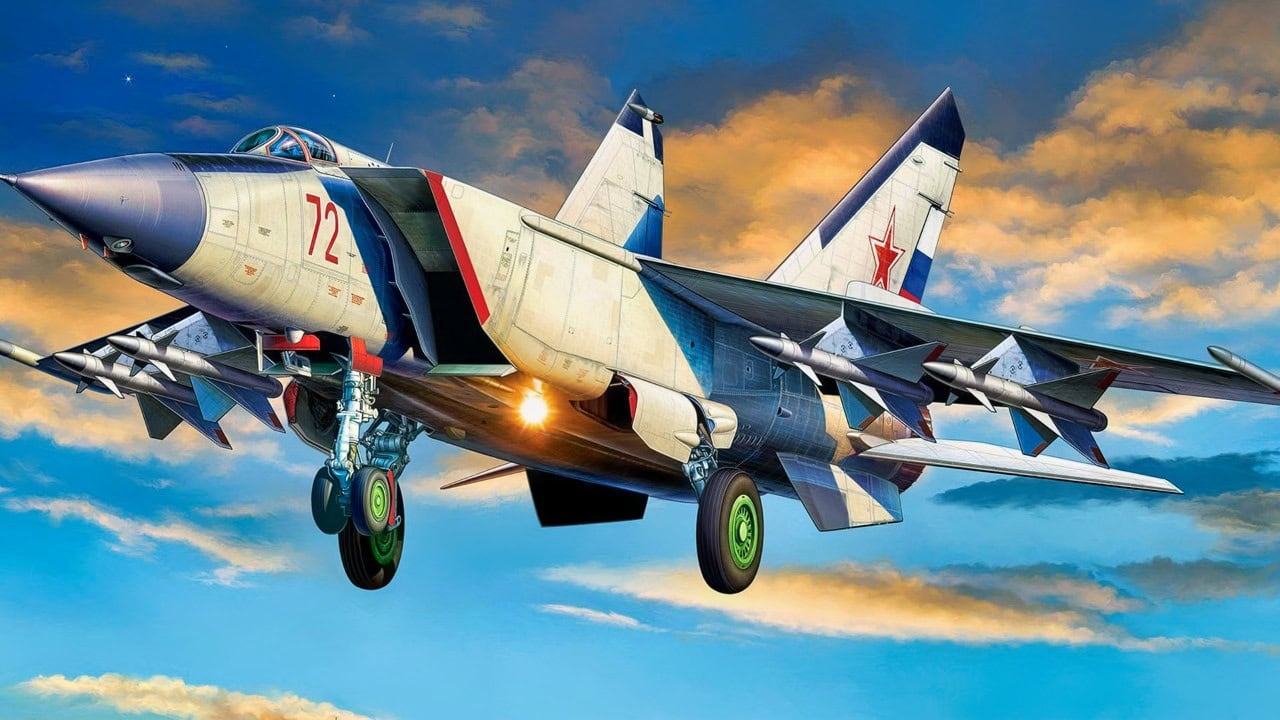
MiG-25 Russian Fighter-Bomber. Image Credit: Creative Commons.
Under normal circumstances, however, the MiG-25 struggled to catch the SR-71 because the American aircraft could exceed Mach 3 at altitudes the MiG-25 couldn’t reach. But with one J58 down, the relationship was inverted.
The SR-71 couldn’t just hit the gas and disappear; it was slower than the healthy MiG-25s.
Sweden Intervenes
Swedish controllers who had grown accustomed to seeing SR-71s patrol the Baltic Express recognized something abnormal in the flight profile of the hobbled “Rapid Rabbit.” JA 37 Viggens were scrambled to protect the crippled aircraft.
Decades later, four Swedish pilots were recognized for their involvement in the episode: Lars-Erik Blad, Roger Moller, Krister Sjoberg, and Bo Ignell.
The four Viggens operated in pairs as the SR-71 passed through and near Swedish-controlled airspace, forming up around the Blackbird and providing a fighter escort while it headed southwest.
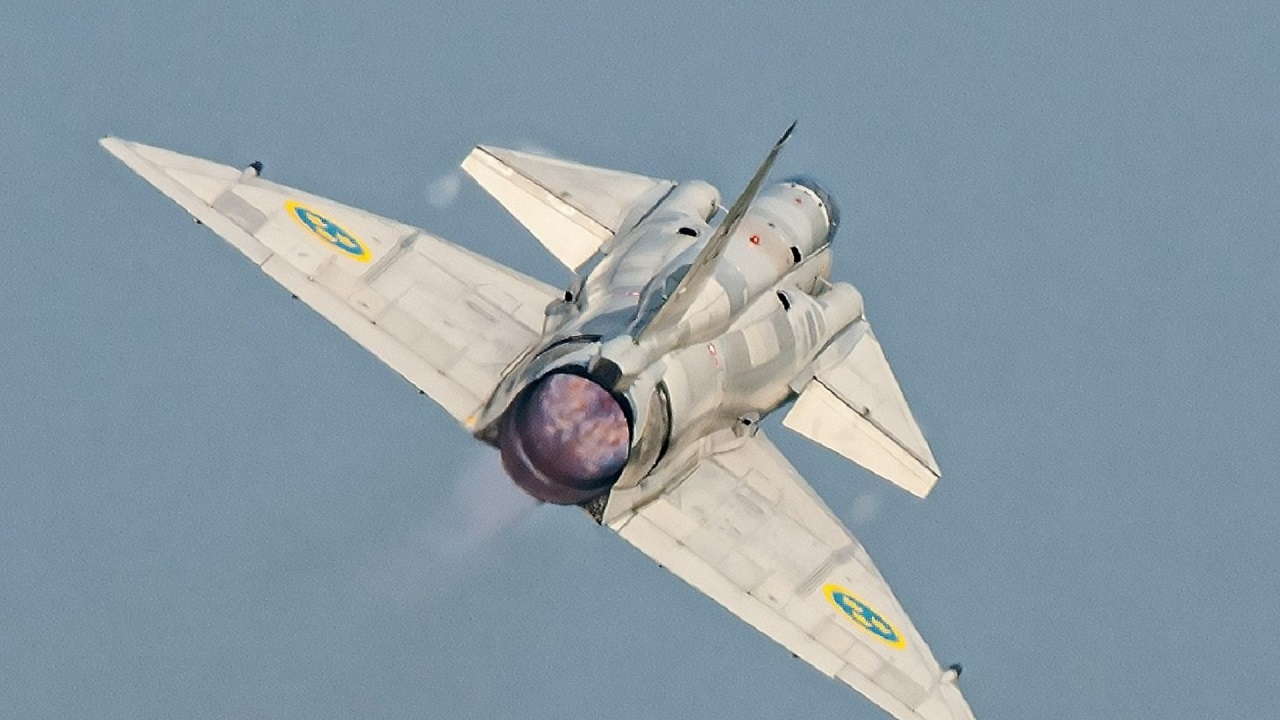
Saab 37 Viggen. Image Credit: Creative Commons.
The presence of armed Swedish fighters fundamentally complicated any Soviet attempt to continue an aggressive interception, as attacking the SR-71 now meant engaging Swedish aircraft and violating Swedish sovereignty.
With the assistance of the Swedes, the damaged SR-71 made it safely to West Germany, landing at Nordholz.
Decades of Secrecy
The episode was buried to avoid the inevitable political complications. Publishing the story would have revealed information about recon procedures, SR-71 vulnerabilities, emergency procedures, and details about cooperation with Sweden—which was supposed to be neutral.
Sweden was even more adamant about keeping the flight secret than the US; Sweden didn’t want to advertise that Swedish fighters had protected an American jet from Soviet fighters, as it would have violated Sweden’s carefully crafted policy of neutrality.
So it wasn’t until November 2018 that the US finally honored the four Swedish pilots, awarding them the US Air Medal for their bravery and assistance during the 1987 incident.
MORE – How the Iowa-Class Battleships Were Rebooted
About the Author: Harrison Kass
Harrison Kass is a writer and attorney focused on national security, technology, and political culture. His work has appeared in Tablet, City Journal, The Hill, The Spectator, and The Cipher Brief. He holds a JD from the University of Oregon and a master’s in Global & Joint Program Studies from NYU. More at harrisonkass.com.