How the YF-12 War Born and Failed: By the early 1960s, the United States Air Force had a problem. Advances in Soviet aircraft design were making its premier interceptor, the Convair F-106A, obsolete. The Delta Dart hadn’t been around long either. The first flew in 1955, and operational units didn’t receive them until 1959. The Dart could fly past Mach 2 and had broken speed records.
Soviet bombers were getting faster too.
The Dart was designed to intercept Soviet bombers over the North Pole before they could use their weapons.
If the US wanted to intercept them at those standoff ranges, it needed a faster plane.
One that could fly at Mach 3.
The Air Force thought it had found a replacement in North American Aviation’s XF-108 Rapier.
It could make Mach 3 and do the job, but by 1960 the Pentagon decided to cancel the program.
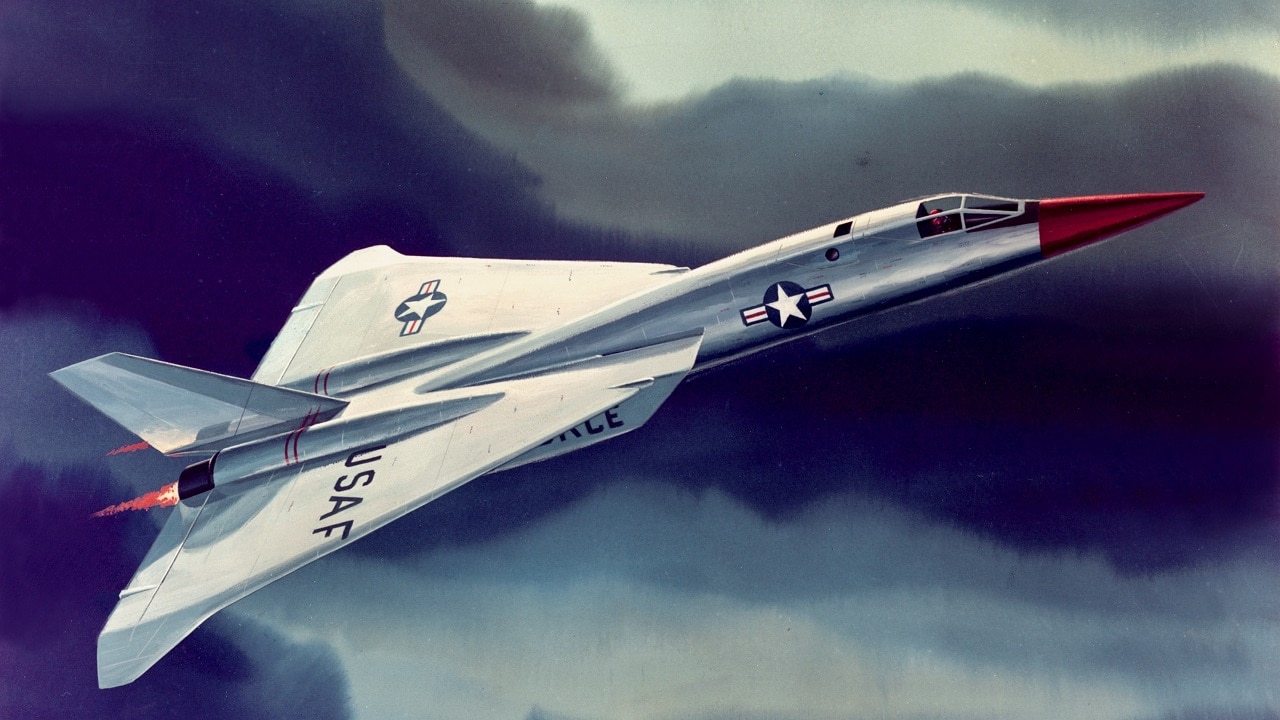
XF-108. Image Credit: Creative Commons.
Soviet defense priorities appeared to be shifting away from bombers toward nuclear missiles, and the XF-108 project was getting very expensive.
The Pentagon canceled the program in 1960.
The Air Force still believed it needed a Mach 3 interceptor.
That is where famed designer Kelly Johnson at Lockheed stepped in.
He was working on a high-speed reconnaissance plane that might fit the bill.
He proposed adding a cockpit for a radar intercept officer behind the pilot, redesigning the nose for a powerful Hughes AN/ASG-18 radar, and installing new AIM-47 Falcon missiles in three internal bomb bays.
More Than The US Air Force Hoped For
The result was the YF-12, and it was everything Johnson promised the Air Force.
It made its first test flight in August 1963, rocketing through the skies and setting a new speed record of 2,021 mph, almost 600mph faster than the F-106, and a new altitude record of 80,257 ft.
The Hughes radar worked perfectly.
The YF-12 fired 7 Falcon missiles during testing.
One missile malfunctioned, but the rest all hit their targets.
One Falcon was fired from an altitude of more than 74,000 feet and streaked down to hit a drone target skimming the Earth at just 500 feet.
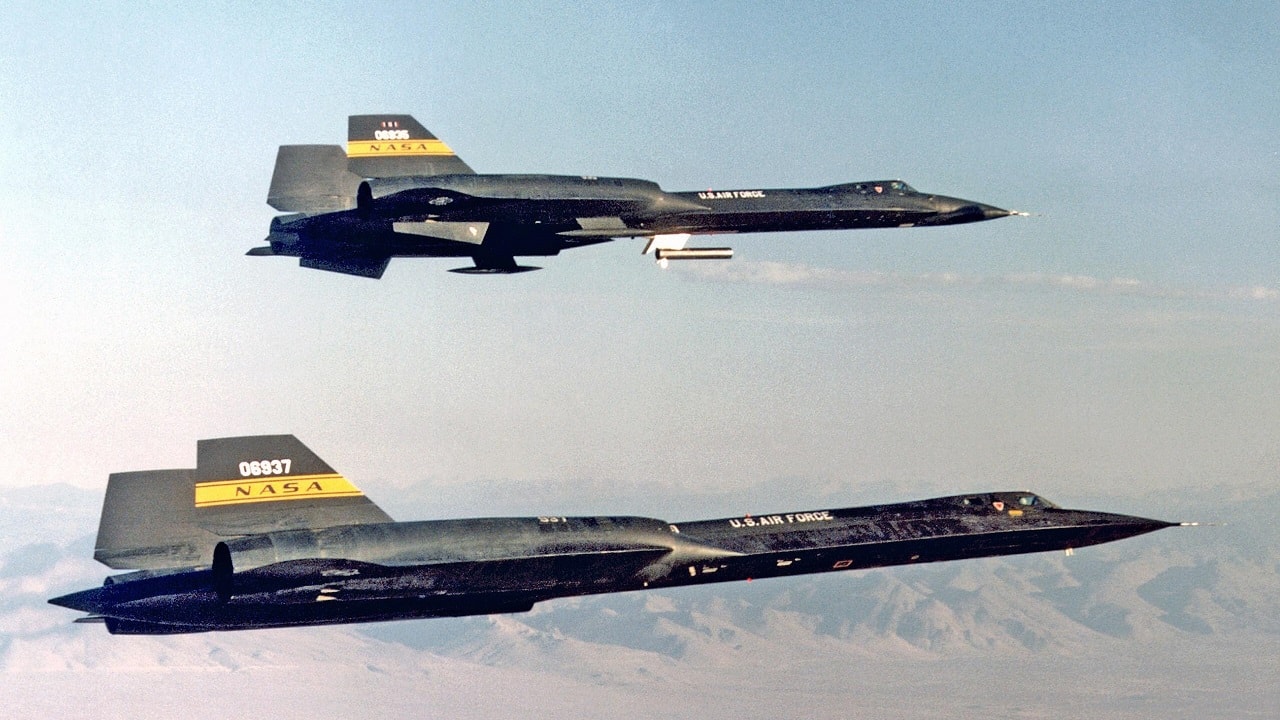
YF-12. Image Credit: Creative Commons.
The Air Force was so impressed that it immediately ordered 96 YF-12s from Lockheed, designating it the F-12. The Pentagon received a $90 million appropriation for further development and testing.
Lockheed built three YF-12s for the Air Force to test.
Defense Secretary Robert McNamara didn’t want the YF-12.
He decided the Vietnam Conflict was now the spending priority over interceptors and wanted an improved Delta Dart, the F-106X.
A Secret Hiding Within A Secret
This put Lockheed and the plane the YF-12 was derived from into something of a pickle.
He had delivered three YF-12s to the Air Force for testing, but they couldn’t fly them without funding.
Johnson had his new recon plane to fly and test, but he worried that every test flight would reveal its existence to the Soviets.
A clever piece of subterfuge covered all these angles.
In February 1964, President Johnson publicly announced the existence of a new interceptor he called the A-11.
The Los Angeles Times even had a picture of the plane and a feature story on its performance characteristics.
These performance specs were somewhat understated, as you might imagine.
The hope was that people who saw the sleek black plane in the skies would believe it was the new experimental interceptor being tested, not the much more secret reconnaissance plane actually being put into production: the SR-71 Blackbird.
The secret was a new surveillance aircraft that could overfly the Soviet Union at speeds and altitudes none of their aircraft or surface-to-air missiles could match.
Off To NASA
The three YF-12 prototypes were turned over to NASA to develop technology for the B-1 Bomber and for other high-speed, high-altitude tests for the military and the space program.
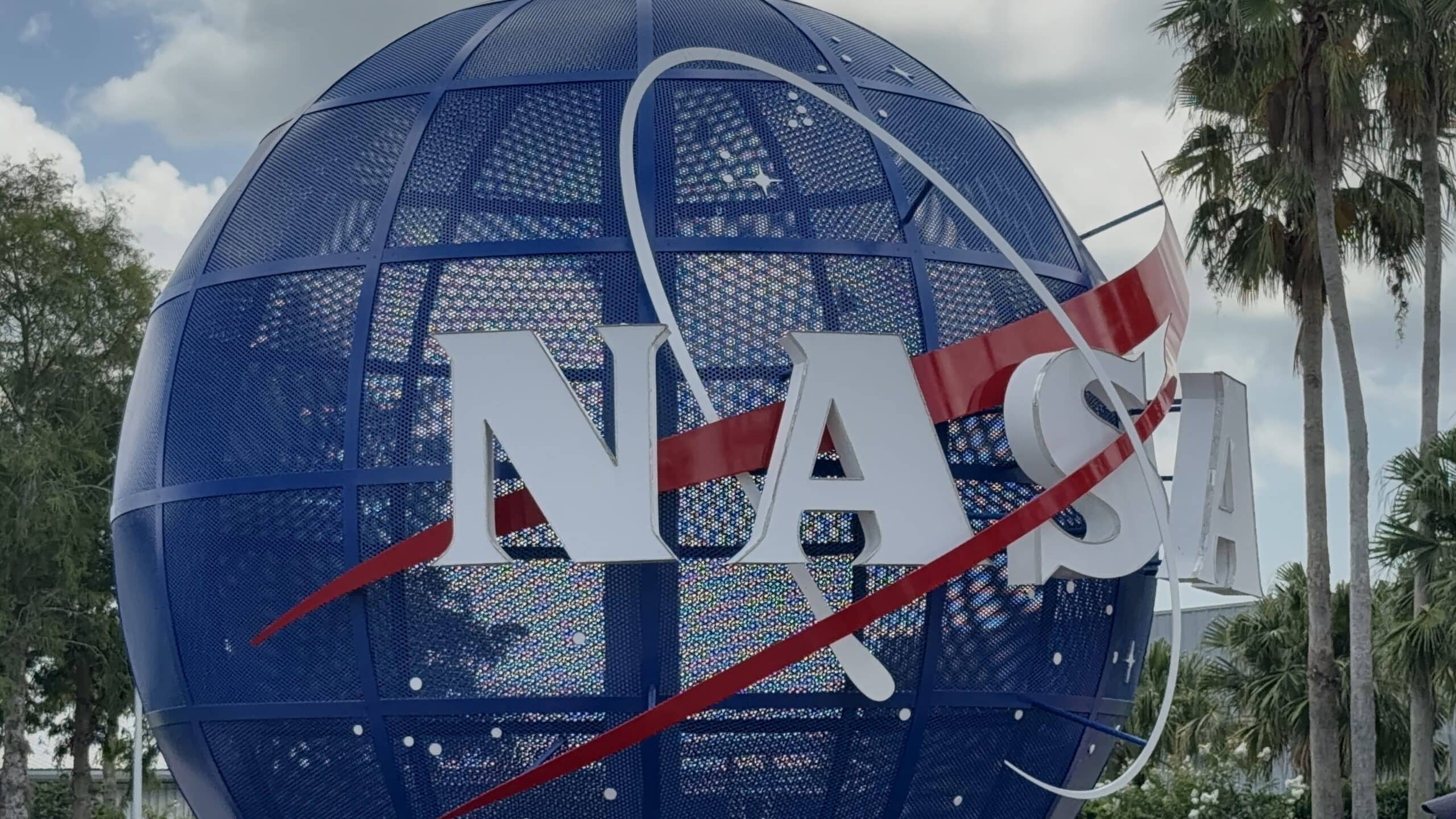
NASA’s Kennedy Space Center. Image Credit: Harry J. Kazianis
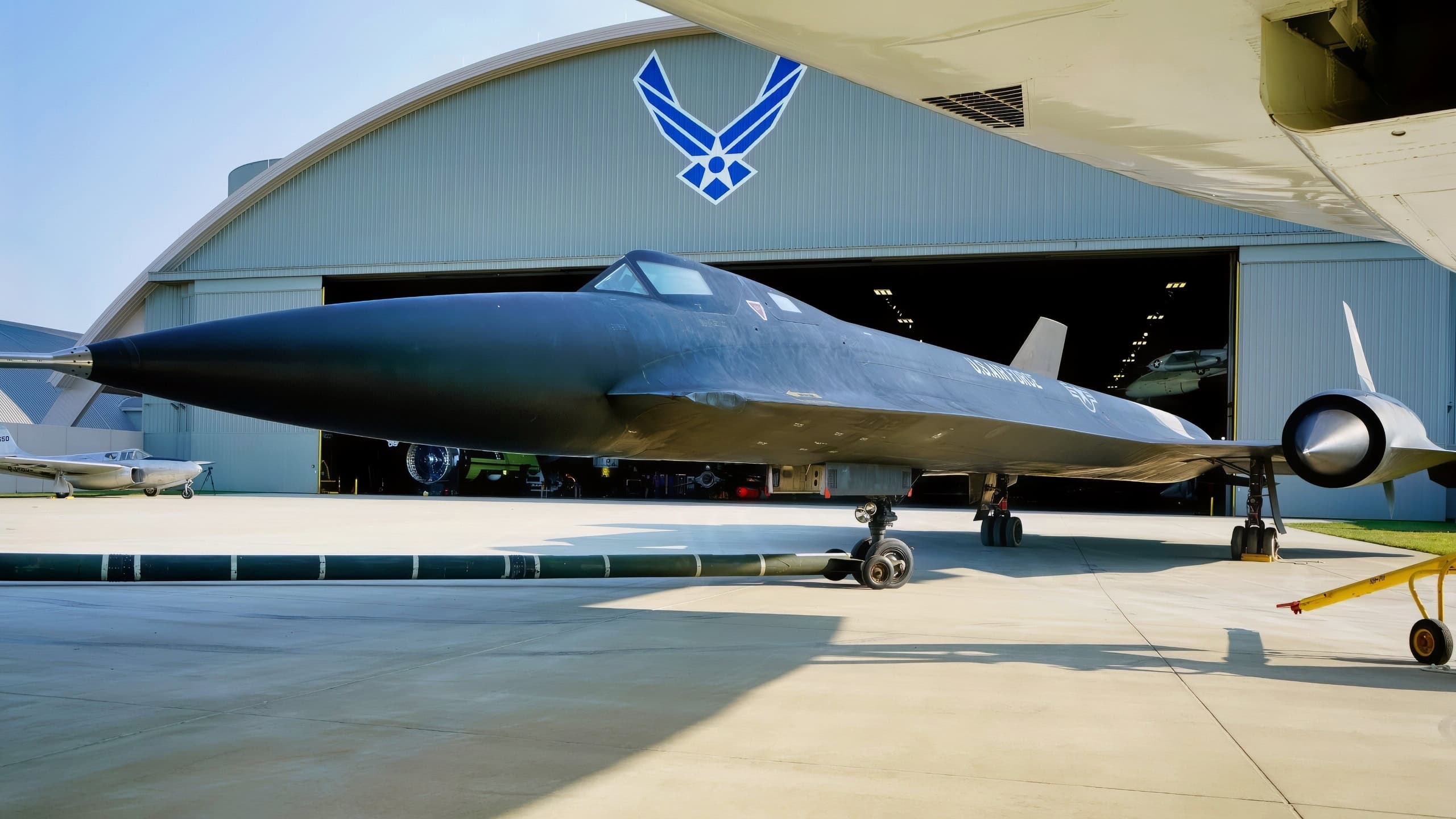
One was destroyed in a fire, another in a landing mishap, and the last remaining YF-12 is on display in Dayton, Ohio, at the National Museum of the United States Air Force.
TECHNICAL NOTES:
-Armament: Three Hughes AIM-47A missiles
-Engines: Two Pratt & Whitney J58S of 32,000 lbs. of thrust each (with afterburner)
-Crew: Two; Maximum speed: Mach 3+
-Range: 2,000+ miles
-Service ceiling: Above 80,000 feet
-Weight: 127,000 lbs. loaded
About the Author: Sean Spoonts
Sean Spoonts is the former Editor-In-Chief of SOFREP.com. He is a military analyst, writer, and commentator whose work has appeared in Newsweek, CNS News, Ukrinform, and various military/veteran media networks and professional publications, including the Military Intelligence Professional Bulletin. He is a U.S. Navy veteran, having served as an Aviation Anti-Submarine Warfare Operator and Search and Rescue Helicopter Aircrewman.