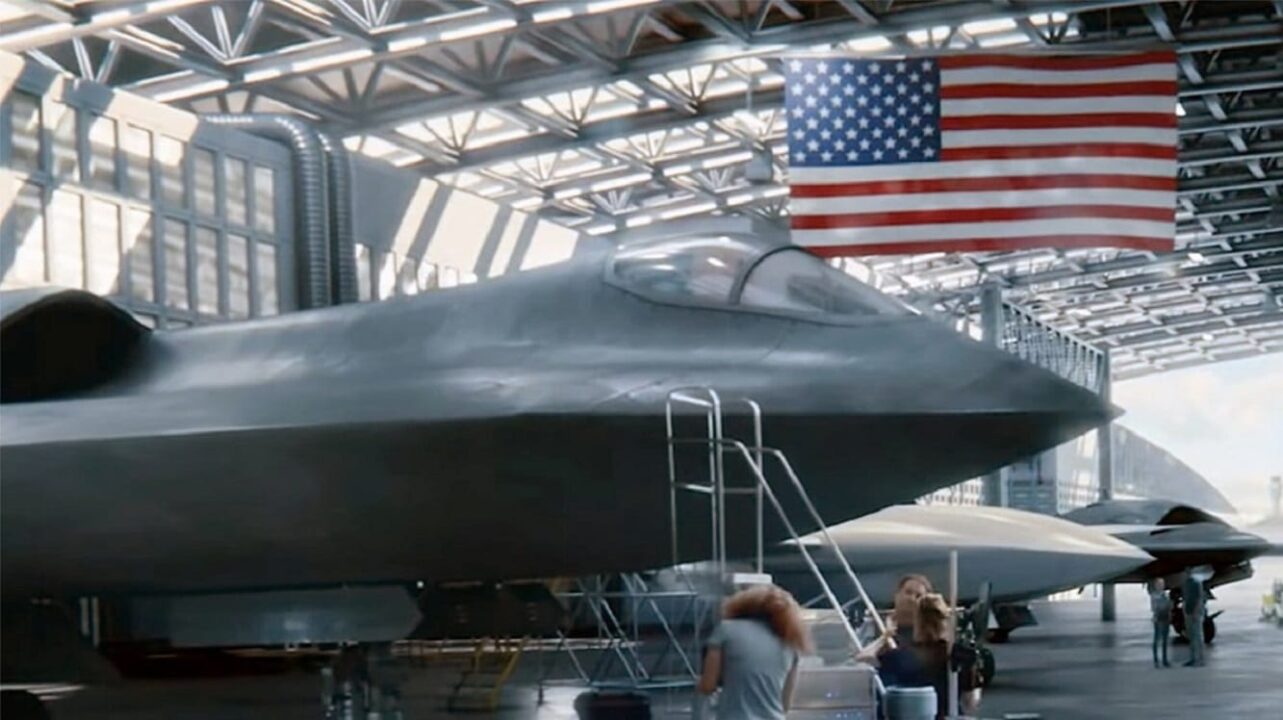
Summary and Key Points: The F/A-XX, meant to replace the aging F/A-18E/F Super Hornet, was repeatedly delayed, and the Pentagon initially tried to slow it before Congress funded it. Unlike the F-47, it must withstand catapult launches, arrested landings, and saltwater corrosion. Delays could leave the Navy with a severe capability gap.
F/A-XX and F-47 NGAD: The US Military’s Future or Too Much at Once?
The United States Air Force and Navy are very happy that the Trump administration and Congress allowed the two branches to develop their respective sixth-generation stealth warplanes.
Boeing is building both systems.
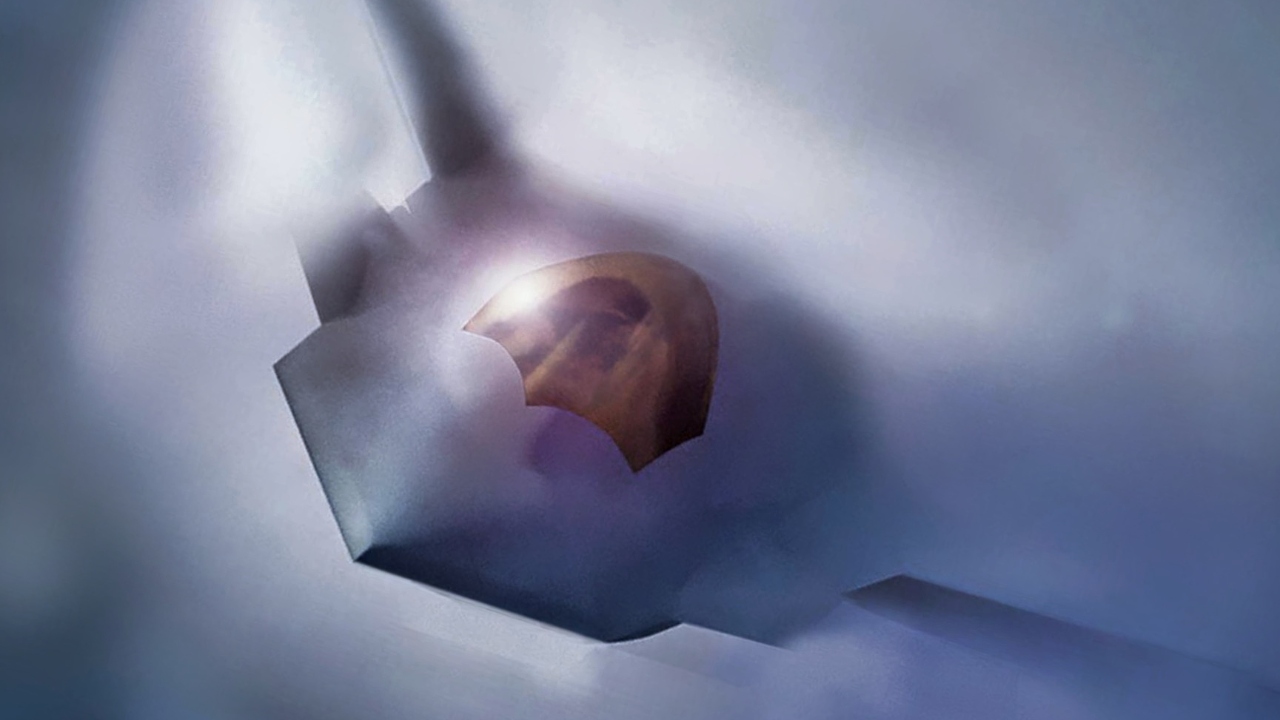
Shown is a graphical artist rendering of the Next Generation Air Dominance (NGAD) Platform. The rendering highlights the Air Force’s sixth generation fighter, the F-47. The NGAD Platform will bring lethal, next-generation technologies to ensure air superiority for the Joint Force in any conflict. (U.S. Air Force graphic)
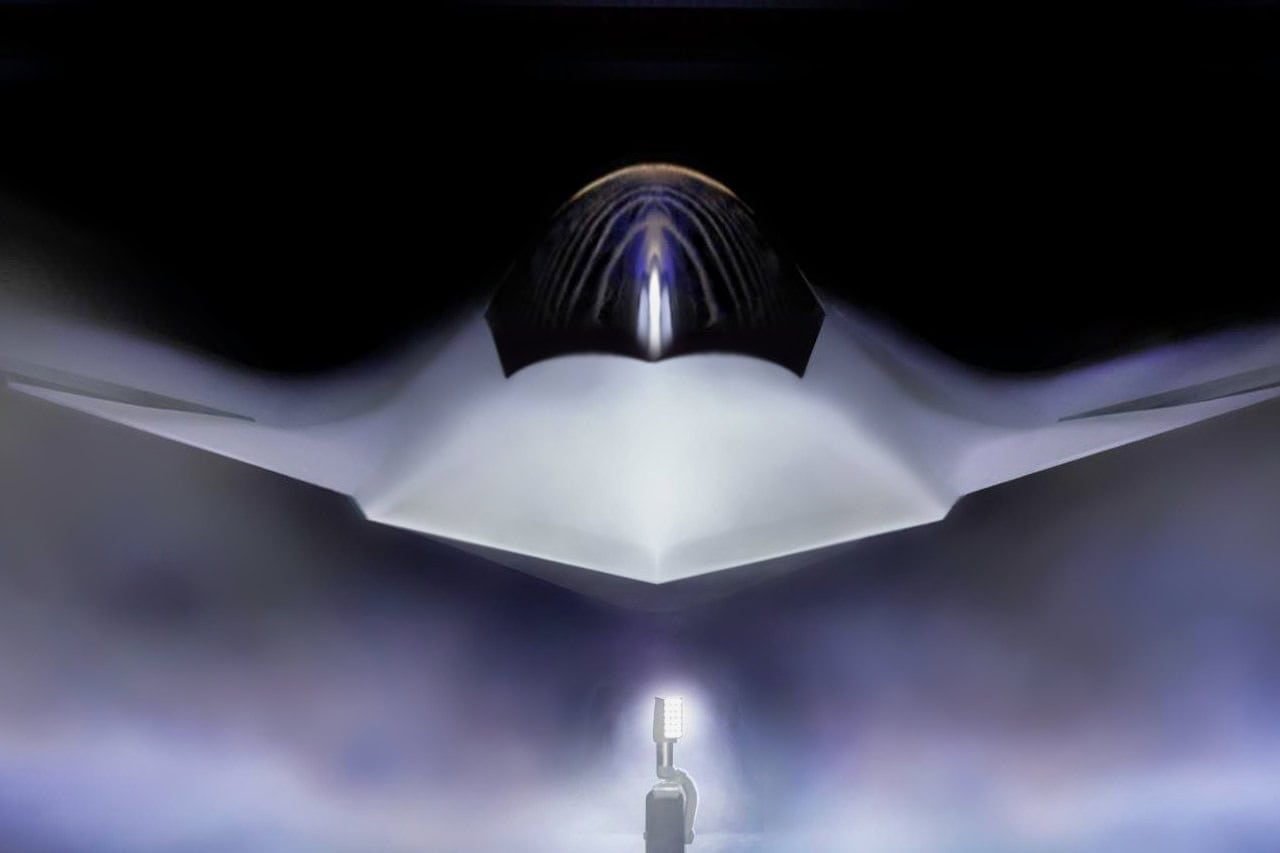
Shown is a graphical artist rendering of the Next Generation Air Dominance (NGAD) Platform. The rendering highlights the Air Force’s sixth generation fighter, the F-47. The NGAD Platform will bring lethal, next-generation technologies to ensure air superiority for the Joint Force in any conflict. (U.S. Air Force graphic)
The Air Force is getting the F-47 while the Navy is getting the F/A-XX.
These highly advanced, next-generation warplanes are designed to keep the United States military ahead of its competitors (notably China).
Yet, these planes are so complex and expensive that they will take an inordinate amount of time to develop.
What’s more, the once-vaunted defense industrial base of the United States has become so eroded since the end of the Cold War that both the Air Force and Navy might eventually get their planes–but these planes will lack the adequate numbers needed to survive and thrive on the modern battlefield.
The Pentagon has now raised serious concerns about the current defense industrial base’s ability to support developing both programs.
Air Force Gen. Dale R. White, the Pentagon’s senior weapons procurement official, warned in September that the shortages of skilled workers and inherent limitations in manufacturing capacity could significantly complicate efforts to build both aircraft on a meaningful timeline.
The Air Force
For the Air Force, the F-47 is the key element of the Next Generation Air Dominance (NGAD) program. The F-47 will incorporate advanced stealth technology with extended operational range, sophisticated sensors, and the ability to coordinate with autonomous Collaborative Combat Aircraft (CCA).
Boeing has started manufacturing the first F-47, with the Air Force aiming for an initial flight by 2028.
The Air Force insists that new development practices have drastically cut down on the time needed to build this aircraft.
Yet flight testing, software validation, and establishing a production infrastructure remain serious hurdles for the Air Force to overcome.
And the Pentagon worries that, even with the enhancements it made to streamline the overall production process, those changes will be insufficient compared with the Air Force’s requirements (especially if a major war with China erupts while the plane is still being developed).
The Navy
On the other hand, the Navy has the F/A-XX program.
That project has been delayed repeatedly, especially as Washington debated the utility of investing in the sixth-generation F/A-XX warplane.
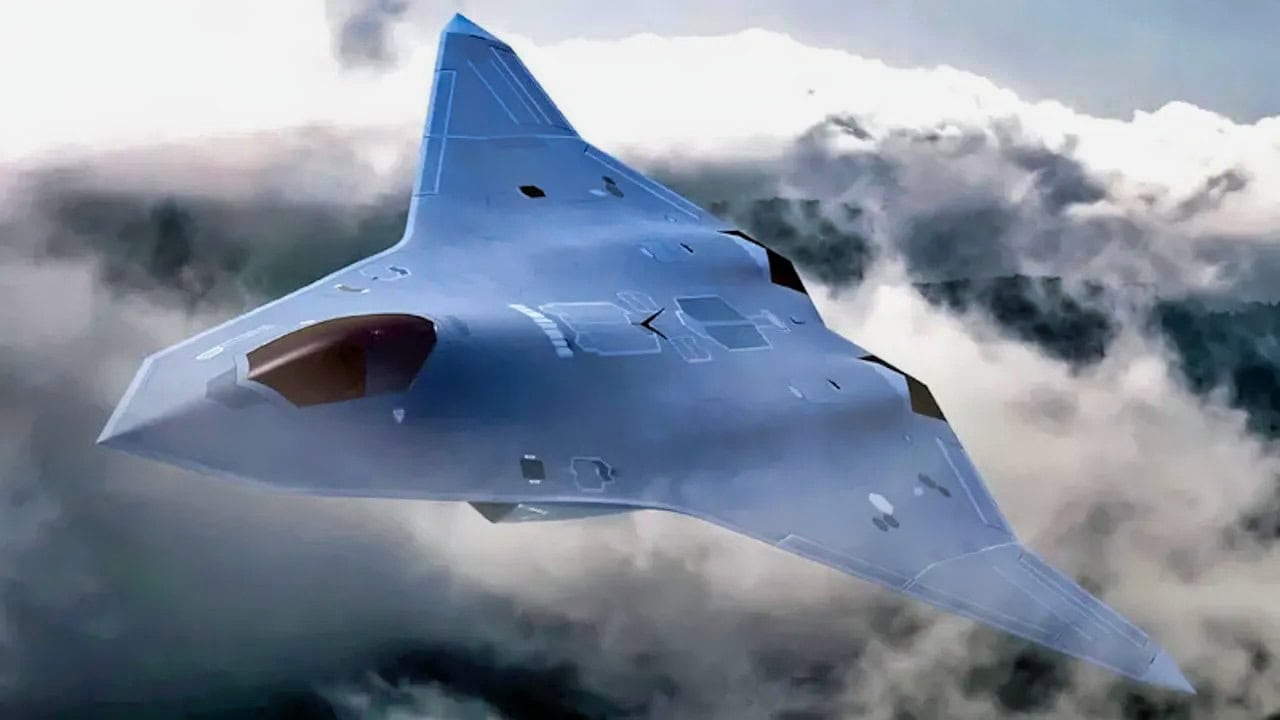
F/A-XX. Image Credit: Creative Commons.
Now that Washington has determined the Navy needs a new warplane to replace its aging F/A-18E/F Super Hornet, the Pentagon is investing heavily in the F/A-XX.
The new F/A-XX is expected to possess greater combat radius, improved stealth, advanced electronic warfare (EW) capabilities, and integration with uncrewed aircraft. But the program has been plagued by uncertainty.
For starters, Congress was unsure whether to fund both the F-47 and F/A-XX, given the exorbitant cost of the two programs and the strain on the defense industrial base.
It wanted both planes.
But funding concerns led the military to ask Congress to prioritize the F-47 over the F/A-XX.
When the Trump administration began, though, those calculations began changing significantly.
In fact, the Pentagon initially tried to slow down the F/A-XX program, arguing that concentrating resources on the F-47 would reduce pressure on the defense industrial base.
But Congress didn’t want that.
Instead, lawmakers funded the F/A-XX program.
Congressional appropriators believed that aircraft were necessary to maintain American air superiority over China.
That belief grew stronger once China’s sixth-generation warplane started doing victory laps around Chinese provinces two years ago, a clear signal to Washington that Beijing was ahead.
One reason the Trump administration ultimately selected Boeing to build both planes was that the F-47 and F/A-XX share many characteristics; it was more economical to have one defense contractor build both so they could keep them similar (reducing cost and development time).
Different Strokes for Different Branches
Of course, it won’t be identical.
After all, carrier-based planes and ground-launched Air Force planes are fundamentally different.
The F/A-XX must withstand arrested landings and catapult launches while resisting saltwater corrosion.
But the problem remains the ailing infrastructure undergirding America’s defense industrial base, and demand for increasingly advanced platforms is exacerbating it.
Both of these fighters will require specialized engineers, advanced manufacturing equipment, extremely sophisticated electronics, and extensive testing.
Plus, the Air Force still needs to maintain the aging F-35s, B-21, and other aircraft that may require the same specialized workforce as the F-47 and F/A-XX.
Because that workforce is relatively small, demand will undoubtedly cause delays.
Such a delay could create a severe capability gap for the Navy, as the Super Hornets age and China’s military aviation capabilities improve.
At the same time, accelerating both the F-47 and the F/A-XX puts additional pressure on an already strained industrial base. These programs should be expected to suffer delays, and the military should prepare for serious capability gaps as a result.
About the Author: Brandon J. Weichert
Brandon J. Weichert is the Senior National Security Editor at 19FortyFive.com. He also manages The Weichert Brief on Substack. Weichert is the co-host of The Mario Nawfal Show on Twitter/X. He is the author of four bestselling national security books, most recently A Disaster of Our Own Making: How the West Lost Ukraine (Encounter Books). His next book, Fortress Americas: A New Monroe Doctrine (Tucker Carlson Books), is due out December 8. Follow him via Twitter/X @WeTheBrandon.