
Summary and Key Points: U.S. Army General George S. Patton built a reputation around three battlefield virtues: speed, simplicity, and boldness.
-After the Normandy breakout, the United States Army Third Army drove hard across France, exploiting breaches with armor, reconnaissance scouts, and tactical air support—until logistics and caution slowed the advance.
-At the Moselle River near Metz, Patton forced a costly crossing under heavy fire to win a bridgehead.
-Then, during the Bastogne crisis, he pivoted the army in a sharp counterthrust to relieve besieged defenders—an object lesson in fast decision-making under pressure.
George S. Patton’s “Golden Rules of War” Explained in 3 Lightning-Fast Campaign Moves
“Success in war depends on the ‘golden rules of war’: Speed, simplicity, and boldness” -General George S. Patton
Historical accounts are somewhat vague on when Patton delivered the quote shared here, but the statement fits his attitudes about warfare.
A couple of occasions stood out, during the great general’s World War II command, when Patton moved fast.
Smashing After Normandy
According to We Are the Mighty, Patton had sought, but had not been granted, command of the force invading Normandy in 1944. Instead, he led the fictitious First United States Army Group to deceive the Germans in what was known as “Operation Fortitude South.”
He was also training the Third Army, which was quite real.
“Once the Allies had secured a beachhead, Patton took Third Army to Northern France, where it became operational on August 1, 1944. By the time Third Army went into action, the Allies had spent nearly two months fighting for a breakout to no avail,” We Are the Mighty writes. The trouble was the “thick Norman hedgerows and stiff German resistance.”
But the breakout would come before long.
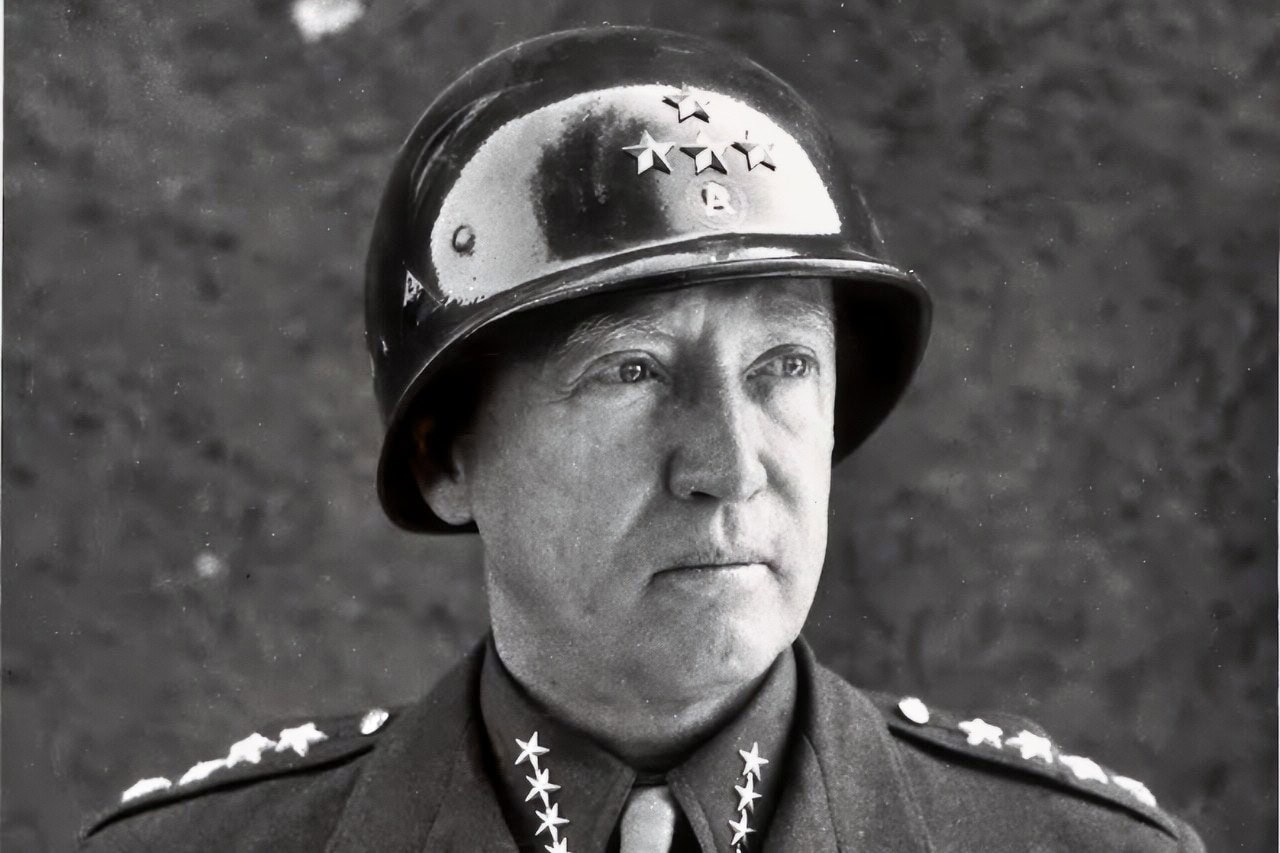
U.S. Army General George Patton

U.S. Army General George Patton. Image Credit: Creative Commons.
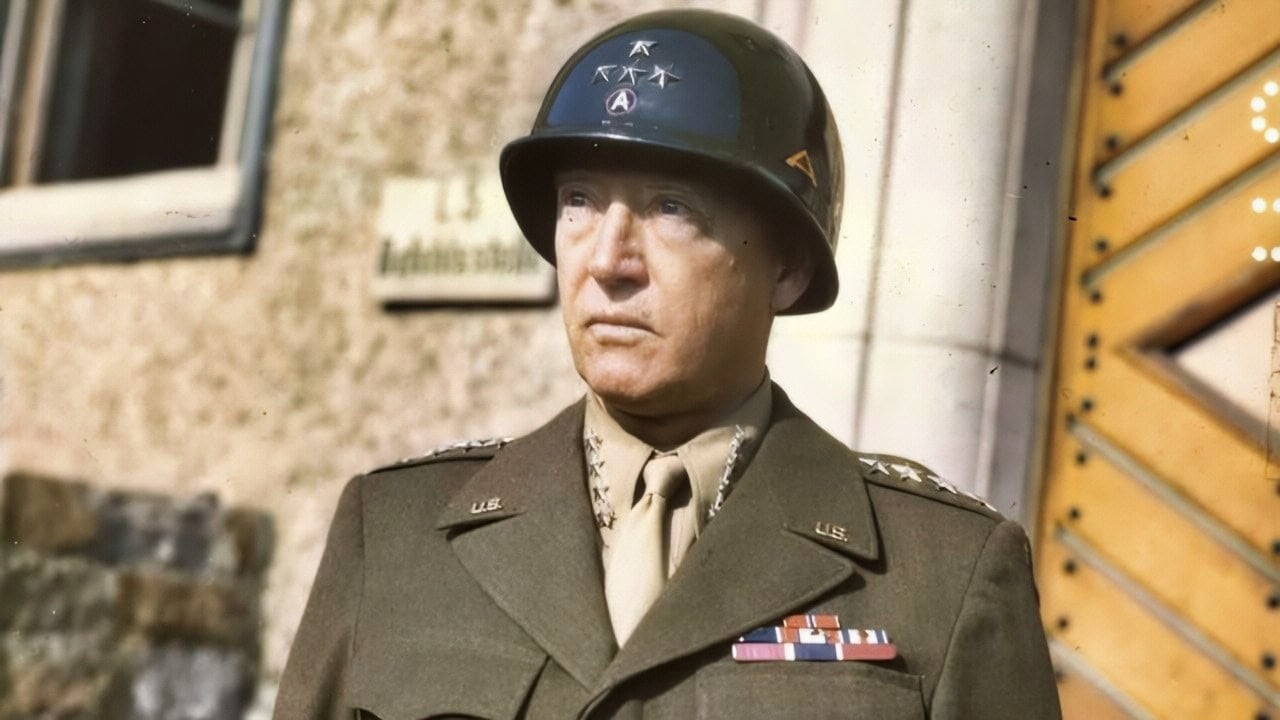
General George Patton U.S. Army Photo
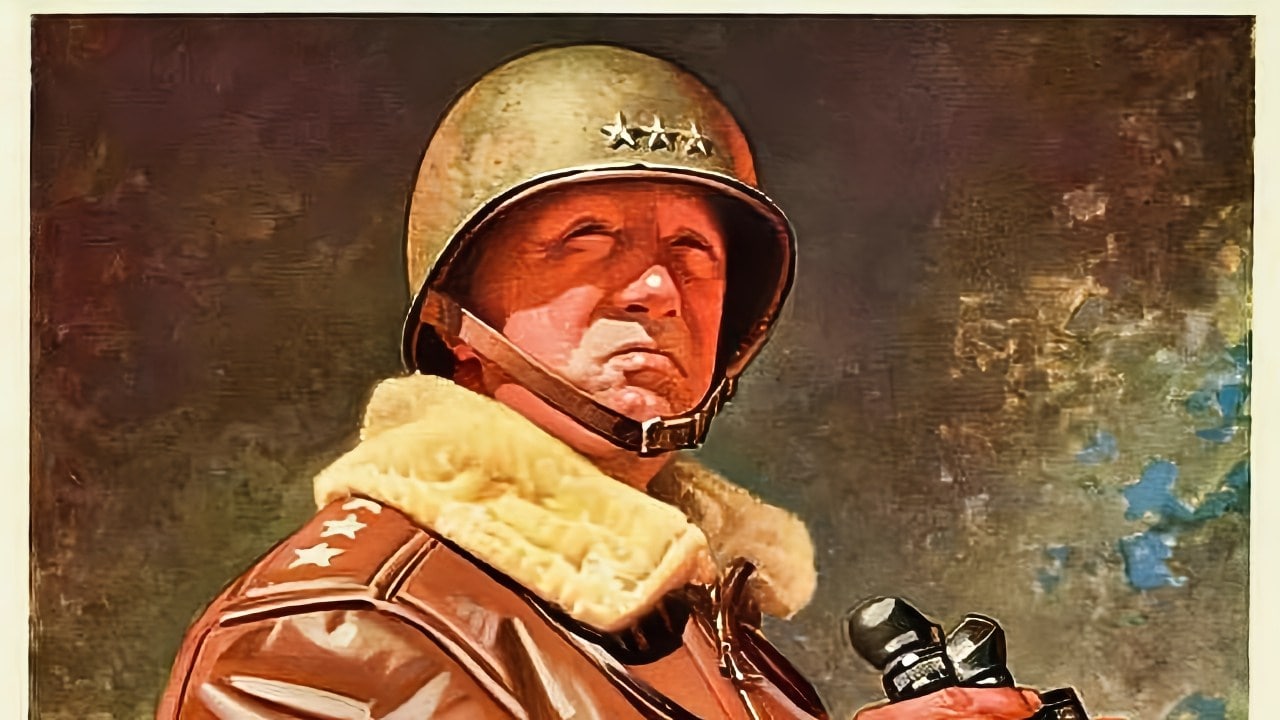
General George Patton. Image Credit: Creative Commons.
Patton soon turned his Army “east, west, and south behind the German lines and went looking for trouble.” The Army got through those troublesome hedges. “Patton would use armored reconnaissance scouts to range ahead of his forces to find the enemy. Once found, he used his armored divisions to spearhead the attacks. Armored infantry, supported by tanks and self-propelled artillery, would attack in force. Every breach in German lines was exploited by more armor which kept the Germans from being able to effectively regroup,” according to We Are the Mighty.
Patton also turned to tactical air support, then a relatively new concept.
“Making the best of these new techniques, much like the Germans had with the Blitz, Patton’s first moves were to drive south and west to cut off the Germans in Brittany and open more ports on the coast to Allied shipping,” the account continued. “Using speed and aggression, Third Army had reached the coast in less than two weeks. Those forces then turned around 180 degrees and raced east across France.”
The strategist seemed to be working and Patton’s army pushed the Germans east. And, according to We Are the Mighty, “Patton was driving his men hard to effect a link-up and trap Germans attempting to retreat from Normandy.”
However, General Omar Bradley called Patton off.
“His forces were fighting the Germans all over Northern France, [and] Patton could only commit four divisions to blocking German escape to the south. Bradley was worried that stretching Patton’s line further could lead to him being overrun by German forces desperate to escape the trap,” We Are the Mighty’s account shares.
By August 1944, Paris was liberated, with the French 2nd Armored Division joining Patton’s 4th Infantry Division.
However, “As Third Army drove hard towards the French province of Lorraine, they finally outran their supply lines.” Because the supplies had to be spread out a bit, the account said, “the men of Third Army would have to wait for their chance to drill into Germany.”
Crossing the Moselle
In September of 1944, Patton made his daring crossing of the Moselle River. The New York Times shared the tale under a story with the headline “Moselle Crossing Costly to Patton: Three U.S. Attacks Repulsed Before Bridgehead Is Won in Area East of Metz.”
“Before noon today, the American first troops had crossed the Moselle River in the Metz area. Late this afternoon they were reported to have established a firm foothold on the east bank of the river, and additional troops were joining them,” the Times wrote.
It was far from easy, according to that report:.
“Forcing the crossing under heavy fire and in a driving rain, platoon riflemen were the first Americans in this sector to make a crossing and then beat off the Germans who attempted to push them back into the river. A previous attempt to cross the river had been hurled back by the Germans, who are along the river in considerable strength.”
A Maneuver During the Battle of the Bulge
Another example of moving fast came later that year, in December, in the midst of the Battle of the Bulge. Patton came up with a plan to relieve besieged Allied forces who were defending Bastogne, Belgium.
According to a History Channel account, the U.S. 101st Airborne Division had been defending the Belgian town. “Food, medical supplies, and other resources eroded as bad weather and relentless German assaults threatened the Americans’ ability to hold out.”
In came Patton with a bold plan.
“Employing a complex and quick-witted strategy wherein he literally wheeled his 3rd Army a sharp 90 degrees in a counterthrust movement, Patton broke through the German lines and entered Bastogne, relieving the valiant defenders and ultimately pushing the Germans east across the Rhine,” the account said.
About the Author: Stephen Silver
Stephen Silver is an award-winning journalist, essayist, and film critic, and contributor to the Philadelphia Inquirer, the Jewish Telegraphic Agency, Broad Street Review, and Splice Today. The co-founder of the Philadelphia Film Critics Circle, Stephen lives in suburban Philadelphia with his wife and two sons. For over a decade, Stephen has authored thousands of articles that focus on politics, national security, technology, and the economy. Follow him on X (formerly Twitter) at @StephenSilver, and subscribe to his Substack newsletter.