
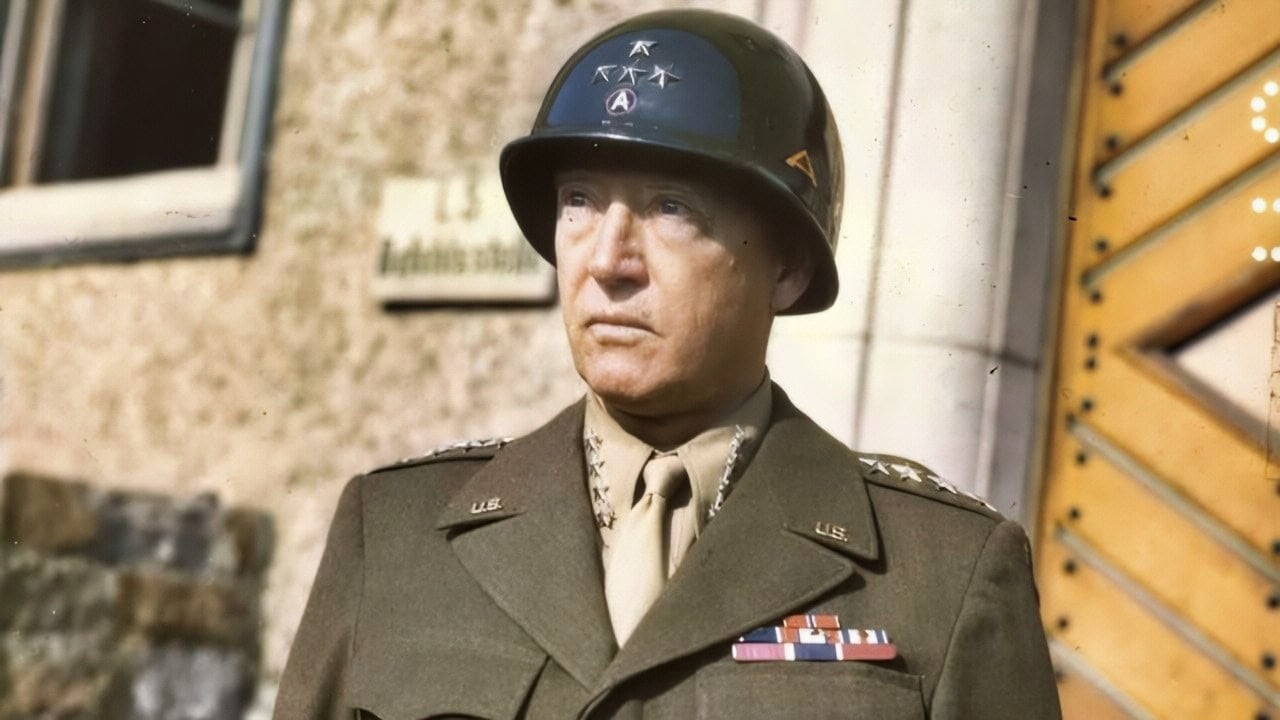
Summary and Key Points: General George Patton’s famous quote, “Accept the challenges so that you can feel the exhilaration of victory,” exemplified his aggressive leadership style during World War II.
-After the humiliating American defeat at Kasserine Pass in 1943, Patton quickly restored the Army’s confidence by securing its first major victory against German forces at the Battle of El Guettar just a month later.
-In December 1944, during the Battle of the Bulge, Patton again proved decisive when Allied leadership faltered; he pivoted the entire Third Army in brutal winter conditions to break the siege of Bastogne, emerging as the only senior Allied general to enhance his reputation during the near-disaster.
“Exhilaration of Victory”: Patton’s Boldest WWII Triumphs
“Accept the challenges so that you can feel the exhilaration of victory.” – General George Patton
Yet another quote belonging to General George Patton, one of the U.S. Army’s all-time most beloved yet controversial generals.
This particular nugget reminds me of the saying by legendary Green Bay Packers head coach Vince Lombardi: “Any man’s finest hour is when he has worked his heart out in a good cause and lies exhausted on the field of battle—victorious.”
General Patton loved taking on challenges, and multiple times he pushed past the bounds of what other generals thought possible, attaining the exhilaration of victory through sheer will.
The Battle of the Bulge AKA The Ardennes Offensive (December 16, 1944 – January 28, 1945)
Thanks to a major intelligence failure—and the complacent dithering of Dwight David Eisenhower and Omar Bradley—the Battle of the Bulge could have been a huge disaster for the Allies.
Much like the Tet Offensive during the Vietnam War 23 years later, the Americans were caught completely off-guard.
However, there was no way George Patton was simply going to roll over and accept defeat. As acclaimed historian Alex Kershaw puts it in a 2023 article for Friends of the National WWII Memorial, “I knew that his finest hours came during the Battle of the Bulge. …
“He was also the only senior Allied general to emerge from the Battle of the Bulge with his reputation enhanced. …
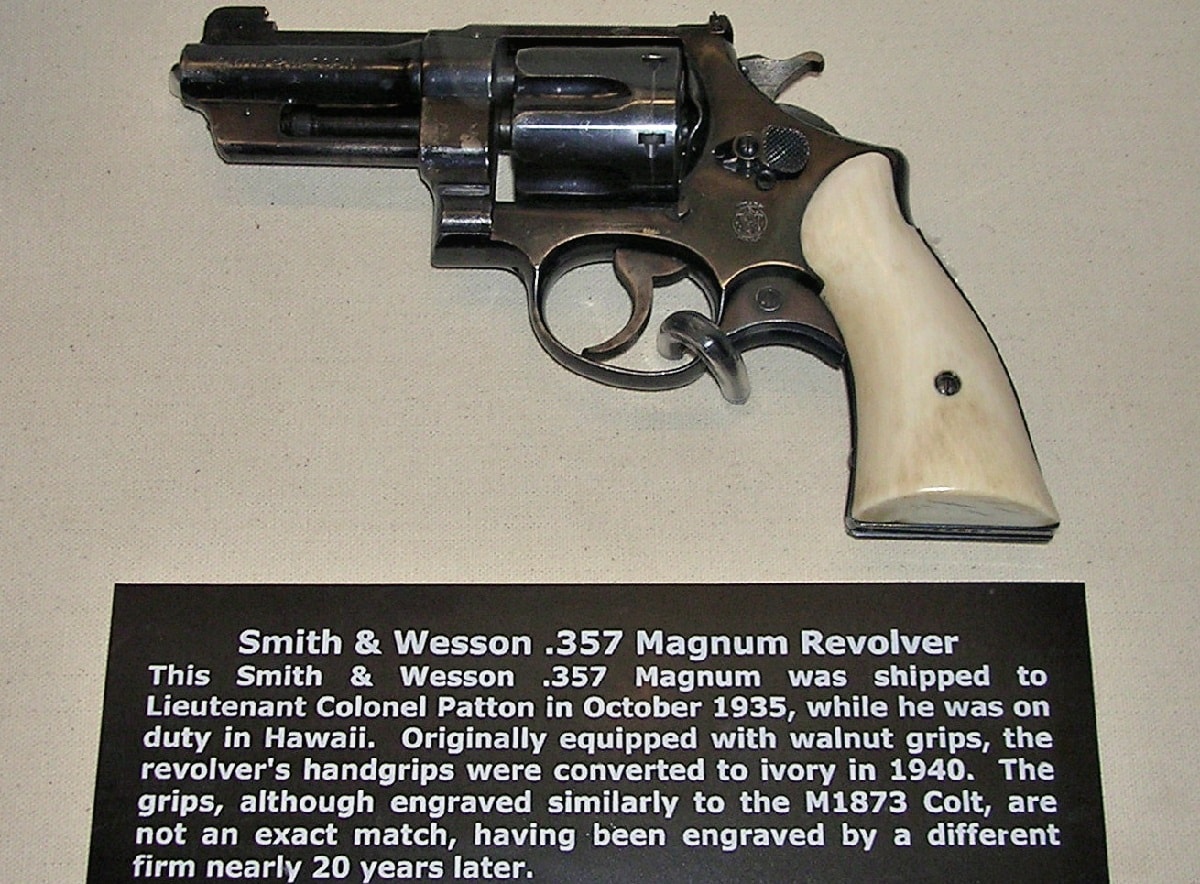
Patton’s well-known custom ivory-handled revolver.
“When Allied Supreme Commander Dwight Eisenhower held a crisis meeting on December 19, 1944, Patton alone promised and then delivered decisive action, pivoting his entire Third Army of over 250,000 men, and hundreds of tanks, in atrocious conditions, and then sending the 4th Armored Division to break the German siege of Bastogne.”
A classic example of victory being snatched from the jaws of defeat—thanks to Patton’s sheer willpower and force of personality.
Battle of El Guettar (North Africa/Tunisia Campaign), March 23, 1943 – April 3, 1943
While Patton’s triumph at the Ardennes staved off a near-disaster, his victory at El Guettar 21 months before followed an actual U.S. military disaster: the Battle of Kasserine Pass, which was the first major engagement between U.S. and Axis forces in Africa.
The battle took place from February 19-24,1943, and it was a humiliating rout for the Yanks, who lost 3,300 killed and wounded, 3,000 taken prisoner, as well as 183 tanks, 616 vehicles, and 208 field guns, Axis troops only lost 989 killed and wounded, 608 prisoners taken, as well as 20 tanks, 67 vehicles, and 14 fields guns.
Only Allied airpower prevented this from being a more lopsided defeat.
Some senior officers might have been content to pull back, lick their metaphorical wounds, rebuild, and regroup. After all, in the Pacific Theater of Operations, after the Pearl Harbor raid, it took American four months to launch the Doolittle Raid on Tokyo, and six months to fight the decisive, tide-turning Battle of Midway.
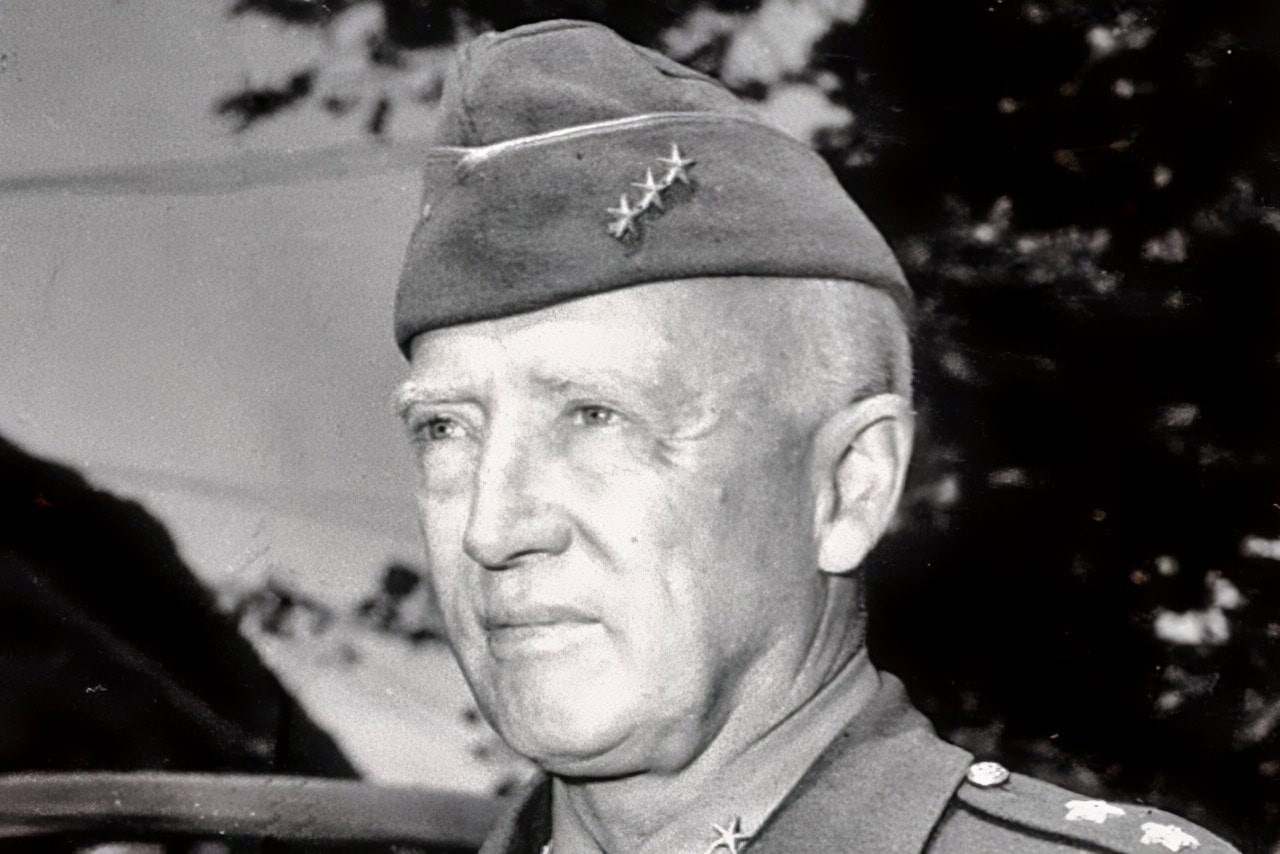
George S. Patton Quote of the Day. Creative Commons Image.
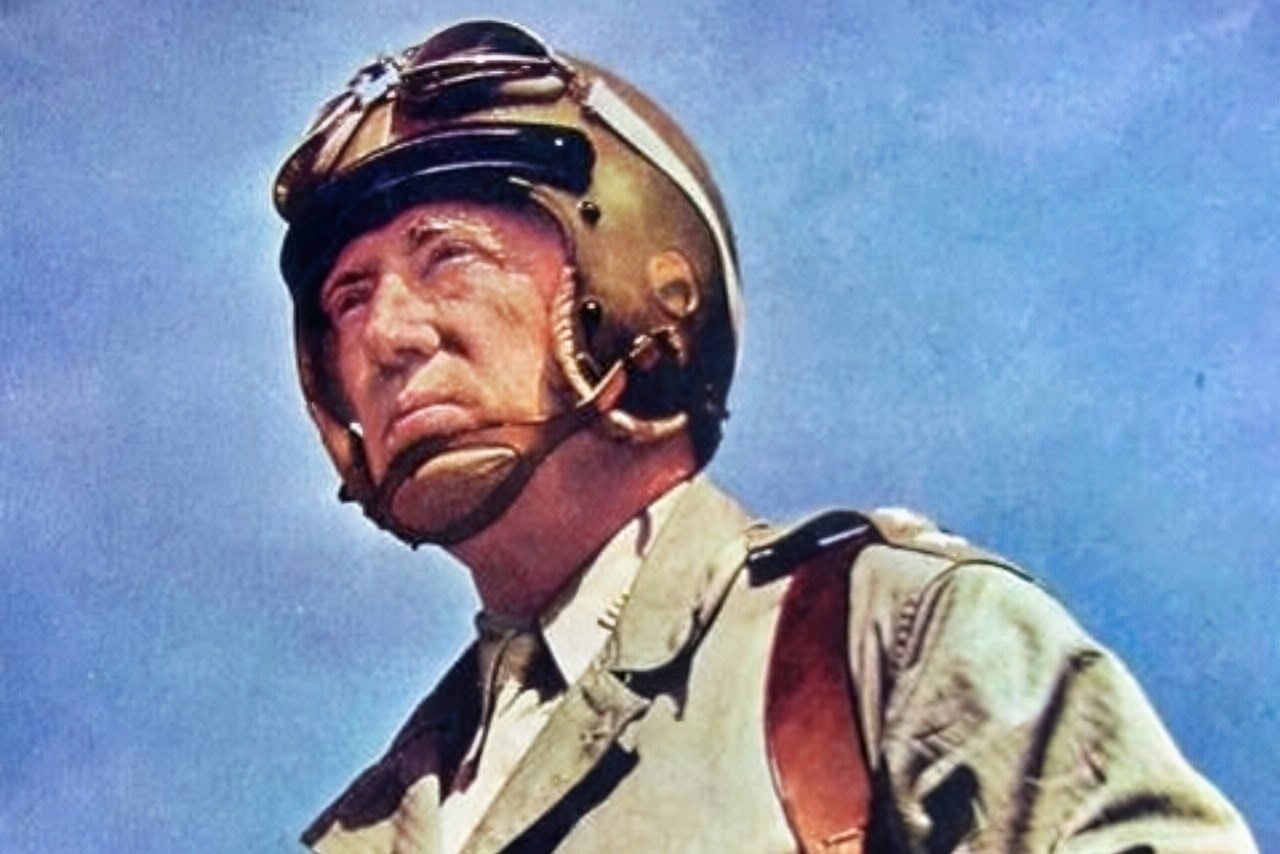
General George Patton of the U.S. Army. Image Credit: Creative Commons.
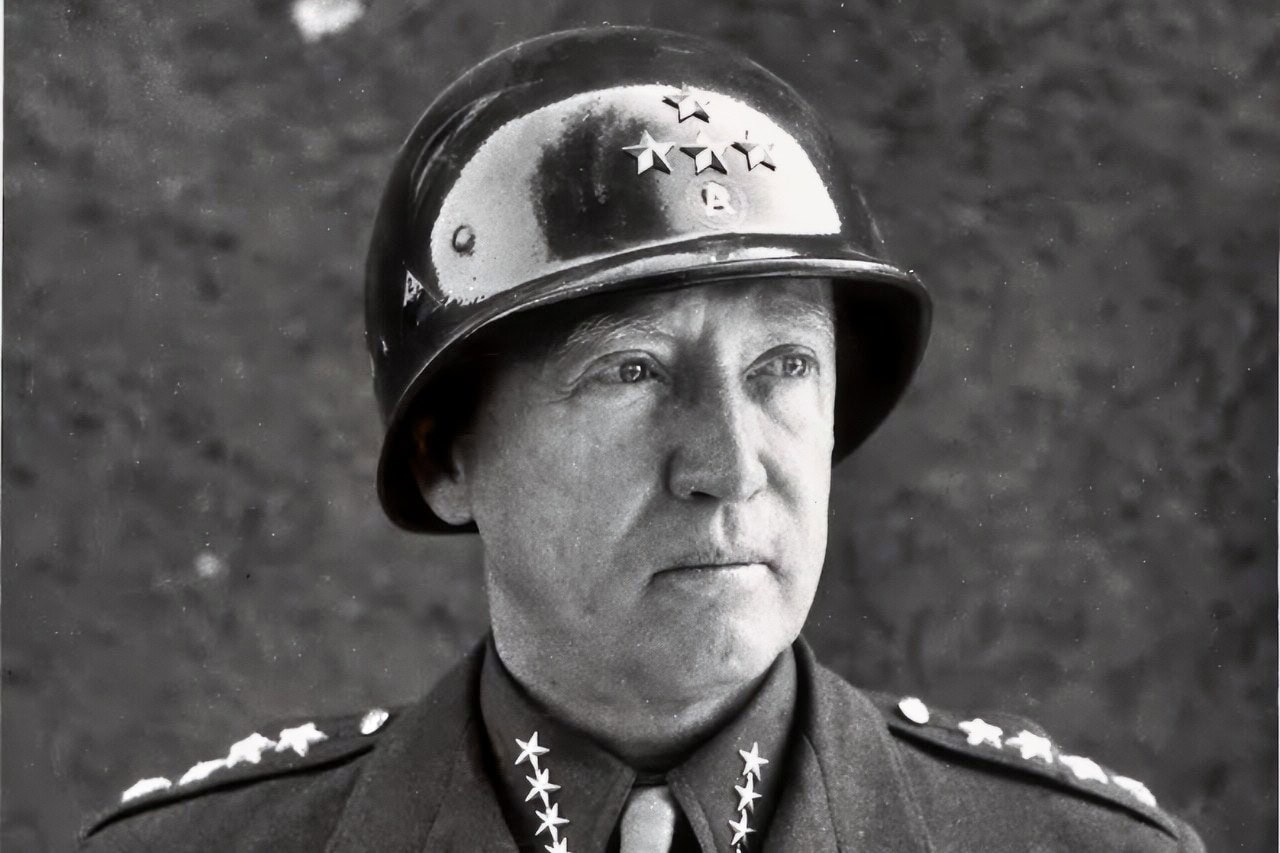
U.S. Army General George Patton
George Patton had no such patience for waiting around. Thanks to his fiery leadership, the U.S. Army’s reputation and confidence were restored just over a month later. The proving ground was El Guettar, a town in central Tunisia situated north of a lake and south of desert hill ridges.
According to the American Battlefield Monuments Commission, it “proved an important geographic location for the Allies to control in their effort to maintain pressure on the Germans in North Africa.”
When all was said and done, the U.S. 601st Tank Destroyer Battalion lost 14 men and 21 of its 31 M3 halftrack tank destroyers, in exchange destroying 37 German panzers among 52 armored vehicles.
The Germans lost an estimated total of 4,000–6,000 killed or wounded. As noted by Stephen L. Moore of Military History Now, “For George Patton, it would prove to be his first big victory, and the U.S. Army’s first major triumph against the German army in World War Two.”
About the Author: Christian D. Orr, Defense Expert
Christian D. Orr is a Senior Defense Editor. He is a former Air Force Security Forces officer, Federal law enforcement officer, and private military contractor (with assignments worked in Iraq, the United Arab Emirates, Kosovo, Japan, Germany, and the Pentagon). Chris holds a B.A. in International Relations from the University of Southern California (USC) and an M.A. in Intelligence Studies (concentration in Terrorism Studies) from American Military University (AMU). He is also the author of the newly published book “Five Decades of a Fabulous Firearm: Celebrating the 50th Anniversary of the Beretta 92 Pistol Series.”