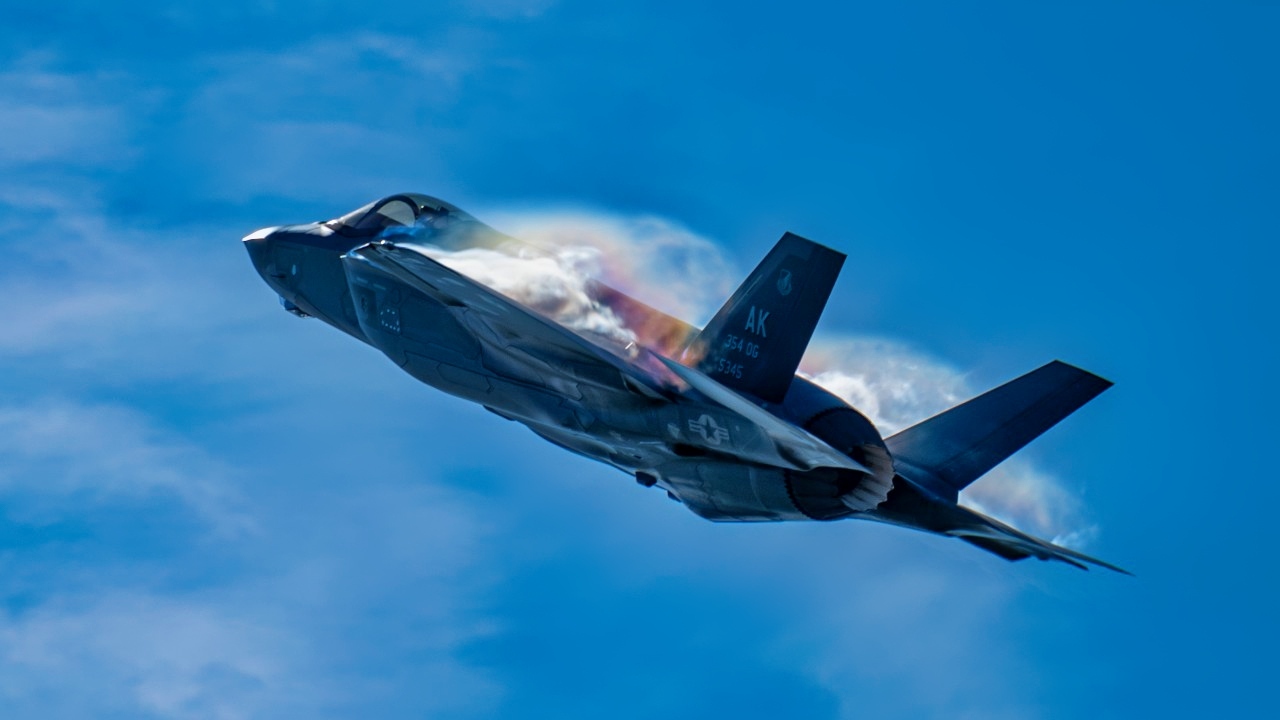
Trump’s Greenland Threat Sparks NATO Crisis Talk—and Europe’s Pushback Is Blunt
American President Donald Trump’s desire to acquire Greenland, the semi-autonomous island off the Canadian coast, threatens to drive a rift into the NATO alliance, a source of friction that the collective defense group has not experienced since its creation in 1949 in the aftermath of the Second World War.
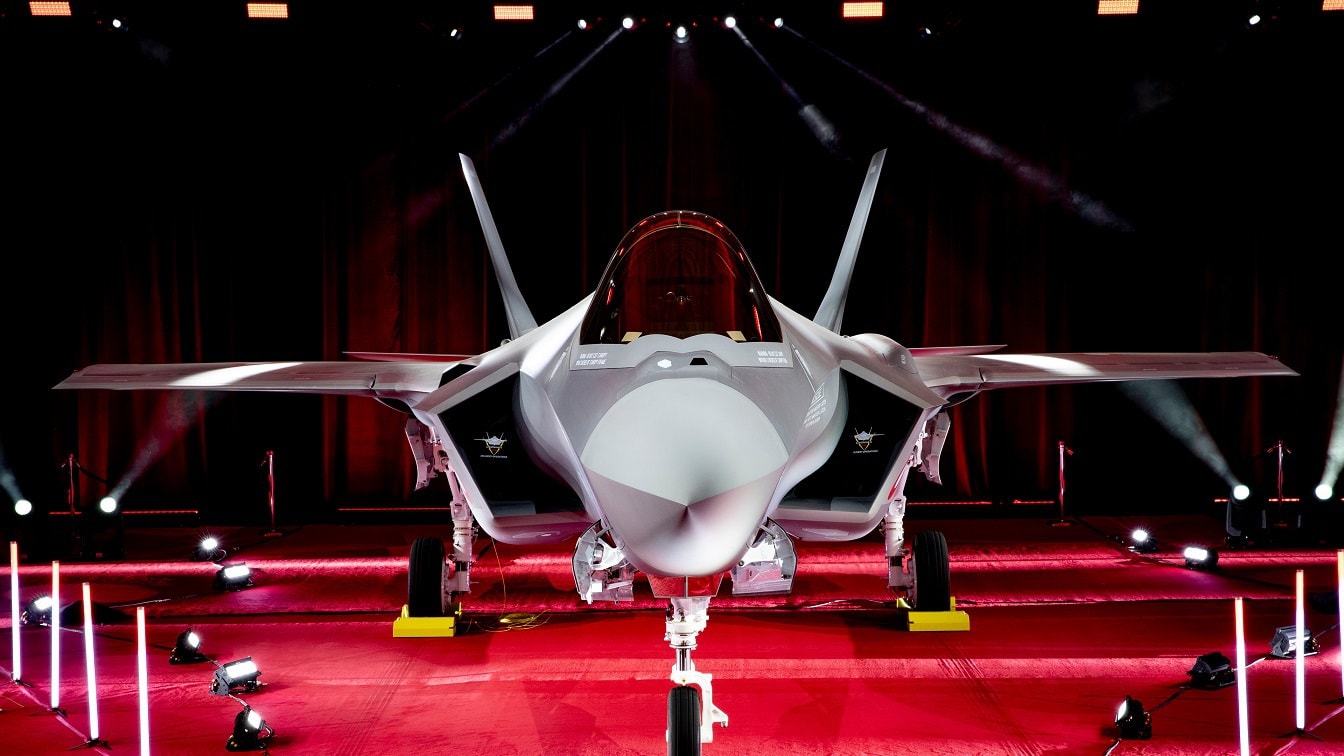
F-35 Denmark Debut. Image Credit: Lockheed Martin.
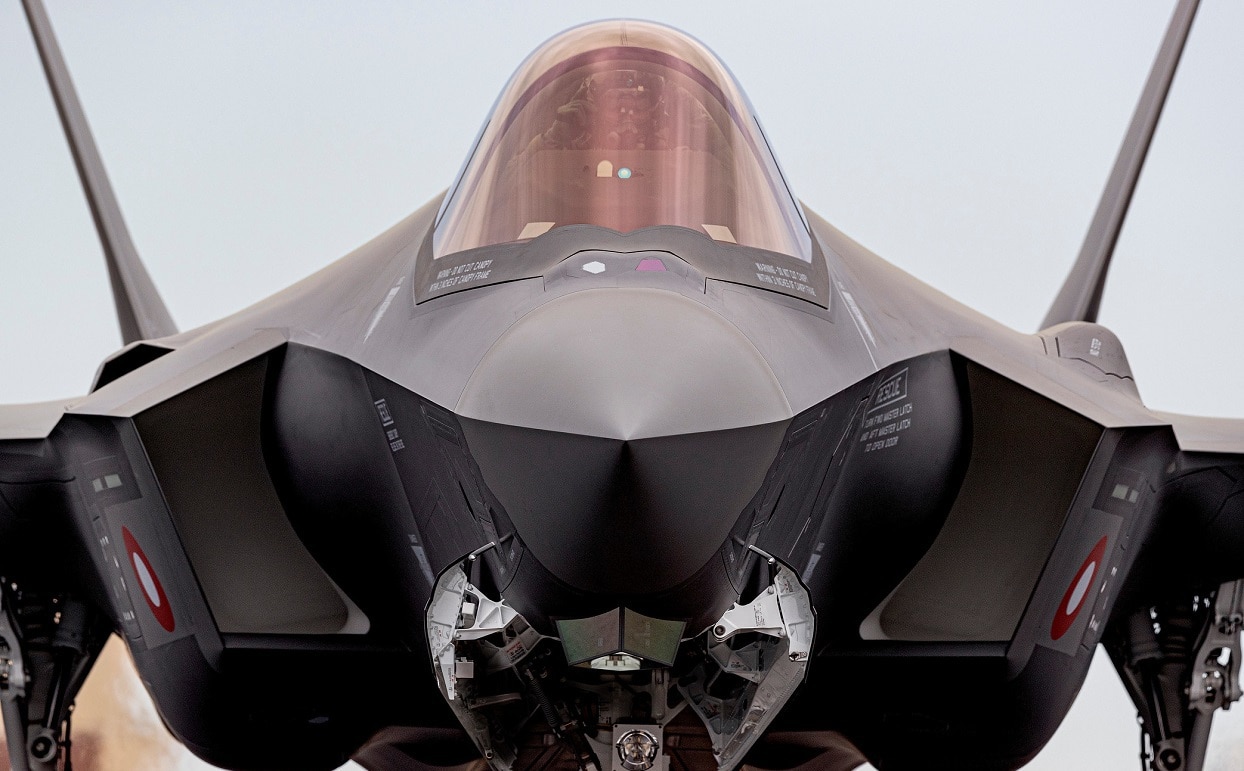
F-35 Delivery to Denmark. Lockheed Martin Aeronautics Company, Fort Worth, TX. Lockheed Martin Photography by Todd R. McQueen.
European allies are, understandably, shocked and outraged that Washington, long the guarantor of European security, would even suggest the island could be absorbed by the United States by force if necessary.
President Trump’s criticism, though opaque, seems to stem from security concerns.
In a discombobulated early morning post, the President wrote that Greenland represents “a very dangerous situation for the Safety, Security, and Survival of our Planet,” and threatened to raise tariffs on allies Denmark, Norway, Sweden, France, Germany, The United Kingdom, The Netherlands, and Finland “until such time as a Deal is reached for the Complete and Total purchase of Greenland.”
But despite the bellicosity from the President, no purchase deal has been inked on paper.
European Push-Back
Europe’s leaders, understandably, pushed back hard against the president. British Prime Minister Keir Starmer called the cudgel of American tariffs “completely wrong.” Swedish Prime Minister Ulf Kristersson said that Europe “will not allow ourselves to be blackmailed. Only Denmark and Greenland decide on issues concerning Denmark and Greenland.”
“No intimidation or threat will influence us—neither in Ukraine, nor in Greenland, nor anywhere else in the world when we are confronted with such situations,” French President Emmanuel Macron wrote on X. “Tariff threats are unacceptable and have no place in this context. Europeans will respond in a united and coordinated manner should they be confirmed. We will ensure that European sovereignty is upheld,” he added.
Some of the harshest language came from Danish Prime Minister Mette Frederiksen. “If the United States were to choose to attack another NATO country, then everything would come to an end,” she said to DR, a Danish broadcaster. “The international community as we know it, democratic rules of the game, NATO, the world’s strongest defensive alliance — all of that would collapse if one NATO country chose to attack another.”
NATO, Greenland, & Article 5
The bedrock upon which the North Atlantic Treaty Organization rests is Article 5, the mutual defense clause that is both clear and vague. An attack on one NATO member is specifically to be considered “an attack against them all,” though the text does not specify what the NATO alliance’s collective response would be to an attack against one of its members.
What would happen if a NATO member were to attack another?
If America invades Greenland, a part of the NATO alliance? Even if the United States landed in Greenland with guns blazing, the combined military might of the rest of the NATO alliance would struggle to significantly blunt an American incursion: it has, since its inception, heavily depended on the United States for intelligence, tanker, and nuclear support.
The United States is the military linchpin of the alliance, and an American general has served as the Supreme Allied Commander Europe, or SACEUR. It is a hypothetical that has, thankfully, never been tested.
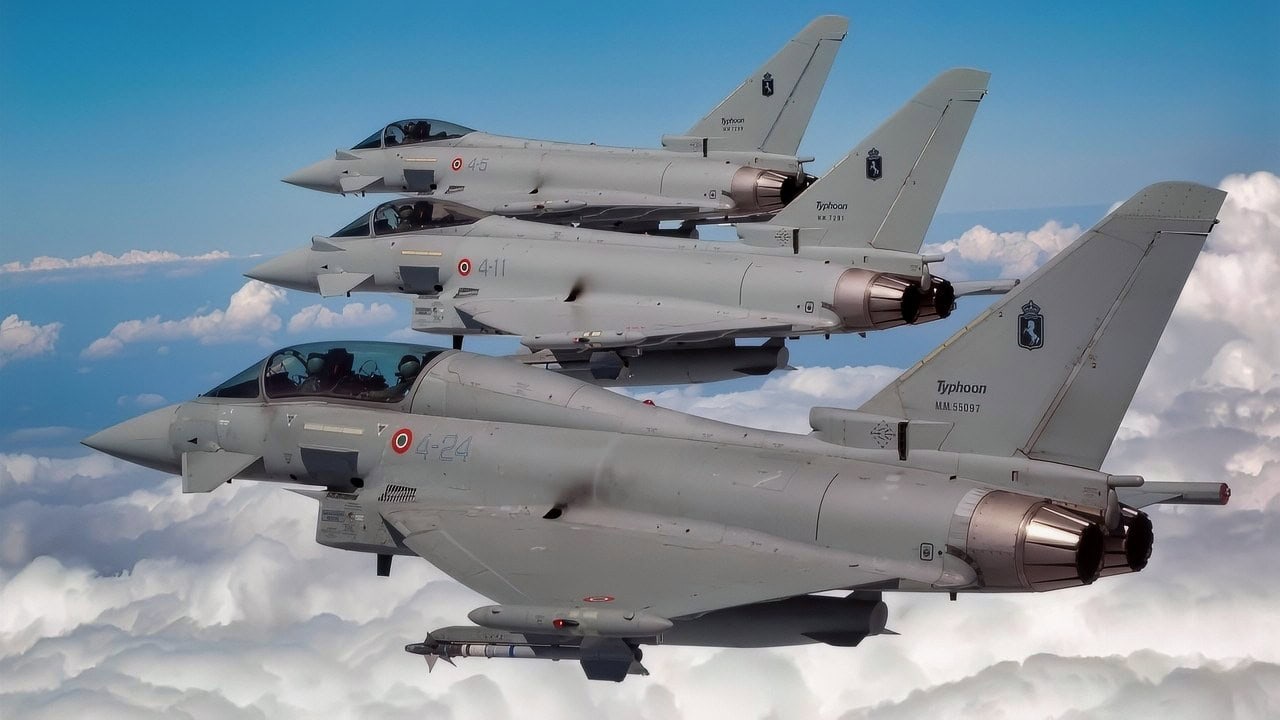
Eurofighter Typhoon Aircraft NATO. Image Credit: Creative Commons.
Under the terms of the 1951 Greenland Defense Agreement, amended in 2004, the Danes gave Washington virtually free rein to build or expand the American military footprint on Greenland. President Trump’s assertion that Greenland is crucial for the safety of the United States, and consequently, the NATO alliance, is perfectly true.
During the Cold War, the island hosted a robust American military presence, including long-range strategic bomber aircraft and early warning radar installations, primed to detect a Soviet nuclear missile launch against the United States.
Cooler Heads
In a sign of cooler heads prevailing, President Trump said that a tentative Greenland deal had been struck following a meeting with the Secretary General of NATO, Mark Rutte. “We have formed the framework of a future deal with respect to Greenland and, in fact, the entire Arctic Region,”
President Trump wrote on Truth Social. “This solution,” he added, “if consummated, will be a great one for the United States of America, and all NATO Nations.”
This occurred during the annual World Economic Forum meeting in Davos, Switzerland. The president also said he would rescind the additional retaliatory tariffs he proposed against NATO allies just days ago.
Reality Check
Before his forays into American politics, President Trump’s self-styling as a real estate mogul and dealmaker was the identity he built for himself. Expanding the United States’ geographic footprint would not only be in keeping with that identity but also cement his post-presidential legacy, joining the small pantheon of American presidents who have expanded America’s borders.
The president’s choice of Greenland as ground zero for American expansion, detestable though his rhetoric and proposed methods may be, is not altogether illogical: a sparsely-populated island in the Western Hemisphere relatively close to the continental United States with clear geo-strategic importance to America is, broadly speaking, in line with Trump’s America First foreign policy.
But his assertion that the island must be owned by America to be secure is prevaricative at best.
The questions now are, will the tentative agreement secured in Switzerland hold? And if not, how far is the president willing to go to pursue an expansionist legacy?
About the Author: Caleb Larson
Caleb Larson is an American multiformat journalist based in Berlin, Germany. His work covers the intersection of conflict and society, focusing on American foreign policy and European security. He has reported from Germany, Russia, and the United States. Most recently, he covered the war in Ukraine, reporting extensively on the war’s shifting battle lines from Donbas and writing on the war’s civilian and humanitarian toll. Previously, he worked as a Defense Reporter for POLITICO Europe. You can follow his latest work on X.