
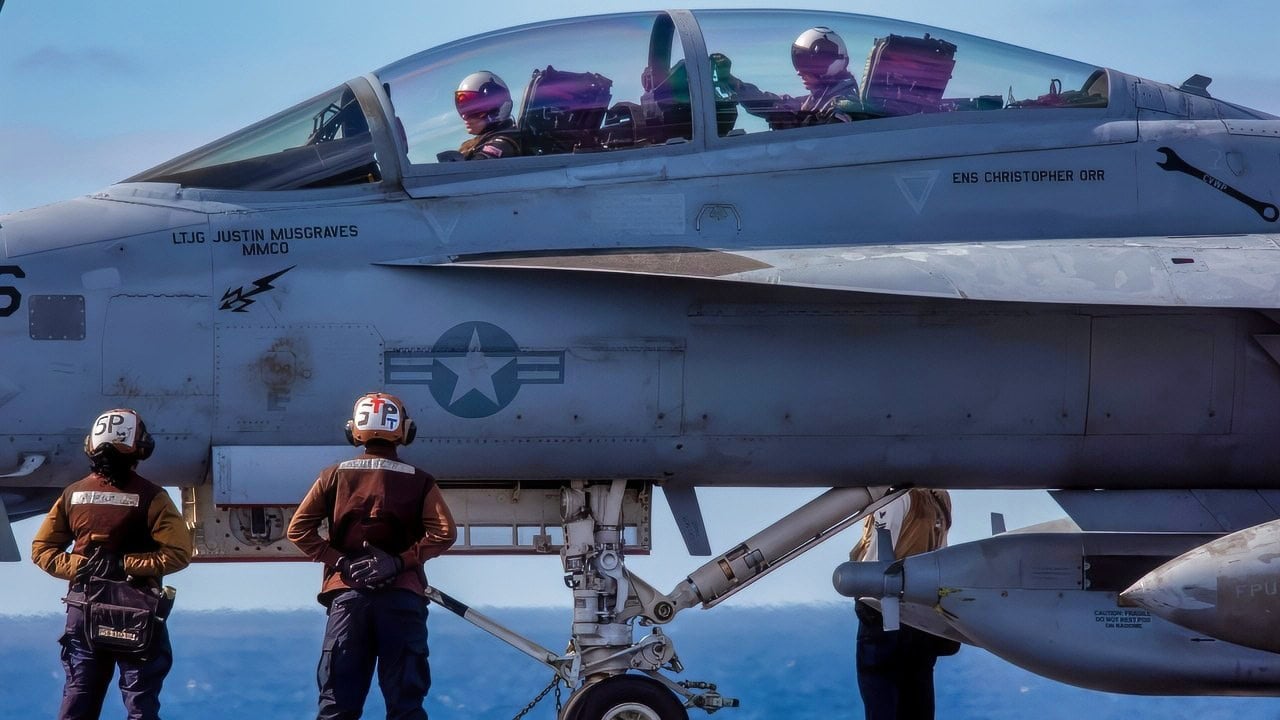
Key Points and Summary – The USS Abraham Lincoln Aircraft Carrier Strike Group recently conducted live-fire drills in the South China Sea, including the use of Phalanx Close-In Weapon Systems, following China’s “Justice Mission 2025” exercises that encircled Taiwan.
-While the U.S. Navy described the drills as routine, they come amid heightened geopolitical tension: Chinese social media and analysts are increasingly viewing the recent U.S. capture of Venezuelan President Nicolás Maduro as a potential “blueprint” for a Chinese takeover of Taiwan.
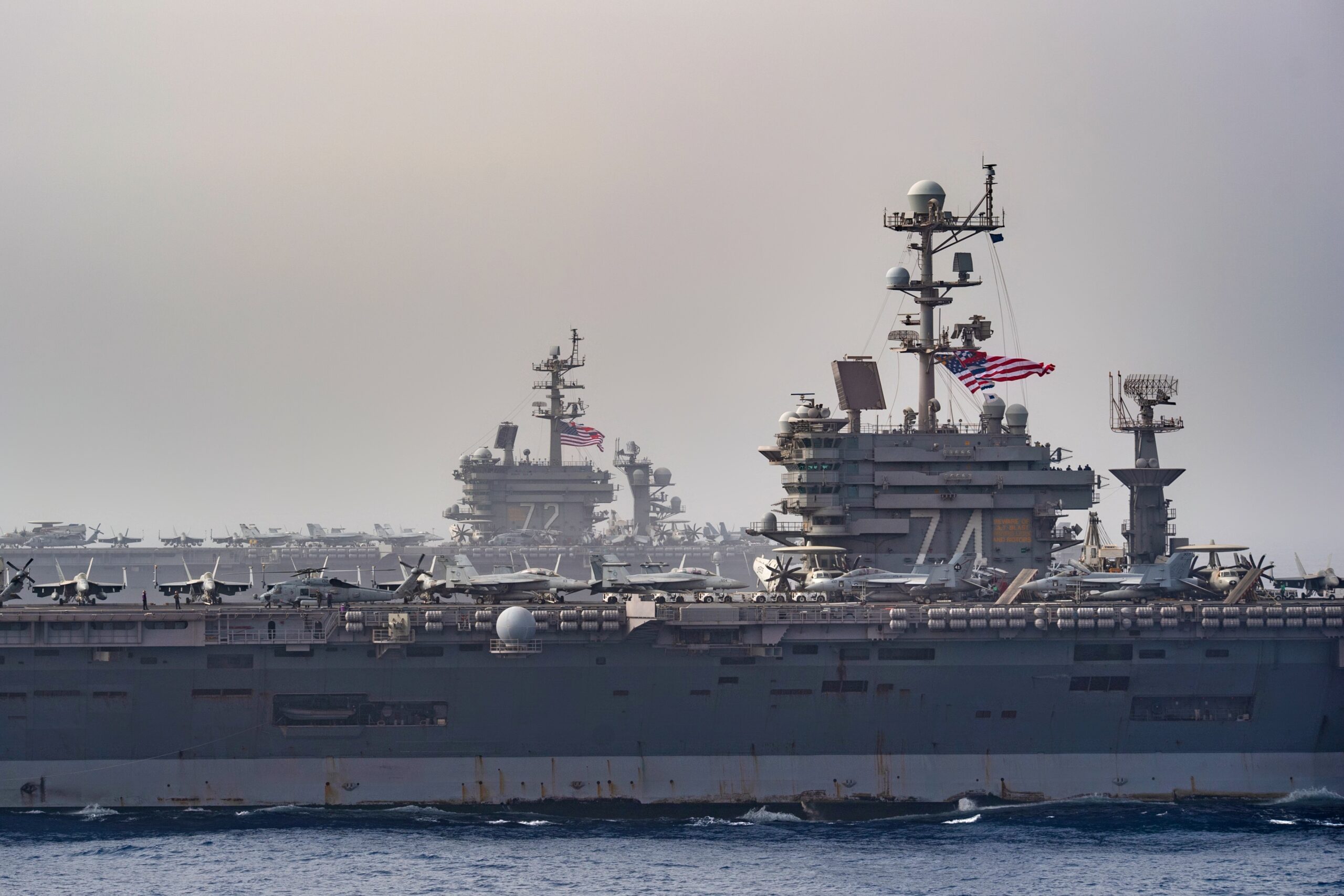
The aircraft carrier USS John C. Stennis (CVN 74) steams alongside the aircraft carrier USS Abraham Lincoln (CVN 72), background, in the Mediterranean Sea, April 24, 2019. The John C. Stennis Carrier Strike Group (CSG) 3 and Abraham Lincoln Carrier Strike Group (CSG) 12 are conducting dual carrier operations, providing opportunity for two strike groups to work together alongside key allies and partners in the U.S. 6th Fleet area of operations. John C. Stennis is underway in the Mediterranean Sea as part of the John C. Stennis Carrier Strike Group (JCSCSG) deployment in support of maritime security cooperation efforts in the U.S. 6th Fleet area of responsibility. (U.S. Navy photo by Mass Communication Specialist 3rd Class Grant G. Grady)
-Simultaneously, reports indicate the Trump administration is nearing a trade deal with Taiwan to cut tariffs and secure TSMC plants in Arizona.
US Aircraft Carrier Strike Group Returns to South China Sea as Beijing Eyes Taiwan ‘Defense Lines’
The Nimitz-class aircraft carrier USS Abraham Lincoln held live-fire drills in the South China Sea last week, according to photos posted by the Defense Visual Information Distribution Service.
“The Abraham Lincoln Carrier Strike Group is underway, conducting routine operations in the U.S. 7th Fleet area of operations. Units assigned to 7th Fleet conduct regular Indo-Pacific patrols to deter aggression, strengthen alliances and partnerships, and advance peace through strength,” the caption of the photo states.
According to a Stars and Stripes story, a spokesman has described the exercise as “routine operations.” The story added that the live fire drill included a Phalanx Close-In Weapon System.
The exercise followed China carrying out a live fire drill of their own, on December 29 and 30, which “encircled Taiwan.” China described it as Justice Mission 2025.
The San Diego Union-Tribune had reported in November that the USS Abraham Lincoln was leaving on deployment, but did not say where “The Abe” was going. The USS Spruance, USS Michael Murphy, and USS Frank E. Petersen Jr. have all accompanied the Abraham Lincoln on its current deployment.
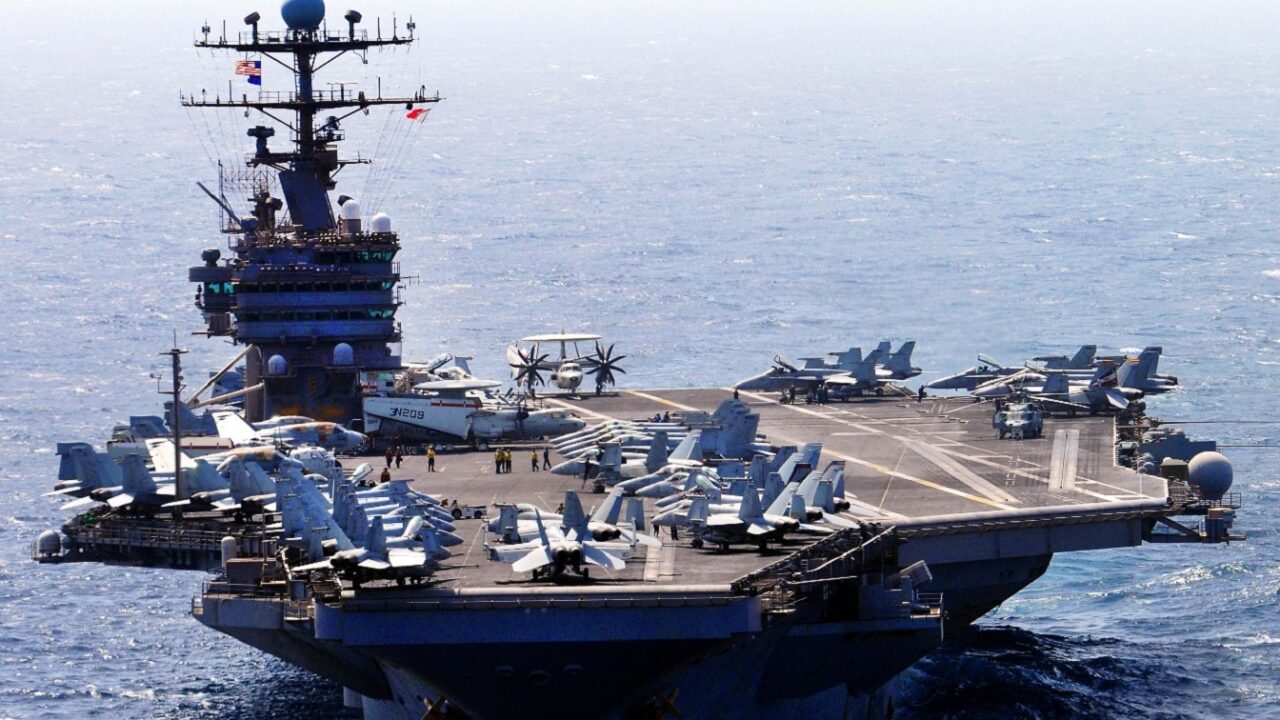
ARABIAN SEA (May 24, 2012) The Nimitz-class aircraft carrier USS Abraham Lincoln (CVN 72) transits the Arabian Sea. Abraham Lincoln is deployed to the U.S. 5th Fleet area of responsibility conducting maritime security operations, theater security cooperation efforts and support missions as part of Operation Enduring Freedom. (U.S. Navy photo by Mass Communication Specialist 3rd Class Amanda L. Kilpatrick/Released)
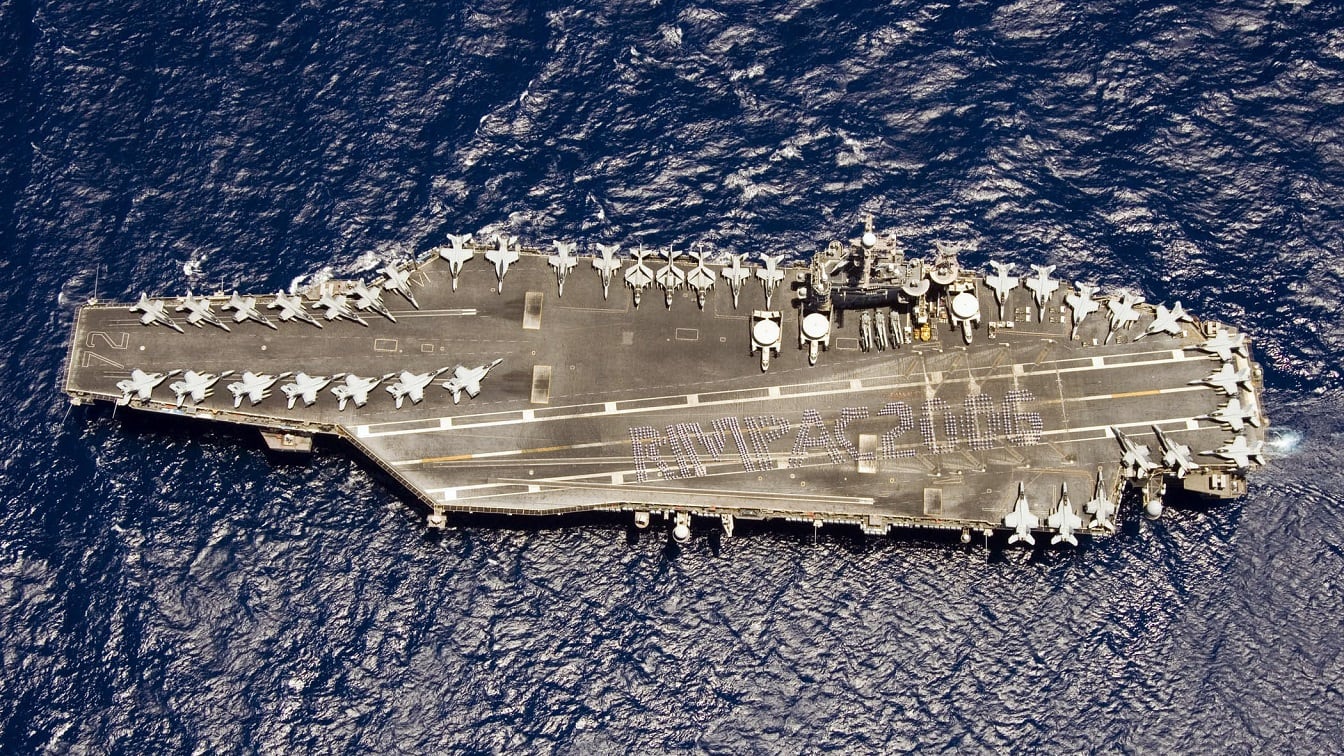
Aerial overhead view of US Navy (USN) Sailors aboard the USN Nimitz Class Aircraft Carrier USS ABRAHAM LINCOLN (CVN 72) spelling out RIMPAC 2006 on the flight deck of the ship during a photo exercise during Exercise Rim of the Pacific (RIMPAC) 2006 in the Pacific Ocean (POC). The exercise is designed to increase the tactical proficiency of participating units in a wide array of combined sea operations. RIMPAC 2006 brings together military forces from Australia (AUS), Canada (CAN), Chile (CHL), Peru (PER), Japan (JPN), the Republic of Korea (KOR), United Kingdom (UK) and the United States (US).
U.S. Navy photo by Mass Communication Specialist Seaman James R. Evans (RELEASED)
In December, the Lincoln arrived in Guam.
“My crew is excited to be back in this area of the world, and we look forward to demonstrating what an aircraft carrier and carrier strike group bring to the fight,” Capt. Dan Keeler, Abraham Lincoln’s commanding officer, said in a Facebook post. “Our Sailors are eager to learn from new cultures and strengthen partnerships across the region throughout our deployment.”
Venezuela and Taiwan
When it comes to foreign policy, the Trump Administration has been concentrating on the Western Hemisphere, especially its recent move to capture Venezuelan leader Nicolas Maduro.
But according to a CNN analysis, that U.S. mission is being viewed in some quarters in China as a “blueprint” for how China may deal with Taiwan, as China and Venezuela have long been allies. China is the largest purchaser of Venezuelan crude oil, and China and Venezuela reached an “all-weather strategic partnership” in 2023.
“I thank President Xi Jinping for his continued brotherhood, like an older brother,” Maduro had said during a meeting with Chinese diplomat Qiu Xiaoqi, the day before the U.S. mission to capture him.
“If the US can snatch a leader in their backyard, many ask, why can’t China do the same?” the CNN analysis asked. “By late Monday, topics linked to Trump’s capture of Maduro had received more than 650 million impressions on Weibo, China’s X-like social media platform, with many users suggesting it could offer a template for Beijing’s own potential military takeover of Taiwan.”
President Xi, for his part, has denounced the U.S. capture of the Venezuelan leader.
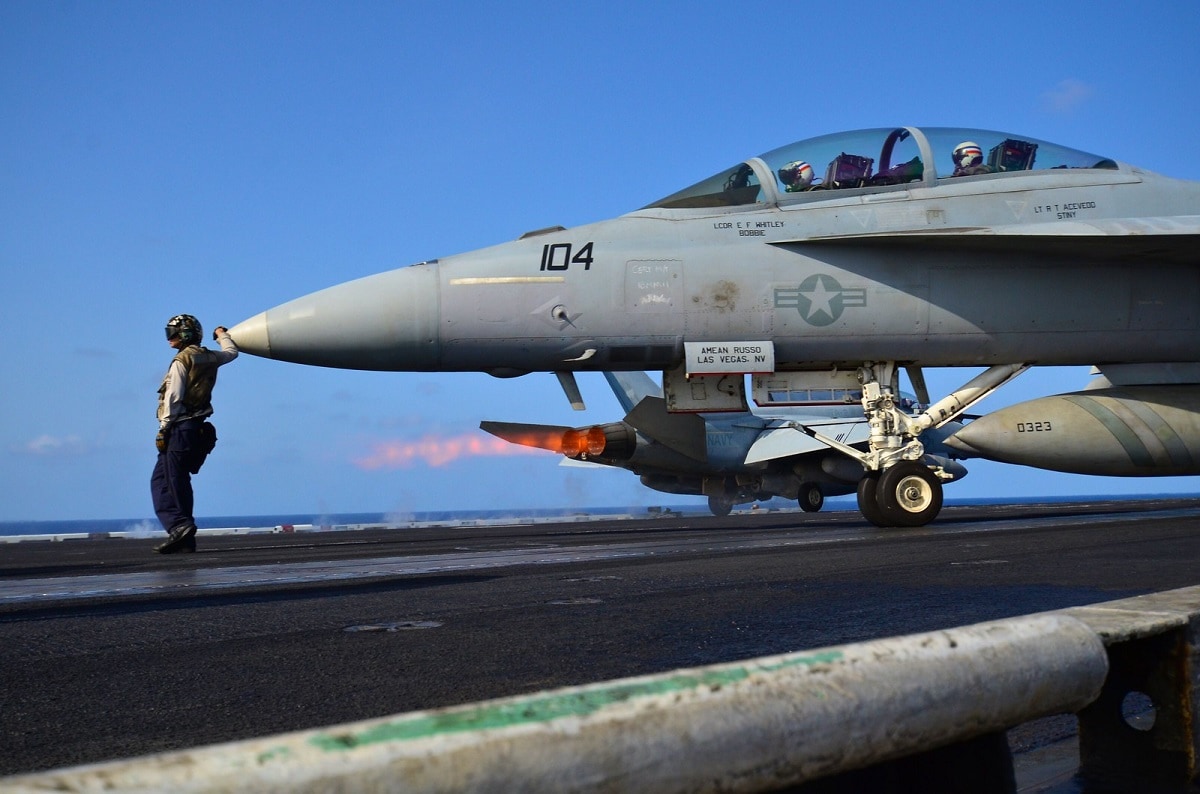
PACIFIC OCEAN (March 18, 2011) An F/A-18F Super Hornet assigned to the Bounty Hunters of Strike Fighter Squadron (VFA) 2 prepares to move as another jet launches from the aircraft carrier USS Abraham Lincoln (CVN 72) during a fly off of Carrier Air Wing (CVW) 2. Abraham Lincoln is returning home from a routine deployment to the Arabian Sea and is in the U.S. 3rd Fleet area of responsibility in support of maritime security operations and theater security cooperation efforts in the region. (U.S. Navy photo by Capt. Jaime Quejada/Released).
“All countries should respect other peoples’ independent choice of development paths and abide by international law and the purposes and principles of the United Nations Charter – with major powers in particular setting the example,” the Chinese president said this week in a statement reported by CNN.
Chinese commentators have gone further.
“The US invasion has made it increasingly clear to everyone that what the United States calls a ‘rules-based international order’ is in reality nothing more than a plunder-based order driven by US interests,” a commentary on the state-run Xinhua news agency said.
CNN noted that China’s government did not express such qualms when Russia invaded Ukraine, nearly four years ago.
The analogy, however, is not exact, as one Taiwanese lawmaker told CNN.
Wang Ting-yu, a lawmaker from Taiwan’s ruling party, told the news network that “China is not the US, and Taiwan is not Venezuela. Comparisons that China can carry out the same thing in Taiwan is wrong and inappropriate.”
“China has never been short of hostility towards Taiwan militarily; what it lacks is feasible means,” Wang added.
William Yang, an analyst with the International Crisis Group, downplayed the analogy as well, stating that the events in Venezuela are unlikely to have “any direct and fundamental impact” on the possibility of a Chinese invasion of Taiwan. Such factors could include, per Yang, “China’s domestic economic situation, the People’s Liberation Army’s capabilities, Taiwan’s domestic political situation,” as well as policies coming out of Washington.
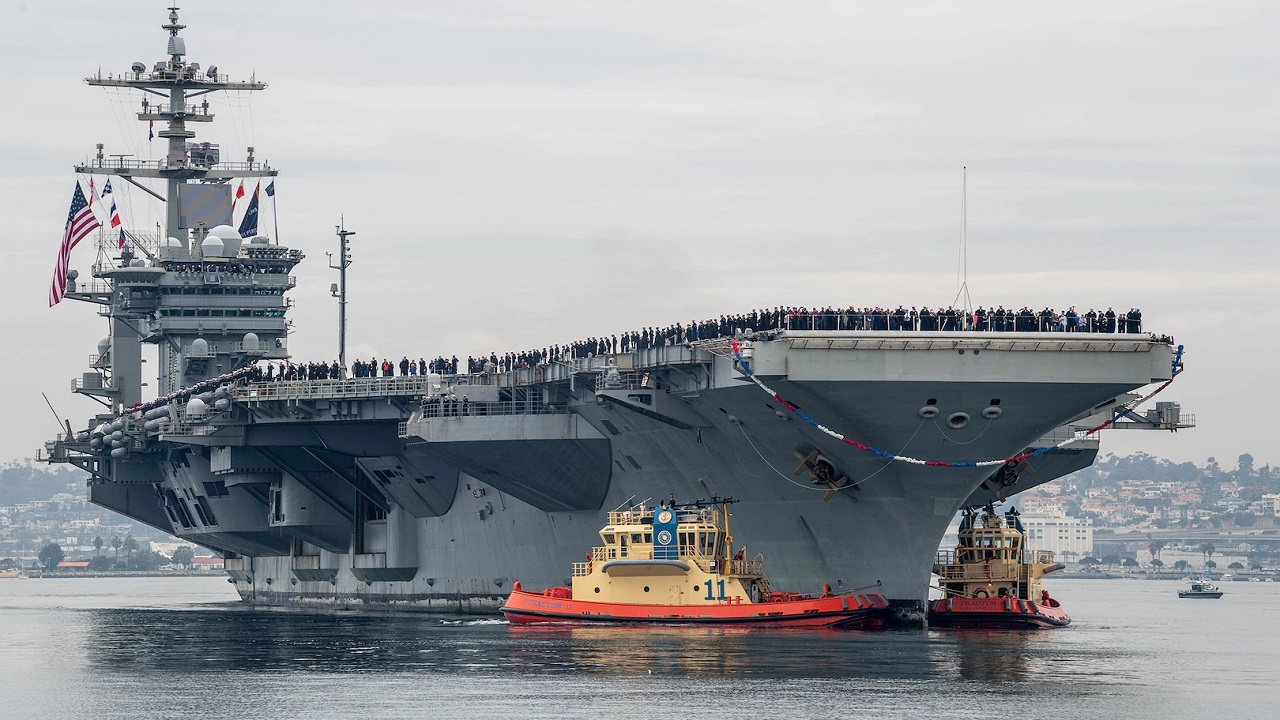
USS Abraham Lincoln back in 2015.
“The takeaway for Taiwan is that resorting to military options to pursue certain foreign policy goals is likely going to become a new norm and new reality around the world,” Yang told CNN. “Taiwan should really take this by heart and start to think about how to improve Taiwan’s defense capabilities and improve Taiwan’s ability to maintain deterrence against China.”
“Invasion Lines”
According to a Naval News report in early December, Taiwan reacted to China’s recent Justice Mission military exercises by “its national defense plans against a Chinese invasion” and “revealing a map detailing potential defense lines and strategies against an attack from the mainland.”
The “Taiwan Defense Line” states that Taiwan “plans to engage a Chinese invasion along a perimeter extending 200 kilometers from its shores, composed of two defensive areas. These engagement zones are meant to delineate aspects of a seven-tiered defense strategy, which covers anti-invasion measures between blue water engagements to the ground forces defending Taiwanese coastal areas.”
Taiwan also plans for a “decisive sea battle” before and after the first line of defense, the Naval News report said.
Trump and Taiwan
Meanwhile, on Monday, the U.S. was nearing a trade deal with Taiwan, the New York Times reported. The deal would cut tariffs and have Taiwanese Semiconductor Manufacturing Corporation (TSMC) commit to building plants in the U.S., specifically in Arizona.
“The agreement, which has been under negotiation for months, is being legally scrubbed and could be announced this month. The deal would reduce the U.S. tariff rate to 15 percent for goods from the island, the people said. That rate is in line with imports from Japan and South Korea, Asian allies that struck deals last year,” the Times reported.
Donald Trump was asked about Taiwan in his recent interview with the New York Times, also through the prism of the recent operation in Venezuela.
“Well, it’s a source of pride for him,” Trump said of President Xi. “He considers it to be a part of China, and that’s up to him, what he’s going to be doing. But, you know, I’ve expressed to him that I would be very unhappy if he did that, and I don’t think he’ll do that. I hope he doesn’t do that.”
About the Author: Stephen Silver
Stephen Silver is an award-winning journalist, essayist, and film critic, and contributor to the Philadelphia Inquirer, the Jewish Telegraphic Agency, Broad Street Review, and Splice Today. The co-founder of the Philadelphia Film Critics Circle, Stephen lives in suburban Philadelphia with his wife and two sons. For over a decade, Stephen has authored thousands of articles that focus on politics, national security, technology, and the economy. Follow him on X (formerly Twitter) at @StephenSilver, and subscribe to his Substack newsletter.