
U.S. Army M1E3 vs British Army Challenger 3: Which Next-Gen Tank Wins?
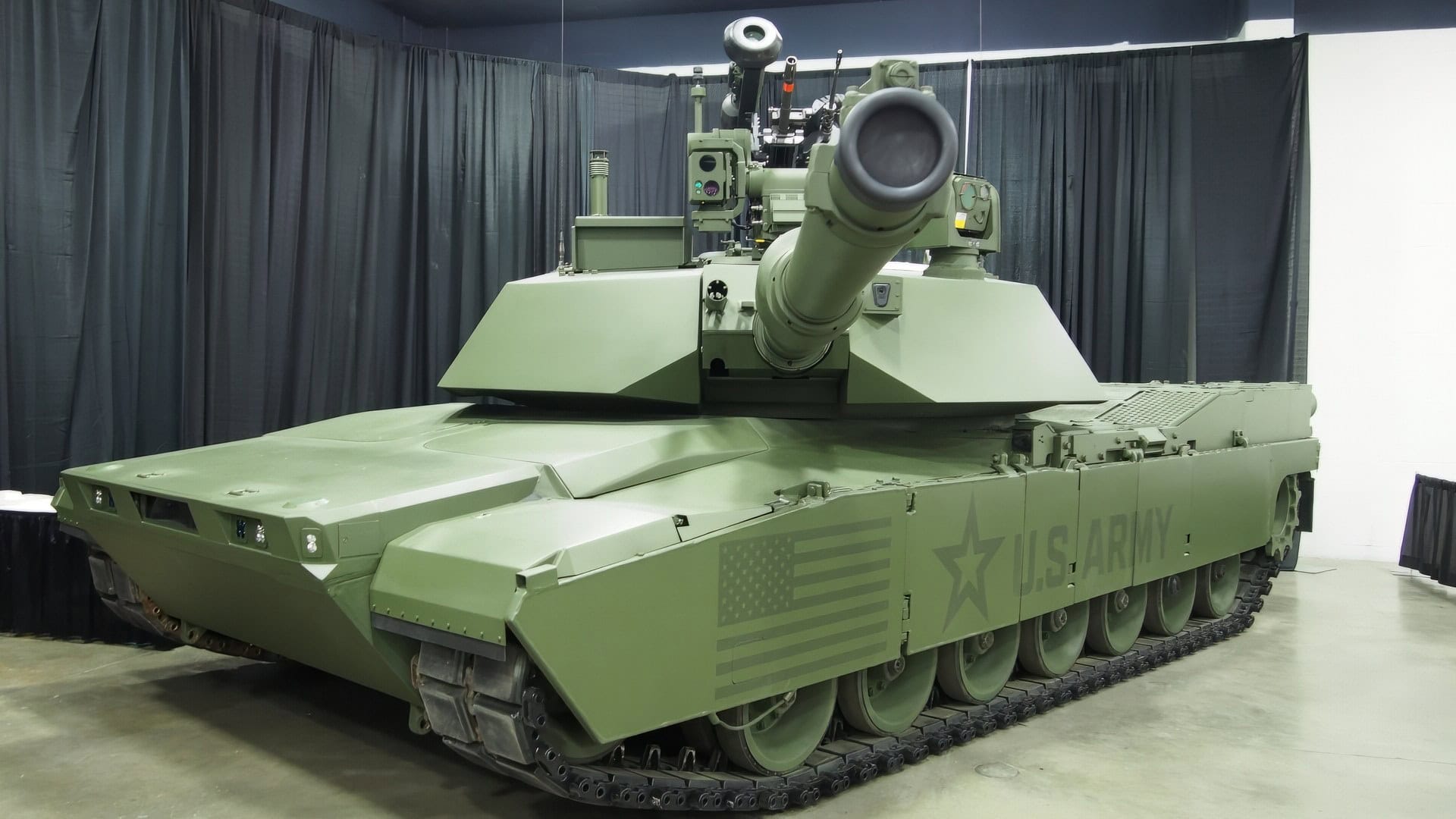
The United States and the United Kingdom both want to modernize their tank fleets. The United States is developing the M1E3, the next iteration of the M1 Abrams.
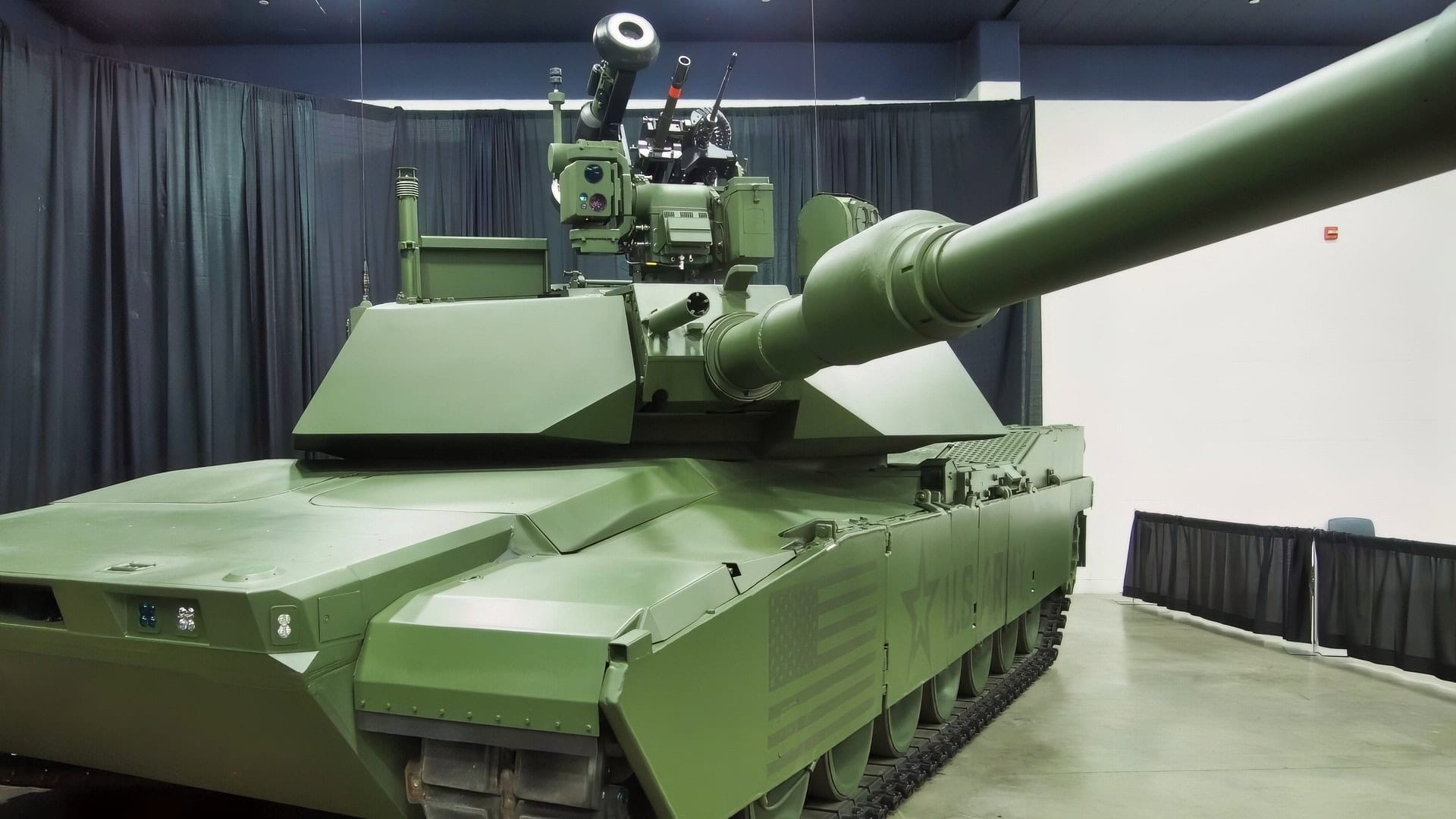
At the Detroit Auto Show, 19FortyFive visited the new M1E3 tank. Image Credit: 19FortyFive.com.
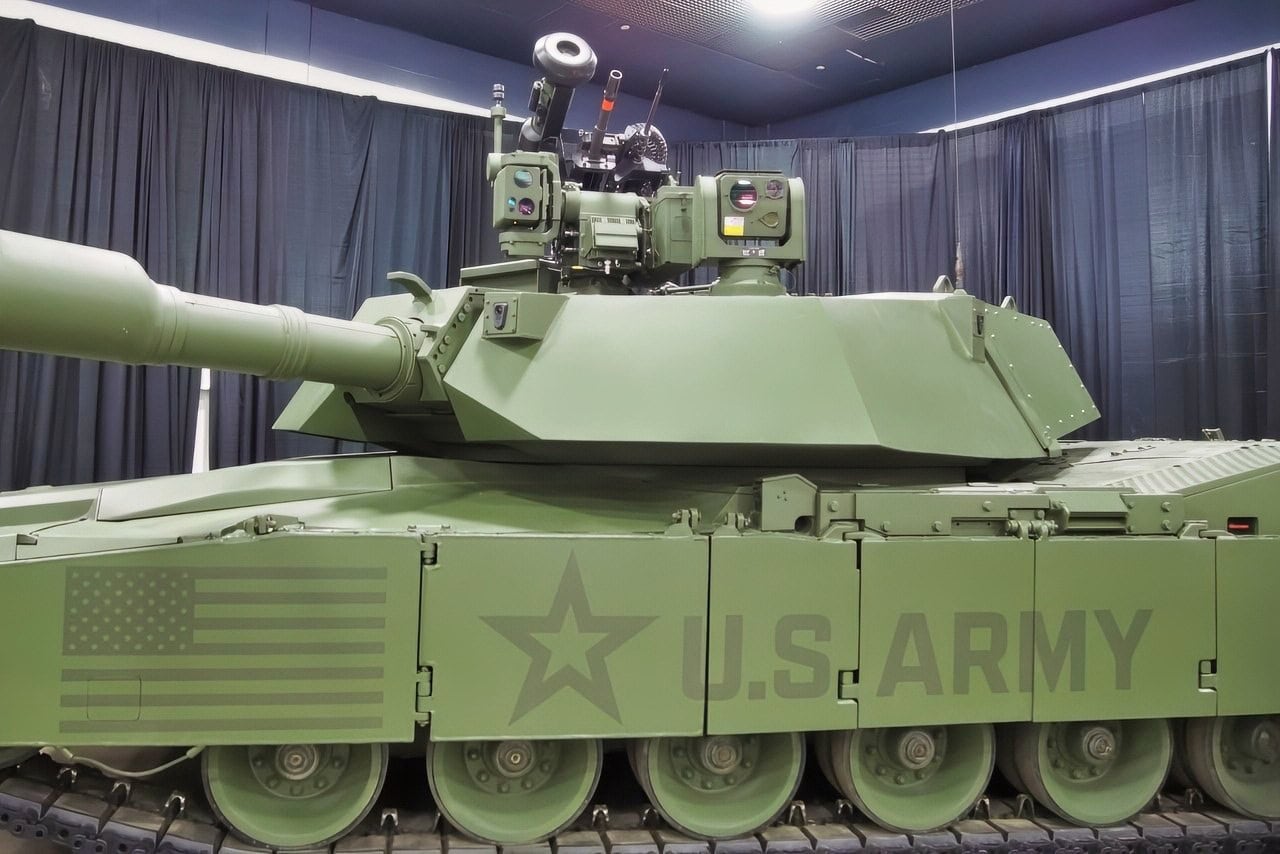
M1E3 from the Detroit Auto Show. Taken by 19FortyFive.com on 1/17/2026.
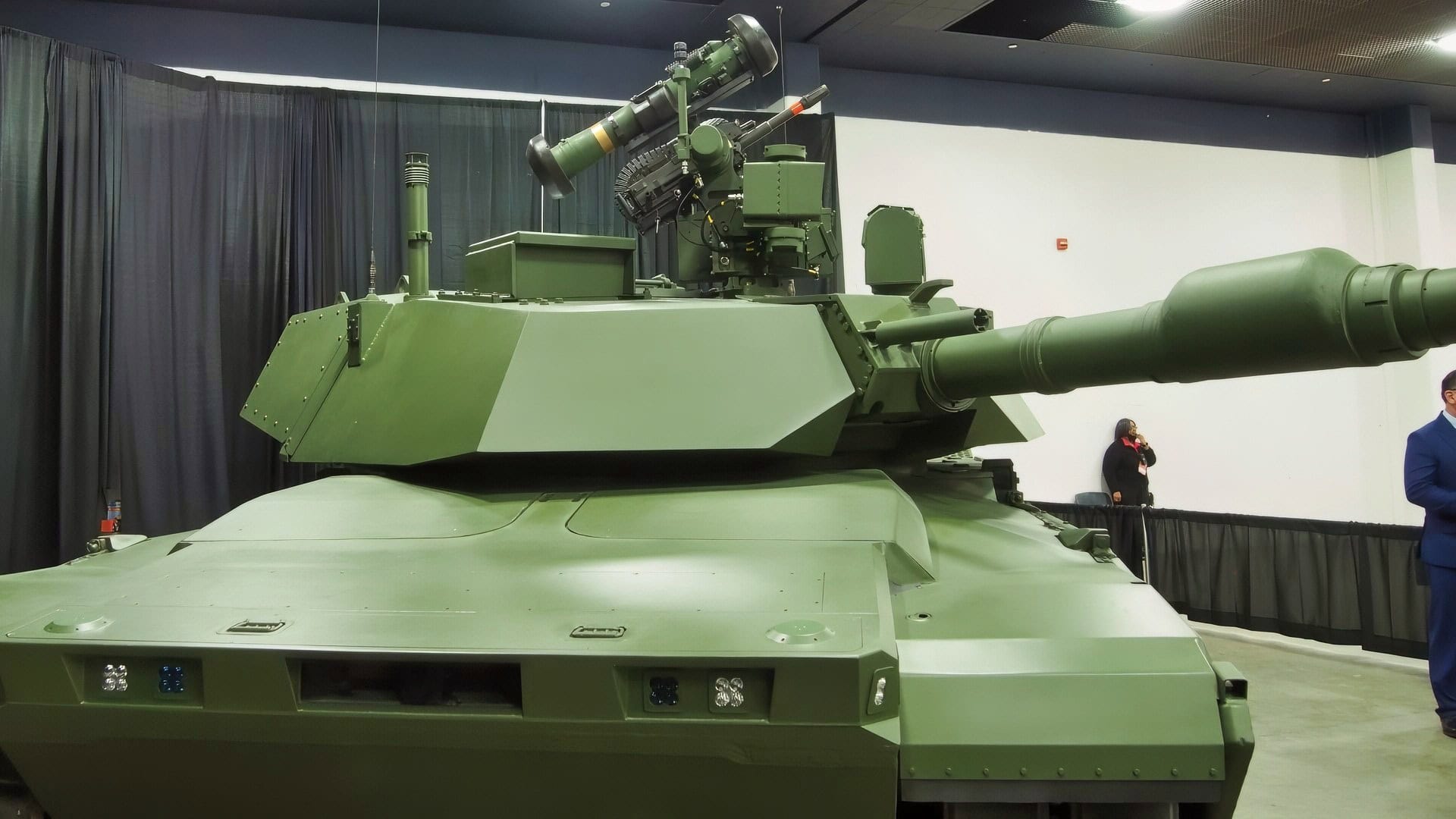
M1E3 Tank from the Detroit Auto Show. Photo Taken By 19FortyFive Staff on 1/17/2026.
The British are testing their Challenger 3 tank—a comprehensive upgrade to the Challenger 2. Both tanks take a scrap-and-replace approach to modernization.
Developers are changing turrets, power systems, and digital backbones.
But which new tank is better? Is the Abrams still the leader, or have the British edged out their American counterparts?
Challenger 3 vs M1E3
The Challenger 3 is closer to entering active service. RBSL and Rheinmetall report that pre-production vehicles have completed mobility trials and that the program passed a significant milestone with crewed live-fire drills in the United Kingdom. The tank moved from remote-only firing to full-crew gunnery as part of the demonstration phase.
Initial operating capacity is expected to be achieved by 2027, with full operational capacity by 2030, assuming all goes to plan.
The timetable for M1E3 is less concrete. While development has been accelerated, the tank only recently reached the pre-prototype stage, with its final design not yet completed.
Four prototypes are expected to be delivered to the U.S. Army in 2026, but beyond that, the timetable is unknown. The tank will likely complete its trials by 2030, after which it will enter into low-rate initial production before reaching full operational capacity by the 2040s—but this is all speculation.
Firepower and Survivability
In terms of firepower, the Challenger 3 finally ditches the rifled cannon barrel in exchange for a NATO-standard smoothbore gun—in part because the UK lacks the industrial capacity to produce its own barrels.
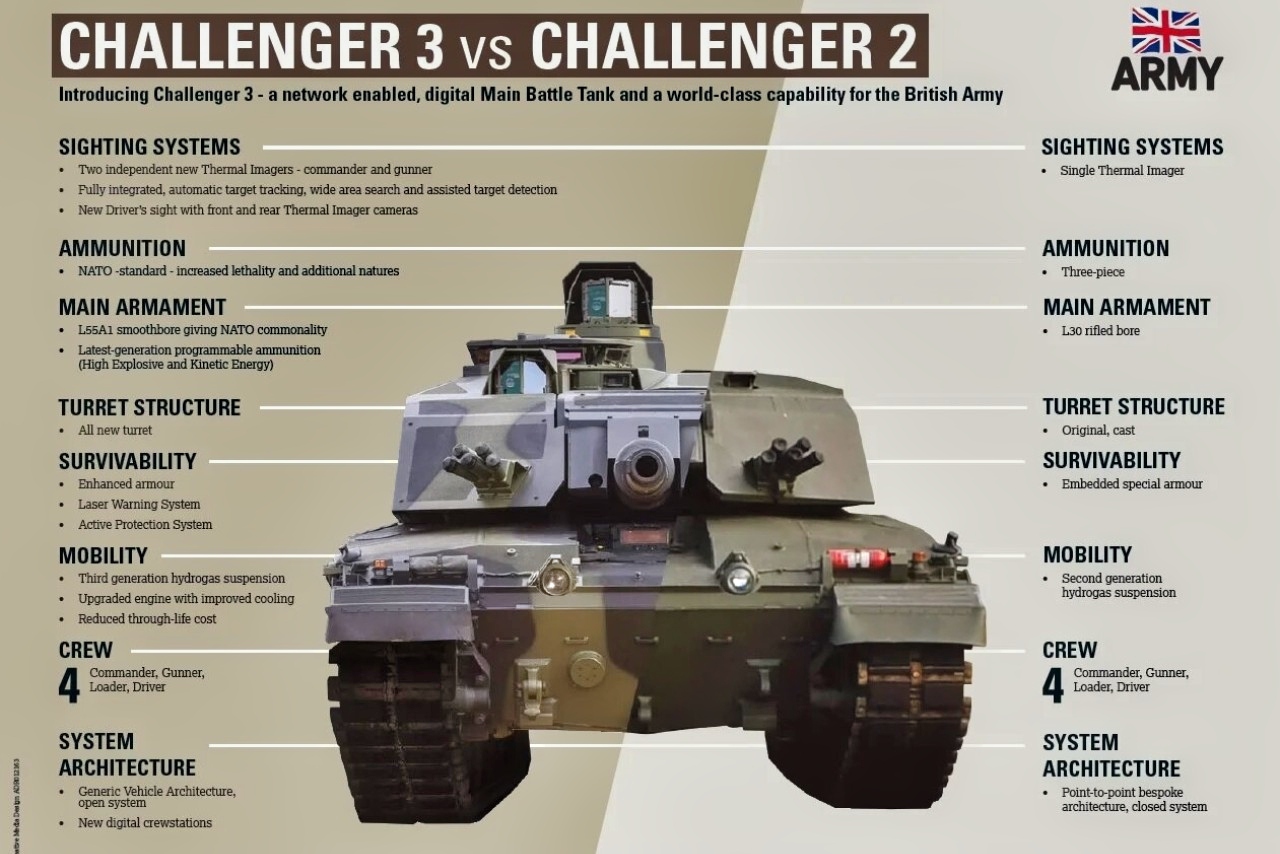
Challenger 3 Tank. Image Credit: Creative Commons.
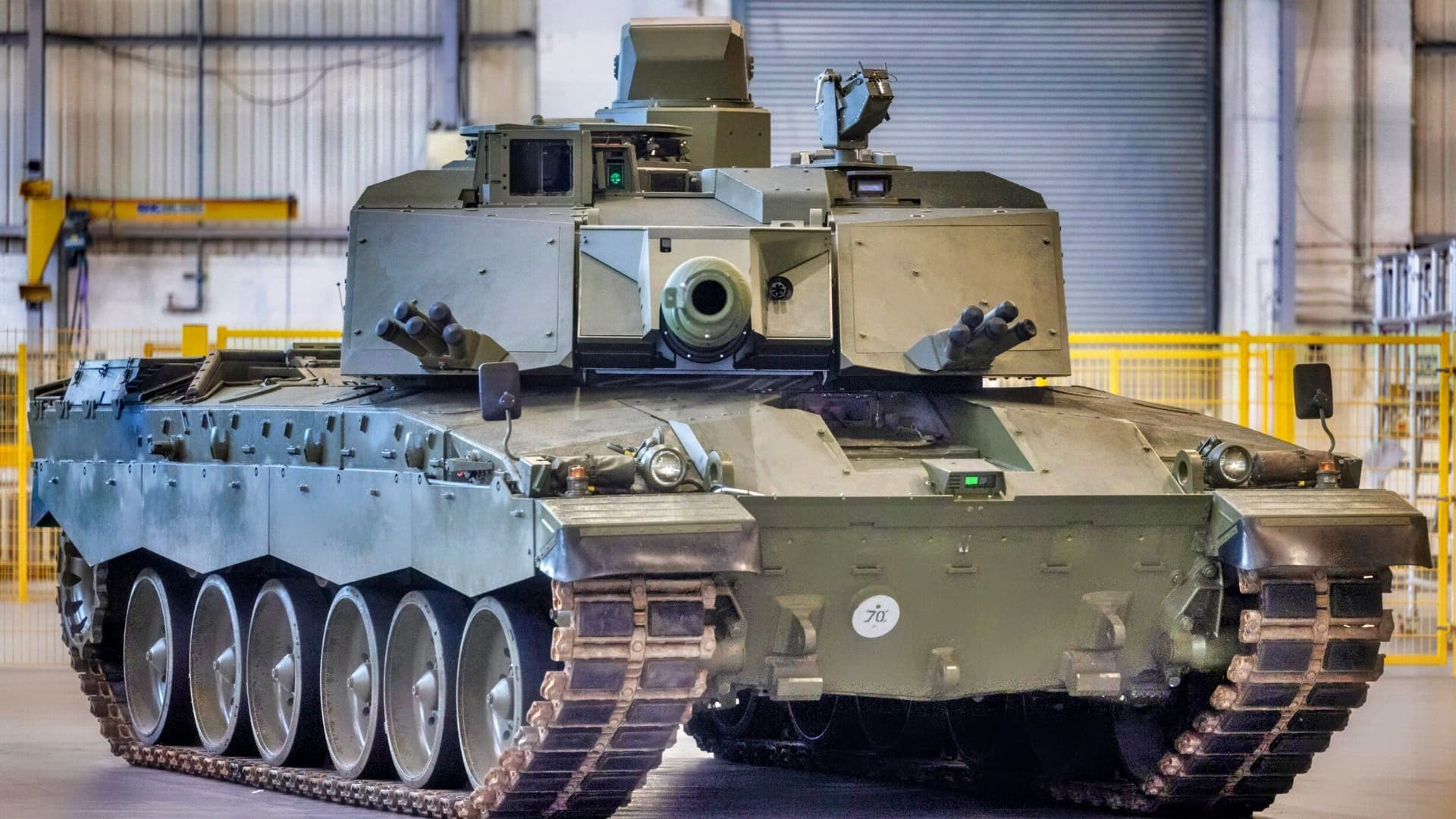
Challenger 3 Tank. Image Credit: British Government.
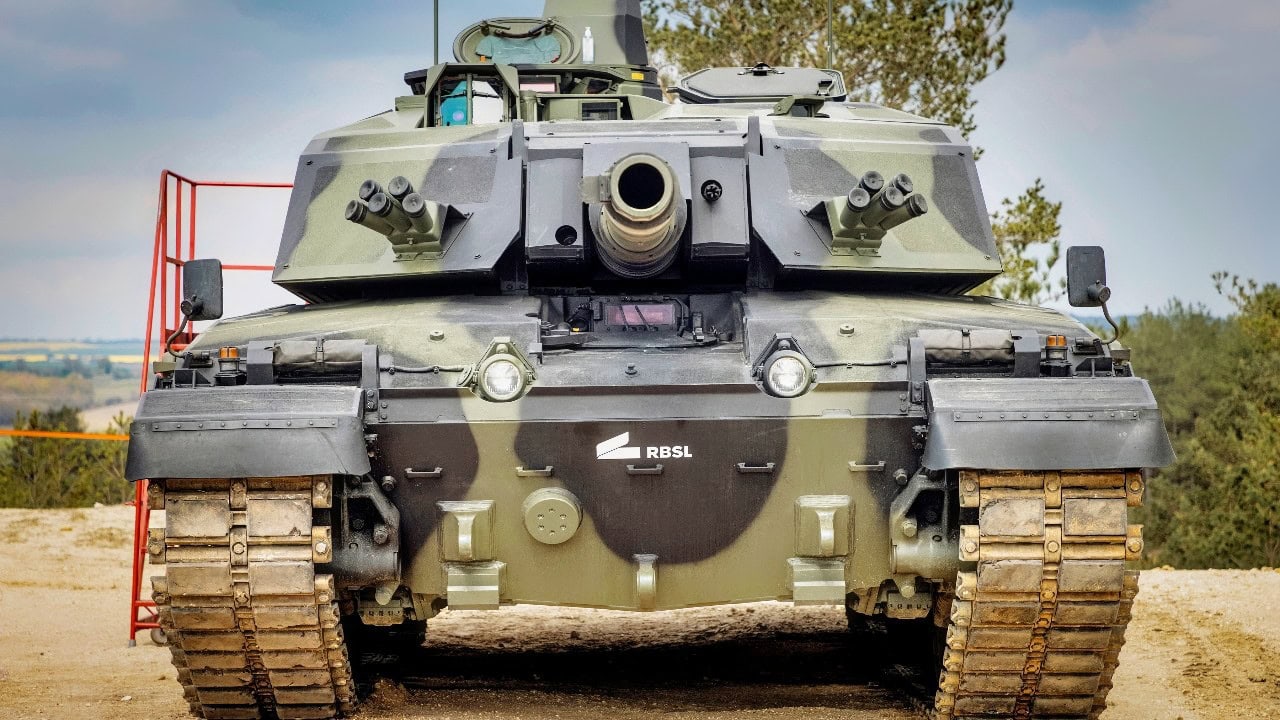
The Challenger 3 Main Battle tank. Image Credit: Creative Commons.
The new L55A1 smoothbore moves the Royal Army to 120-mm ammunition while benefitting from L55A1’s higher permissible chamber pressure and chrome-lined barrel for accuracy and durability. According to some reports, the Challenger 3 hit targets five miles distant, marking a significant increase in accuracy.
The M1E3, on the other hand, retains the M656 smoothbore from older Abrams variants. While the E3 is subject to change, the Army appears to be happy with the M656’s performance and is in no hurry to replace it. The Army is reportedly considering more advanced munitions for the tank, although very little is known about these efforts.
The Abrams has always been renowned for its survivability, and the M1E3 promises to continue that legacy. The crew is reduced to three thanks to a new autoloader and unmanned turret. The crew moves to the armored hull, away from any potential ammo detonations.
The M1E3 will also reportedly use an integrated active protective system (APS)—most likely a variation of the Rafale Trophy system—as well as electronic warfare suites to reduce the tank’s radar signature.
The Challenger 2 is known for its strong turret armor—its hull armor is less impressive—and the Challenger 3 promises improvements. The tank uses a completely new turret with sophisticated composite armor that offers similar protection but weighs far less.
Like the M1E3, the Challenger 3 uses integrated APS, the Trophy-MV, as a hard-kill solution to improve survivability.
Mobility and Digital Infrastructure?
The M1E3’s marquee change is the move toward a hybrid-electric powerpack. This should slash fuel consumption; enable silent watch and limited low-signature maneuvers; and improve both tactical agility and strategic deployability across bridges and infrastructure, which has been a problem for 70-ton Western main battle tanks. At the Detroit Auto Show, it was revealed that the M1E3 uses a modified CAT C131D engine, which puts its performance in the 1,000–1,500-horsepower range.
The Challenger 3, by contrast, retains an upgraded version of the Perkins CV12 diesel paired with refined cooling and third-generation hydrogas suspension. It is an evolutionary rather than revolutionary approach.
In short, the Challenger 3 should move at least as well as a top-end Leopard 2A7-class vehicle, which is by no means a bad thing.
In regard to electronics, both programs adopt modern open architectures and improved crew interfaces. Key to the M1E3’s pitch is the modular open system approach (MOSA) with a clean digital nervous system for rapid insertion of sensors, effectors, and AI.
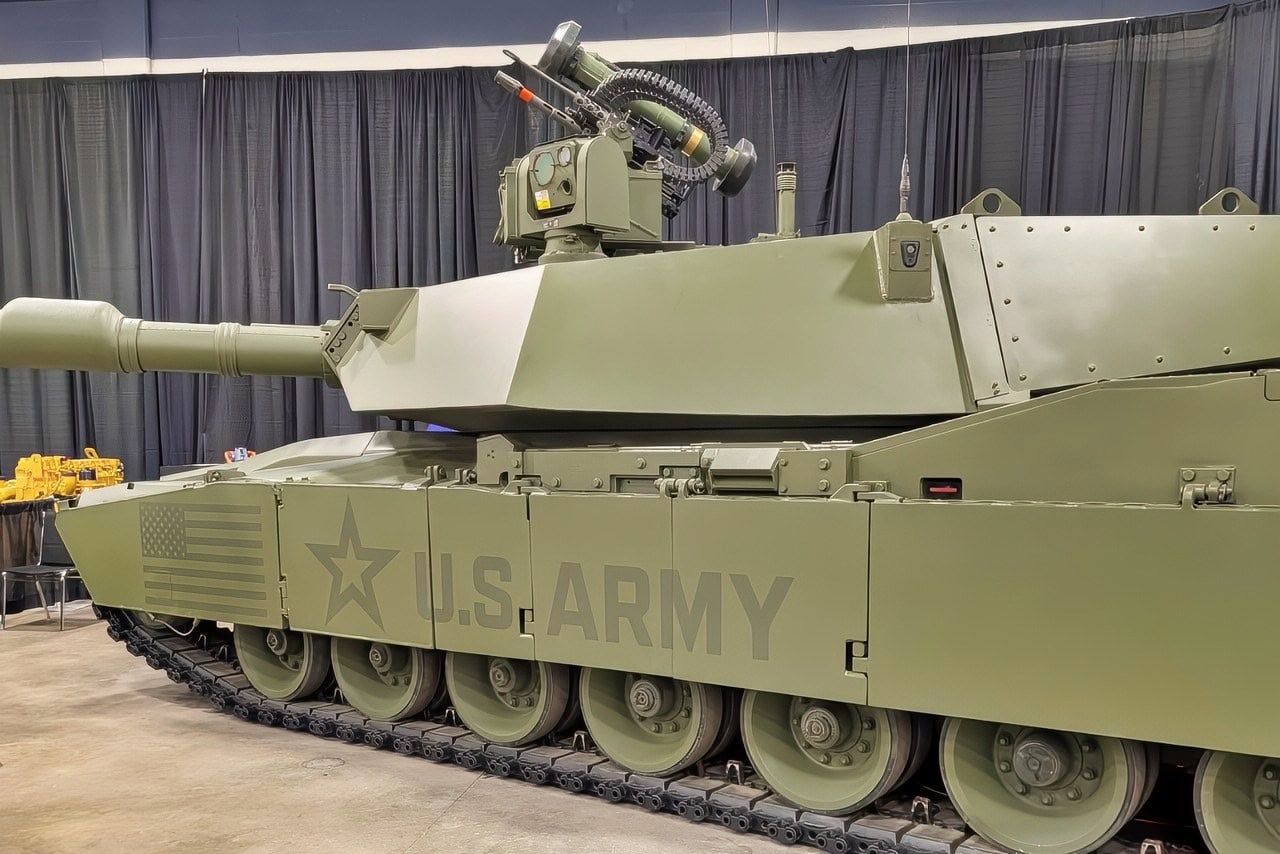
M1E3 Tank at the Detroit Auto Show. Image Credit: 19FortyFive.
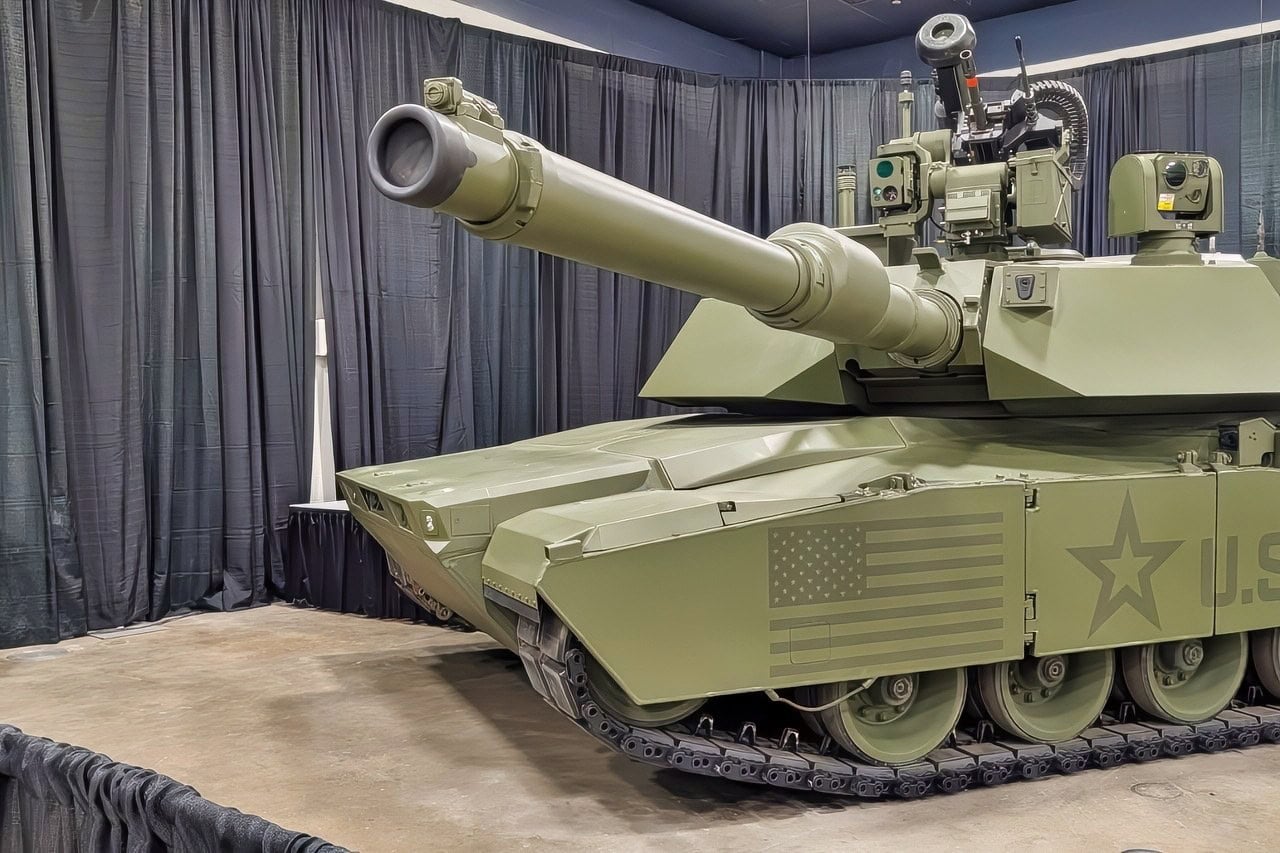
M1E3 Tank at the Detroit Auto Show. Image Credit: 19FortyFive.com
MOSA is why the Army characterized E3 as a redesign rather than an upgrade. It wanted a program that could counter unmanned aerial systems, deliver electronic warfare capabilities on the modern battlefield, and act with speed and autonomy.
The Challenger 3’s new turret and generic vehicle architecture deliver a comparable digital step for the UK, replacing the bespoke, non-NATO armament ecosystem of the Challenger 2 with NATO-standard ammunition, stabilized sights, modern thermals, and networked data-sharing across combined arms.
These measures bring British armor into parity with allied fleets, thereby increasing interoperability and improving situational awareness for tank crews.
Which Tank is Better?
Both tanks are revolutionary redesigns of their predecessors, but they differ in their approach and scale. Whereas the Challenger 3 is meant to bring the Challenger series up to today’s standards, the M1E3 is meant to launch the Abrams legacy well into the future.
With its open-systems approach, the M1E3 can be upgraded and tweaked according to operational needs, continually installing future systems and software as they deliver. This does not belittle the improvements made on the Challenger 3, but the M1E3 is a more comprehensive upgrade package.
It keeps the Abrams ahead of its competition for many years to come.
About the Author: Isaac Seitz
Isaac Seitz, a Defense Columnist, graduated from Patrick Henry College’s Strategic Intelligence and National Security program. He has also studied Russian at Middlebury Language Schools and has worked as an intelligence Analyst in the private sector.