
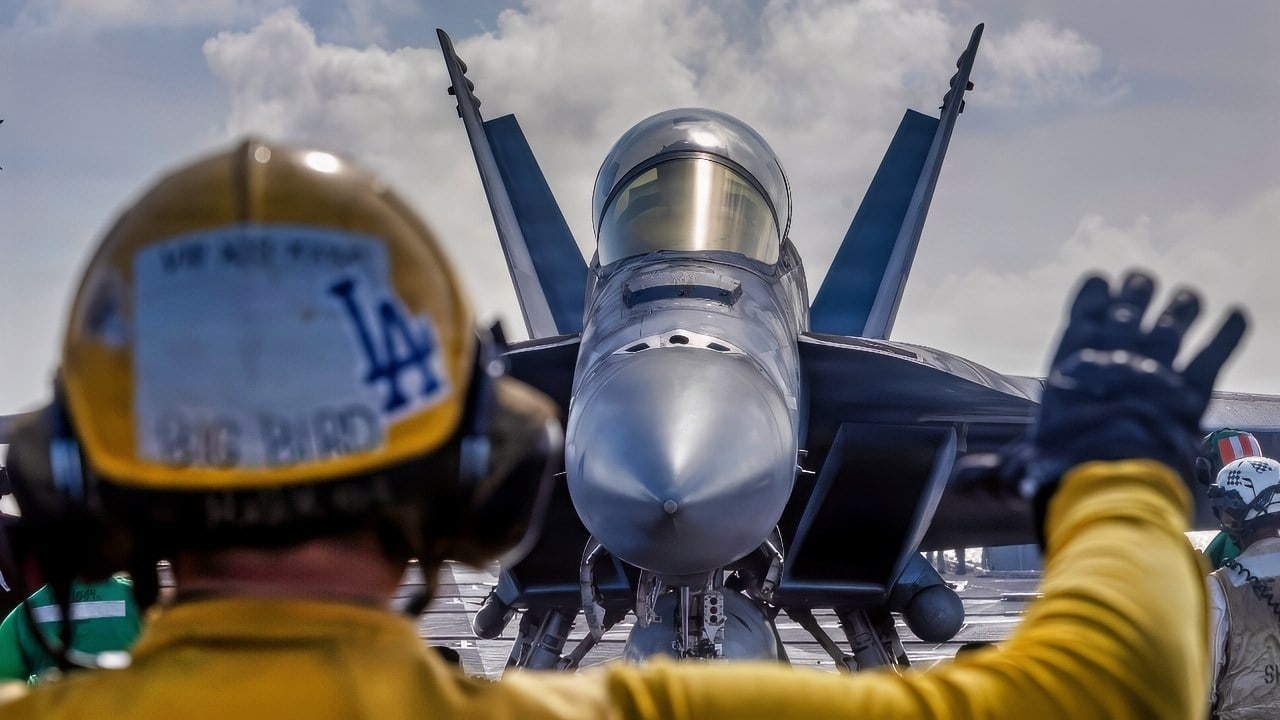
Summary and Key Points: The F/A-18 Super Hornet has stayed at the center of U.S. Navy airpower by evolving instead of standing still.
-Built from the original Hornet design but enlarged for more fuel, range, and payload, it became a true multirole carrier fighter with strong combat performance in Iraq, Syria, and the Red Sea.
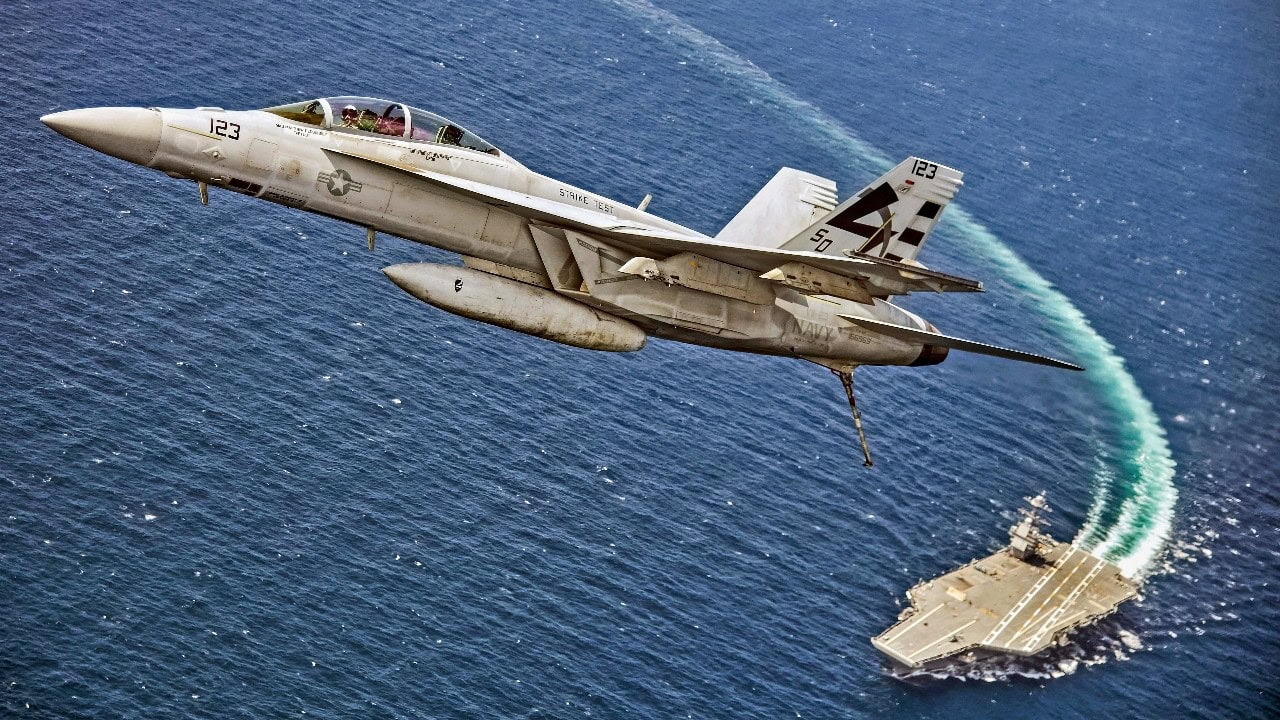
Super Hornet Navy Fighter. Image Credit: Creative Commons.
-The latest Block III upgrades add better networking, computing power, cockpit displays, and service life, keeping it relevant as threats grow more complex.
-It may not match the F-35 in stealth, but its versatility, carrier suitability, readiness, and lower operating costs make it a durable and still-dangerous force into the 2040s.
The F/A-18 Hornet’s Evolution Has Kept It A Key Component Of The Navy
The F/A-18 has remained relevant through a consistent, evolutionary upgrade path from the original Hornet to the F/A-18E/F Super Hornet, featuring increased size, 33 percent more internal fuel, and 25 percent more wing area.
It has maintained relevance by integrating advanced technologies—such as active electronically scanned array (AESA) radar, improved avionics, and the Block III configuration—along with superior carrier suitability and a lower cost-per-flight-hour compared to newer jets.
The F/A-18E and F/A-18F Super Hornet are a series of American supersonic, twin-engine, carrier-capable, multirole fighter aircraft derived from the McDonnell Douglas F/A-18 Hornet.
The Super Hornet serves the U.S., Australia, and Kuwait armed forces. The F/A-18E single-seat and F tandem-seat variants are larger and more advanced versions of the F/A-18C and D Hornet, respectively.
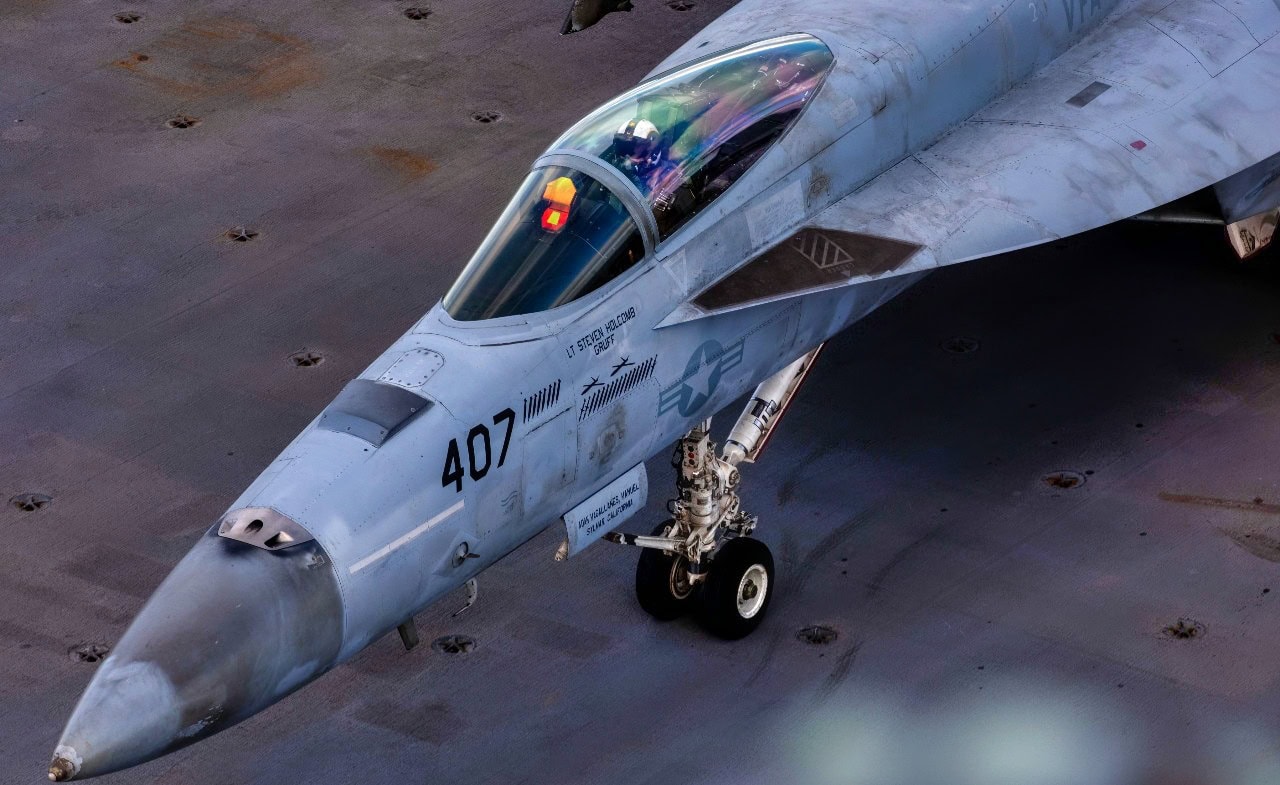
(Dec. 7, 2024) LT Steven Holcomb, attached to the Gunslingers of Strike Fighter Squadron (VFA) 105, operates a F/A-18E Super Hornet on the flight deck during flight operations, Dec. 7, 2024. USS George H.W. Bush is in the basic phase of the Optimized Fleet Response Plan conducting flight deck certification.(U.S. Navy photo by Mass Communication Specialist Seaman Jayden Brown)
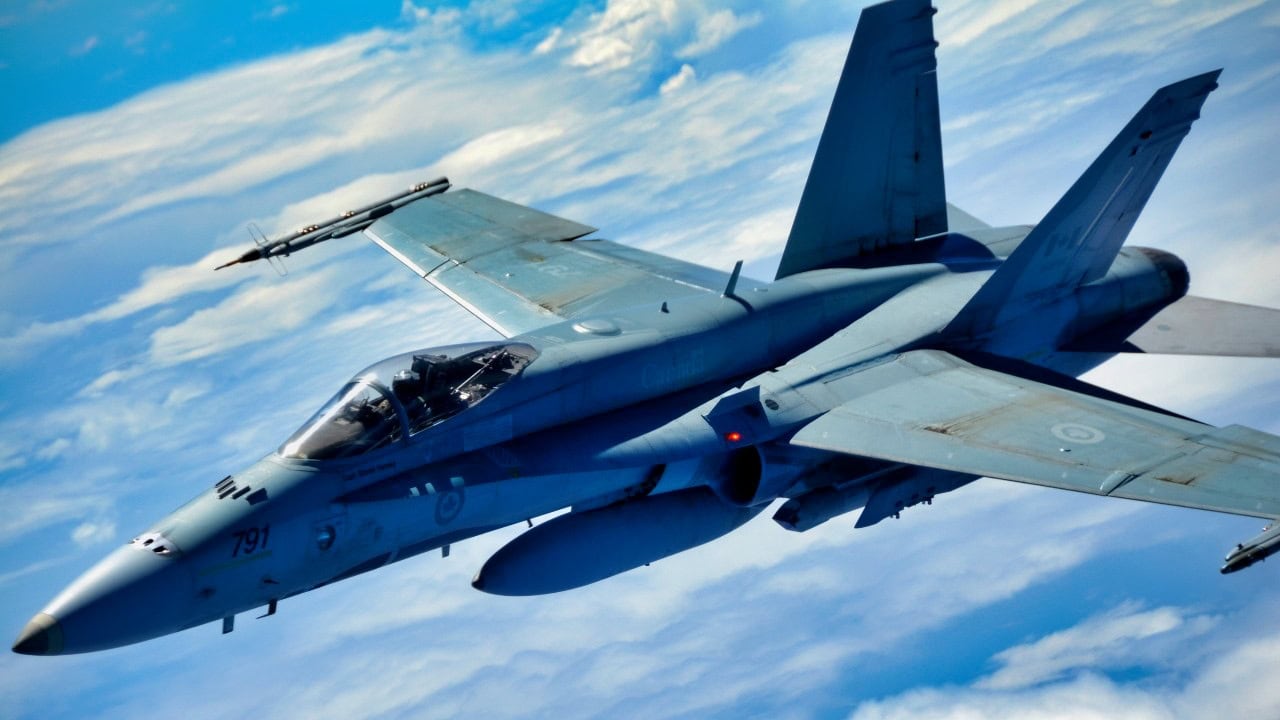
JOINT BASE PEARL HARBOR-HICKAM (July 11, 2016) A Royal Canadian Air Force CF-18 Hornet flies alongside a KC-135 Stratotanker flown by a crew from the 465th Air Refueling Squadron, Tinker Air Force Base, Okla., in support of Rim of the Pacific 2016. Twenty-six nations, more than 40 ships and submarines, more than 200 aircraft and 25,000 personnel are participating in RIMPAC from June 30 to Aug. 4, in and around the Hawaiian Islands and Southern California. The world’s largest international maritime exercise, RIMPAC provides a unique training opportunity that helps participants foster and sustain the cooperative relationships that are critical to ensuring the safety of sea lanes and security on the world’s oceans. RIMPAC 2016 is the 25th exercise in the series that began in 1971. (U.S. Air Force photo/Master Sgt. Grady Epperly)
The F/A-18E Super Hornet is considered an excellent fighter jet. It is recognized for its versatility, strong combat capabilities, and ability to perform multiple roles, including air-to-air combat and strike missions. This makes it a key component of the US Navy’s carrier air wings.
However, compared to newer stealth fighters like the F-35, it may have limitations, such as stealth technology.
However, many consider the F/A-18E Super Hornet the best fighter in Navy history. That is high praise indeed.
The Super Hornet Combat History
The F/A-18 entered service with the US Navy in 1999. In 2002, the Super Hornet had its baptism of fire in Iraq. On November 6, 2002, two F/A-18Es conducted a “Response Option” airstrike in support of Operation Southern Watch on two surface-to-air missile launchers at Al Kut, Iraq, and an air defense command and control bunker at Tallil Air Base. One of the pilots dropped 2,000 lb (910 kg) JDAM bombs from the Super Hornet for the first time during combat.
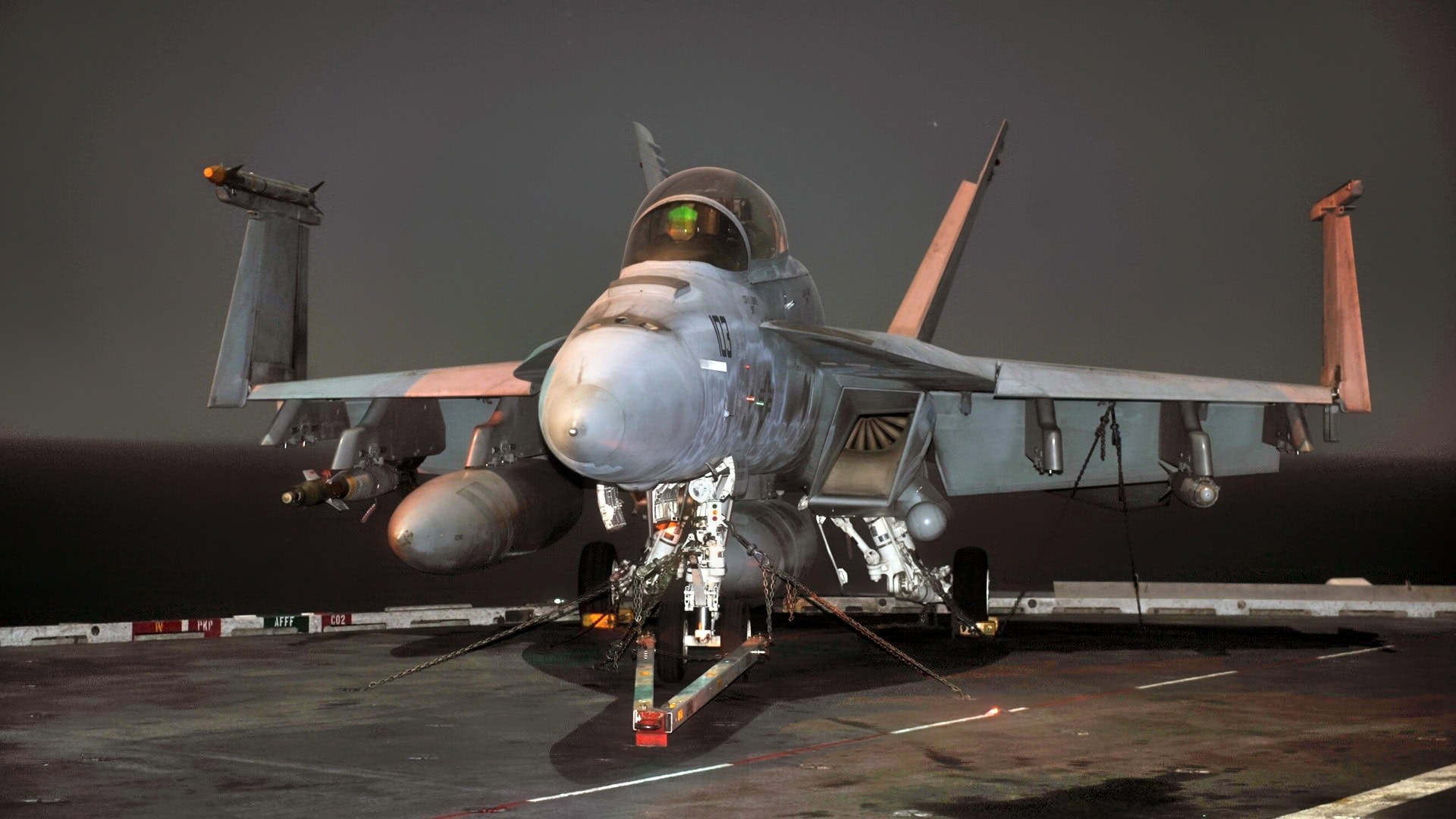
FA-18 Super Hornet. Image Credit: Creative Commons.
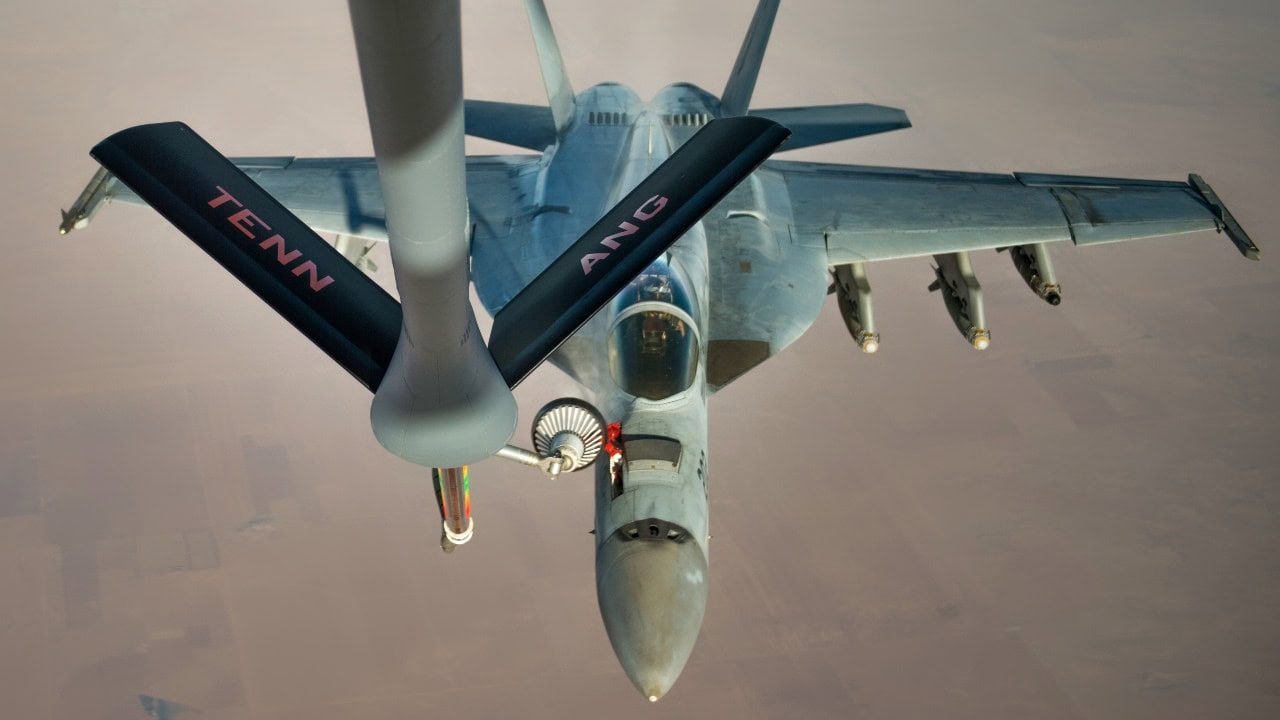
A U.S. Navy F/A-18 Super Hornet receives fuel from a KC-135 Stratotanker over Iraq in support of Operation Inherent Resolve Oct 17, 2016. The KC-135 provides the core aerial refueling capability for the U.S. Air Force and has excelled in this role for more than 50 years. (U.S. Air Force photo by Staff Sgt. Douglas Ellis/Released)
In 2017, an F/A-18E was the first Super Hornet to shoot down an enemy aircraft and the first US aircraft to shoot down an enemy aircraft since 1991, when an F/A-18E shot down a Syrian Su-22 that had bombed an SDF position. The Syrian Democratic Forces was a US partner during the fight against ISIS. They were trained and advised by US Army Green Berets.
The Syrian government claimed that the Su-22 was bombing an ISIS position. But after being warned two times by an American E-3 Sentry AWACS aircraft, a Super Hornet of the Navy smoked the Su-22 out of the sky with AIM-120 AMRAAM.
Houthis Learn The Hard Way
In late December 2023, Super Hornets from the USS Dwight D., Eisenhower and the destroyer USS Laboon destroyed 12 attack drones, three anti-ship missiles, and two ground attack cruise missiles fired by Houthi terrorists in the southern Red Sea.
After the Houthis kept attacking shipping in the Red Sea, the US and our allies decided to act. On January 12, 2024, U.S. Navy Super Hornets, USAF, and RAF forces struck 60 targets at 16 locations using over 100 PGMs of various types.
F/A-18E Super Hornet Specs
The Super Hornet was built to be easy to maintain, and it has certainly lived up to that. Maintenance of technology-heavy combat fighters is time-consuming. But maintaining carrier jets is even more work. Super Hornets require half the maintenance time of an F-14 or an A-6.
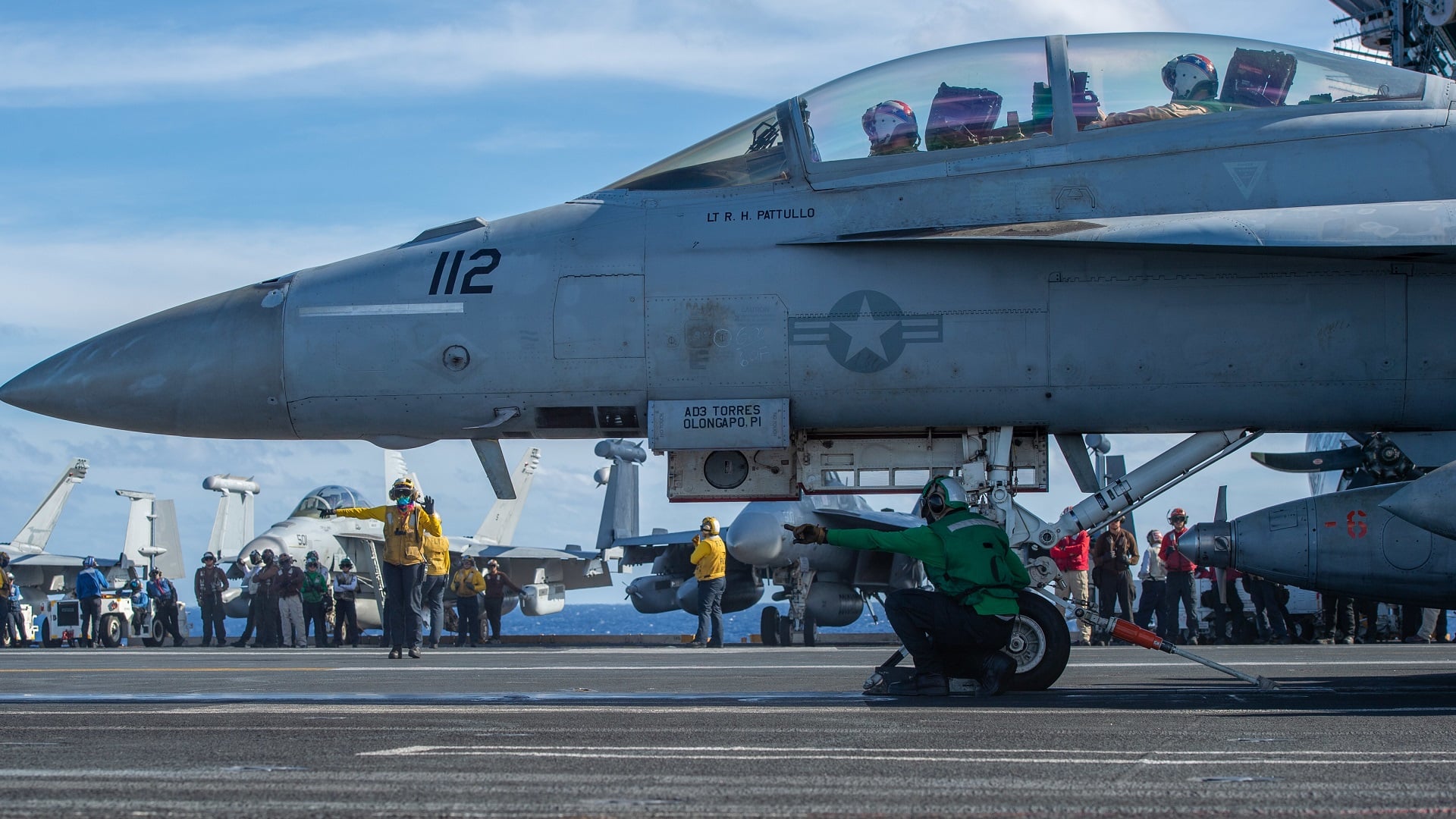
221227-N-DU622-1227 PHILIPPINE SEA (Dec. 27, 2022) An F/A-18F Super Hornet from the “Fighting Redcocks” of Strike Fighter Squadron (VFA) 22 prepares to launch from the flight deck of the aircraft carrier USS Nimitz (CVN 68). Nimitz is in 7th fleet conducting routine operations. 7th Fleet is the U.S. Navy’s largest forward-deployed numbered fleet, and routinely interacts and operates with 35 maritime nations in preserving a free and open Indo-Pacific region. (U.S. Navy photo by Mass Communication Specialist 2nd Class Justin McTaggart)
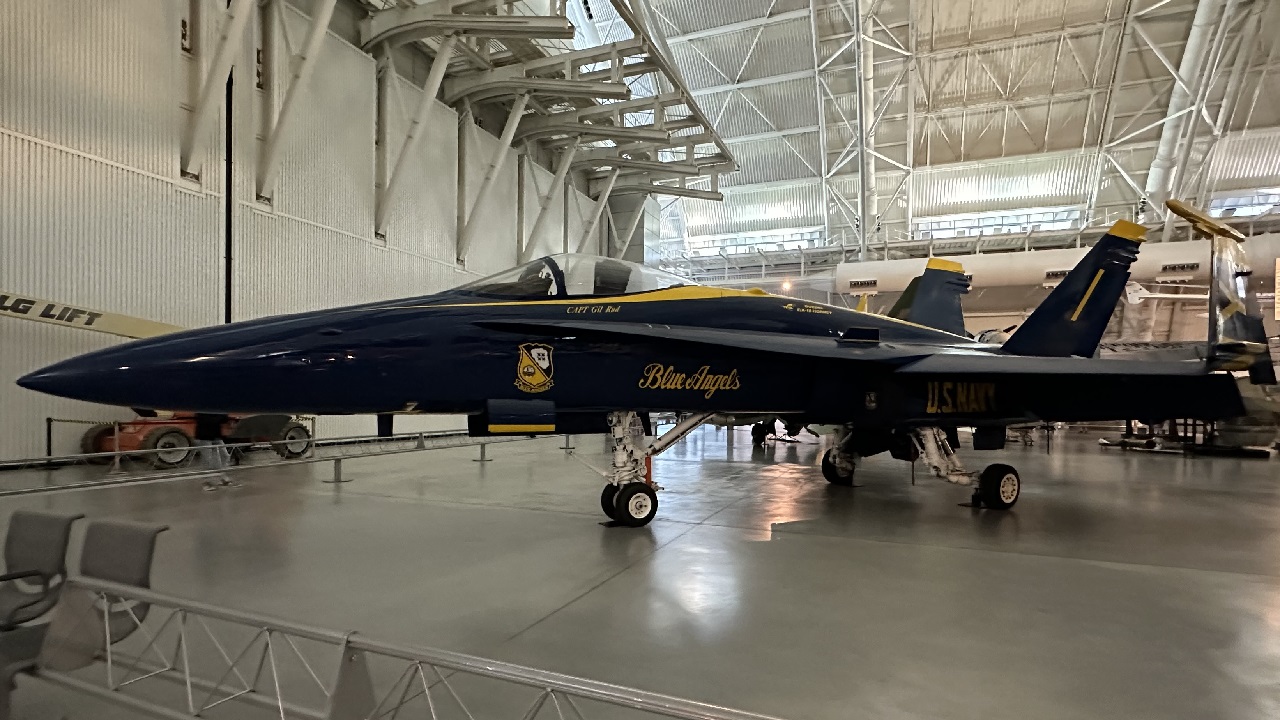
F/A-18 Hornet. Image taken at National Air and Space Museum on October 1, 2022. Image by 19FortyFive.
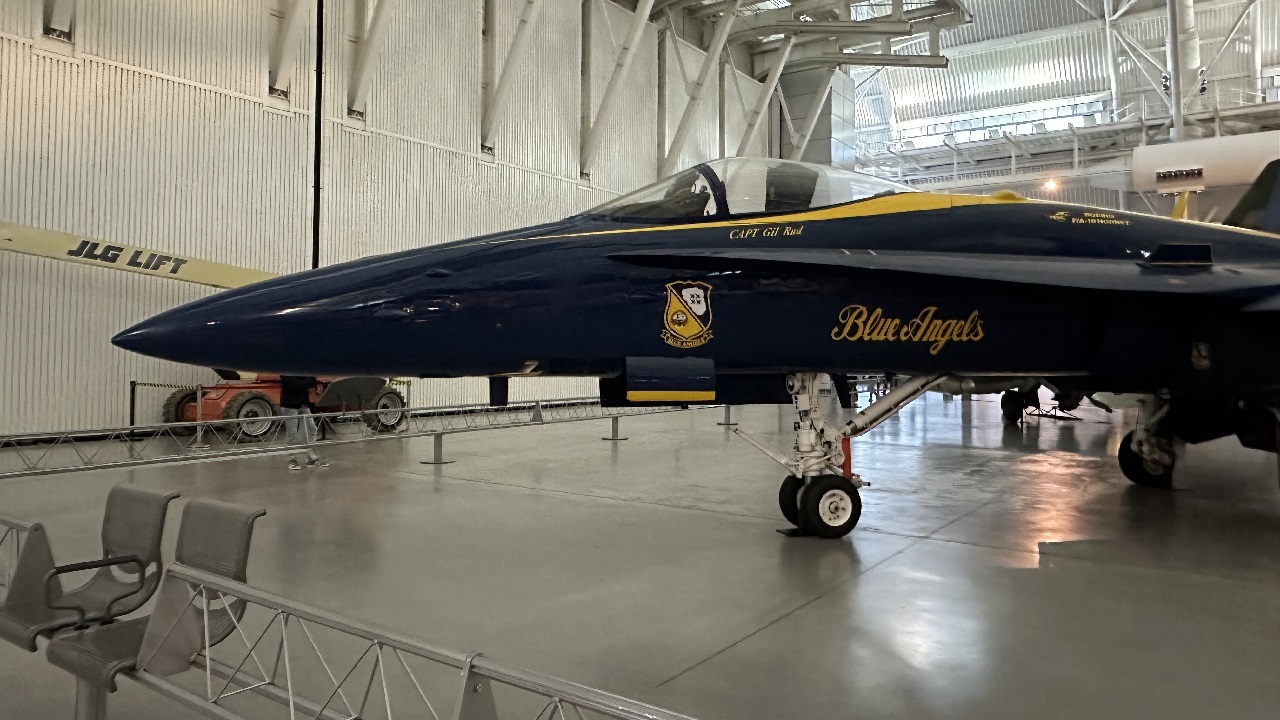
F/A-18 Hornet. Image taken at National Air and Space Museum on October 1, 2022. Image by 19FortyFive.
The General Electric F404 engines are also easy to maintain. They are connected to the aircraft at just ten points and can be removed by a four-man team in just 20 minutes. Because of this, the Super Hornet had an excellent readiness record—over 80 percent.
Length: 60.3 ft
Height: 16 ft
Wingspan: 44.9 ft
Maximum take-off weight: 66,000 lbs
Airspeed: Mach 1.8+
Ceiling: 50,000+ ft
Propulsion: Two F414-GE-400 turbofan engines
Guns: 1× 20 mm (0.787 in) M61A2 Vulcan
Missiles: AIM-7 Sparrow, AIM-9 Sidewinder, AIM-120 AMRAAM, AGM-65E/F Maverick, AGM-84H/K SLAM-ER, AGM-88 HARM, AGM-158 JASSM, AGM-154 Joint Standoff Weapon (JSOW)
Bombs: JDAM bombs, Paveway series of laser-guided bombs, Mk 80 series unguided bombs
How Has The F/A-18 Evolved To Stay Lethal
Physical upgrades to the Super Hornet were the beginning. The transition to the Super Hornet (E/F variants) provided a 25 percent larger airframe, 33 percent more internal fuel, increased payload capacity, and better range, allowing it to take over roles from the retired F-14 Tomcat and A-6 Intruder.
Technological Modernization (Block III) advancements. The latest Block III standard includes enhanced network infrastructure, advanced cockpit systems, reduced radar cross-section, and improved computing power.
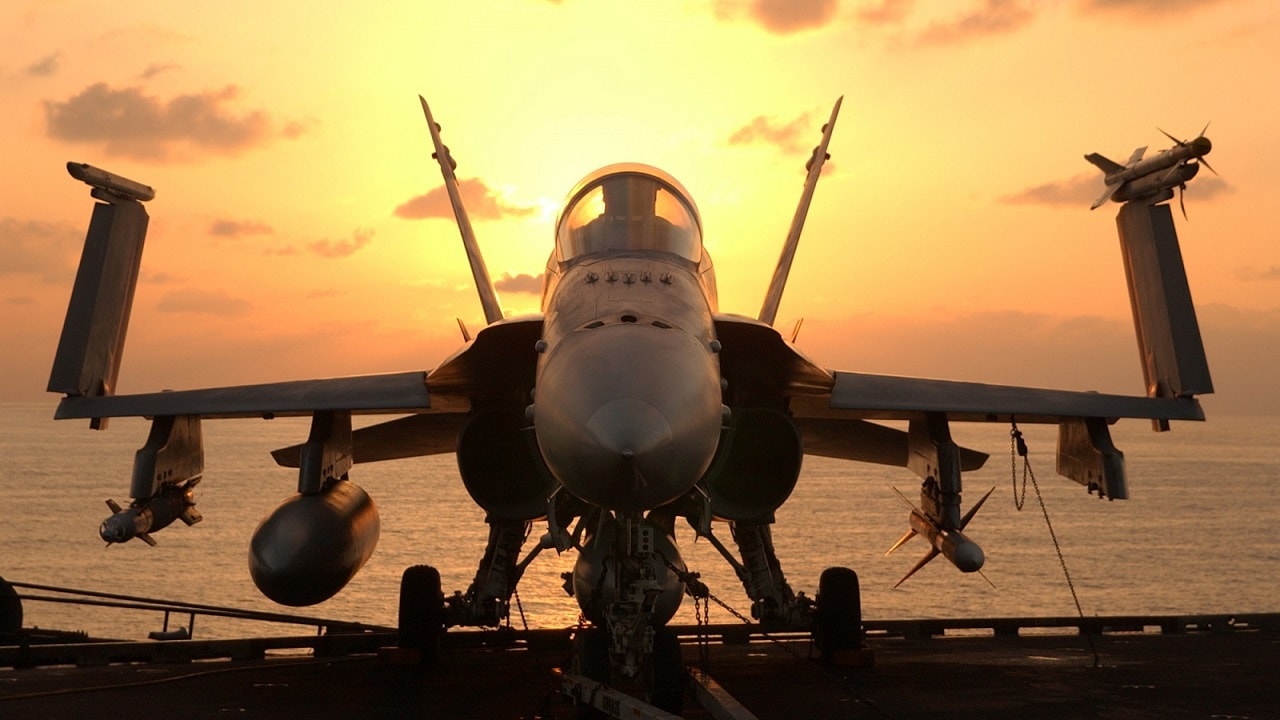
At sea aboard USS John C. Stennis, December 18, 2001 – After an early morning round of flight operations, an F/A-18 Hornet awaits the next round of combat flight operations aboard the USS John C. Stennis (CVN 74). Stennis and her embarked Carrier Air Wing Nine (CVW-9) are supporting Operation Enduring Freedom. U.S. Navy photo by Photographer’s Mate 3rd Class Jayme Pastoric
Key upgrades include a 10,000-hour service life (up from 6,000), conformal fuel tanks (CFTs) for increased range, a 10×19-inch “iPad-like” touchscreen display, improved computing power (TTNT), allowing for faster data sharing, improved sensor fusion, and advanced target tracking. and reduced radar cross-section improvements to make the jets even harder to find as enemy systems grow in sophistication; and an advanced networking infrastructure that includes a distributed targeting network processor to add computing power to the jet and process data faster to aid the pilot in decision-making.
Versatility is the key to the Super Hornet. The platform excels in multirole missions, including air-to-air combat, precision ground strikes, and aerial refueling.
Compared to newer, more complex stealth aircraft, the F/A-18 is relatively inexpensive to operate, maintain, and upgrade.
Service Life Extension: Ongoing programs ensure the airframes remain structurally sound for extended service, with the Super Hornet expected to operate into the 2040s.
“People from all walks of life and areas of Naval Aviation feel some tangible connection to this aircraft,” Capt. Michael Burks, who has served as the F/A-18 and EA-18G Program Office program manager since 2023, said.
“Whether they’ve worked on the production line, whether they were engineers that did design work, whether they wore the uniform or are wearing it right now. The history of this aircraft—which is still being written—represents and honors the enduring impact of those who started and those who are sustaining what is probably one of the greatest runs in Naval Aviation for any platform out there.”
The Ford-class Aircraft Carriers of the Navy are America’s power projection icons. And with flight decks crammed with F/A-18E Super Hornets and F-35C Lightning II stealth fighters are more packed with firepower than many nations have.
The Super Hornet has evolved through the years to remain an outstanding aircraft. It may not have the stealth capabilities of the F-35, but it still packs a mighty and versatile punch.
About the Author: Steve Balestrieri
Steve Balestrieri is a National Security Columnist. He served as a US Army Special Forces NCO and Warrant Officer. In addition to writing on defense, he covers the NFL for PatsFans.com and is a member of the Pro Football Writers of America (PFWA). His work was regularly featured in many military publications.