
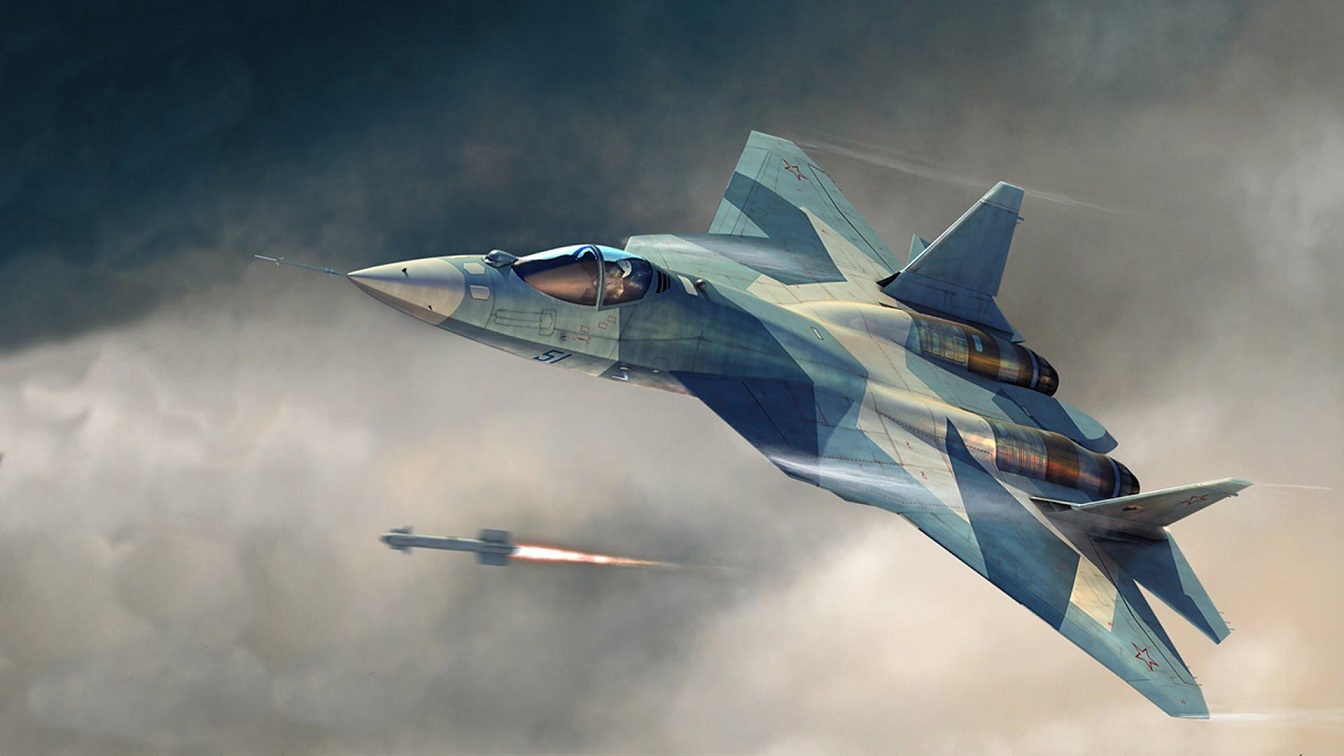
Summary and Key Points: Russia’s United Aircraft Corporation recently delivered a new batch of “upgraded” Su-57 Felon stealth fighters to the Aerospace Forces, featuring enhanced avionics and an expanded weapons complex.
-Capable of firing hypersonic munitions and controlling the S-70 Okhotnik-B loyal wingman drone, the Su-57 is intended to be the backbone of Russia’s 5th-generation fleet.
-However, with only an estimated 30 active units and production hindered by Western electronics sanctions, the Felon remains a “boutique” asset.
-To avoid humiliating combat losses, Russia frequently keeps these jets stationed far from the front, limiting their ability to achieve true air dominance.
The “Numbers” Trap: Russia’s Su-57 Felon Strategy Summed Up in 2 Words
The Russian propaganda mill has been working overtime to paper over the failures of their overrated military in Ukraine. State-run media has not had much good material to work with. New weapon systems that were supposed to make life difficult for the Ukrainians have petered out, while mass Russian casualties have bogged the war down.
Su-57 Felon Brings Much to the Table
One minor bright spot for Russia has been the performance of the Su-57 Felon stealth fighter jet. This fifth-generation airplane is supposed to dominate in aerial combat.
It’s a Mach 2.0 multirole jet with a 900-mile range. The Su-57 can control a loyal wingman combat drone called the S-70 Okhotnik-B, and the aircraft might be equipped with an active electronically scanned array radar.
More Upgraded Felons Have Been Sent to the Air Force
In a new development, the United Aircraft Corporation just sent a group of upgraded Su-57s to the armed forces. This suggests Putin’s military is not giving up on the Felon and plans for it to be the backbone of its aerial forces in the coming years.
Can the New Stealth Warbirds Make a Difference?
Rostec claims that it fully tested the new Felons and they are ready for battle. This could give a shot in the arm to the Russian Aerospace Forces, which are looking for any advantage they can find to maintain any semblance of air dominance against Ukraine.
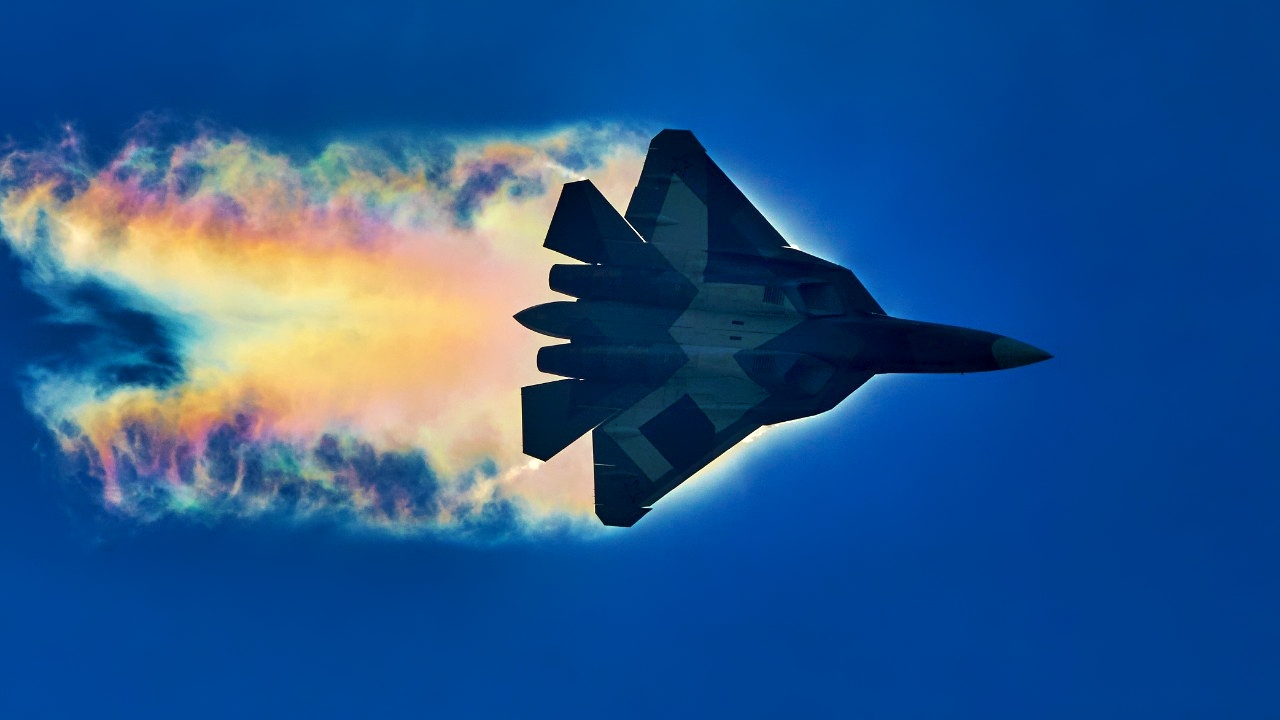
Russia’s Su-57 Felon Fighter

Su-57 Felon Fighter from Russian Air Force.
Defence Blog reported that, “The Russian Ministry of Defense said pilots from the Aerospace Forces tested the aircraft across various operating modes following acceptance. The aircraft were delivered in what the manufacturer described as a ‘new technical configuration,’ reflecting upgrades to avionics and the integrated weapons complex.”
Su-57 Pilots Could Use the Help
A Russian pilot quoted in Russian state media was optimistic about the upgraded Su-57s. “The aircraft has already shown itself well during the special military operation. The new technical configuration will contribute to expanding the range of tasks for which this type of aircraft is used. The prospective capabilities incorporated in the aviation weapons complex make it possible to employ new types of aviation weapons.”
Improvements Are Welcome
The new Su-57s will likely fire weapons that can fly at hypersonic speeds, anti-radiation missiles, and armaments that could take out maritime targets. The airplane could be more maneuverable and survivable than its predecessors. Avionics may also improve, as well as flight controls and electronic-warfare capabilities.
All has not been rosy in the Su-57 program though. The Russian may have lost at least one Felon in combat, and two other Su-57s have been damaged by drones.
There Could Be As Few As 30 On Active Duty
The updated Felons may give the Russian fleet some hope, but the Su-57 has not been produced in the numbers needed to change the trajectory of the war. There are only about 30 to 42 functioning Su-57s, and it is likely closer to the low end of the range. Russia would likely need two to three times that many Su-57s for real air dominance. The air force has ordered 76 by 2028, but the war could be over by then.
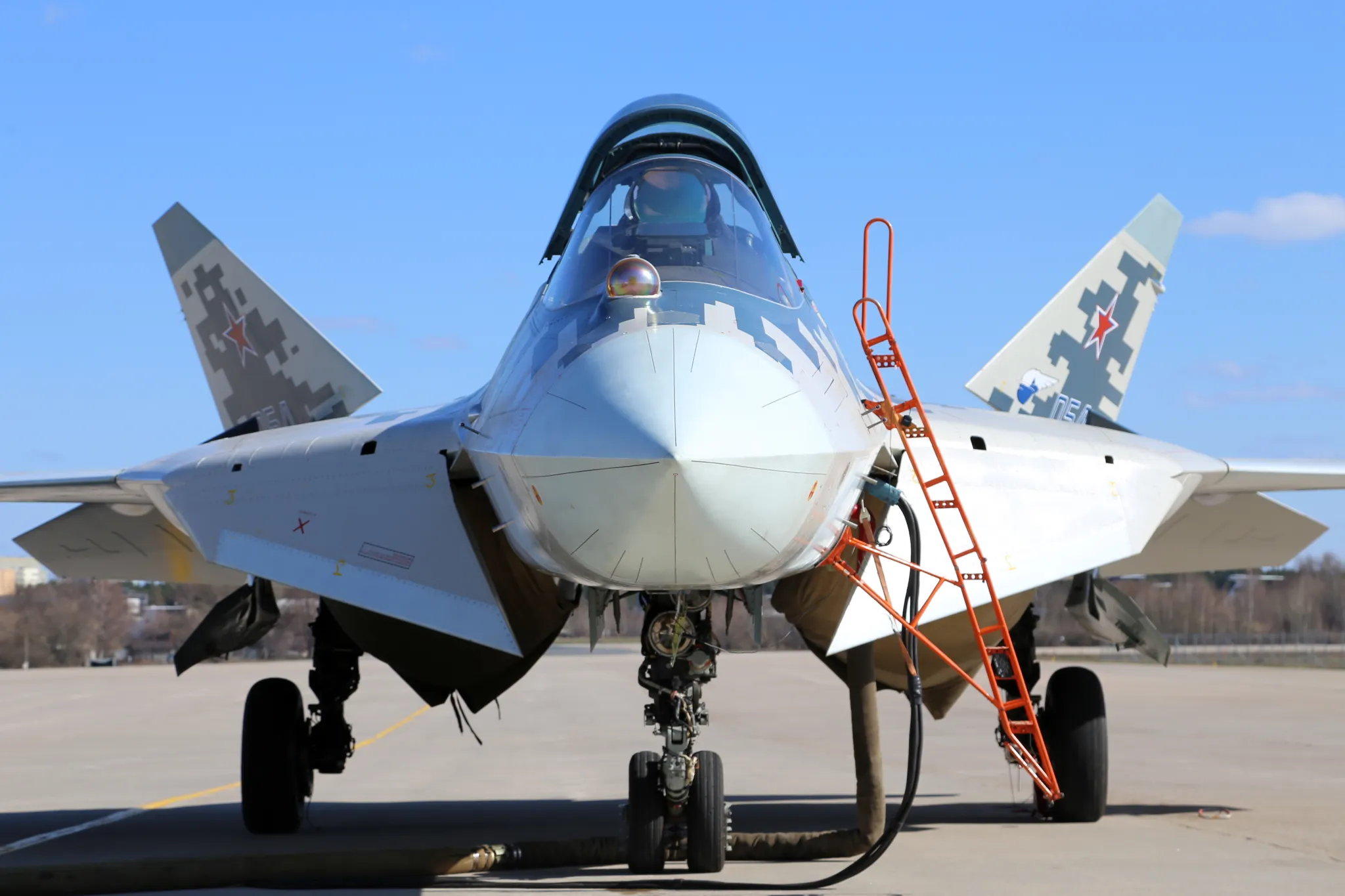
Russia’s Su-57 Stealth Fighter. Image Credit: Creative Commons.
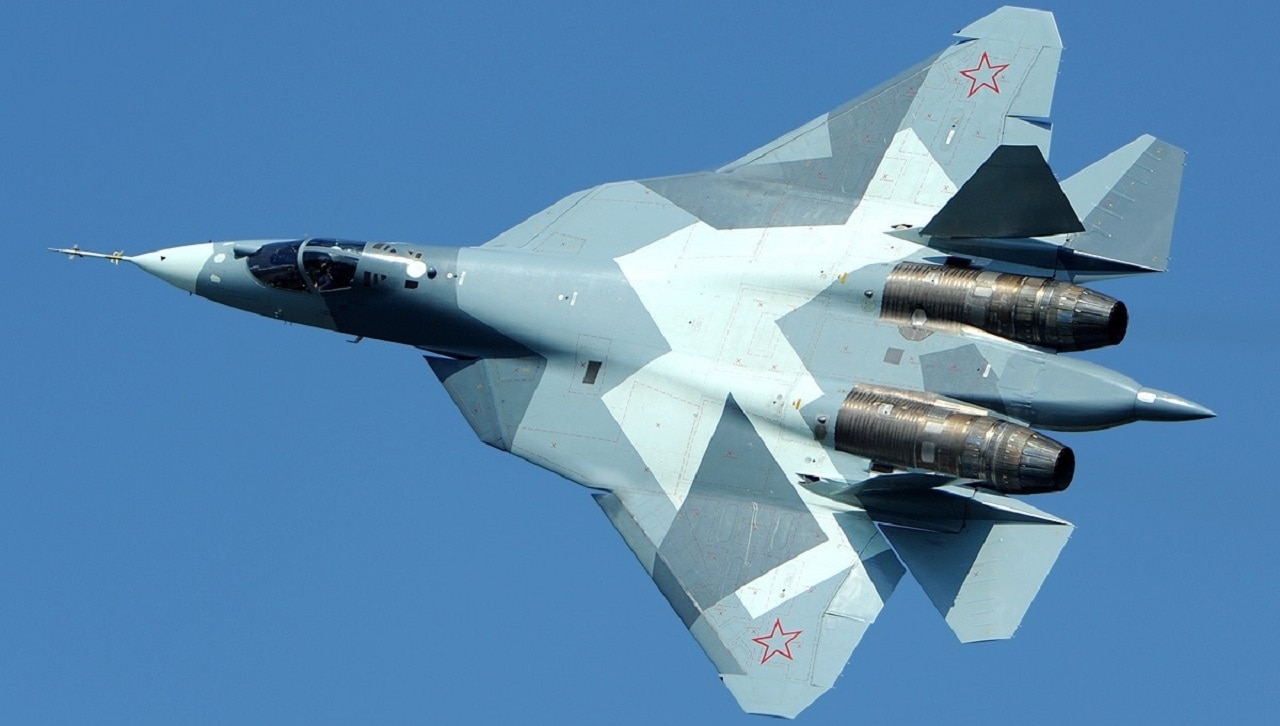
Su-57. Image Credit: Creative Commons.
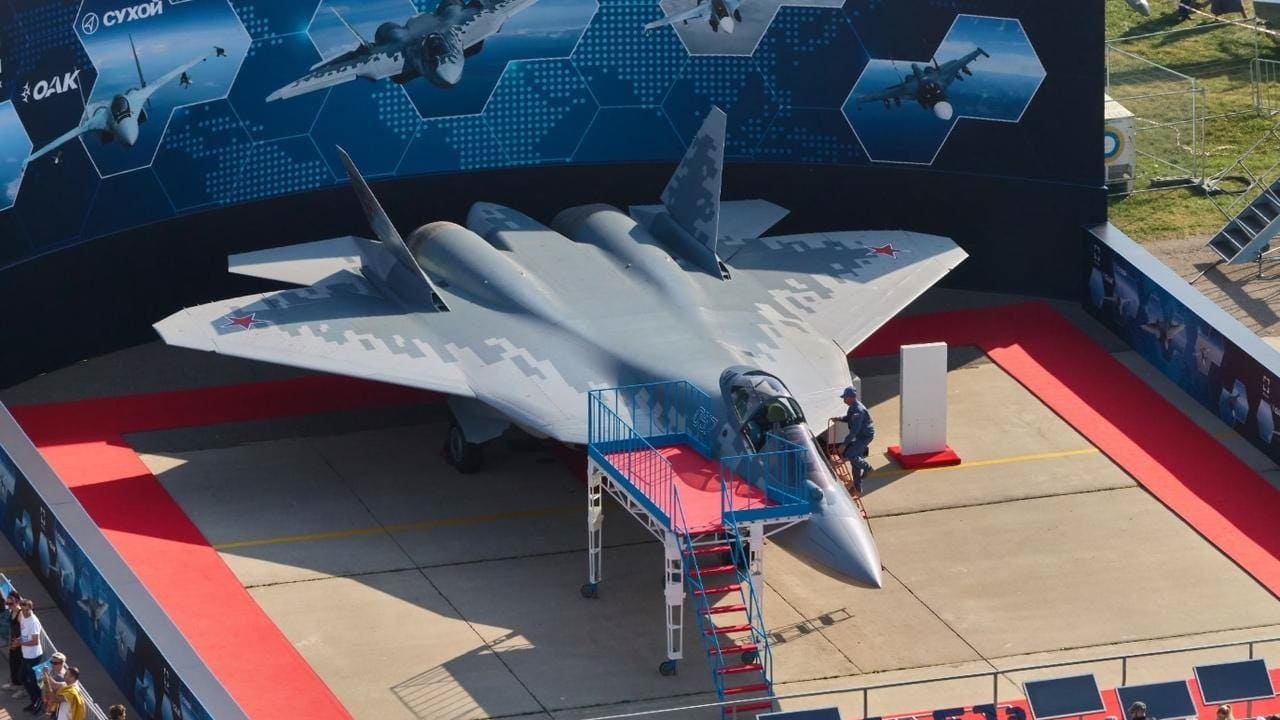
Su-57 Felon Fighter. Image Credit: Creative Commons.
Hiding Them Back East
Not all Su-57s in the fleet are forward-deployed near Ukraine. A handful are stationed in Russia’s east, at Dzyomgi air base, to better protect them against drone attacks. Sanctions for advanced electronics have also hindered production.
They Have Yet to Be Popular on the Export Market
Algeria has reportedly purchased the Su-57, but the airplane has not been a hit on the export market. India turned the Russians down years ago. Iran could be interested, but I have little confidence that Iranian pilots could be trained successfully on a fifth-generation fighter.
Middling Level of Stealthiness
The Su-57 does not have the level of stealth of the F-35 or F-22, but it can evade radar about as well as China’s J-20, another fifth-generation fighter. The Felon has a blended-wing body and rounded fuselage, which makes it potentially more stealthy than the J-20.
Has the Su-57 Program Failed?
The Su-57 may have to wait for the next war with a different country before it has the numbers to claim more aerial wins. Russia seems to be content to hold back the Su-57 for now, but that is not what Putin had in mind for the Felon. It was supposed to be sold in numbers by now, and the proceeds would go to acquire more Su-57s for the home team.
The Felon has so far enjoyed only moderate success. The numbers are not enough to win the war decisively. The Russians can’t let it get shot down, so even though it has advantages in aerial combat, the airplane is still risky to fly full-time. Look for Russia to slowly increase its inventory and continue to attempt international sales.
About the Author: Brent M. Eastwood
Author of now over 3,000 articles on defense issues, Brent M. Eastwood, PhD is the author of Don’t Turn Your Back On the World: a Conservative Foreign Policy and Humans, Machines, and Data: Future Trends in Warfare plus two other books. Brent was the founder and CEO of a tech firm that predicted world events using artificial intelligence. He served as a legislative fellow for US Senator Tim Scott and advised the senator on defense and foreign policy issues. He has taught at American University, George Washington University, and George Mason University. Brent is a former US Army Infantry officer. He can be followed on X @BMEastwood.