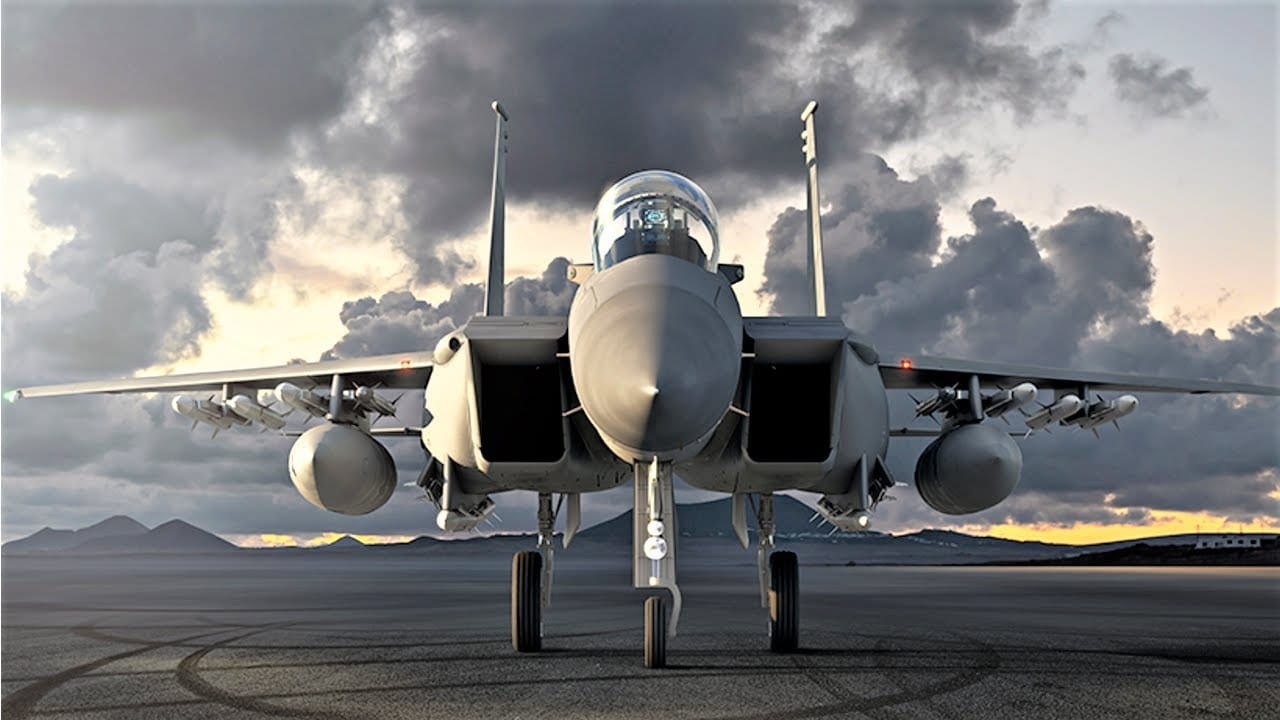
Summary and Key Points: Indonesia has ended its planned acquisition of up to 24 Boeing F-15EX Eagle II fighters after nearly two years of stalled Foreign Military Sales negotiations, despite U.S. approval in 2022 and an MoU signed in 2023.
-The decision comes as Jakarta ramps up defense spending while already juggling multiple high-end procurement paths.
-With 42 Rafales ordered from France and deliveries underway, the Rafale is set to become the backbone of Indonesia’s airpower modernization.
-The core issue is fleet complexity: Indonesia already operates a mixed inventory of F-16 variants and Russian Su-27/Su-30s, and may still pursue KF-21s—creating a looming sustainment and budget crunch.
Why Indonesia Has Called Off Its Buy for F-15EX
The Singapore Air Show is not generally known for producing much breaking news in recent outings. But this year, one of the few stories to come from the event is Indonesia’s recent decisions on its fighter acquisition.
Officials of the Boeing company state that Jakarta has officially ended its plans to acquire Boeing’s F-15EX Eagle II fighter aircraft, following almost two years of stalled, on-again, off-again negotiations.
These contract deliberations took place under the US Foreign Military Sales (FMS) framework. Boeing has offered the aircraft in different tenders in the region, and the version on offer has progressed through different designators as configurations have been improved with new technologies coming online.
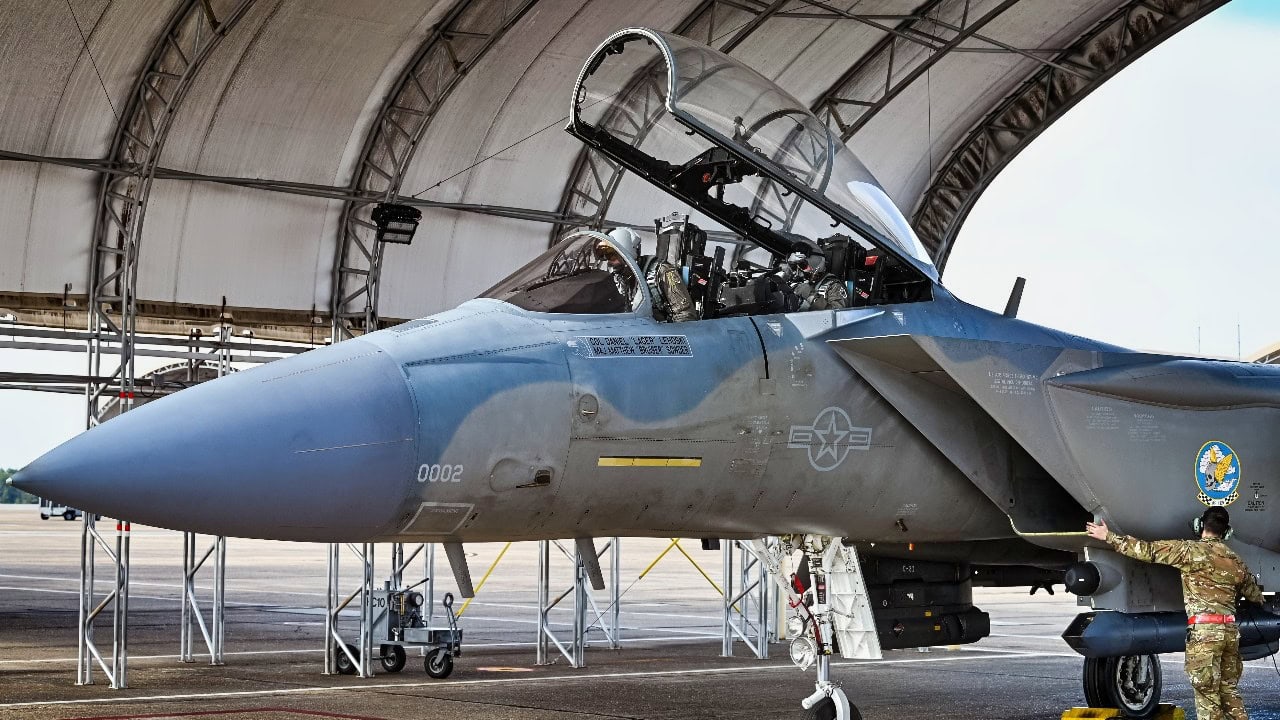
U.S. Air Force Maj. Aaron Eshkenazi, F-15EX Test Director for the 84th Test and Evaluation Squadron, performs preflight procedures for the F-15EX with Lt. Gen. Michael Koscheski, deputy commander of Air Combat Command, at Eglin Air Force Base, Florida, January 29, 2025. During his visit, Koscheski gained valuable insights from the 84th TES and 85th TES to help inform future decisions regarding the platform. The future F-15 fleet will complement 5th generation aircraft, bringing substantial additional capacity for over-sized long-range fires, sensors, and electronic warfare capabilities to defend critical locations in highly contested areas. (U.S. Air Force photo by 1st Lt. Rebecca Abordo)
The US State Department approved the potential sale to Indonesia in February 2022, and the Southeast Asian nation then committed in August 2023 to purchasing up to 24 aircraft. A memorandum of understanding was signed in St. Louis, Missouri, home of Boeing’s F-15 production line, by then-Indonesian Defense Minister Prabowo Subianto.
Prabowo was then elected as Indonesia’s president in a landslide in 2024 with the eldest son of his predecessor, Joko “Jokowi” Widodo, Gibran Rakabuming Raka, as his running mate.
These negotiations had failed to lead to a finalized contract.
Boeing officials have declined to provide reasons for the decision and are instead referring questions on the issue to the Indonesian and US governments involved in the FMS process.
F-15EX Eagle II and Procurement as a Foreign Policy Tool
In 2024, his first year as president, Prabowo began a dramatic uptick in defense allocations—mostly funds for procuring new military equipment.
A study by the Indonesia 2045 Laboratory (Lab45) revealed Indonesia had considered the acquisition of at least four major types of weapon systems:
These were: the Chinese Chengdu J-10CE fighter jets worth 6.49 trillion Indonesian Rupiah (Rp) (US $3845 million), the Turkish KAAN fighter jets valued at Rp19.86 trillion (US $1.18 billion), the Turkish I-Class frigates worth Rp18.21 trillion (US $1,08 billion), and the Italian-made Garibaldi aircraft carrier with a contract value of Rp 7.45 trillion (US $441.5 million).
That spending spree shows no signs of slowing down. Indonesia previously ordered 42 Dassault Rafale multirole fighters from France, with deliveries now underway. With the F-15EX sale now called off, the Rafale will become the backbone of Indonesia’s air power modernization plans.
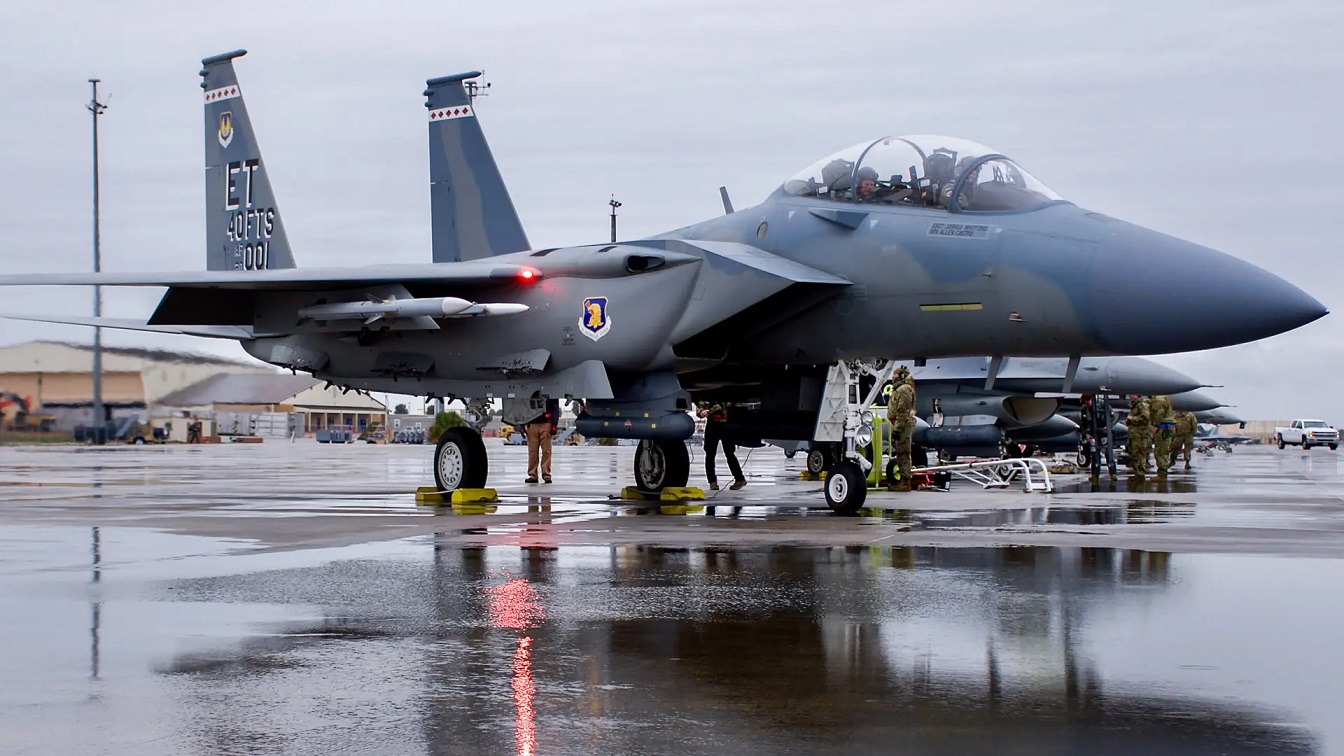
F-15EX. Image Credit: U.S. Air Force.
The Rafale acquisition is believed to have influenced Indonesia’s decision to pull away from the F-15EX. An air force with multiple advanced fighter types in its inventory faces a steep increase in logistics and support costs to keep them operational.
Too Many Different Fighter Models
The problem of having too many different fighters in one air force, which becomes a logistical and financial headache, is one Indonesia is all too familiar with. Jakarta’s Air Force currently operates a mixed fleet of Western- and Russian-built aircraft.
The main platforms are:
-F-16A/B Block 15 OCU fighters delivered from 1989 onward. Some of those aircraft have since been upgraded.
-Upgraded F-16C/D aircraft acquired later and optimized for the air-to-surface/anti-ship mission,
-Russian-made Su-27 and Su-30 fighters delivered in the 1990s and then again between 2003 and 2008.
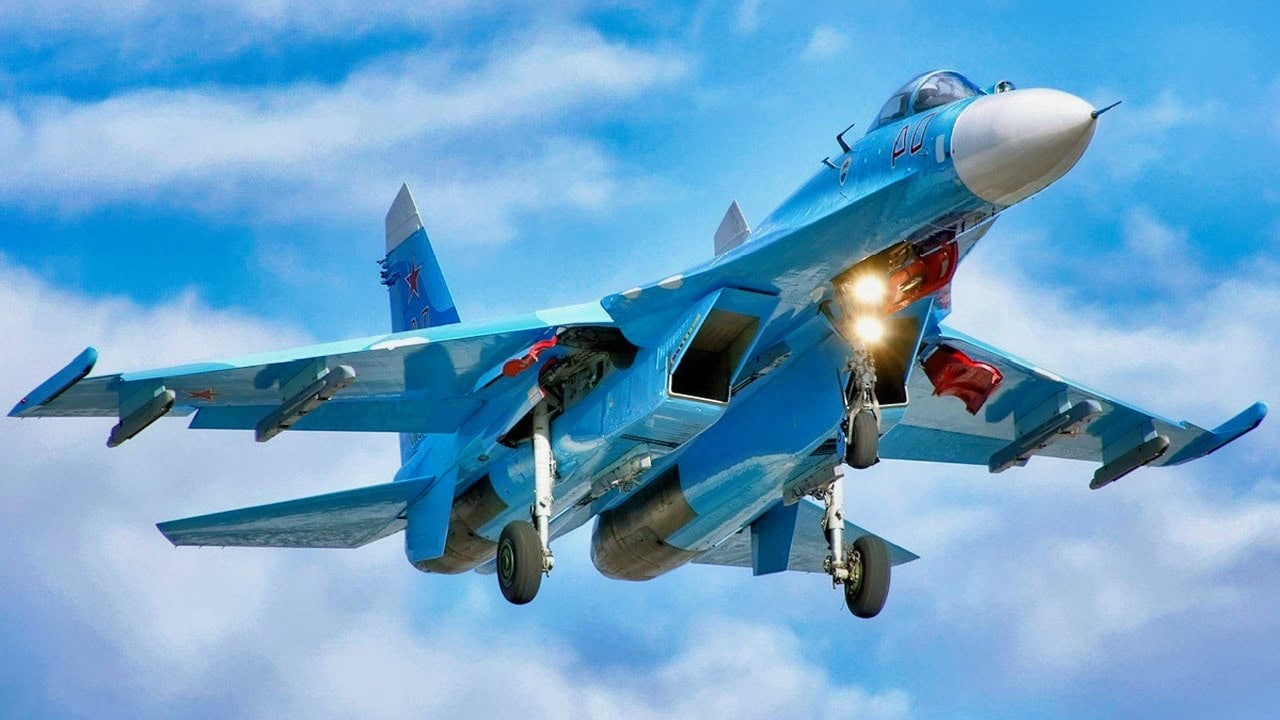
Su-27 Flanker. Image Credit: Creative Commons.
Now adding in the Rafale to the mix will create a formidable air force – but availability rates will be an increasingly formidable challenge.
There is a 5th option as well, which could become the next acquisition. Indonesia remains a partner in the South Korea KF-21 Boramae fighter development program, with that 20 per cent stake being held through PT Dirgantara Indonesia.
Indonesia is expected to procure approximately 50 KF-21 aircraft. But financial delays in Indonesia meeting payment commitments at certain program milestones have raised questions about the partnership’s viability.
Supporting the Rafales, KF-21s, and the entire legacy fighter inventory simultaneously will eventually create a major budget bow wave. At some point, some of the older models will have to be retired.
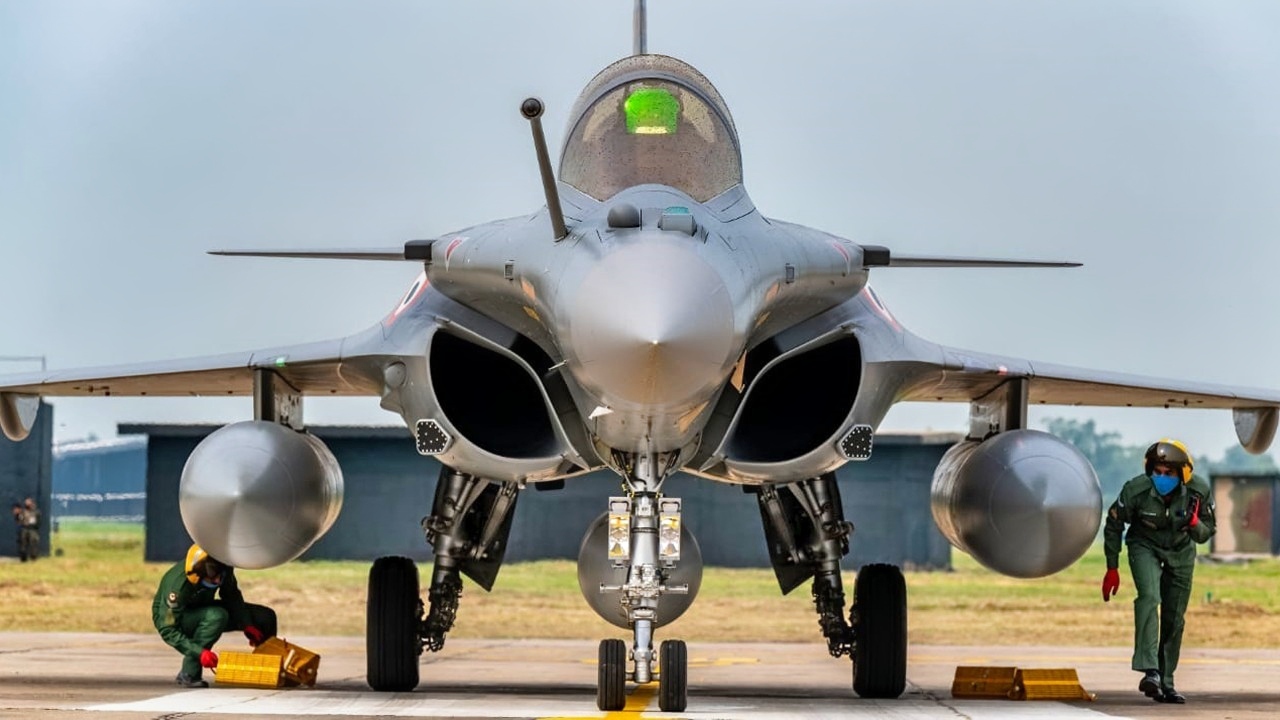
Dassault Rafale Fighter. Image Credit: Creative Commons.
About the Author: Reuben F. Johnson
Reuben F. Johnson has thirty-six years of experience analyzing and reporting on foreign weapons systems, defense technologies, and international arms export policy. Johnson is the Director of Research at the Casimir Pulaski Foundation. He is also a survivor of the Russian invasion of Ukraine in February 2022. He worked for years in the American defense industry as a foreign technology analyst and later as a consultant for the US Department of Defense, the Departments of the Navy and Air Force, and the governments of the United Kingdom and Australia. In 2022-2023, he won two consecutive awards for his defense reporting. He holds a bachelor’s degree from DePauw University and a master’s degree from Miami University in Ohio, specializing in Soviet and Russian studies. He lives in Warsaw.