

How Did the SR-71 Blackbird Evade All of Those Enemy Missiles? It Wasn’t Just Speed
You know and love the SR-71 for its death-defying speed and ability to sniff out enemy targets. We do as well, as 19FortyFive has spent countless hours photographing and filming the Blackbird spyplane. Some are in this article.
Intelligence analysts during the Cold War needed a high-flying overhead spy capability.
The exploitation of some of the biggest geopolitical events in history was enabled by the Blackbird’s unmatched ability to collect intelligence, surveillance, and reconnaissance data. This was the fastest and highest-flying airplane ever built.
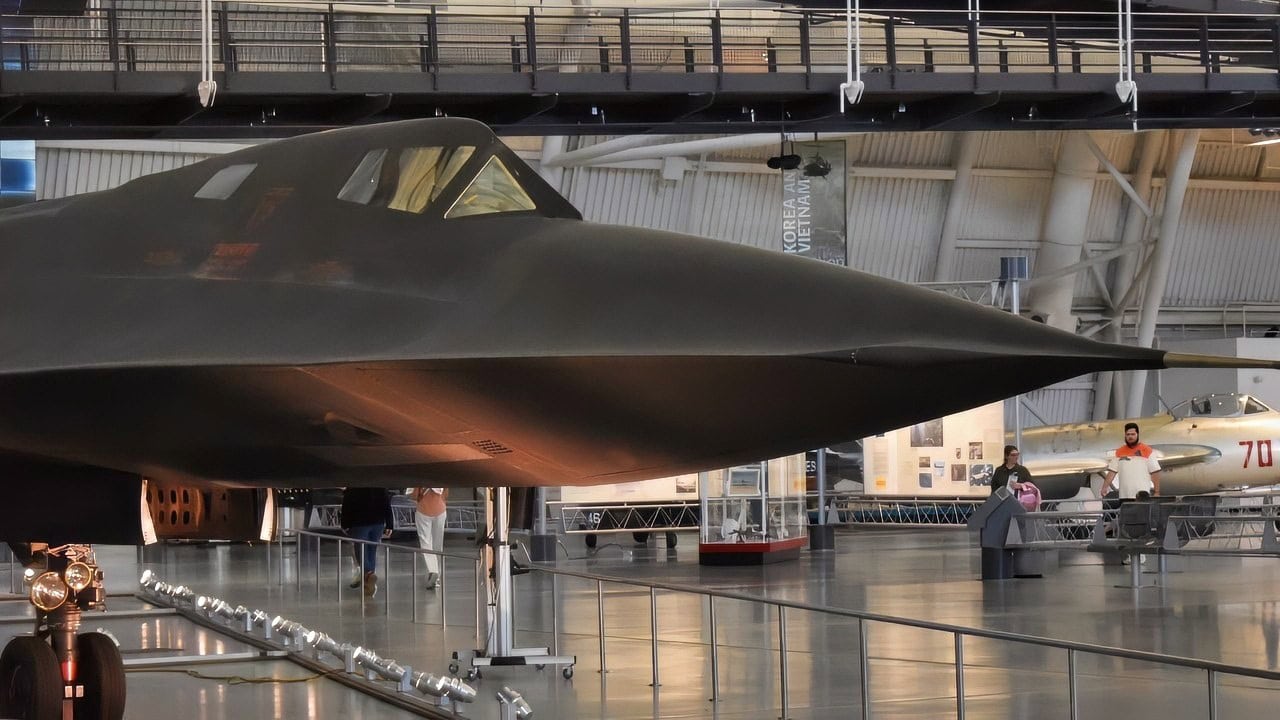
SR-71 Blackbird Photo by Dr. Brent Eastwood of 19FortyFive.
The Blackbird could zoom at over MACH 3 or more than 2,190 miles per hour. It also had a smaller radar cross-section to help avoid enemy detection.
Another way it could sneak past air defenses was by using a sophisticated electronic warfare suite to jam and spoof enemy surface-to-air missiles.
Slamming and Jamming
The SR-71 had an interesting electronic countermeasure device called the “deception jammer,” according to former SR-71 pilot Captain Steve “Griz” Grzebiniak. Linda Sheffield Miller, writing in the Aviation Geek Club, interviewed Grzebiniak to reveal how this contraption worked.
What Is ‘Range-Gate Stealing?’
Grzebiniak recounted how an electronic countermeasure practice “commonly known as ‘range-gate stealing or range-gate pull-off’” was the key to this practice. “This tactic would cause a false target return to show up on the enemy-targeting radar scope.”
“This would force the enemy radar operator to switch from the ‘target tracking mode’ and go back into the ‘target acquisition mode’ and attempt to re-acquire the SR-71 before switching back to the more accurate ‘target tracking mode,’” Grzebiniak told Sheffield Miller.
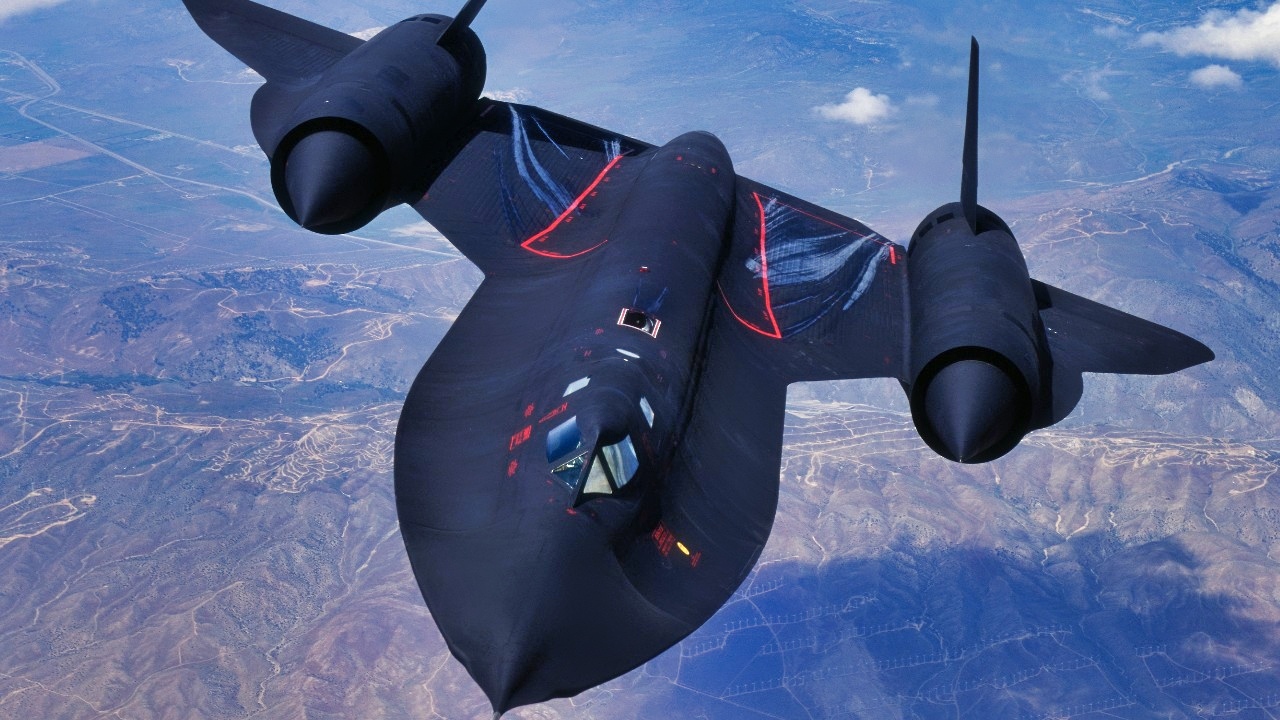
SR-71 Blackbird. Image Credit: Creative Commons.
Deal With That SAM Operator
Griz explained how “this essentially defeated the SAM capability to successfully intercept the SR-71, as the window to acquire, track, and launch was very limited against a high-speed target.”
The retired aviator was always impressed that this deception process was invented all the way back in the 1960s.
“The device was designed to absorb and memorize an enemy radar signal as it hit the reconnaissance plane and sent back a radar single similar to the SR-71, but stronger then projecting away from the plane, the trick was designed to confuse the enemy radar operator by making him see a “ghost blimp on the scope,” Grzebiniak exclaimed.
A Different Kind of ‘Ghosting’
This helped the SR-71 evade around 4,000 missiles during its service life.
The Blackbird could just outfly these projectiles and depend on its electronic countermeasures and “ghost flights.” At 85,000 feet, you could guess that pilots were enthralled with the view.
Everything But the Kitchen Sink Had to Be Invented
Engineers, designers, and technicians at Lockheed Martin’s Skunk Works were heroes too. “Everything had to be invented” for the spy-bird.
The airplane was not fully stealthy, but by combining a low radar cross-section with range-gate stealing, the SR-71 was one sneaky beast.
The airplane’s coating also deflected radar signals. Enemy radar systems could not maintain a lock.
It Had a ‘Perfect Storm’ of Capabilities
Air density was also lower at 85,000 feet, making enemy radar acquisition more difficult. The Pratt & Whitney J58 turbojet engines were a force of nature. These power plants allowed the SR-71 to knife through the air at maximum speed and achieve high altitude.
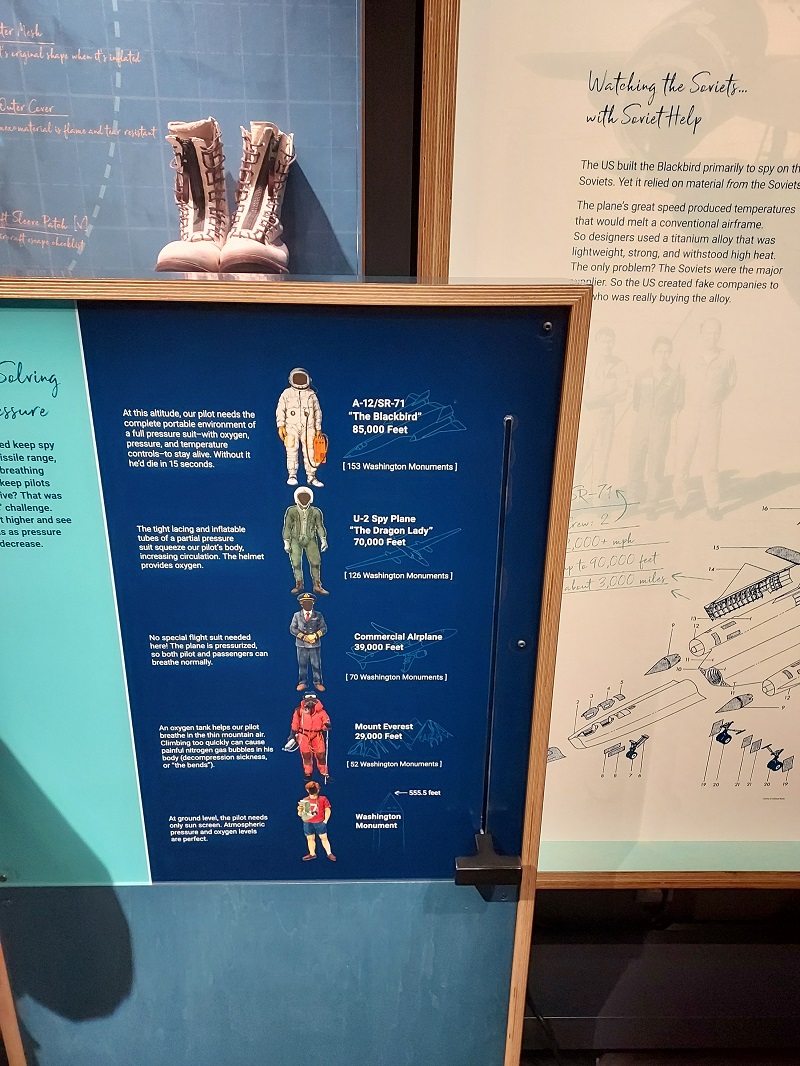
SR-71 Suit. 19FortyFive original image.
Luke Diaz of Simple Flying had a good description of the winning formula:
“The combination of extreme speed and altitude with the added benefit of stealth created a perfect storm that enabled the SR-71 to outrun or evade every missile ever fired at it. When surface-to-air missiles were launched against it the Blackbird’s pilots recounted that they would explode wildly and often miles away from the jet. The pilots’ tactical doctrines included high-speed, low-altitude flying to evade radar systems, complicating enemy efforts to engage even more. Typically, by the time the missiles were launched, the Blackbird would already be miles away, effectively rendering them futile.”
Curious Use of Titanium
Pilots often used “maximum throttle,” and they could fly a mile every 1.6 seconds.
This must have been breathtaking for the aviator and his back-seater.
The high speed created ample atmospheric friction. Temperatures approached 1,000 degrees Fahrenheit.
So designers used titanium, and about 80 to 90 percent of the airplane was comprised of this material. The titanium was not only acquired by the CIA from the Soviet Union but it was notoriously difficult to work with. It could “crack in cold air and lose structural integrity in the heat.”
Evasive Maneuvers Unmatched
But the extra effort was worth it. Just during the Vietnam War, the Blackbird survived over 800 missiles fired at it. No enemy SAMs ever shot down an SR-71 during its service life. The SR-71 was supposed to have been completely retired by the 1990s, but there were other flights until it was completely removed from active duty in 1999.
Despite the enemy’s never-ending evasion, the SR-71 collected important, often actionable intelligence, leading to a high level of target exploitation that thrilled the analysts assigned to the airplane.
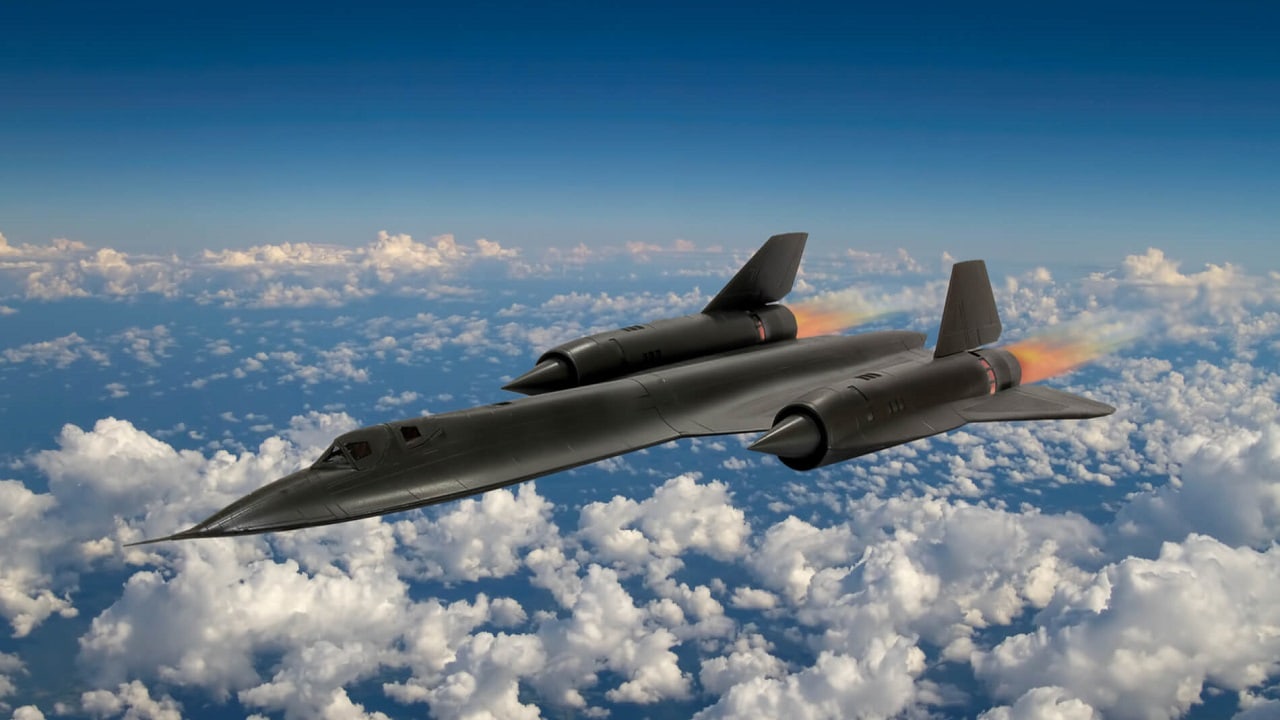
SR-71 Spy Plane. Image Credit: Creative Commons.
The SR-71 was one magnificent airframe that broke all the rules.
Many of its exploits were classified during the Cold War, but some pilots are coming forward with books and anecdotes that help us understand how exceptional it was.
This airplane always teaches us something new, and its radar-evading activities are fascinating.
We will miss the SR-71, and its legacy will live on as more people come forward to share just how incredible the airplane was.
About the Author: Dr. Brent M. Eastwood
Author of now over 3,000 articles on defense issues, Brent M. Eastwood, PhD is the author of Don’t Turn Your Back On the World: a Conservative Foreign Policy and Humans, Machines, and Data: Future Trends in Warfare plus two other books. Brent was the founder and CEO of a tech firm that predicted world events using artificial intelligence. He served as a legislative fellow for US Senator Tim Scott and advised the senator on defense and foreign policy issues. He has taught at American University, George Washington University, and George Mason University. Brent is a former US Army Infantry officer. He can be followed on X @BMEastwood.