
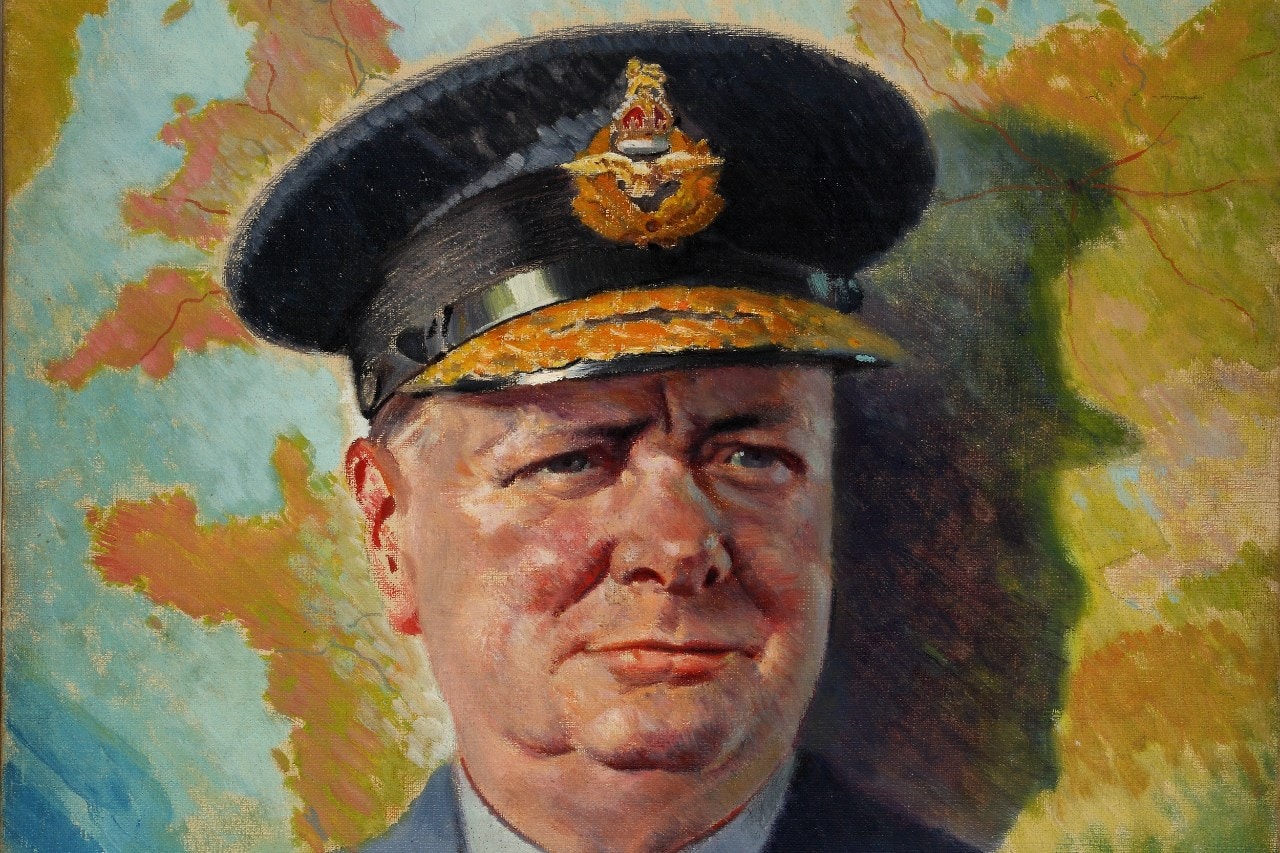
Summary and Key Points: Defense expert Christian D. Orr evaluates the early life of Winston Churchill, born in 1874 at Blenheim Palace.
-Despite his high-society parentage under Lord Randolph and Jennie Jerome, Churchill’s emotional anchor was his nanny, Elizabeth Everest.
-This report analyzes his academic record at Harrow, where he excelled in English and History despite a reputation for being “on report.”
-Orr explores Churchill’s persistence in passing the Sandhurst entrance exam on his third attempt, leading to his 1895 commission as a second lieutenant in the 4th Queen’s Own Hussars, shortly after his father’s death.
Analyzing Winston Churchill’s Rebellious Academic Career Through 1 Quote
“I am fond of pigs. Dogs look up to us. Cats look down on us. Pigs treat us as equals.” -Winston Churchill
Yet another memorable quote from Sir Winston Churchill (just in case you thought you couldn’t get enough of these).
There is much truth to his statement, as pigs are much more intelligent animals than most people have historically given them credit for.
That said, as far as we can ascertain, Churchill never had a pet pig, whilst he did have pet poodles, and his beloved wife Clemmie’s nickname for him was “Pug,” not “Pig.”
Having previously covered Sir Winston’s adulthood, from his young lieutenancy to his World War I years to his “wilderness years” followed by his epic comeback as UK Prime Minister during World War II, this writer shall now focus on his boyhood.
Birth and Parentage
Winston Leonard Spencer Churchill was born on St. Andrew’s Day (Feast Day of the Patron Saint of Scotland), November 30, 1874, at his family’s ancestral home, Blenheim Palace in Oxfordshire; his father was Lord Randolph Churchill, Member of Parliament (MP) in the Conservative Party (the “Tories”).
His mother was Jennie, Lady Randolph Churchill, a daughter of Leonard Jerome (the “King of Wall Street”). Blenheim Palace was the home of his grandfather, the seventh Duke of Marlborough.
Although the lad Winston grew up with social status, privilege, and a keen sense of heritage, there was surprisingly little money to go with it.
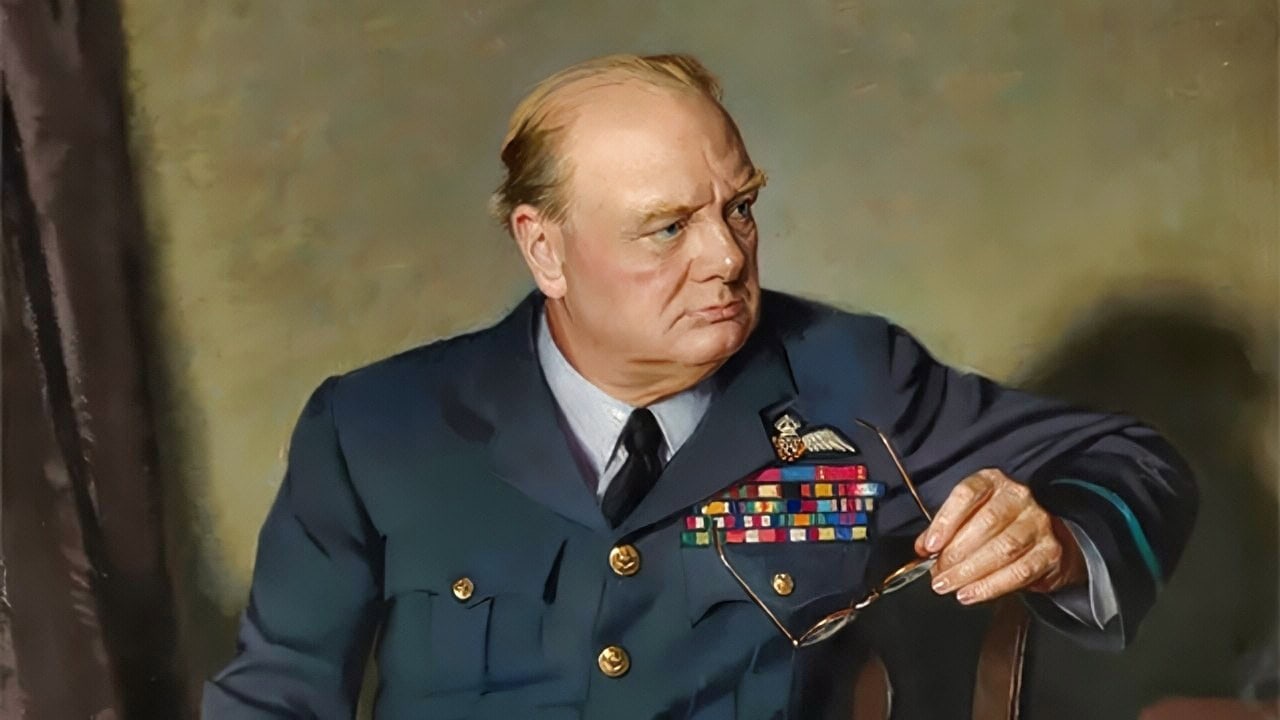
Winston Churchill Portrait. Image Credit: Creative Commons.
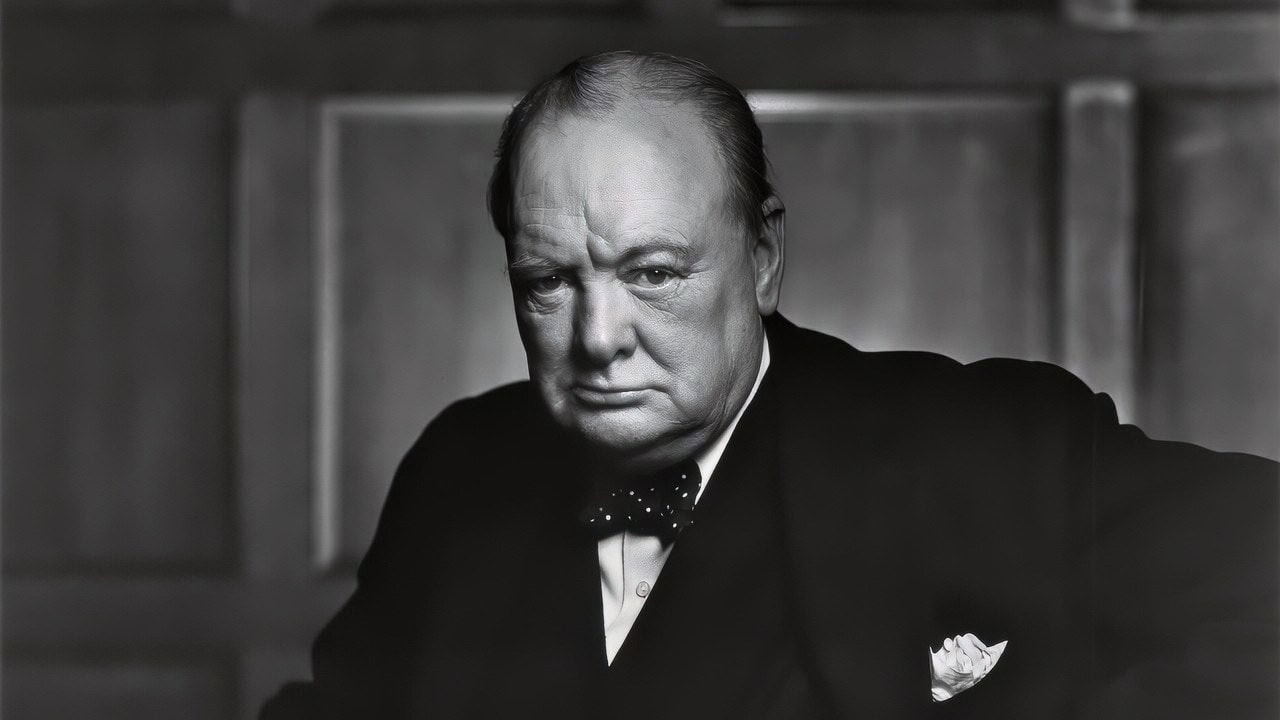
Sir Winston Churchill. Image Credit: Creative Commons.
Moreover, as noted by the International Churchill Society, “They were a glamorous high society couple but distant parents.” America’s National Churchill Museum adds that “While fond of her children, [Jennie’s] social role with her husband always came first—sometimes to the point of not permitting Winston to come home for holidays or going on extensive travels without him.”
Enter the Nanny
Instead, it was with his nanny, Mrs. Elizabeth Everest, with whom young Winston formed his strongest emotional bond in childhood. Mrs. Everest, whom Winston affectionately called “Woomany,” was hired by Lady Randolph, and in Winston’s own words, “My nurse was my confidante. Mrs. Everest it was who looked after me and tended all my wants. It was to her that I poured out all my many troubles …”
It was Mrs. Everest, and not Lord Randolph or Lady Jennie, who was his constant companion in childhood, and they wrote to each other regularly while he was at school.
Speaking of school, that makes a perfect segue to our next segment.
Poor Student … or Simply a Rebellious One?
As excerpted in History On The Net, historian James C. Hume (who also had been Ronald Reagan’s speechwriter), in his 2012 book “Churchill: The Prophetic Statesman,” attempts to dispel misconceptions about Young Winston being a poor student:
“One of the persistent misconceptions of Churchill is that he was a poor student. It is more accurate to say he was, by his own admission, a rebellious student, often bored with the curriculum and chafing under the standard teaching methods of the time. It was obvious from his earliest days in school that he was extremely bright and facile with the English language, a prodigy at learning history and extending its lessons. Still, he was often “on report,” or ranked near the bottom of his class at the end of the term.”
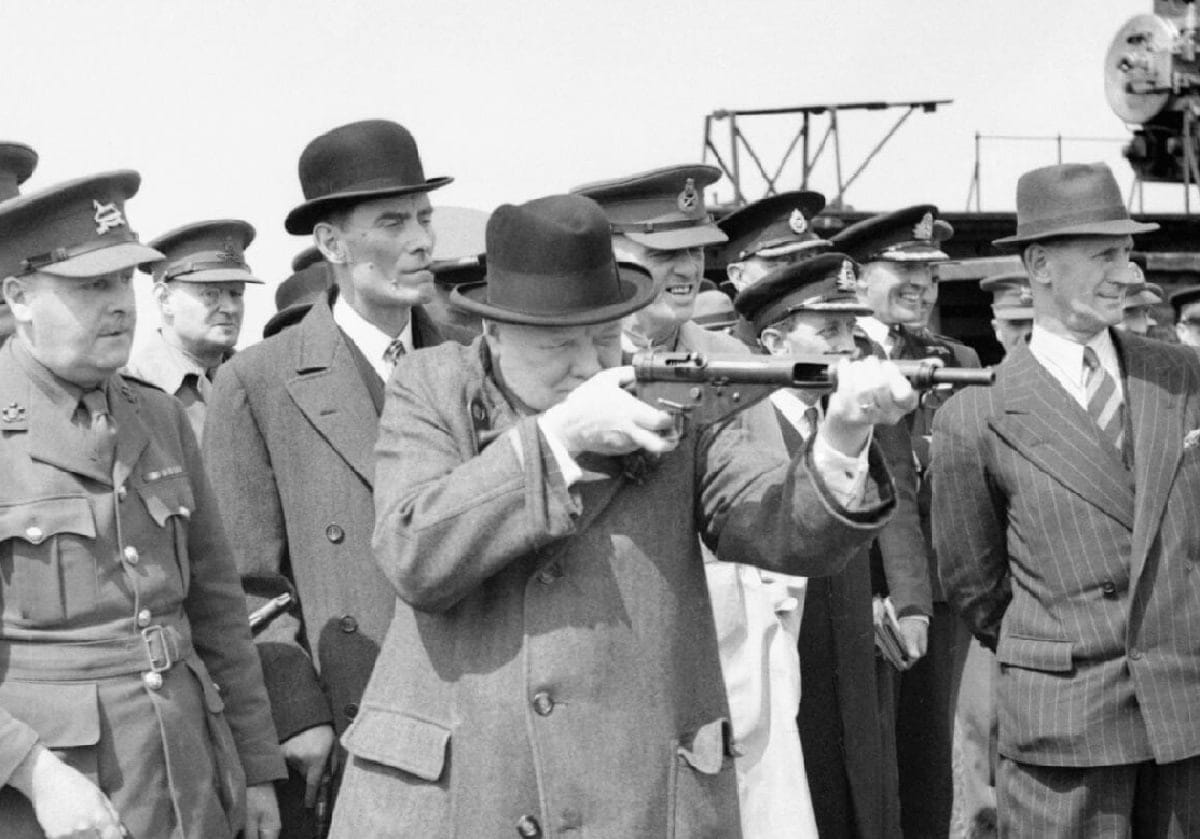
Winston Churchill. Image: Creative Commons.
One of Winston’s instructors who was able to see past the lad’s rebelliousness and recognize his intelligence and potential was Robert Somervell at Harrow School in Middlesex (where Winston began studying at age 13). Indeed, Mr. Somervell thought Churchill ought to attend one of Britain’s prestigious civilian universities rather than the Royal Military Academy Sandhurst.
Accordingly, Somervell challenged the 14-year-old Churchill to write an essay on a topic of his own choosing; the teacher wanted to give his pupil free range to see what his imagination and comprehensive knowledge of history might produce.
In what was a possible premonition that he was predestined for Sandhurst after all (which was in accordance with his father’s wishes anyway), “Churchill framed his essay as a report of a junior officer from a battlefield on which the British army was fighting Czarist Russia. The date he chose: 1914.”
Indeed, Churchill was admitted to Sandhurst, though it took him three attempts at the entrance exam.
He was admitted as a cadet in the cavalry, starting in September 1893. Alas, Lord Randolph didn’t live to see his son graduate, passing away in January 1895; the following month, Winston was commissioned as a second “lef-tenant” in the 4th Queen’s Own Hussars regiment.
About the Author: Christian D. Orr, Defense Expert
Christian D. Orr is a Senior Defense Editor. He is a former Air Force Security Forces officer, Federal law enforcement officer, and private military contractor (with assignments worked in Iraq, the United Arab Emirates, Kosovo, Japan, Germany, and the Pentagon). Chris holds a B.A. in International Relations from the University of Southern California (USC) and an M.A. in Intelligence Studies (concentration in Terrorism Studies) from American Military University (AMU). He is also the author of the newly published book “Five Decades of a Fabulous Firearm: Celebrating the 50th Anniversary of the Beretta 92 Pistol Series.”