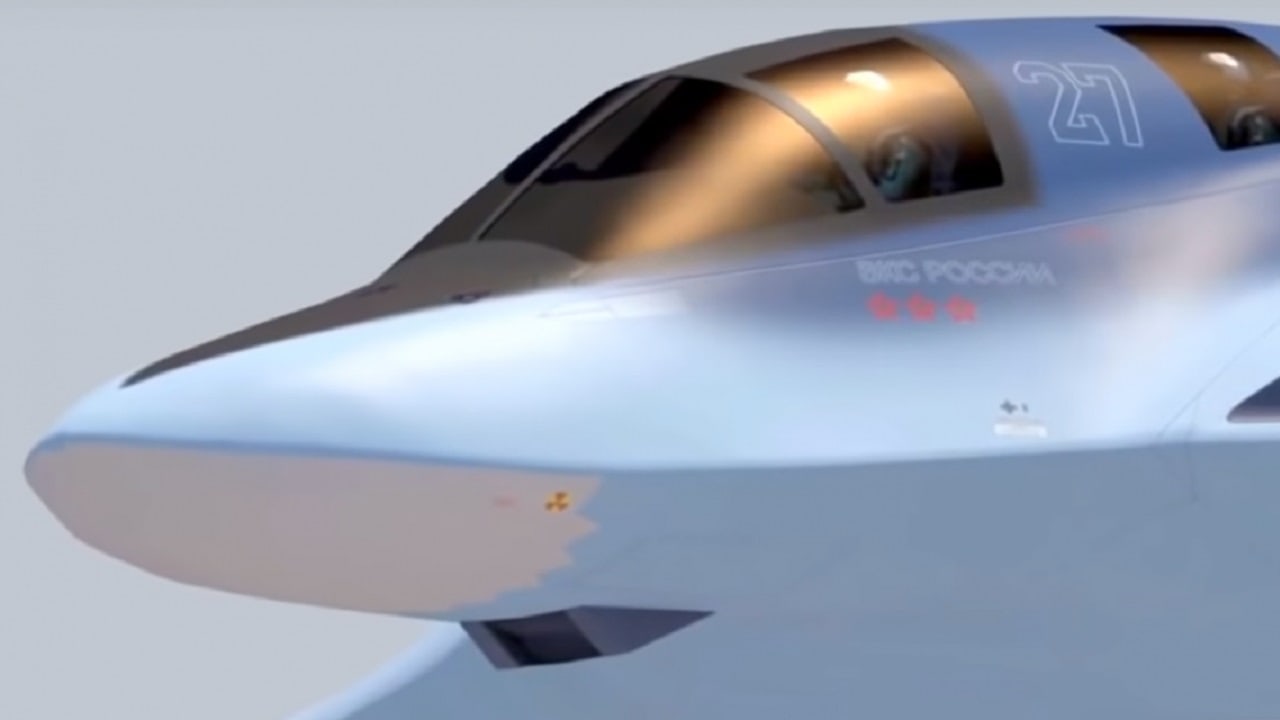
Summary and Key Points: Defense Expert Caleb Larson explains that Russia promised its PAK DA stealth bomber would be complete by 2021.
-It is 2026, and the aircraft exists mostly as AI-generated images and Kremlin press releases.
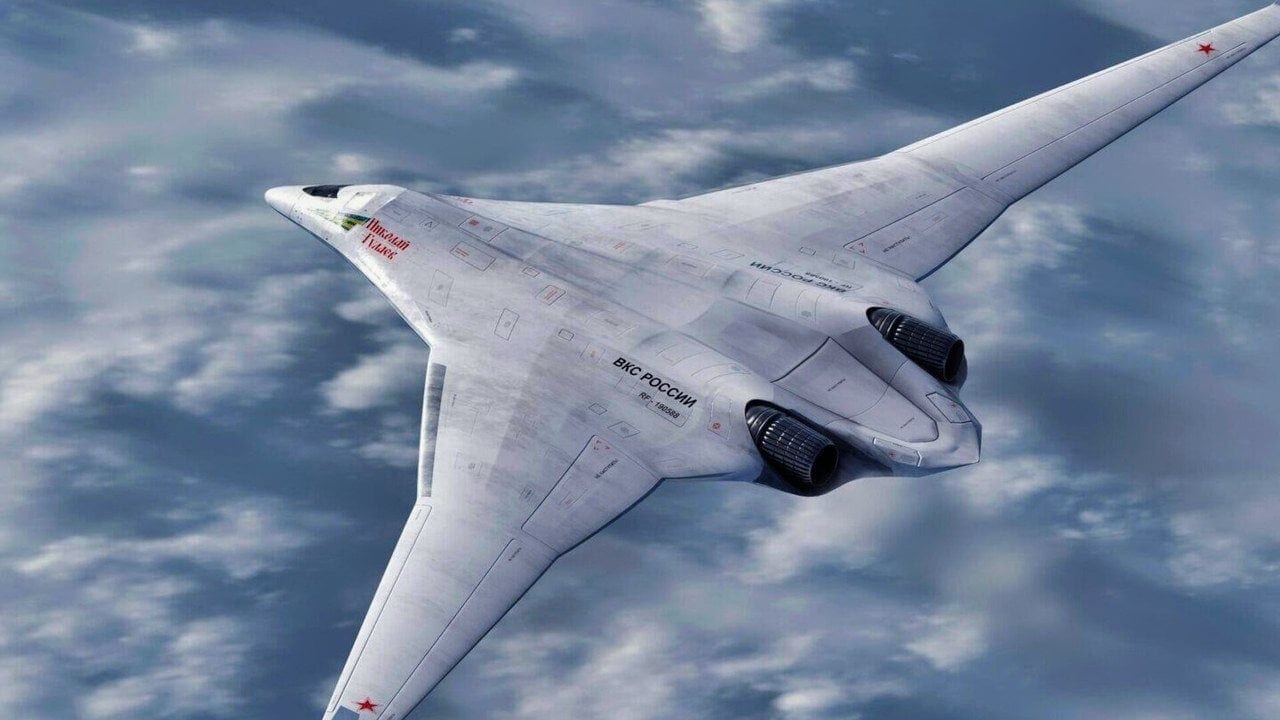
PAK DA Russian Stealth Bomber. Russian State Media.
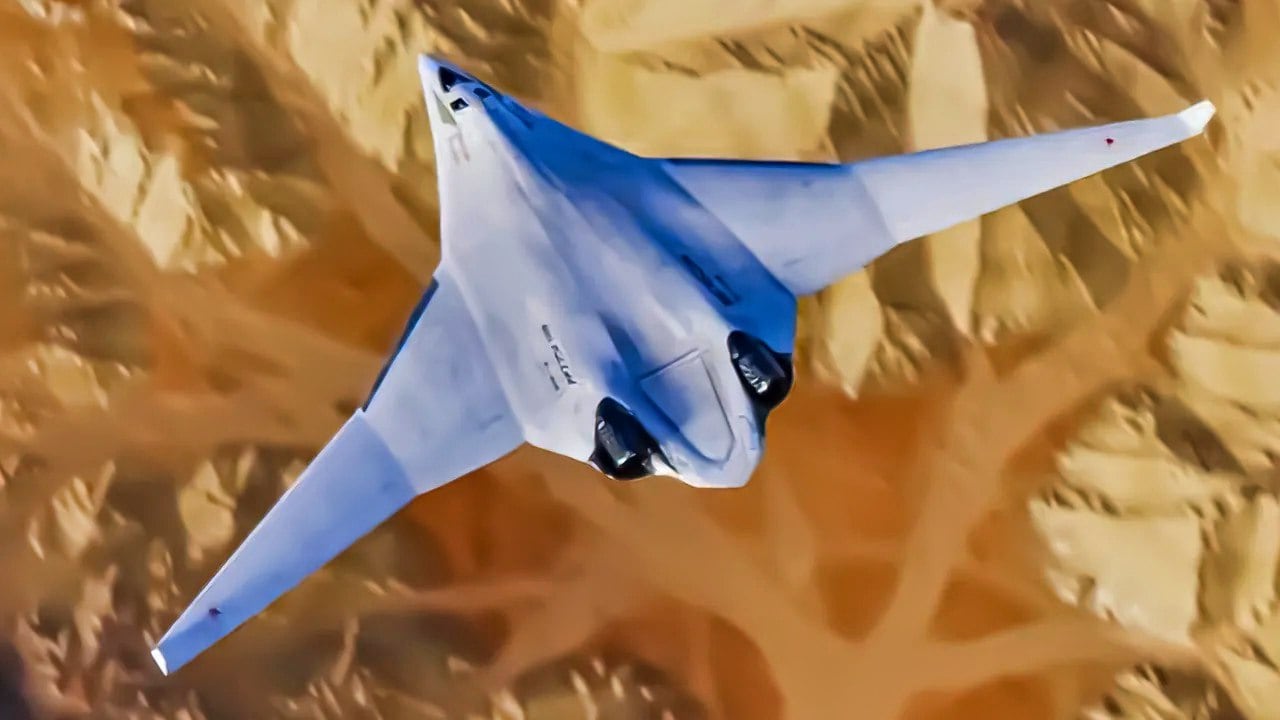
PAK DA Russian Bomber. Image Credit: Creative Commons.
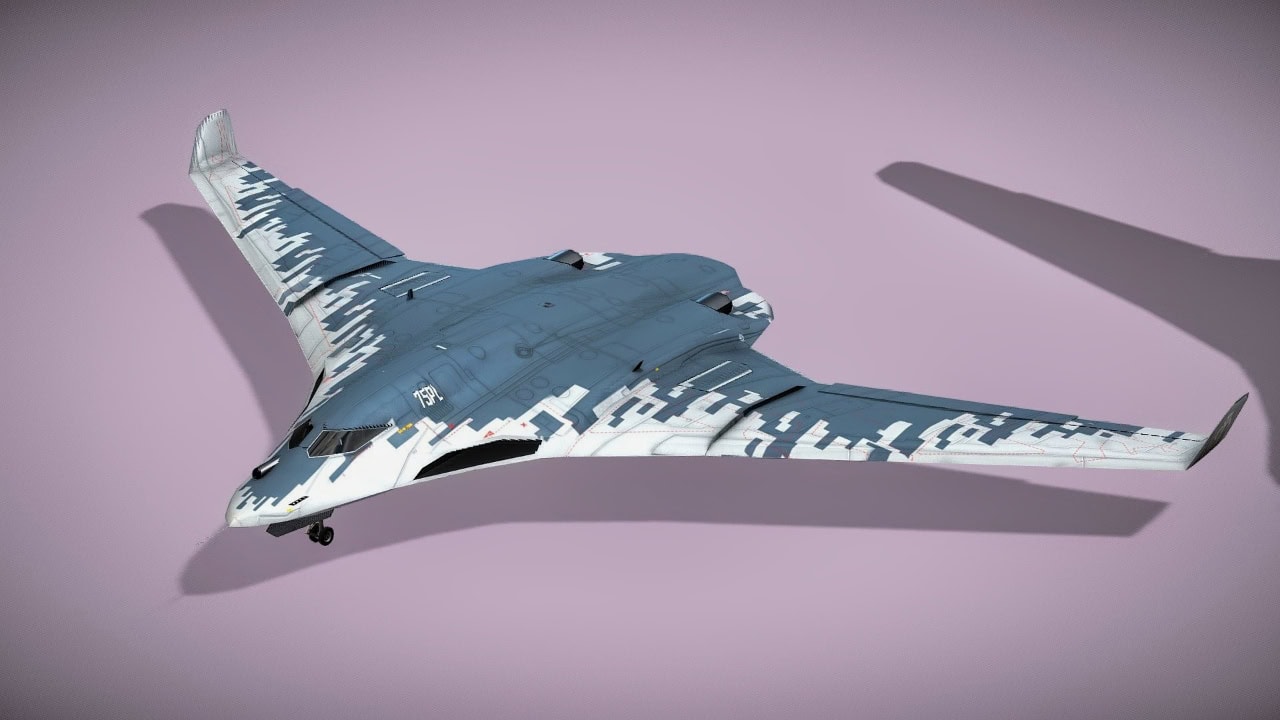
PAK DA Stealth Bomber Russia.
-Designed to be Russia’s answer to the B-2 Spirit — a subsonic, low-observable strategic bomber capable of carrying hypersonic weapons deep into defended European airspace — the PAK DA has been strangled by technical failures, funding competition from the Tu-160 restart, and now the grinding cost of the Ukraine War.
-The Royal United Services Institute says Russia will likely struggle to produce a credible stealth design within the next decade. The clock is ticking.
Defense Analysts Say Russia’s PAK DA Stealth Bomber Faces Challenges So Severe It May Never Reach Operational Status — Here’s Why That Still Matters
19FortyFive staff went to see the B-2A Spirit stealth bomber back last summer at the Museum of the U.S. Air Force. In a way, such a visit is pretty strange, considering Russia can’t even build a stealth bomber when America has one in a museum.
“Construction has commenced, material shipping has begun, and the build is underway”, TASS proudly trumpeted in 2020 about Russia’s PAK DA strategic bomber. “The final assembly of the entire machine should be complete in 2021,” it added optimistically at the time, quoting a source familiar with the bomber’s progress.
Hopes were high at the beginning of the decade for the jet bomber and the capabilities it would have offered the Kremlin. “The machine will feature technologies and materials that reduce its radar visibility (stealth technology),” TASS added.
“The plane will be subsonic, and will be able to carry current and future cruise missiles, precision bombs and hypersonic weapons, it will be provided with the newest communications and jamming equipment.”
Fast forward to 2026, and the jet is seemingly as close to leaving the drawing board today as it was six years ago.
PAK DA
The PAK DA is intended to be Russia’s next-generation strategic bomber, roughly analogous to the B-2 Spirit bomber flown by the U.S. Air Force.

B-2 Spirit Stealth Bomber 19FortyFive Image. Taken By Harry J. Kazianis at U.S. Air Force Museum in 2025.
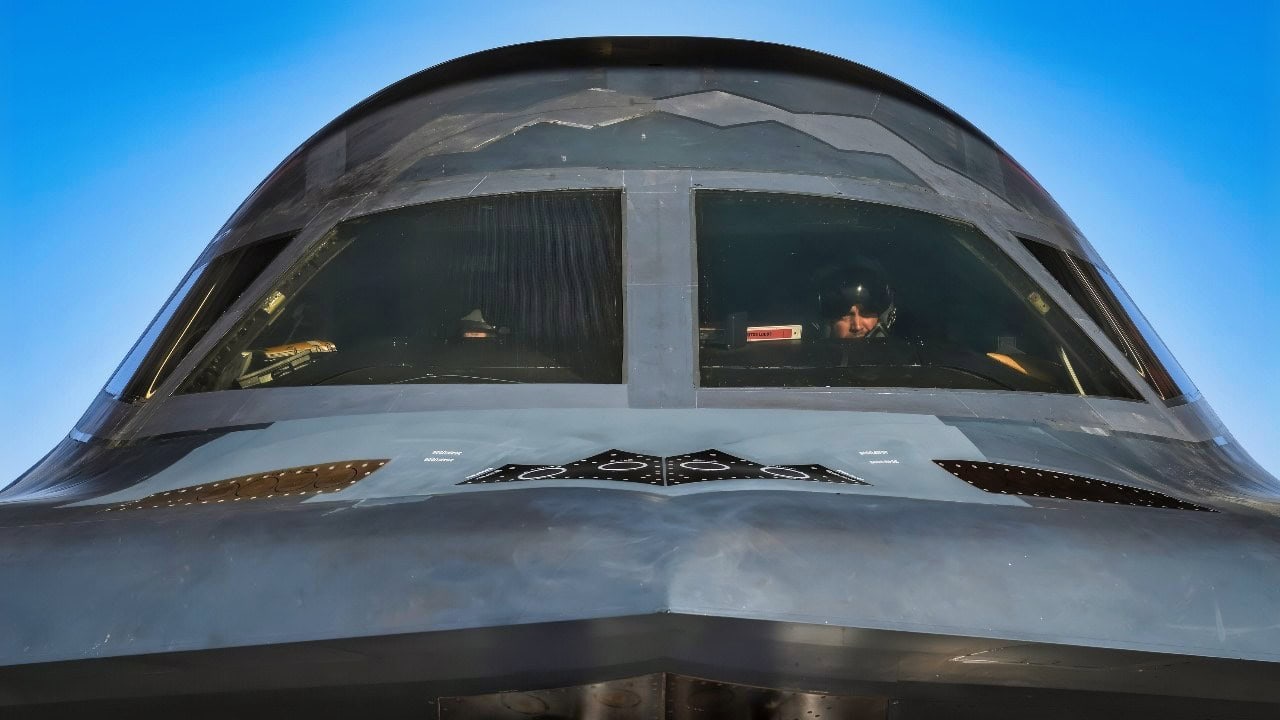
A U.S. Air Force B-2 Spirit aircrew performs pre-flight checks in the cockpit of their aircraft at Whiteman Air Force Base, Missouri, March 8, 2020. The B-2 took off from Whiteman AFB to support U.S. Strategic Command Bomber Task Force operations in Europe. The 131st Bomb Wing is the total-force partner unit to the 509th Bomb Wing. (U.S. Air Force photo by Tech. Sgt. Alexander W. Riedel)
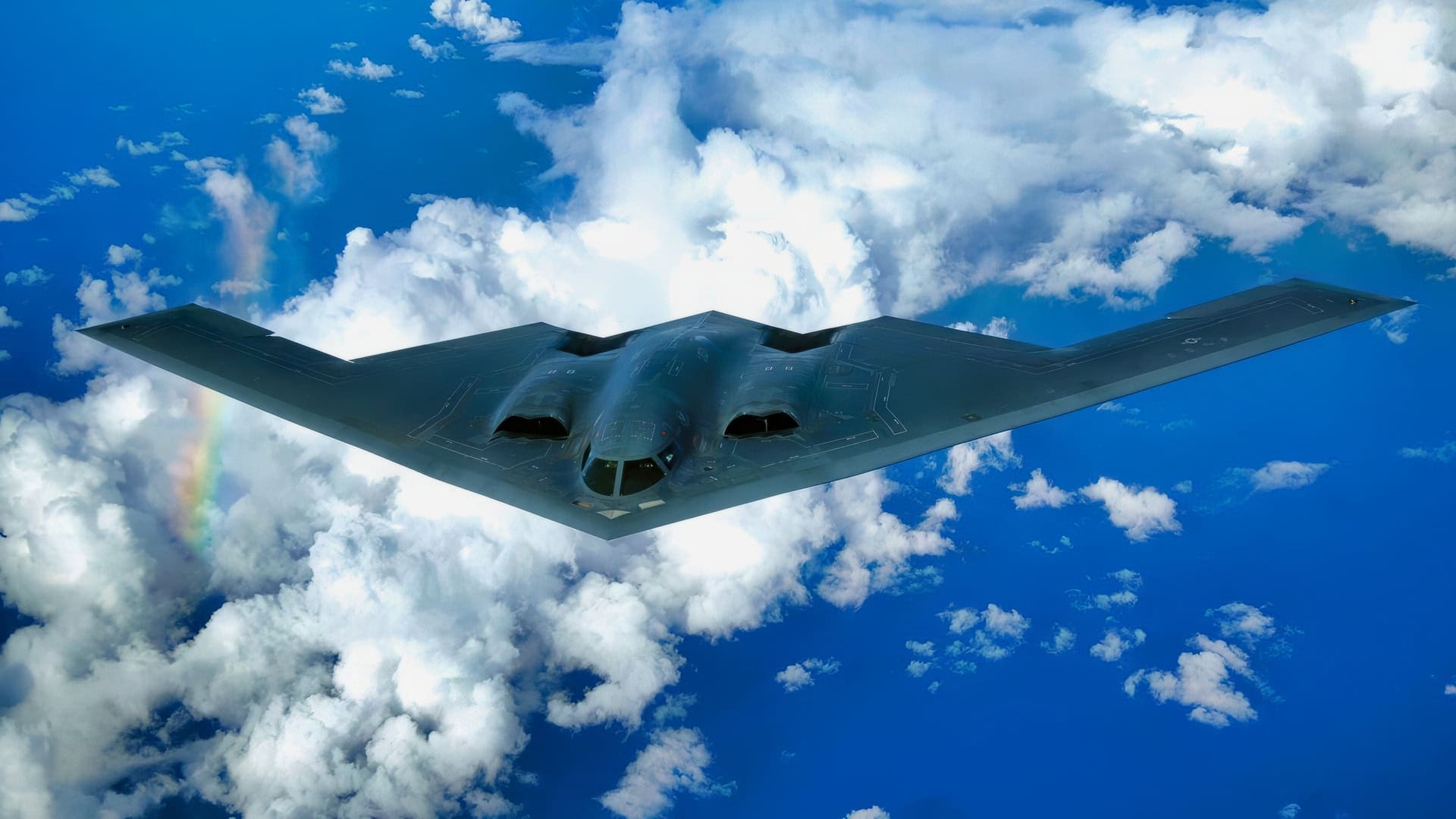
A B-2 Spirit soars after a refueling mission over the Pacific Ocean on Tuesday, May 30, 2006. The B-2, from the 509th Bomb Wing at Whiteman Air Force Base, Mo., is part of a continuous bomber presence in the Asia-Pacific region. (U.S. Air Force photo/Staff Sgt. Bennie J. Davis III)
Though the bomber would not recreate the Spirit’s capabilities exactly, it would be the first stealth bomber flown by Russia, and it was meant to be the world’s second stealth bomber to enter service.
But it has faced stiff challenges from a blend of technical, industrial, financial, and strategic factors.
The program is believed to have begun in the late 2000s, when the Russian Aerospace Forces’ Long-Range Aviation branch identified the need for a modernized bomber and a successor to its Cold War-era Soviet bomber fleet.
The PAK DA was seen as a potential replacement for the Tu-95 and Tu-160, though the PAK DA would be a very different bomber.
A high number of schematics, best guesses, and AI-generated images of the PAK DA exist online.
Most are presumably fanciful guesses rather than serious estimations of what the jet actually would look like. But several estimates of the bomber can still be made.
Like the other two stealth bombers in service today, the B-2 Spirit and the upcoming B-21 Raider, the PAK DA would likely be a subsonic platform, trading raw speed for stealth capabilities.
It would have a range similar to other strategic bombers, measured in the thousands of miles rather than hundreds, and arguably covering much of Europe.
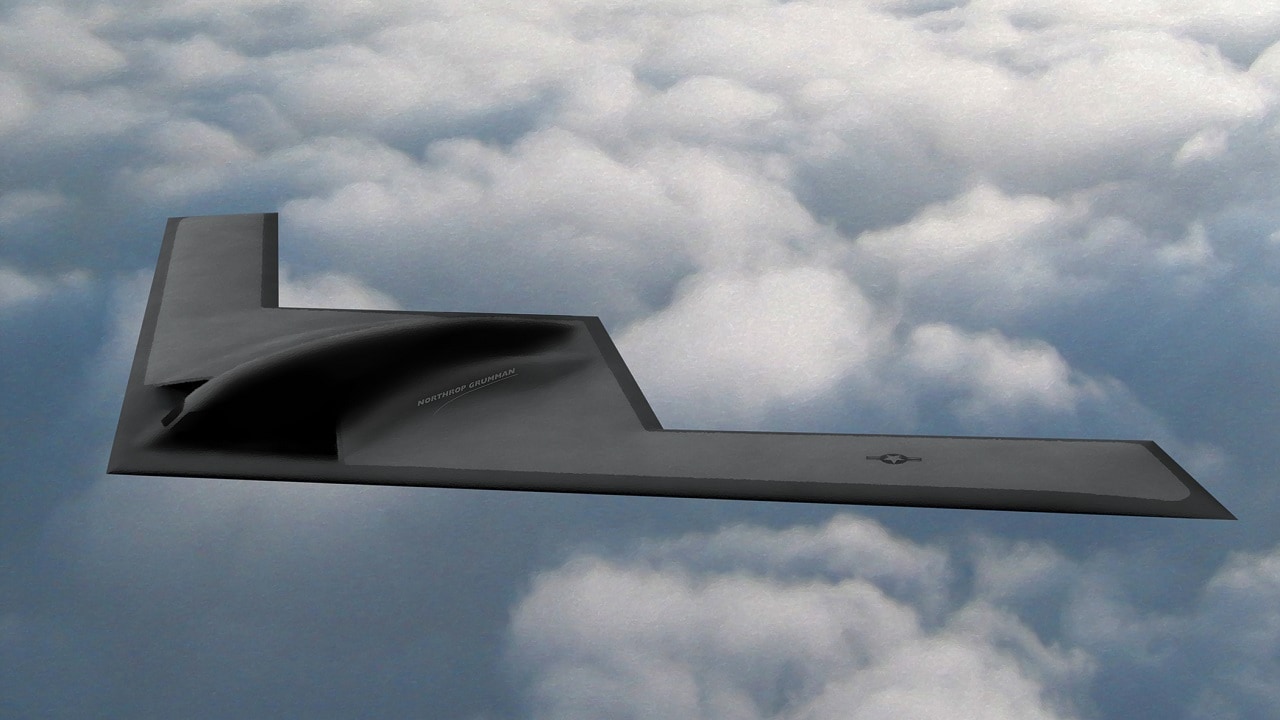
B-21 Raider bomber. Image Credit: Creative Commons.
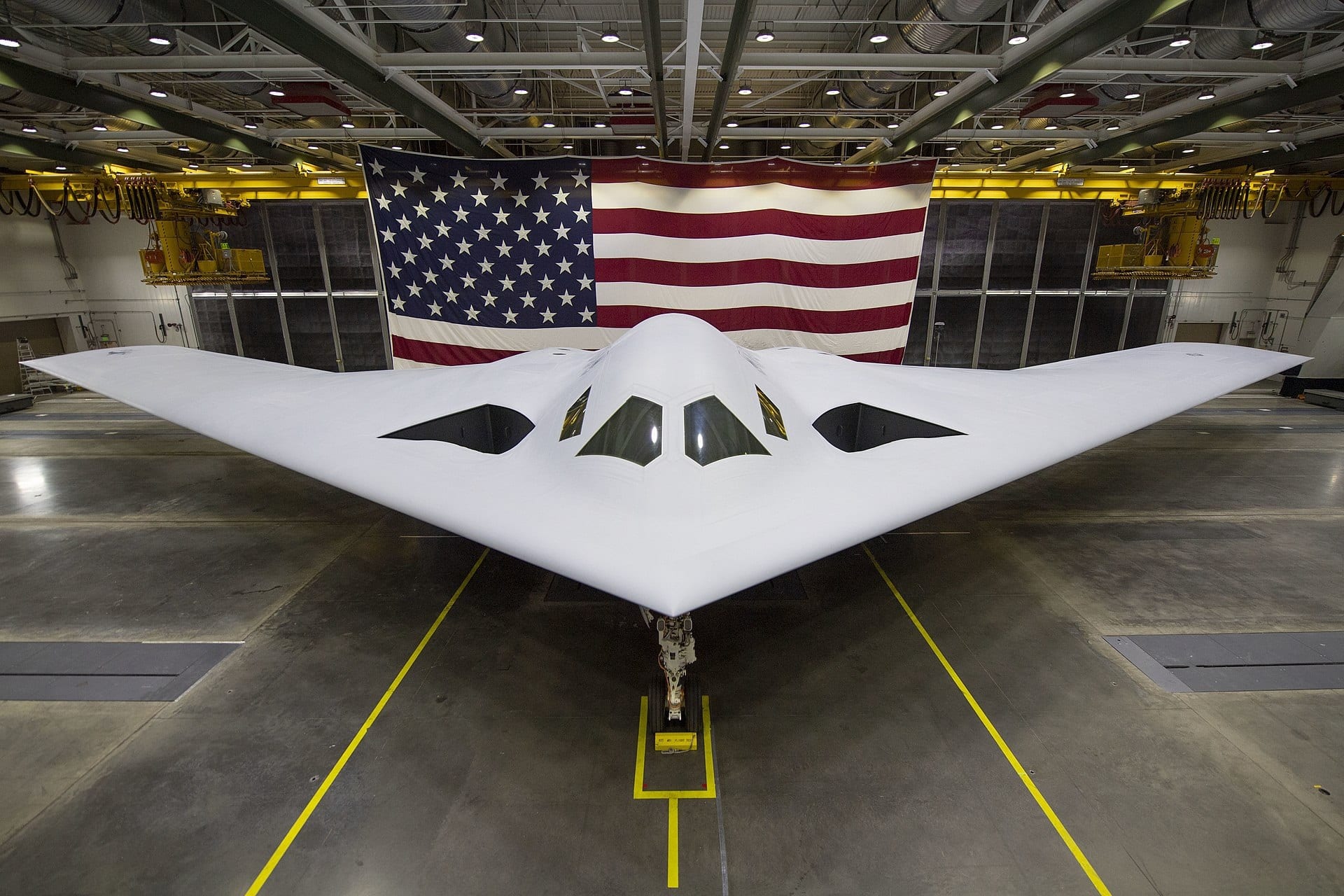
The B-21 Raider was unveiled to the public at a ceremony December 2, 2022 in..Palmdale, Calif. Designed to operate in tomorrow’s high-end threat environment, the B-21 will play a critical role in ensuring America’s enduring airpower capability. (U.S. Air Force photo)
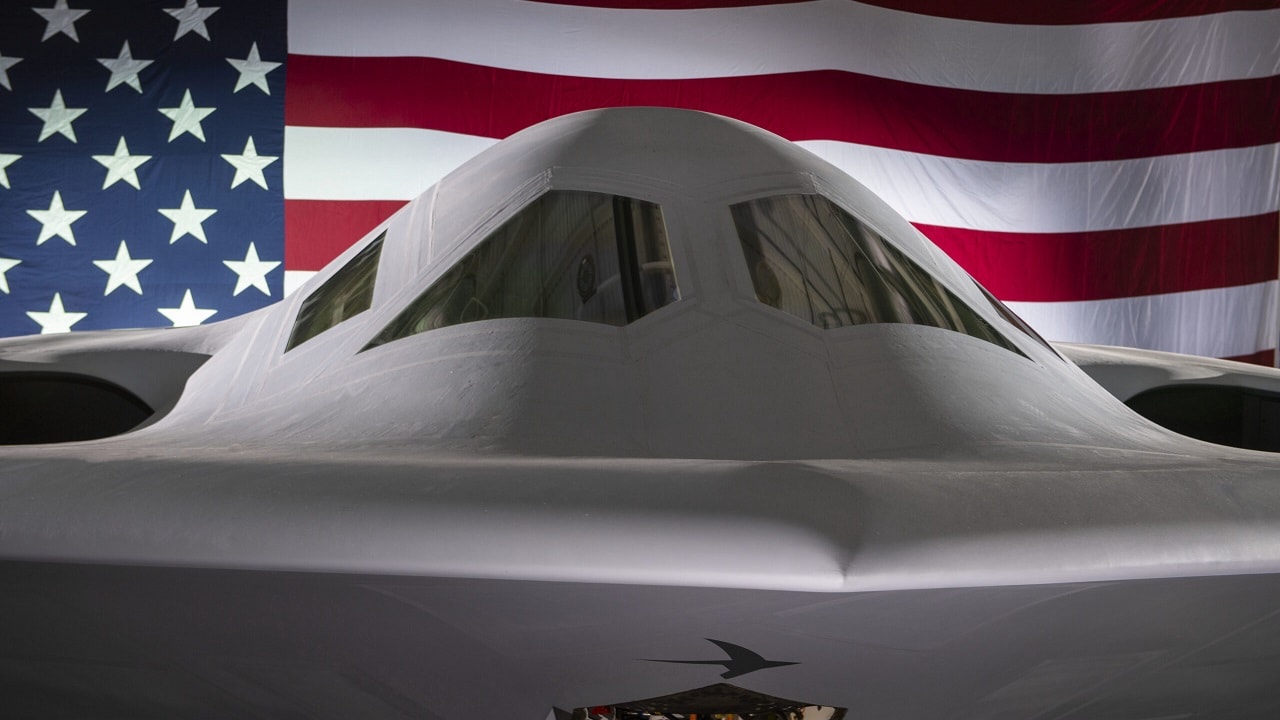
The B-21 Raider was unveiled to the public at a ceremony December 2, 2022 in
Palmdale, Calif. Designed to operate in tomorrow’s high-end threat environment, the B-21 will play a critical role in ensuring America’s enduring airpower capability. (U.S. Air Force photo)
And like the B-2 and B-21, the PAK DA would likely incorporate an internal weapons bay into its design, a choice that shields radar-reflective munitions from adversary radar.
On a conceptual level, the PAK DA would be a radical departure from previous Soviet-turned-Russian bomber designs.
Instead of a Cold War-era emphasis on penetrating protected airspace at supersonic speeds, the PAK DA would rely on its very small radar cross-section to cross into heavily defended enemy territory.
Struggles and Mishaps
The bomber has had many problems. One of the PAK DA’s more significant issues has been competition from other bomber programs.
In the mid-2010s, Russia opted to restart production of the older Tu-160 bomber in a modernized form, a kind of hedge against hiccups with the PAK DA program.
Though perhaps a wise choice from the Kremlin’s perspective, given the dearth of progress on PAK DA, the initiative did absorb significant funding and potential production capacity at the Kazan Aircraft Plant, where both bombers were to be built.
But some of the most significant issues were technical. Building a stealth aircraft for any nation is a hefty undertaking, but particularly for a country without significant prior experience with stealth technologies.
Construction requires mastery of low-observable airframe contouring, knowledge of radar-absorbing materials and coatings, precision manufacturing of composite materials, tightly integrated avionics, and sensor fusion.
Stealth coatings and heat signature management proved to be significant engineering challenges. Fast forward to today, and the ongoing war in Ukraine is another, seemingly insurmountable, roadblock for the PAK DA program.
Given the war’s land-centric nature, it seems unlikely that Russia will be able to free up funds for an advanced aviation project such as the PAK DA until hostilities stop.
Though Russia dedicates a high percentage of its budget to defense, precious little of that budget goes to aviation projects.
“Russia’s long-rumoured next-generation bomber project, the PAK DA, reportedly entered the prototype production phase in May 2020,” the Royal United Service Institute notes. “However, a B-2 class bomber is an immensely complex undertaking and—as with the Su-57 and S-70—Russian industry will likely struggle to produce a credible VLO design within the next decade. The production of a prototype airframe is likely, but this is no guarantee of the industrial and technological capacity to actually develop an operationally credible production aircraft.”
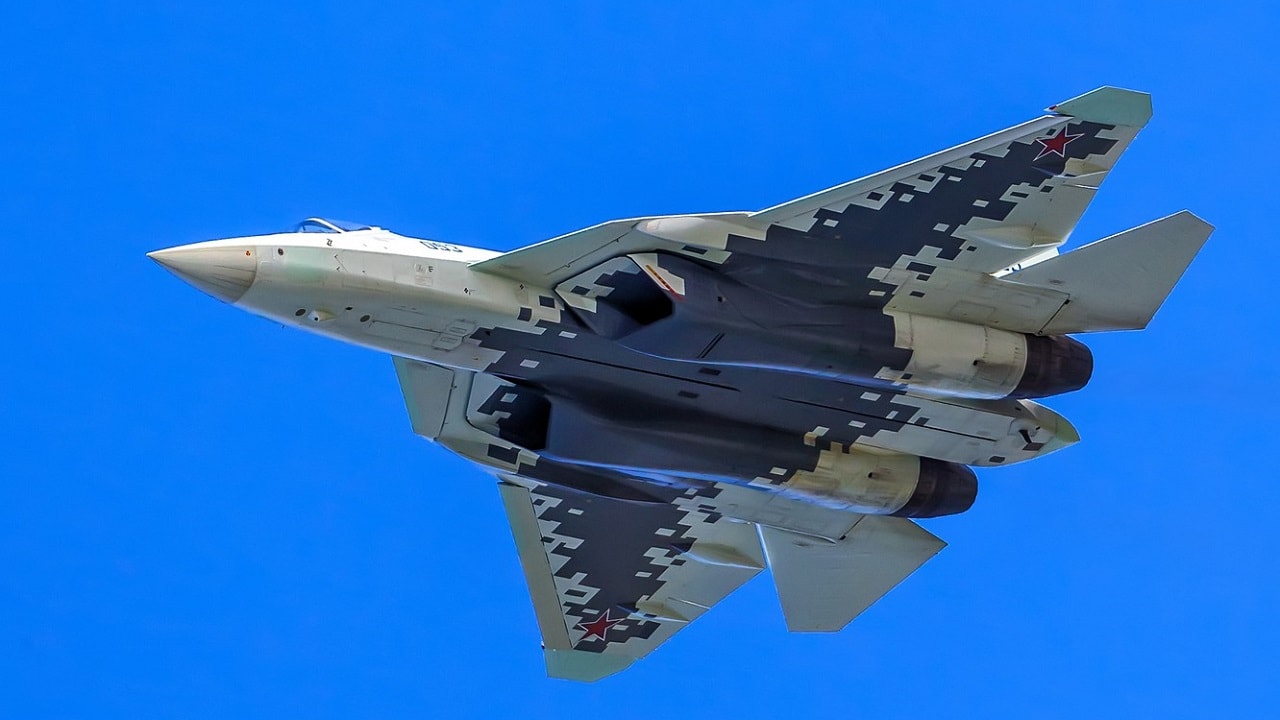
Su-57 stealth fighter. Image Credit: Creative Commons.
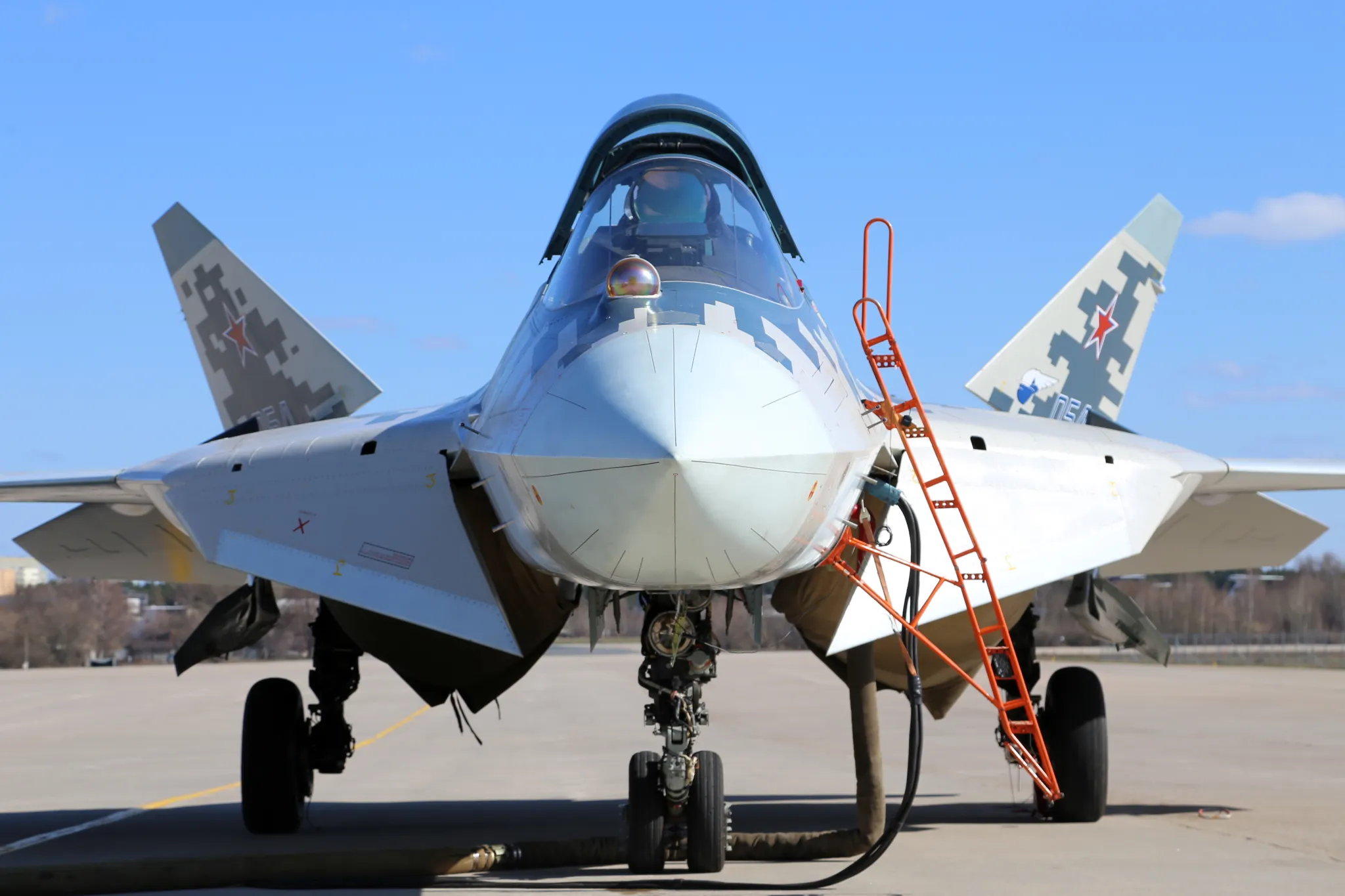
Russia’s Su-57 Stealth Fighter. Image Credit: Creative Commons.
For now, at least, the PAK DA appears to be more of a dream than a reality.
About the Author: Caleb Larson
Caleb Larson is an American multiformat journalist based in Berlin, Germany. His work covers the intersection of conflict and society, focusing on American foreign policy and European security. He has reported from Germany, Russia, and the United States. Most recently, he covered the war in Ukraine, reporting extensively on the war’s shifting battle lines from Donbas and writing on the war’s civilian and humanitarian toll. Previously, he worked as a Defense Reporter for POLITICO Europe. You can follow his latest work on X.