
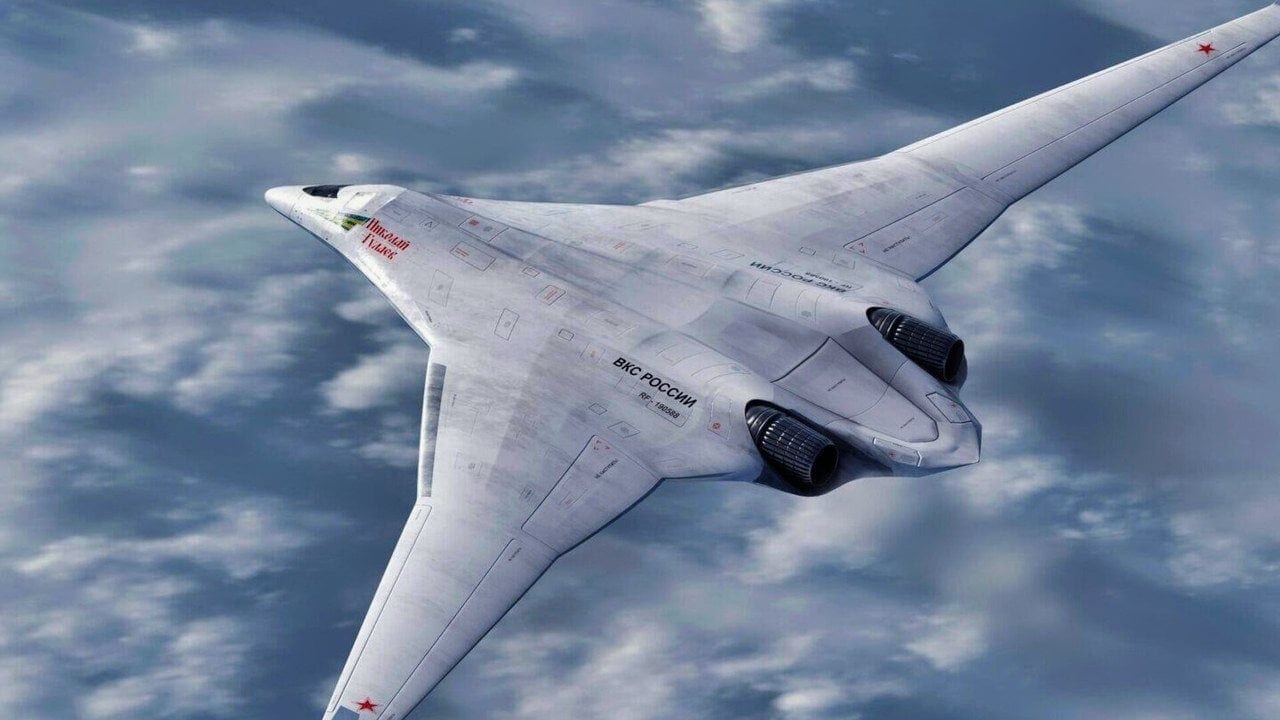
Summary and Key Points: Defense analyst Jack Buckby evaluates the Tupolev PAK DA, Russia’s elusive sixth-generation stealth bomber.
-The program remains trapped in a prototyping phase, while the U.S. Air Force accelerates B-21 Raider production.
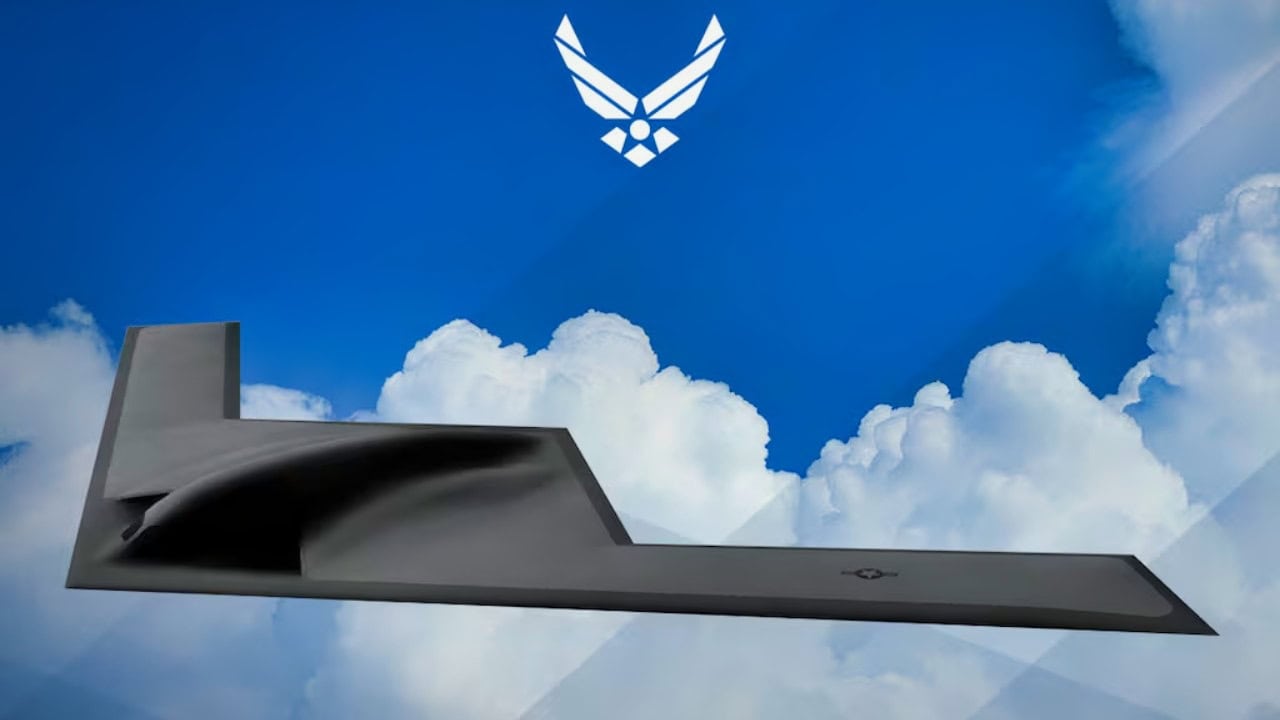
B-21 Raider Bomber.
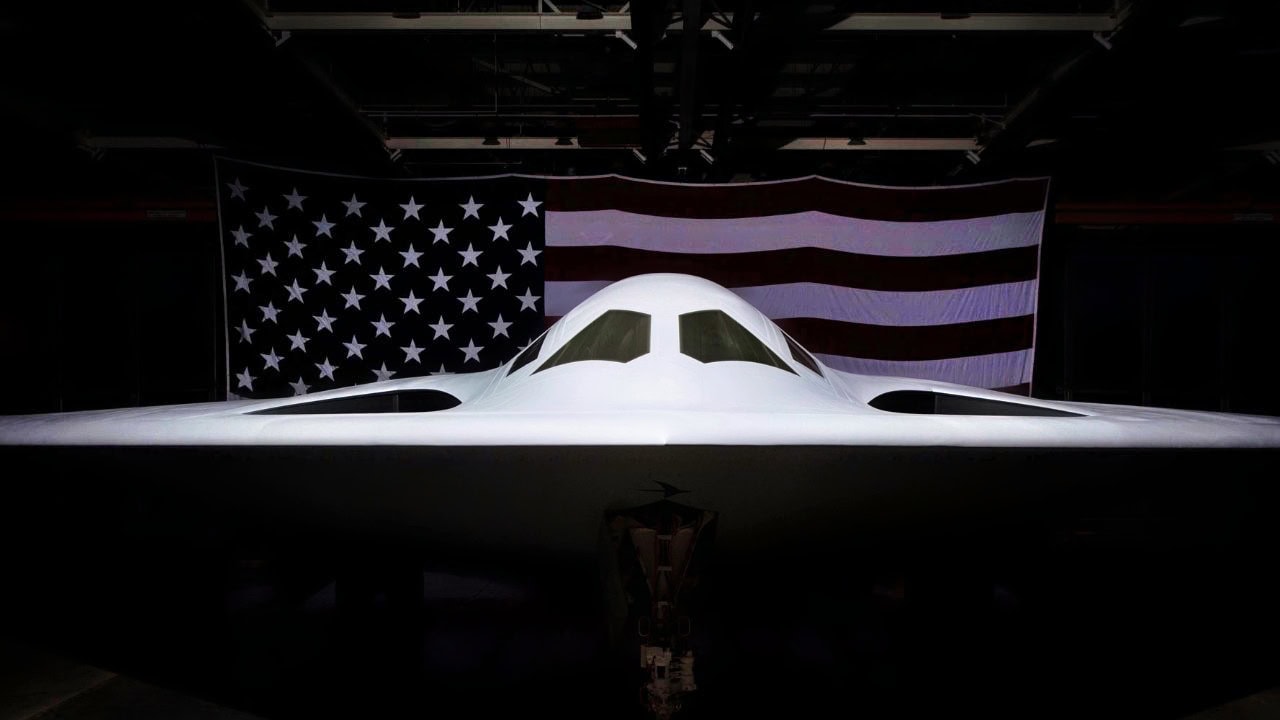
B-21 Raider Bomber. Image Credit: Creative Commons.
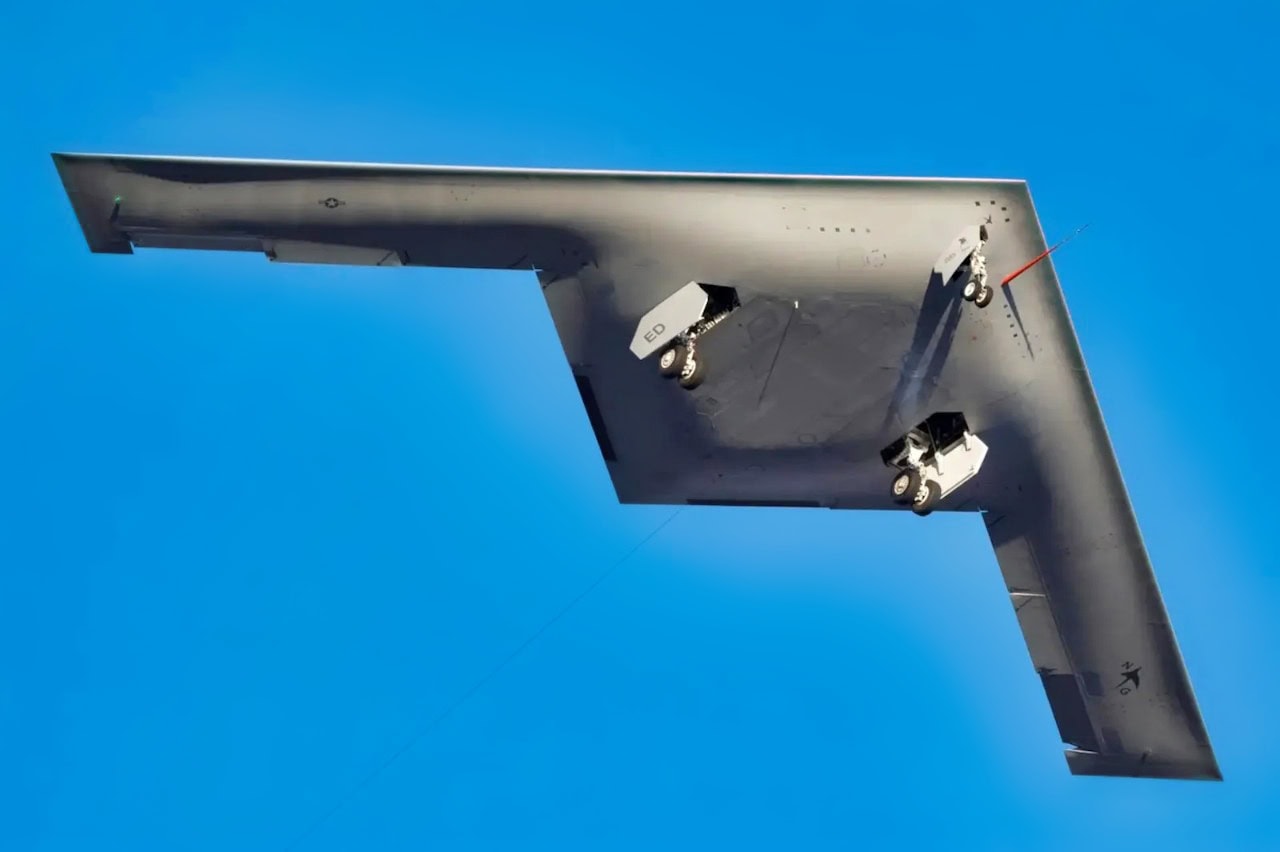
B-21 Raider. Image Credit: Creative Commons.
-This report analyzes the 12,000-km range subsonic “flying wing” design and its reliance on Su-57 subsystems.
-Buckby explores how Western sanctions have forced Moscow to restart Tu-160M production—integrating two new bombers in early 2026—to bridge the gap.
-He concludes that Russia’s “war economy” and industrial limitations make a PAK DA flight test before 2027 increasingly unlikely.
Sanctions and Stealth: How Microchip Shortages are Entombing the PAK DA “Poslannik” Program
The ongoing conflict in Iran proves how modern air campaigns depend heavily on stealth aircraft targeting high-value assets and air defense systems. In recent conflicts, the United States and its allies have relied on low-observable aircraft to penetrate defended airspace and conduct precision strikes before conventional aircraft follow.
And for Russia, these developments unfolding right now pose an uncomfortable question: Moscow has spent years discussing its next-generation stealth bomber, the PAK DA, but when will it actually be able to field it?
Today, the PAK DA remains largely conceptual despite more than a decade of planning. The bomber is intended to eventually replace elements of Russia’s aging strategic bomber fleet, which still relies heavily on Cold War designs such as the Tu-95 Bear and Tu-160 Blackjack.
If recent conflicts prove that stealth strike capabilities are necessary in modern conflict, Russian military planners will know it – and they might feel new pressure to accelerate the PAK DA program.
But even if Moscow recognizes that the aircraft is increasingly necessary, the reality of Russia’s war economy and industrial constraints may make that ambition difficult to achieve.
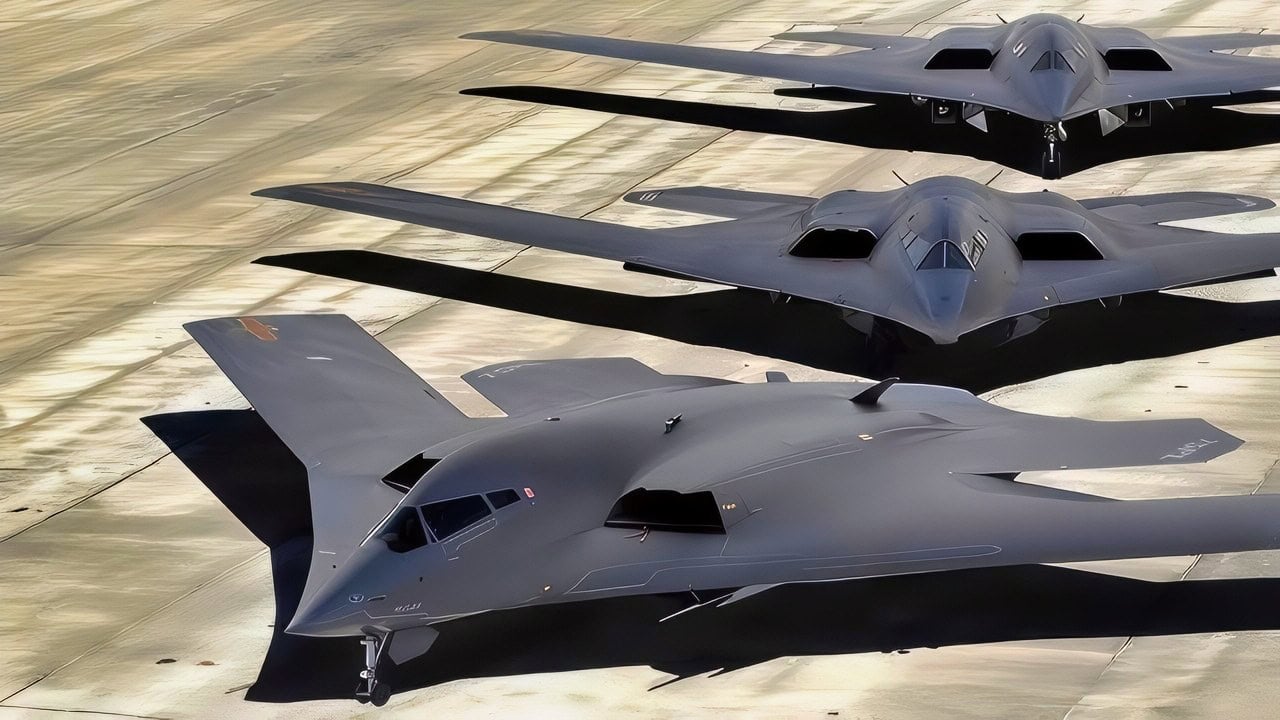
PAK DA Photo Mock Ups: What Russia’s Stealth Bomber Might Look Like
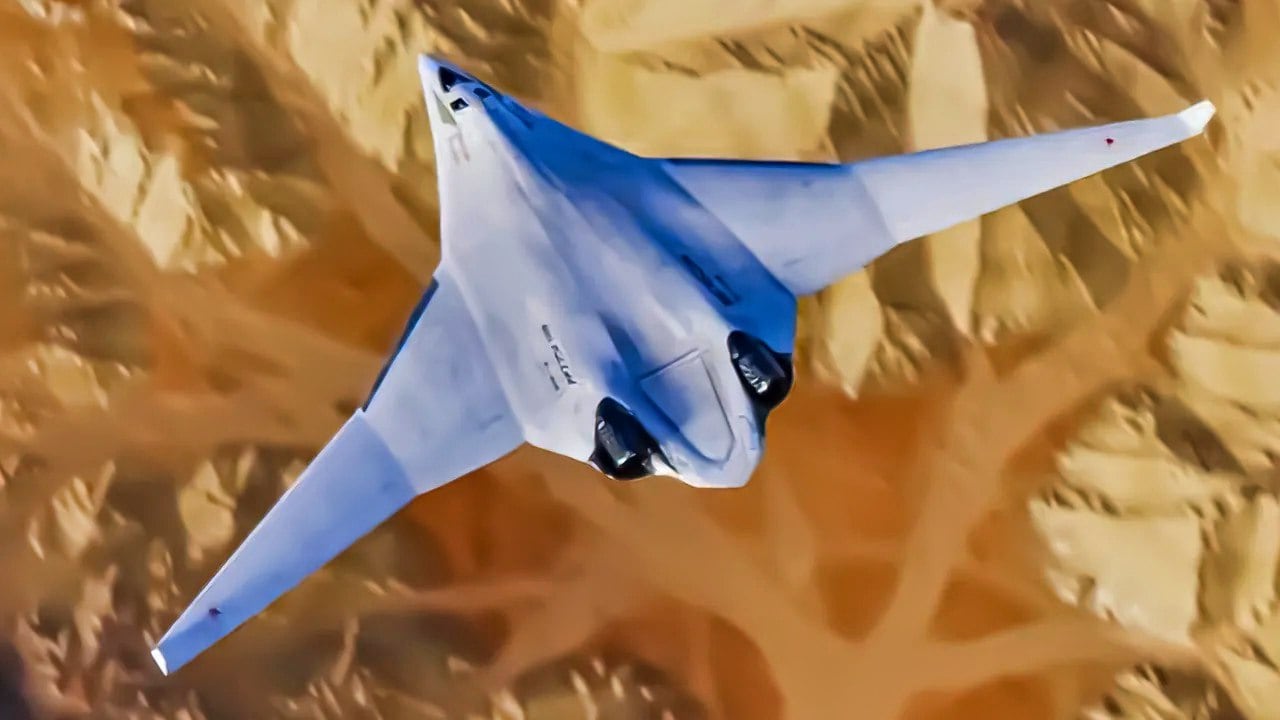
PAK DA Russian Bomber. Image Credit: Creative Commons.
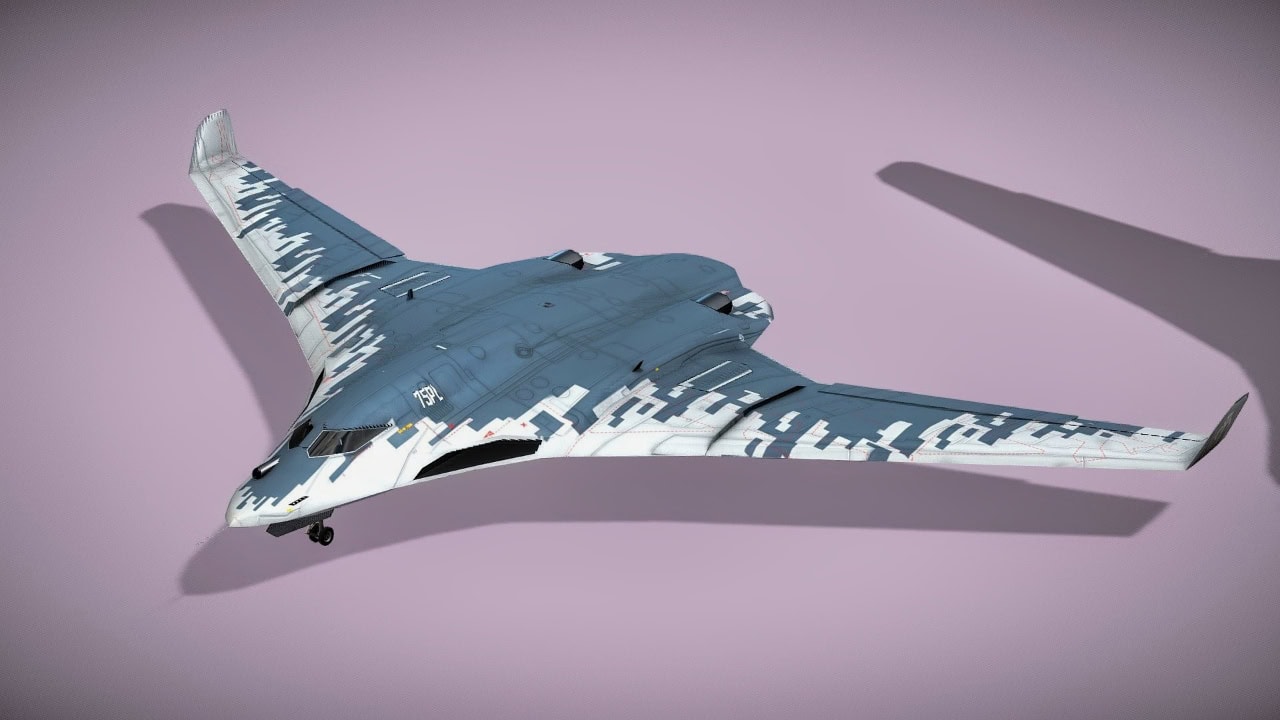
PAK DA Stealth Bomber Russia.
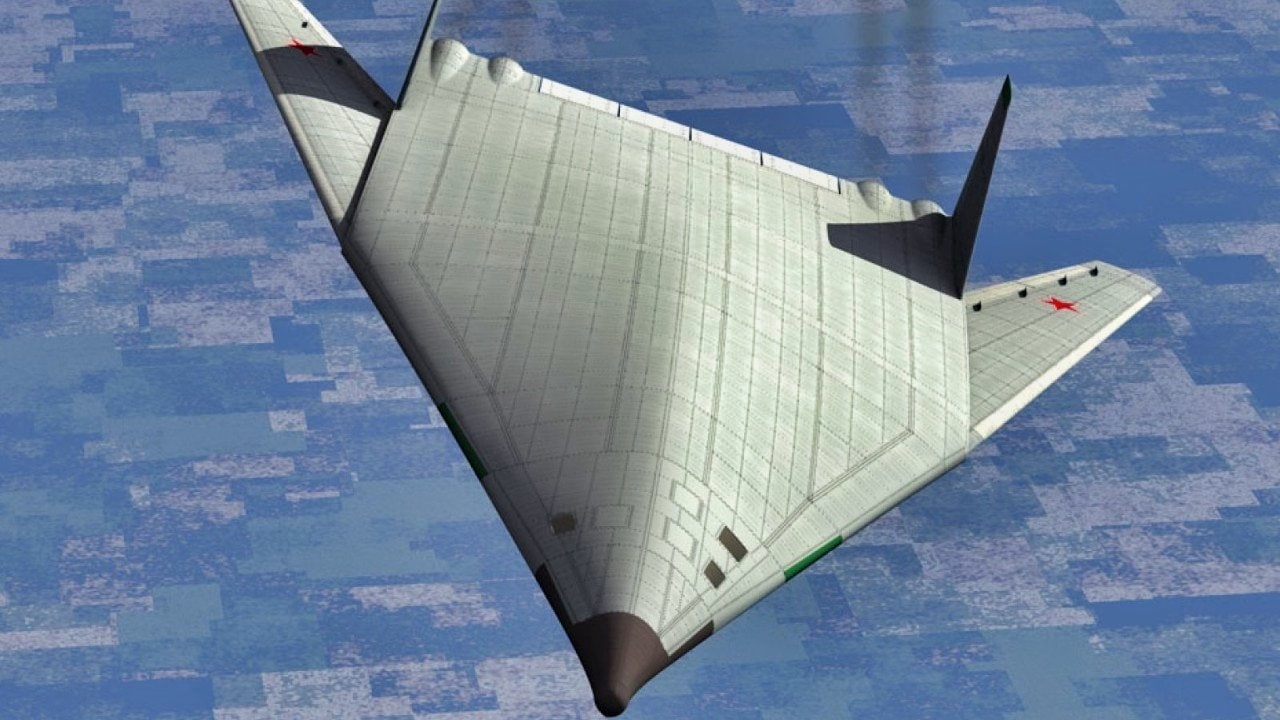
PAK DA Stealth Bomber. Image Credit: Russian State Media/Creative Commons.
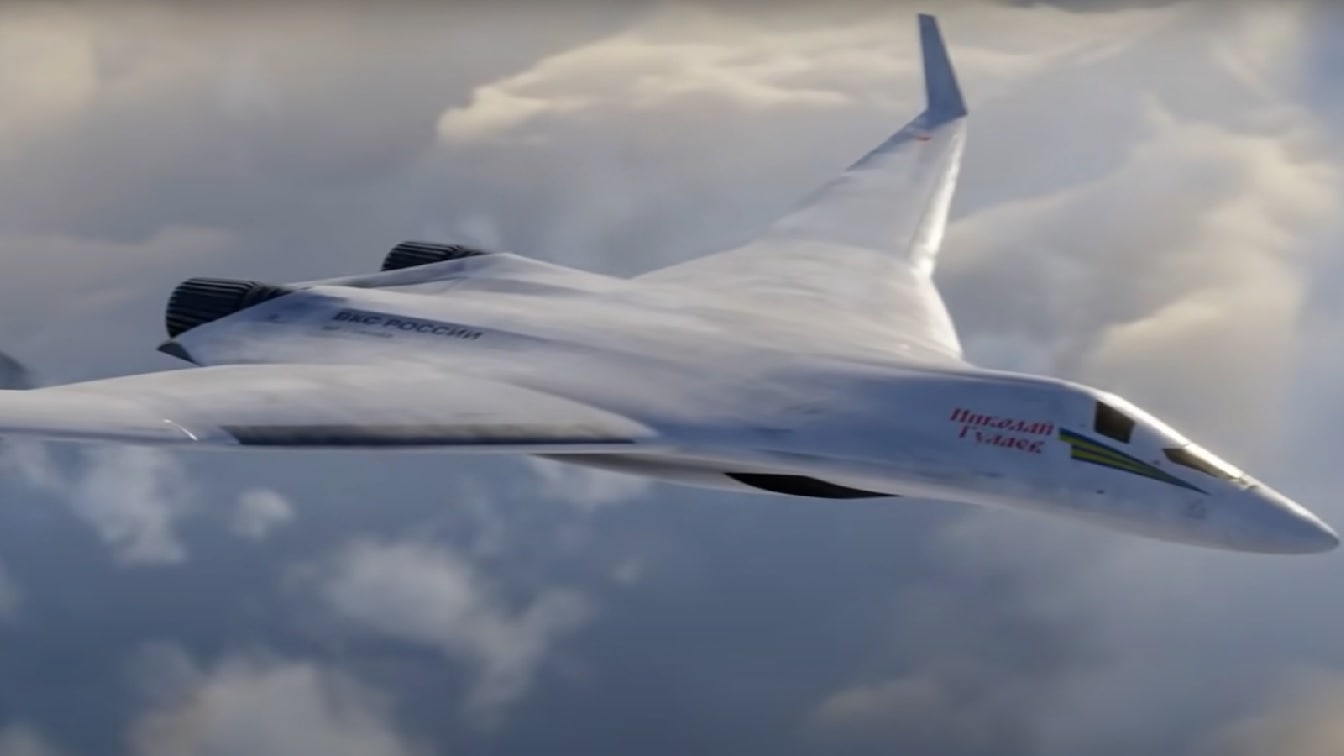
PAK DA stealth bomber. Image Credit: Artist Render.
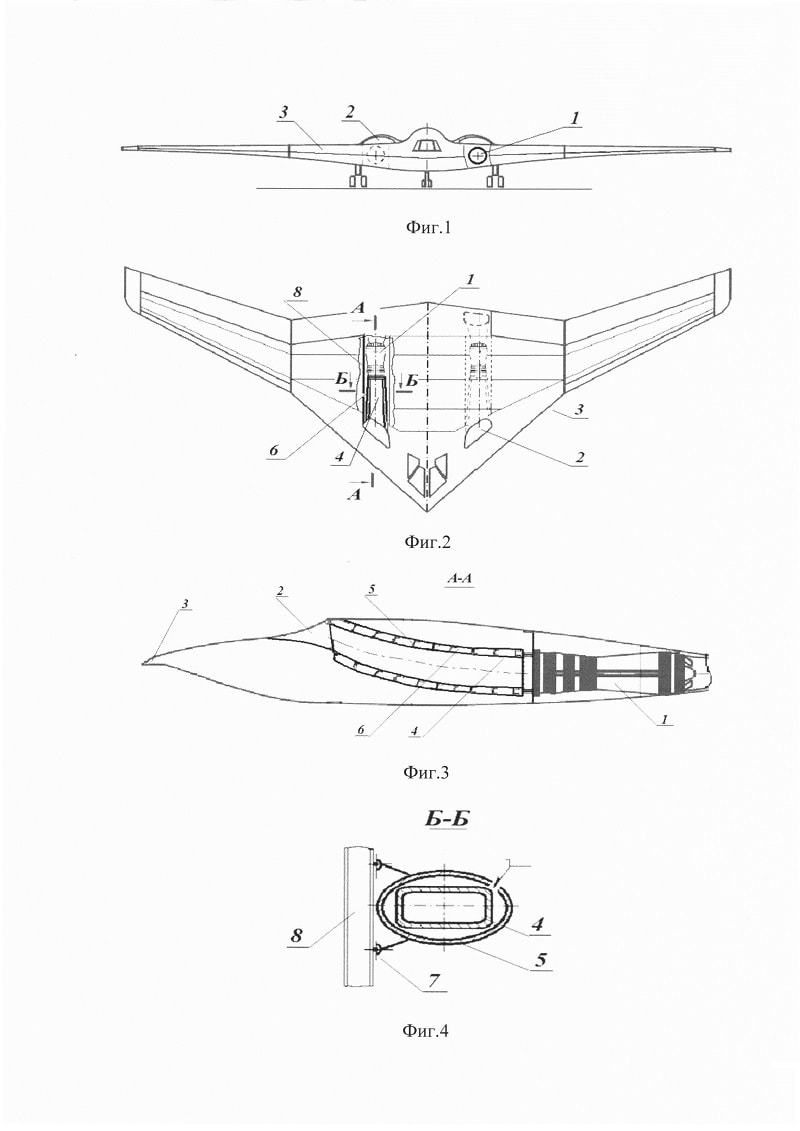
PAK-DA possible image. Image Credit: Yandex.
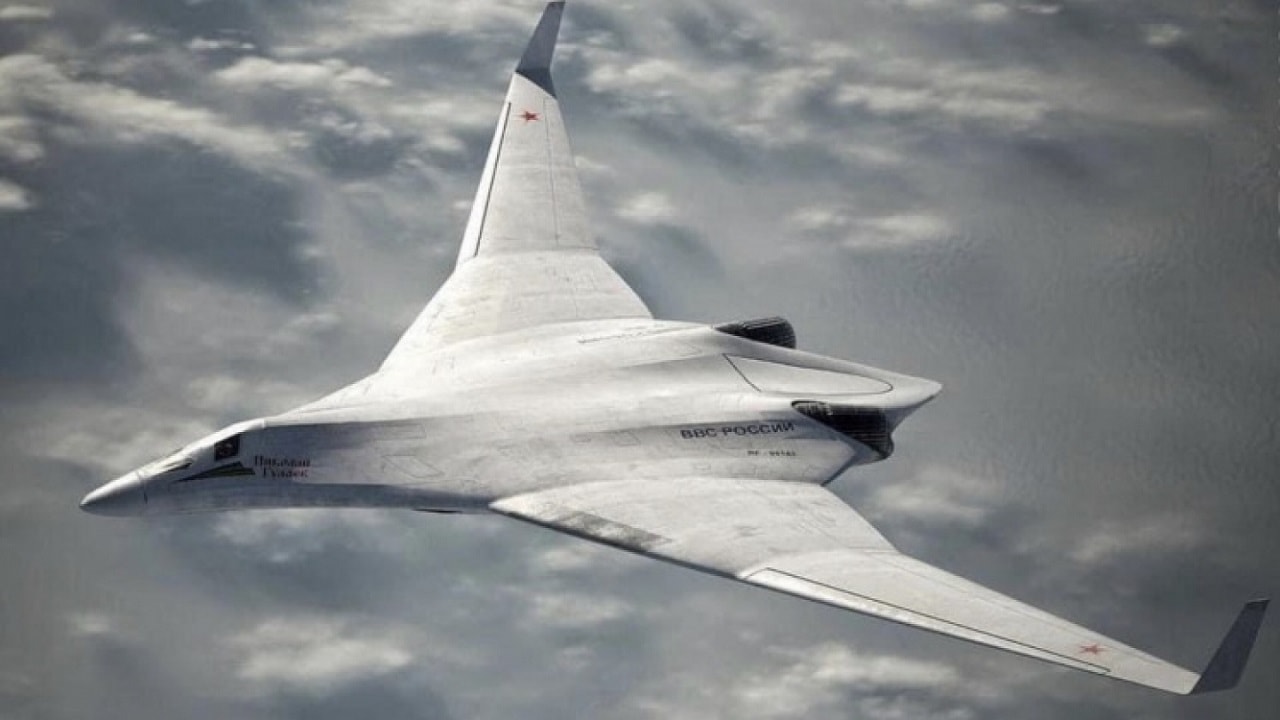
PAK DA stealth bomber. Image Credit: Creative Commons.
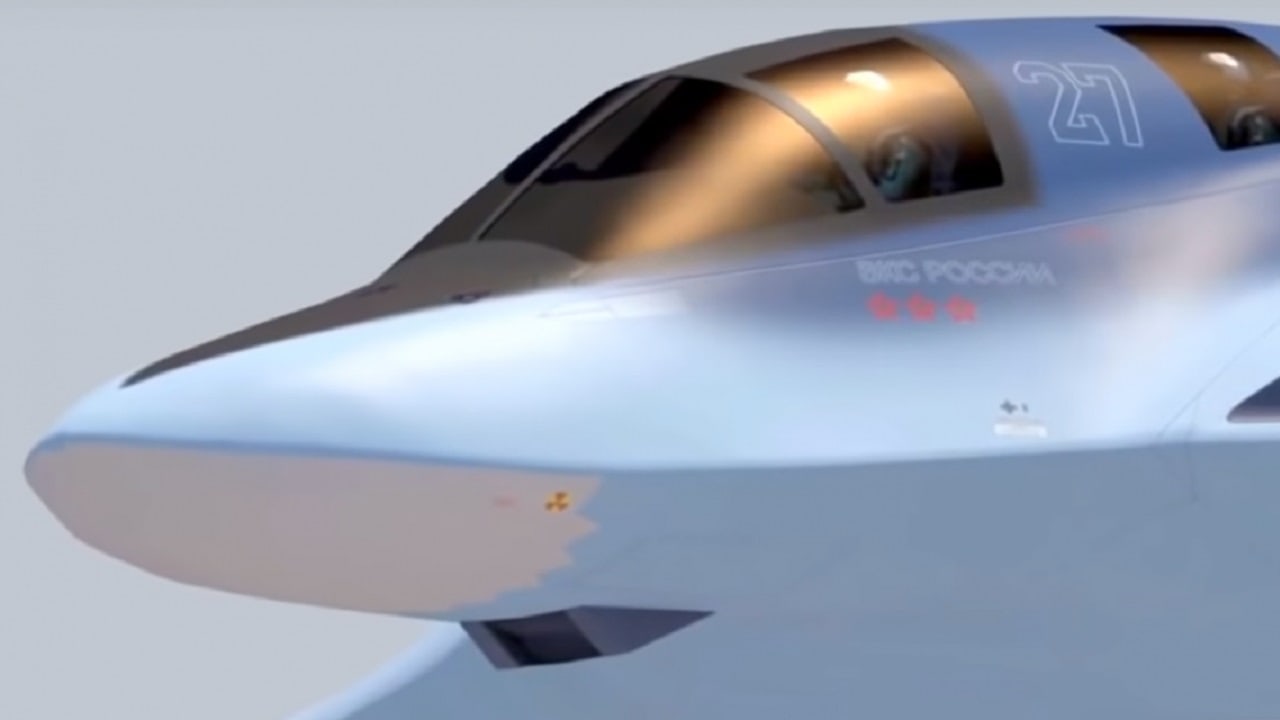
PAK DA Bomber. Image Credit: Artist Rendition/Creative Commons.
What the PAK DA Bomber Is Supposed to Be
The PAK DA—short for Prospective Aviation Complex for Long-Range Aviation—is Russia’s planned next-generation strategic bomber being developed by the Tupolev design bureau.
Unlike Russia’s existing supersonic bombers, the aircraft is expected to prioritize stealth and endurance over speed, following the design philosophy of American stealth bombers such as the B-2 Spirit and the upcoming B-21 Raider. Analysts widely believe the aircraft will use a flying-wing configuration to reduce radar visibility and allow it to penetrate defended airspace.
The aircraft is expected to carry as many as 30 tons of weapons, including nuclear-capable cruise missiles and potentially future hypersonic weapons.
The bomber is also expected to have an operational range of roughly 12,000 kilometers and be able to remain airborne for extended missions, giving Russia a platform capable of striking targets across continents.
Russian officials first began discussing the concept in the late 2000s, and the government approved a Tupolev design proposal in the early 2010s.
However, the project’s timelines have repeatedly shifted. Early expectations for a maiden flight around 2019 were pushed back, and some projections now place prototype testing sometimes in the mid-2020s with potential production in the late 2020s or early 2030s. Even today, though, there is little publicly known evidence that a complete flying prototype exists.
Why Russia Still Relies on Soviet-Era Bombers
The slow progress of the PAK DA matters because Russia’s strategic bomber fleet remains heavily dependent on aircraft originally designed during the Cold War.
The backbone of Russia’s long-range aviation force includes the Tu-95 Bear, the Tu-160 Blackjack, and the Tu-22M Backfire. These aircraft were developed decades ago but remain central to Russia’s military strategy.
During the war in Ukraine, Russia has used these bombers extensively to launch long-range cruise missiles against Ukrainian targets, often firing from Russian airspace rather than penetrating defended territory.
And the reason is straightforward: the aircraft themselves are not stealthy. Instead of flying directly over defended targets, they typically act as launch platforms for long-range missiles. Russia has attempted to modernize parts of this fleet, mind.
For example, Moscow restarted production of the Tu-160M, an upgraded version of the Cold War bomber, partly because delays in the PAK DA program left Russia without a next-generation replacement – and, it’s easier to restart production of an older, reliable design than push forward with a new one.
But relying on upgraded legacy aircraft just proves Russia is facing a gap. While the United States is introducing the B-21 Raider and China is developing the H-20 bomber, Russia still depends heavily on aircraft designed decades earlier.
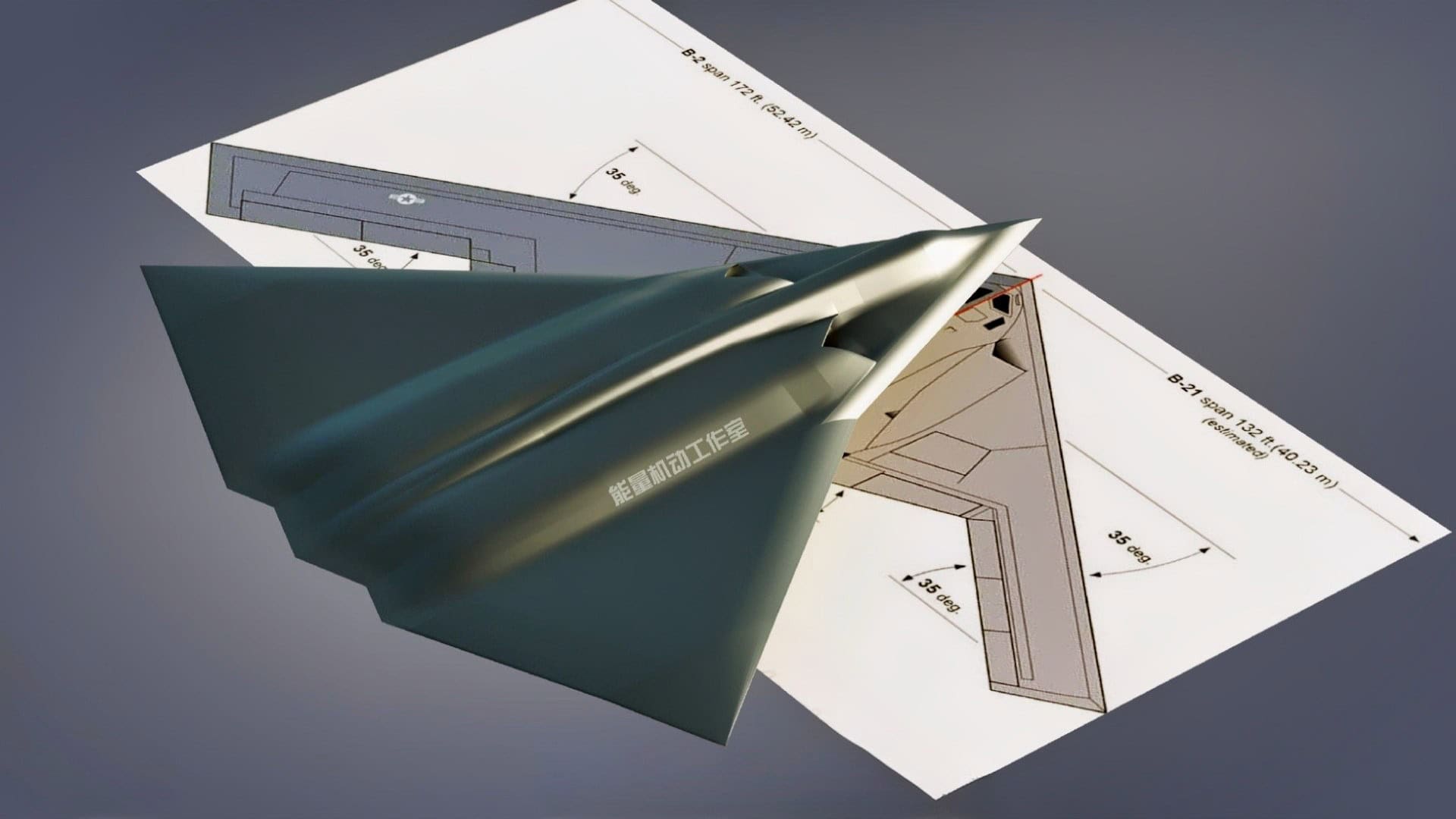
H-20 Stealth Bomber Computer Generated Image from X
H-20 Bomber from YouTube Screenshot
Why Moscow May Struggle to Accelerate the PAK DA
Even if Russian military planners believe the PAK DA has become more important, the country faces serious obstacles in accelerating the program – and if it were possible to do so, it likely would have been done already.
First, the ongoing war in Ukraine has placed an enormous strain on Russia’s defense industry. Factories are focused on producing missiles, drones, tanks, and artillery needed for the conflict rather than long-term aviation programs.
Second, Western sanctions have limited Russia’s access to advanced electronics and aerospace components, complicating the development of complex aircraft systems. Analysts have warned that restrictions on microchips and other technologies could significantly delay the PAK DA program.
The PAK DA represents a radical departure from Russia’s traditional focus on speed. However, the inability to mass-produce advanced composites and stealth coatings has forced a retreat to proven 1970s technology.
Third, Russia’s aerospace industry has already diverted resources toward upgrading existing bombers. The revival of the Tu-160M production line is widely seen as an interim solution while the stealth bomber program continues to struggle.
And then there’s the fact that Russia faces broader economic pressures that limit funding for expensive, long-term projects like this. Developing a stealth bomber is among the most complex and costly undertakings in modern aerospace engineering, and even if the PAK DA does eventually happen, it seems unlikely that what’s unfolding in Iran could push them to move more quickly.
About the Author: Jack Buckby
Jack Buckby is a British researcher and analyst specialising in defence and national security, based in New York. His work focuses on military capability, procurement, and strategic competition, producing and editing analysis for policy and defence audiences. He brings extensive editorial experience, with a career output spanning over 1,000 articles at 19FortyFive and National Security Journal, and has previously authored books and papers on extremism and deradicalisation.