
Summary and Key Points: National security analyst Jack Buckby evaluates the alleged detection of B-2 Spirit radio signals by Chinese firm Jingan Technology.
-On March 1, 2026, during the initial wave of Operation Epic Fury, the AI-powered Jingqi system reportedly identified call signs “Petro 41” through “Petro 44” and reconstructed flight paths using aviation tracking and satellite imagery.
-This report analyzes how AI-driven OSINT and commercial geospatial firms like MizarVision are democratizing intelligence gathering.
-Buckby explores the vulnerability of stealth platforms within operational networks, concluding that modern military activity is becoming increasingly observable through commercial datasets.
Chinese Firm Claims It Detected U.S. B-2 Signals During Iran Strike
A Chinese defense technology company has claimed that its monitoring system detected radio signals from U.S. Air Force B-2 stealth bombers involved in the early stages of the recent U.S.-Israel military campaign against Iran.
Hangzhou-based Jingan Technology said its artificial-intelligence-powered “Jingqi” monitoring platform identified signals associated with B-2 bombers during a March 1 strike on Iranian targets. The mission was part of the opening phase of the operation launched by the United States and Israel against Iranian military facilities beginning on February 28, 2026.
According to the company, its system reconstructed elements of the bomber mission using a combination of aviation tracking data and satellite imagery.
The revelation is curious, and while it could be interpreted as an indication that U.S. military communications were intercepted, it might instead reflect the growing use of commercial intelligence tools.

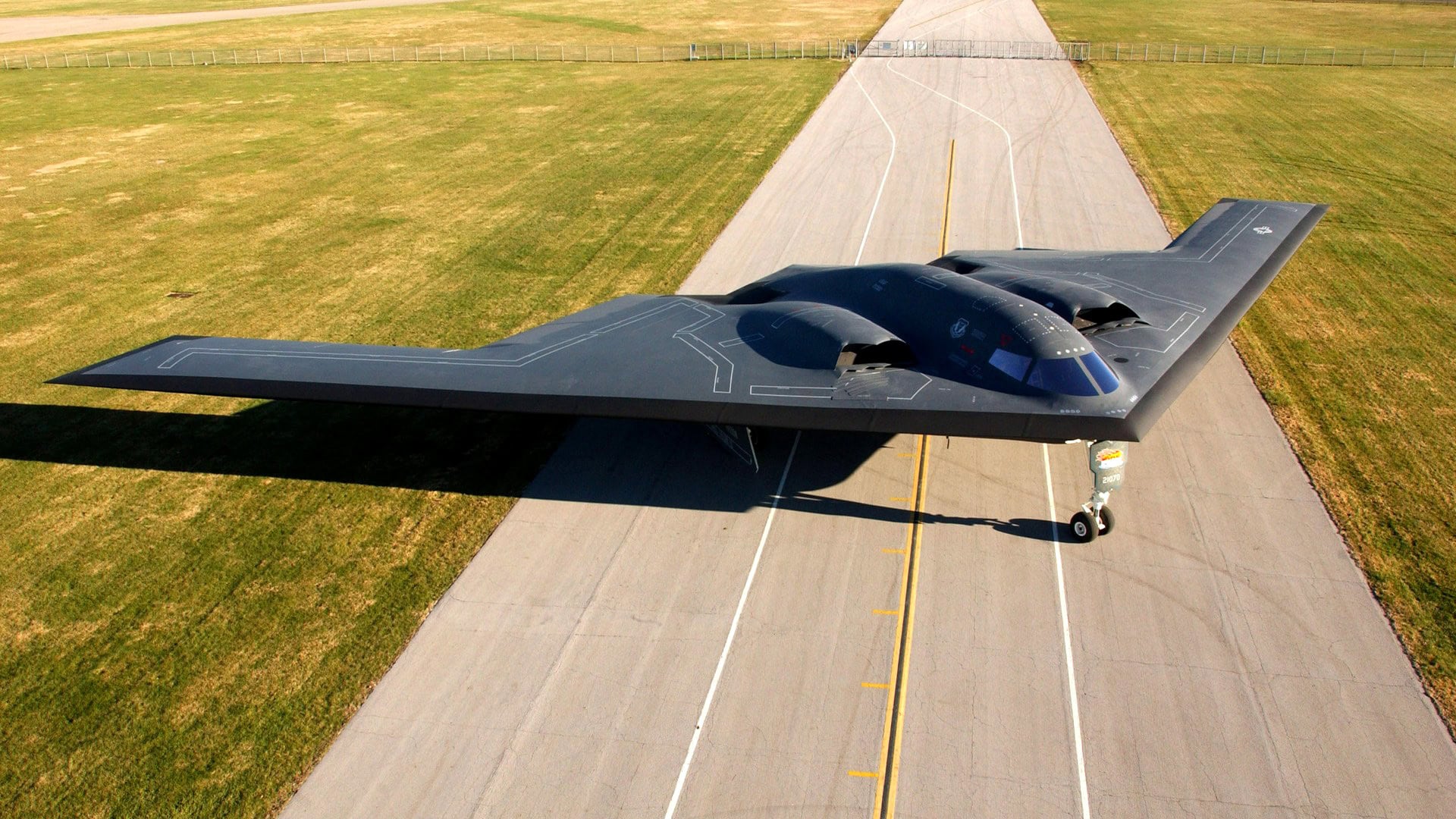
B-2 Spirit Stealth Bomber 19FortyFive Image. Taken By Harry J. Kazianis at U.S. Air Force Museum in 2025.
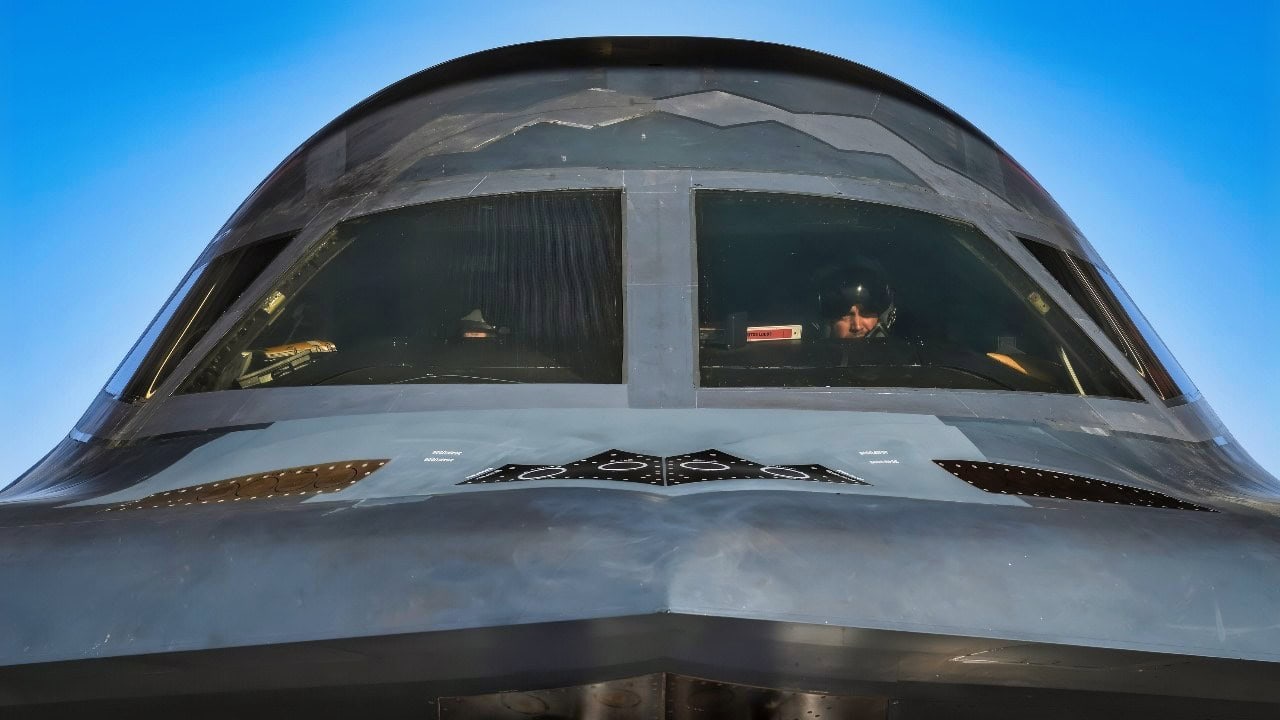
A U.S. Air Force B-2 Spirit aircrew performs pre-flight checks in the cockpit of their aircraft at Whiteman Air Force Base, Missouri, March 8, 2020. The B-2 took off from Whiteman AFB to support U.S. Strategic Command Bomber Task Force operations in Europe. The 131st Bomb Wing is the total-force partner unit to the 509th Bomb Wing. (U.S. Air Force photo by Tech. Sgt. Alexander W. Riedel)
It’s also an important reminder to the U.S. military and Pentagon that, as new technologies emerge, even the most advanced systems in use become vulnerable.
What Was Claimed: B-2 Spirit Stealth Bomber Sort of Tracked?
Jingan Technology said its monitoring system detected radio transmissions from U.S. B-2 Spirit bombers returning from a strike mission over Iran on March 1. The aircraft were reportedly operating under call signs “Petro 41” through “Petro 44,” according to Chinese reporting that cited the company’s claims.
According to Jingan, its Jingqi system was able to reconstruct the bomber flight path and identify radio emissions during the aircraft’s return leg from the mission. The company posted about the detection on social media the following day and said it had recorded audio associated with the signals.
The claim has drawn significant attention because the B-2 Spirit is one of the most advanced stealth aircraft in the U.S. arsenal, designed specifically to penetrate heavily defended airspace while minimizing the risk of detection.
AI Made It Possible
The reports describe a technology that appears to suggest artificial intelligence played a major role in the story, with the software functioning as a data analysis platform.
According to the South China Morning Post, Jingan’s Jingqi system integrates aviation trajectory data and satellite imagery with publicly available military records to gain a picture of military intelligence that would otherwise be difficult to obtain.
Artificial intelligence analyzes the datasets and detects patterns to create a picture of possible military mobilizations.
Technically, that kind of system falls under open-source intelligence (OSINT), which has become increasingly important for tracking military operations. In many ways, social media and the Internet have democratized intelligence gathering, enabling individuals and software tools to gain insights into military activity that would previously have been impossible to obtain.
These new AI-powered systems can identify activities such as reconnaissance flights, naval deployments, cargo aircraft routes, and unusual concentrations of aircraft at specific bases. Then, by combining these signals, analysts can infer that military preparations are underway even before operations begin.
This was possible before AI, but now it’s even easier.
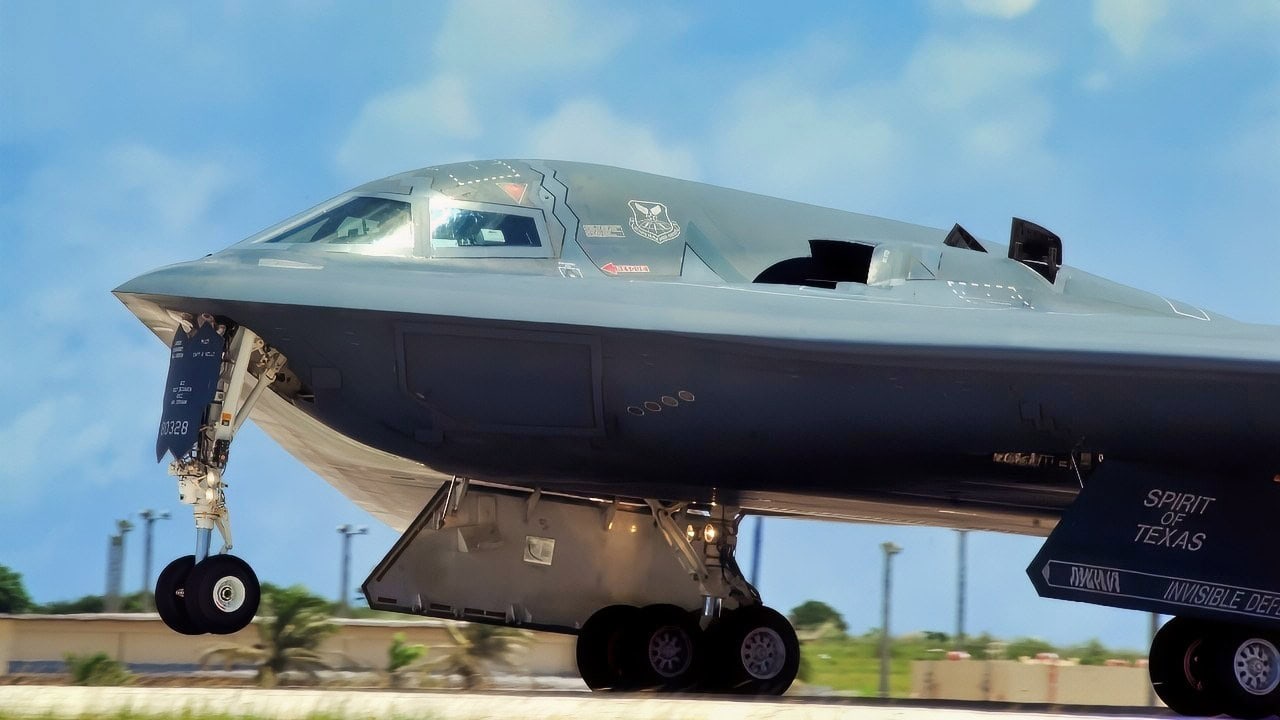
A U.S. Air Force B -2 Spirit aircraft deployed from Whiteman Air Force Base, Mo., launches from the runway at Andersen Air Force Base, Guam, Aug. 12, 2016. With its subsonic speeds and its nearly 7,000 mile unrefueled range, the B-2 Spirit is capable of bringing massive firepower, in a short time, anywhere on the globe through the most challenging defenses. (U.S. Air force photo by Senior Airman Jovan Banks)
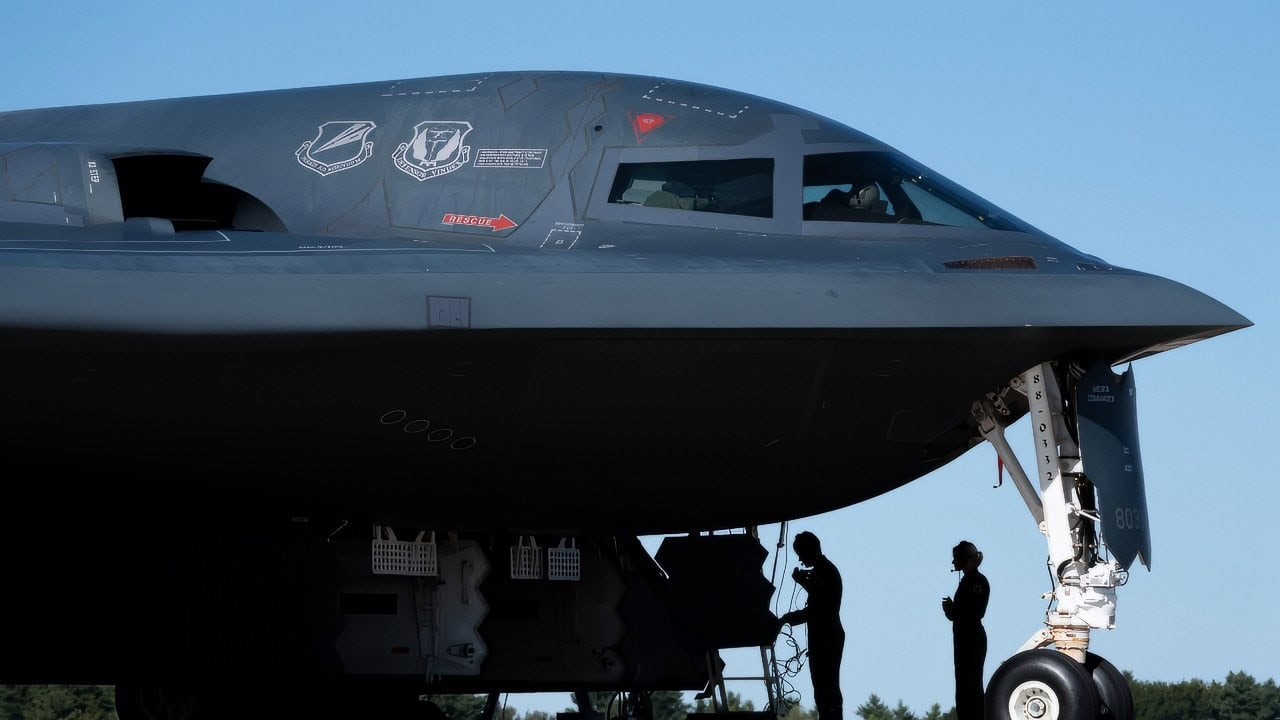
A U.S. Air Force pilots assigned to the 393rd Bomb Squadron prepare a B-2 Spirit aircraft for hot-pit refueling at Pease Air National Guard Base, New Hampshire, Sept. 20, 2025. The aircraft is the first operated by the 509th Bomb Wing to land at Pease ANGB, formerly Pease Air Force Base, since the 509 BW, formerly 509th Bombardment Wing, was stationed at Pease AFB and the active-duty base closed nearly 35 years ago. The lineage of the 509th BW traces back to the World War II Era when the 509th Composite Group dropped the atomic bombs on Japan. (U.S. Air Force photo by Staff Sgt. Joshua Hastings)
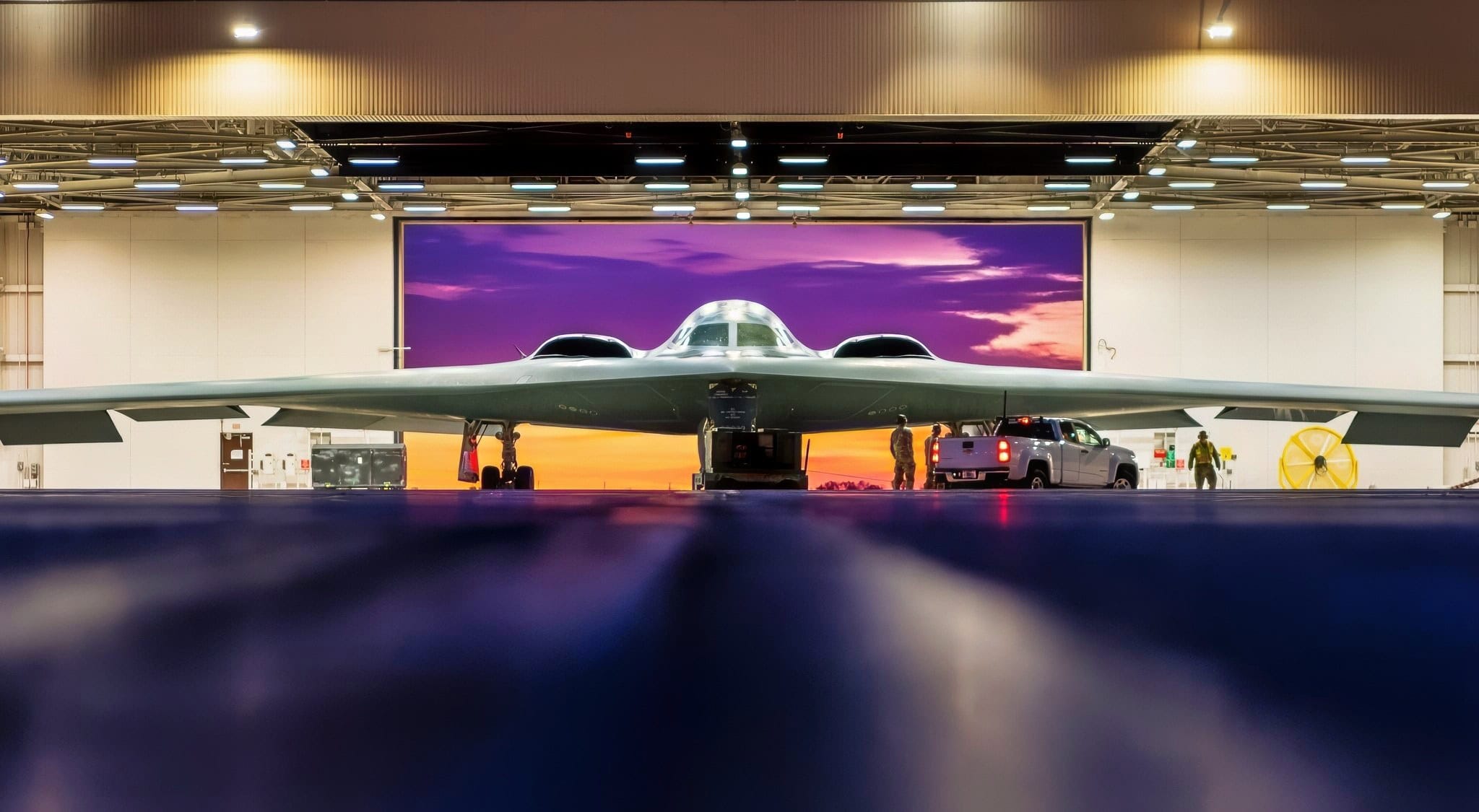
U.S. Airmen assigned to the 393rd Bomber Generation Squadron prepare a B-2 Spirit aircraft for flight during Exercise Global Thunder 26 at Whiteman Air Force Base, Missouri, Oct. 24, 2025. Global Thunder is an annual command and control exercise designed to train U.S. Strategic Command forces and assess joint operational readiness. (U.S. Air Force photo by Staff Sgt. Joshua Hastings)
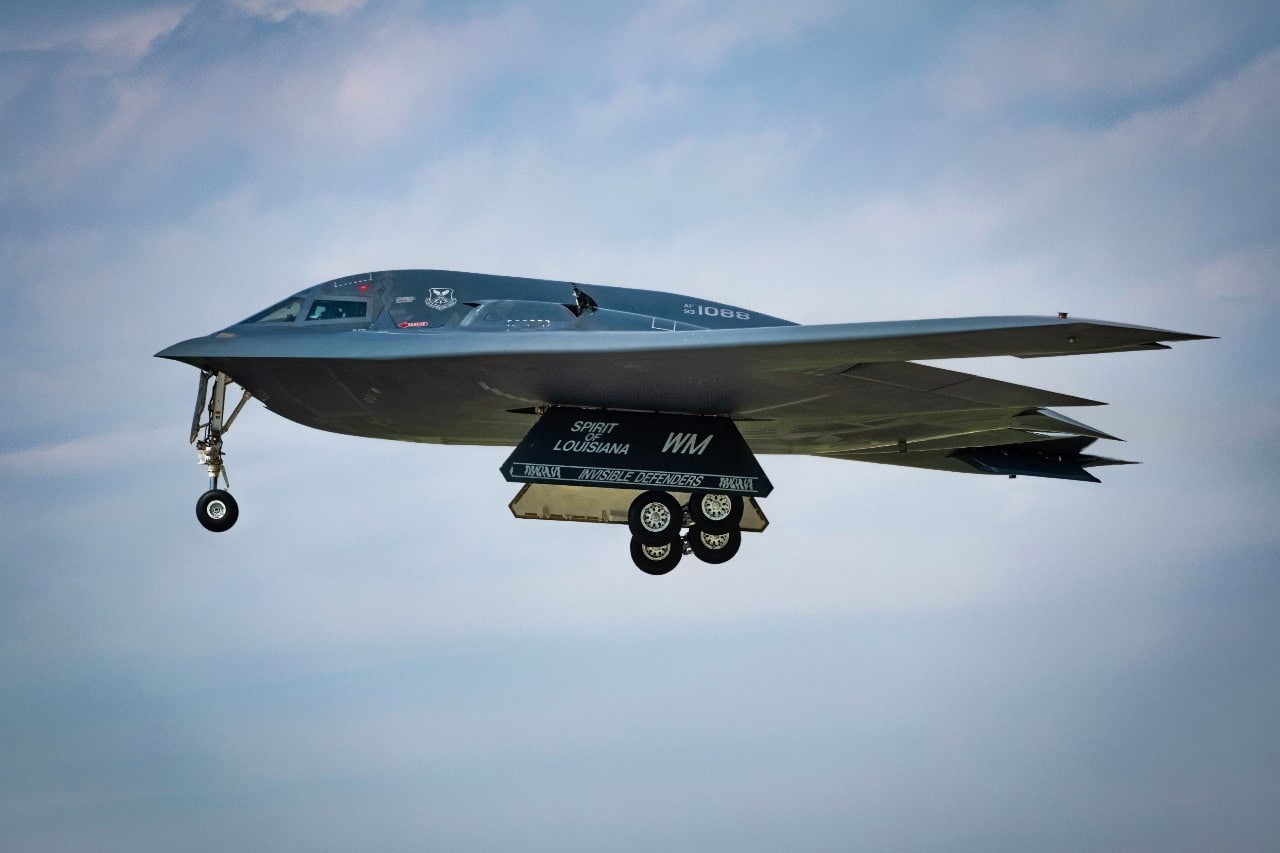
A B-2 Spirit stealth bomber departs from Whiteman Air Force Base, Missouri, April 16, 2025. The B-2 is capable of penetrating heavily defended air spaces and delivering conventional and nuclear munitions anywhere on the globe. (U.S. Air Force photo by Senior Airman Joshua Hastings)
Stealth aircraft like the B-2 are designed to evade radar detection, but they still operate as part of an operational network that includes support aircraft and logistics movements, both of which can effectively give the game away.
Commercial Intelligence Could Be A Problem
Regardless of whether the B-2 signals were truly intercepted, the news proves how modern military activity is increasingly observable through commercial data sources.
Another Chinese geospatial intelligence company, MizarVision, has been publishing satellite imagery showing U.S. aircraft and naval deployments in the Middle East during the Iran conflict.
Reports describe how the company posted images showing U.S. aircraft deployments at regional bases, including fighter jets and support aircraft positioned in Israel and Saudi Arabia. Commercial satellite imagery has become widely used for tracking military developments, including troop movements and air/naval operations.
The war in Ukraine has proven just how much publicly available satellite images and data analytics can reveal about battlefield activity, and how that information can be shared in near real time – a trend that is only set to continue in future conflicts.
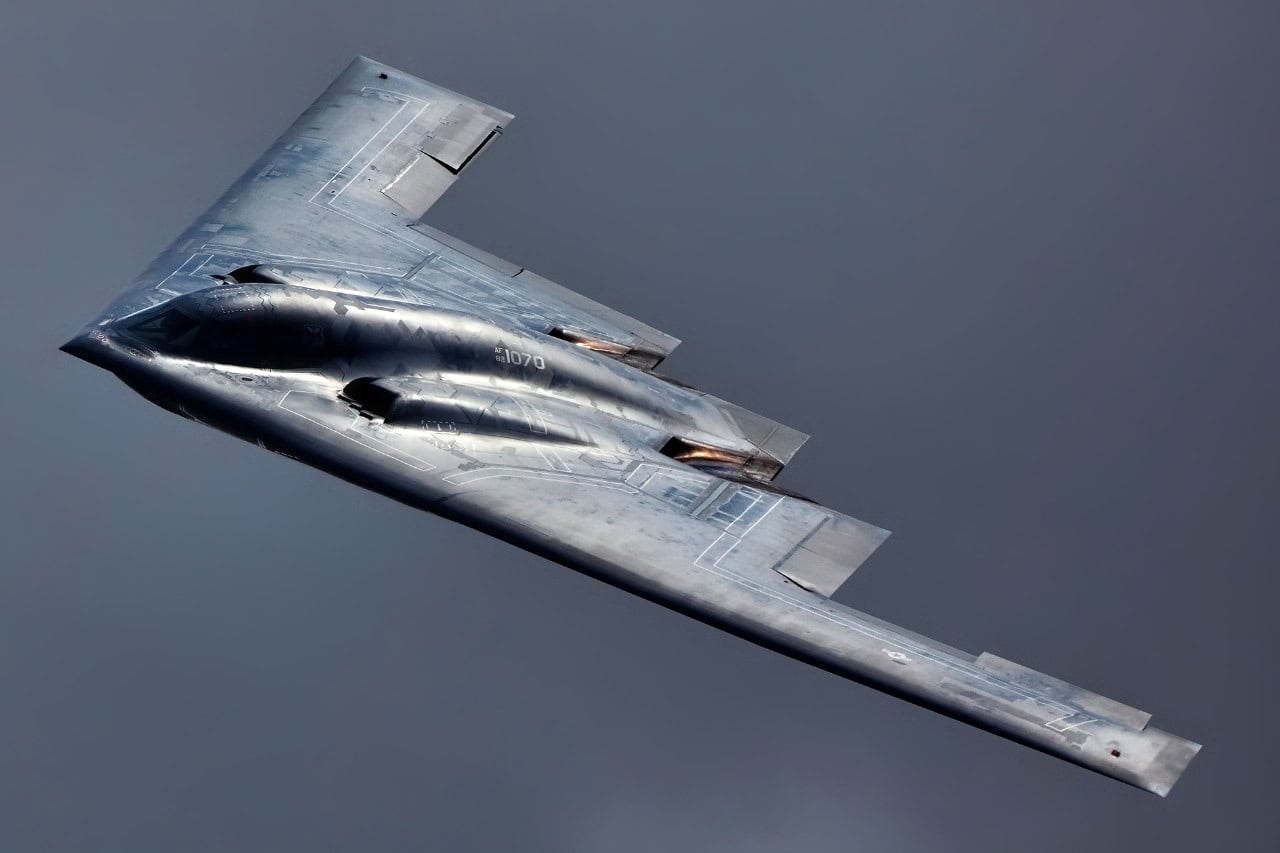
B-2 Bomber. Image Credit: Creative Commons.
As technology improves, these analyses can be made more quickly, and other datasets could also reveal more information about military movements.
The claims from Jingan Technology remain unverified for now, but even if the company did not truly intercept communications from the B-2 bombers, the incident reflects a brutal reality of modern warfare: even the most powerful and advanced aircraft in the world are becoming increasingly visible to the masses.
About the Author: Jack Buckby
Jack Buckby is a British researcher and analyst specialising in defence and national security, based in New York. His work focuses on military capability, procurement, and strategic competition, producing and editing analysis for policy and defence audiences. He brings extensive editorial experience, with a career output spanning over 1,000 articles at 19FortyFive and National Security Journal, and has previously authored books and papers on extremism and deradicalisation.