
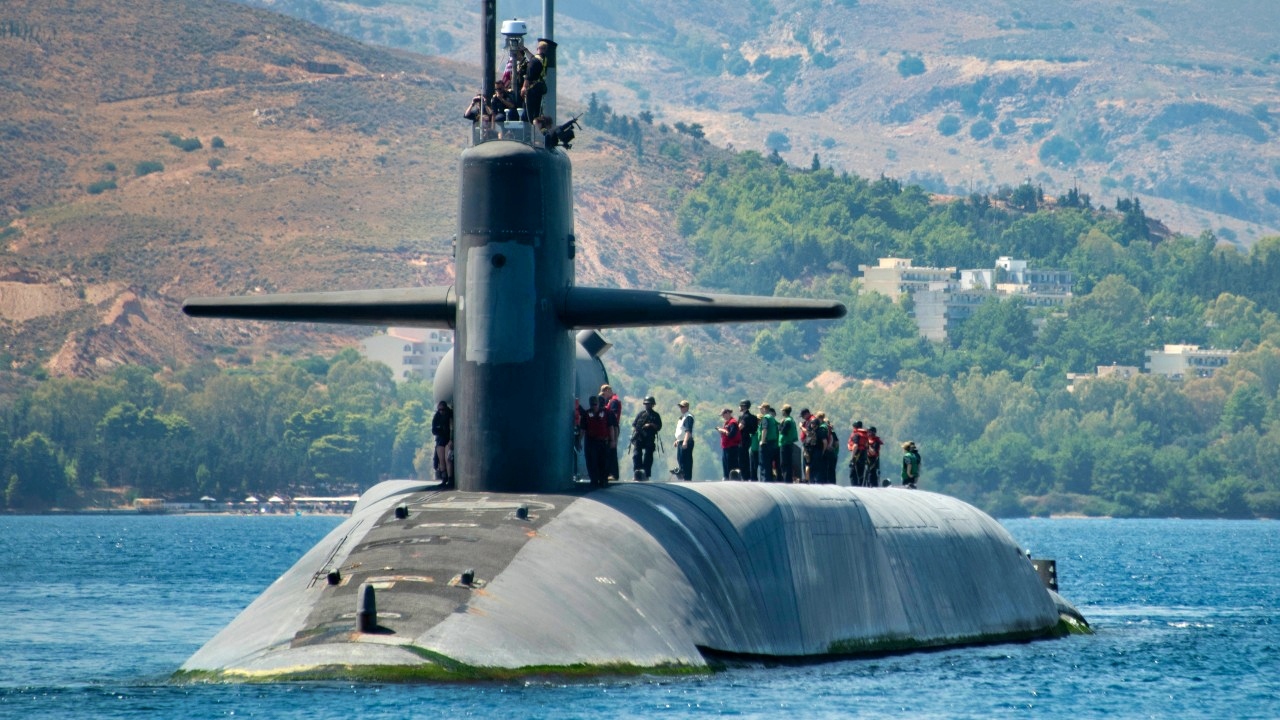
Summary and Key Points: Author and defense expert Jack Buckby notes that the United States fired more than 400 Tomahawk cruise missiles in the first 72 hours of the Iran War — potentially consuming nearly 10 percent of its entire stockpile in days.
-The problem is that Tomahawks are built at a rate of roughly 90 per year.
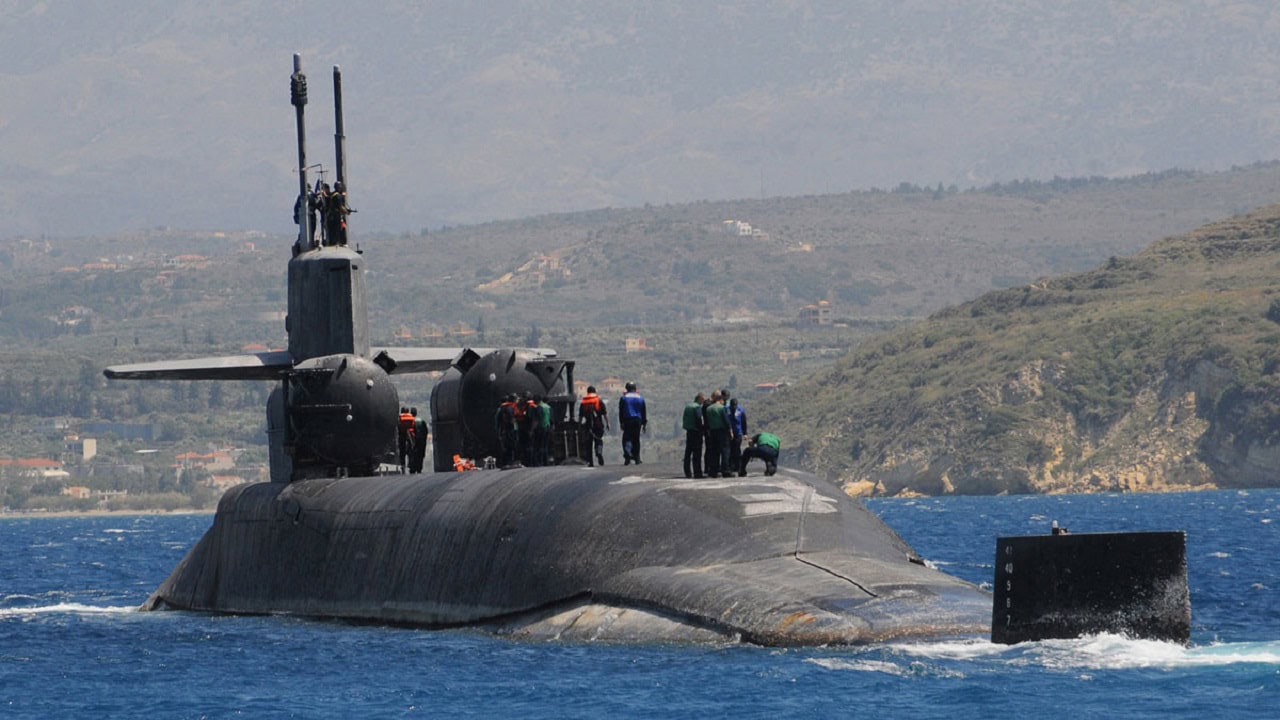
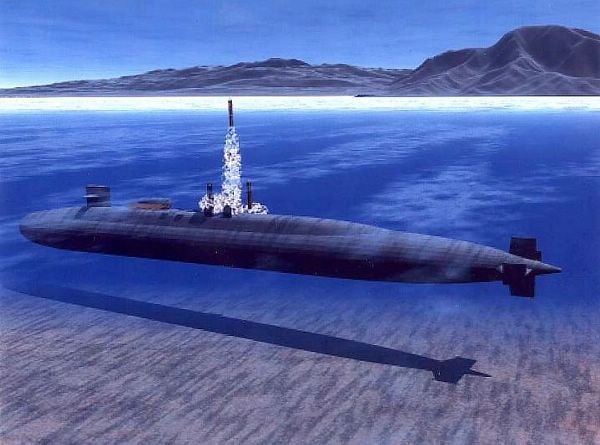
Ohio-Class SSGN. Image Credit: U.S. Navy.
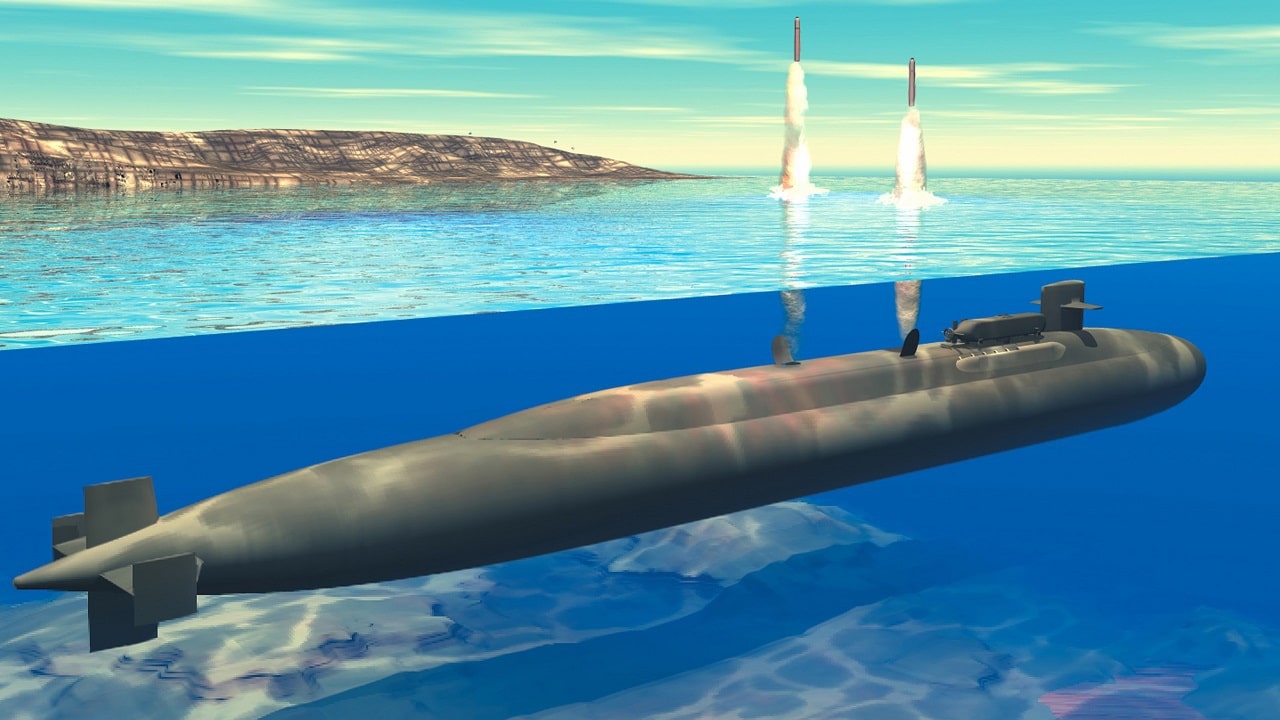
Artist’s concept of an Ohio-class SSGN launching Tomahawk Land Attack Missiles.
-Plans to expand production to 1,000 annually will take years to materialize.
-Meanwhile, the Navy is retiring the four Ohio-class guided missile submarines, each carrying 154 Tomahawks, eliminating 616 dedicated launch cells from the fleet between 2026 and 2028.
-America is burning through missiles faster than it can build them and retiring the ships that fire them.
The U.S. Navy Fired 400 Tomahawk Missiles in the First 72 Hours of the Iran War — and America Only Builds About 90 of Them Per Year
The United States has leaned heavily on Tomahawk cruise missiles in the opening phase of the Iran war, firing hundreds in a matter of days to dismantle air defenses and strike missile infrastructure, and pave the way for follow-on air operations. But Tomahawks are not mass-produced weapons.
They are slow to build and dependent on a fragile industrial base, and are already being consumed faster than they can be replaced.
At the same time, the U.S. Navy is also preparing to retire major platforms that carry large numbers of these missiles – most notably, the Ohio-class guided missile submarines and Ticonderoga-class cruisers. The result will be the loss of a monumental number of vertical launch cells from the fleet, at a time when wartime demand is high and production capacity is limited.
The U.S. Navy now faces a stockpile issue and a structural problem in how the U.S. generates long-range strike power.
The Iran War Is Burning Through Tomahawks
The ongoing campaign against Iran is burning up significant numbers of Tomahawk missiles. The missiles have allowed the U.S. to strike fixed targets, including radar sites and command centers, missile batteries, and other critical infrastructure, without risking aircraft. That initial phase of the campaign has been particularly intense, with the U.S. hitting thousands of targets across Iran.
In the opening phase of Operation Epic Fury, U.S. forces fired more than 400 Tomahawk cruise missiles in just the first 72 hours of the campaign. That is an unusually high expenditure even by historical standards, where opening salvos have seen dozens or a couple of hundred Tomahawks used.
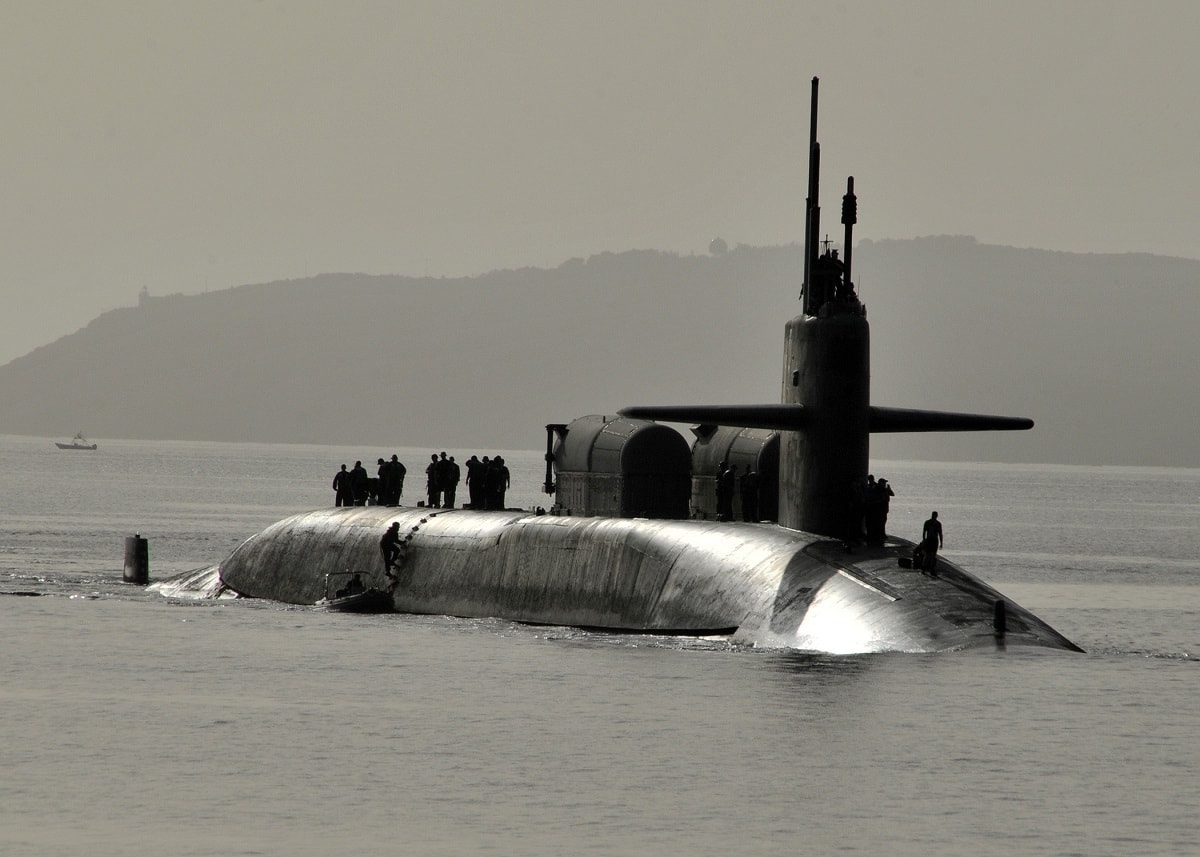
The guided missile submarine USS Florida (SSGN 728) arrives in Souda Bay, Greece, May 21, 2013, for a scheduled port visit. The Florida was underway in the U.S. 6th Fleet area of responsibility conducting maritime security operations and theater security cooperation efforts. (U.S. Navy photo by Paul Farley/Released)
Ohio-class SSGN. Image: Creative Commons.
Some analyses have indicated that more than 160 Tomahawks were launched in the first 100 hours alone, primarily targeting Iranian air defenses and command-and-control centers to create safe conditions for follow-on strikes.
And, there have been additional strikes against Iranian nuclear infrastructure, with around 30 Tomahawks reportedly launched from Ohio-class guided missile submarines. So, within the first few days of the war, the U.S. likely expended several hundred Tomahawks – potentially approaching 10% of its total stockpile of roughly 4,000 missiles.
The Tomahawks have proven to be an essential component of this war, but they remain useful only if the forces deploying them can absorb the cost and replace what they fire.
Why Tomahawks Take So Long To Build
The problem for the U.S. is that Tomahawks are not easily replaced. Recent U.S. procurement levels have been relatively modest, with tens per year – not hundreds – usually being produced. Even today, the minimum sustainment production rate sits at roughly 90 missiles annually – far below what a major conflict can consume in weeks.
The problem is by no means a surprise, and there are plans to expand production dramatically – potentially exceeding 1,000 per year – but those increases are expected to take years to materialize and depend on scaling a complex supply chain. The reasons for the delays are as complex as the Tomahawk hardware itself.
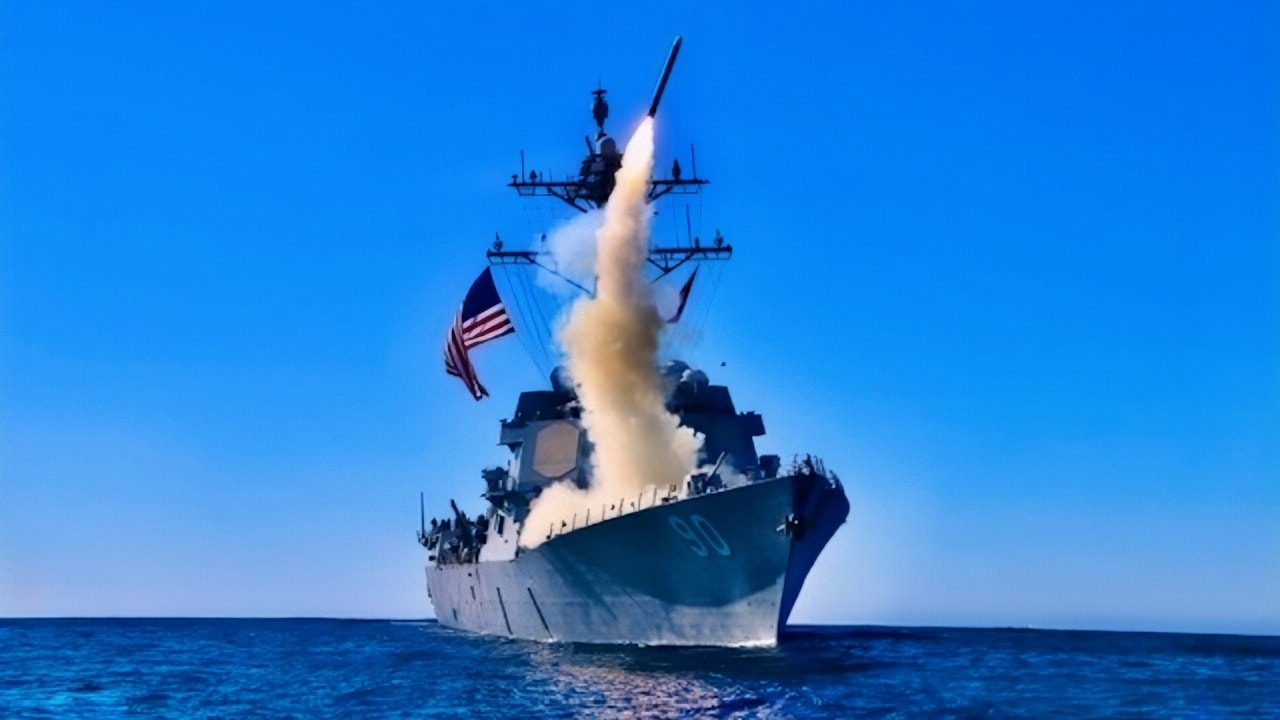
(Dec. 01, 2020) – The guided-missile destroyer USS Chafee (DDG 90) launches a Block V Tomahawk, the weapon’s newest variant, during a missile exercise. This event marked the first time a Block V Tomahawk missile was operationally tested, marking the Navy’s transition to a more advanced capability for the fleet. Block V includes an upgrade that will enhance navigation performance and provide robust and reliable communications. Chafee is currently assigned to Carrier Strike Group ONE and is homeported in Pearl Harbor. (U.S. Navy photo by Ens. Sean Ianno/Released)
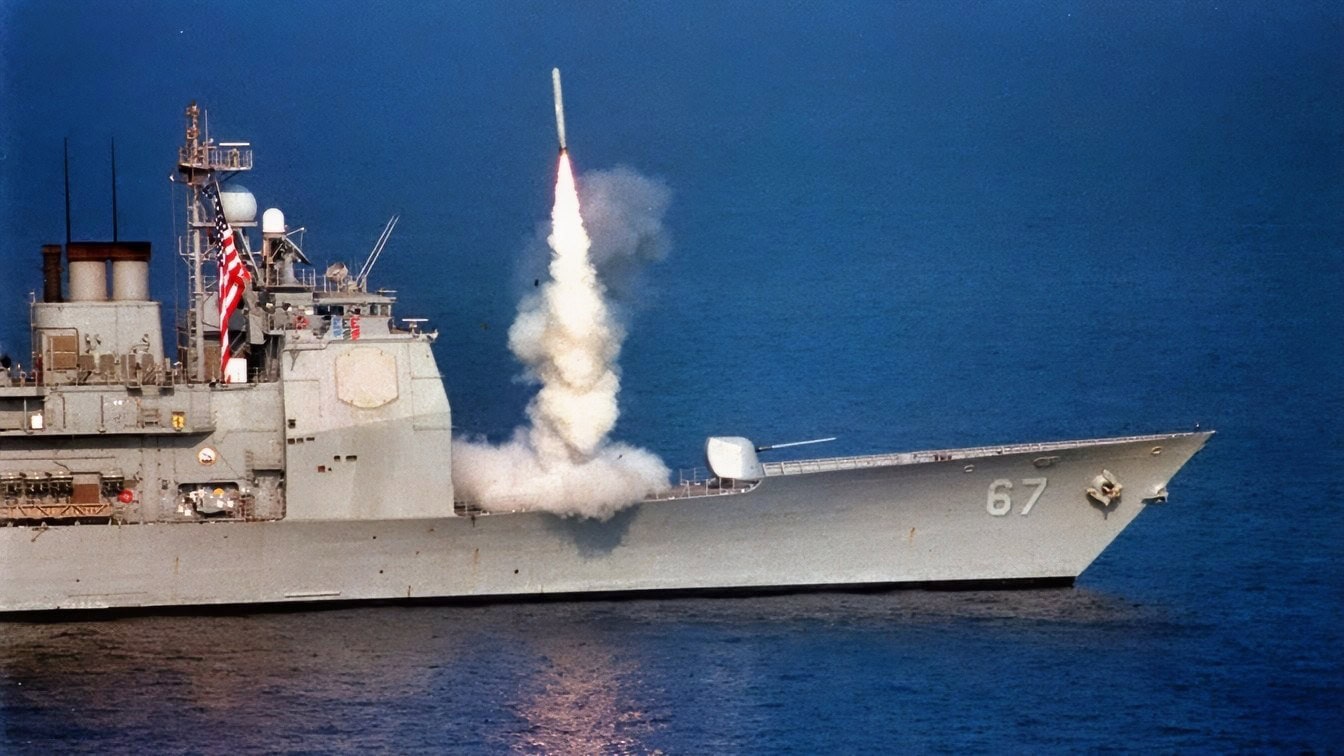
A Tomahawk cruise missile launches from the forward vertical launch system of the USS Shiloh (CG 67) to attack selected air defense targets south of the 33rd parallel in Iraq on Sept. 3, 1996, as part of Operation Desert Strike. The attacks are designed to reduce risks to the pilots who will enforce the expanded no-fly zone. President Clinton announced an expanded no-fly zone in response to an Iraqi attack against a Kurdish faction. The larger no-fly zone in Southern Iraq will make it easier for U.S. and coalition partners to contain Saddam Hussein’s aggression. The U.S. Navy Ticonderoga Class cruiser launched the missiles as it operated in the Persian Gulf.
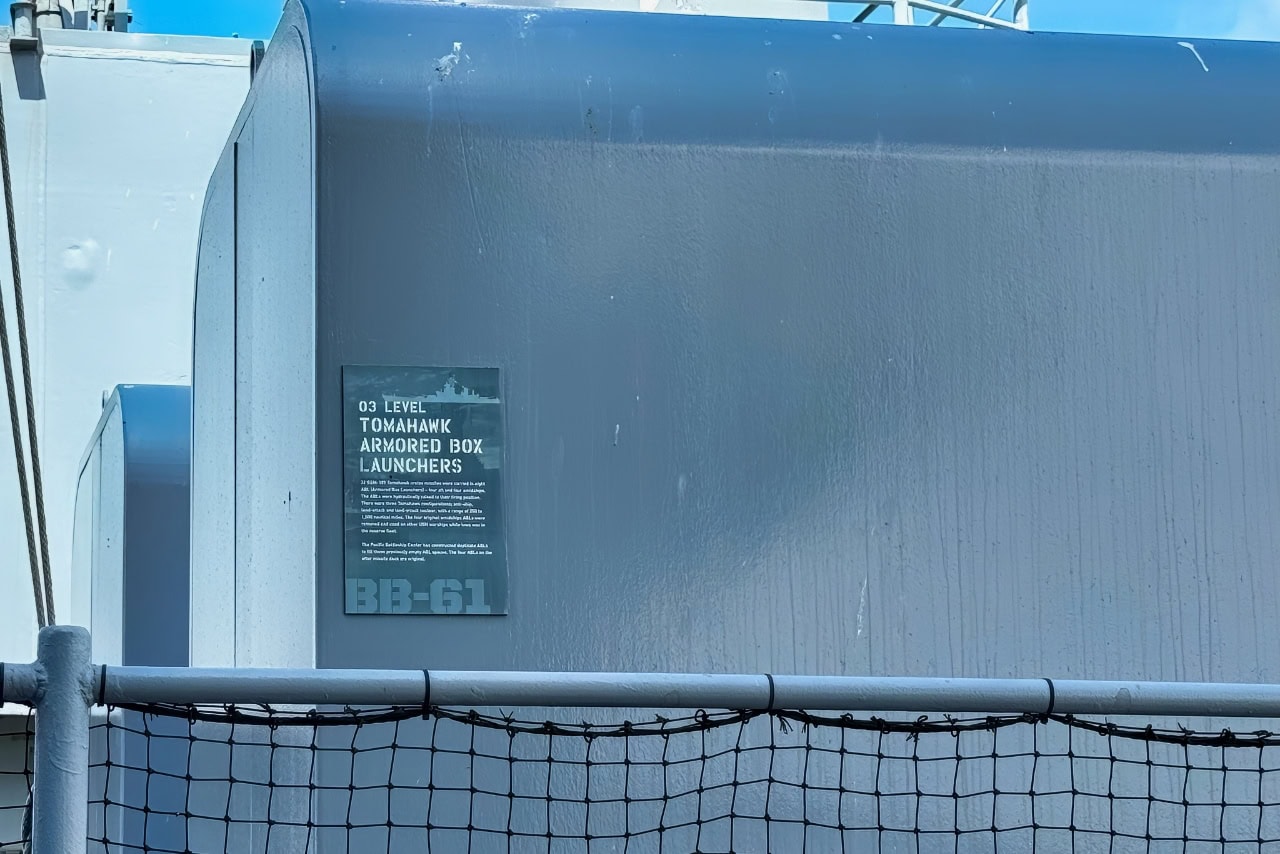
USS Iowa 19FortyFive image of Tomahawk Missiles on USS Iowa.
These are precision-guided systems with advanced navigation systems that include terrain-matching technology and digital scene-mapping, layered on top of the GPS navigation system. The missiles also rely on a distributed network of specialized suppliers, meaning multiple supply chains need to come together to ensure steady, rapid production. And until now, these production lines have been optimized specifically for steady, low-rate output – not high wartime demand.
That means the U.S. cannot quickly replace missiles it expends in a high-intensity conflict like Iran.
It’s worth noting that the U.S. will not run out of Tomahawks tomorrow, but it is true that the inventory cannot be quickly replenished at this pace.
U.S. Set to Lose Launch Capacity
Not only are Tomahawks hard to replace, but the U.S. is also about to lose some of the best platforms that carry them.
The U.S. Navy is preparing to retire its four Ohio-class guided missile submarines (SSGNs) between 2026 and 2028, with some beginning decommissioning as early as this year. The subs were originally designed as ballistic missile boats in the Cold War and were later converted in the 2000s into conventional strike platforms carrying up to 154 Tomahawk missiles each – far more than other ships.
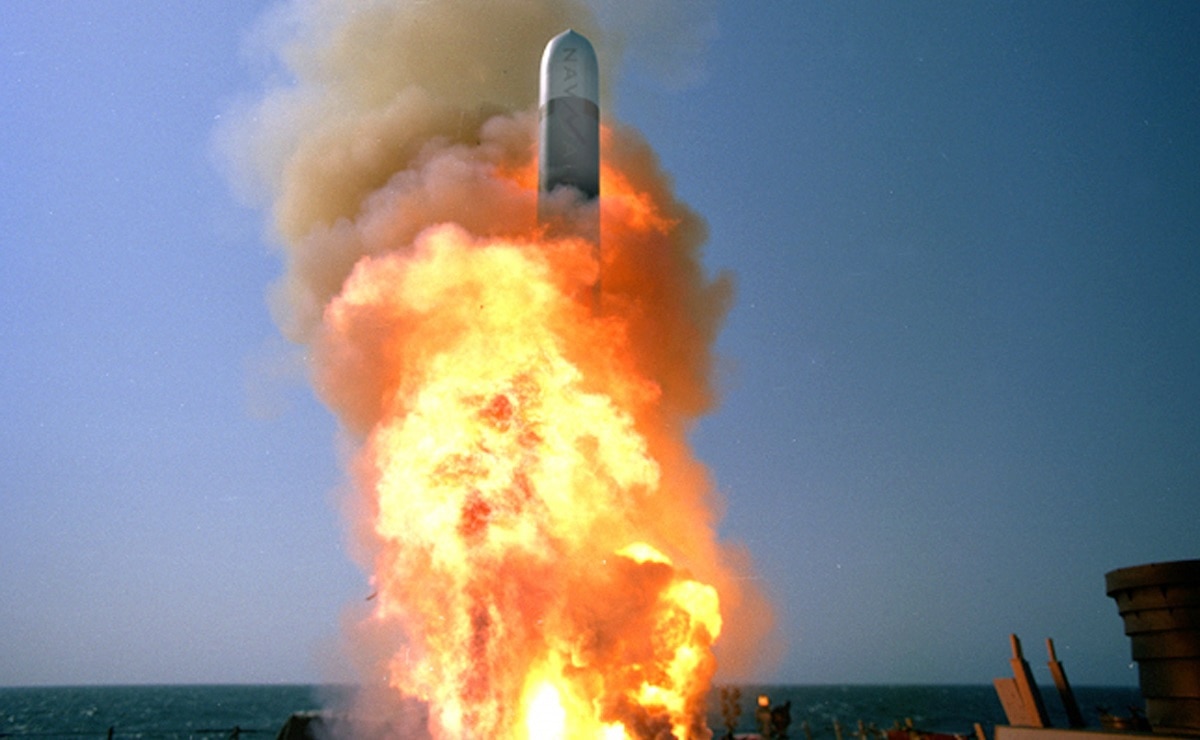
At sea aboard USS Stethem (DDG 63) Ð A Tactical Tomahawk Cruise Missile launches from the guided missile destroyer USS Stethem (DDG 63) during a live-warhead test. The missile traveled 760 nautical miles to successfully impact itÕs intended target on San Clemente Island, part of the Naval Air Systems Command (NAVAIR) test range in Southern California. The Tactical Tomahawk is the next generation of Tomahawk cruise missile, adds the capability to reprogram the missile while in-flight to strike any of 15 preprogrammed alternate targets, or redirect the missile to any Global Positioning System (GPS) target coordinates. It also will be able to loiter over a target area for some hours, and with its on-board TV camera, will allow the war fighting commanders to assess battle damage of the target, and, if necessary redirect the missile to any other target. Launched from the Navy’s forward-deployed ships and submarines, Tactical Tomahawk will provide a greater flexibility to the on-scene commander. Tactical Tomahawk is scheduled to join the fleet in 2004. U.S. Navy photo. (RELEASED)
They are being retired for a simple reason: age. Each hull is now over 30 years old, and its nuclear reactors are approaching the limits of safe operation. Extending them would be a smart move in many respects, but it would also require expensive overhaul work that the Navy has chosen not to pursue.
That presents a problem: the U.S. loses huge amounts of firepower when it goes. Together, the four SSGNs account for 616 dedicated Tomahawk launch cells – a level of concentrated firepower that no other platform in the U.S. arsenal can match.
The result is a clear problem: the U.S. is consuming Tomahawks faster than it can replace them while simultaneously losing the platforms that launch them – an issue that may be manageable in Iran, but could become far more serious if another contingency arrives.
About the Author: Jack Buckby
Jack Buckby is a British researcher and analyst specialising in defence and national security, based in New York. His work focuses on military capability, procurement, and strategic competition, producing and editing analysis for policy and defence audiences. He brings extensive editorial experience, with a career output spanning over 1,000 articles at 19FortyFive and National Security Journal, and has previously authored books and papers on extremism and deradicalisation.