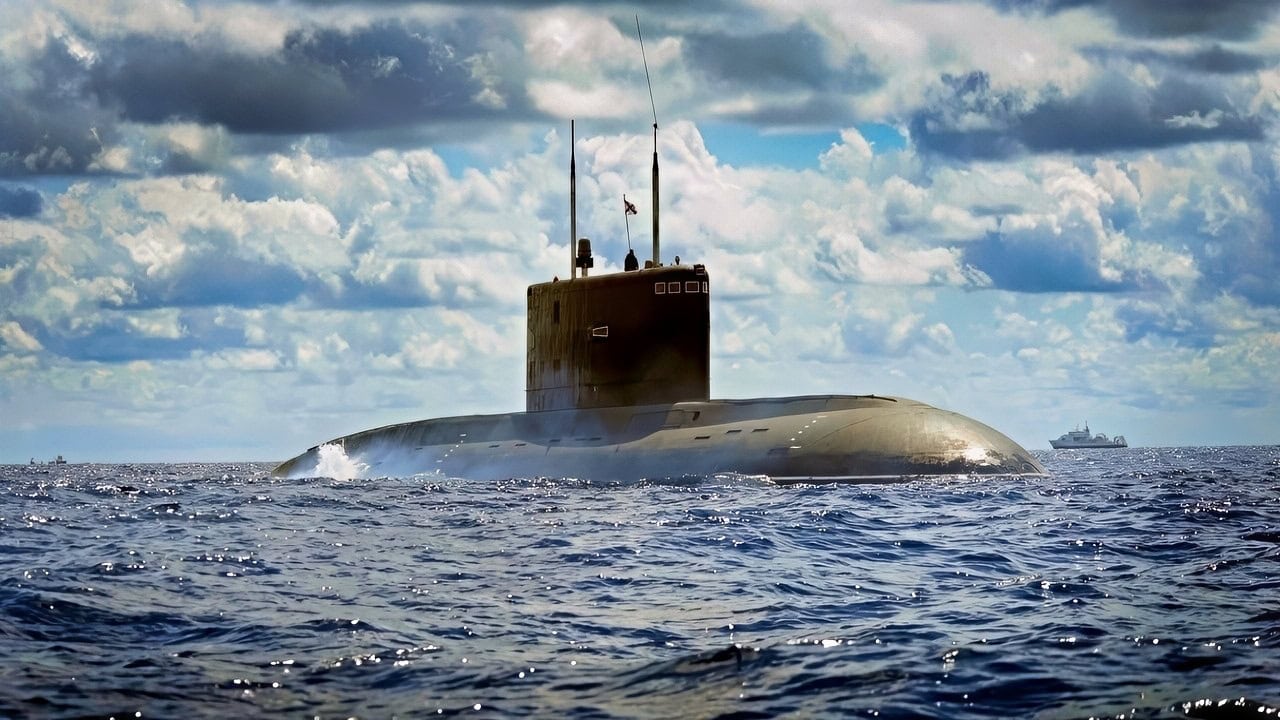
Iran operates an undersea fleet of roughly 4 to 6 diesel-electric attack submarines armed with weapons, yet very little is known about how many may still be in service.
The entirety of what was once Iran’s Navy has essentially been destroyed, and there is little doubt that the U.S. Epic Fury attack campaign involved submarines.
Much like in the realm of surface and air warfare, there is a massive undersea “mismatch” or “discrepancy” between U.S. Navy Virginia-class submarines and whatever undersea force the Iranians might have, or “have had” before their Navy was destroyed.
In the 1990s, Iran acquired three Russian-built Kilo-class submarines, known for their quietness and extreme lethality.
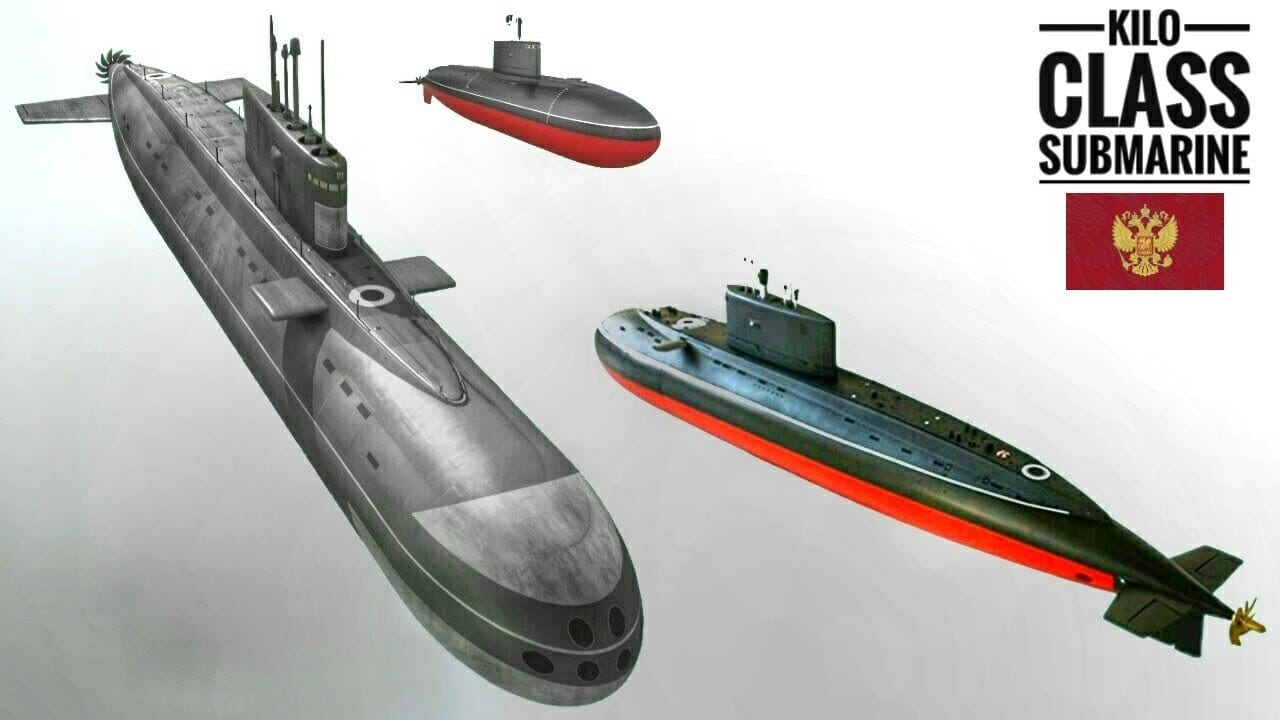
Kilo-class Submarine. Image Credit: Creative Commons.
However, it seems unlikely that Iran has retained the ability to maintain or modernize these boats to the point where they could rival U.S. Navy submarines today.
Furthermore, an interesting write-up called “Iran Submarine Capabilities” by the Nuclear Threat Initiative explains that Iran’s attack submarines are not well-suited to operate in the shallower waters of the Strait of Hormuz.
“Their utility in the Persian Gulf is, however, somewhat limited as Kilo-class boats require a depth of at least 164 feet and can therefore only access about one third of the Gulf.6 Unique water conditions in the Gulf such as water salinity and strong currents further limit the boats’ operational use unless the submarines are deployed to deeper waters in the Gulf of Oman or the Arabian Sea,” the NTI essay states.
At one point in recent decades, Iranian officials claimed their military was making progress with nuclear-powered submarines; the NTI assessment posits that it is not believed the Iranians have had or ever fully acquired this capability. In fact, it seems highly unlikely.
Iranian Submersibles & Mini-Subs
The larger threat with Iran’s undersea capacity, particularly with respect to the Strait of Hormuz, resides in its mini-sub fleet; Iran is believed to operate somewhere between 24-and-30 small submersibles capable of delivering weapons or simply operating themselves as explosives.
“The Sabehat-15 GPS-equipped two-seat submersible swimmer delivery vehicle (SDV) — designed by the Esfahan Underwater Research Center—has undergone testing with both the IRIN and the IRGCN,” the NTI essay explains.
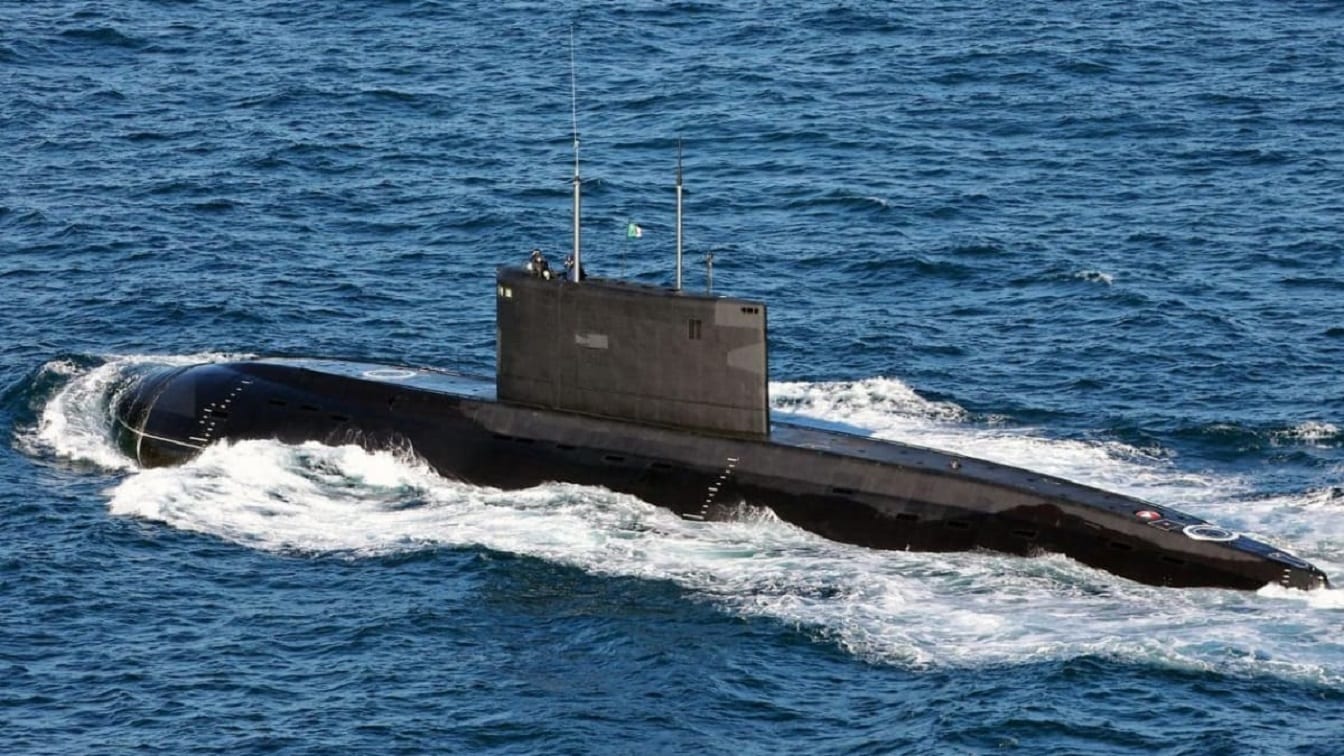
Iran’s Navy Has Kilo-Class Submarines. Image Credit: Creative Commons.
These SDVs are limited in terms of endurance and payload, so they are primarily intended for mining, reconnaissance, and special operations in coastal waters.
Therefore, these SDVs are likely to pose a greater threat in the Strait of Hormuz than deeper-water attack submarines.
U.S. Navy Anti-Submarine Warfare vs. Iran
Overall, Iran’s undersea threat seems somewhat marginal and limited, given that there simply is not any real “mass” to launch a large-scale or sustained attack on U.S. Navy warships. It seems conceivable that a single ship could be damaged, however, even that is highly suspect given that warships operate with a host of anti-submarine surface and undersea capabilities.
Not only does the U.S. Navy operate a growing fleet of undersea drones capable of conducting reconnaissance patrols along the Iranian coastline, but they also operate surface-driven Variable Towed Array sonar technology.
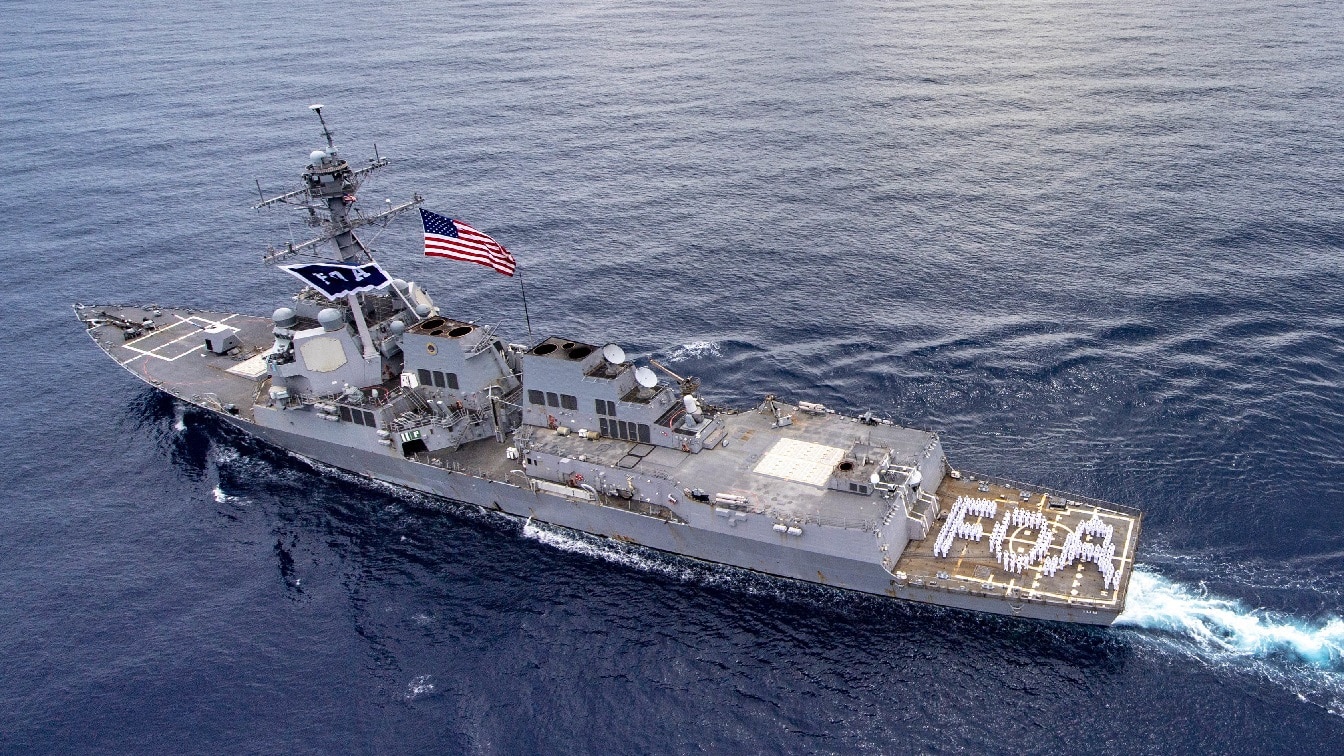
SOUTH CHINA SEA (Oct 2, 2019) The guided-missile destroyer USS Wayne E. Meyer (DDG 108) celebrates the 10th anniversary of the ship’s commissioning while transiting the South China Sea. Named after Rear Adm. Wayne E. Meyer, the Father of Aegis, (FOA), the crew stands in formation in his namesake. Wayne E. Meyer is deployed to the U.S. 7th Fleet area of operations to support regional stability, reassure partners and allies, and maintain a presence postured to respond to any crisis ranging from humanitarian assistance to contingency operations. (U.S. Navy photo by Mass Communication Specialist 2nd Class Rawad Madanat/Released)
For many years, the U.S. Navy has been operating Unmanned Surface Vessels (USVs) armed with towed sonar, counter mine technology, and even offensive weapons as needed. In development for years, these USVs have reached a level of maturity that allows them to be quickly deployed in littoral and coastal areas to search for mini-submarines without placing any sailors at risk.
These USVs have been progressing rapidly, with increasing levels of autonomy, coordination, and multi-domain networking.
There are also several well-developed aerial anti-submarine technologies in use by the U.S. Navy, particularly with HH-60 SeaHawk helicopters equipped with sonobuoys capable of being dropped below the surface to “listen,” “sense,” and “detect submarines.”
Advanced sonobuoys are integrated with helicopter integrated command and control, able to receive a “rendering” and discern the presence of an undersea enemy submarine.
MORE – Aircraft Carrier USS Harry S. Truman Stuck in Port Until 2030 or Later
About the Author: Kris Osborn
Kris Osborn is the Military Technology Editor of 19FortyFive. Osborn is also President of Warrior Maven – Center for Military Modernization. Osborn previously served at the Pentagon as a highly qualified expert in the Office of the Assistant Secretary of the Army—Acquisition, Logistics & Technology. Osborn has also worked as an anchor and on-air military specialist at national TV networks. He has appeared as a guest military expert on Fox News, MSNBC, The Military Channel, and The History Channel. He also has a Masters Degree in Comparative Literature from Columbia University