The act of landing on an aircraft carrier is one of the most difficult tasks a pilot has to execute… And the most stressful.
And landing in the dark, in bad weather, on a pitching, rolling deck?
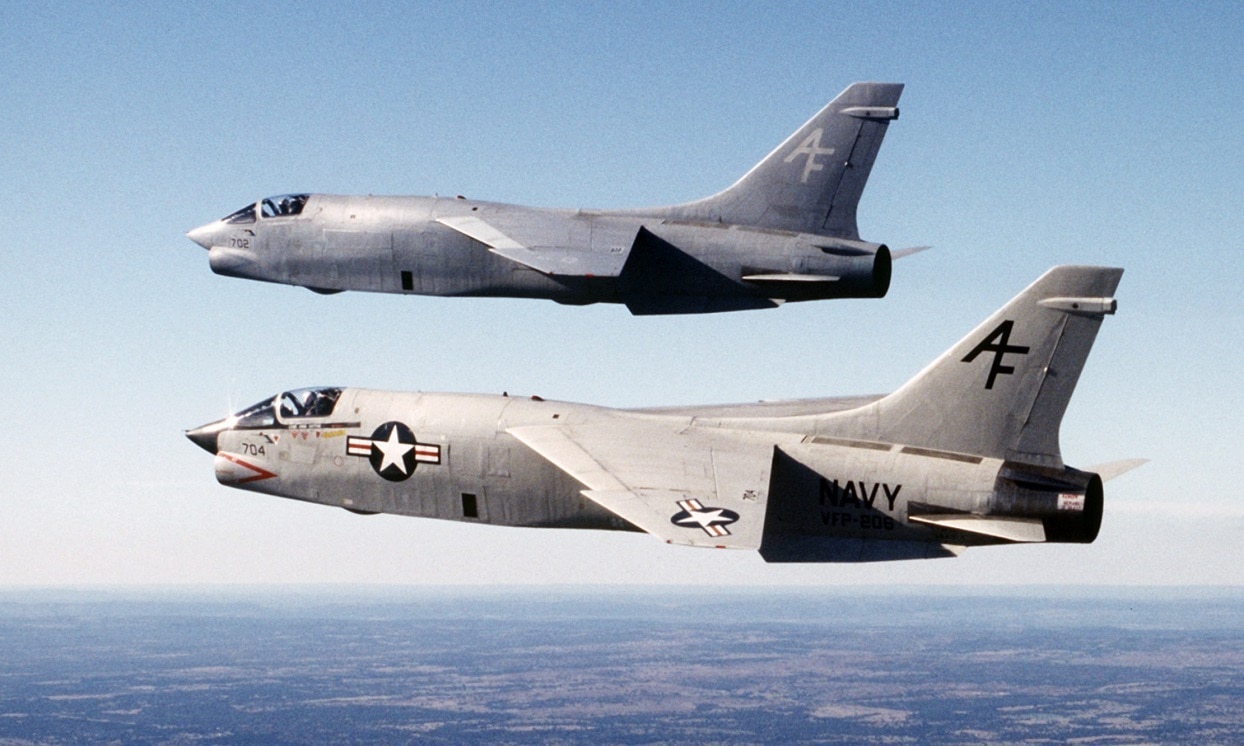
F-8 Crusader U.S. Navy
That is worse stress than flying combat missions. The flight deck is just long enough to stop the aircraft, measuring only about 150 meters.
Unlike pilots in other military services or pilots of commercial aircraft, aircraft carrier pilots don’t have the luxury of landing on 6,000-10,000-foot runways.
Naval and Marine aviators are trying to land on a “postage stamp” in total blackness, often facing spatial illusions such as a false horizon.
And landing without the benefit of a Landing Signal Officer’s (LSO) corrections just adds even more stress to the landing.
Unlike civilian landings, carrier pilots do not “flare” (lift the nose) to land softly. They maintain a strict, high-sink-rate descent path straight into the deck, often likened to a controlled crash.
Pilots must advance throttles to maximum power upon contact.
If the tailhook fails to catch the arresting cable (a “bolter”), they must have sufficient speed to fly away. Turbulence, low ceilings, and high winds dramatically increase the difficulty of the approach.
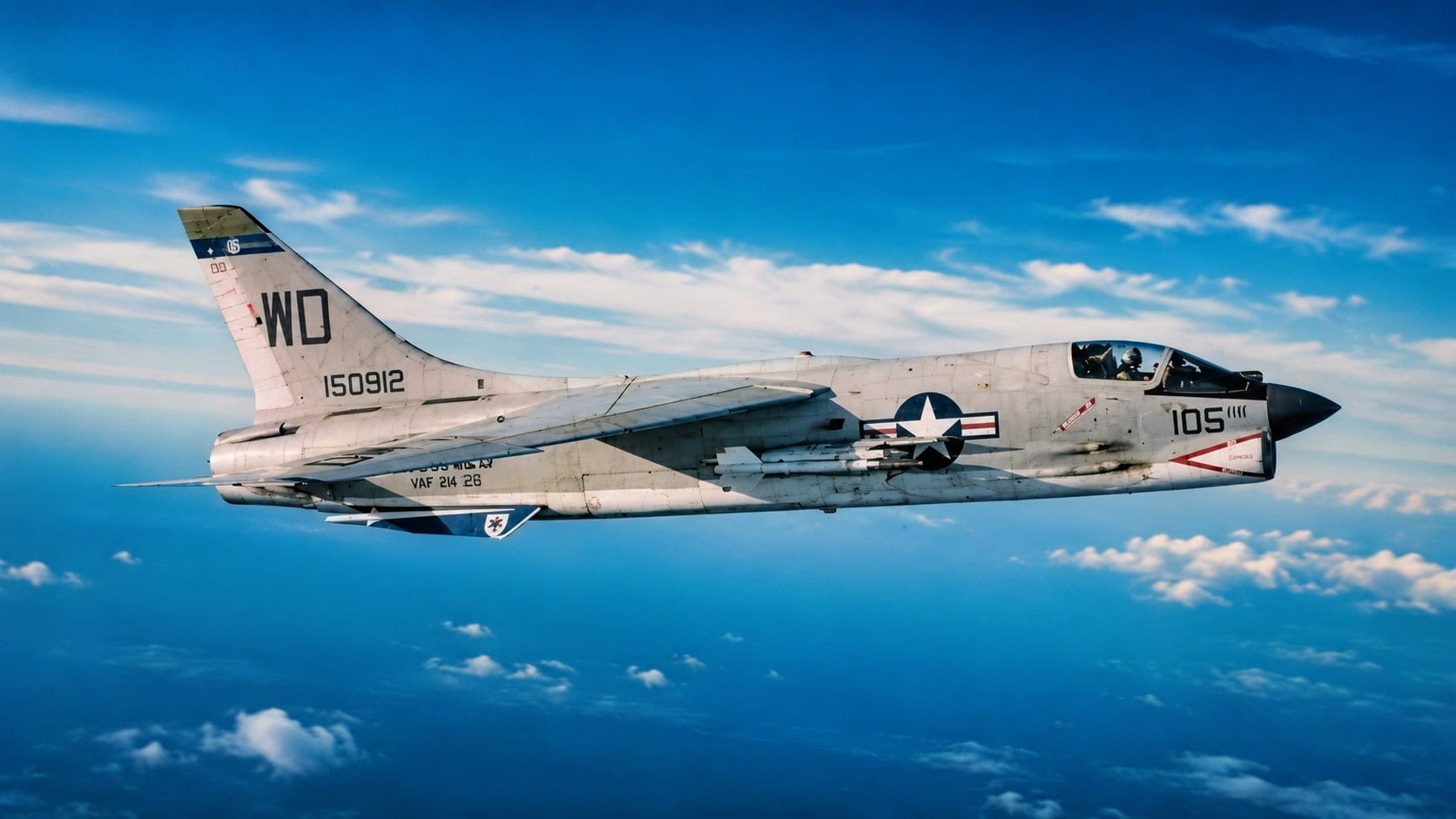
One such scenario involved an F-8 Crusader pilot who was unable to talk to his Landing Signal Officer (LSO) operating off the USS Shangri-La.
Who Is The LSO And What Is His Job
The F-8 Crusader pilot, Larry Durbin, who recounted his story in the Aviation Geek Club, wrote that to “facilitate the ‘safe and expeditious recovery’ of naval aircraft aboard aircraft carriers, specially trained naval aviators, designated landing signal officers (LSOs), assist pilots by means of the ‘ball’ and by giving information via radio handsets.
Landing Signal Officers (LSOs) are invaluable to pilots coming in to land, day or night. LSOs are highly experienced naval aviators stationed on an aircraft carrier.
The school for LSOs has over 83 years of experience and has taken the Navy from its WWII beginnings to the current jet age.
Universally nicknamed “Paddles,” for the wide paddles they use to guide naval aviators in, they hold absolute authority to guide approaching jets onto the flight deck and are responsible for the safe and expeditious recovery of all carrier aircraft.
LSOs monitor approaching aircraft, evaluating airspeed, angle of attack, and the ship’s pitch to ensure a safe arrested landing on the carrier’s flight deck.
If an aircraft is dangerously off course or the flight deck is occupied, LSOs hold the ultimate authority to trigger flashing red lights or issue radio commands ordering an immediate abort (wave-off).
LSOs strictly grade every carrier landing and provide constructive feedback to improve pilot proficiency and overall air wing safety.
Because LSOs are active, highly experienced squadron pilots who fly the same missions as the pilots they guide in, they possess an intimate, firsthand understanding of pilot fatigue and aircraft handling.
Durbin’s Experience of Landing Without Communication
Durbin has over 40 years
He recalled this one evening when the carrier was operating under “quiet hours,” where the LSOs aren’t allowed to talk to incoming aviators, which he remembered as an extremely rare occurrence.
He wrote that he was uncharacteristically very uncomfortable with his Crusader on that particular evening, as he was having a bad flight for some reason.
He wrote, “The hell with their stupid rules, I need to hear the LSO, and he radioed, ‘Talk to me, I’m scared.’”
What he got back was total silence…not a word.
He then landed successfully and went through his landing debrief, but neither he nor the LSO uttered a word about his radio transmission.
Durbin said it wasn’t until a reunion about 10-15 years later that he ran into the LSO from that night, Carl Jensen, and finally asked him about it.
And Jensen remembered it as well.
He said, “If you had been off a whisker, I would have said something, but you weren’t. Perfect pass. And one more thing, I’ll bet no one else mentioned it either. We are all scared, but you said it.”
Landing At Night Is Like A “Controlled Crash”
Navy pilots experience higher stress landing on aircraft carriers at night than in combat because it requires extreme precision, dealing with near-total darkness, and managing a “controlled crash” onto a small, moving deck.
Typically, aircraft are traveling at 155 knots and stop in 1.2 seconds. Some pilots equate this feeling as if one’s arms and legs are trying to separate from their torso.
Physiological studies show higher heart rates and blood pressure during these landings compared to combat, as they demand total focus to avoid fatal errors.
Combat Missions Or Land At Night?
John Chesire, a former US Navy F-14 Tomcat and F-4 Phantom pilot, wrote on Quora that he’d rather fly combat missions than conduct night carrier landings.
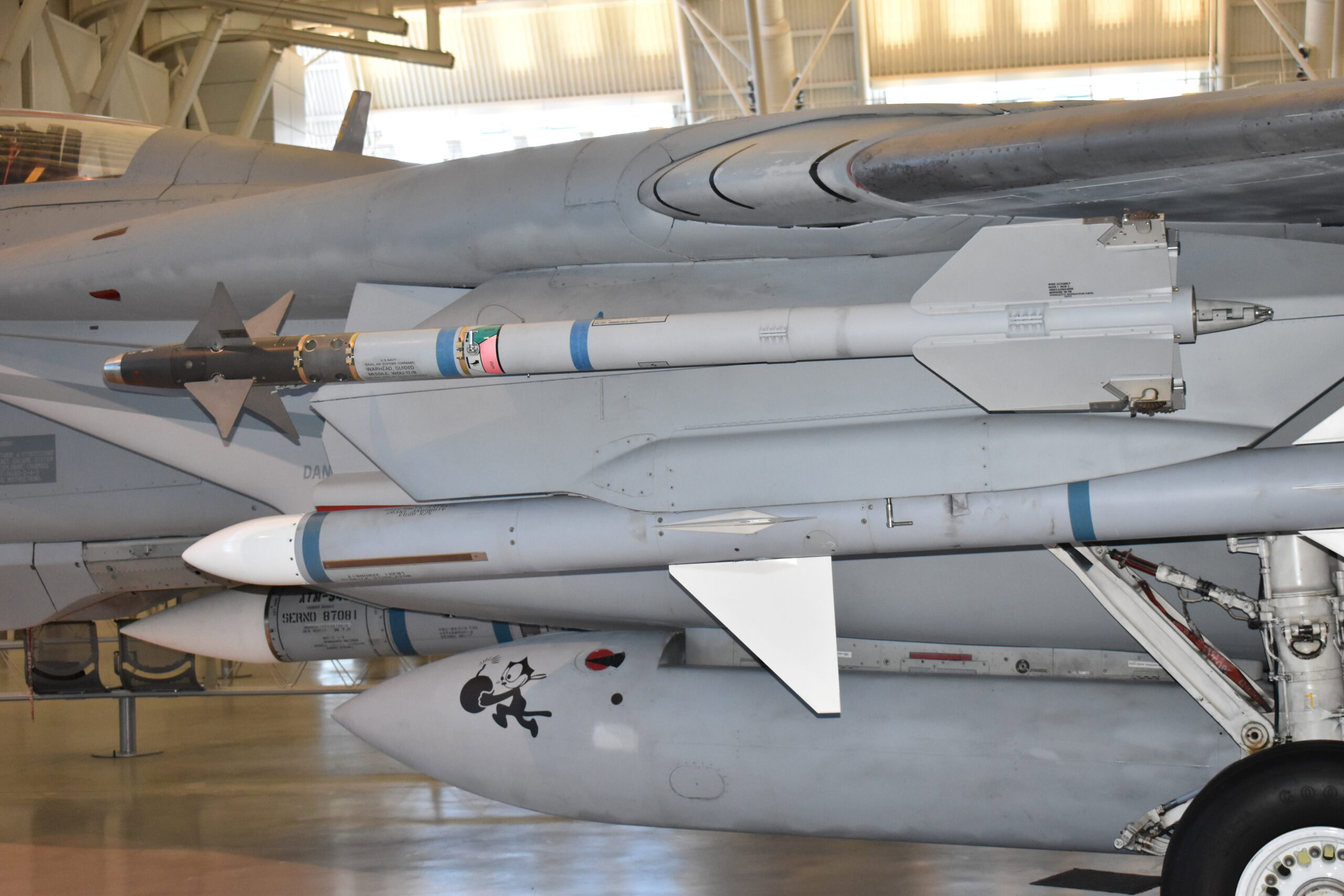
F-14 Tomcat at the Smithsonian. 19FortyFive.com original photo.
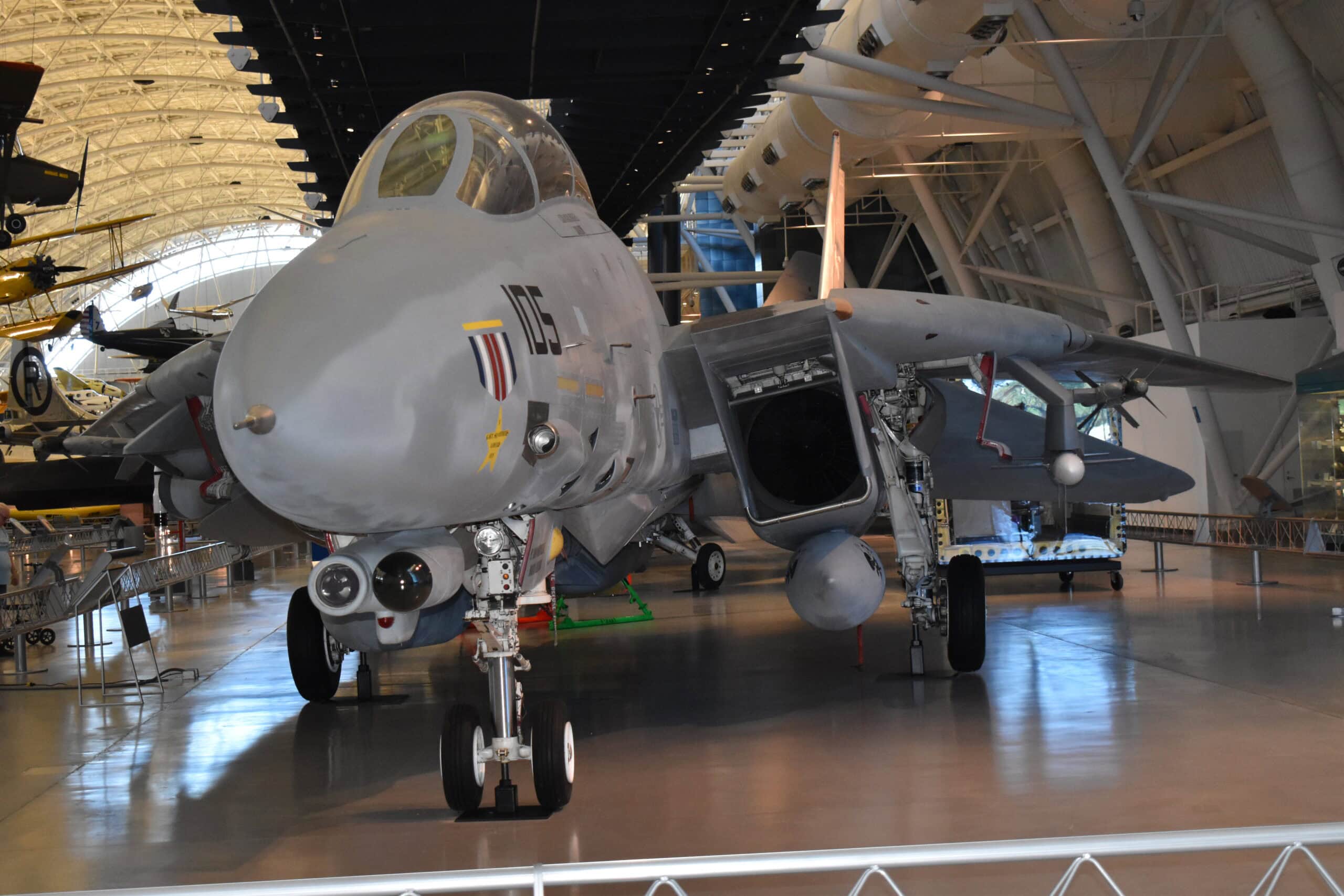
F-14 Tomcat at the Smithsonian. 19FortyFive.com original photo.
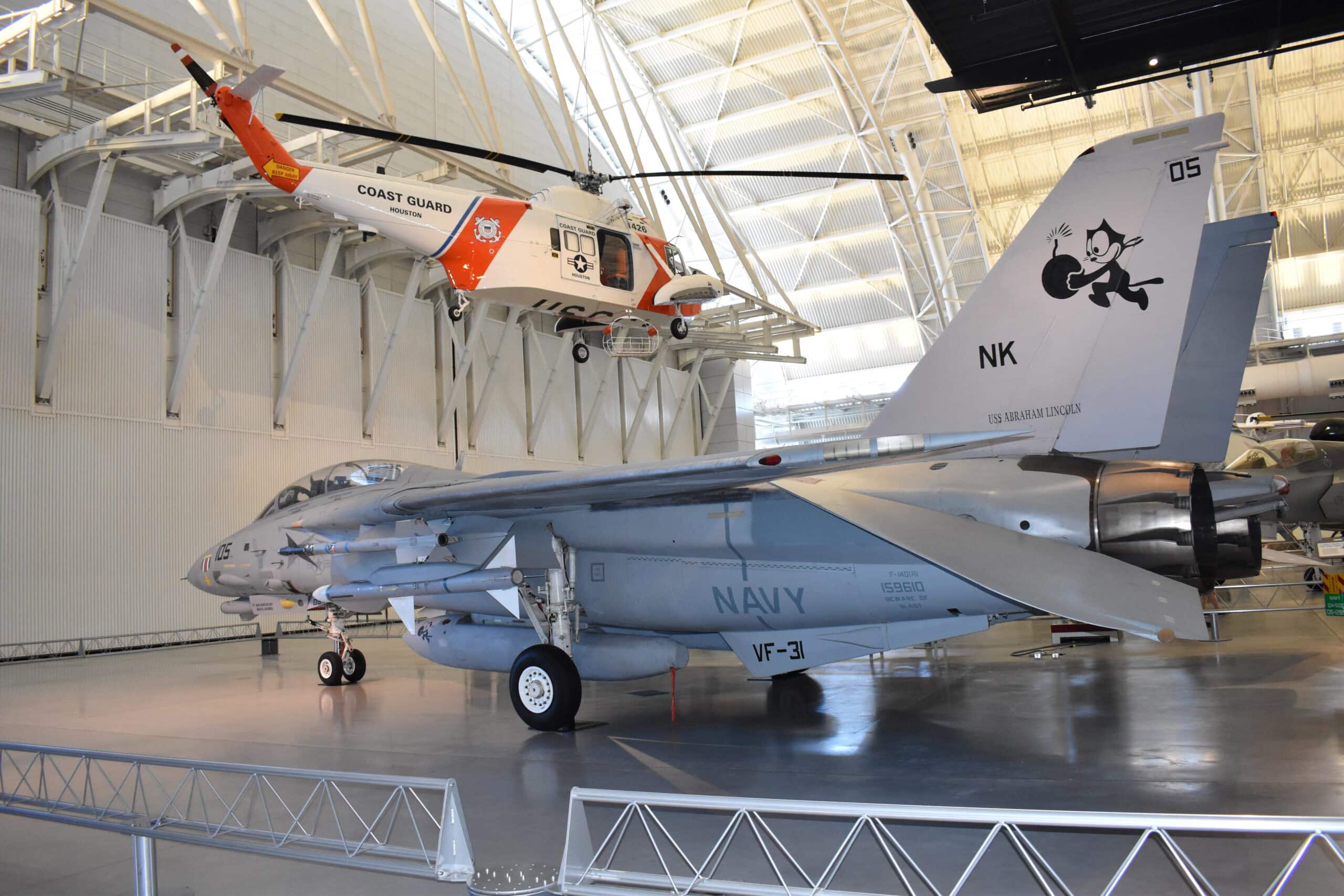
F-14 Tomcat at the Smithsonian. Image Credit: 19FortyFive.com
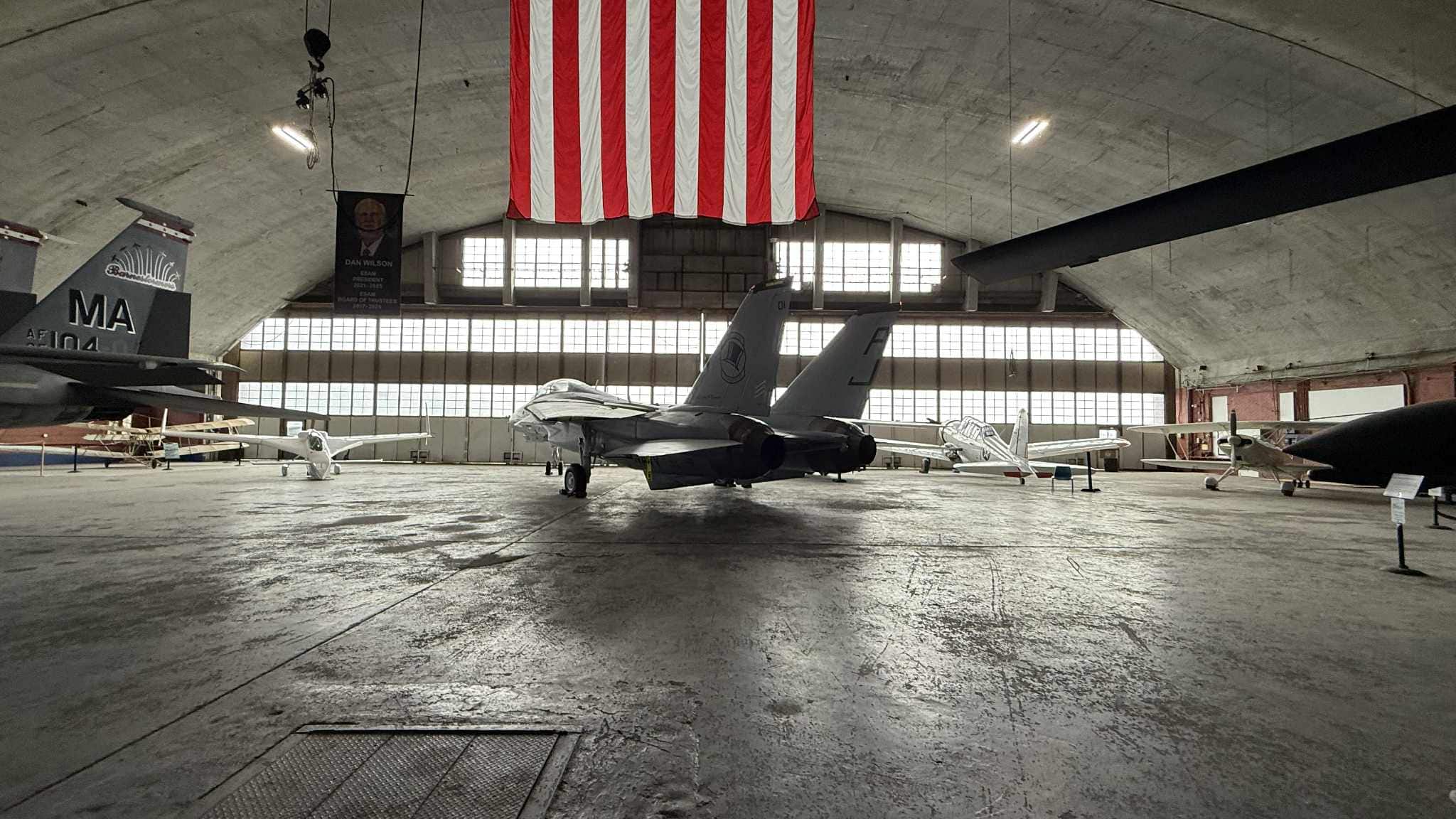
F-14 Tomcat. Image Credit: 19FortyFive.com
“Some combat missions are much more risky than others. However, in general, I think they are riskier than night traps in bad weather.
“However, and having said that, given a choice between a night carrier landing in bad weather and a combat mission, I would most always choose the combat mission over a bad weather night trap.
“I always was more apprehensive about night carrier landings – especially in bad weather – than I was on most combat missions, even the really dangerous ones, ‘downtown’.
As Larry Durbin honestly pointed out, all pilots have some fear of landing at night on an aircraft carrier. But some nights are worse than others. But he survived, and it just took him a decade to talk about it.
About the Author: Steve Balestrieri
Steve Balestrieri is a National Security Columnist. He served as a US Army Special Forces NCO and Warrant Officer. In addition to writing on defense, he covers the NFL for PatsFans.com and is a member of the Pro Football Writers of America (PFWA). His work was regularly featured in many military publications.