
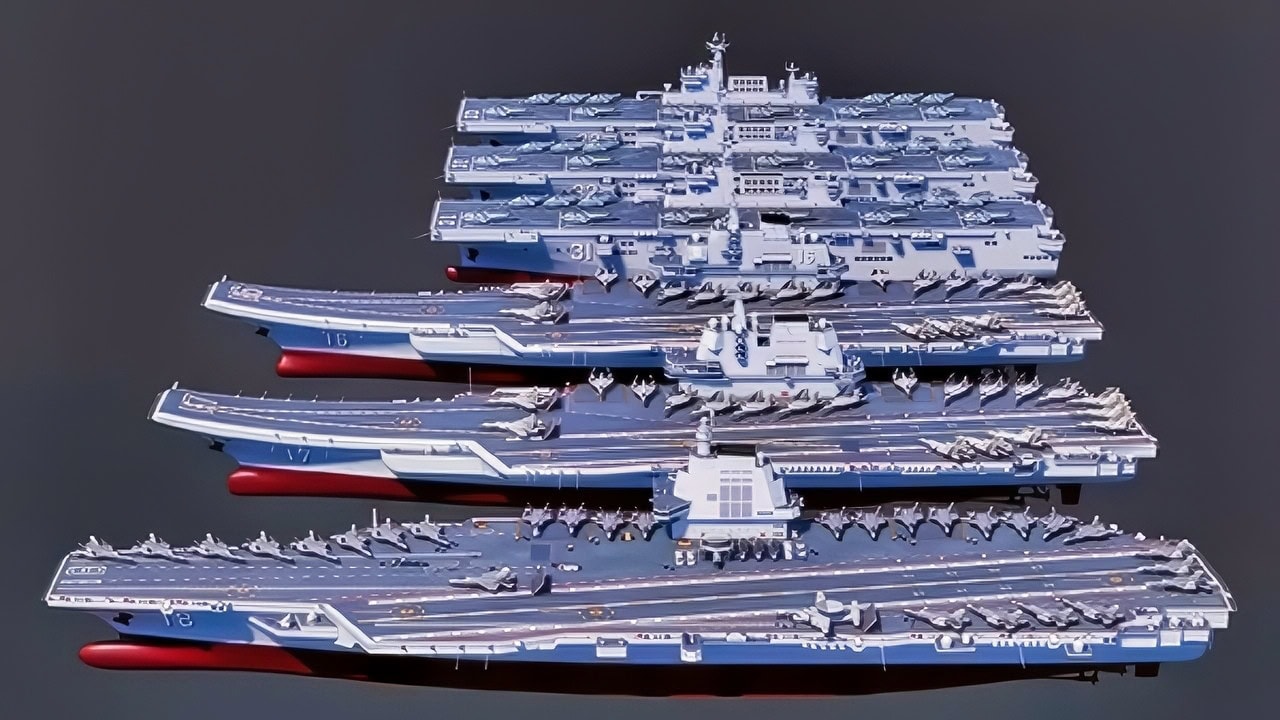
Recently, the Chinese Type 001 Liaoning aircraft carrier conducted a 40-day-long deployment in the Pacific Ocean.
During this deployment, Chinese sources reported that Japanese Air Self-Defense Force (JASDF) fighters closely monitored the carrier and even conducted simulated attack runs, much to the CCP’s outrage.
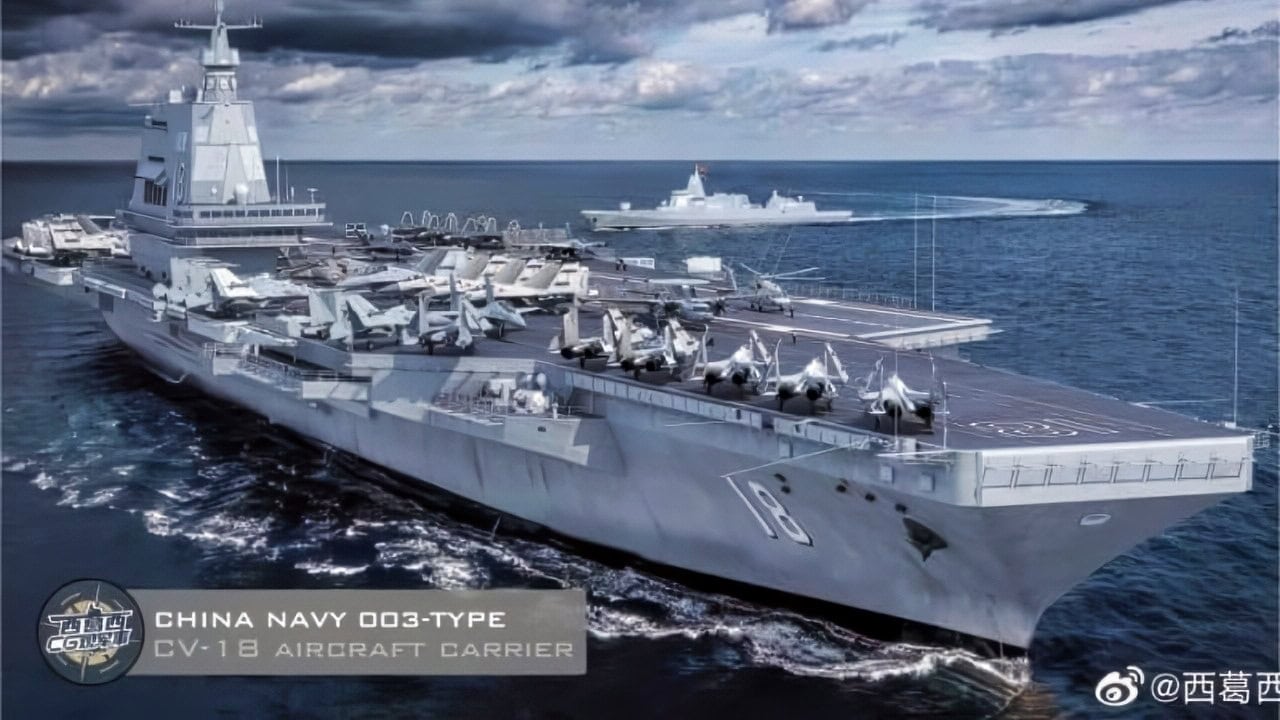
China Aircraft Carrier Type 003 Conventional Supercarrier. Image Credit: X Screenshot.
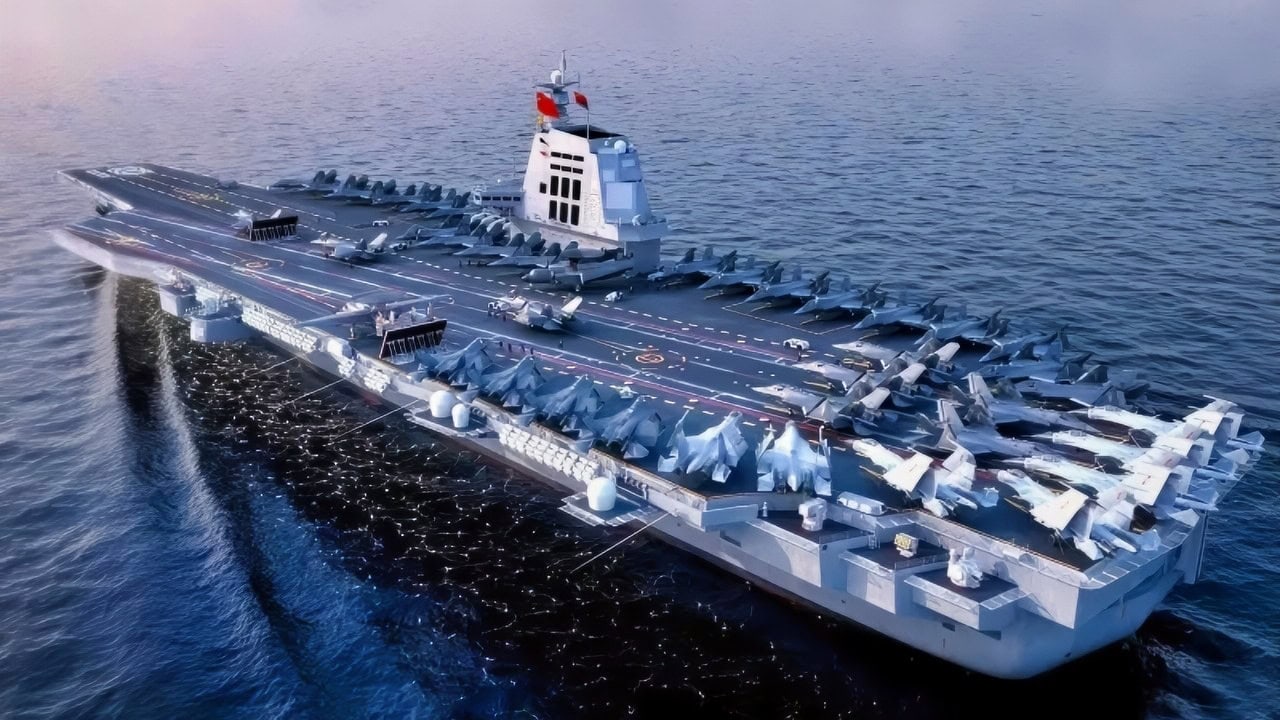
China Aircraft Carrier Mock Up Image.
The Japanese Ministry of Defense, however, denied such accusations and claimed that the JASDF conducted only standard monitoring and reconnaissance operations.
The Event occurred as tensions between the CCP and the new Japanese government under Prime Minister Sanae Takaichi continued to deteriorate.
Living in the Pacific
In late June, the carrier Liaoning returned to her home port after an intensive 40-day-long deployment in the Pacific.
This deployment was unusually rigorous, with over 170 fighter sorties launched in both day and night conditions. The goal was to test new tactics in coordination with land-based tankers and amphibious assault ships.
“In certain waters of the western Pacific, the Liaoning aircraft carrier strike group and an amphibious assault ship group conducted joint exercises, with the two sides planning and organizing integrated systems training,” Chinese state media CCTV reported.
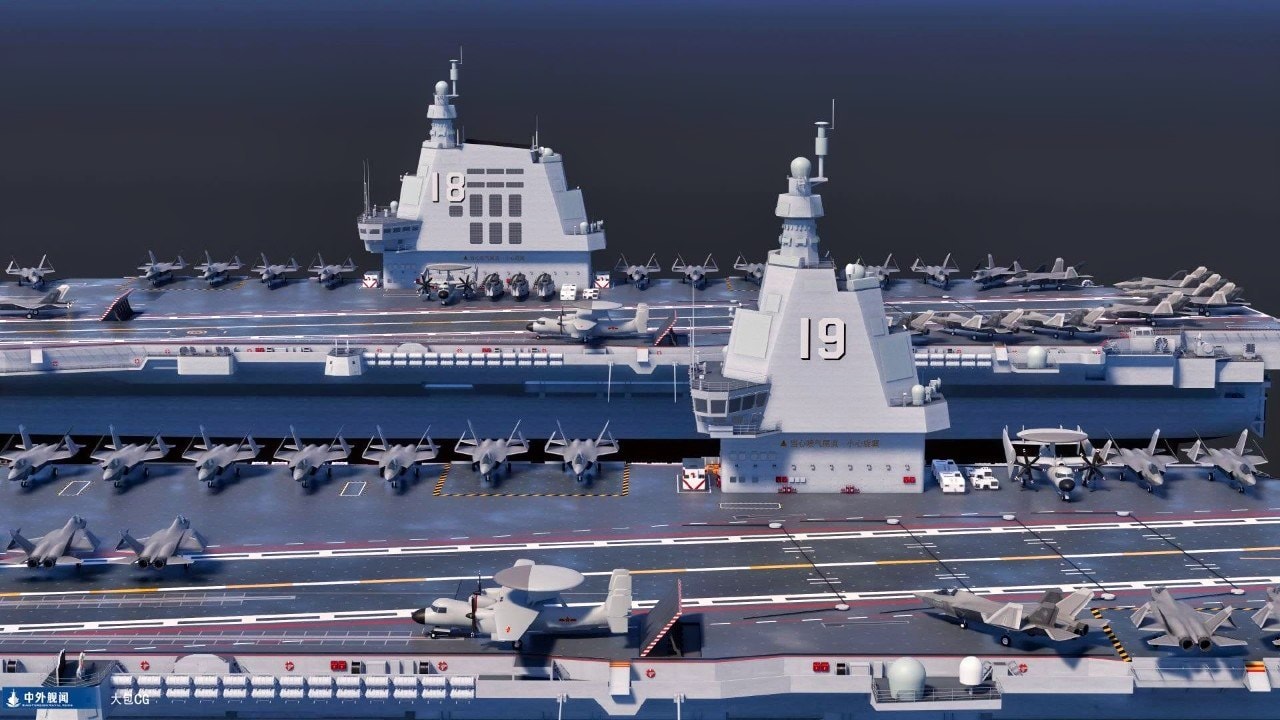
China Aircraft Carrier Models. Image Credit: Creative Commons.
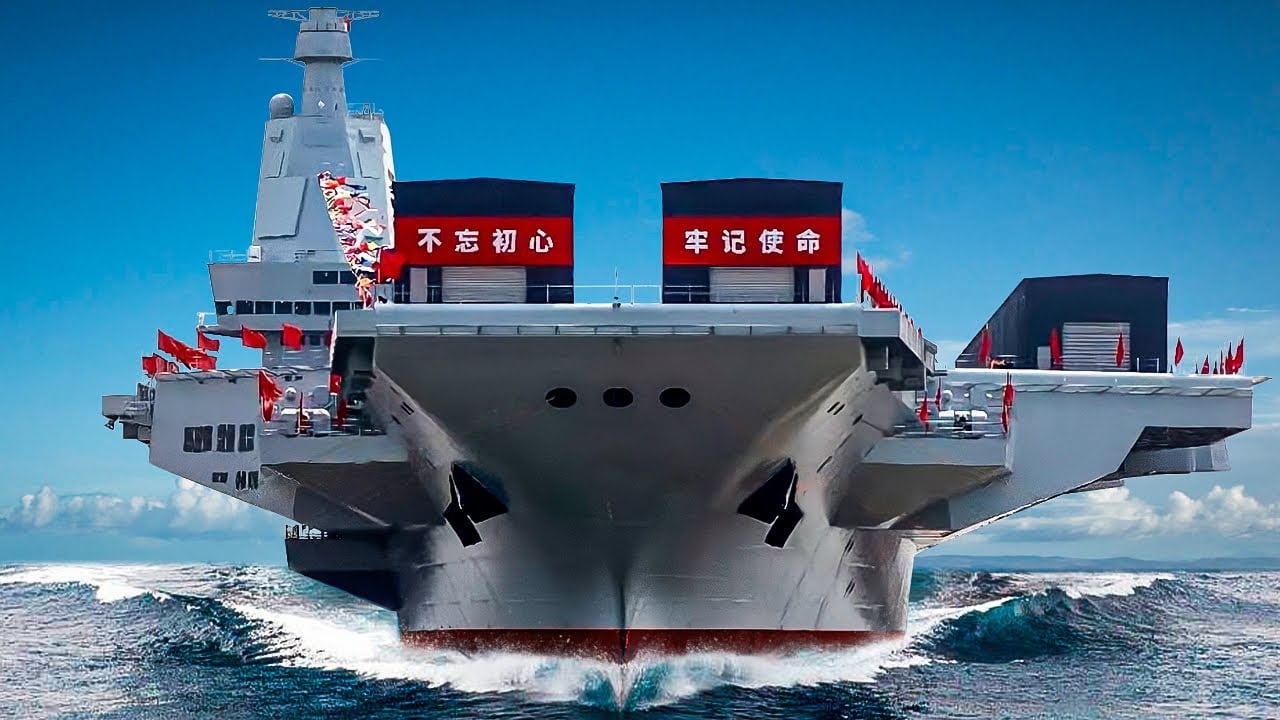
China Aircraft Carrier. Image Credit: YouTube Screenshot.
Footage released by state media showed the aircraft carrier operating alongside the Type 075 amphibious assault ship Anhui, which is unusual for Chinese carriers, according to Chinese experts and military analysts.
Typically, Chinese aircraft carriers and amphibious assault ships seldom train together, as both operate in different environments per PLAN naval doctrine.
The Type 075 assault ship is designed to support landing operations, while aircraft carriers are designed to support blue-water operations and conduct aerial strikes. However, during this exercise, Liaoning and Anhui conducted multiple joint operations.
“Aircraft carrier forces can provide fire cover and support for amphibious assault ships during landing operations, while both sides can also provide services and take-off and landing platforms for each other’s shipborne helicopters,” explained Fu Qianshao, a former PLAAF officer and military analyst.
Run-in with the JMSDF
During the deployment, the Chinese naval group was followed closely by elements of the JASDF and the Japan Maritime Self-Defense Force (JMSDF).
According to Chinese sources, Japanese planes and warships “repeatedly conducted close-in tracking, surveillance, harassment and provocations” during Liaoning’s deployment.
The PLAN released footage of the Japanese destroyer JS Asahi closely tailing Chinese warships in what Chinese news sources described as “dangerous” and provocative. China also claimed that Japanese fighters conducted simulated attacks against the carrier and other Chinese vessels.
“It’s clear who is the threat and who is the provocateur. We urge the Japanese side to stop its dangerous acts of interfering with China’s normal training activities,” a Chinese spokesperson from the Ministry of National Defense said.
The Japanese, for their part, denied any accusations of aggression and maintained that their forces acted within the bounds of international law.
The JASDF “will continue to conduct vigilant monitoring and surveillance of the waters and airspace surrounding Japan in a professional and steady manner, while maintaining a calm and resolute posture and placing the highest priority on safety,” a spokesperson said.
Japan has in the past accused China of acting in a deliberately provocative manner with its rapid naval buildup and frequent military exercises that expand past its claimed first island chain.
The JMSDF itself recently participated in Exercise Valiant Shield 2026 with the Americans earlier this month.
Rapidly Deteriorating Relations Between China and Japan
China’s accusations against Japan come after tensions between the two nations have eroded in the past few years. Diplomatic relations between the two are currently at their worst since 1972, before China and Japan agreed to normalize relations.
With the ascension of Sanae Takaichi as Japan’s new prime minister in 2025, rhetoric against China has increased not only in volume but also in sharpness.
As the possibility of a military confrontation over Taiwan persists, Japan has come to view China as an existential threat, and Beijing feels the same.
China has also been restricting exports to Japan, targeting mostly defense-related companies and nuclear firms.
Japan and China have cautiously reopened diplomatic channels ahead of the upcoming 2026 APEC Summit.
Neither side is yet willing to let relations collapse entirely; however, the pillars that once maintained diplomatic stability between the two have eroded over time, and it’s unlikely that relations will ever reach past heights in the foreseeable future.
Both sides view each other’s naval buildup as a hostile and threatening act of aggression. Both sides view their own military buildup as a necessary response to the other side’s growing militarism.
Japan, for its part, regards China as the country’s primary long-term strategic challenge. Ever since the 2010–12 Senkaku/Diaoyu Islands clashes, its perception of China has changed from ‘an important neighboring country’ to a potentially existential threat.
The recent deployment by aircraft carrier Liaoning and her escort group has only exacerbated tensions between the two countries.
Chinese news stations have repeatedly accused Japan of harboring a ‘new militarism,’ and these claims of Japanese aggression, whether real or not, will only reinforce such accusations.
Meanwhile, Japan is concerned about China’s increasing number of military exercises beyond its territorial waters, rapidly encroaching on its own national territory.
While tensions are not yet at their boiling point, repeated episodes like this will only fan the flames until something finally snaps.
About the Author: Isaac Seitz
Isaac Seitz, a Defense Columnist, graduated from Patrick Henry College’s Strategic Intelligence and National Security program. He has also studied Russian at Middlebury Language Schools and has worked as an intelligence Analyst in the private sector.