
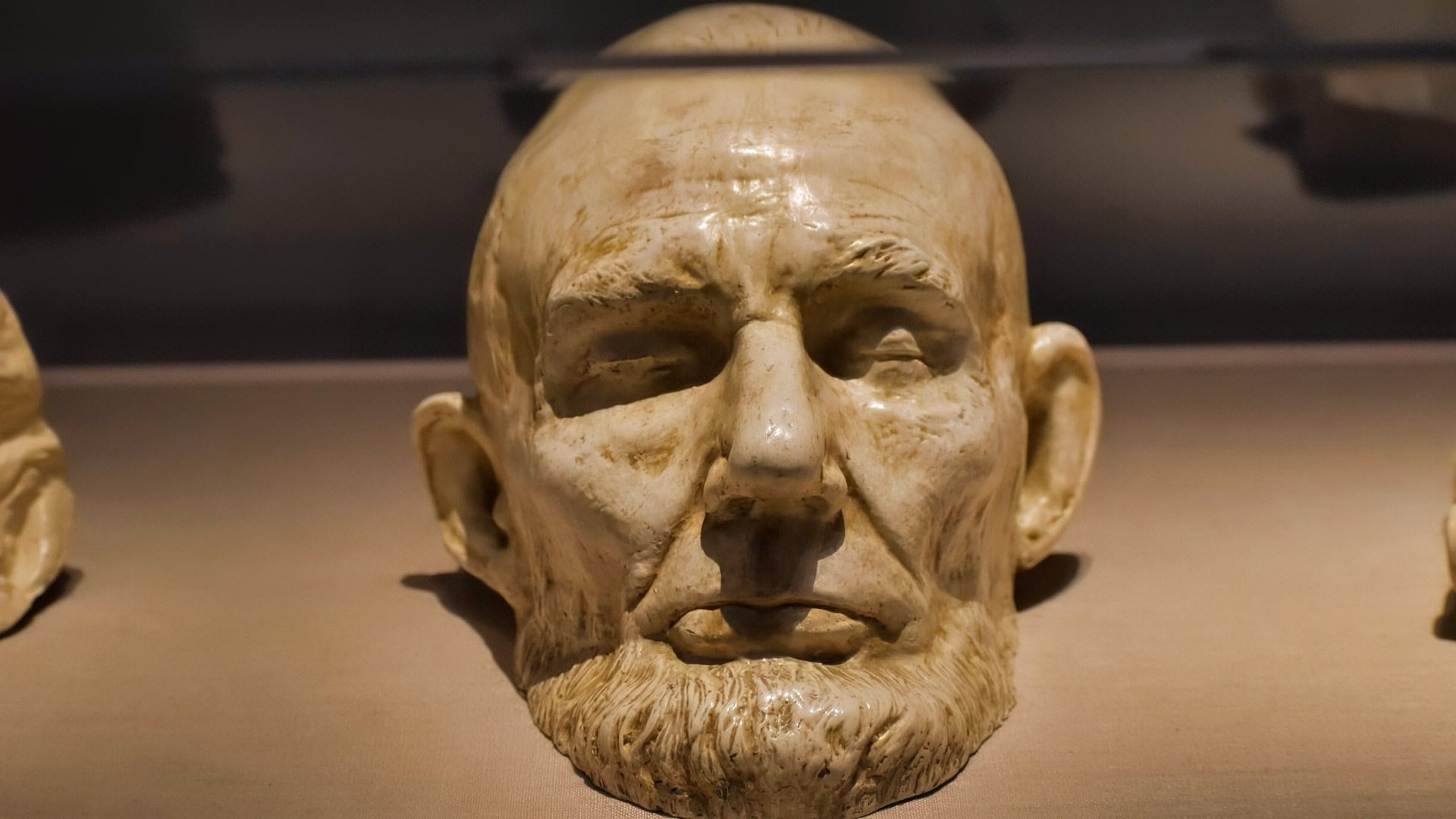
Summary and Key Points: Abraham Lincoln is best remembered for preserving the Union, but his journey began in poverty on the Kentucky and Indiana frontiers.
-With less than a year of formal schooling, Lincoln educated himself by firelight, eventually mastering the law without ever attending law school.

Cannon Firing. Image Credit: Creative Commons.
-His character was forged by grueling physical labor and a pivotal flatboat trip to New Orleans, where he first witnessed the horrors of slavery.
-After early political defeats and a brief stint in Congress, the controversy of the Kansas-Nebraska Act drew him back into the arena, transforming the prairie lawyer into America’s greatest statesman.
“War, at the best, is terrible, and this war of ours, in its magnitude and in its duration, is one of the most terrible.” Abraham Lincoln delivered this quote during a speech at the Great Central Sanitary Fair in Philadelphia on June 16, 1864.
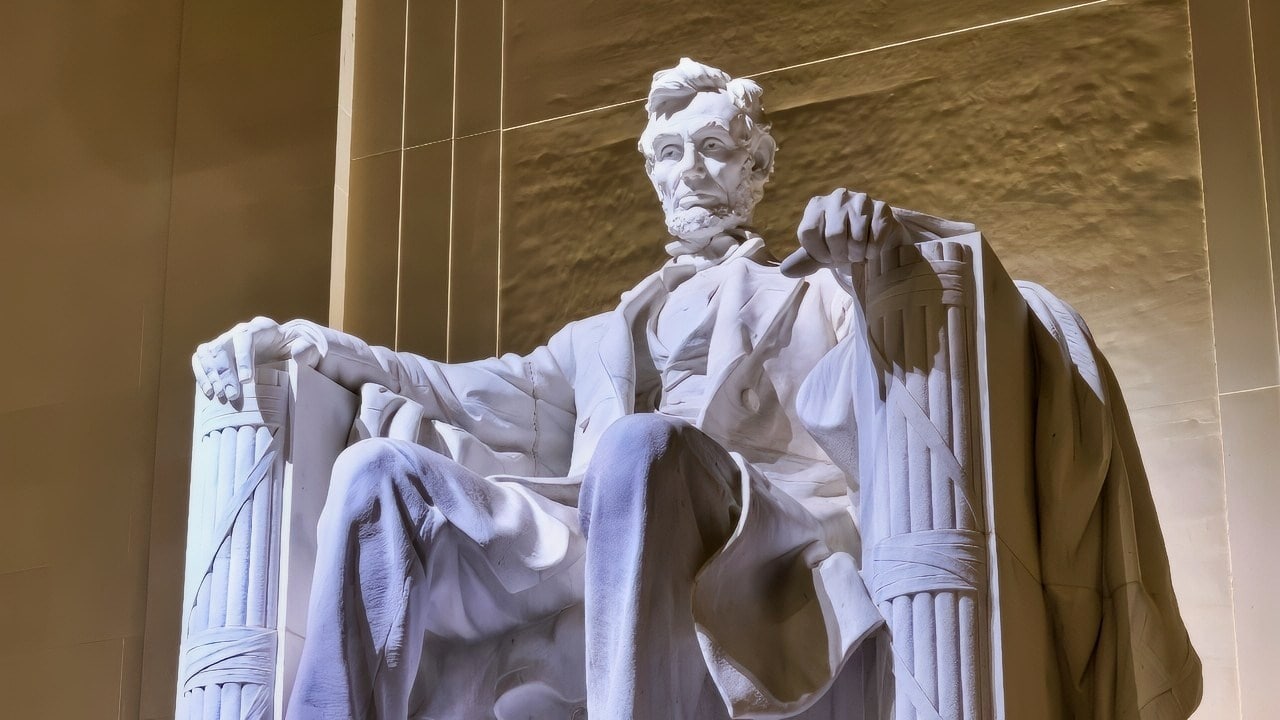
Statue of Abraham Lincoln at the Lincoln Memorial in Washington D.C. on June 12, 2024. The 170-ton statue, sculpted by Daniel Chester French (1850–1931) is located in the Lincoln Memorial on the National Mall. It was carved by the Piccirilli Brothers, assembled in 1920 and unveiled on May 30, 1922.
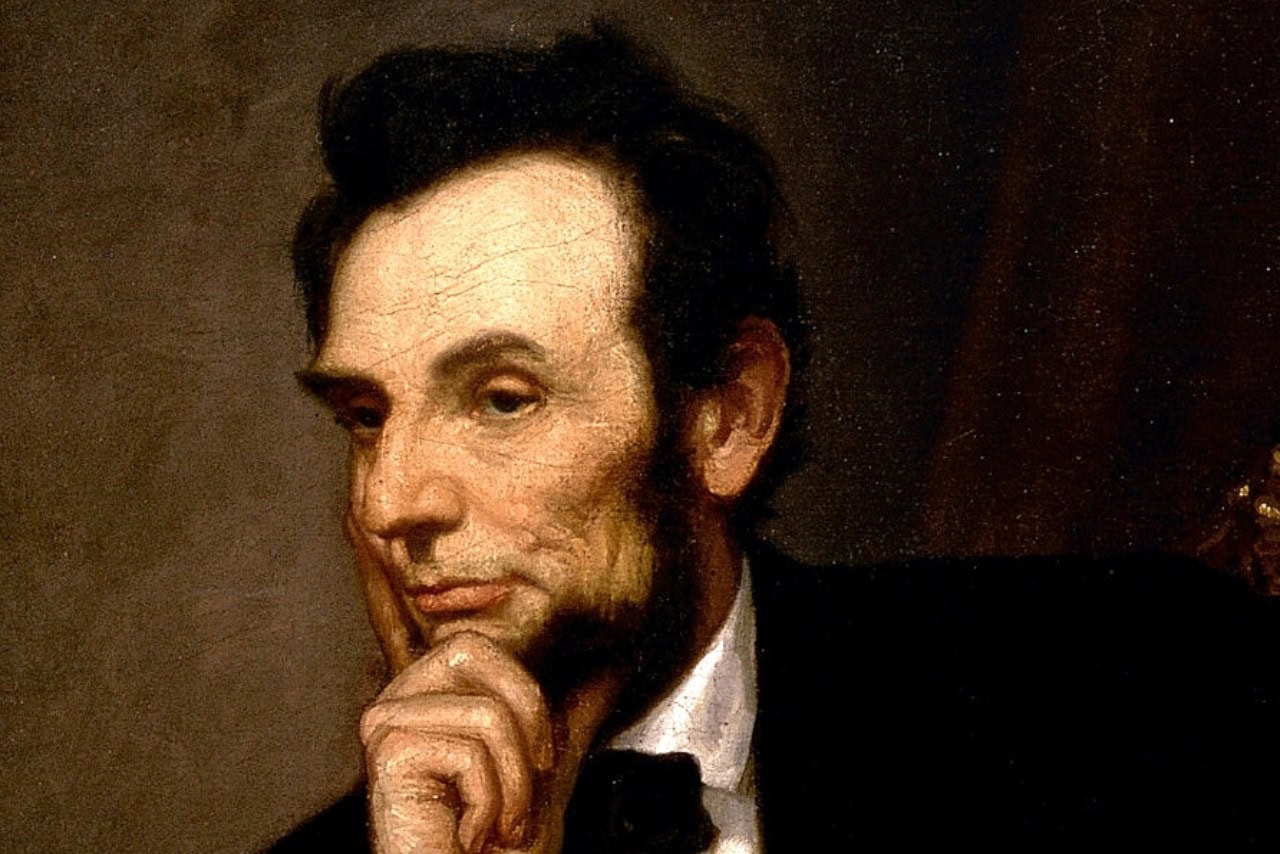
Abraham Lincoln. Image Credit: Creative Commons.
He said this to convey the magnitude of death and destruction that the Civil War had brought to the United States. Lincoln would be the only President in all of U.S. history to preside during a civil war.
While he is most remembered for his presidency, his life before acceptance into office is important for understanding one of the most transformative figures in all of American history.
Early Years
Abraham Lincoln was born on February 12, 1809, on Sinking Spring Farm in Kentucky. His parents, Thomas and Nancy Hanks Lincoln, did not enjoy wealth or formal education, but they provided a household defined by hard work and strong values.
The family’s circumstances were made even more difficult by the unstable system of land titles in Kentucky, which forced them to move repeatedly as disputes arose. These early experiences with legal uncertainty and property loss were among Lincoln’s first lessons in the importance of law, order, and fairness, concepts that would later influence his thinking as a legislator and lawyer.
In 1816, when Abraham was seven, the Lincolns left Kentucky for the frontier of Indiana. The land there was dense with forest, and much of the family’s early labor involved clearing trees and preparing the ground for crops. Life in Indiana exposed young Lincoln to the full demands of frontier labor. He became adept with an axe, known for his strength, and contributed more than his share of physical toil. His environment was one where survival required cooperation, endurance, and a practical understanding of the land.
Education
Formal schooling was rare on the frontier, and Lincoln attended classes only sporadically, accumulating roughly a single year of instruction in total. Despite this, he developed a profound love for reading. Books were scarce, so he borrowed them whenever possible, sometimes walking long distances to do so. He read the Bible, works of Shakespeare, Aesop’s fables, and any text that might sharpen his understanding of language or ideas.
These early readings nurtured his ability to express complex thoughts with clarity and precision. Even while working long days, he often spent evenings practicing writing, solving arithmetic problems, or memorizing passages that he found inspiring or challenging.
By the time the Lincolns moved once more in 1830, this time to Illinois, Abraham had grown into a strong, capable young man with a mind that reached far beyond the daily routines of frontier life.
At twenty-two, he finally declared his independence from the family, taking a job on a flatboat transporting goods down the Mississippi River to New Orleans. The trip allowed him to observe the world beyond the frontier, and in New Orleans he witnessed slavery in a more urban and systematic form than he had previously encountered. Though he rarely spoke publicly about this experience early in his career, it undoubtedly shaped his emerging views about human freedom and the moral contradictions of the nation.
First Steps in the Political World
Lincoln’s political ambitions began to surface shortly after his return. He ran for the Illinois state legislature in 1832 but lost, though he performed impressively in his home district. Undeterred, he ran again in 1834 and won, beginning a legislative career that spanned four terms.
As a member of the Whig Party, Lincoln embraced a political philosophy centered on economic modernization, internal improvements, and the belief that government could encourage upward mobility. His legislative service introduced him to the complexities of policy and governance, while also strengthening his reputation as an articulate, principled, and pragmatic thinker.
During his early years in the legislature, Lincoln began studying law. With no formal training, he read legal texts intensely and observed Illinois court proceedings to learn the craft. In 1836, he passed the state bar examination and officially became a lawyer.
The following year, he moved to Springfield, the Illinois capital, where he would live for the next two decades. There he joined law practices with established attorneys, steadily building a reputation as a skilled and honest advocate. His years on the legal circuit exposed him to a wide range of cases which taught him how to communicate with juries, negotiate settlements, and navigate the growing economic world of the Midwest.
Lincoln the Abolitionist
Lincoln briefly stepped onto the national stage when he was elected to the U.S. House of Representatives in 1846, serving a single term. While in Congress, he opposed the Mexican-American War and spoke against the spread of slavery into new territories. These positions were controversial in Illinois and contributed to his decision not to seek reelection.
For several years afterward, Lincoln returned to his law practice, believing that his political life might be behind him.
However, the national debate over slavery intensified during the 1850s, pulling Lincoln back into political life with renewed determination. The Kansas-Nebraska Act of 1854, which allowed voters in new territories to decide whether to permit slavery, deeply troubled him.
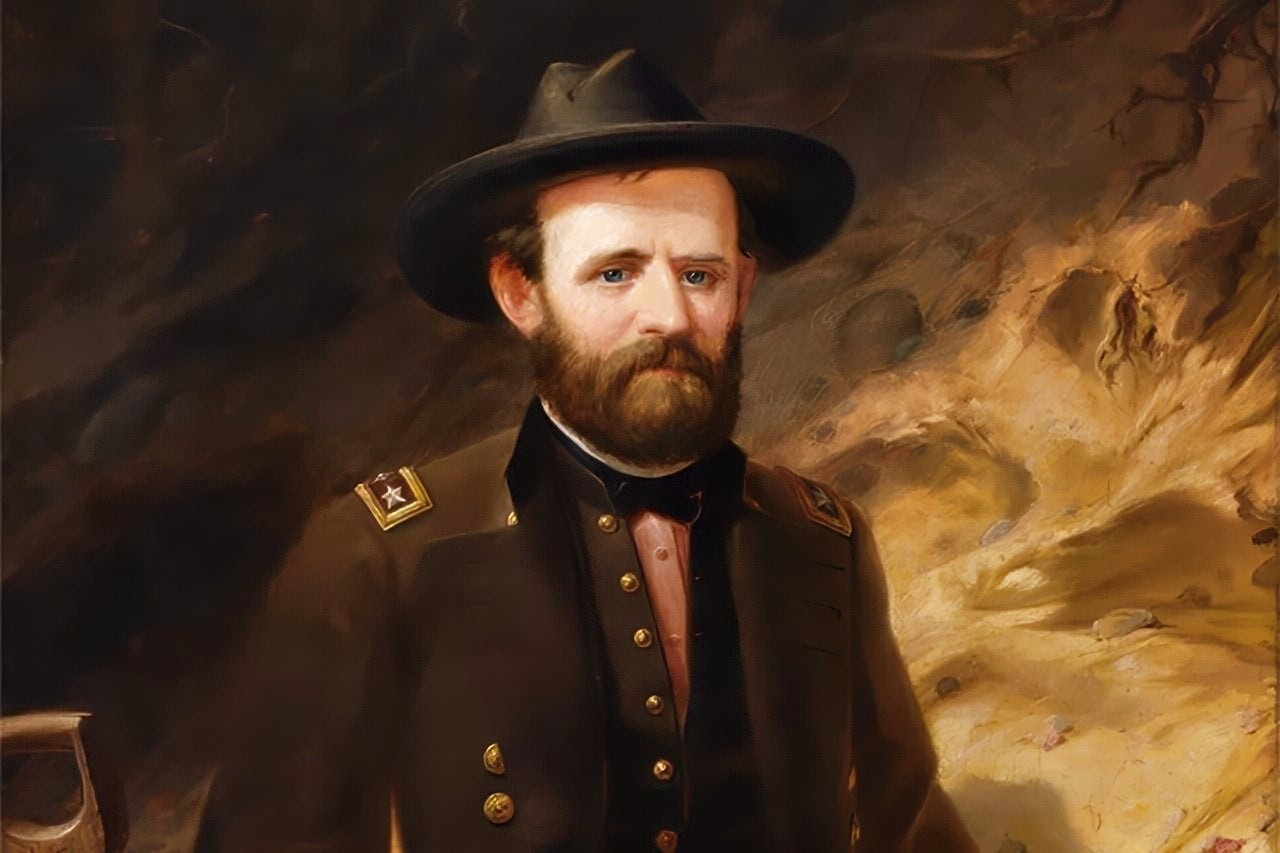
General Grant U.S. Army. Image Credit: Creative Commons.
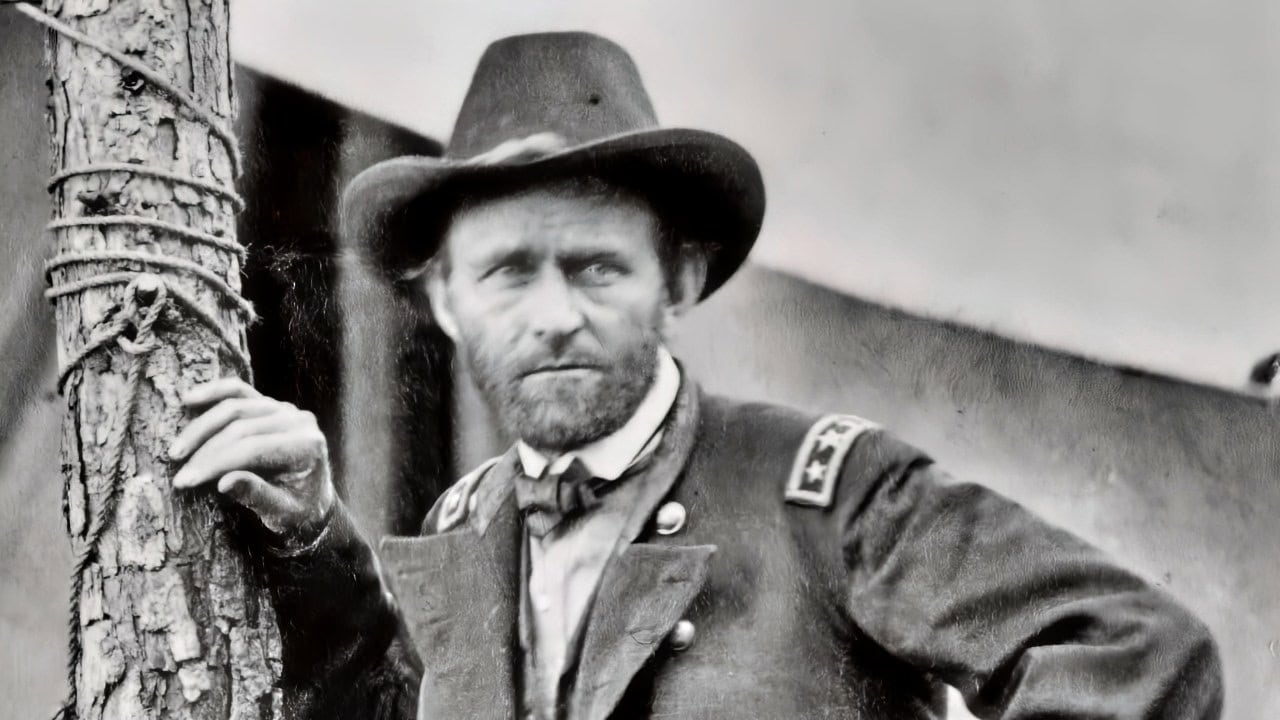
General Ulysses S. Grant at Cold Harbor. Image Credit: Creative Commons.
He viewed the act as a dangerous departure from the nation’s founding ideals. Lincoln threw himself into the emerging Republican Party, becoming one of its leading voices in Illinois. His speeches during this time, including his responses to Senator Stephen A. Douglas, showcased his moral clarity and oratorical power, elevating him from a regional figure to a national one.
These formative decades, rich with hardship, hard work, intellectual growth, legal mastery, and personal struggle, shaped Abraham Lincoln long before he entered the White House.
They forged a leader whose experience with poverty nurtured empathy, whose self-education developed discipline, and whose encounters with injustice awakened a lifelong commitment to equality. By the time the nation looked to him in 1860, Lincoln was not merely a politician but a fully formed thinker and statesman molded by the trials and triumphs of his early life.
About the Author: Isaac Seitz
Isaac Seitz, a Defense Columnist, graduated from Patrick Henry College’s Strategic Intelligence and National Security program. He has also studied Russian at Middlebury Language Schools and has worked as an intelligence Analyst in the private sector.