

Summary and Key Points: Defense analyst Isaac Seitz evaluates the revolutionary career of Benjamin Franklin, emphasizing his shift from a British mediator to a primary architect of the United States.
-This report analyzes Franklin’s service in the Second Continental Congress, his refinement of the Declaration of Independence, and his essential role in securing French military aid in 1776.
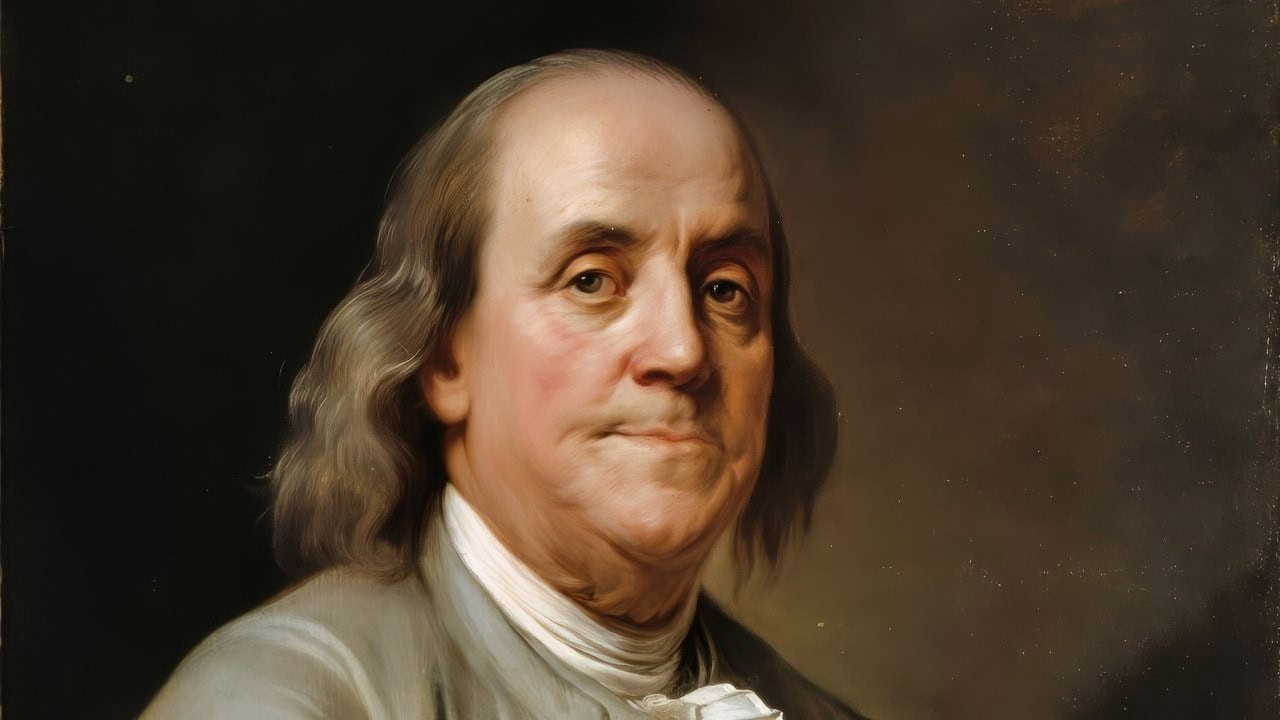
Benjamin Franklin. Image Credit: Creative Commons.
-Seitz explores Franklin’s late-life leadership of the Pennsylvania Society for Promoting the Abolition of Slavery and his 1787 presence at the Constitutional Convention.
-He concludes that Franklin’s transition from owner to abolitionist reflects the core Enlightenment principles that define the American national identity.
Quote of the Day – The Constitutional Sage: How an 81-Year-Old Franklin Broke the 1787 Convention Deadlocks
“We are all born ignorant, but one must work hard to remain stupid.” – Benjamin Franklin
Benjamin Franklin is one of the most influential figures in American history.
He gained prominence for his scientific contributions and writings across disciplines such as philosophy, theology, and morality.
In the latter half of his life, however, Franklin transformed from a British loyalist to a full-on advocate for revolution.
During the War for Independence, he played a pivotal role in advocating for the American cause abroad and securing support.
After the war, he helped to draft the new Constitution and spent his last years advocating for the abolition of slavery.
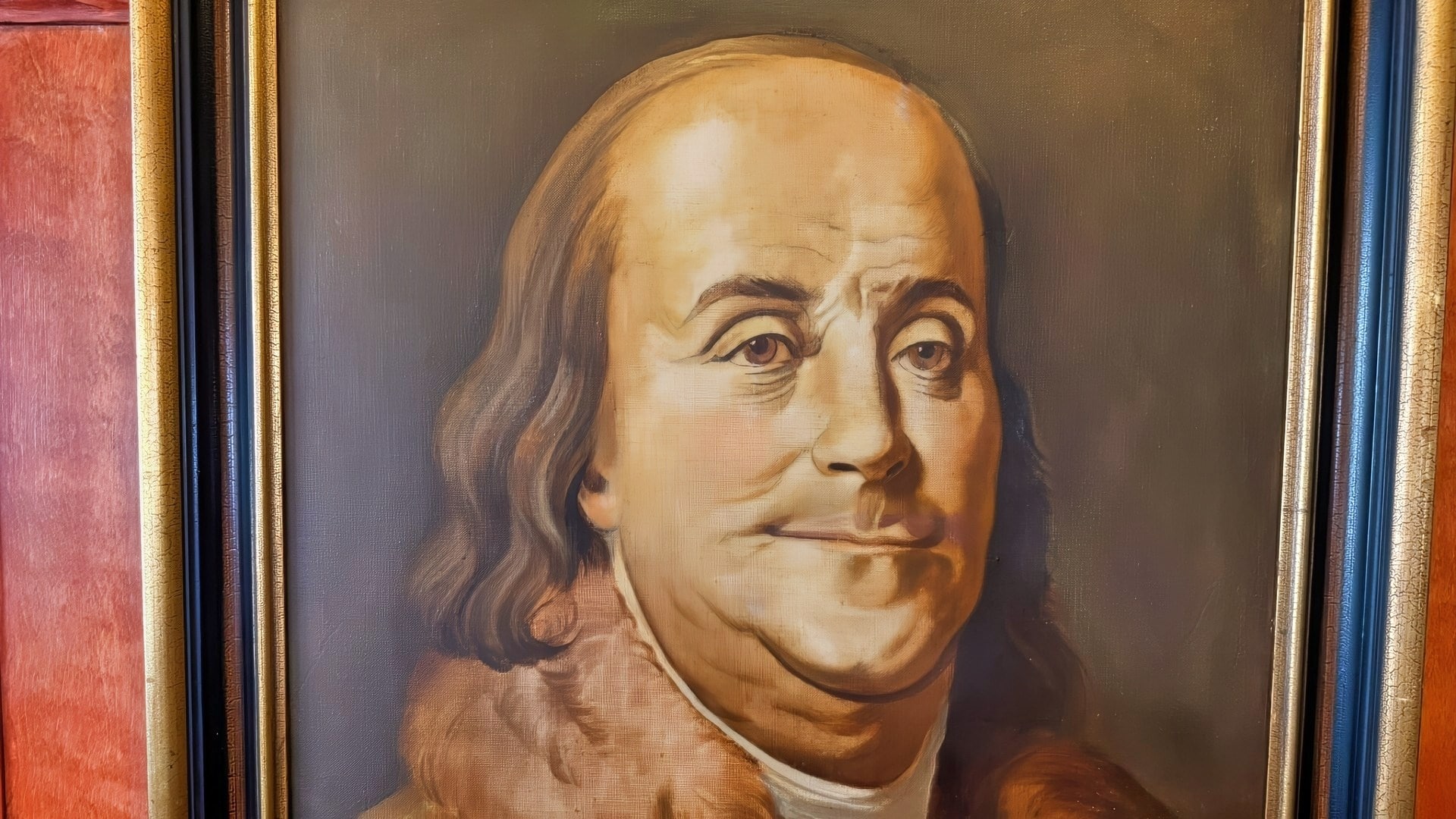
Benjamin Franklin 19FortyFive Image. Taken by Harry J. Kazianis at the Hall of Presidents at Walt Disney World, Florida.
Rising Star in American Politics
Around the midpoint of Franklin’s life, he became increasingly involved in colonial politics.
In 1757, at the age of 51, he was sent to London to represent the Pennsylvania Assembly in its disputes with the Penn family, the colony’s proprietors.
His task was to advocate for greater legislative autonomy and fairer taxation policies. Over the next eighteen years, Franklin spent a significant portion of his time in England, becoming one of the most influential colonial representatives abroad.
His stay coincided with rising tensions between Britain and its North American colonies, and he frequently served as a mediator, attempting to smooth relations and prevent political rupture.
Franklin initially hoped that the colonies could remain part of the British Empire while gaining increased rights and representation. He advocated for moderation and compromise, believing that the bond between Britain and its colonies could be preserved through reforms.
His testimony before Parliament during the Stamp Act crisis of 1766 is one of the most famous examples of his persuasive political skill; many believed his arguments contributed significantly to the Act’s repeal.
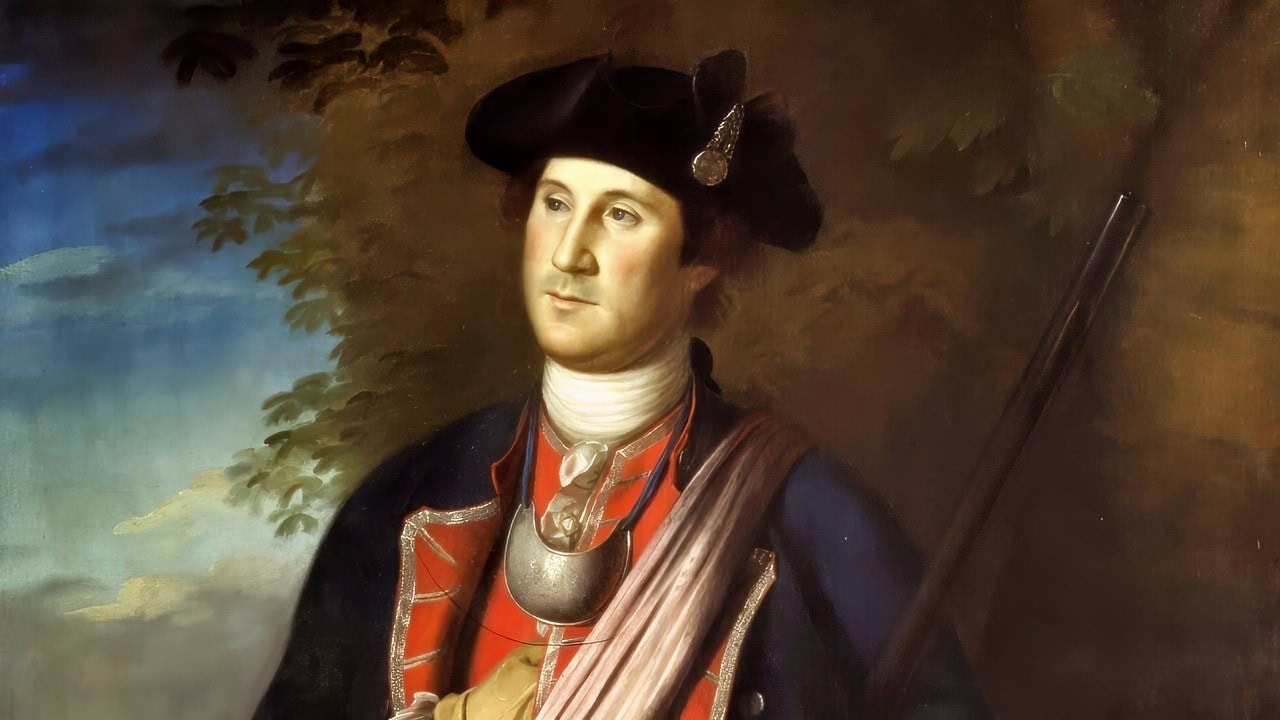
General George Washington Portrait. Image Credit: Creative Commons.
General George Washington. Image Credit: Creative Commons.
Yet as British policies became more rigid and colonial resentment grew, Franklin’s optimism began to fade.
His humiliation before the Privy Council in 1774, where he was publicly scolded and accused of treachery, proved a turning point. The experience convinced him that reconciliation was no longer realistic.
When he departed England in 1775, just after the outbreak of armed conflict at Lexington and Concord, he returned to America with a new conviction that independence was not merely possible but necessary.
Road to Revolution
Upon his arrival in Philadelphia, Franklin, now 69 years old, immediately assumed a leading position in the revolutionary movement.
He joined the Second Continental Congress, served on numerous committees, and became one of the central figures guiding the colonies through the turbulent early years of war. He was appointed to the Committee of Five tasked with drafting the Declaration of Independence.
Although Thomas Jefferson was the document’s principal author, Franklin played a critical role in editing and refining its text, helping shape several of its most enduring phrases. His participation lent the Declaration both intellectual weight and political unity, and his signature became one of the most famous in American history.
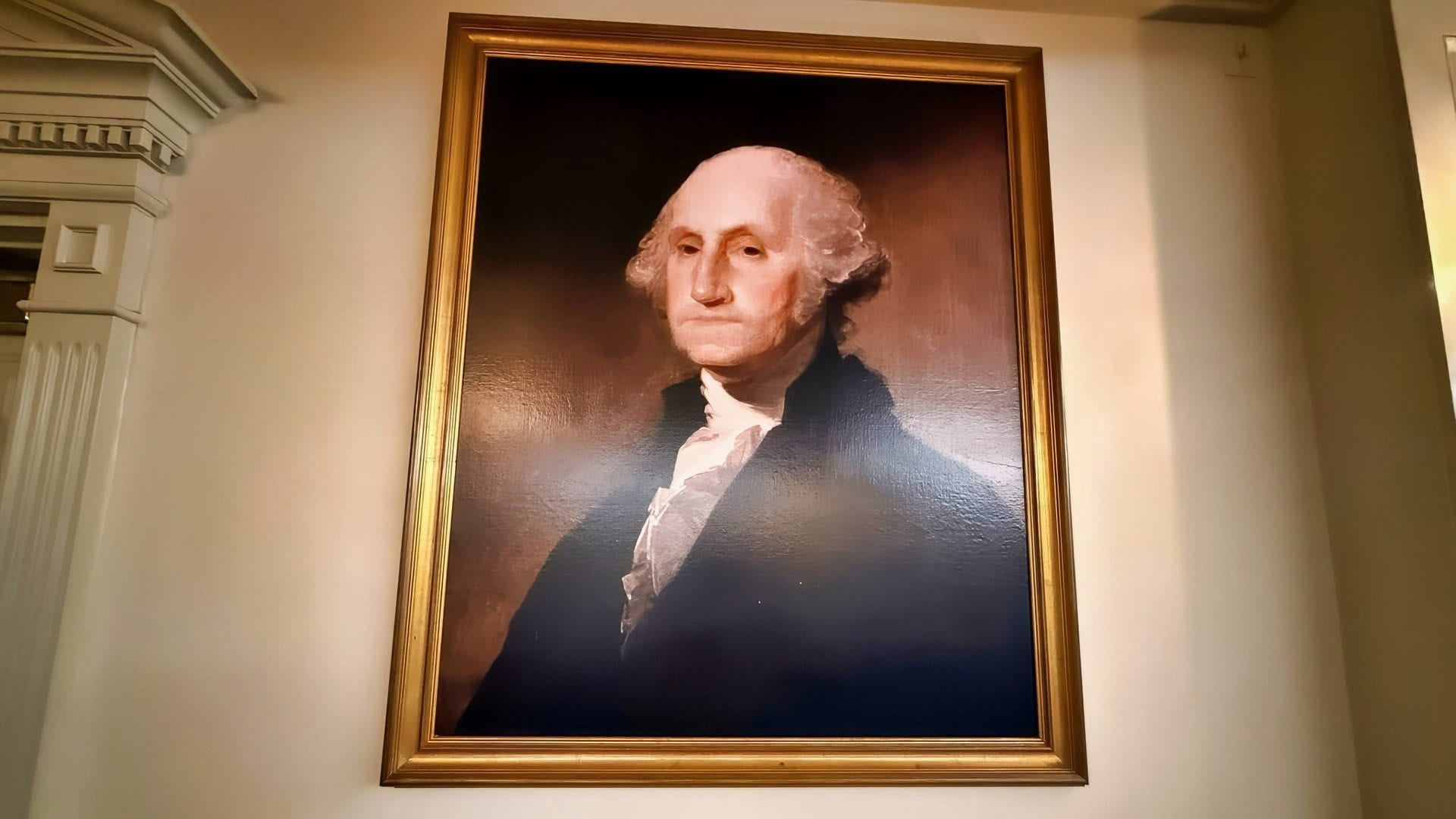
George Washington At Hall of Presidents at Walt Disney World. Image Taken by Harry J. Kazianis for 19FortyFive.com
Franklin’s most consequential contribution to the American cause came shortly after, when Congress appointed him as envoy to France. His mission, beginning in late 1776, was perhaps the most critical diplomatic assignment in American history: securing French support for the Revolution.
The stakes were enormous. Without French military and financial assistance, the colonies stood little chance of defeating Britain. Franklin understood this reality and embraced the mission with a sense of both urgency and subtlety.

Thomas Jefferson Burial. Image by 19FortyFive.com
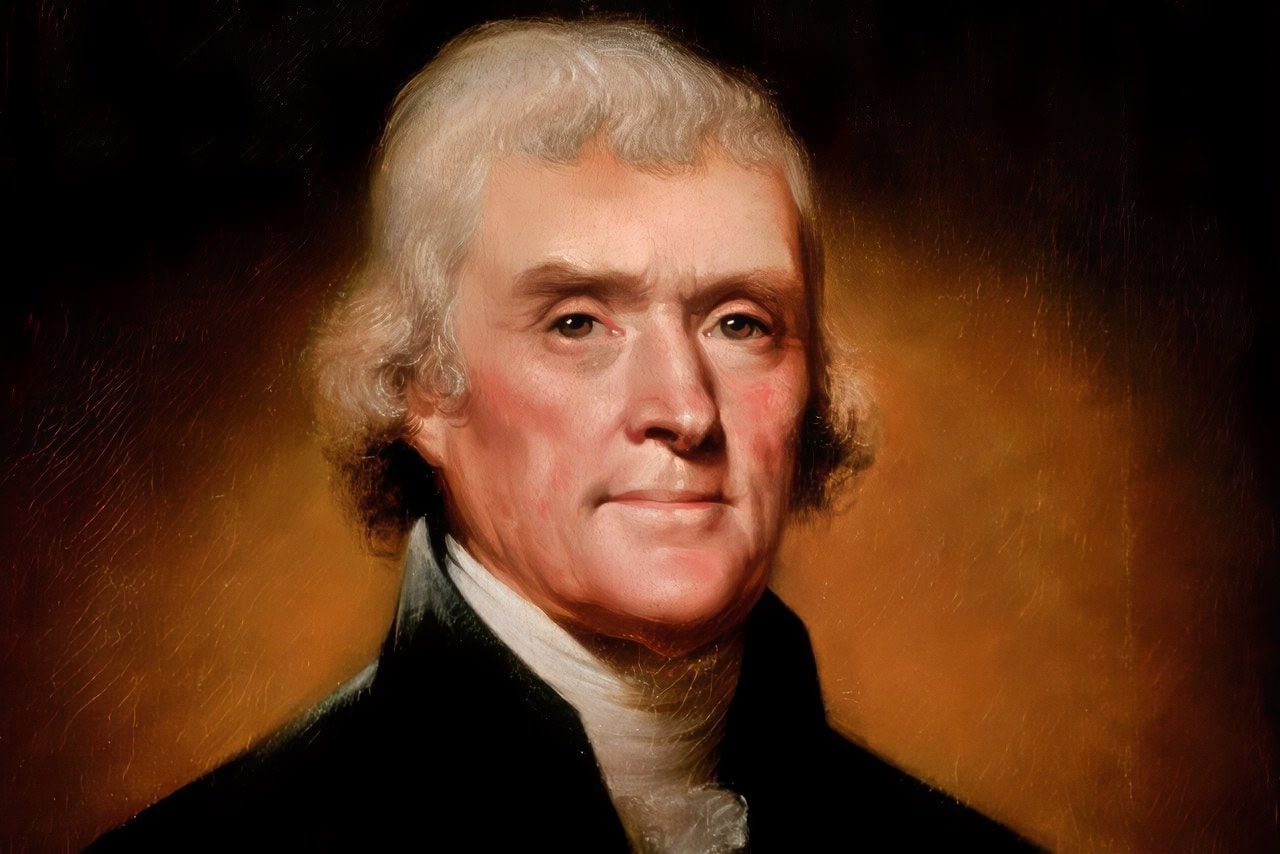
Thomas Jefferson. Image Credit: Creative Commons.
Return to America
When he finally returned to America in 1785, Franklin was nearly eighty years old and suffering from painful bouts of gout. Nevertheless, he resumed public service almost immediately, accepting election as President of Pennsylvania. His experience, international prestige, and long-standing commitment to civic improvement made him a respected figure in state politics. His most significant role during this period, however, came two years later when he was chosen as a delegate to the Constitutional Convention of 1787.
At eighty-one, Franklin was the oldest delegate present, but his presence was vital. While not as vocal as others due to his age and health, he brought a calm, conciliatory wisdom to the heated debates. He urged his colleagues to seek compromise for the sake of national unity, reminding them that no constitution would ever be perfect but that cooperation was essential.
His written speeches, read aloud by fellow delegates, often helped break deadlocks. Franklin’s signature on the Constitution stands as a testament to his enduring belief in the possibilities of self-governance and collective action.
Final Years
In the final years of his life, Franklin underwent a profound moral evolution regarding slavery. Although he had owned enslaved people earlier in life and had not initially been outspoken on the issue, his views changed significantly in his later years.
Influenced by Enlightenment principles and by his experiences abroad, Franklin became convinced that slavery was incompatible with the ideals of liberty for which the Revolution had been fought. He became president of the Pennsylvania Society for Promoting the Abolition of Slavery and used his influence to advocate for the end of the slave trade and the establishment of schools for African Americans. One of his final public acts was signing a 1790 petition urging Congress to abolish slavery, a bold move that placed him at the forefront of early American abolitionism.
Benjamin Franklin died on April 17, 1790, at the age of eighty-four. His funeral drew an estimated twenty thousand people, the largest gathering Philadelphia had ever seen. Franklin’s later decades had transformed him from a celebrated colonial intellectual into one of the principal architects of American independence and national identity.
His scientific curiosity, diplomatic skill, political judgment, and moral courage left an indelible imprint on the United States. The final half of his life stands as a testament to both personal growth and public service, reflecting a profound belief in the power of human reason and the enduring potential of a free society.
About the Author: Isaac Seitz
Isaac Seitz, a Defense Columnist, graduated from Patrick Henry College’s Strategic Intelligence and National Security program. He has also studied Russian at Middlebury Language Schools and has worked as an intelligence Analyst in the private sector.