
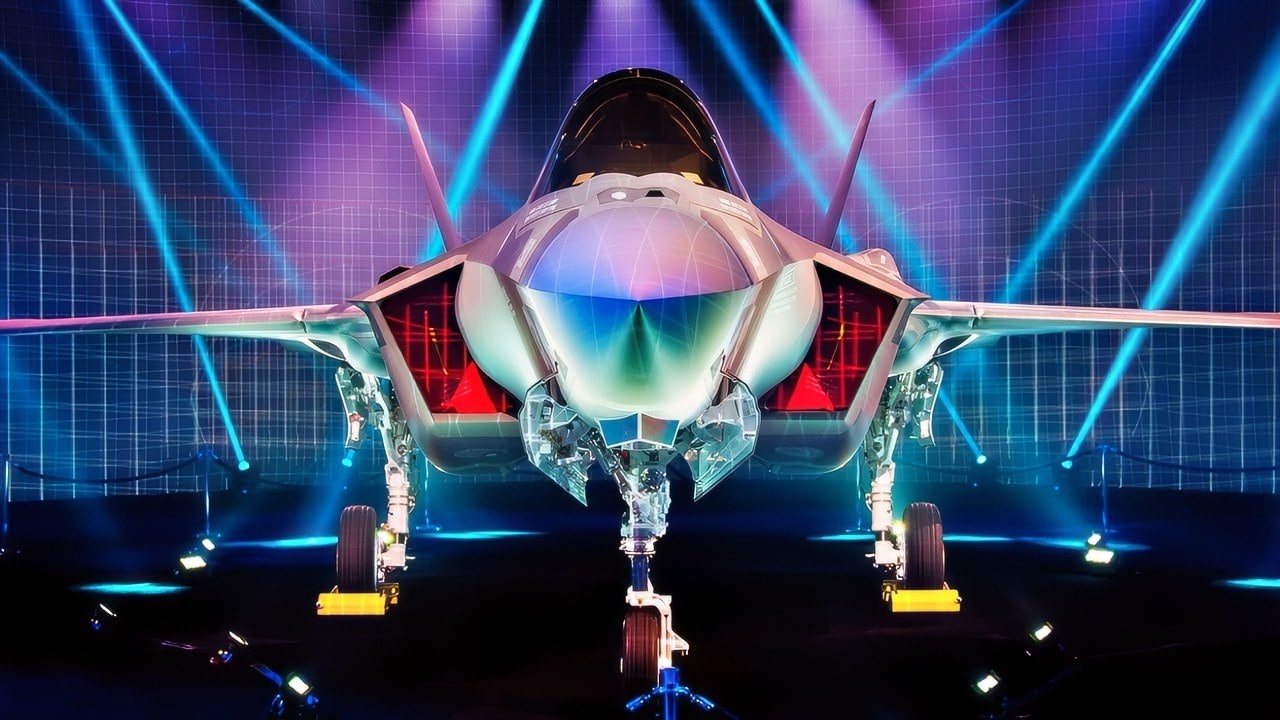
Israel Has Nuclear Weapons. The Iran War Has Many Asking When They Would Use Them
Israel’s nuclear arsenal is commonly accepted as real—yet has never been formally acknowledged, existing instead under a veil of deliberate ambiguity.
The policy works and has arguably enhanced Israel’s regional security, keeping adversaries on edge over a simple question: what would push Israel to use its nuclear weapons?
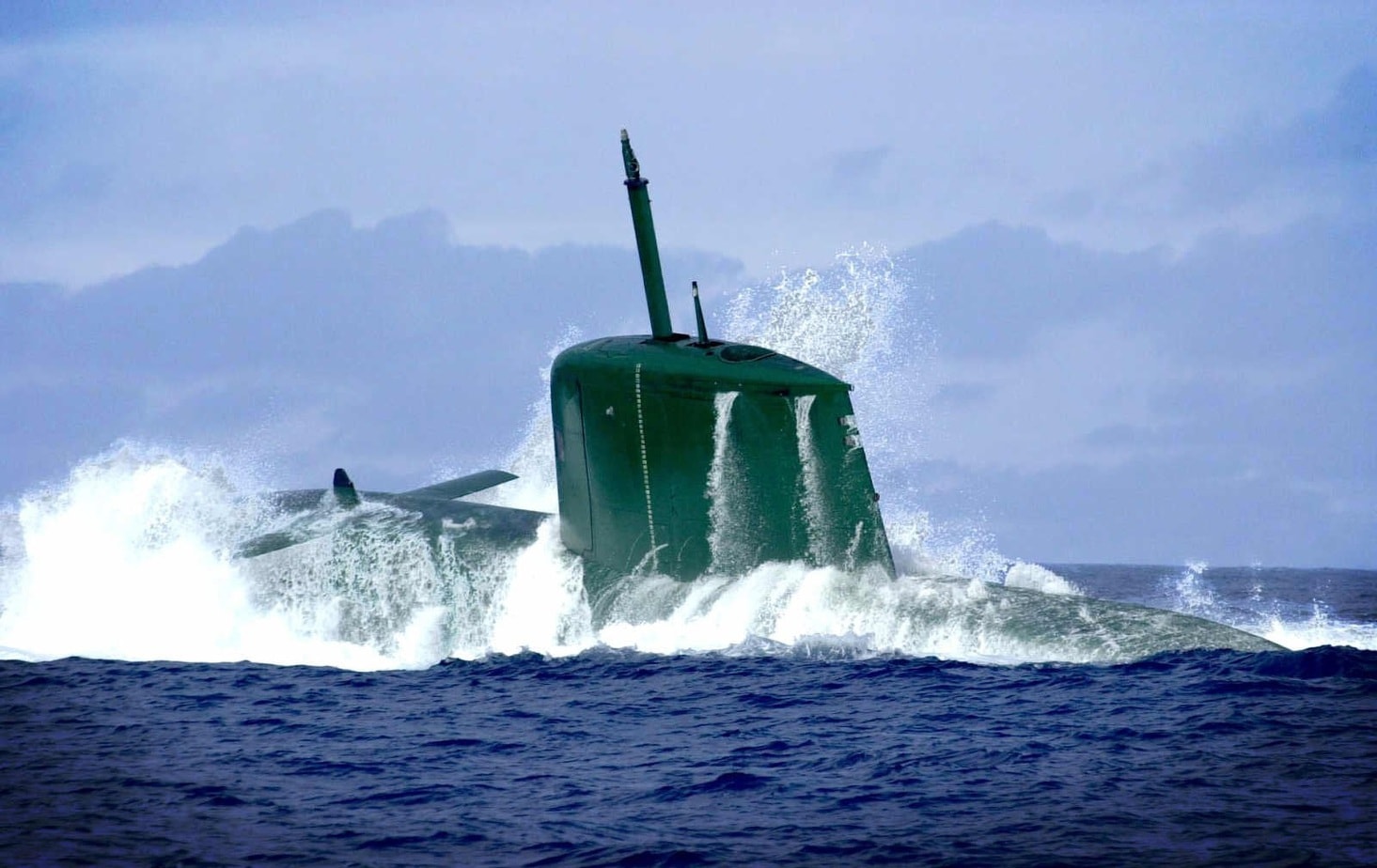
Israel Dolphin-Class Submarine
The question seems especially relevant now, with Israel engaged in Operation Epic Fury against Iran. And the answer is likely that Israel would use its nukes only in an existential scenario, where the regime itself was threatened, not in routine war fighting.
Strategic Reality
Israel is small—roughly the size of New Jersey—with tiny geographic depth, a concentrated population, and critical infrastructure tightly clustered.
Unlike the United States, or even France or the U.K., Israel cannot absorb large-scale conventional devastation, which makes Israel’s deterrence logic different. Accordingly, Israel’s nuclear doctrine is likely less about prestige or great-power signaling and more about survival insurance, a hedge against catastrophic military failure.
Never Again
Israel’s nuclear strategy is shaped by memories of the Holocaust, early Arab-Israeli wars, and the reality of living with neighbors who openly call for Israel’s destruction.
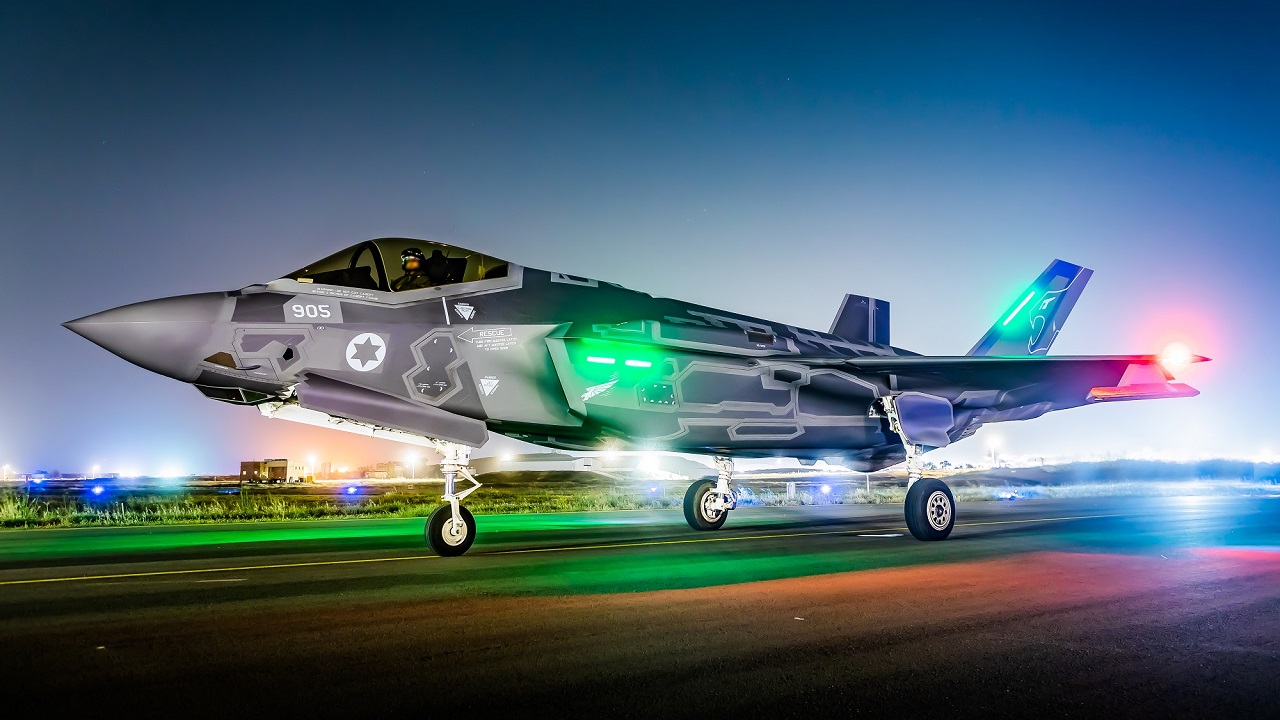
F-35I Adir serving in Israel’s Air Force. Image Credit: Creative Commons.
Israel knows it cannot rely on outside powers for its ultimate survival—that lesson became embedded after the Holocaust. Instead, Israel likely believes in having an independent last-resort deterrent: nuclear weapons.
Hard Lessons
In Israel’s early history, the new state faced repeated conventional wars—in 1948, 1967, and 1973. Through those first decades, Israel feared large-scale conventional defeat by numerically superior Arab armies.
But once Israel achieved a credible nuclear deterrent, the likelihood of a coordinated conventional invasion dropped sharply. This deterrence is one reason why the conventional style war, the effort to drive Israel into the sea, has faded away; in all likelihood, Israel’s possession of nuclear weapons has prevented the wars that would have triggered nuclear weapon deployment.
Threshold Identification
What would trigger Israel to deploy its nukes?
A few scenarios.
One, an existential crisis. If Israeli leaders believed the state itself was at risk of collapse—through say an enemy armored breakthrough, or multiple fronts collapsing simultaneously, or a command breakdown that threatened the regime’s survival—then nuclear weapon deployment would become a serious possibility.
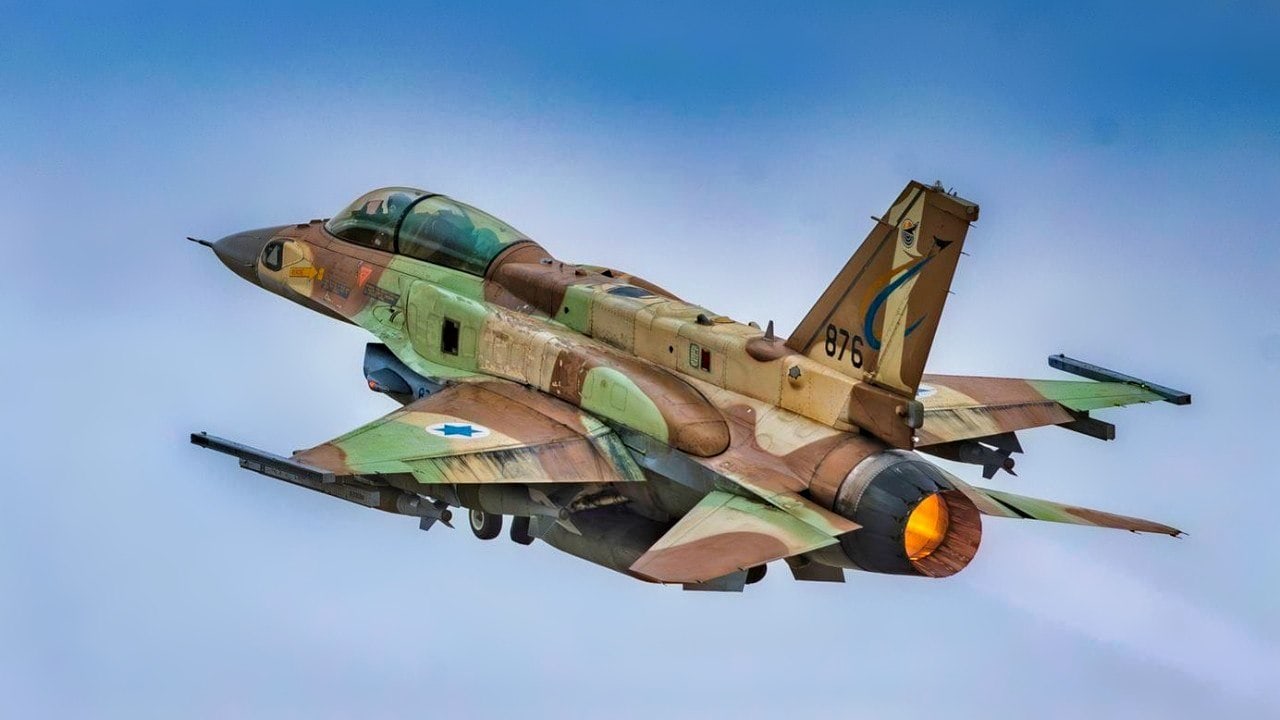
F-16I Sufa from Israel. Image Credit: Creative Commons.
Two, a massive strategic bombardment. If Israel endured sustained missile or drone attacks, causing catastrophic national harm, or if conventional defenses failed and national infrastructure (i.e., air bases, population centers, government centers, etc.) was degrading rapidly at a systemic level, it could respond with nuclear force.
Three, an attack with weapons of mass destruction. If Israel suffered a chemical, biological, or nuclear strike against an Israeli population center, then retaliation logic would kick in; this is probably the clearest path to Israeli nuclear use.
Fourth, a threat to second-strike or command survival. If Israeli leadership believed a disarming blow was underway, if Israel believed they would lose the ability to respond later, then a nuclear strike becomes more likely.
Showing Restraint
But the threshold is high. Certain harmful enemy actions would likely not trigger Israeli nuclear deployment.
For example, limited rocket fire, even if severe, would be unlikely to trigger a nuclear retaliation. Proxy war by itself or simple border skirmishes, again, wouldn’t warrant a nuclear retaliation. Even if Israel suffered painful conventional losses, if the existence of the state were not in question, nukes would likely remain off the table.
Israel has demonstrated repeatedly a preference for air power, special operations, and conventional escalation. Underscoring that the nuclear threshold is high: altercations as significant as Operation Epic Fury, or the attacks of October 7, 2023, have not triggered nuclear escalation.
Always Relative
Yet, despite having a high nuclear threshold, Israel’s threshold is likely lower than that of the United States.
Consider the differing strategic realities. The United States has strategic depth, two massive oceanic buffers, and enormous redundancy in terms of resources, geography, infrastructure, and population distribution.
Even more compact nations, like France or the U.K., enjoy more strategic depth than Israel, which has almost no margin for error; a level of damage that would be survivable for a larger power could feel existential to Israel.
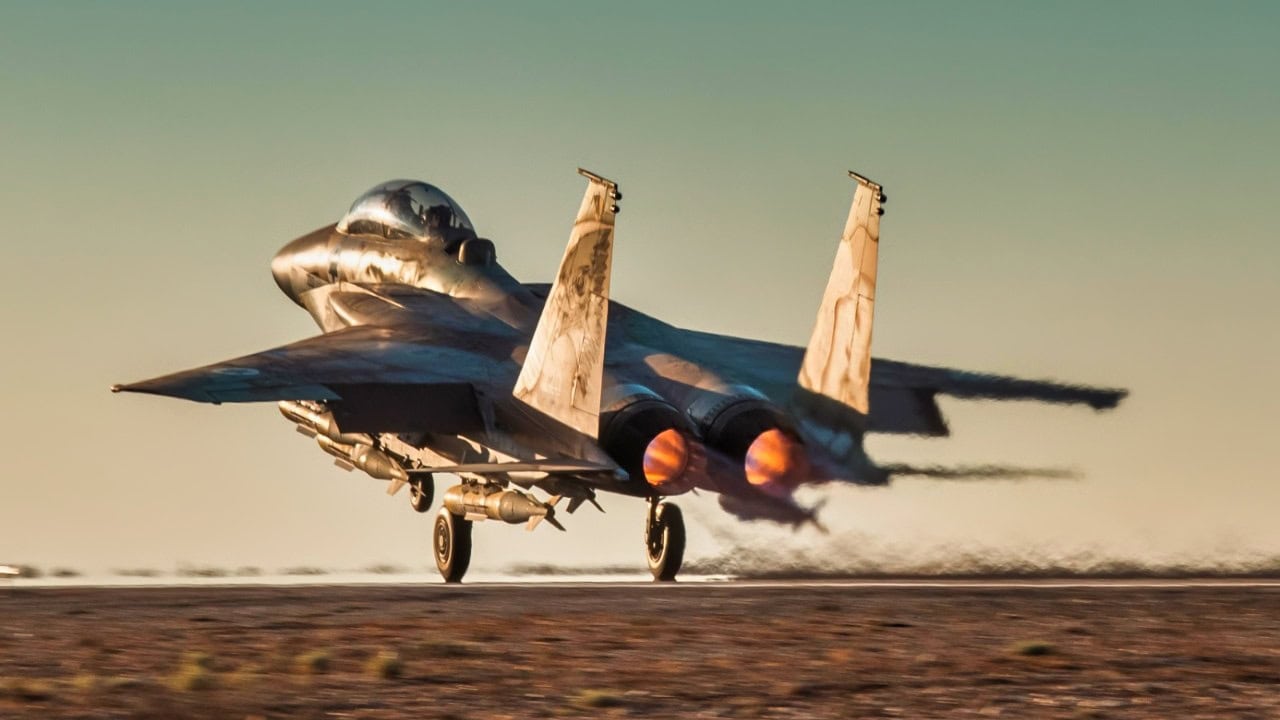
F-15I Ra’am. Image Credit: IDF.
Accordingly, Israel’s threshold is likely lower than that of the United States, France, or the U.K., because Israel is more vulnerable.
Ambiguity as a Strategy for Israel and Nuclear Weapons
Still, this is all speculation. Israel has long committed to a strategy of ambiguity, never spelling out its red lines explicitly. That ambiguity has value as it complicates enemy planning; since adversaries don’t know exactly where the threshold is, they are likely to make assumptions that err on the side of caution. That uncertainty has strengthened Israel’s deterrence.
So, expect Israel to maintain its strategic ambiguity, with nuclear weapons held in secret, for deployment when (best guess) and only when the state is confronted with an existential crisis.
MORE – Russia Has Built 30 Su-57 Stealth Fighters: The F-35 is 1,300 Strong and Adding More by the Day
MORE – The U.S. Navy’s New $15,000,000,000 Columbia-Class Nuclear Submarine Is Way Behind Schedule
About the Author: Harrison Kass
Harrison Kass is an attorney and journalist covering national security, technology, and politics. Previously, he was a political staffer and candidate, and a US Air Force pilot selectee. He holds a JD from the University of Oregon and a master’s in global journalism and international relations from NYU.