
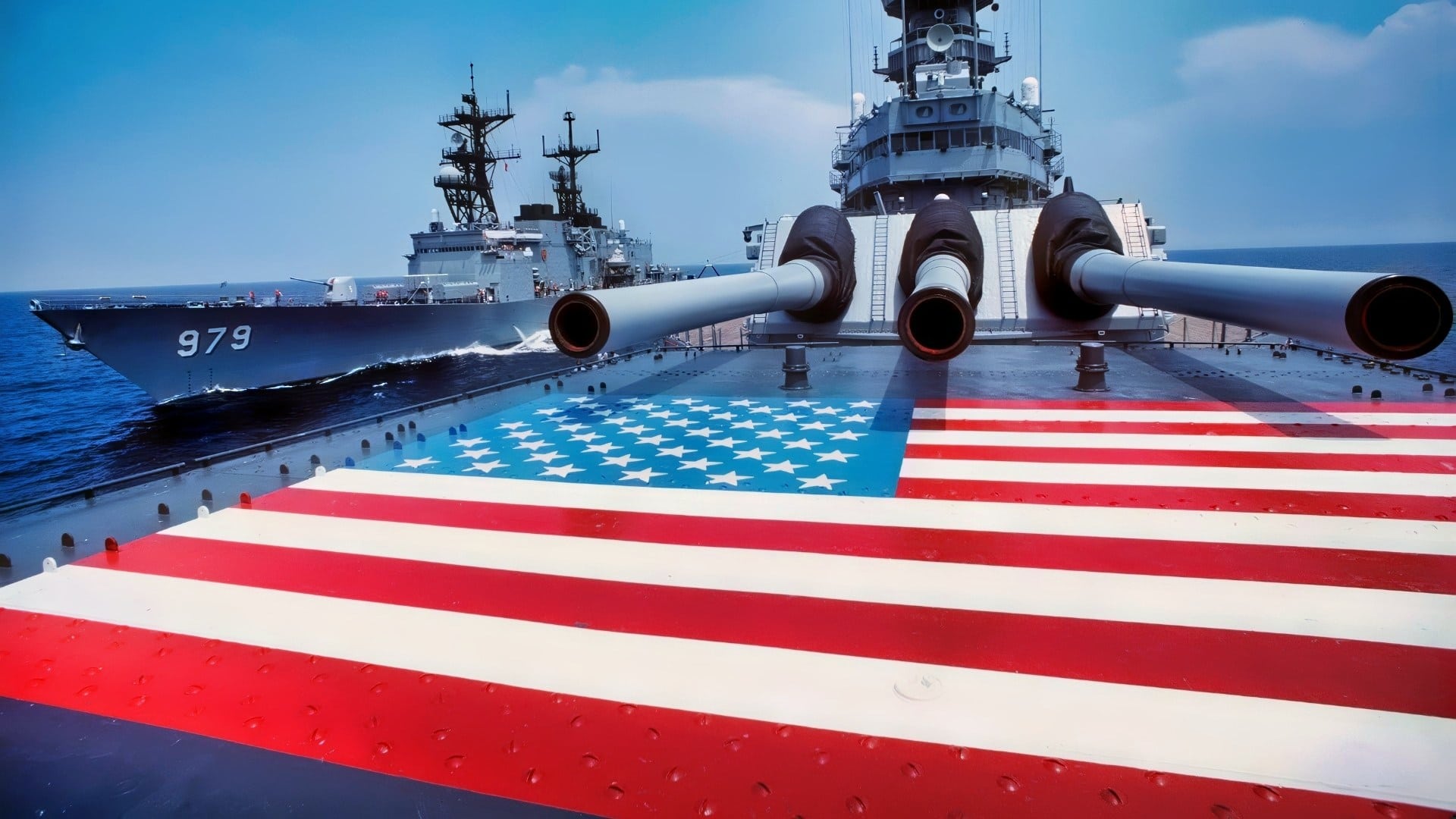
The U.S. Navy’s Iowa-Class Battleships Fought from WWII All the Way to the First Gulf War
The Iowa-class battleships are some of the most iconic surface ships of the Second World War. Their thick armor and massive guns made them a valuable asset for the U.S.’ island-hopping campaign in the Pacific, where their coastal bombardments proved especially useful.
When the war ended, it seemed as if these steel giants had reached the end of their usefulness and were slated for retirement. Fate, it seems, was not finished with the Iowa-class.
Despite their initial deactivation post-WWII, the Iowa-class would be resurrected twice throughout the Cold War (technically three times if we’re counting New Jersey’s reactivation during the Vietnam War).
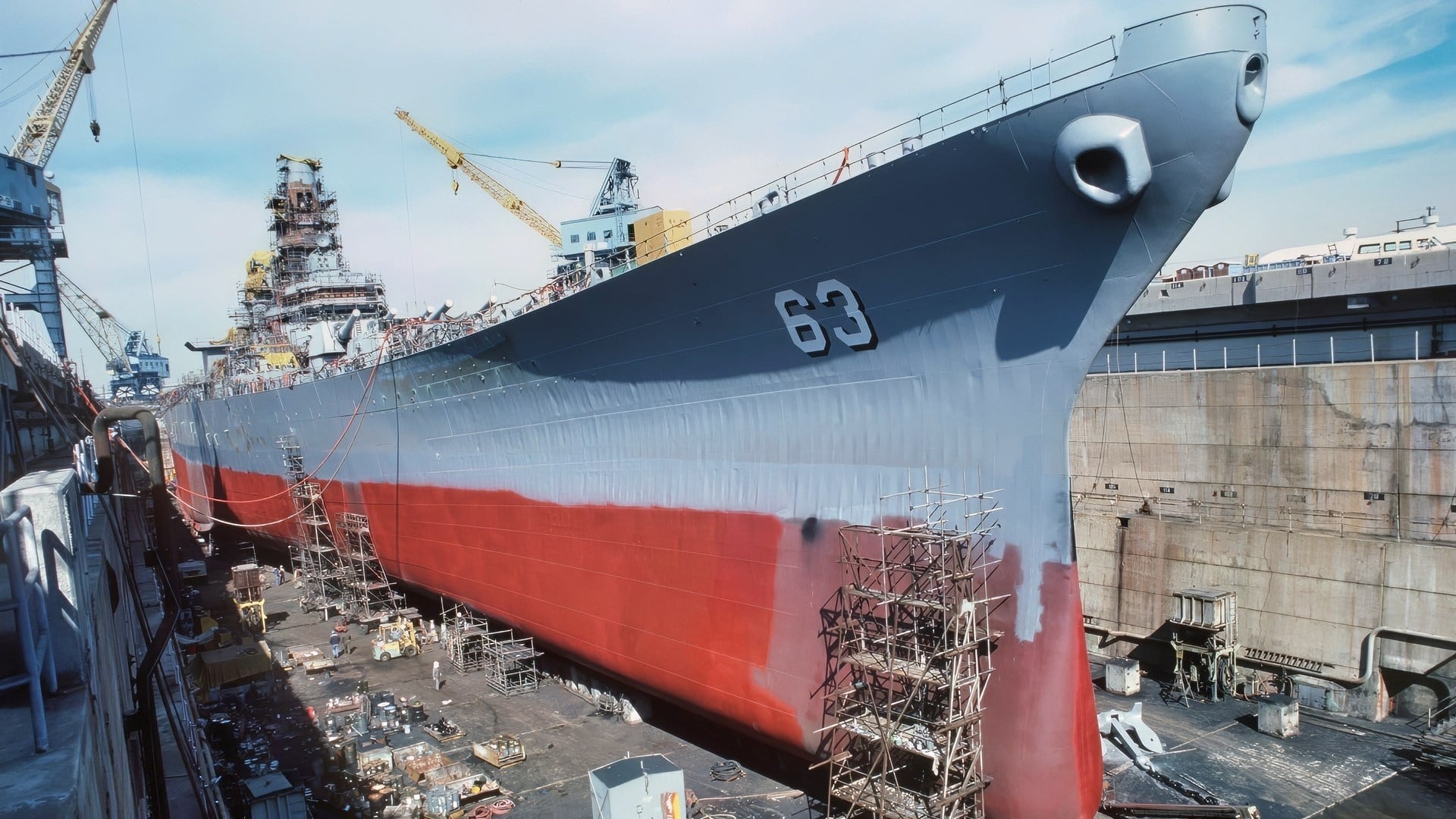
A starboard bow view of the battleship USS MISSOURI (BB 63) in dry dock for reactivation/modernization work prior to recommissioning. Image Credit: Creative Commons.
First, during the Korean War, and second, during the 1980s, when all four ships in the class received heavy modernization
The Iowa-class in a Post-War Environment
In the immediate aftermath of World War II, battleships appeared to be obsolete. Aircraft carriers had demonstrated their importance in contemporary warfare and had proven to be a much better investment overall.
The U.S. Navy rapidly reduced its battleship force, scrapping most older hulls. However, the Iowa class was treated differently.
These were not slow, interwar relics, but exceptionally fast and robust ships capable of keeping pace with carrier task forces.
They combined heavy armor with nine 16-inch guns capable of sustained long-range bombardment.
As a result, the Navy placed all four Iowas into reserve rather than permanently disposing of them, keeping open the possibility that they might still prove useful in a future conflict.

Inside USS Iowa. Image Credit: Harry J. Kazianis for 19FortyFive.com
That future arrived sooner than expected with the outbreak of the Korean War in 1950. The North Korean invasion created an urgent need for overwhelming conventional firepower that could support ground troops without escalating the conflict into a nuclear exchange.
The Iowa-class battleships, with their 16-inch guns, filled this role perfectly.
All four were reactivated to provide naval gunfire support along the Korean Peninsula, striking transportation networks, troop concentrations, artillery batteries, and hardened coastal targets.
In this environment, the battleships demonstrated that heavy naval guns still had some battlefield value.
Once the war ended and the immediate need disappeared, the ships were again decommissioned, but their performance confirmed that they were not truly obsolete.
The Threat from the Soviet Navy
In the 1980s, the Iowa-class was reactivated one last time during Ronald Reagan’s presidency.
Unlike the Korean War, this decision was not so much driven by battlefield necessity as by the growing naval threat in the East. In 1980, the Soviet Kirov-class made its debut and was seen as a massive leap in Soviet naval technology.
These enormous battlecruisers were larger than any other ships the Soviet Navy fielded aside from aircraft carriers, and they carried enough missiles to threaten an entire U.S. Carrier Strike Group.
American naval strength had noticeably declined since the Vietnam era, and defense officials feared that the balance of power at sea was shifting.
Reagan’s response was the 600-ship Navy initiative, an ambitious plan to rapidly expand U.S. naval strength and assert maritime superiority. Reactivating the Iowa-class battleships was a central part of this strategy.
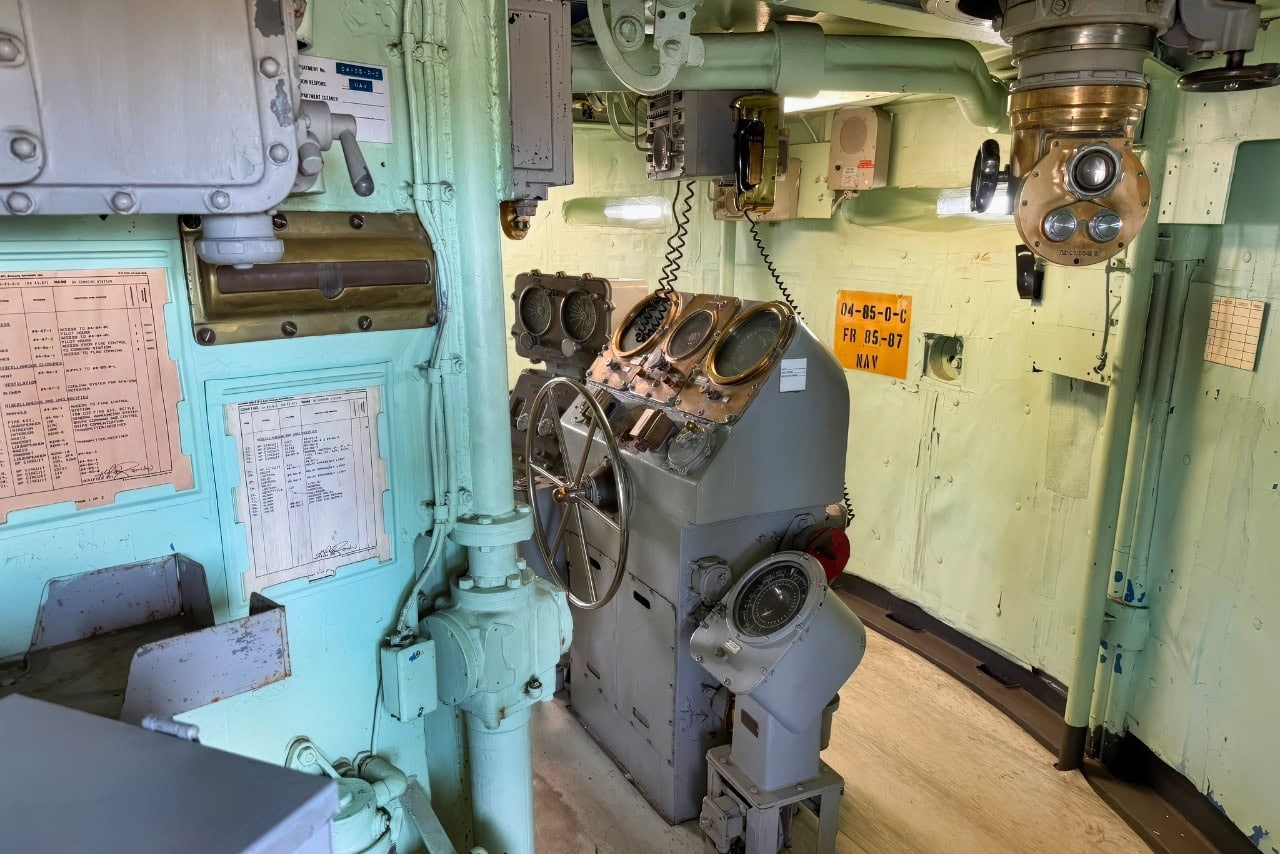
USS Iowa Logo 19FortyFive Image.
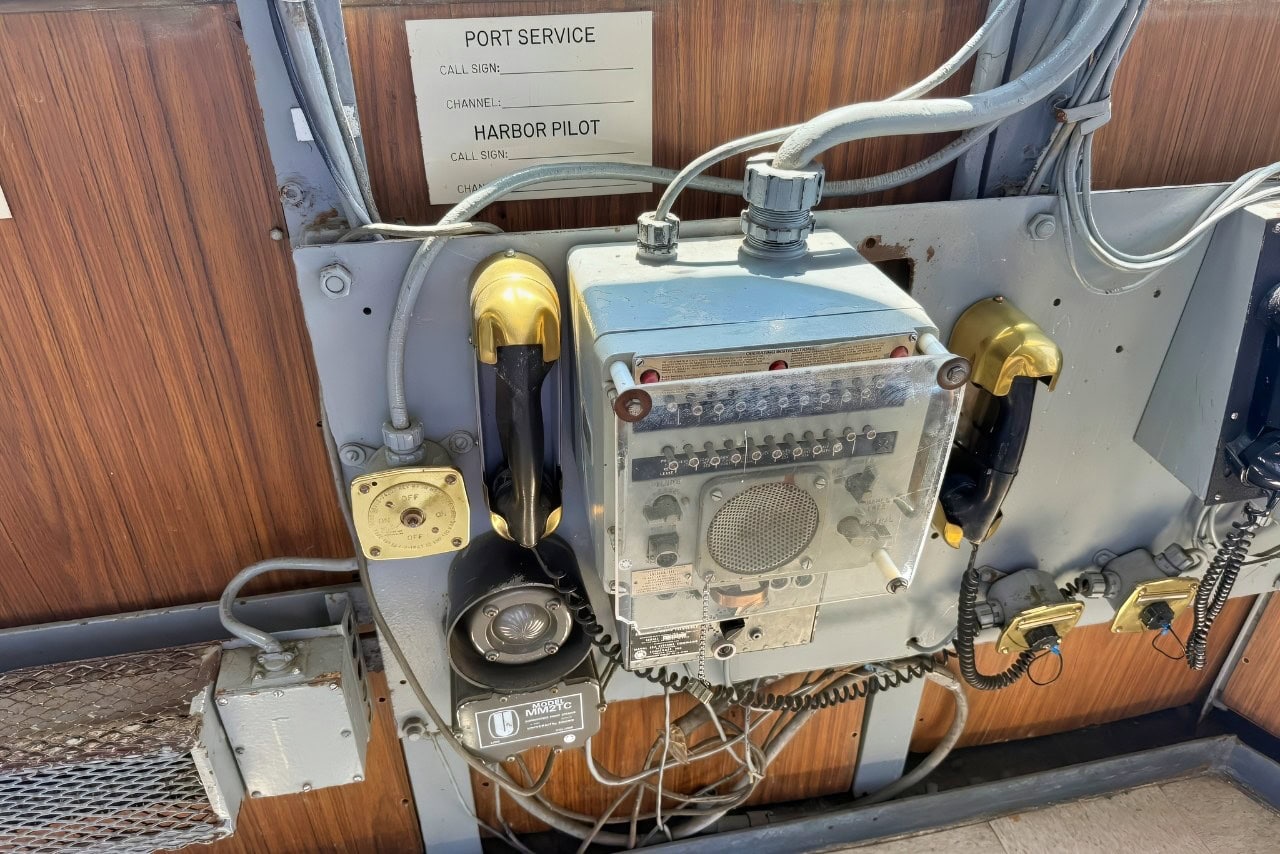
But why the Iowa-class? Why not build a new type of ship?
First, reactivation was faster and cheaper than building new capital ships from scratch.
Even with extensive modernization, bringing an Iowa back into service took far less time than designing and constructing a new surface combatant with similar symbolic and military impact. Second, the battleships were modernized into hybrid platforms.
They retained their big guns while also gaining new weaponry, modern radars, electronic warfare systems, and close-in weapon defenses. This allowed them to participate in modern naval operations, including long-range strike missions, rather than being limited solely to coastal bombardment.
Back and Better Than Ever
Making these WWII relics relevant in an age increasingly dominated by guided missiles required extreme modifications and significant financial investments.
During their 1980s refits, the Iowas underwent one of the most ambitious conversions ever applied to existing warships.
Much of their anti-aircraft gun armament was removed to reduce manpower demands and free deck space. In its place, the Navy installed Tomahawk Armored Box Launchers (ABLs) capable of firing cruise missiles hundreds of miles inland.
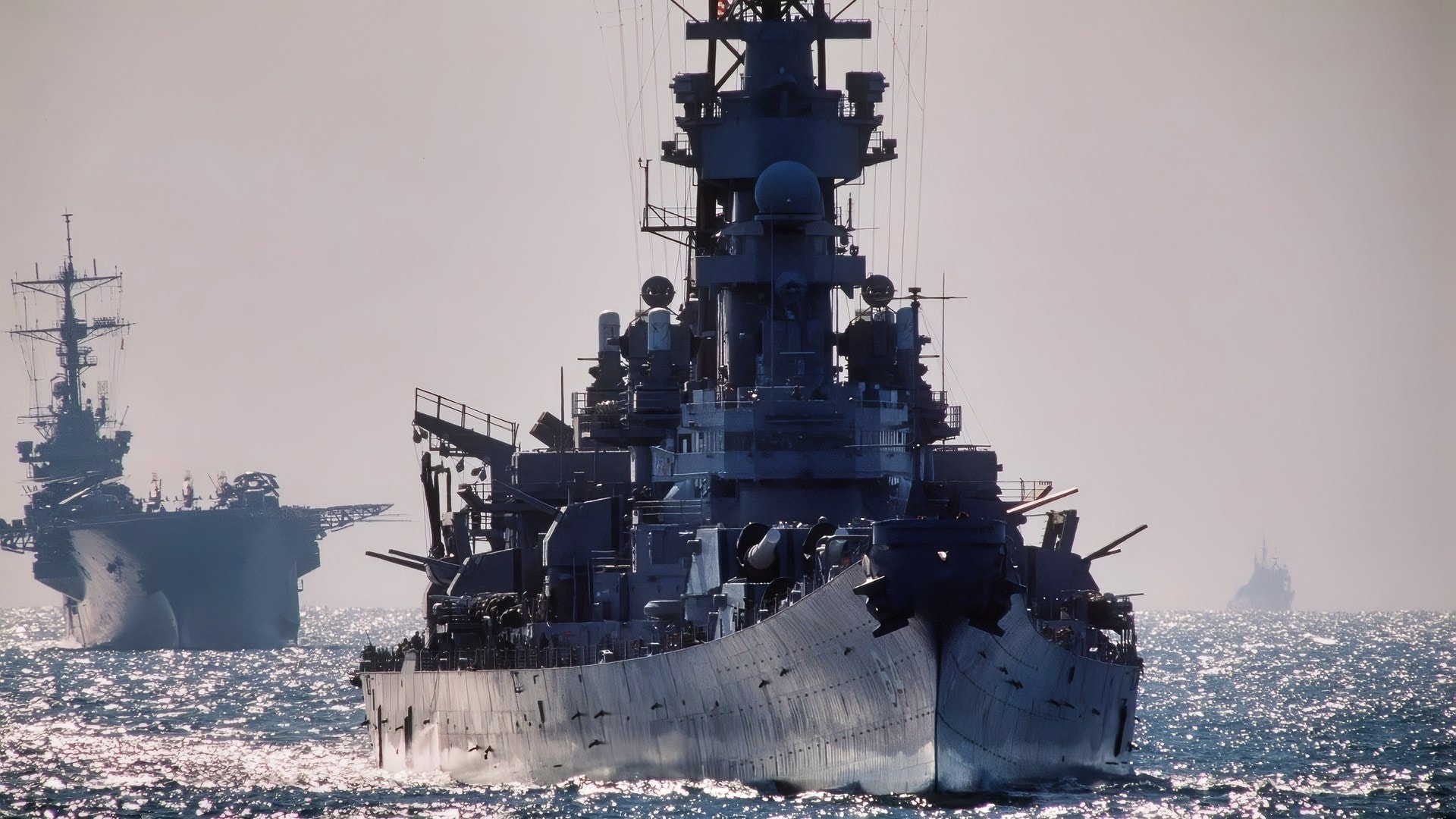
Iowa-Class Battleship Sailing with the Fleet. Image Credit: U.S. Navy.
This gave the battleships a new role as long-range strike platforms, allowing them to hold high-value Soviet targets at risk without relying solely on aircraft. Additionally, Harpoon anti-ship missiles were added, enabling the Iowas to engage enemy surface combatants far beyond gun range for the first time in their careers.
The addition of missile weapons fundamentally changed how the Iowa class fit into naval doctrine. No longer were they simply floating artillery batteries for amphibious operations. They became multi-role surface combatants capable of contributing to sea control, power projection, and deterrence missions.
In particular, the Navy envisioned the Iowas operating alongside aircraft carriers and Aegis cruisers as part of forward-deployed battle groups, especially in high-threat regions like the Norwegian Sea and the Western Pacific.
Their combination of missiles and 16-inch guns allowed them to threaten both inland targets and enemy fleets, complicating Soviet defensive planning and forcing Moscow to account for them in war scenarios.
The Final End of the Iowa-class
The end of the Cold War removed the primary justification for keeping the Iowa-class battleships active. With the collapse of the Soviet Union, the perceived need for massive surface combatants designed to counter peer adversaries evaporated.
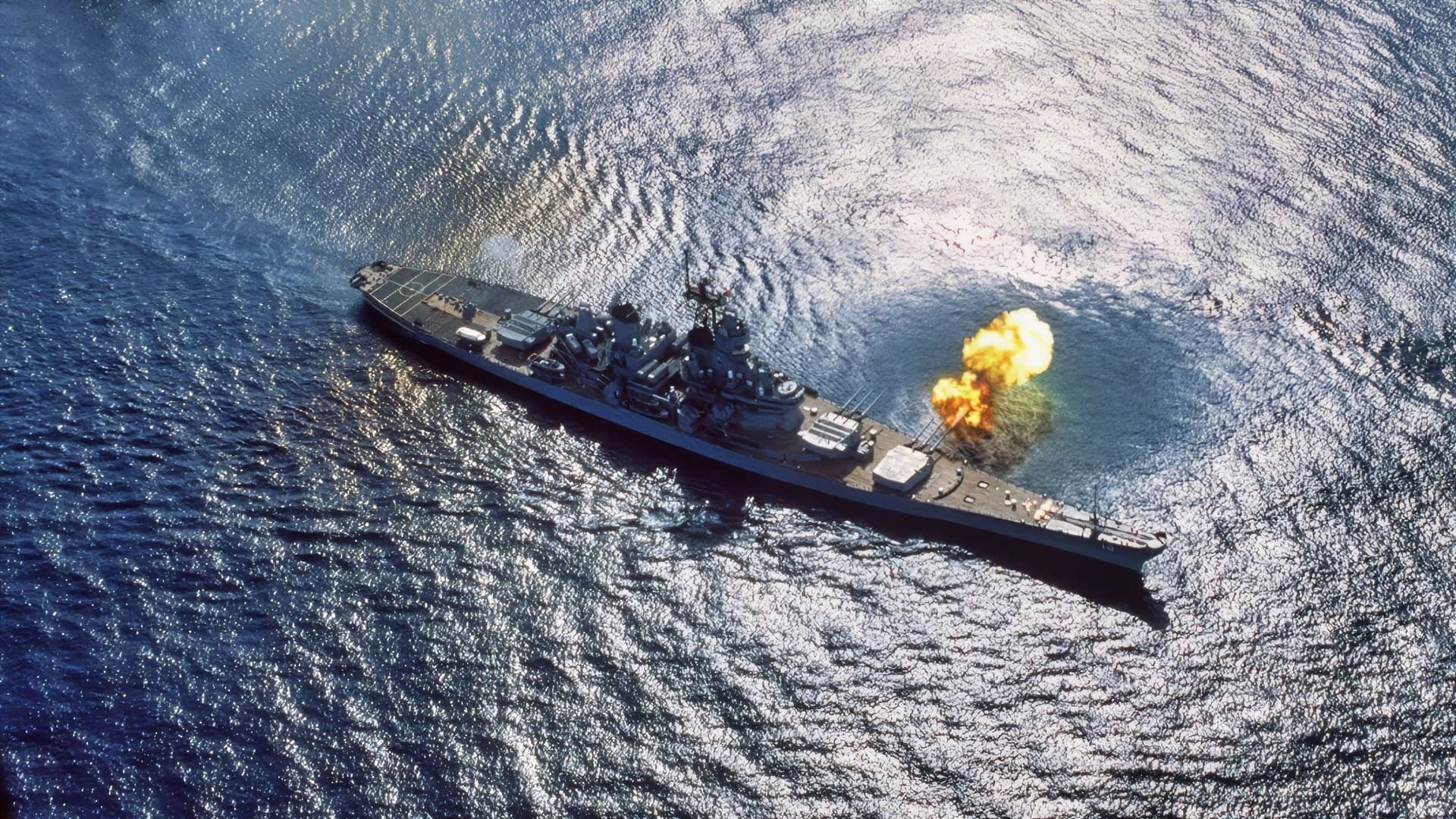
Iowa-Class Battleship USS Iowa. Image Credit: Creative Commons.
At the same time, advances in missile technology, submarines, and smaller, more versatile surface ships made the battleships increasingly inefficient relative to their cost.
As defense budgets contracted in the early 1990s, all four Iowas were permanently decommissioned.
As a sign of respect for the Iowas’ long service history, all four ships were spared from the scrapyard and instead transformed into museum ships where their legacy can be preserved indefinitely.
MORE – Canada Won’t Commit to the F-35, and That’s A Problem
About the Author: Isaac Seitz
Isaac Seitz, a Defense Columnist, graduated from Patrick Henry College’s Strategic Intelligence and National Security program. He has also studied Russian at Middlebury Language Schools and has worked as an intelligence Analyst in the private sector.

