
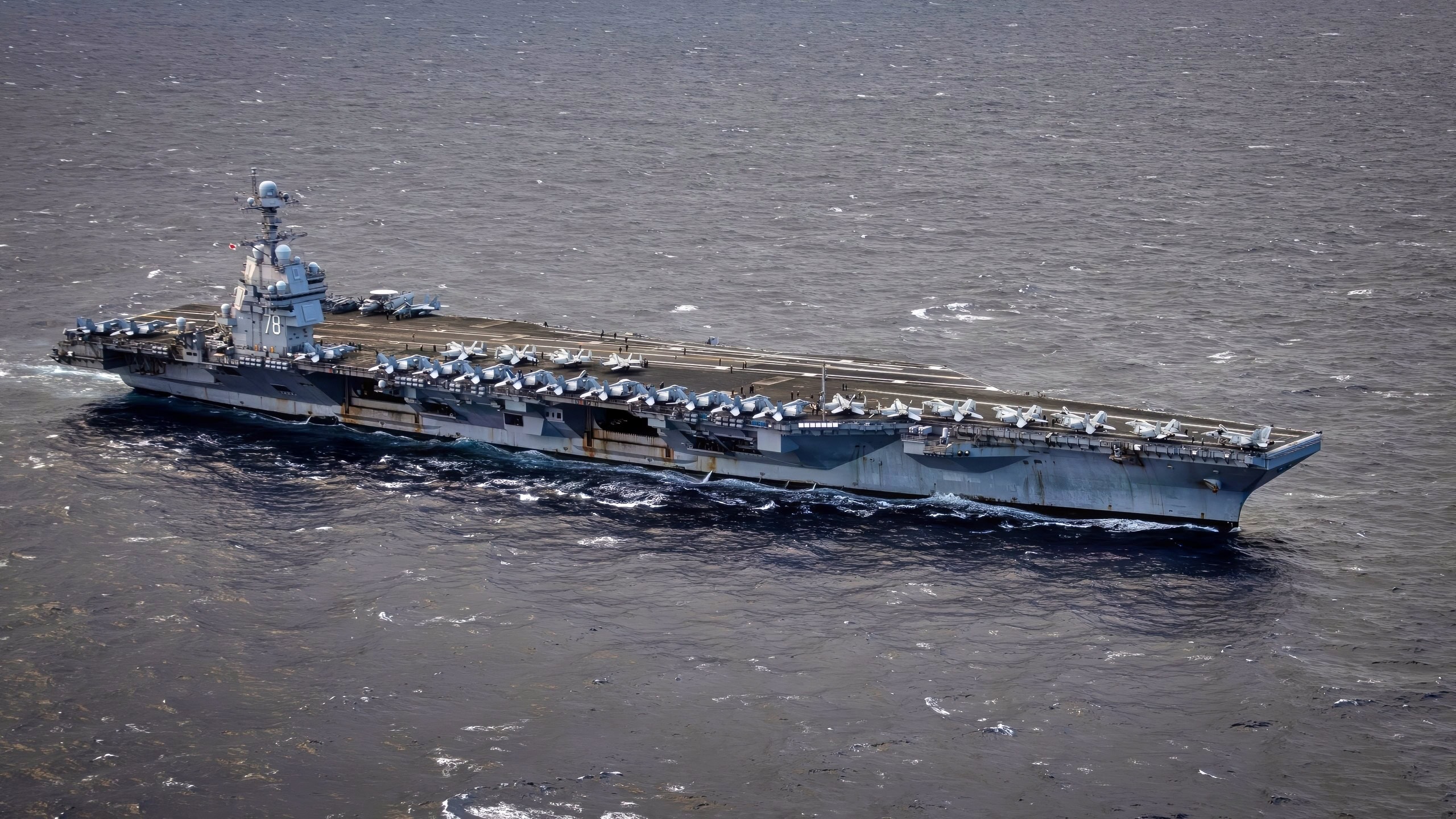
11,000 Munitions Gone in a Month in the Iran War. Now, Imagine Fighting China
If the United States cannot secure a clean victory over Iran — a country with no blue-water navy, no fifth-generation air force, and an economy smaller than the state of Texas — what hope does it have against China?
Thirty days into the campaign against Iran, with THAAD stocks drawn down and precision munitions being spent faster than they can be replaced, the question has more bite than Washington would like to admit.
It is, however, the wrong question. The campaign against Iran has achieved real successes — but degrading Iran and denying China a successful amphibious seizure of Taiwan are not the same problem.
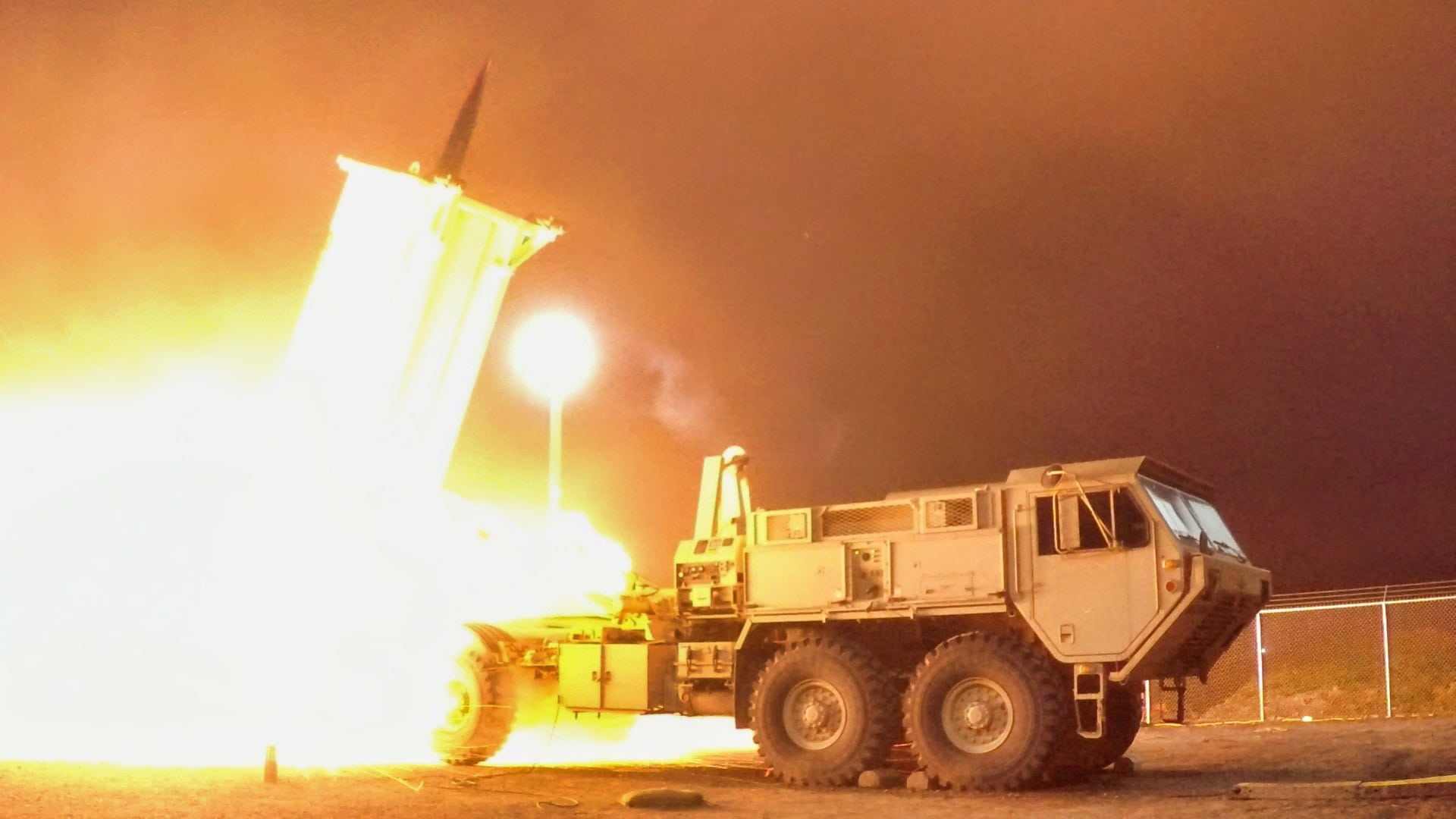
THAAD. Image Credit: Department of Defense.
Different problems, different operational logics. The Iran war is not a rehearsal for Taiwan.
It is something more useful: a stress test of the capabilities that defending Taiwan would demand.
The relevant question is whether the United States could prevent China from successfully conducting an amphibious seizure of Taiwan.
The Iran war speaks to that — but not in the ways either the pessimists or the optimists claim.
The Standard That Matters
Taiwan is a denial problem.
The United States does not need to dismantle the Chinese state.
It needs to make crossing the Taiwan Strait prohibitively costly: destroy the amphibious fleet before lodgment, suppress Chinese air and missile dominance long enough for that destruction to occur, and sustain the campaign until Beijing concludes the operation has failed.
That is the standard. Everything the Iran war teaches has to be evaluated against it.
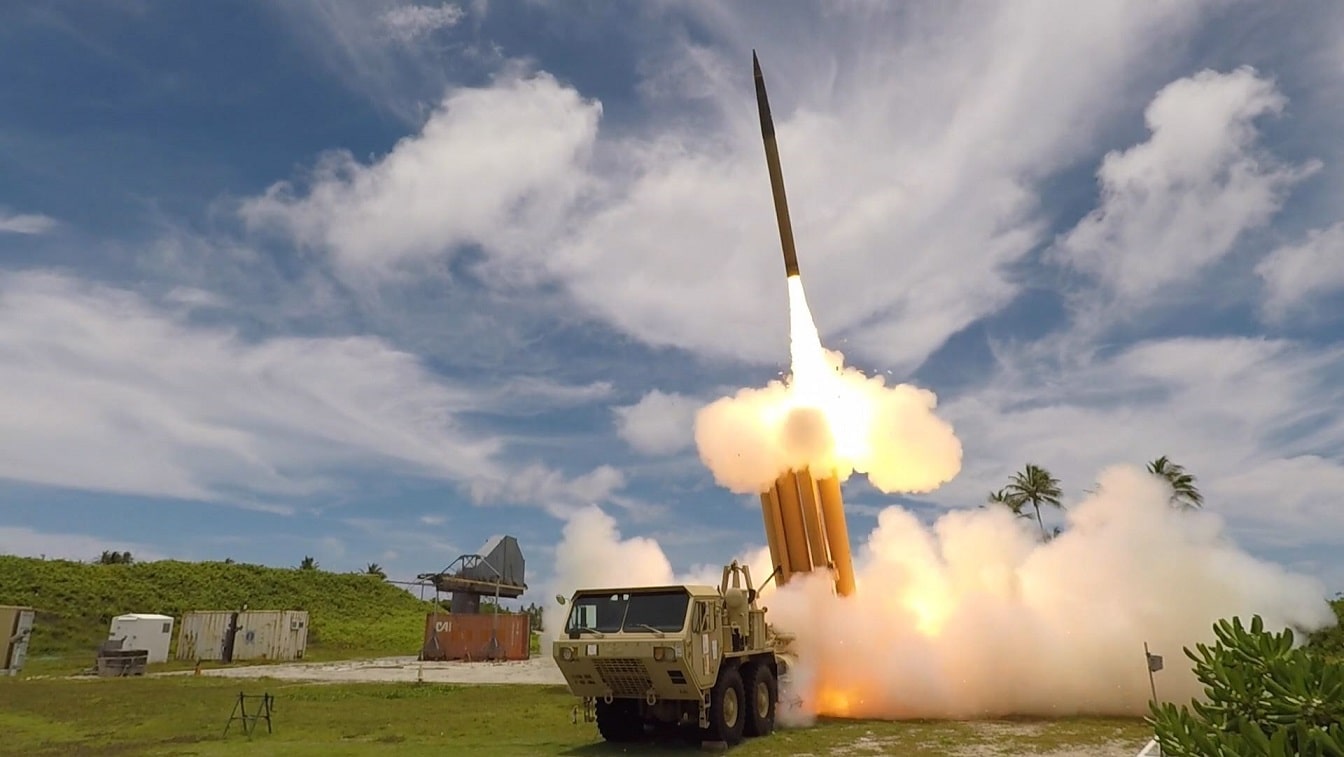
THAAD Missile Defense Battery Firing. Image Credit: Lockheed Martin.
And on that standard, the verdict is mixed.
What the War Gets Right
The opening phase of the campaign exceeded expectations. U.S. long-range strike assets — JASSMs, Tomahawks, B-2 operations against hardened targets — demonstrated genuine penetration capability against defended airspace. ISR and targeting held up under operational pressure. Nobody should minimize any of that.
It matters for Taiwan because the most plausible path to denial runs through killing the amphibious fleet and its logistics before the force reaches shore.
That requires exactly the capabilities the Iran campaign has exercised. On current evidence, the United States can open a denial campaign with real operational effect.
The caveat writes itself: Iranian air defenses are not Chinese air defenses.
The penetration problem over the Taiwan Strait, against a layered integrated system built specifically to contest American strike packages, is categorically harder. The confidence earned over Iran is real. It is not fully transferable.
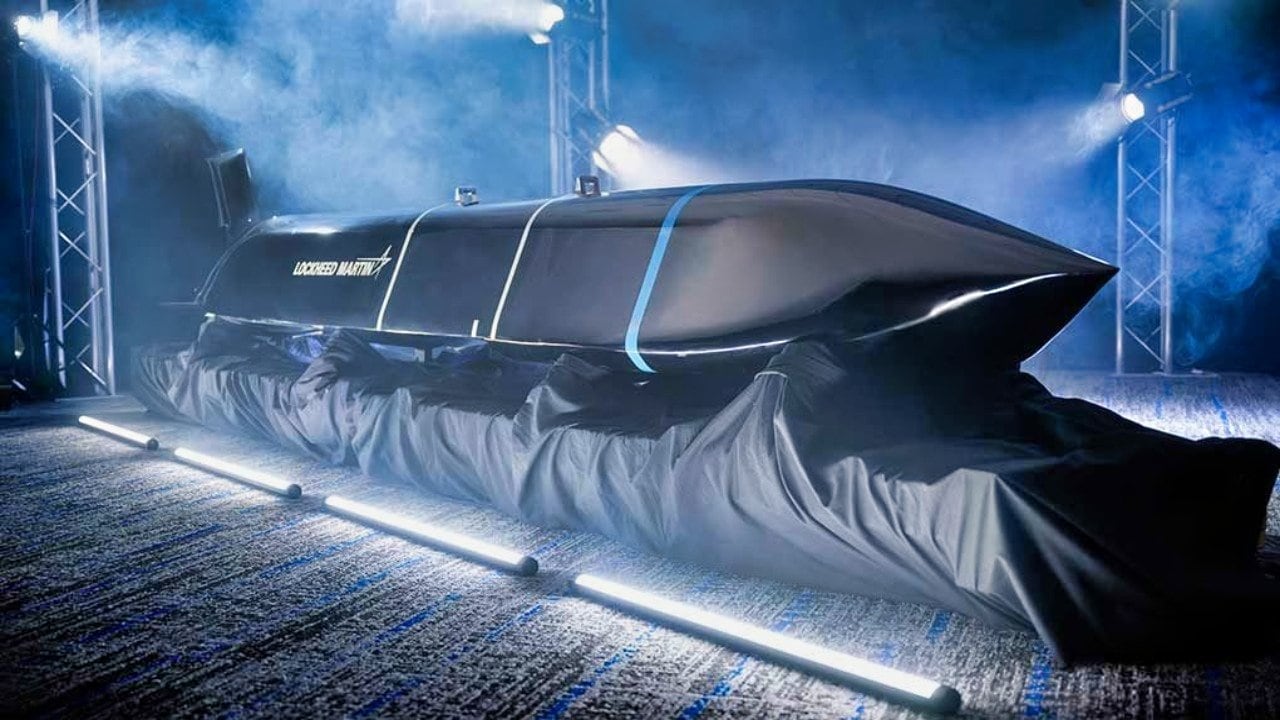
JASSM XR. Image Credit: Lockheed Martin.
Where the Ledger Turns
The munitions data tell the war’s most direct and most alarming story. Roughly a quarter of the entire THAAD interceptor stockpile was consumed in a matter of weeks.
More than 11,000 munitions were expended in under a month. Hundreds of Tomahawks and JASSMs — the same weapons a Taiwan contingency depends on — are already gone.
Against Iran, a second-tier adversary with constrained salvo generation and limited conventional force projection beyond its immediate region.
A Taiwan contingency is more intense and longer-lasting, and pits the United States against an adversary whose entire operational design is built around saturation. The vulnerability is not that the United States runs out on Day 1. The danger window is Weeks 2 through 8, when drawdown meets production rates measured in months, not days. That is when China would press hardest. That is when the stocks would be thinnest.
The cost-exchange problem compounds this. Iran’s ballistic missiles and drones are cheap. American interceptors are not, and the campaign has repeatedly required multiple interceptors per incoming target.
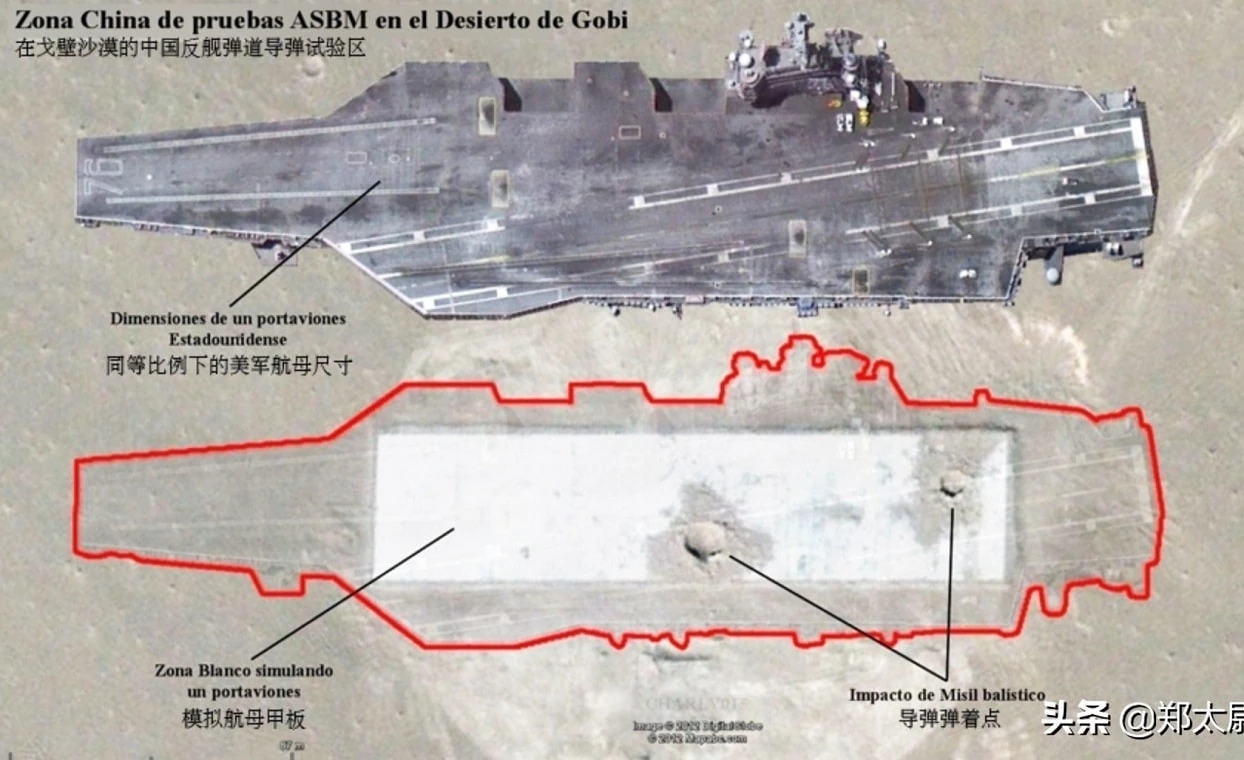
Image of US Navy Aircraft Carrier Under a Simulated Attack in Chinese Desert Mockup.
The math is unfavorable against Iran. China can generate massed DF-16 and DF-26 salvos at a scale deliberately designed to exploit that asymmetry — its military planners have studied the cost-exchange ratio for years, and the Iran campaign is now validating their model in real time.
This is not merely an inventory problem. It is a deterrence problem. If Beijing concludes the arithmetic works in its favor, the probability of war rises regardless of how that war might ultimately end.
Two Factors Complicate That Conclusion
Geography favors the defender in ways the Iran comparison obscures.
A Taiwan contingency is not a strike campaign against a continental adversary. The decisive terrain is the strait itself — 110 miles of open water that any amphibious force must survive before it can fight.
The defender does not need to stop China everywhere — only to make the transit costly enough that the fleet never reaches the beach intact. Taiwan’s western coastline offers few beaches capable of sustaining a large-scale landing, which means the attacker’s approach routes are more predictable than the breadth of the strait implies.
Allied capacity could shift the balance materially.
Japan brings strike capability and basing access; Australia brings range and logistics depth. But the munitions concern presupposes a largely American fight — and on current evidence, that assumption is doing a great deal of work. Japan’s Article 9 constraints have loosened but not dissolved, and Canberra has a long history of hedging when the stakes turn existential. The military contribution, if those commitments hold, is real and consequential. That is a significant if.
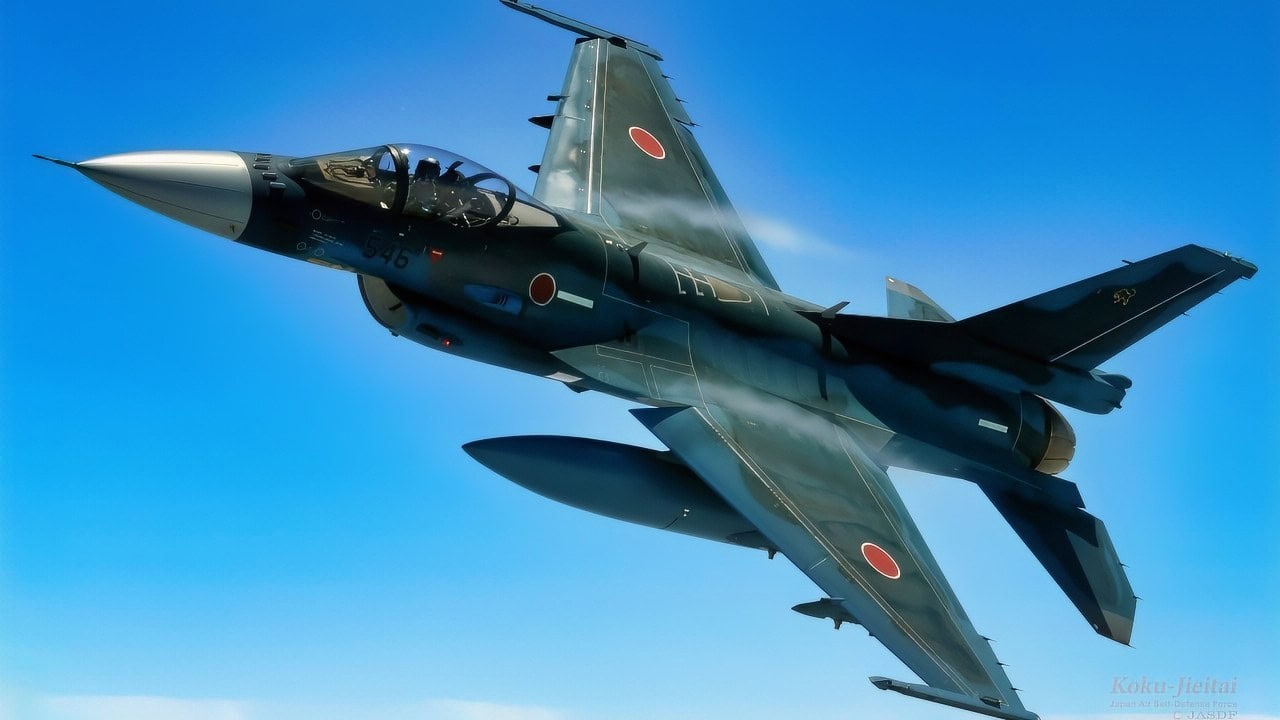
Mitsubishi F-2 Fighter for Japan.
Neither factor eliminates the underlying concern. They bound it.
The Lesson Beijing Is Drawing
Pull back from the operational level, and the war’s most consequential lesson may not be about warfighting at all. It is about what Chinese planners are concluding as they watch American intercept inventories thin in real time.
If Beijing assesses that U.S. and Taiwanese intercept capacity is finite and exhaustible, that the cost-exchange ratio structurally favors a saturation-heavy offensive, and that American political willingness to sustain high casualties over an extended campaign is uncertain — deterrence degrades.
Not because the United States lacks capability, but because the margin between denial succeeding and failing looks thinner than it did before February 28.
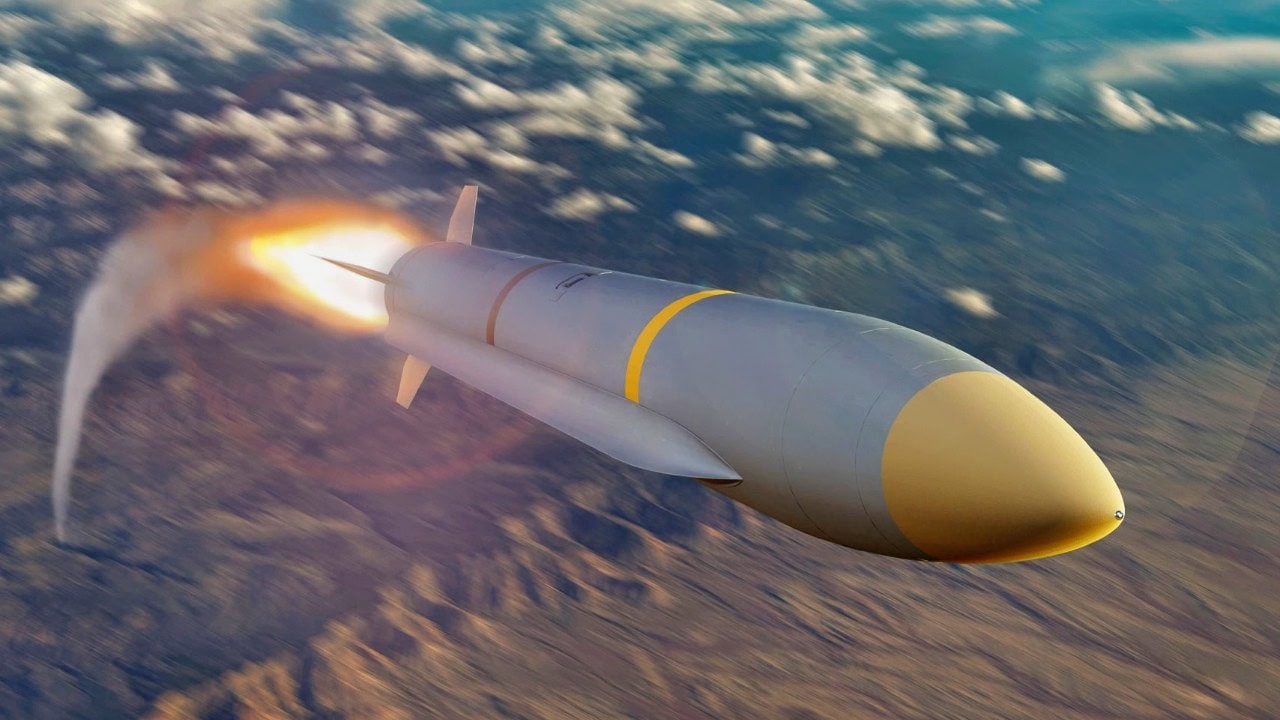
SiAW missile. Image Credit: Creative Commons.
The Iran war hasn’t answered the Taiwan question.
What it has done is narrow it.
If victory means denial, the issue is no longer whether the United States can strike effectively at the outset — it is whether American power can hold long enough to make denial stick.
On current evidence, that margin is thinner than Washington has been willing to admit.
China’s planners, watching the same war, are unlikely to miss it.
MORE – China’s H-20 Stealth Bomber Is Coming – We Just Don’t Know When
MORE – We Got Close to the YF-12A – The Mach 3 Cold War Interceptor That Looks Like the SR-71
About the Author: Dr. Andrew Latham
Andrew Latham is a professor of international relations and political theory at Macalester College in Saint Paul, MN. You can follow him on X: @aakatham. He writes a daily column for 19FortyFive.com.