
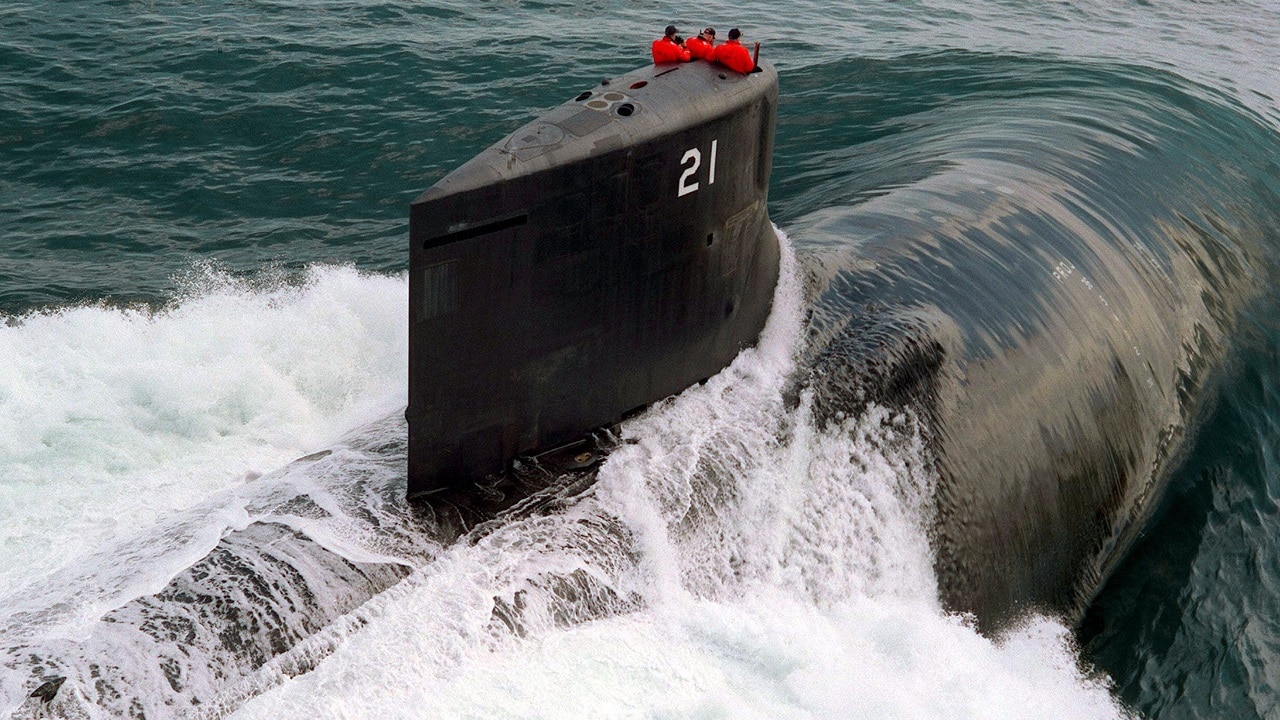
The Seawolf-class nuclear attack submarines are some of the most valuable assets in the U.S. Navy. Built at the end of the Cold War, these undersea hunters were equipped with the most sophisticated stealth features the U.S. Navy has to offer, along with some of the most advanced sonar and sensor suites.
All these together mean that the Seawolf-class is incredibly expensive, which is why only three submarines of the class were ever produced. For the last several years, however, the U.S. Navy has been operating with only two operational Seawolves. That is because the USS Connecticut (SSN-22) collided with a seamount during a routine patrol in the South China Sea.
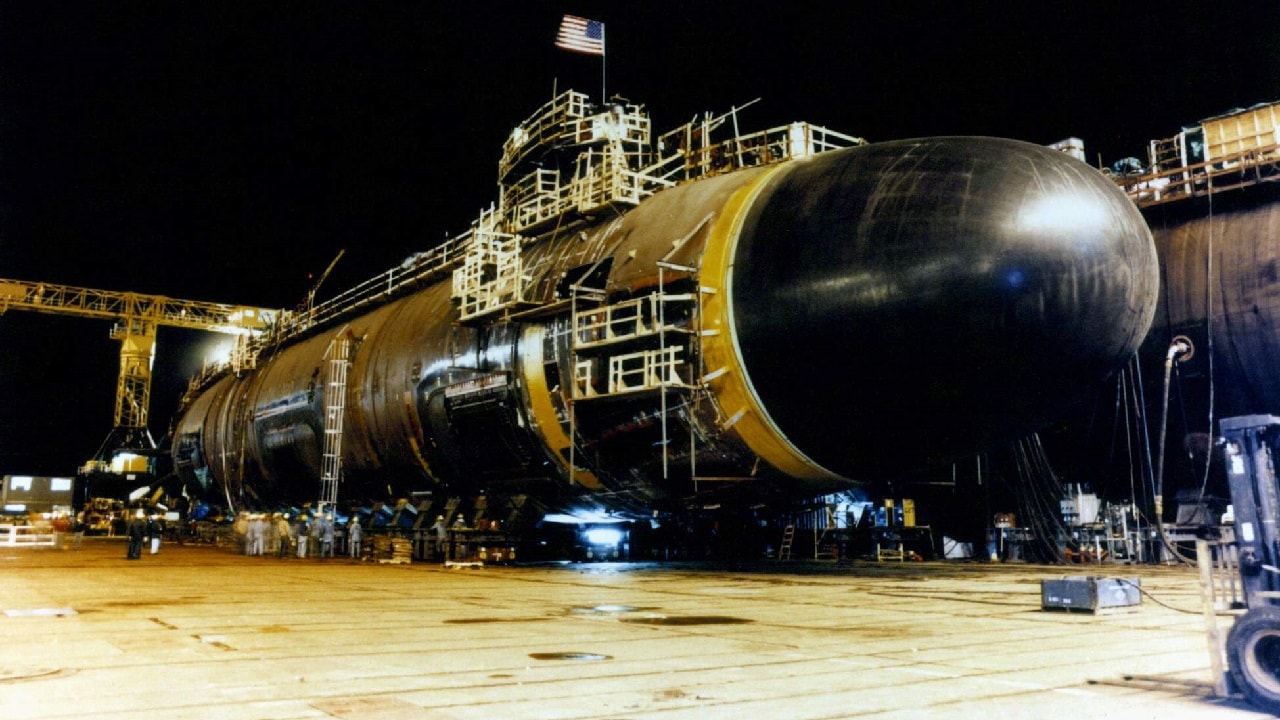
The first of a revolutionary new class of fast attack submarine, the Seawolf (SSN-21). Shown during construction at the Electric Boat Division of General Dynamics Corporation in Groton, Conn. She was christened by Margaret Dalton, wife of Secretary of the Navy John H. Dalton, on June 24, 1995.
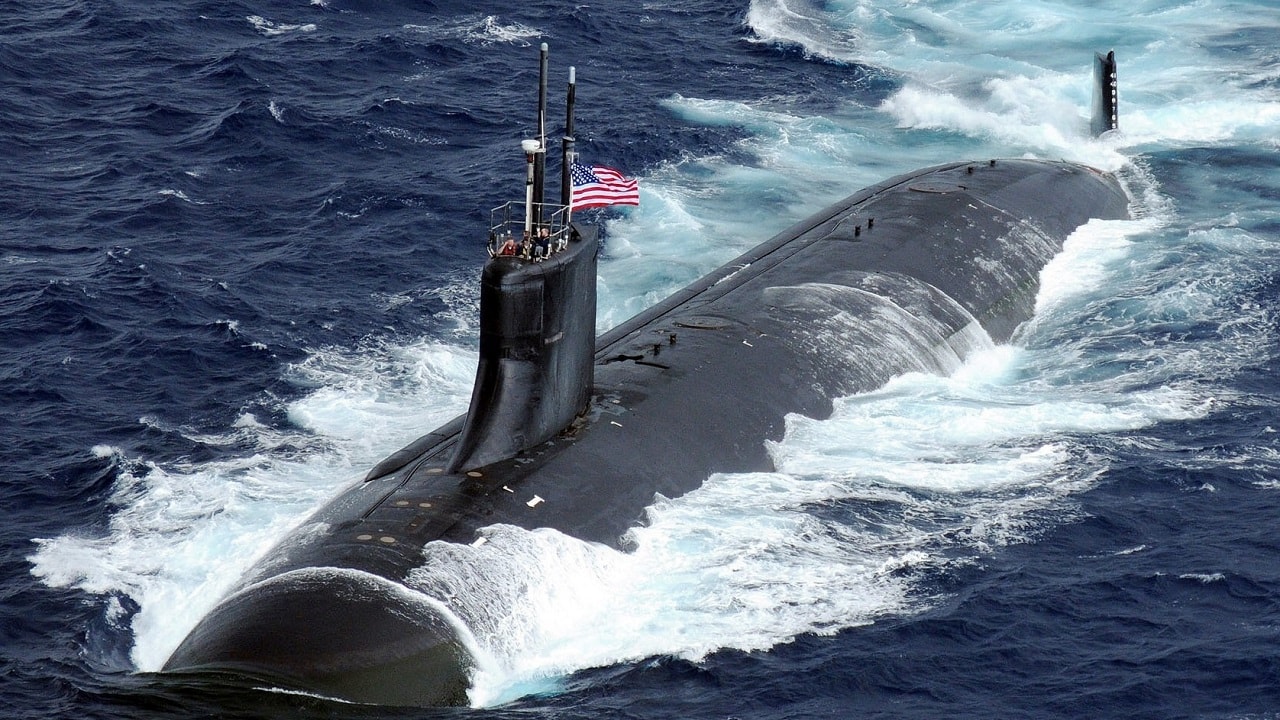
Seawolf-Class Submarine USS Seawolf. Image Credit: Creative Commons.
The Navy Loses a Prized Seawolf Submarine
On October 2, 2021, the USS Connecticut suffered a serious underwater collision while operating submerged in international waters of the South China Sea. The submarine struck an uncharted seamount, an underwater mountain that was not accurately depicted in available navigation charts.
The impact caused extensive damage to the vessel’s forward section, including its bow structure, ballast tanks, and sonar dome. Although the nuclear reactor and propulsion plant remained intact and safe, the damage was severe enough that the submarine was forced to surface. Had the accident occurred during wartime conditions, Connecticut and her crew could have been in serious danger.
Several sailors aboard USS Connecticut were injured in the collision, though no fatalities were reported. Following the accident, the submarine limped to Guam for an initial damage assessment and temporary stabilization by repair teams.
It then made a long surface transit to San Diego, California, before continuing on to Puget Sound Naval Shipyard in Washington State for a detailed inspection and permanent repairs.
Photographs taken during this period, showing the submarine with a visibly crushed bow and missing sonar dome, made clear just how serious the damage and sent a clear message: Connecticut would be out of action for a long time.
A Disaster that Could Have Been Avoided
A formal Navy investigation into the accident concluded that the accident was easily preventable.
The investigative report identified serious deficiencies in navigation planning and risk management aboard the submarine. According to the Navy, these failures reflected a weak command climate and insufficient adherence to established operational procedures, rather than solely unavoidable environmental factors.
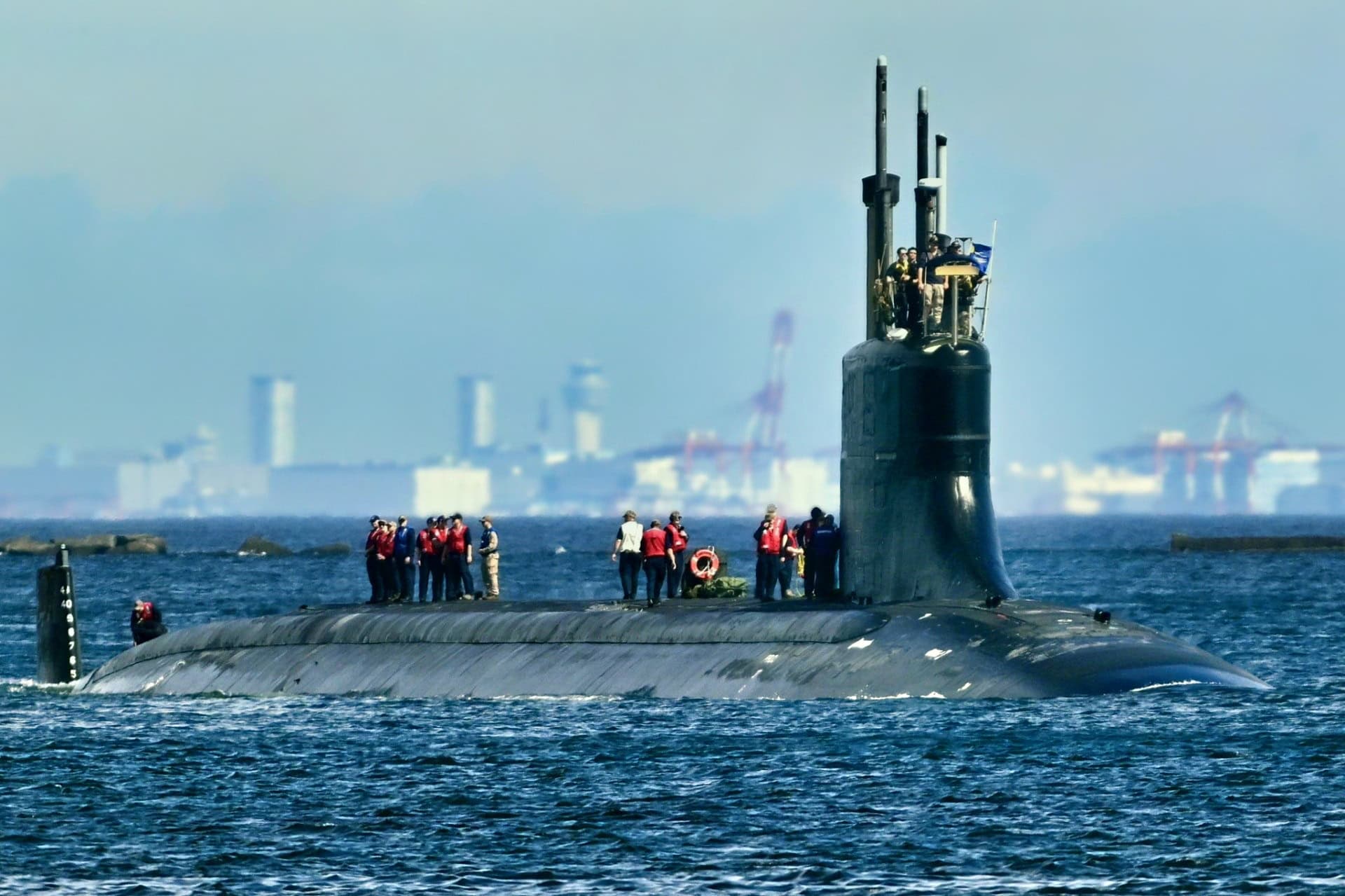
Seawolf-Class Submarine. Image Credit: Creative Commons.
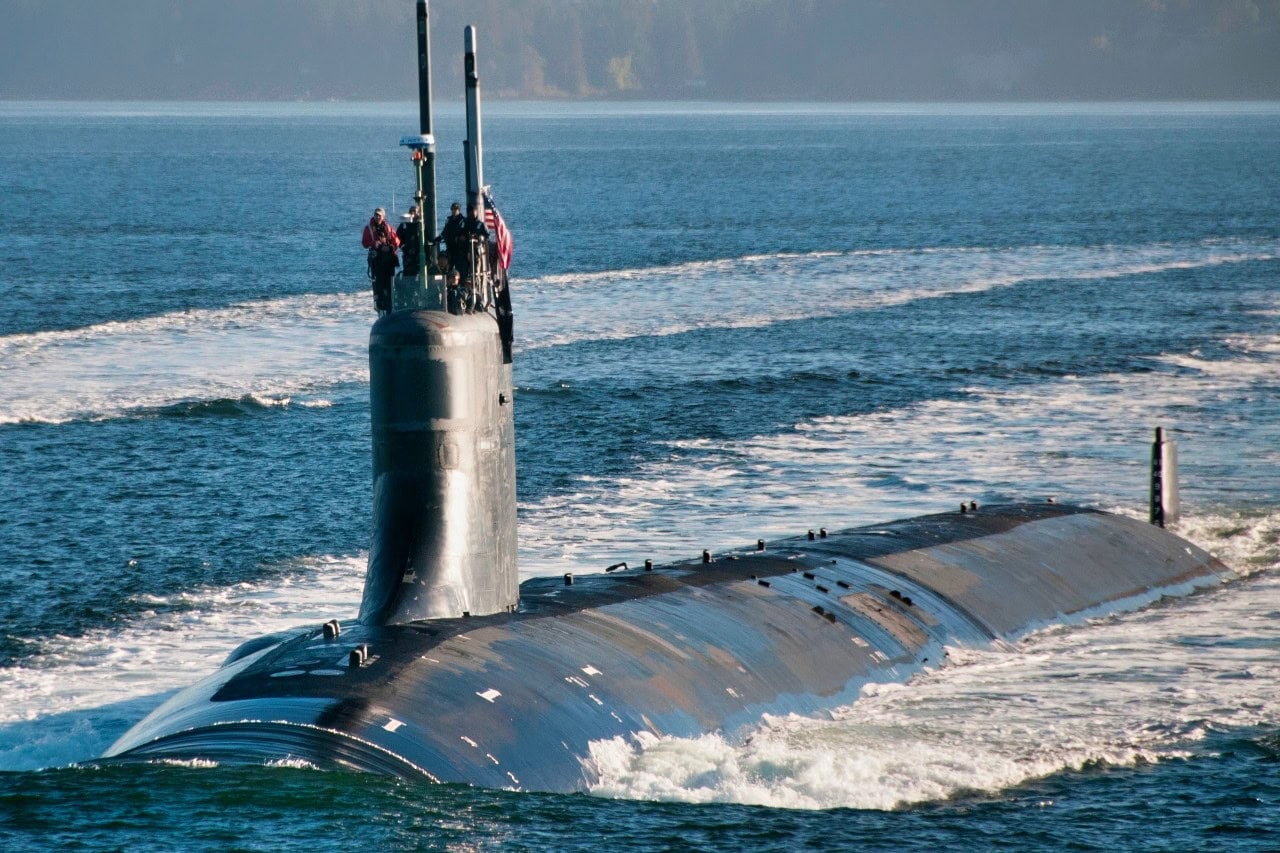
PUGET SOUND, Wash. (Sept. 11, 2017) The Seawolf-class fast-attack submarine USS Jimmy Carter (SSN 23) transits the Hood Canal as the boat returns home to Naval Base Kitsap-Bangor. Jimmy Carter is the last and most advanced of the Seawolf-class attack submarines, which are all homeported at Naval Base Kitsap. (U.S. Navy photo by Lt. Cmdr. Michael Smith/Released)
As a result of the findings, the Navy relieved USS Connecticut’s commanding officer, executive officer, and chief of the boat of their duties in November 2021, a rare but decisive accountability action underscoring the seriousness of the incident.
Beyond individual disciplinary measures, the investigation prompted broader institutional changes within the submarine force.
The Navy identified 28 corrective actions to improve navigation safety, training standards, and certification processes, many of which were implemented fleet-wide.
According to Senior Navy Officials, the accident revealed systemic risks associated with operating complex submarines at high speed in poorly surveyed areas, particularly in regions where strategic pressure encourages aggressive operational tempos.
Why Repairs Have Taken So Long
The physical repair of USS Connecticut has proven to be a far more complex undertaking than initially anticipated. One major reason for the lengthy timeline is the submarine’s unique Seawolf-class design.
Because production of the class ended decades ago, replacement parts, especially for specialized components such as the bow sonar dome, are not readily available. Unlike more numerous submarine classes, there are no decommissioned Seawolf hulls from which to salvage compatible components, forcing the Navy to manufacture or heavily modify replacement parts with long lead times and extensive certification requirements.
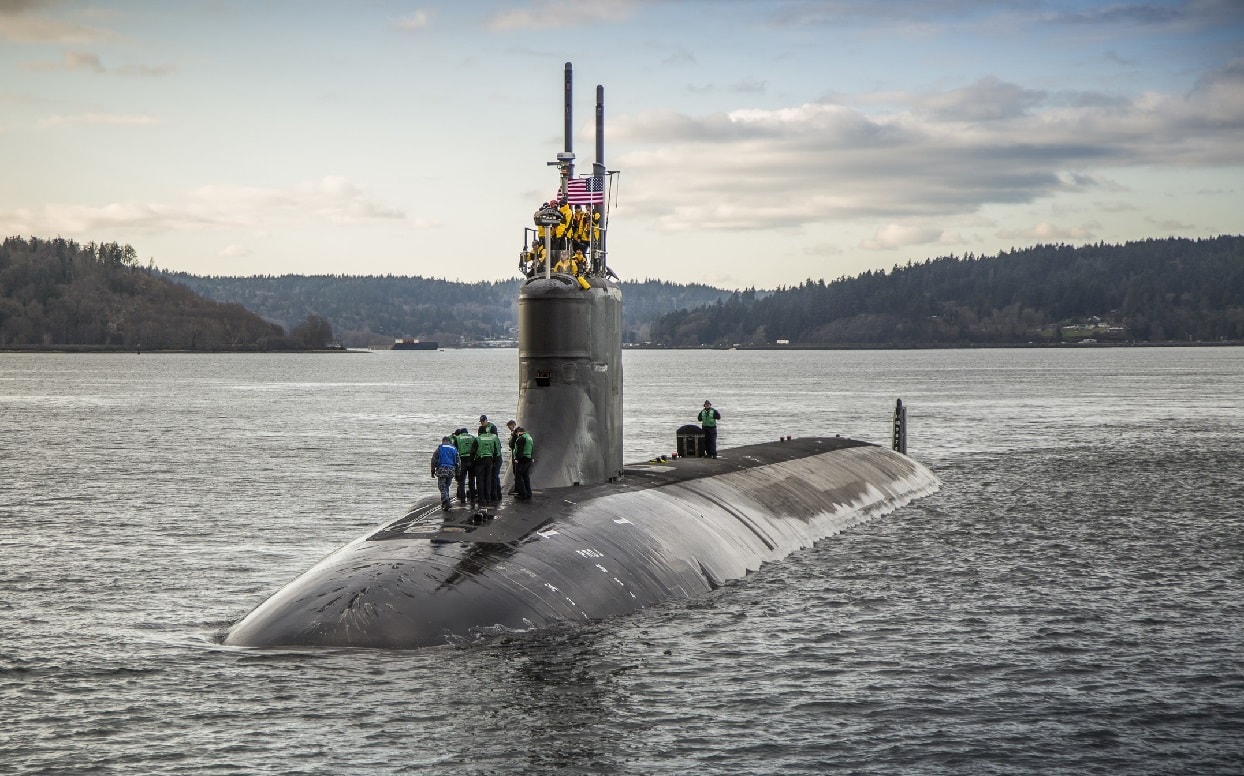
BREMERTON, Wash. (Dec. 15, 2016) – The Seawolf-class fast-attack submarine USS Connecticut (SSN 22) departs Puget Sound Naval Shipyard for sea trials following a maintenance availability. (U.S. Navy photo by Thiep Van Nguyen II/released)
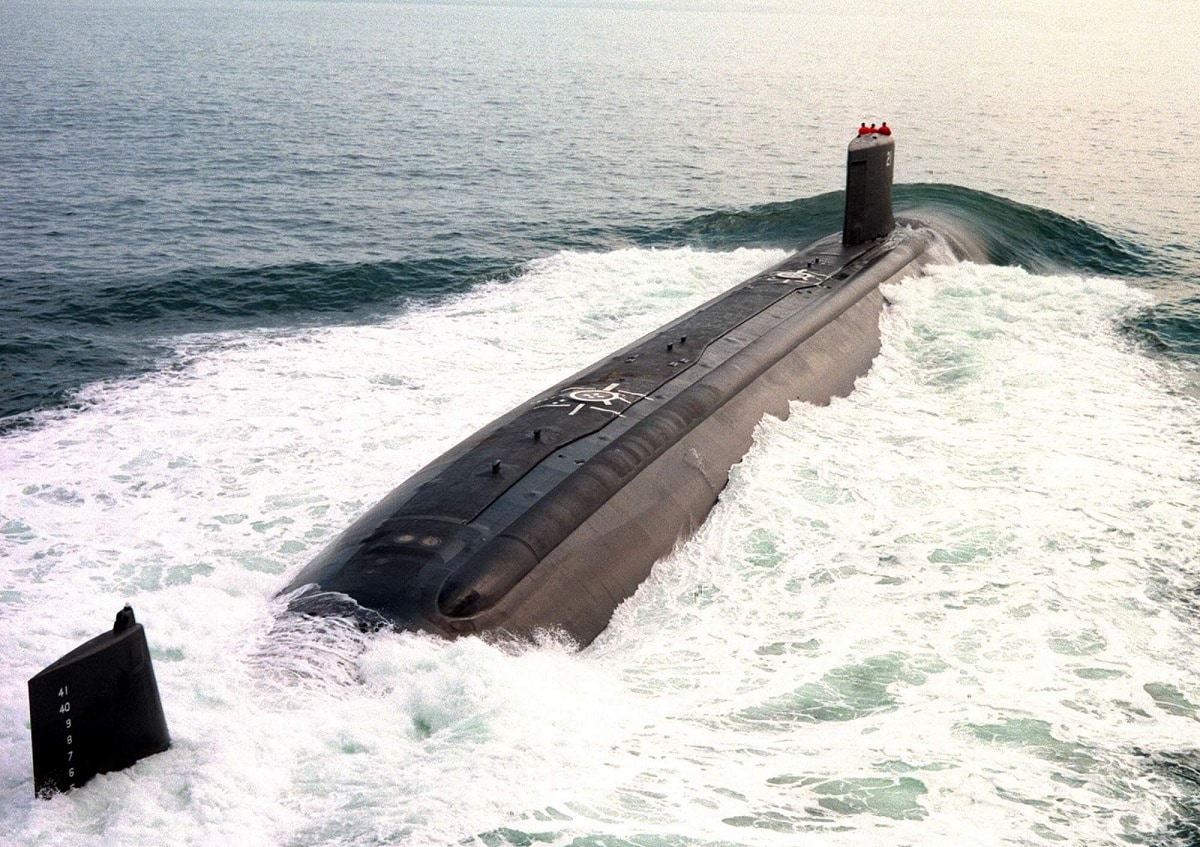
Seawolf-class. Image: U.S. Navy.
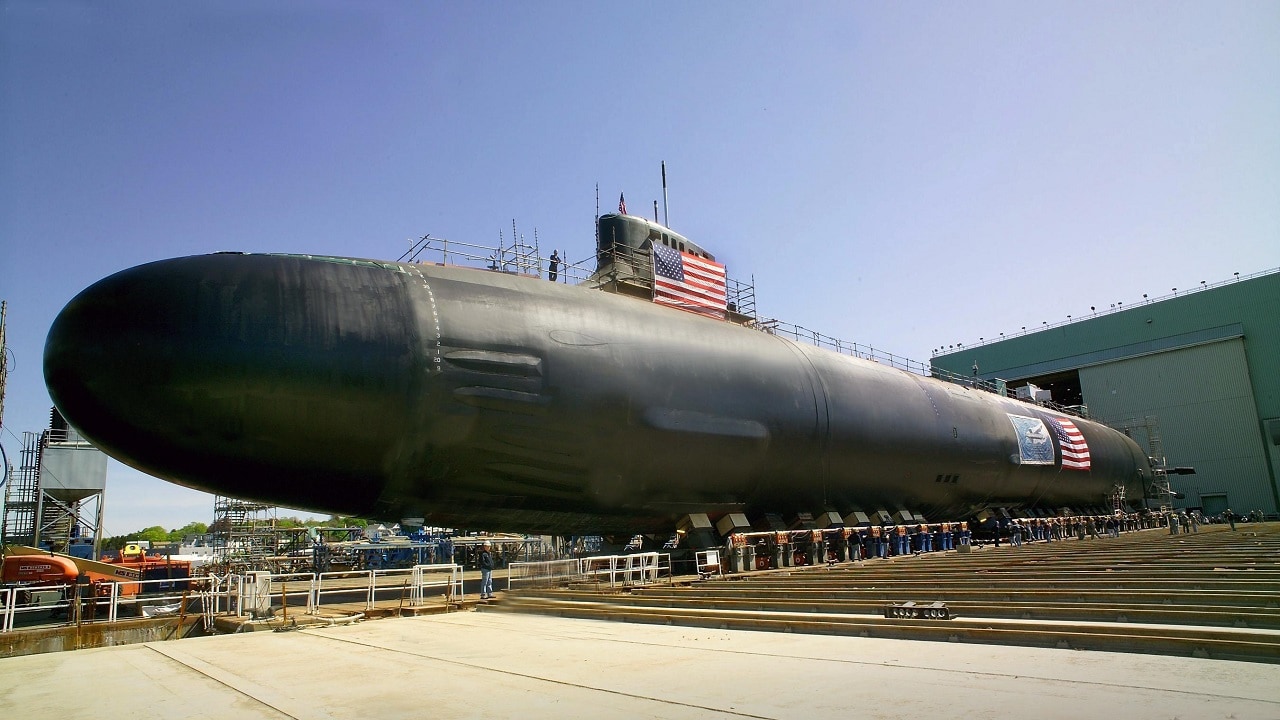
Seawolf-class Submarine. Image Credit: Creative Commons.
USS Connecticut entered a formal Extended Docking Selected Restricted Availability (EDSRA) in February 2023 at Puget Sound Naval Shipyard. An EDSRA is one of the most comprehensive maintenance periods in a submarine’s lifecycle, involving hull inspections, structural work, reactor maintenance, and systems modernization.
In Connecticut’s case, this scheduled mid-life maintenance had to be combined with major collision damage repairs, significantly increasing the scope and duration of the availability. Shipyard officials have stated that both planned maintenance and accident-related repairs are being addressed simultaneously to avoid the need for multiple extended yard periods.
Out of Action Until Late-2026
Broader challenges within the Navy’s shipyard system have also contributed to delays. Puget Sound Naval Shipyard, like other public naval shipyards, has struggled with workforce shortages, infrastructure limitations, and competition for dry-dock space amid a growing backlog of submarine maintenance work.
Seismic upgrades to shipyard facilities further constrained dock availability, delaying Connecticut’s full entry into dry dock.
Analysts and government oversight bodies have cited these factors as evidence of long-standing capacity constraints in the Navy’s submarine repair enterprise.

(August 16, 2006) – USS Jimmy Carter (SSN 23) sits moored in the Magnetic Silencing Facility at Naval Base Kitsap Bangor Aug 16 for her first ìdepermingî treatment. The deperming process reduces a ships electromagnetic signature as she travels through the water. U.S. Navy Photograph by MCCM(AW) Jerry McLain (Released)
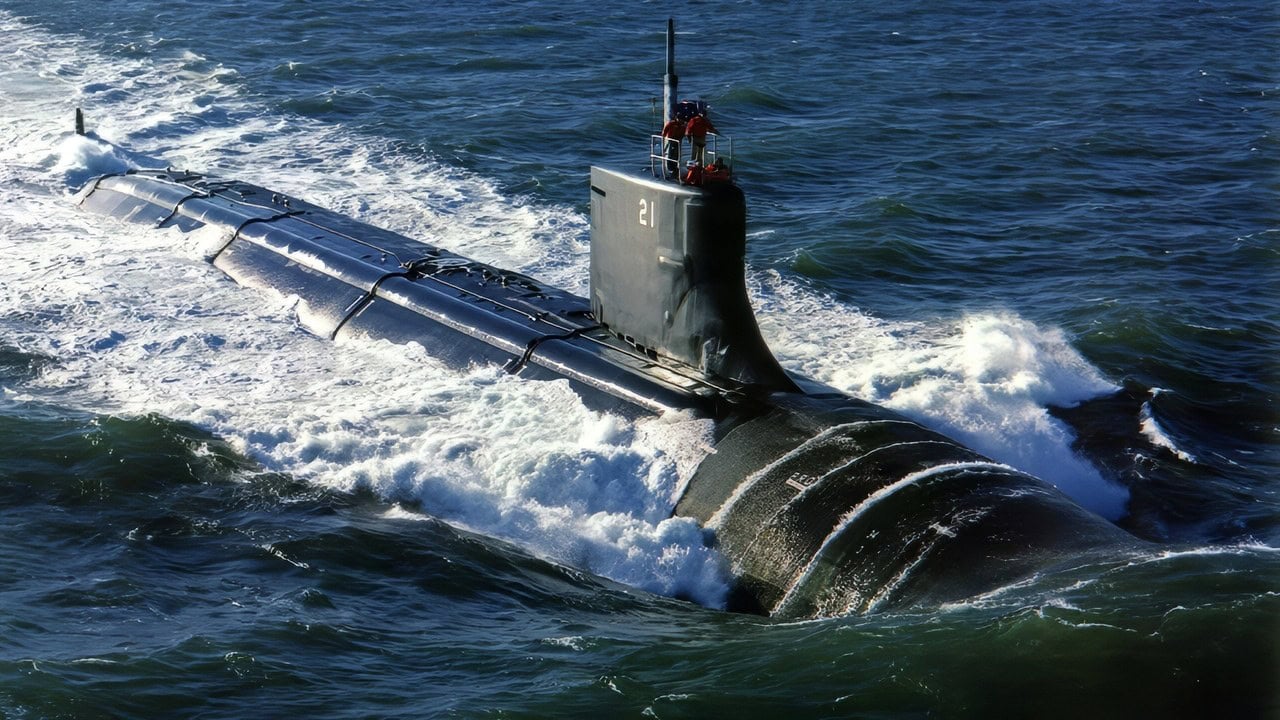
The nation’s newest and most advanced attack submarine Seawolf (SSN 21) puts to sea in the Narragansett Bay operating area for her first at-sea trial operations on July 3, 1996. Sea trials include various tests of the Seawolf propulsion systems and the first underway submergence of the submarine. The Seawolf represents the Navy’s most advanced quieting technology, weaponry, tactical capability and communications. Seawolf is scheduled to be delivered to the Navy and commissioned this fall. U.S. Navy photo courtesy of General Dynamics.
As of early 2026, the Navy’s official position is that USS Connecticut is expected to return to operational service in late 2026. Earlier estimates anticipating a return in fall 2025 proved overly optimistic as material delays and execution challenges at the shipyard accumulated.
Navy spokesmen have repeatedly insisted that the submarine’s repair is a top priority due to its unique capabilities and the lack of suitable substitutes in the current fleet. Some less optimistic analysts, however, think that additional delays could slide Connecticut’s reintroduction into 2027, but the Navy maintains confidence in the late-2026 timeline.
About the Author: Issac Seitz
Isaac Seitz, a Defense Columnist, graduated from Patrick Henry College’s Strategic Intelligence and National Security program. He has also studied Russian at Middlebury Language Schools and has worked as an intelligence Analyst in the private sector.