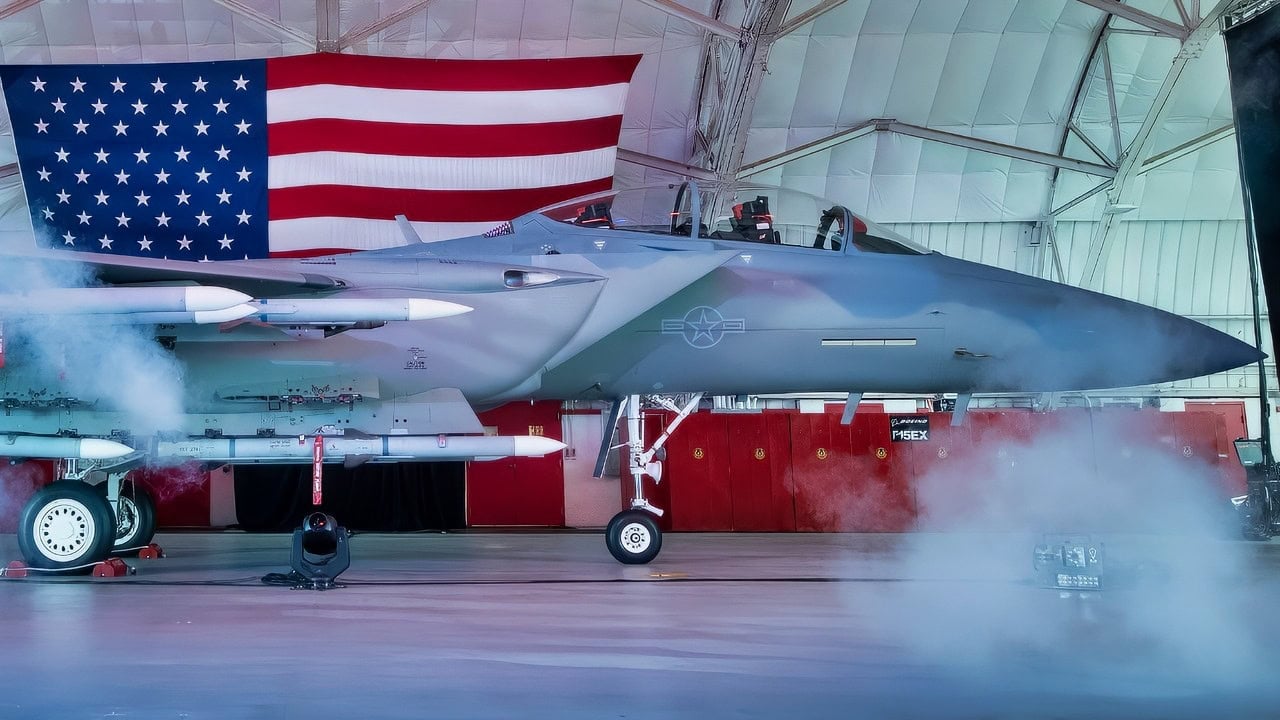
Kuala Lumpur – In the past 24 hours, the US Air Force (USAF) has announced plans to double production orders for the F-15EX Eagle II, the latest and most modernized derivative of the twin-engine air superiority fighter originally designed in the 1970s. With this order, the F-15 in general has all the appearances of exhibiting the mythical “9 lives” that cats are supposed to be endowed with.
But as of this latest order, the “Eagle”, as it is referred to (with the F-15EX variant now officially designated the “Eagle II”), the number of sales left in the life of this aircraft will have it still in production well beyond more than half a century since it first flew.
In one commentary a year ago, the aircraft’s status was described as: “the F-15 has gone from ‘rolling retirement’ to a top USAF priority.”
As of today, the official USAF buy is 267 F-15EX Eagle II aircraft, up from the original order book of 129. The service’s plan now calls for procuring the full number of jets in a multi-year buy, with the production tempo steadily increasing.
The USAF unveiled its fiscal 2027 budget yesterday, calling for an additional 24 F-15EXs next year at a cost of $3 billion. That plan would call for an average of only two aircraft per month in the immediate future, a doubling of the current rate of one aircraft announced earlier in the year.
But the longer-range procurement schedule for the aircraft calls for increasing production well beyond this level, so 24 aircraft per year is just the start of the ramp-up, according to the new USAF plan.
The new USAF 2027 budget will increase by about 25 percent, while overall procurement spending will rise by about 30 percent. The US Air Force Secretary, Troy Meink, has characterized the spending increase as a marked change in the intentions behind these dramatic procurement numbers.
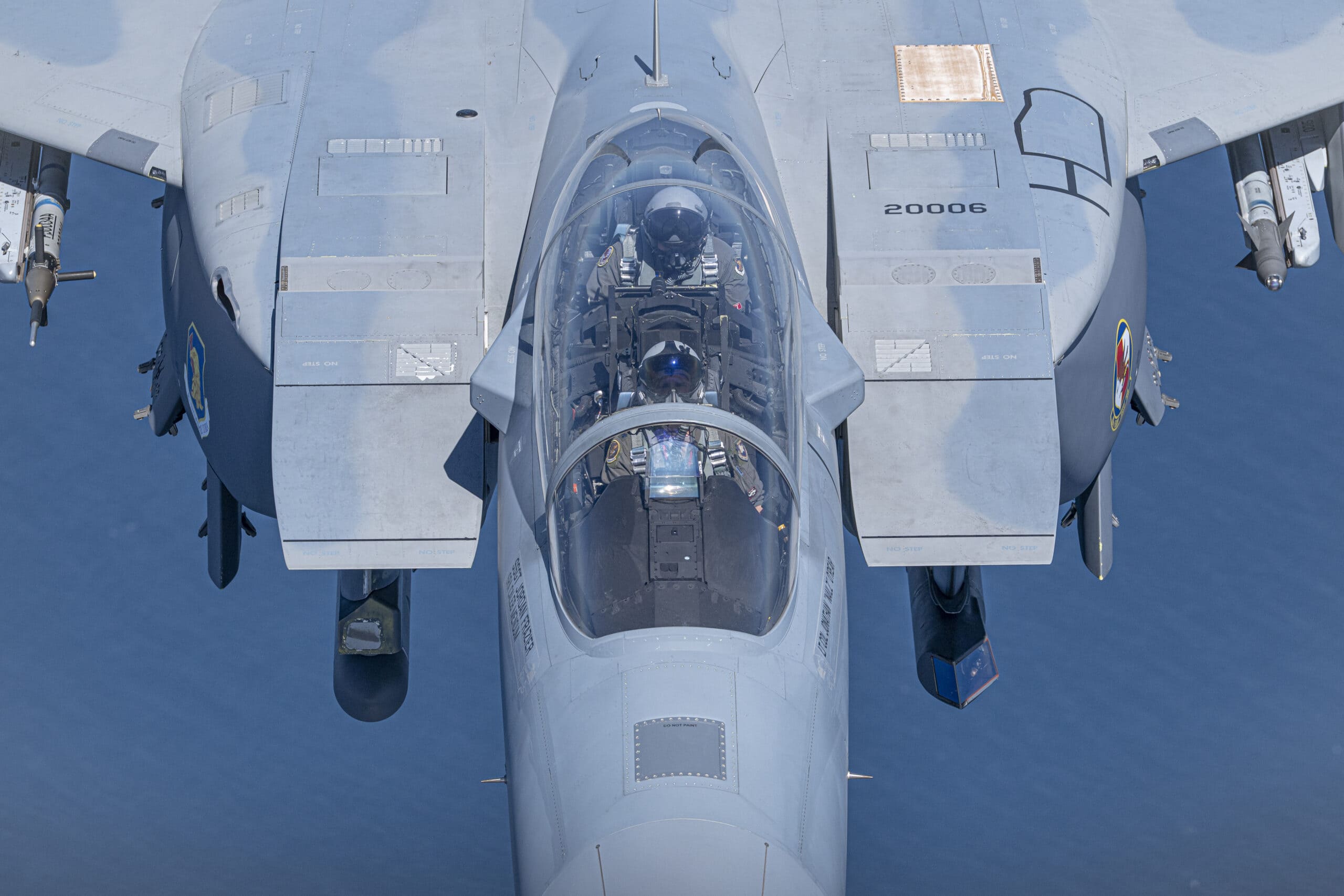
A U.S. Air Force F-15EX Eagle II flies over the Gulf of America, September 16, 2025. The F-15EX, from the 40th Flight Test Squadron at Eglin Air Force Base, Florida, is one of the first F-15EXs in the Air Force, and is going through developmental and operational test series at Eglin to confirm its operational capabilities before it is delivered to the combat Air Force. (U.S. Air Force photo by Tech Sgt. Jacob Stephens)
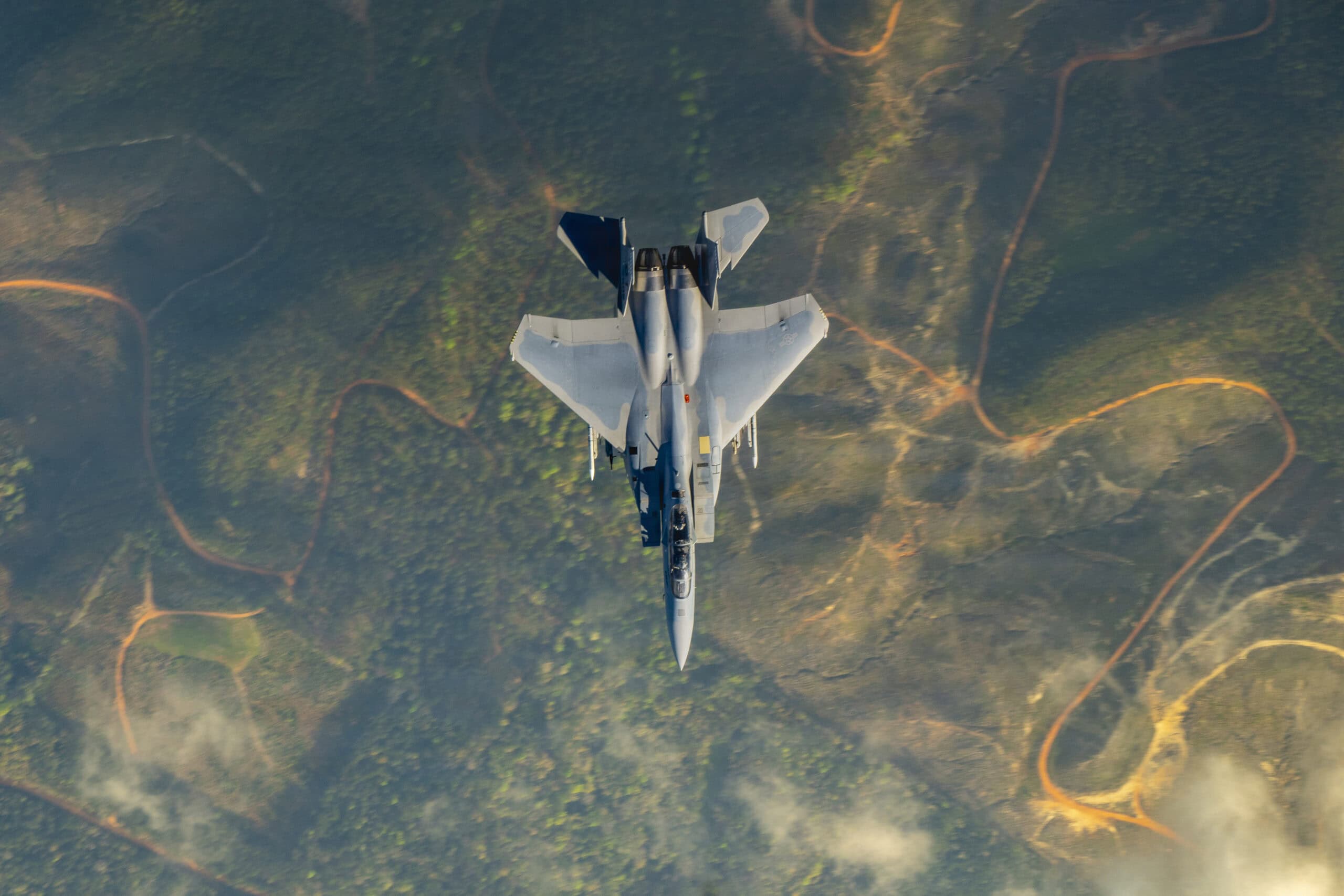
A U.S. Air Force F-15EX Eagle II assigned to Eglin Air Force Base, Florida, flies a training mission over southeast United States, March 23, 2026. The 96th Test Wing and 53rd Wing perform developmental and operational test series on the platform including next-generation survivability, radars, sensors and networking capabilities. (U.S. Air Force photo by Staff Sgt. Blake Wiles)
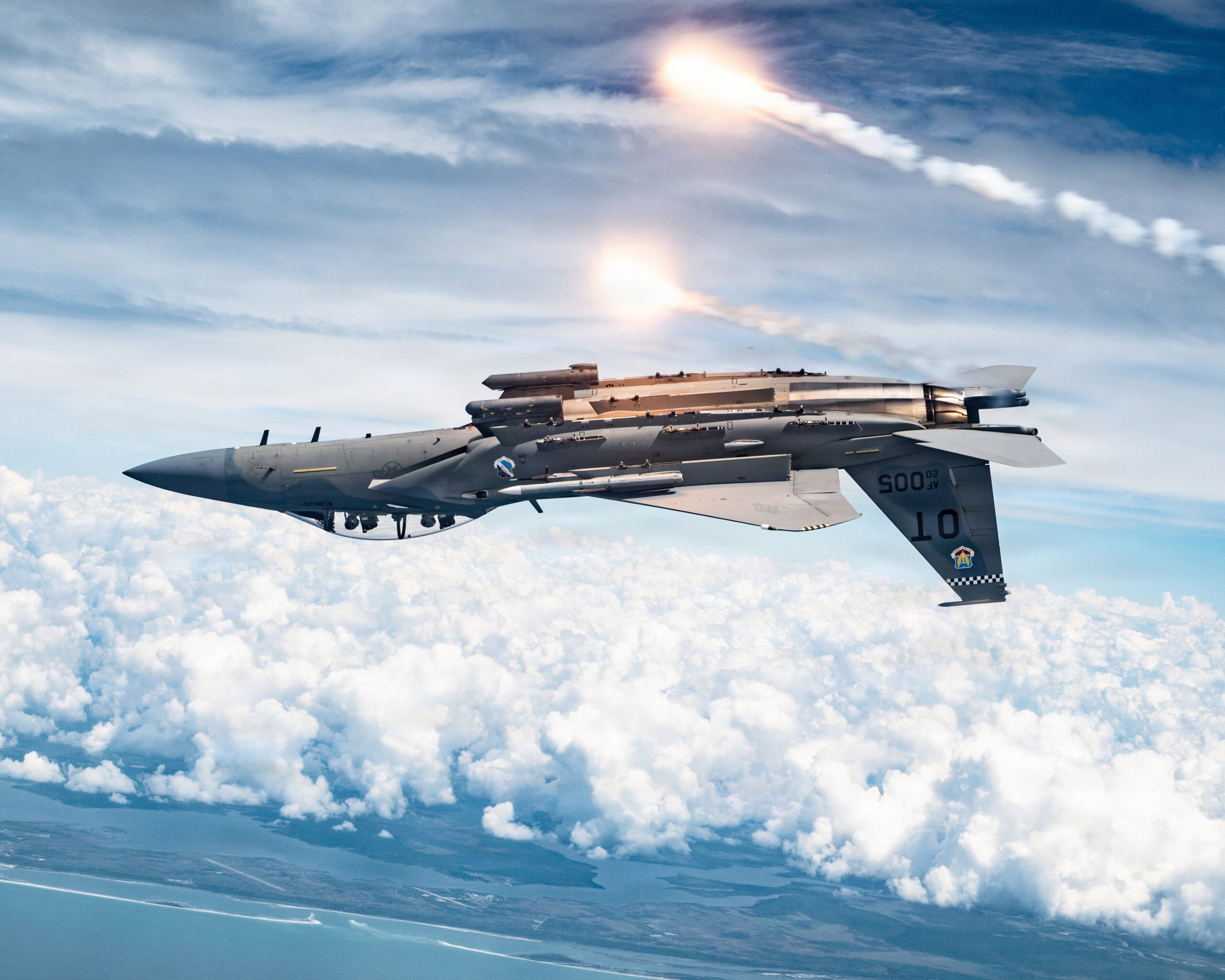
A U.S. Air Force F-15EX Eagle II assigned to Eglin Air Force Base, Florida, releases flares over the Gulf Coast, April 3, 2026. The 96th Test Wing and 53rd Wing perform developmental and operational test series on the platform including next-generation survivability, radars, sensors and networking capabilities. (U.S. Air Force photo by Tech Sgt Thomas Barley)
“FY 2027 moves beyond the trade-off between modernization and readiness,” says the USAF Secretary, by funding both activities simultaneously. If the USAF reaches 267 jets, the USAF fleet could eventually operate 13 squadrons of 21 aircraft each.
These numbers would also address the aircraft shortages that have persisted for years. It would permit the USAF to field an effective fighting force in all its theaters of responsibility and operations. With 267 F-15EX models, this would be enough airframes to fill the ranks of active-duty fighter wings, as well as Air National Guard units, plus overseas rotations.
F-15 Replacements Needed
Several commentators have made the point that this procurement is not just the USAF engaging in its usual imperative to buy more fighters. It is the recognition of the many aspects of air warfare that have changed over the past few decades.
These are evolutionary trends that affect not only the USAF but also allies who operate US fighter aircraft.
For the USAF, among other requirements, expanding the aircraft buy was intended to provide a replacement for the F-15E Strike Eagle. This platform entered service in the 1980s and has been the Air Force’s primary deep-strike fighter ever since.
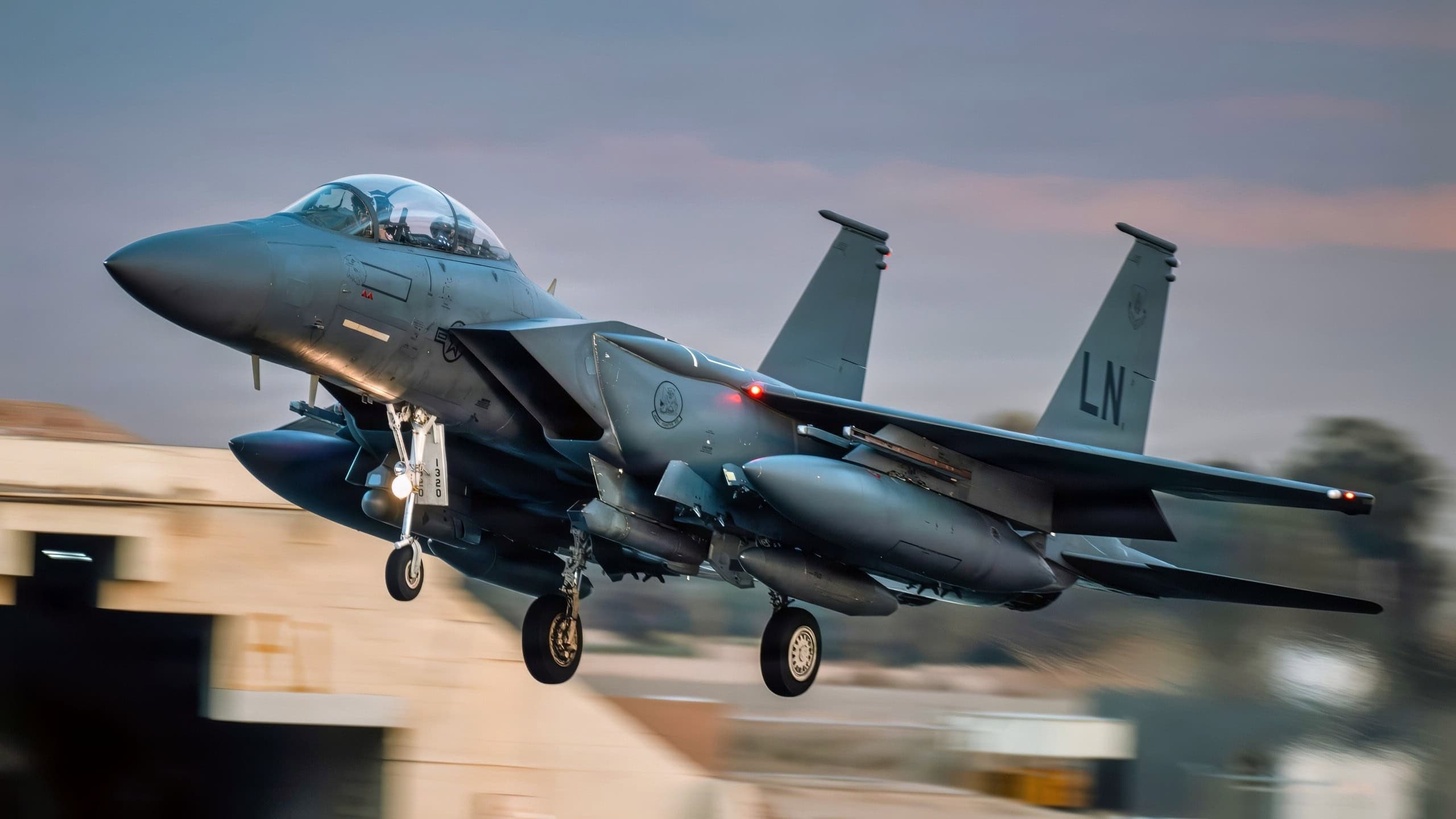
A U.S. Air Force F-15E Strike Eagle aircraft prepares to land at a base in the Middle East, Jan. 18, 2026. The U.S. maintains a highly agile fighting force, leveraging the most advanced capabilities to support the long-term security and stability of the region. (U.S. Air Force photo by Senior Airman Jonah Bliss)
At different points along the timeline, the aircraft had been projected for retirement from service and for production to be truncated. But the realization that there is no real replacement for it always seems to get in the way.
But more than one factor intervened in this most recent calculus. One is that the F-22 buy did not even reach half of the 750 units in the original program plan. The F-15C/Ds in service have thus been pressed into missions and roles not originally intended for the aircraft and are increasingly in need of replacement.
At present, the F-15C/D models remaining in service were largely produced from the 1970s and into the 90s, and many are increasingly suffering from structural fatigue. Up to 75 percent of those aircraft are today subject to performance limits (i.e., G-force maneuvering restrictions, specific issues with certain external stores) when flying missions.
This is due to the age and the number of hours already on the airframe. These older aircraft also require more frequent maintenance stops than normal.
Beyond these complications, the costs of maintaining these previous-generation F-15s are high and generally inefficient. This is because of the high opportunity when compared with other options. In more than one instance, this has prompted a move to more modern, cost-effective, and capable platforms.
Most recently, the most-capable F-15C/Ds still in service have been pulled from RAF Lakenheath in the UK and from Kadena Air Base in Japan. These are the aircraft equipped with the AN/APG-82 Active Electronically Scanned Array (AESA) radar, the higher-thrust GE F110 engines (instead of Pratt & Whitney F100 variants), and other modern subsystems.
These two air bases are the most forward-located F-15 units. The Lakenheath F-15s have been replaced by F-35s, and the Okinawa aircraft have been withdrawn in favor of F-35 and F-16 deployments. Kadena is ultimately planned to have a permanent contingent of F-15EX based there when they become available due to the need for the advanced combat power of the F-15EX Eagle II.
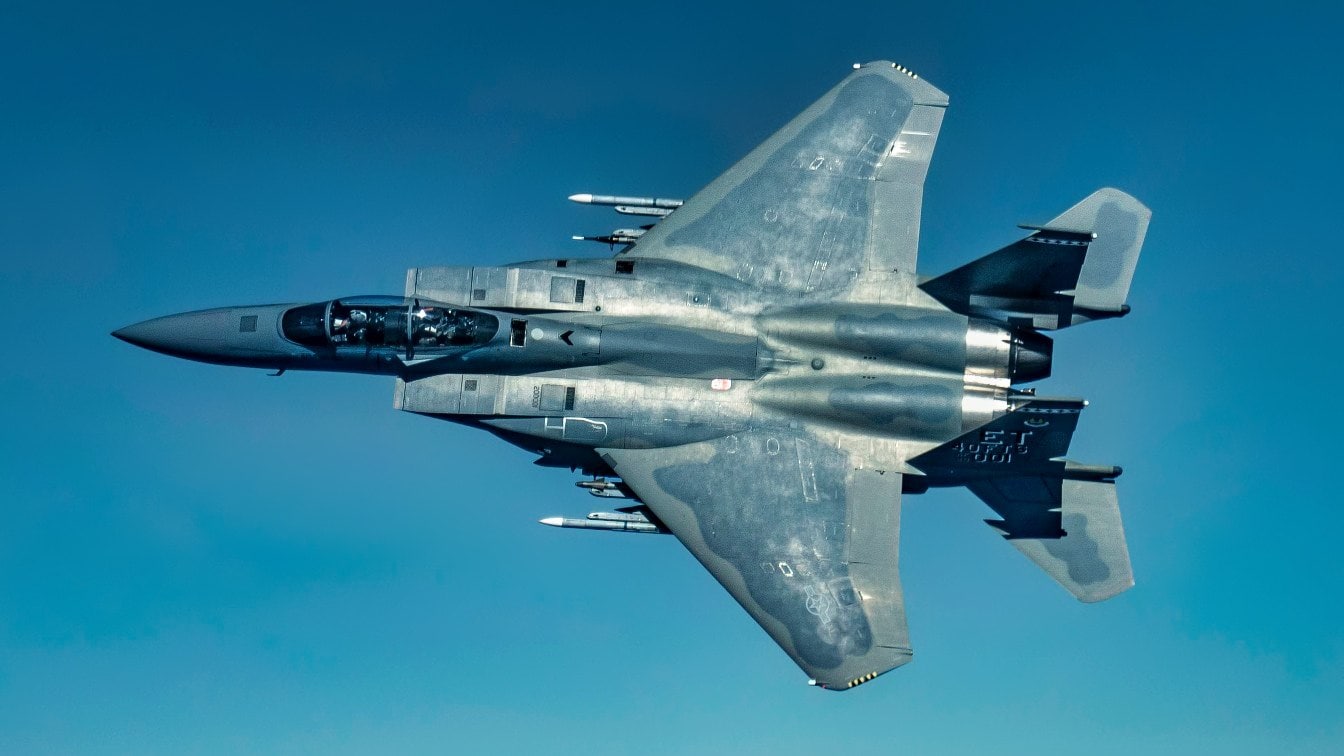
U.S. Air Force Lt. Col. Richard Turner, 40th Flight Test Squadron commander flies 40 FLTS Senior Enlisted Leader, MSgt Tristan McIntire during a test sortie in the F-15EX Eagle II over the Gulf of Mexico on Jun. 14, 2022. Assigned to the 96th Test Wing at Eglin Air Force Base, Fla., the F-15EX Eagle II is the Air Force’s newest 4th generation fighter being tested at the 40 FLTS. (U.S. Air Force photo by Tech. Sgt. John McRell)
F-15EX Eagle II and Survivability
And the last, but definitely not the least important consideration, is that the F-15C is increasingly not survivable in high-level threat scenarios when pitted against modern peer-adversary aircraft and air defense systems. In the case of the F-15EX model, not only have there been improvements in operating against those threats, but other modifications make the F-15EX aircraft more survivable than its predecessors.
One of the most important additions is a brand-new, full-spectrum electronic warfare suite that enables the aircraft to detect, identify, and jam enemy threats – to a degree often described as giving the aircraft a“digital stealth” capability. Called the Eagle Passive Active Warning Survivability System (EPAWSS), this modular, multifunction suite represents the apex of US airborne electronic warfare capabilities.
In addition to electronic stealth protection, the F-15EX Eagle II is also treated with advanced radar-absorbing and radar-conducting materials. These external appliques and coatings reduce the radar signature compared to older F-15 models.
Some assessments of the aircraft state that the F-15EX aircraft’s frontal hemisphere signature radar cross section (RCS) is reduced to a level comparable to that of the F-35. The RCS is also reduced by reshaping structural elements. These changes differ from the structural modifications proposed for an earlier, but never produced, version of the aircraft from two decades ago, dubbed “Silent Eagle.”
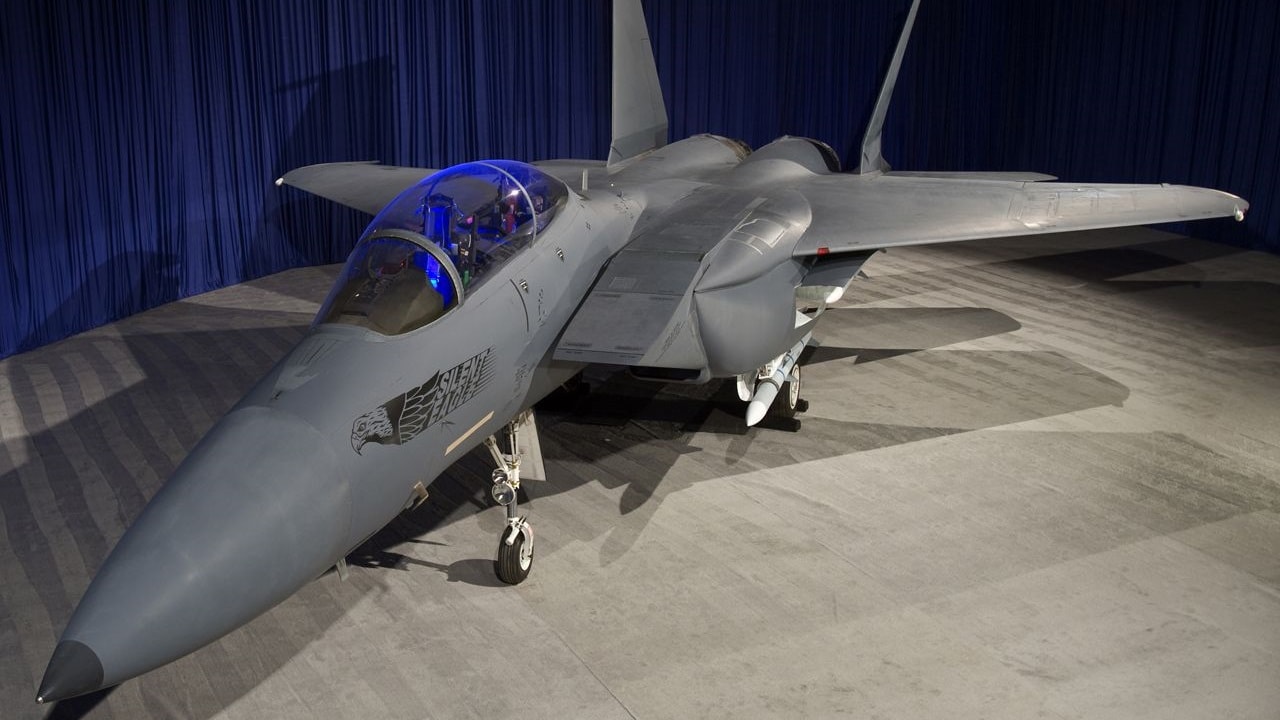
F-15SE Silent Eagle. Image Credit: Creative Commons.
Then there is the AN/APG-82(V)X AESA radar, which possesses low-probability-of-intercept (LPI) features. The radar’s frequency-hopping operation makes it harder for enemies to detect when the F-15EX is scanning for targets. The radar is capable of managing so many targets simultaneously, and also carries so much ordnance, that it has been called a “bad-ass AWACS” or “an AWACS that can shoot back”.
Weapons Loads and Israel – the Rationale for Doubling the Numbers
The F-15EX Eagle II carries a hefty price tag but also carries more weapons, sees farther with the AESA radar, and costs less to maintain than stealthier aircraft.
But one of its more compelling advantages is that its structure allows for 29,500 lbs of weaponry mounted across 23 hardpoints. This is more than any US fighter in inventory.
The US also does not have a monopoly on the need to replace other, older F-15 models with the F-15EX. One of the more important of those export customers is currently engaged in a major Middle East conflict as an active US ally – Israel.
The Jewish state has been cleared by the US War Department since 2024 to acquire 50 new-builds of an export version of the aircraft, designated the F-15IA in IAF service. In addition, there will be 25 packages or “kits” of new systems and modules to modify existing IAF F-15s already in inventory to bring them up to the F-15EX standard. The total package is valued at close to $20 billion and includes weapons, support systems, spare engines, and other equipment.
Among the major items in the 25 Medium Life Upgrade (MLU) kits for the existing F-15I “Ra’am” fleet are upgraded versions of the APG-82(V)1 radar, digital “glass” cockpits, and increased payload items so that the aircraft will have the same carriage capability as the new-build jets.
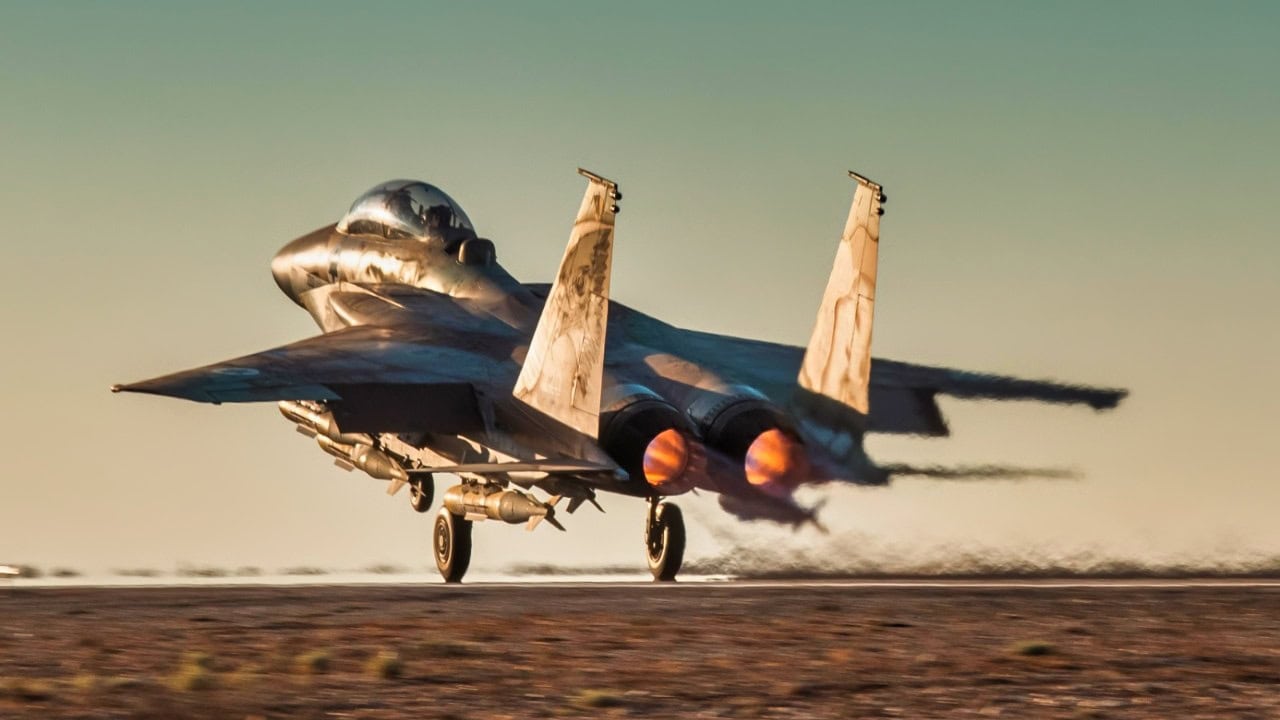
F-15I Ra’am. Image Credit: IDF.
The actual Israeli interest in acquiring the F-15EX dates back significantly further than the August 2024 approval for the sale. In early 2024, the total number of aircraft Israel was expected to be approved for acquisition of was closer to 70, not just the 50 that are officially part of this procurement.
What Boeing Said
But speaking to a Boeing representative at the time, I asked whether 50 was the actual number of aircraft Israel was seeking to acquire. This was almost exactly two years before the 28 February 2026 kick-off of the current hostilities with Iran.
“If they could find a way to swing it,” he said, “they will take 90 of the -EX model. Their current aircraft are just too old, and they need the improvements that the newer aircraft offers.”
Even though Israeli interest in the F-15EX dates back almost 3 years, deliveries of the aircraft they have on order may not occur until later this decade. The last jets may not be in Israeli hands until 2030.
Defense Industrial and Force Structure Planning Realities
But there are also more practical, national security considerations for the US Government’s decision to so dramatically increase the production tempo for the F-15EX. These likely motivations are not conjured up by the author as a function of informed opinion.
Rather, they are the results of hours of discussions with specialists in military technology, defense policymakers, and experienced military leaders with deep expertise in procurement policy and Pentagon budgeting. What follows is commentary based on real-world experience and observations from those in the know.
One of the issues with the F-15EX is that this aircraft creates “one of the most effective combinations in modern air warfare if employed in combined operational scenarios with the F-35,” said one of the leading US specialists on electronic warfare.
“The F-35 was designed to penetrate air defense networks and hit the major ground-based air defense threats, which it does very well. But then the F-15EX comes in behind it – the world’s biggest bomb monster. That makes the F-15EX aircraft the ‘big hammer’ that comes down on the enemy who will never even know what hit them.”
This is a synergistic combination with implications not only for the USAF but also for several allies and partner nations that operate both aircraft types.
That “one-two” punch that this gives to any nation’s air force that has both aircraft in its inventory makes F-15EX the ideal match with the F-35. “This is why some of the air forces that are so worried about an existential, peer-competitor threat have voted for this or a similar combination – Israel, Singapore, South Korea, Japan,” said one of the retired US flag rank officers who spoke to 19FortyFive.
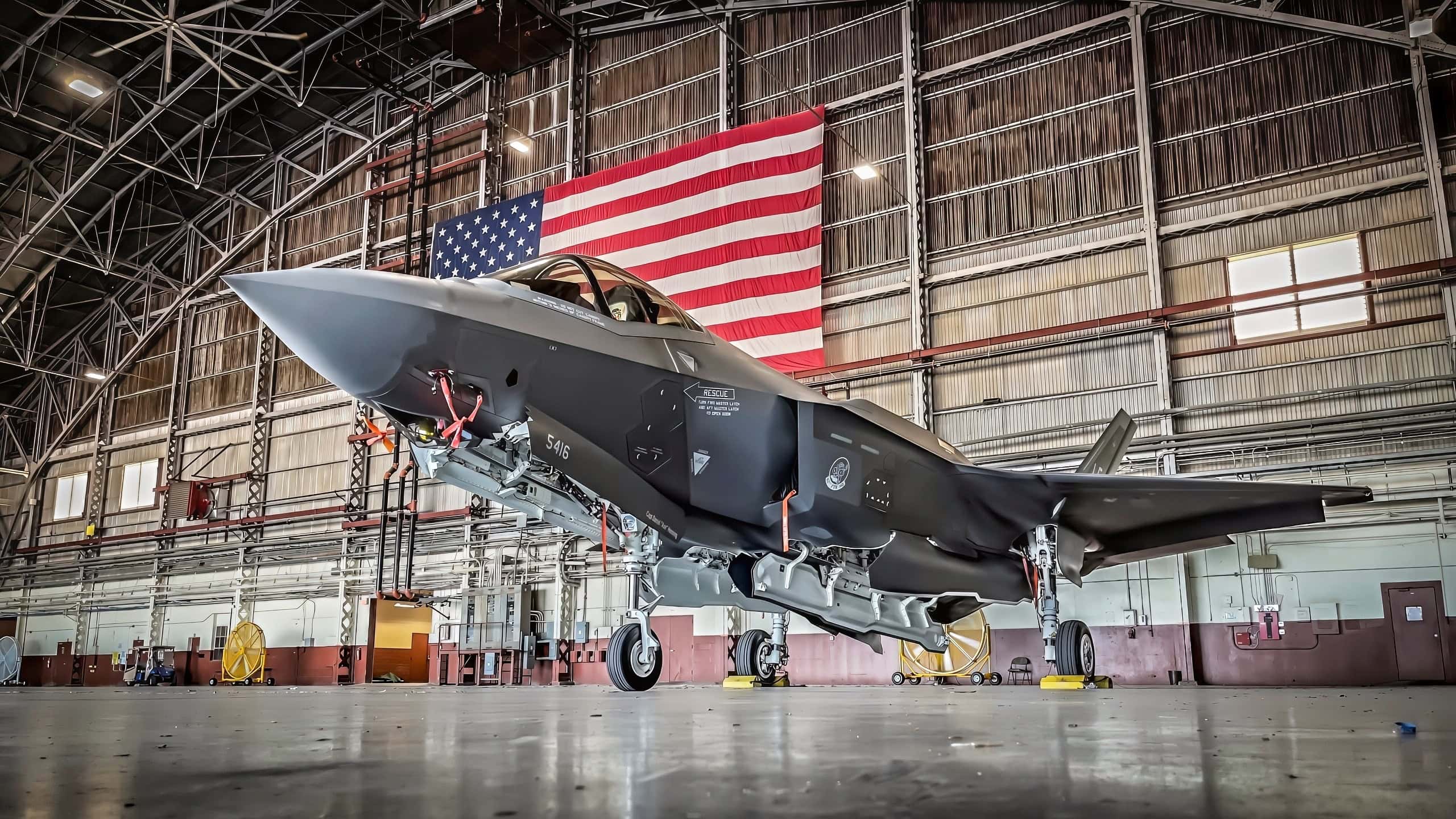
An F-35 Lightning II assigned to the 62nd Fighter Squadron, Luke Air Force Base, Ariz., sits in a hangar ahead of operations for the F-35 Lightning II TDY, Oct. 28, 2021, at Joint Base San Antonio-Kelly Field, Texas. The 62nd FS will be training with F-16s from the 149th Fighter Wing and the 301st Fighter Wing, along with T-38s from the 301st Fighter Wing. The multi-role capabilities of the F-35 allows them to perform missions which traditionally required numerous specialized aircraft. The complimentary air superiority capabilities of the F-35 will augment our air superiority fleet and ensure we continue to “own the skies” over future battlefields. (U.S. Air Force photo by Brian G. Rhodes)
“And it is not a coincidence that Poland – one of the other countries now that already has the F-35 and is increasingly worried about their neighbor Russia – is also looking at an F-15EX procurement,” he said. “This is a combination that is probably going to be the envy of all the nations that do not have these two aircraft in their fleets.”
But the other major role for the F-15EX is as a US-manufactured, 4+-generation solution for those countries that either cannot afford to acquire and/or operate the F-35. Or – as in the case of nations like Indonesia – the F-35 is not an option because technology-transfer considerations rule it out in the first place.
The Payload: Where F-15EX Eagle II Shines
The F-15EX carries a significantly increased payload of air-to-air missiles, including up to 12 of the AIM-120 AMRAAMs, which effectively doubles the AMRAAM load of the older F-15C/D//E models, for which the standard loadout was only 4-8.
With the new AMBER missile racks, the aircraft can carry up to 22 missiles. To be able to provide the F-15EX users with all of the munitions that I will be able to carry, the USAF fiscal 2027 budget for weaponry will more than double JASSM purchases from 381 to 821, and triple AMRAAM purchases from 423 to 1,317.
“We are modernizing our munitions portfolio to deliver combat power against any pacing challenge,” said USAF Maj. Gen. Frank R. Verdugo, the Deputy Assistant Secretary of the Air Force for Budget, in a 21 April budget briefing at the Pentagon.
F-15EX and the Great Power War Worries
The USAF’s growing worry is that the quantity of weapons in US stockpiles is not anywhere close to what would be required for conflicts that could erupt at any time in the near future. In recent weeks, US aircraft and ships hit more than 13,000 targets in just five weeks in fighting against Iran during Operation Epic Fury. This is a munitions consumption rate that current procurement cannot support.
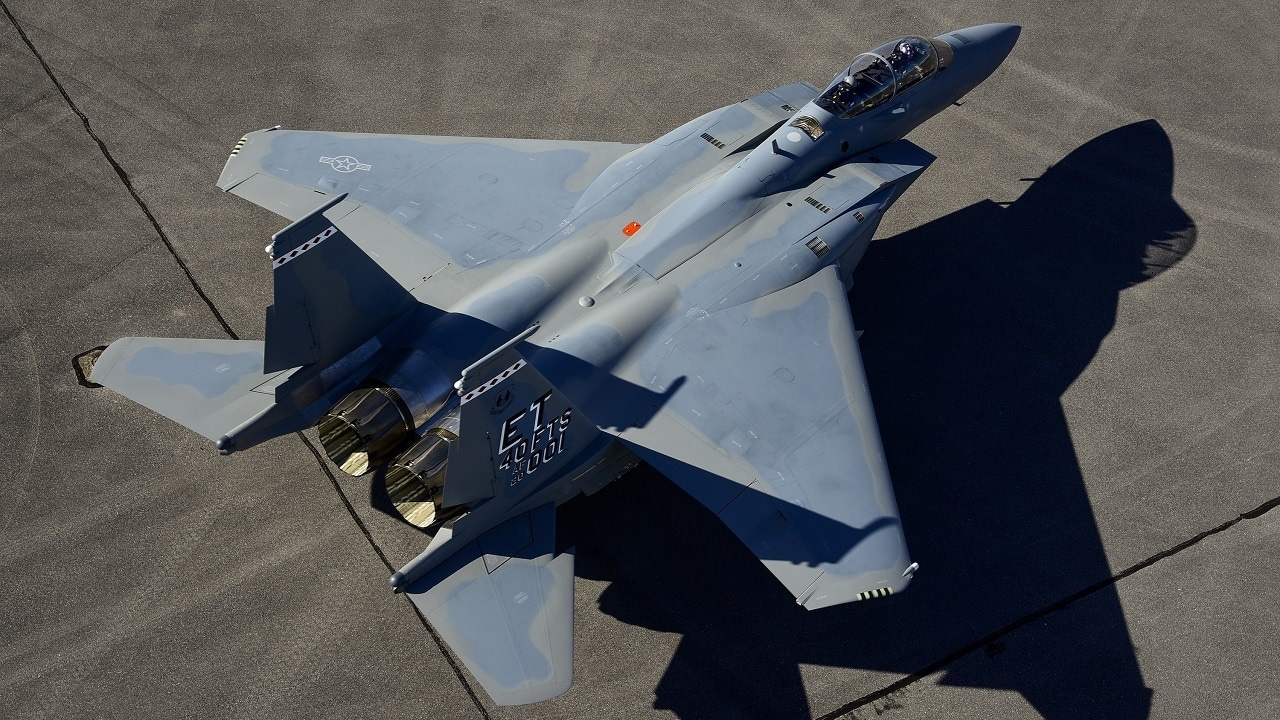
The F-15EX Eagle II, the Air Force’s newest fighter aircraft, arrives to Eglin Air Force Base, Florida March 11. The aircraft will be the first Air Force aircraft to be tested and fielded from beginning to end through combined developmental and operational tests. The 40th Flight Test Squadron and the 85th Test and Evaluation Squadron personnel are responsible for testing the aircraft. (U.S. Air Force photo/1st Lt. Karissa Rodriguez)
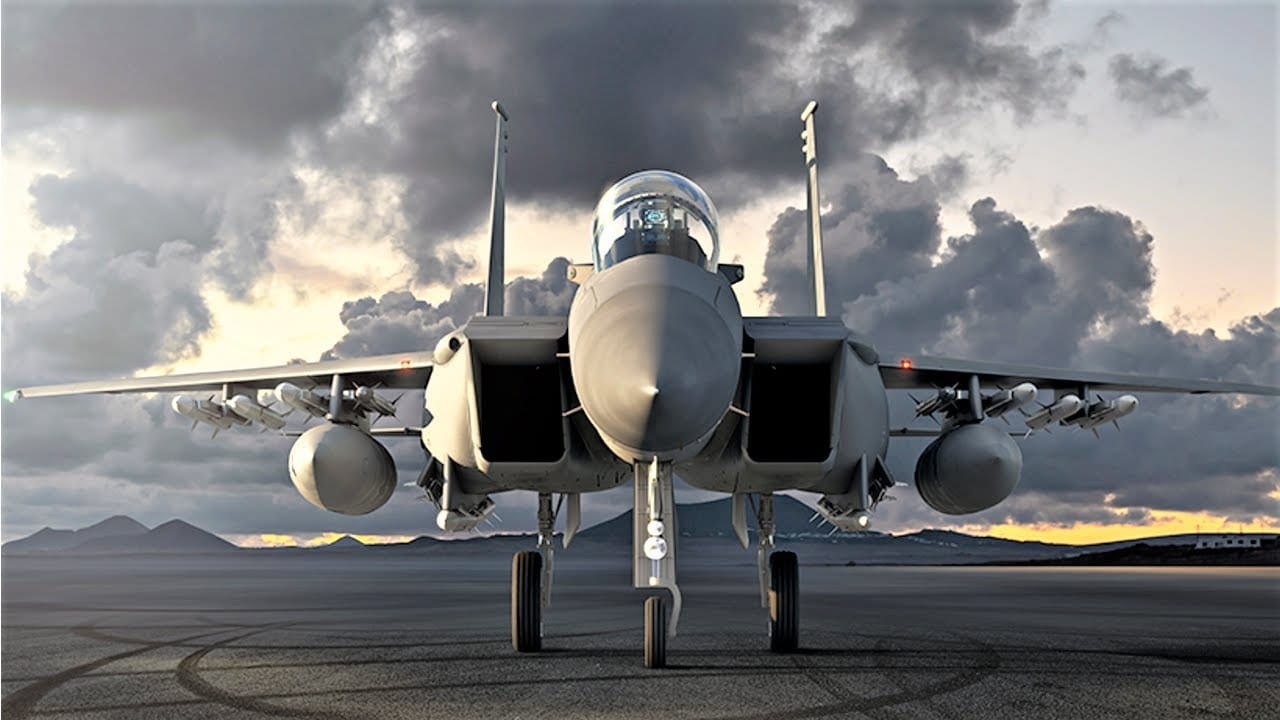
F-15EX Eagle II. Image Credit: Creative Commons.
If the US were to go to war against the PRC, the potential target list could be 10 times as long as those from the Iran operation, so US war planners are more than slightly worried about having enough weapons in inventory for that eventuality.
The 2027 budget plan would also add some other, more specialized weapons to the stockpile, Verdugo said in the same briefing. “We are pushing the boundaries of speed and survivability by investing $1.2 billion to mature the Hypersonic Attack Cruise Missile, which will provide a swift, penetrating strike capability to bypass the most advanced enemy defenses,” he said.
Will the increase in F-15EX Eagle II production numbers come in time to meet these and other challenges? The Pentagon and other interested parties are counting on it.
About the Author: Reuben F. Johnson
Reuben F. Johnson has thirty-six years of experience analyzing and reporting on foreign weapons systems, defense technologies, and international arms export policy. Johnson is the Director of Research at the Casimir Pulaski Foundation. He is also a survivor of the Russian invasion of Ukraine in February 2022. He worked for years in the American defense industry as a foreign technology analyst and later as a consultant for the U.S. Department of Defense, the Departments of the Navy and Air Force, and the governments of the United Kingdom and Australia. In 2022-2023, he won two consecutive awards for his defense reporting. He holds a bachelor’s degree from DePauw University and a master’s degree from Miami University in Ohio, specializing in Soviet and Russian studies. He lives in Warsaw.