
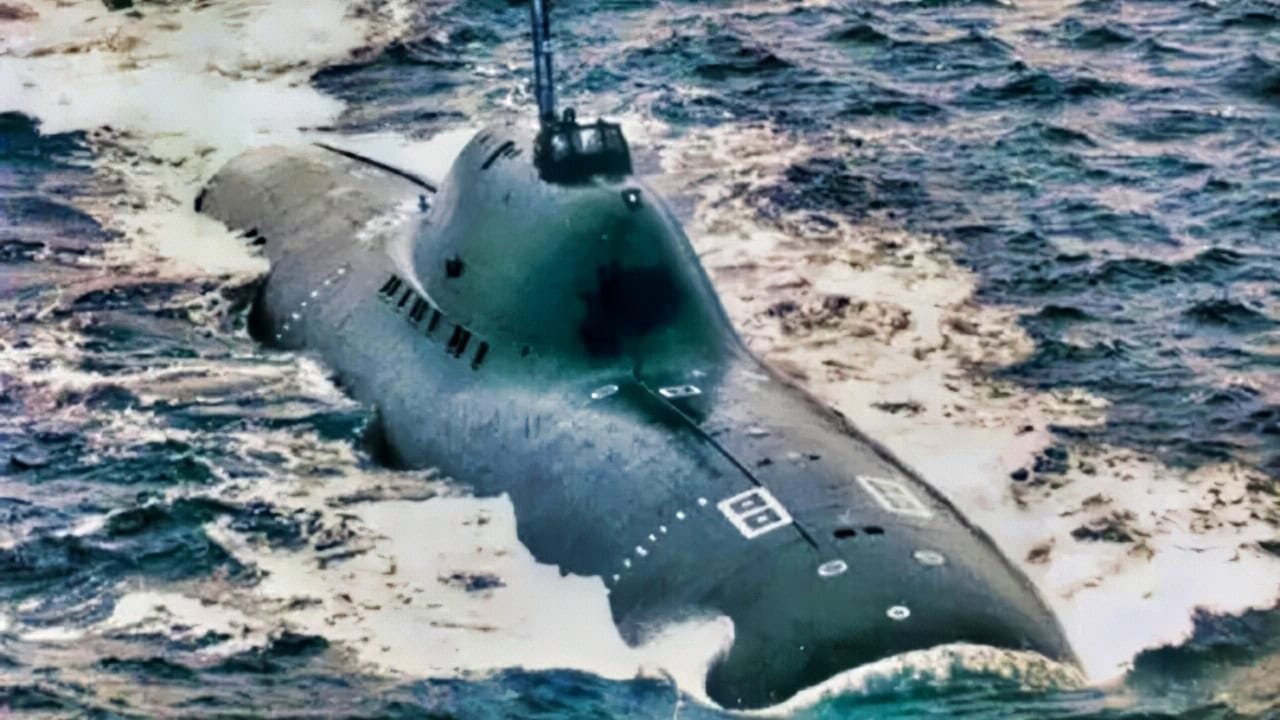
I have been studying Russian submarines since I was just a little kid, and I even toured a diesel Foxtrot-class boat around twenty years ago. One thing I always wondered was why the U.S. Navy never built titanium submarines like the Soviet Union and Russia do now. When I finally got a chance to ask a senior engineer who was involved in every U.S. Navy nuclear submarine program from the 1950s to the 1990s before he retired, his answer was simple: “Russia beat us on that one. We can’t build them, but there are clear reasons why, as it’s a choice. Titanium was hard to work with, and it would be very expensive if we were to move forward with it. I give Moscow credit for those Sierra-class submarines. They sure were expensive, but I bet very impressive.”
The Sierra-Class Submarines: A Titanium History
A photograph surfaced in Russian naval circles in the months after February 11, 1992, that captured the essence of the Sierra-class submarine in a single image.
The photograph showed the conning tower — what submariners call the sail — of the Russian nuclear attack submarine B-276 Kostroma. Painted on that sail was a small white “1” inside a star, drawn in the same style Soviet submariners had used during the Great Patriotic War to mark a kill. The number “1” was the Kostroma’s official tally of American submarines defeated in combat.
The combat in question had been a collision. The Kostroma, surfacing for a routine communications cycle in the Barents Sea, had come up directly underneath the USS Baton Rouge, a Los Angeles-class attack submarine that had been quietly trailing her at periscope depth.
The impact dented the Kostroma’s sail and tore open the Baton Rouge’s port ballast tank. The Russian boat went home, got patched up at the Nerpa shipyard, and was back at sea in four months. The Baton Rouge went home and never went back to sea. The U.S. Navy decommissioned her rather than pay for the repairs and a scheduled nuclear refueling.
The Russians had every reason to put that kill mark on the sail.
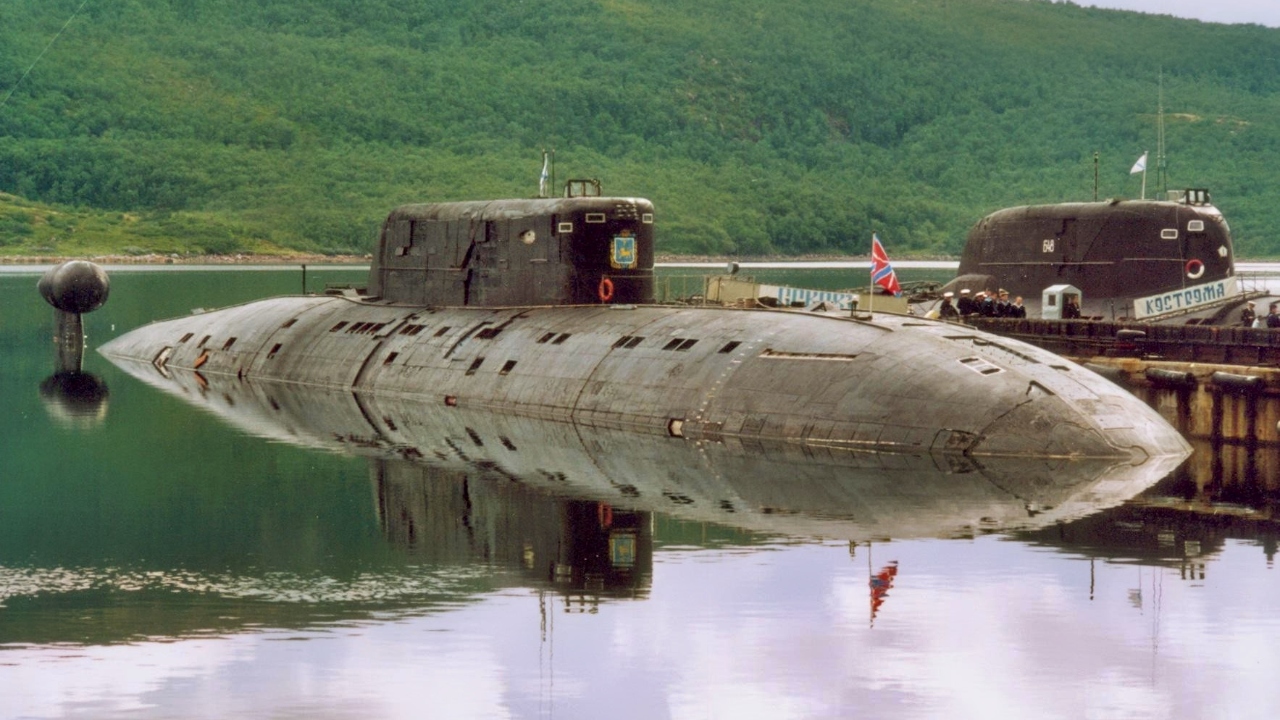
Sierra-Class Submarine. Image Credit: Creative Commons.
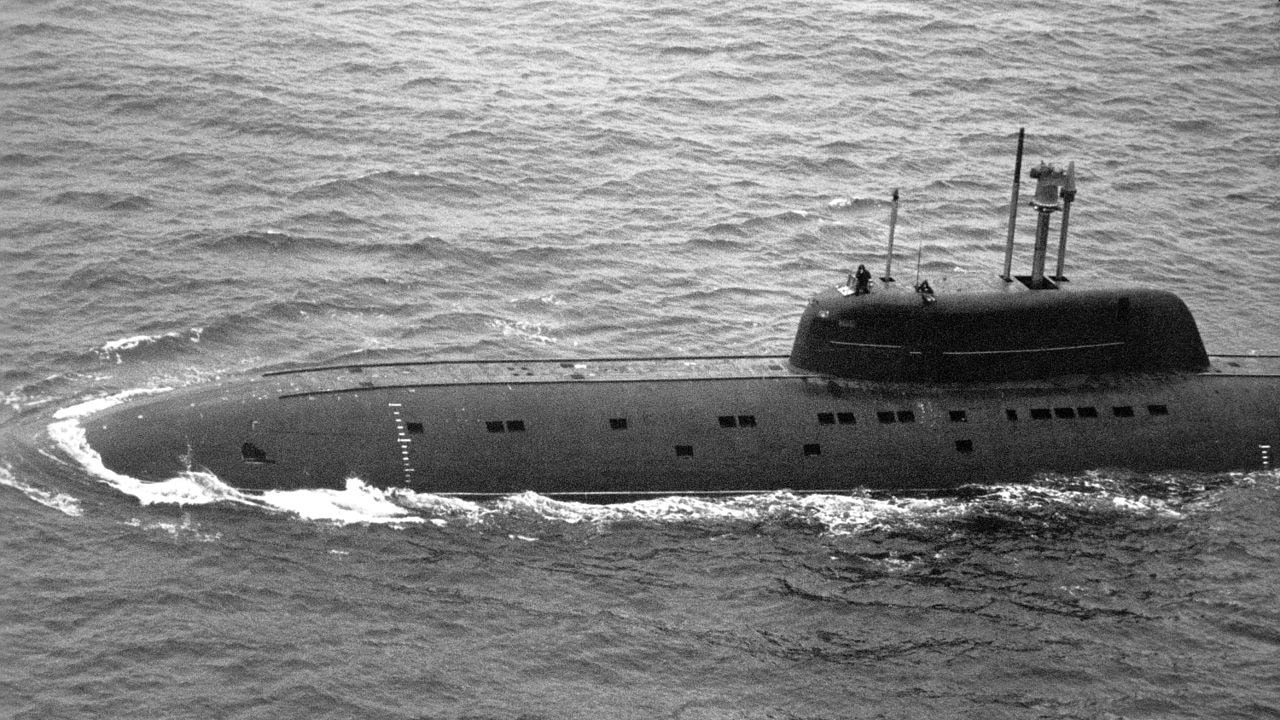
Sierra-Class Submarine. Image Credit: Creative Commons.
The Sierra-class had just demonstrated, in the most literal way possible, what its titanium hull was actually for.
Origin: The Apex Of Soviet Attack Submarine Design
The Sierra-class began life in March 1972 as Project 945 Barrakuda, designed by the Lazurit Central Design Bureau in Gorky under chief designer Nikolai Kvasha.
The program’s strategic logic was specific and demanding. By the early 1970s, the U.S. Navy’s Los Angeles-class submarines were beginning to enter service, and American boats were getting genuinely, frighteningly quiet. Soviet acoustic intelligence indicated that American sonar processing, training, and weapons were starting to close the loop on Soviet attack boats — meaning the Americans were getting the first detection in any encounter, and the first detection in submarine warfare is usually decisive.
The Soviet Navy decided to change the geometry of the fight rather than try to win the acoustic race head-on. If the Americans were going to be quieter, the Soviets would build boats that could go deeper, sprint faster, take more punishment, and present a smaller magnetic signature than anything in the U.S. inventory. A boat operating at 600 meters depth, with a near-zero magnetic signature, would force the Americans to rewrite their anti-submarine warfare playbook from scratch.
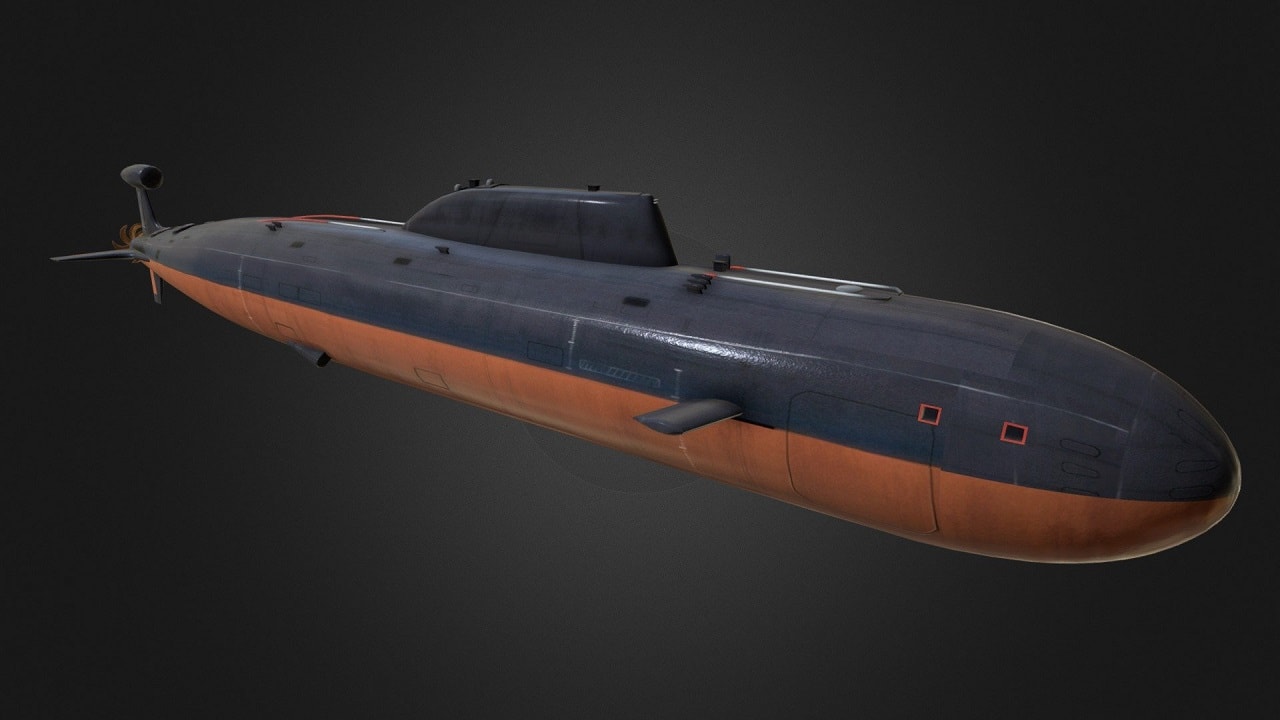
Russian Sierra-class nuclear-powered attack submarine. Artist rendering.
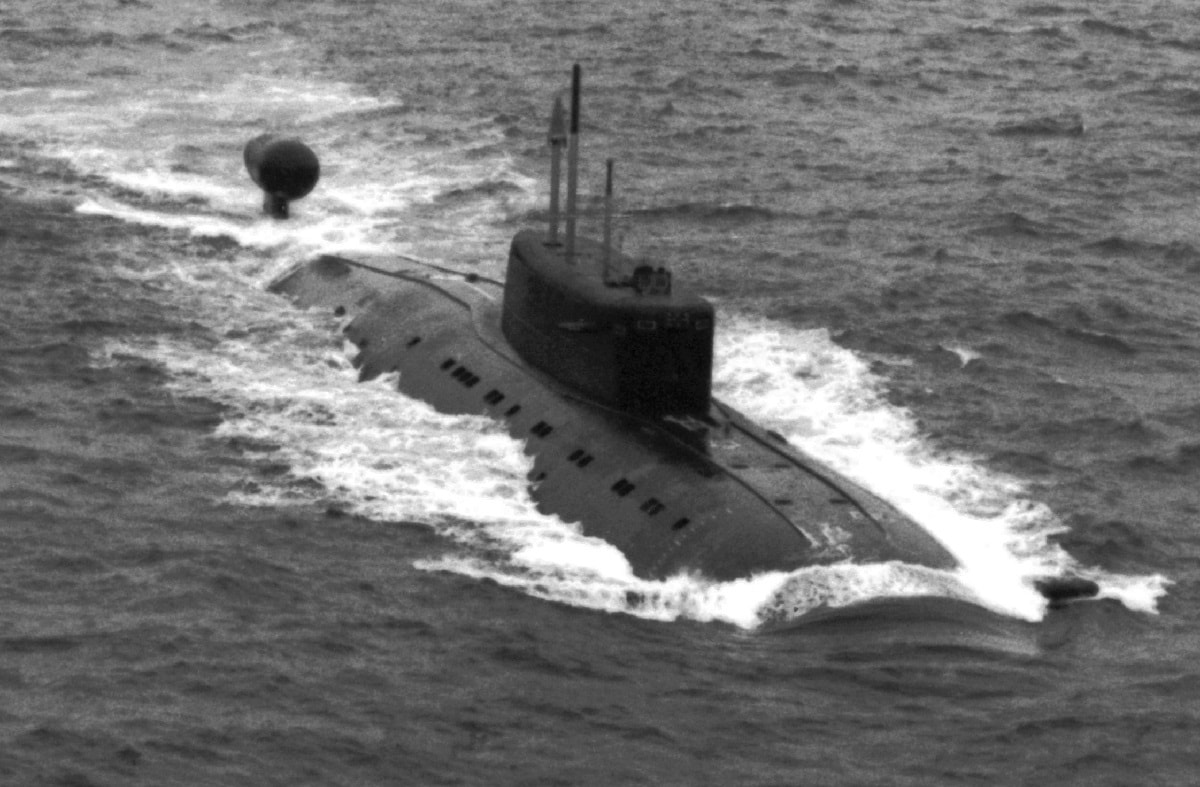
Sierra-class Submarine.
The metal that made all of this possible was titanium. The Soviets had pioneered titanium submarine construction with the Project 705 Lira (Alfa-class), commissioned beginning in 1971. The Alfa-class proved the metallurgy worked. It also proved the Alfa-class was unacceptably loud — its lead-bismuth liquid metal-cooled reactor was a remarkable engineering achievement and an acoustic disaster, audible to American passive sonar at long range.
The Sierra-class was the corrective. It would keep the titanium hull and accept the cost. It would discard the exotic reactor and replace it with a single OK-650 pressurized water reactor — the same conventional design that powered the Akula-class and the Mike-class — generating 190 megawatts of thermal power. That trade gave up some of the Alfa’s raw speed in exchange for a properly quiet acoustic signature and the ability to shut down and restart the reactor like any other normal nuclear submarine.
The first Project 945 boat, K-239 Karp, was laid down at the Gorky shipyard in July 1979. She was launched in August 1983 and towed to Severodvinsk for fitting out. She entered service in 1984.
The Soviet Navy had, on paper, the most capable nuclear attack submarine in the world. One U.S. Navy expert said to me that the Sierra-class was “unlike anything we ever had to deal with and we worried about her capabilities as the Cold War was still raging.”
Why The Sierra-Class Existed
The mission set the Sierra-class was built to perform was specific: hunt and kill American submarines, particularly American ballistic missile submarines on deterrent patrol.
The Sierra I boats — Karp and Kostroma — were armed with six 533mm and 650mm torpedo tubes capable of launching the TEST-71 wire-guided torpedo, the Vodopad anti-submarine missile, and Granat cruise missiles for land-attack strikes.
They displaced roughly 8,500 tons submerged, measured around 107 meters in length, and could make 34 knots underwater while operating at depths of 550 meters or beyond. Their double-hull construction — an inner titanium pressure hull surrounded by an outer hydrodynamic casing — provided both depth performance and damage resistance that no American submarine of the era could match.
The boats were also, by Soviet standards, quiet. Combined with the titanium hull’s near-zero magnetic signature, the Sierra I represented a serious operational threat to the U.S. Navy. American detection methods — passive sonar, magnetic anomaly detection from P-3 Orion patrol aircraft, sonobuoy fields — all worked less well against a Sierra than against any previous Soviet boat.
The Sierra II boats — Project 945A Kondor — were the upgraded follow-on to the Sierra I boats. Pskov (originally K-336 Zubatka) and Nizhny Novgorod (originally K-534 Okun) were laid down in the late 1980s and commissioned in the early 1990s, just before and just after the Soviet collapse. They were larger than the Sierra I — 110 meters long, 9,100 tons submerged — with a substantially larger sail housing two escape pods, an extended after-fin pod containing the Skat-3 passive very-low-frequency towed sonar array, and improved acoustic quieting. The boat tops out at roughly 32 knots submerged but offers better sonar performance and lower radiated noise than the Sierra I.
The Sierra II was designed, specifically and explicitly, for search-and-destroy missions against American submarines — which, in the Cold War context, meant the Ohio-class ballistic missile submarines that were the most important strategic targets in the Western Pacific and North Atlantic.

SOUDA BAY, Crete, Greece (Oct. 15, 2007) – Los Angeles-class submarine USS Oklahoma City (SSN 723) arrives in Souda Harbor for a port visit. The submarine was operating in the Central Command area of responsibility for the past five months since departing their homeport of Norfolk, Va. U.S. Navy photo by Mr. Paul Farley (RELEASED)
A planned third class, Project 945B (NATO designation Sierra III), was laid down in March 1990 as the boat Mars. She was scrapped before completion in 1993 when the post-Soviet Russian budget collapsed.
Four Sierra-class boats total — two Sierra I, two Sierra II — were ever completed. None has ever been built since.
Why So Few Were Built: That Titanium
The answer is the same answer that applies to every titanium submarine program the Soviets ever undertook: the metal cost too much, in money and in industrial capacity, to keep building.
Building a titanium pressure hull requires welding facilities the size of warehouses, hermetically sealed and filled with argon gas to prevent the molten weld pools from absorbing oxygen and embrittling. Welders work inside those facilities in pressurized suits, breathing through their own oxygen supplies, while the inert atmosphere protects every weld bead. The welds themselves require electron-beam processes and inspection standards far beyond anything used for steel construction.
Quite a few U.S. Navy engineers have told me over the years that Washington had considered titanium subs, made some small efforts in that direction, and always gave up as the expense would have been “astronomical”, as one former senior U.S. Navy offical told me years ago.
The Soviet Union, with its command economy, could absorb those costs by directing resources from civilian sectors to defense priorities without making a normal industrial business case. Even the Soviet Union, however, could not absorb them indefinitely. Each Sierra-class boat consumed disproportionate shipyard capacity, specialized workforce, and a titanium supply chain that could otherwise have gone to building substantially more steel-hulled Akula-class boats.
The Akula-class — Project 971 — was developed in parallel with the Sierra-class as the steel-hulled alternative for serial production. Akulas were built in numbers (more than a dozen). Sierras were built as boutique high-end weapons. By the time the Soviet Union dissolved in 1991, the trade-off was clear: the Soviet Navy needed the bulk of Akulas more than it needed additional Sierras.
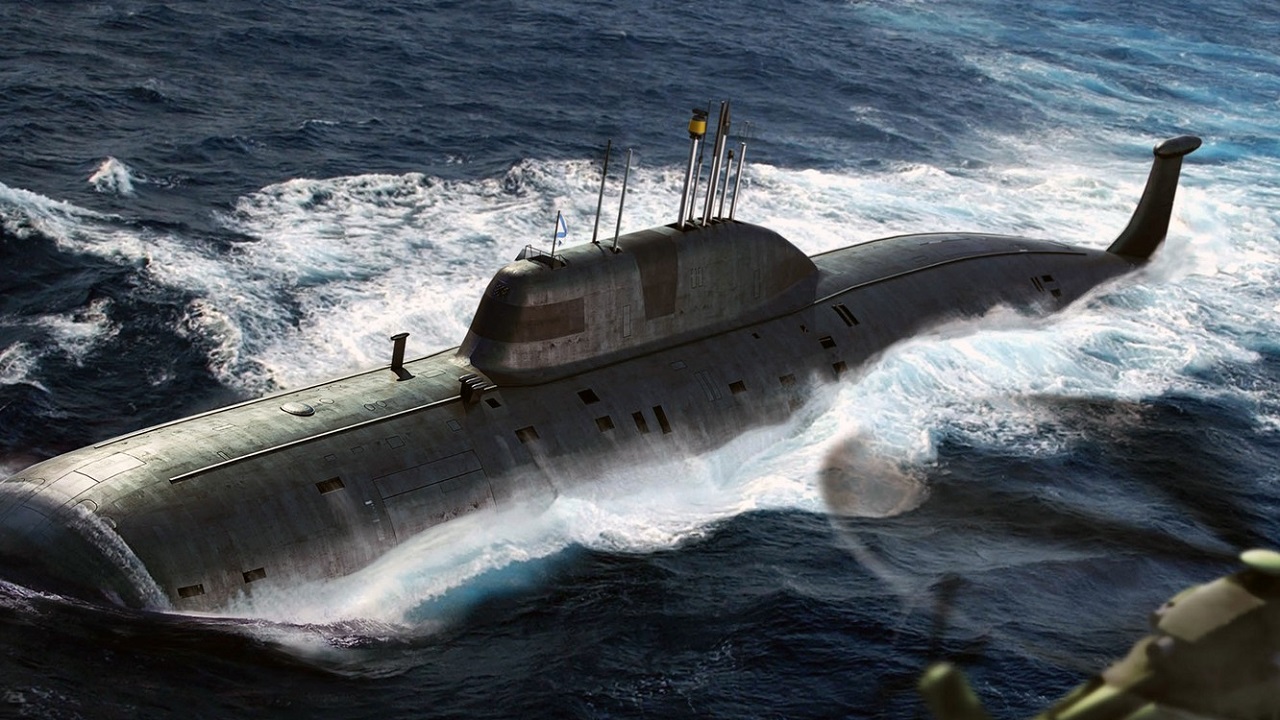
Akula-Class Submarine. Image Credit: Computer-generated image, Screenshot.
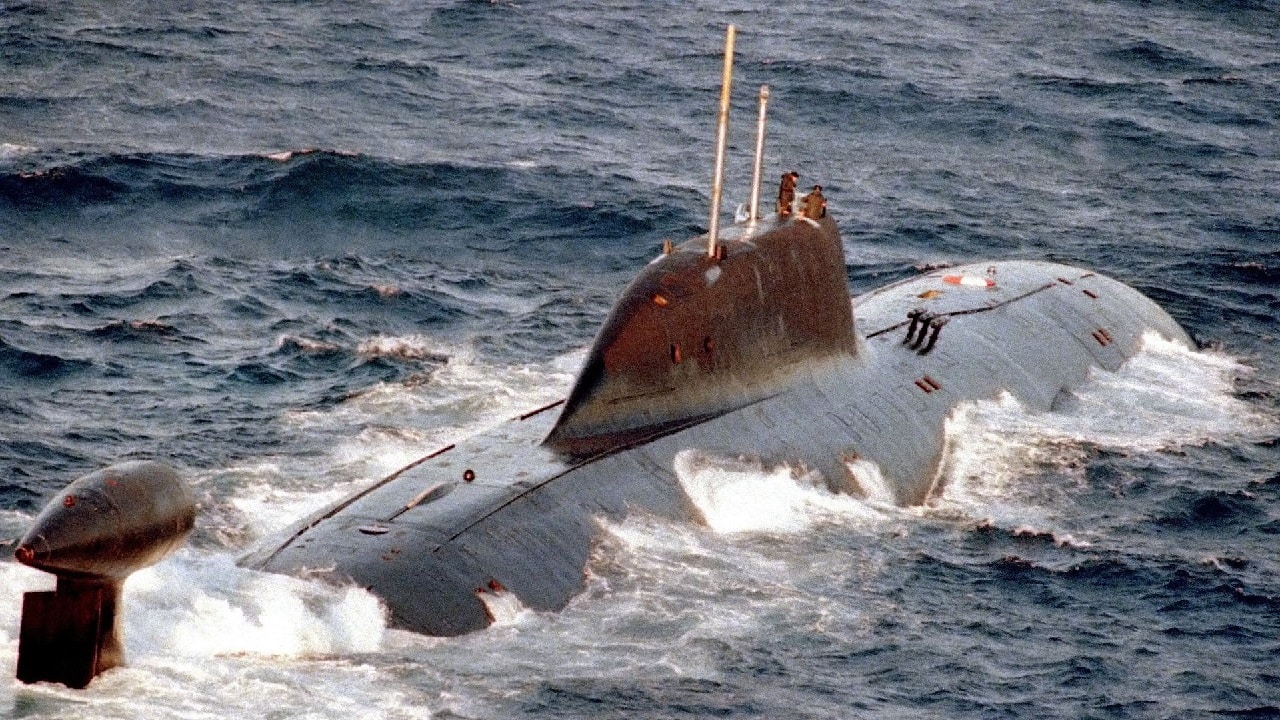
K-322 Cachalot, Akula class submarine underway. A port quarter aerial view of the Russian Northern Fleet AKULA class nuclear-powered attack submarine underway on the surface.
The U.S. Navy, watching all of this from the other side, reached the same conclusion in reverse. The Americans calculated that in the time it took a Soviet shipyard to weld one titanium hull, an American shipyard could build multiple steel-hulled boats for the same money. The U.S. Navy invested instead in HY-80 and HY-100 high-strength steels, in acoustic quieting, in advanced sonar processing, and in the Mark 48 ADCAP torpedo program — a weapon that could pursue and kill any titanium-hulled boat the Soviets might field.
That investment turned out to be the right answer. The Sierra-class, for all its impressive paper specifications, never operated at numbers great enough to substantially affect the Cold War undersea balance of power.
Operational History: The Quiet Career And One Loud Moment
The Sierra-class operational record is, with one major exception, quiet to the point of obscurity.
Karp, the lead Sierra I, served with the Northern Fleet through the 1980s and into the post-Soviet period before going into reserve. Kostroma — originally named K-276 Crab — became famous for what happened on the night of February 11, 1992.
The Barents Sea, off the Russian Northern Fleet base at Severomorsk. The USS Baton Rouge (SSN-689) was conducting a covert intelligence-gathering operation — most likely either the recovery or placement of seabed listening devices, possibly involving the tapping of Russian undersea communications cables. The mission was part of an ongoing U.S. submarine surveillance program against the Russian fleet that had continued essentially without interruption from the height of the Cold War through the formal dissolution of the Soviet Union, which occurred seven weeks earlier.
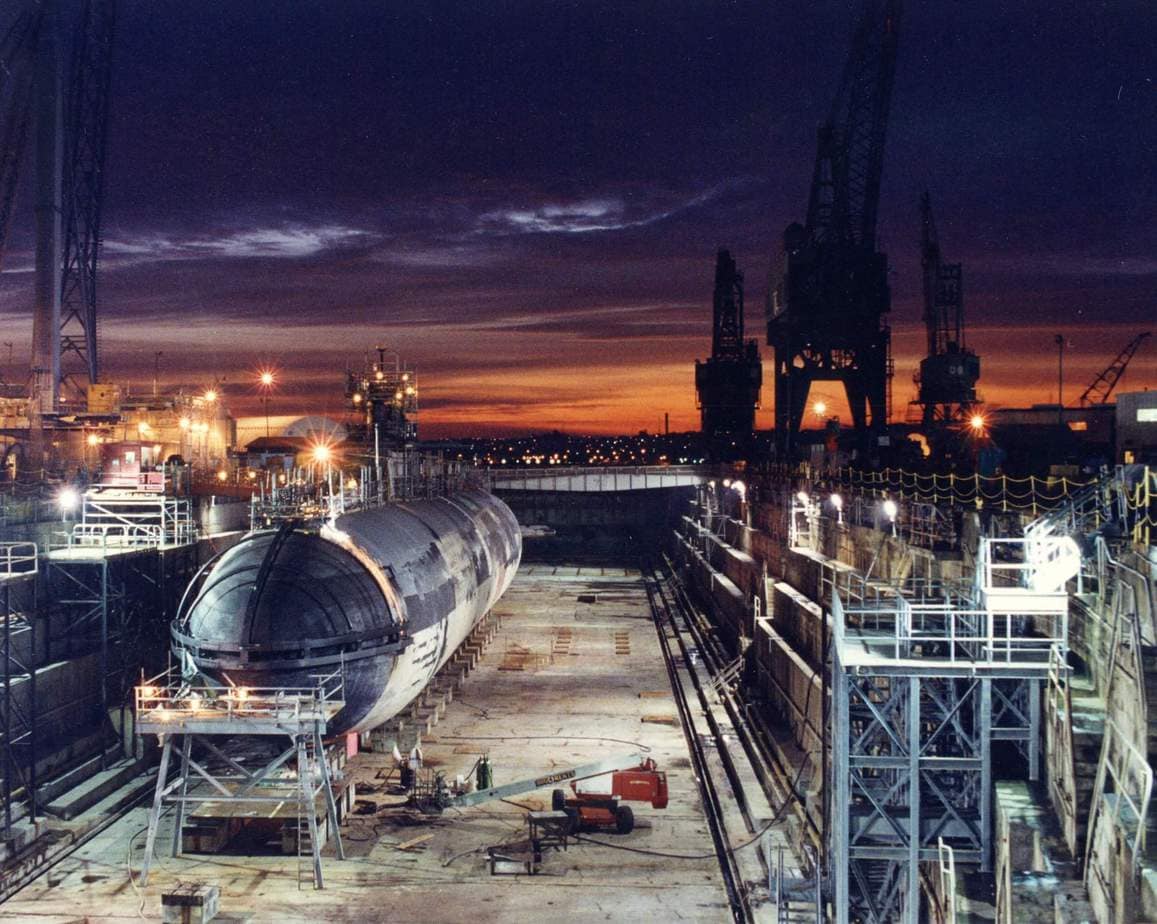
USS Baton Rouge. Image: U.S. Navy
Kostroma was in the same patch of water on combat training exercises. The Barents Sea is shallow, noisy from breaking surface waves, and acoustically difficult — in those conditions, passive sonar detection ranges can collapse to a few hundred meters. Both submarines were operating solely on passive sonar.
Neither boat heard the other in time.
Kostroma began surfacing for a routine communications cycle. Baton Rouge was at periscope depth, roughly 22 yards above her. The Sierra-class came up underneath the Los Angeles-class boat at approximately 8 knots. The collision tore the Baton Rouge’s port ballast tank, scratched her single steel pressure hull deeply enough that any further deviation might have compromised structural integrity, and dented Kostroma’s sail. No injuries. No casualties. Both boats limped back to their respective bases.
What followed was a diplomatic incident. President George H. W. Bush dispatched Secretary of State James Baker to Moscow to apologize personally to Boris Yeltsin for the incursion. The Pentagon, in a break with normal practice, publicly acknowledged the collision while the Baton Rouge was still at sea — a decision that meant the families of the Baton Rouge crew first learned about the incident from CNN.
The Navy quietly determined that the cost of repairing the damaged ballast tank and pressure hull, combined with a scheduled nuclear refueling, exceeded the value of keeping the boat in service. Baton Rouge was decommissioned in 1993 and scrapped — the first Los Angeles-class boat to be retired, more than a decade before the rest of the early flight reached the end of their planned service lives.
Kostroma was repaired in four months and returned to service. The Russian crew painted the kill mark on her sail.
The Sierra-class had, in the most literal sense, taken an American submarine out of action.
Where They Stand Today
The four Sierra-class boats have had remarkably different fates.
The two Sierra I boats — Karp and Kostroma — were transferred to the reserve fleet in the 2000s. A January 2013 contract with the Zvezdochka Shipyard in Severodvinsk was signed for a full refit and recommissioning, with planned upgrades including new sonar, the GLONASS navigation system, and the Kalibr cruise missile system. The refit, originally projected for completion in three years, was never executed. The two Sierra I boats remain in long-term reserve at Northern Fleet facilities, hulls intact but operationally inactive.
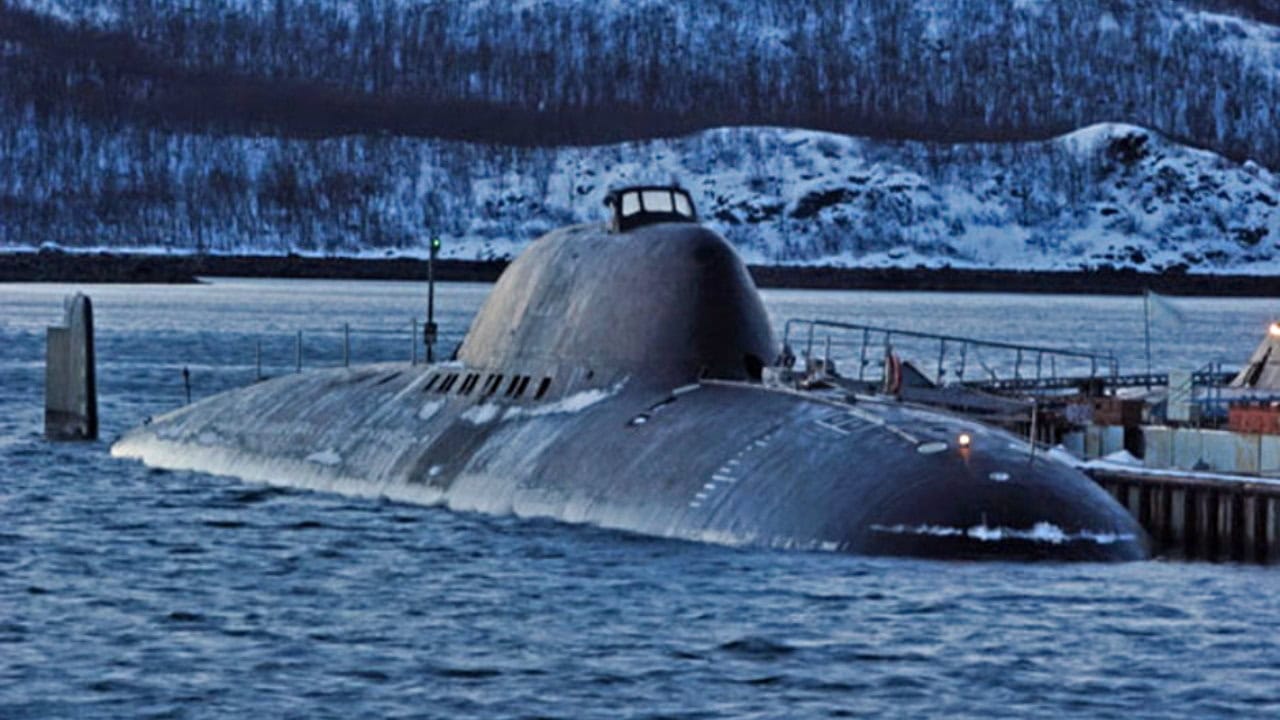
Alfa-Class Russian Navy. Image Credit: Creative Commons.

Alfa-Class Submarine. Image Credit: Creative Commons.
The two Sierra II boats — Pskov and Nizhny Novgorod — are the only titanium-hulled submarines currently commissioned in the Russian Navy. Both serve with the Northern Fleet. Pskov underwent an overhaul between 2011 and 2015. Both boats participated in major naval exercises in 2019. As of 2024, Russian sources indicated that both Sierra II boats are docked at the Nerpa shipyard in Snezhnogorsk and will undergo modernization of their internal systems — though the actual refit work had not begun as of the most recent reporting.
That timeline is consistent with the broader pattern of Russian naval modernization in the 2020s: ambitious announcements, repeated delays, and ongoing budget pressure from the war in Ukraine that has redirected resources away from naval programs and toward army and air assets.
The Sierra II boats remain operationally relevant — their depth performance, low magnetic signature, and titanium construction make them genuinely difficult targets — but they are 35-year-old hulls operating with sensor and weapons systems that are increasingly behind the curve.
If the modernization actually happens, the Sierra II boats could remain credible Northern Fleet assets into the 2040s. If it does not, they will likely follow the Sierra I boats into reserve status within the next decade.
The Submarines The U.S. Navy Will Never Build
The Sierra-class represents a road the United States Navy chose not to take.
The Americans had access to the same titanium technology. They had the metallurgical expertise, the welding capability, and the industrial base to build a titanium-hulled submarine if they had decided to. They decided not to—and forty years on, the calculation that led to that decision still looks correct. American submarines have dominated the undersea environment since 1990, not because they could dive deeper than the Soviets, but because they were quieter, better-sensored, and built in numbers that the Soviet titanium fleet could never approach.
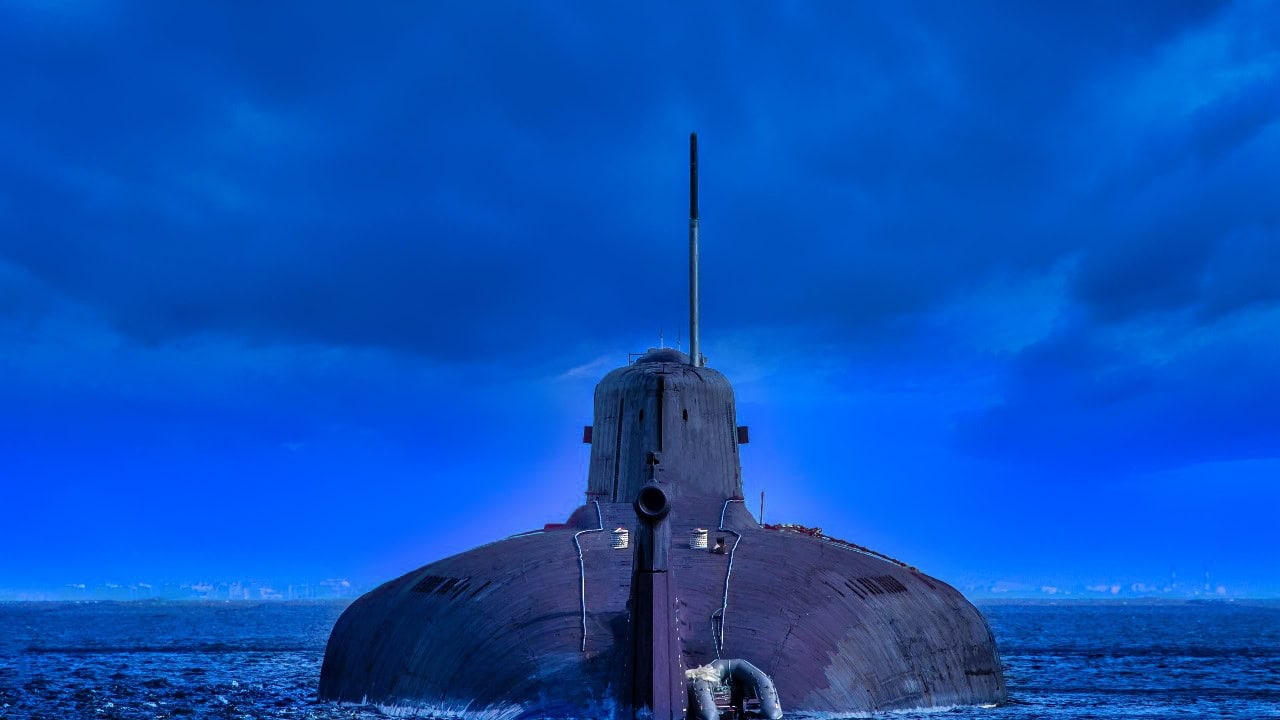
Russian Submarine. Image Credit: Creative Commons.
What the Sierra-class proves, finally, is that engineering excellence and operational dominance are not the same thing. The Sierra-class boats are genuinely impressive submarines. They are also, in the cold arithmetic of strategic competition, a small fleet of expensive boutique weapons that never substantially altered the undersea balance of power.
Two of them are still at sea. They are the rarest operational nuclear attack submarines in the world.
The Russian Navy is going to keep them as long as it possibly can.
The U.S. Navy will keep building steel. I think that’s the right call.
About the Author: Harry J. Kazianis
Harry J. Kazianis (@Grecianformula) was the former Senior Director of National Security Affairs at the Center for the National Interest (CFTNI), a foreign policy think tank founded by Richard Nixon based in Washington, DC. Harry has over a decade of experience in think tanks and national security publishing. His ideas have been published in the NY Times, The Washington Post, The Wall Street Journal, CNN, and many other outlets worldwide. He has held positions at CSIS, the Heritage Foundation, the University of Nottingham, and several other institutions related to national security research and studies. He is the former Executive Editor of the National Interest and the Diplomat. He holds a Master’s degree focusing on international affairs from Harvard University. Kazianis is Editor-In-Chief of 19FortyFive.