
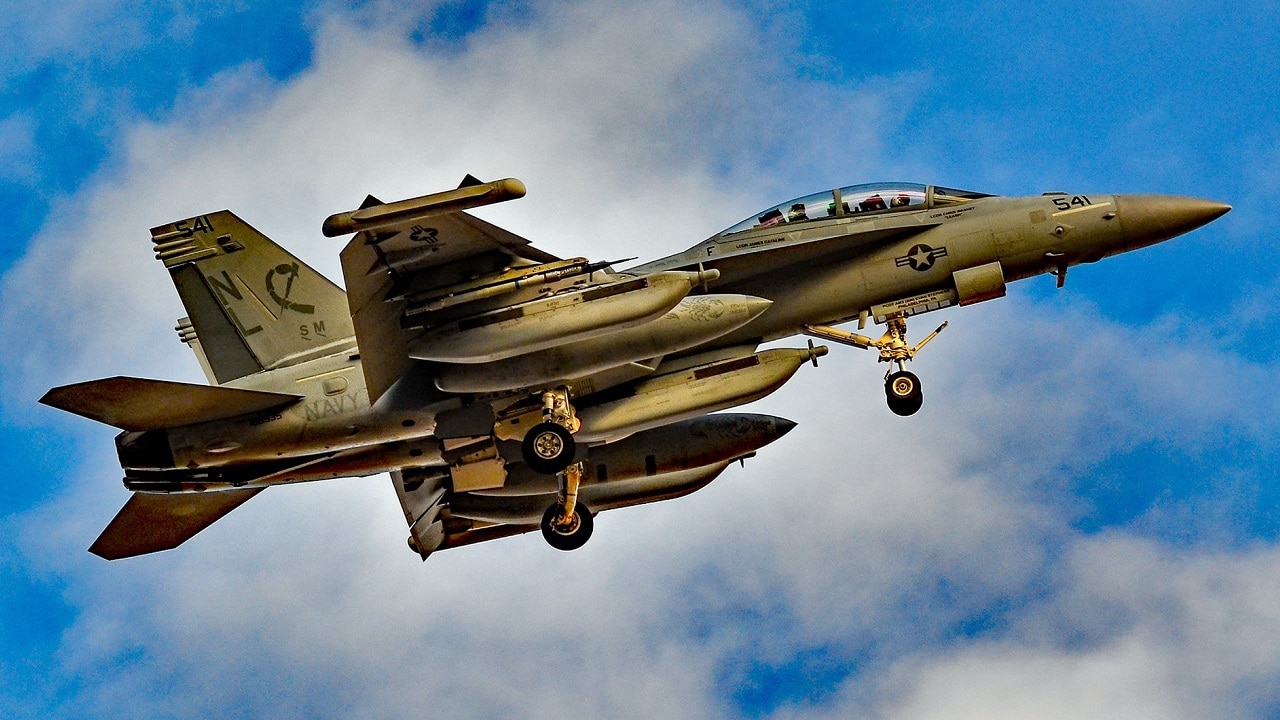
The Boeing EA-18G Growler is the most strategically important fighter in the U.S. Navy that almost nobody talks about—the only crewed tactical jammer in the entire United States military, and the platform that keeps every other aircraft alive against modern integrated air defense networks. The Air Force retired its last EF-111 Ravens in 1998 and never replaced them. The Marines retired their EA-6B Prowlers in 2019. Every offensive airborne electronic attack mission flown by any American service branch now gets done by Navy Growlers—or it does not get done at all.
Boeing EA-18G Growler Gets None Of The Press And Might Be More Important Than All Of Them
The F/A-18 Super Hornet gets the highlight reels. The F-35C gets the magazine covers. The F/A-XX gets the contract speculation. And quietly, on every American carrier deployment of the last sixteen years, four to seven aircraft fly off the deck in the same Super Hornet airframe but with antennas bristling off every available surface — and without those aircraft, the rest of the air wing does not survive contact with a modern integrated air defense network.
The Boeing EA-18G Growler is the U.S. Navy’s only carrier-based electronic warfare aircraft. It is also the only crewed tactical jammer in the entire United States military. The Air Force retired its last EF-111 Ravens in 1998 and never replaced them. The Marines retired their EA-6B Prowlers in 2019. Every offensive airborne electronic attack mission flown by any American service branch — Air Force, Navy, Marine Corps — gets done by Navy Growlers, or it does not get done at all.
Here is what the Growler is, what it has done, what it is now doing, and why the platform that nobody talks about may be the single most strategically important fighter in the U.S. Navy’s inventory.
How The Growler Came To Be
The Navy needed a Prowler replacement by the early 2000s. The EA-6B Prowler had been the workhorse of American airborne electronic attack since 1971 — a four-seat aircraft built around the Northrop Grumman ALQ-99 jamming pod, capable of suppressing enemy air defense radars across most of the operational envelope, but also expensive to maintain, slow, and increasingly difficult to keep current against advancing adversary radar technology.
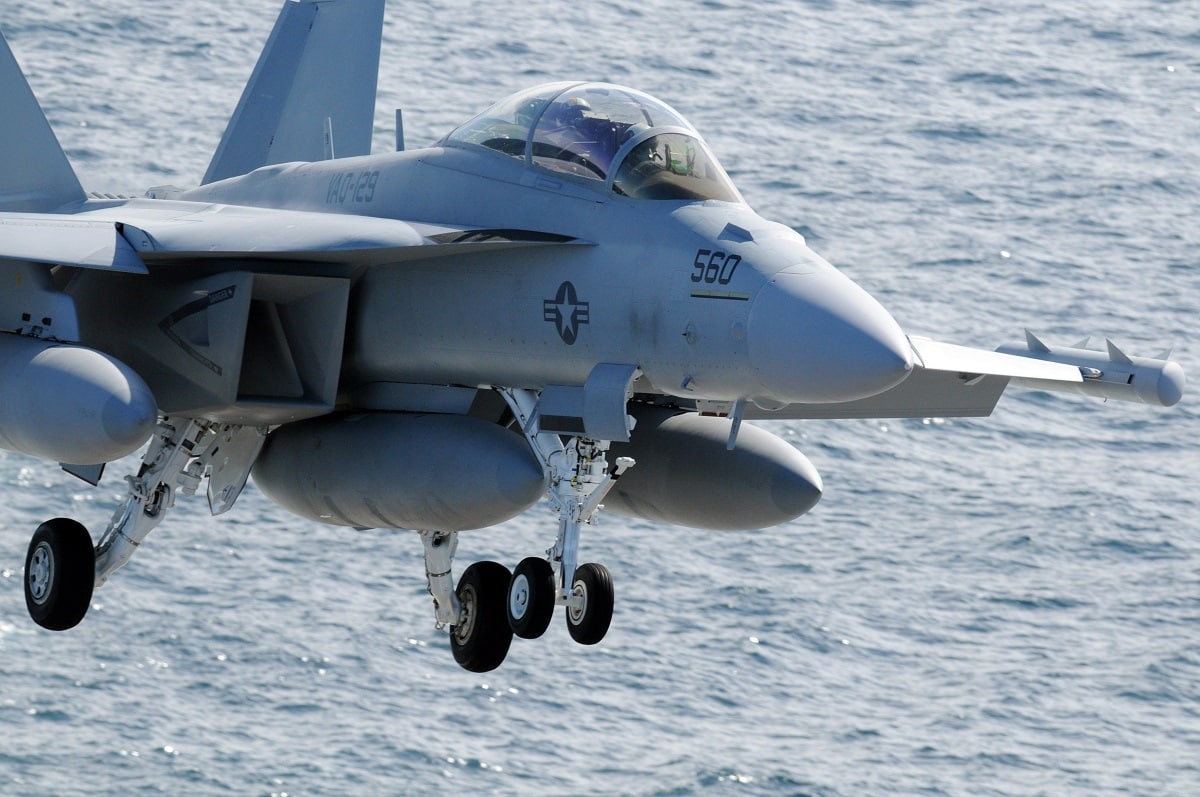
PACIFIC OCEAN (Feb. 17, 2009) An EA-18G Growler assigned to the “Vikings” of Tactical Electronic Warfare Squadron (VAQ) 129 aligns itself for an at sea landing aboard the Nimitz-class aircraft carrier USS Ronald Reagan (CVN 76). The Growler is the replacement for the EA-6B Prowler, which will be replaced in the 2010 timeframe. Ronald Reagan is underway performing Fleet Replacement Squadron Carrier Qualifications in the Pacific. (U.S. Navy photo by Mass Communication Specialist 3rd Class Torrey W. Lee/Released)
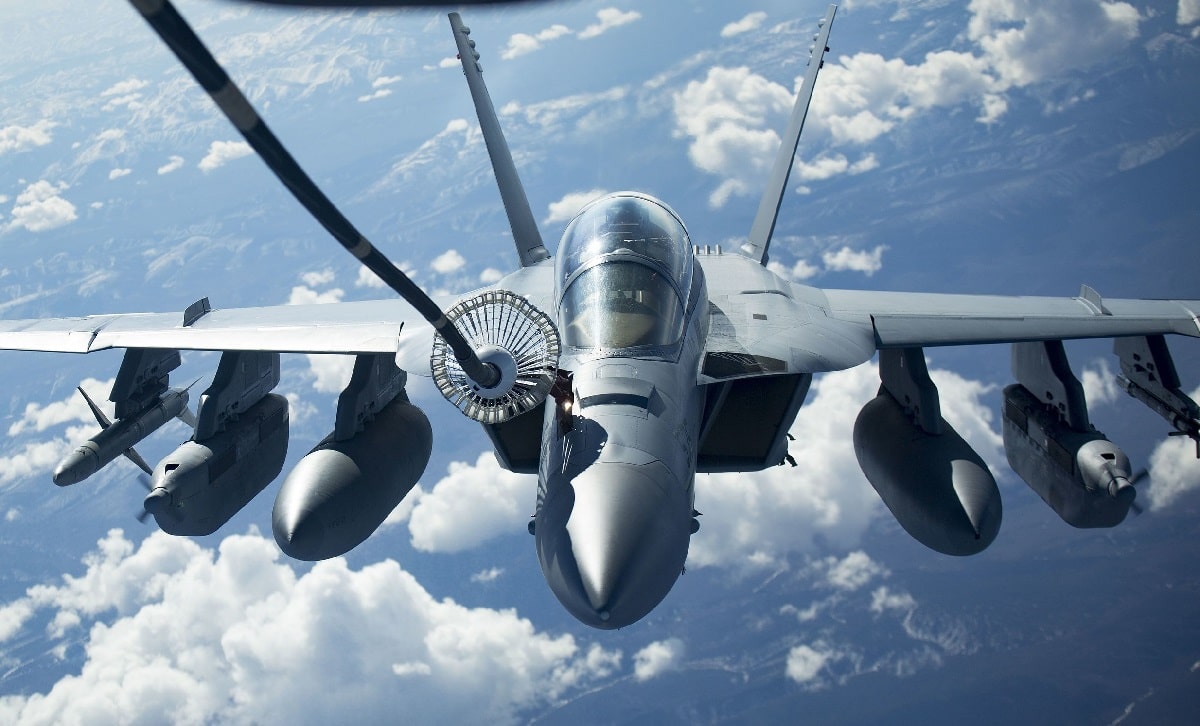
EA-18G Growler. Image Credit: Creative Commons.
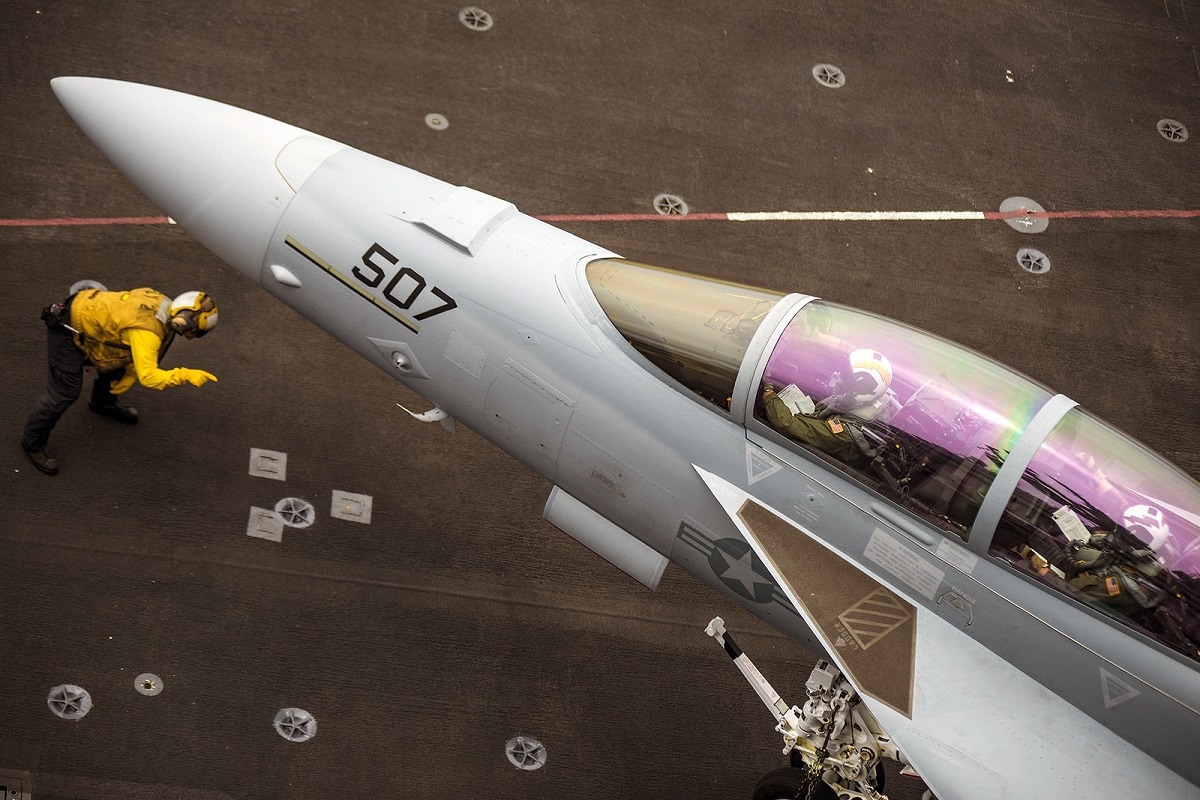
PACIFIC OCEAN (July 31, 2017) An E/A-18G Growler assigned to the Vikings of Electronic Attack Squadron (VAQ) 129 is inspected prior to launch aboard the Nimitz-class aircraft carrier USS Carl Vinson (CVN 70). Carl Vinson is underway conducting carrier qualifications off the coast of Southern California. (U.S. Navy photo by Mass Communication Specialist 2nd Class Zackary Alan Landers/Released)170731-N-GD109-068
Boeing flew an initial concept demonstration on November 15, 2001 — a two-seat F/A-18F Super Hornet fitted with the ALQ-99 system to validate the idea of converting the Super Hornet airframe into an electronic warfare platform. The Navy awarded Boeing the development contract in December 2003. The first flight of a production-configuration Growler followed in 2006. According to the Naval Air Systems Command’s official program data, the first production aircraft was delivered to VAQ-129 — the Growler Fleet Replacement Squadron at NAS Whidbey Island — in June 2008. Initial operational capability followed in September 2009, with the first squadron deployment by VAQ-132 in November 2010.
The Navy procured 160 Growlers between 2006 and 2016. The unit cost ran approximately $67 million, with the final lot of seven aircraft averaging just under $80 million each. Australia bought 13 — making the Royal Australian Air Force the only foreign operator of the platform — and currently operates the type alongside its own Super Hornet fleet.
The design choice was deliberate. By using the Super Hornet airframe as the host platform, the Navy got an electronic warfare aircraft that could keep up with the strike fighters it was supposed to protect, that could be maintained on the same carrier deck with the same parts inventory and the same trained mechanics, and that retained the F/A-18F’s full air-to-air and air-to-ground combat capability. A Growler can carry AIM-120 AMRAAMs and AGM-88 HARM anti-radiation missiles. It can defend itself. It can shoot back.
The Mission Set That Nobody Else Performs
The Growler’s primary mission is straightforward to describe and difficult to overstate. It exists to protect every other aircraft in the strike package by denying enemy radar systems the ability to detect, track, and engage them.
That mission has multiple layers. The ALQ-218 receiver on the Growler maps the electromagnetic environment, identifying every emitter within range — surface-to-air missile radars, fighter aircraft radars, surface ship radars, ground-based command and control nodes. The ALQ-99 jamming pods (and now their successor) actively radiate against those emitters, denying them target tracks. The Growler can also conduct communications jamming against adversary command networks, support cyber operations against networked enemy systems, and serve as an airborne electronic intelligence collector when not actively jamming.
Three Growlers networked together can geolocate enemy emitters in real time using time-difference-of-arrival techniques — meaning the platform is not only protecting the strike package but is also finding and targeting the air defense systems for follow-on destruction by HARM missiles or other strike assets.
In Afghanistan and Iraq, Growlers and Prowlers reportedly used their electronic warfare suites for an entirely different mission: jamming the radio frequencies that insurgents used to remotely detonate improvised explosive devices. That mission was never officially acknowledged in detail, but the reporting on it was substantial — and the airframe’s flexibility to absorb that kind of additional task is part of why the platform has aged so well across two decades of unpredictable operational requirements.
What The Growler Has Done In Combat
The Growler’s first operational deployment was during Operation Odyssey Dawn over Libya in 2011, supporting NATO enforcement of the no-fly zone. Five Growlers were redeployed from Iraq operations to the Mediterranean for the Libya campaign and provided electronic attack coverage across the entire NATO air operation.
What followed was sixteen years of nearly continuous operational deployments. Every U.S. carrier strike group deployment carried a Growler squadron. The aircraft supported operations against ISIS in Iraq and Syria. It flew electronic attack missions during the Syrian conflict. It supported Operation Inherent Resolve. It was deployed to Europe during the Russian invasion of Ukraine to provide electronic warfare coverage for NATO air assets without ever crossing into contested airspace.
The Growler’s first confirmed kinetic combat success came during Operation Prosperity Guardian in the Red Sea — the U.S.-led campaign against Houthi attacks on commercial shipping. A Growler destroyed a Houthi Mil Mi-24 “Hind” helicopter on the ground using an AGM-88E Advanced Anti-Radiation Guided Missile. The same platform later achieved its first air-to-air kill, downing a Houthi drone — the only air-to-air victory ever scored by a U.S. electronic warfare aircraft.
The New Jammer That Changed Everything
The single most important development in the Growler’s recent history is the Next Generation Jammer Mid-Band — the AN/ALQ-249(V)1 — which is replacing the legacy ALQ-99 jamming pods that the platform inherited from the Prowler.
The NGJ-MB is built around active electronically scanned array (AESA) antenna technology. The legacy ALQ-99 used mechanically steered jamming antennas that radiated broad jamming signals across wide frequency bands. The NGJ-MB focuses jamming power exactly where needed, when needed, against specific threat emitters — meaning it can deny multiple radars simultaneously across multiple frequencies, with substantially higher effective radiated power, and with rapid software updates that allow the system to adapt to new adversary radar techniques without requiring hardware modifications.
The pod reached Initial Operating Capability in 2021. Low Rate Initial Production III contracts were awarded in March 2023, and the first production pods were delivered to the fleet in July 2023. The first combat deployment happened in 2024 with Electronic Attack Squadron 133 (VAQ-133) aboard USS Abraham Lincoln operating against Iran-backed Houthi forces in Yemen. According to the program manager at Naval Air Systems Command, the pods performed “maybe even a little better than I expected” during their inaugural cruise.
A separate Next Generation Jammer Low Band (NGJ-LB) program is being developed by L3Harris under a $587 million engineering and manufacturing development contract awarded in 2024. NGJ-LB targets the lower-frequency portion of the electromagnetic spectrum — the bands where modern long-range air defense radars and counter-stealth radars operate — and is expected to reach early operational capability in 2029. The high-band increment will follow, completing the full replacement of the ALQ-99 family.
The Future That Almost Did Not Happen
The Growler nearly got divested. In 2022, the Pentagon proposed retiring a portion of the Growler fleet to free up budget for other priorities. Congress disagreed. The 2023 National Defense Authorization Act explicitly prohibited the Navy from divesting Growlers, with both House and Senate versions of the bill recognizing that the platform’s role in providing airborne electronic attack across all service branches made any near-term retirement strategically irresponsible.
The current plan extends the Growler in service until 2046 through an ongoing Service Life Extension Program. The aircraft is also receiving the Block II upgrade, which integrates the Advanced Cockpit System common to F/A-18 Block III, plus a series of avionics improvements that include the APG-79 radar enhancement, MIDS JTRS data link, and the Advanced Capability Mission Computer.
The longer-term picture is harder. The eventual replacement for the Growler — assuming one is ever built — would have to fly off a carrier deck, integrate with the F/A-XX strike fighter that the Navy is supposed to select in August 2026, and deliver electronic attack capability against radar threats that the 2046 environment is going to look nothing like the 2026 environment.
The Air Force has talked publicly about distributed electronic warfare using unmanned platforms. The Navy has not committed to a specific successor program, and the current expectation is that the Growler airframe will continue to serve as the host platform for whatever NGJ increments and follow-on systems get developed over the next two decades.
The Aircraft That Holds Everything Together
There is a particular kind of strategic capability that gets overlooked because it does not show up in the same metrics that fighters and bombers and aircraft carriers get measured against. The Growler is that capability.
It has no air-to-air kill record to compare with the F-22 or the Super Hornet. It has no land-attack reputation to match the F-15E. It will not appear on the cover of any aviation magazine that the F-35 has not already saturated. It does one job — denying enemy radars the ability to do their job — and it does that job uniquely, across every service branch, on every carrier deployment, in every contested air environment the United States has operated in since 2011.
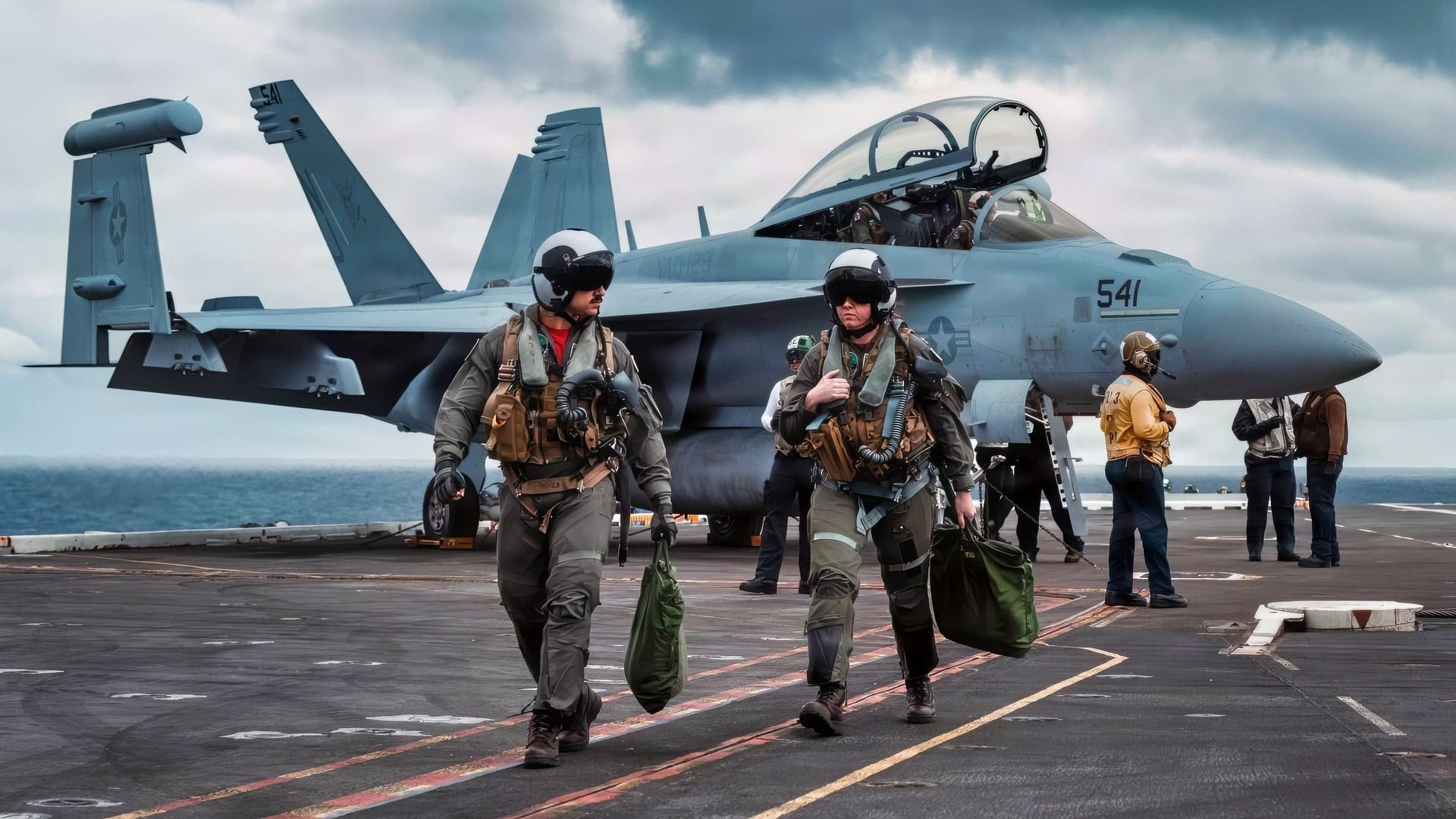
PACIFIC OCEAN (Jan. 24, 2026) – U.S. Navy Lt. Patrick Urrutia, left, and U.S. Navy Lt. Jg. Gabriela Patrick depart a U.S. Navy EA-18G Growler attached to Electronic Attack Squadron (VAQ) 129 on the flight deck of the Nimitz-class aircraft carrier USS Theodore Roosevelt (CVN 71), Jan. 24, 2026. Theodore Roosevelt, flagship of Carrier Strike Group (CSG) 9, is underway conducting exercises to bolster strike group readiness and capability in the U.S. 3rd Fleet area of operations. (U.S. Navy photo by Mass Communication Specialist Seaman Apprentice Cesar Nungaray)
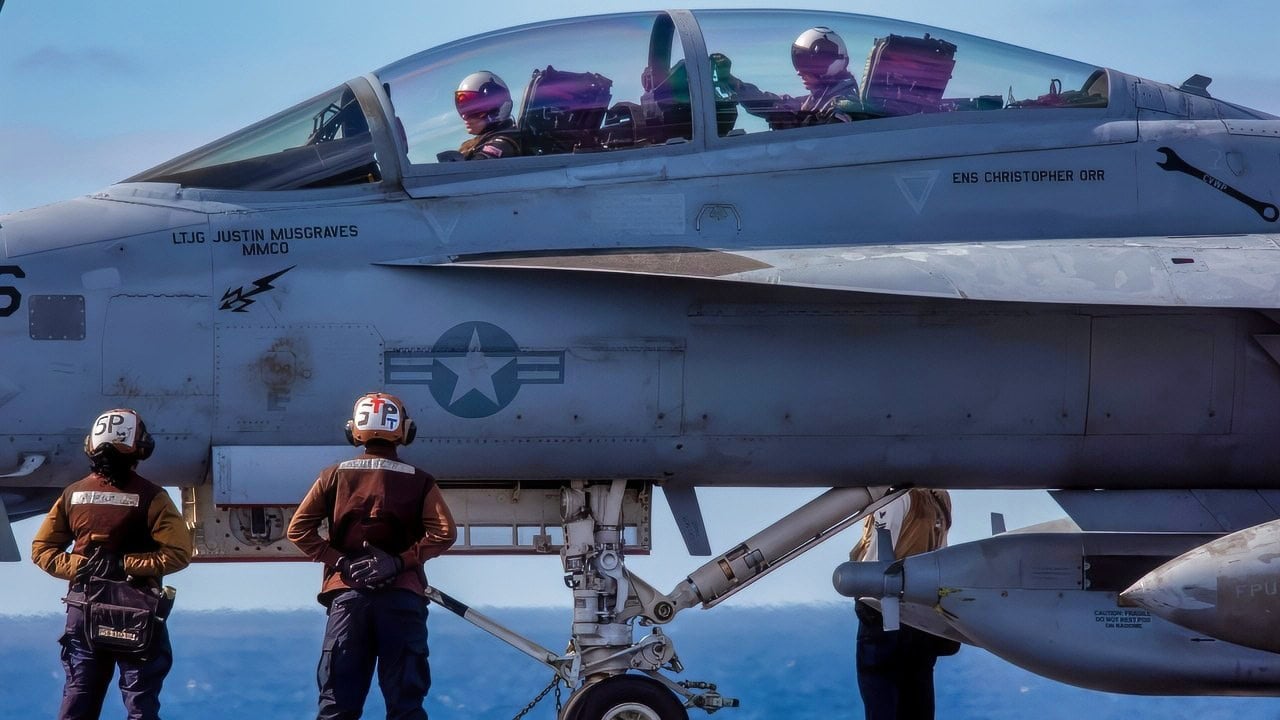
U.S. Navy Sailors prepare to taxi an EA-18G Growler, attached to Electronic Attack Squadron (VAQ) 133, on the flight deck of Nimitz-class aircraft carrier USS Abraham Lincoln (CVN 72) on Nov. 24, 2025. USS Abraham Lincoln (CVN 72), flagship of the Abraham Lincoln Carrier Strike Group, is underway conducting routine operations in the U.S. 3rd Fleet area of operations, demonstrating the U.S. Navy’s long-term commitment to a free and open Indo-Pacific. (U.S. Navy photo by Mass Communication Specialist Seaman Daniel Kimmelman)
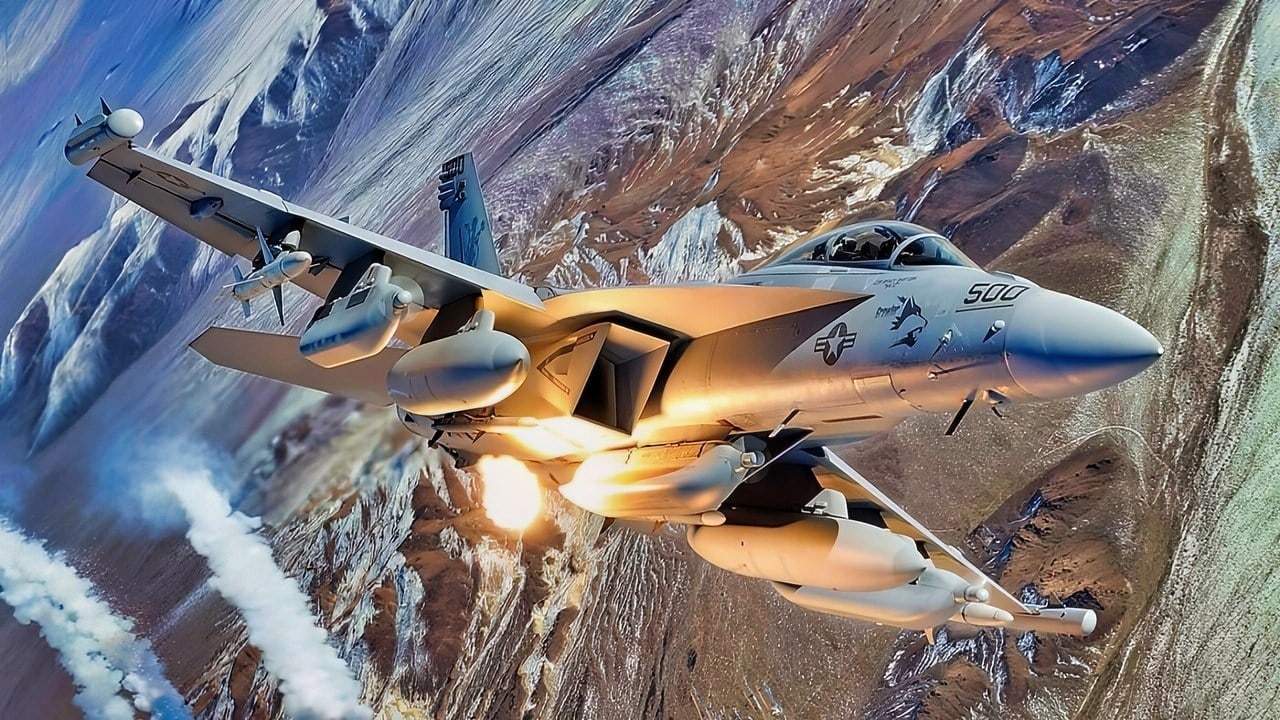
EA-18G Growler Firing Weapons. Image Credit: Creative Commons.
If a future war with China happens in the Western Pacific, the strike packages flying against Chinese integrated air defense networks will be Super Hornets, F-35Cs, and eventually F/A-XX.
The aircraft that gets those strike packages through to their targets without being shot down by Chinese surface-to-air missiles will be the Growler. Without the Growler, the rest of the carrier air wing does not have a functional combat capability against any peer adversary.
The Growler does not get the press. It might be more important than every aircraft that does.
About the Author: Harry J. Kazianis
Harry J. Kazianis (@Grecianformula) was the former Senior Director of National Security Affairs at the Center for the National Interest (CFTNI), a foreign policy think tank founded by Richard Nixon based in Washington, DC. Harry has over a decade of experience in think tanks and national security publishing. His ideas have been published in the NY Times, The Washington Post, The Wall Street Journal, CNN, and many other outlets worldwide. He has held positions at CSIS, the Heritage Foundation, the University of Nottingham, and several other institutions related to national security research and studies. He is the former Executive Editor of the National Interest and the Diplomat. He holds a Master’s degree focusing on international affairs from Harvard University. Kazianis is Editor-In-Chief of 19FortyFive.

