Space and Technology
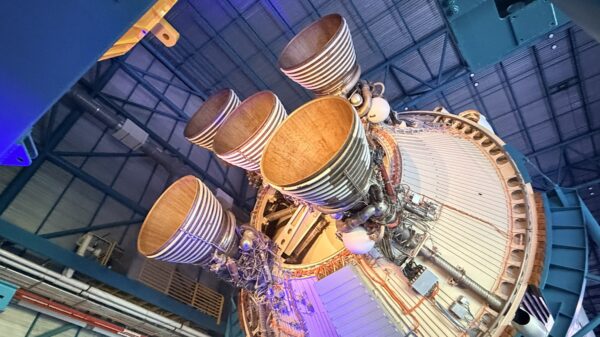
Fifty-seven years ago today, on July 16, 1969, three astronauts sat atop a Saturn V and lifted off on the most dangerous flight ever...
Hi, what are you looking for?

Fifty-seven years ago today, on July 16, 1969, three astronauts sat atop a Saturn V and lifted off on the most dangerous flight ever...

Richelieu fled Brest days ahead of the German army, 95 percent complete and carrying Bank of France gold. A British torpedo found her at...
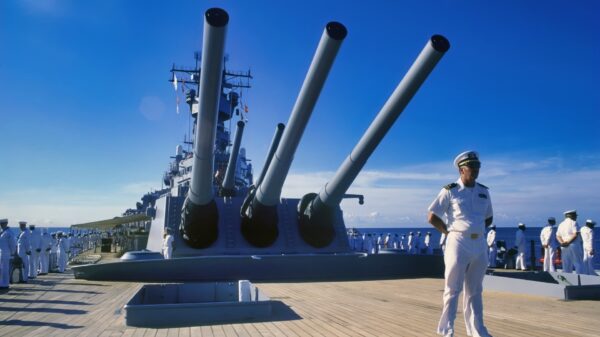
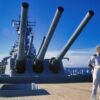
The Iowa-class battleships carried nine 16-inch guns, outmatched by the 18.1-inch monsters on Japan's Yamato, the largest battleship guns ever made. Yet the American...
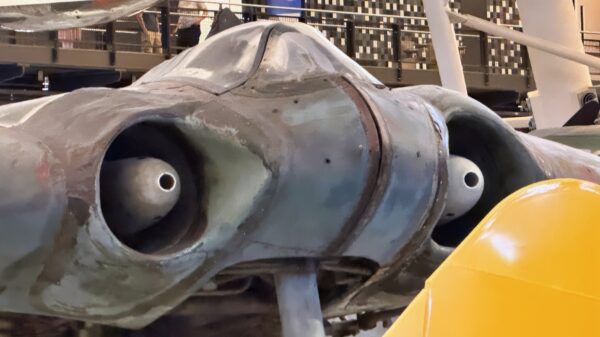
Nazi Germany's Horten Ho 229 was the world's first flying-wing jet aircraft, and its triangular shape looks uncannily like a modern stealth plane. That...
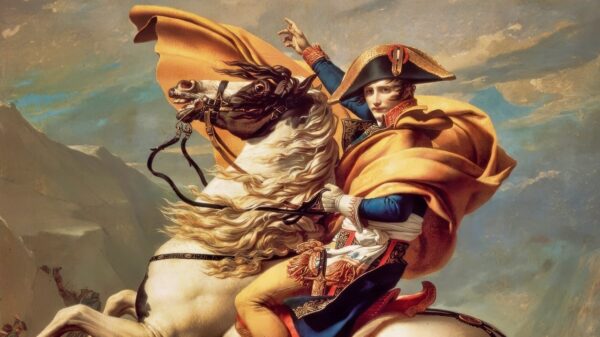
"An army marches on its stomach" is the most quoted line in military logistics, hung on Napoleon on a thousand mugs and staff-college slides....
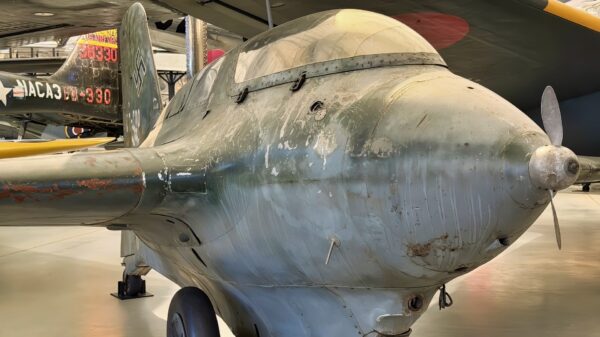
The first Komet flew in 1941 and shattered every speed record of its age, exceeding 620 mph before the jet engine even existed. For...
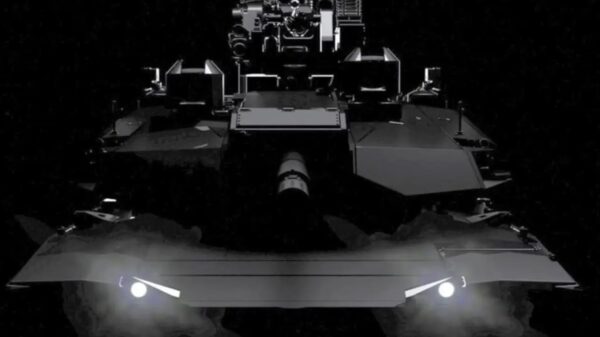

For most of a century the US and Canada have shared the longest undefended border on Earth. For part of that century, both capitals...
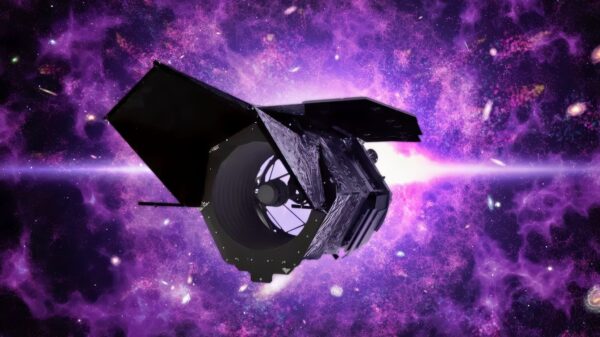
NASA already flies two famous space telescopes, Hubble and James Webb. A third is almost ready: the Nancy Grace Roman Space Telescope, launching in...

America's last and largest battleships were ordered, numbered, and never built. The Montana-class would have out-gunned the Iowa, matched Japan's Yamato, and been too...


National security expert James Jay Carafano argues that although the fighting grinds on, the war in Ukraine is strategically over — and Putin has...