

Aerospace & Defense
The Yamato and Musashi are remembered for how they sank. The stranger story is how they were built: shipyards torn down and rebuilt to...
Hi, what are you looking for?

The Yamato and Musashi are remembered for how they sank. The stranger story is how they were built: shipyards torn down and rebuilt to...


Ask almost anyone and they'll tell you the B-1B went conventional in the 1990s. The real ending involved welding torches, severed wiring, a treaty...
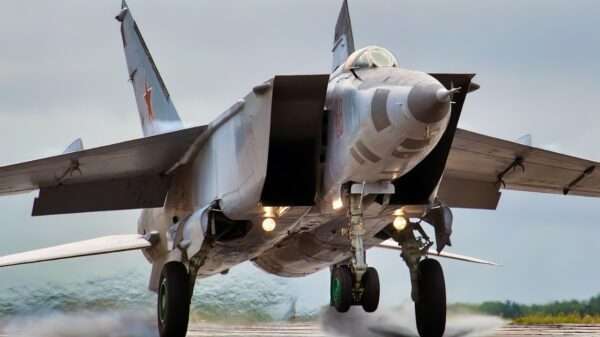
On September 6, 1976, a disillusioned Soviet lieutenant landed his MiG-25 at a civilian airport in Japan and handed the West its first look...

No combat jet in service flies faster than Russia's MiG-31. It carries the Kinzhal hypersonic missile, reaches into Ukrainian skies, and probes NATO's borders....
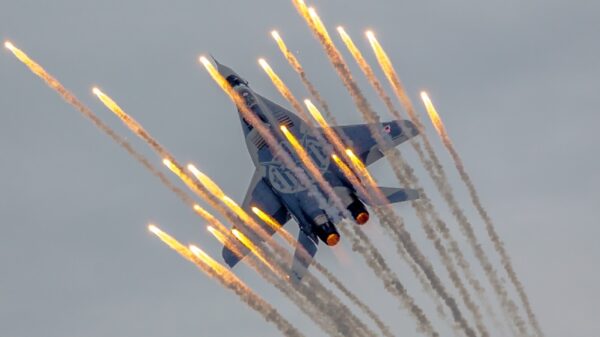
In 1997, the Pentagon bought 21 Soviet MiG-29 fighters out from under Iran and flew them to Ohio in pieces. The bargain was real,...
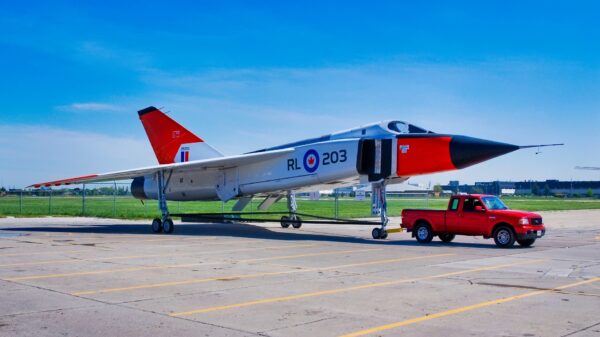

There was nothing unusual about that Friday morning at the Malton plant, where some of the most advanced aircraft on Earth were taking shape....
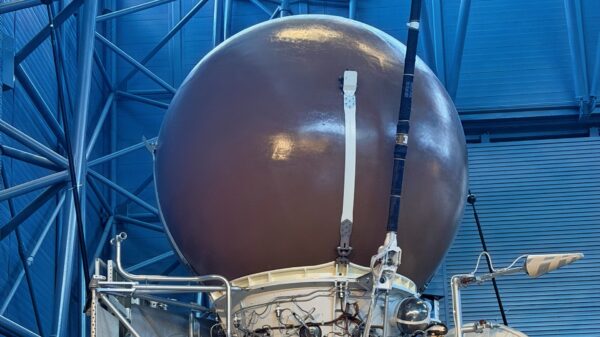
In June 1985 the Soviet Union did something that still sounds impossible: it flew two balloons through the clouds of another planet. Released into...


It’s one of the greatest engineering feats ever achieved during the Space Race. It also remains one of the surprisingly underappreciated feats. Perhaps that’s...


Mars 6 is one of the strangest missions of the Cold War space race. On March 12, 1974, the Soviet lander entered the Martian...
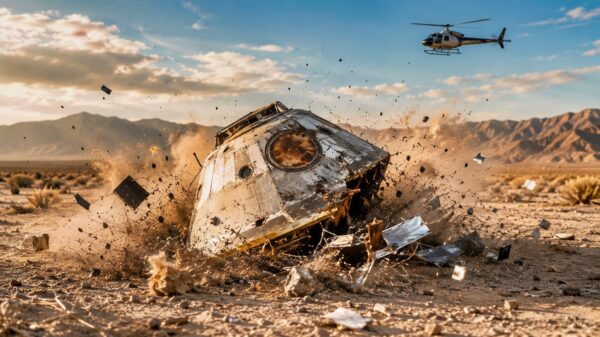
NASA's Genesis spacecraft did something no mission had done since Apollo. It flew out beyond the Moon, spent more than two years catching atoms...