
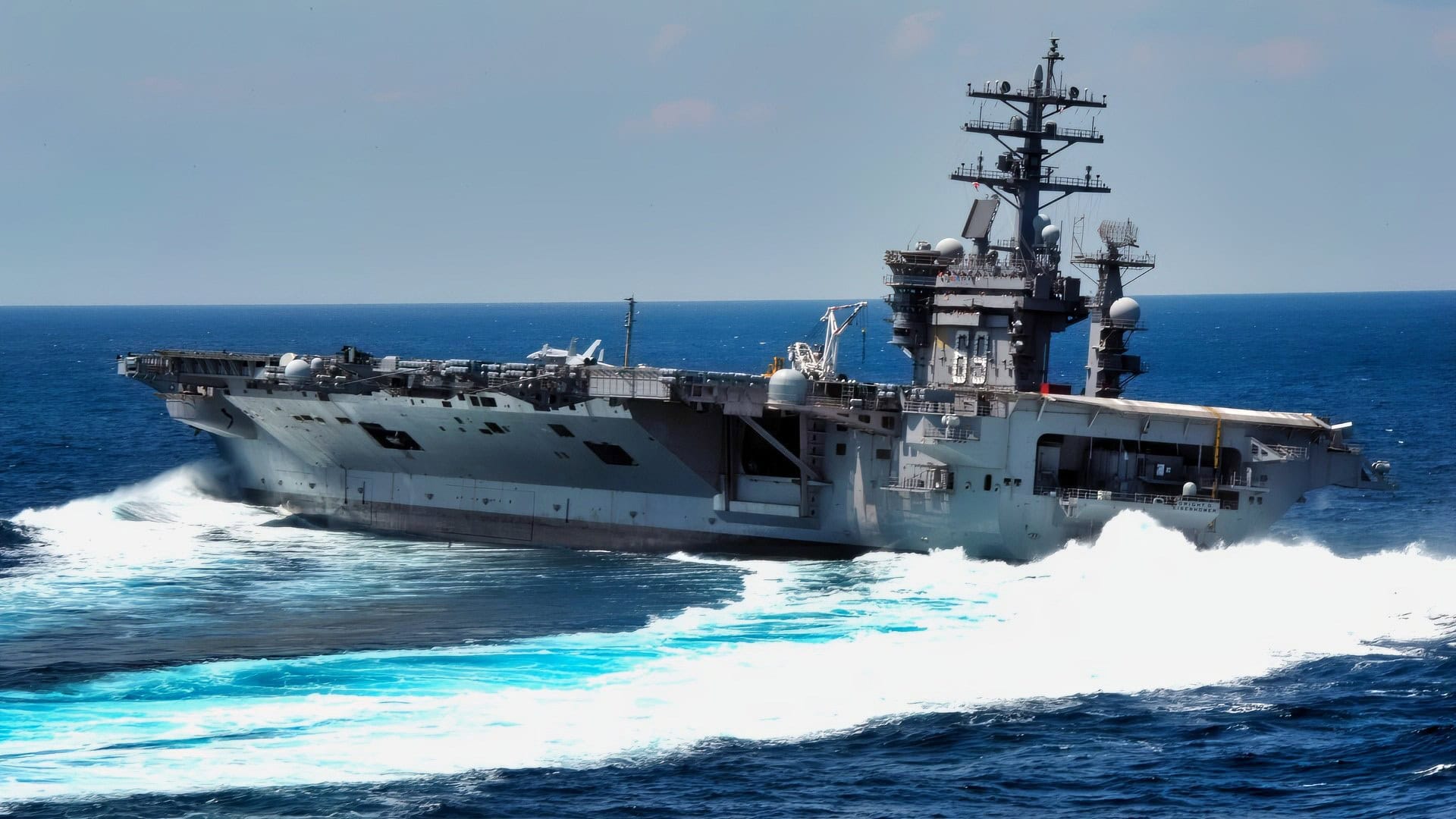
Key Points and Synopsis: In a 1981 NATO exercise, a Canadian Oberon-class diesel-electric submarine shocked the world by “sinking” the U.S. Navy supercarrier USS Dwight D. Eisenhower.
-Running on ultra-quiet battery power and equipped with stealthy anechoic tiles, the budget-friendly Canadian sub evaded the carrier’s entire defensive screen to deliver a simulated torpedo strike.
-This embarrassing defeat highlights the continued threat posed by modern diesel-electric AIP submarines, such as China’s Yuan-class, which offer a cost-effective and stealthy challenge to expensive nuclear-powered fleets.
How a Cheap Canadian Sub ‘Sank’ the Aircraft Carrier USS Eisenhower in a Stunning 1981 War Game
Some U.S. Naval analysts have determined that since nuclear-powered submarines are expensive, difficult to build, and take a long time to complete, they should be replaced by a cheaper fleet of diesel-electric submarines.
With air-independent propulsion (AIP), these bargain subs can run silent and deep too, using stealth to surprise even the quietest nuclear-powered submarines and surface ships.
Sweden and China Lead the World With Diesel-Electric Boats
Some navies are highly adept at using diesel-electric subs.
Sweden’s Gotland-class AIP boats are excellent and have taught the U.S. Navy a lesson during war games when a Gotland sub notionally “sank” a U.S. carrier in 2005.
China’s Yuan-class Type 039A diesel-electric AIP subs are also top-notch, quiet, and cheaper to produce than nuclear-powered models.
They could be a factor in any conflict with Taiwan or the United States.
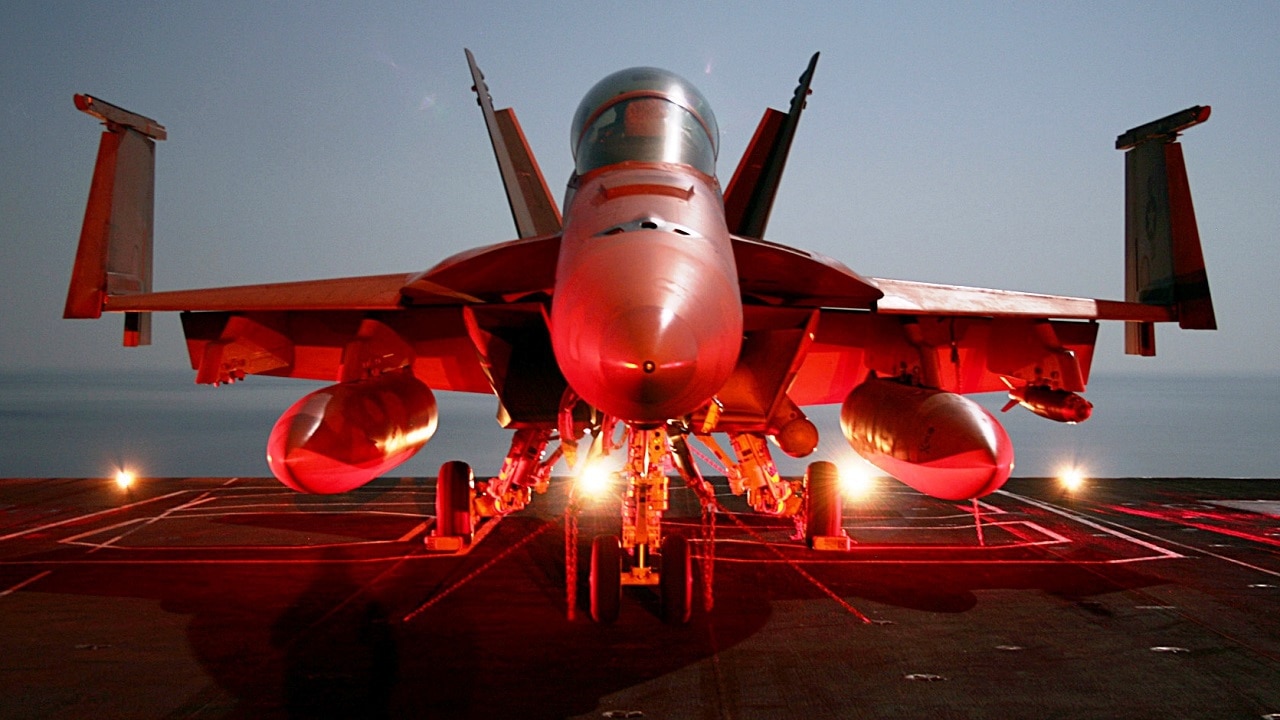
An F/A-18F Super Hornet Strike Fighter Squadron 103 is parked on the flight deck of the aircraft carrier USS Dwight D. Eisenhower (CVN 69) as the ship operates in the Arabian Sea on Dec. 5, 2006. The Eisenhower is in the Arabian Sea in support of maritime security operations.
The Stirling AIP is stealthy enough to alarm the U.S. Navy and could be difficult to eliminate during undersea combat.
When the Canadians Were the Best in the World During One Naval Exercise
One little-known naval exercise that involved a diesel-electric submarine embarrassed the U.S. Navy.
A Canadian Oberon-class sub once “sank” the USS Dwight D. Eisenhower carrier in a war game in 1981.
The Canadian boat was running on ultra-quiet battery power during the drill. Somehow, the Eisenhower strike group was asleep at the wheel, and there were breakdowns in sonar coverage.
The Oberon-class sneaked through to paydirt and delivered an accurate strike with a simulated torpedo.
The Cost of Asymmetric Warfare
In modern dollars, the Nimitz-class aircraft carrier cost the Navy $5.5 billion, while the Canadian sub cost only $80 million.
This is a good example of how American flattops could be at risk of sinking from Chinese Yuan-class boats.
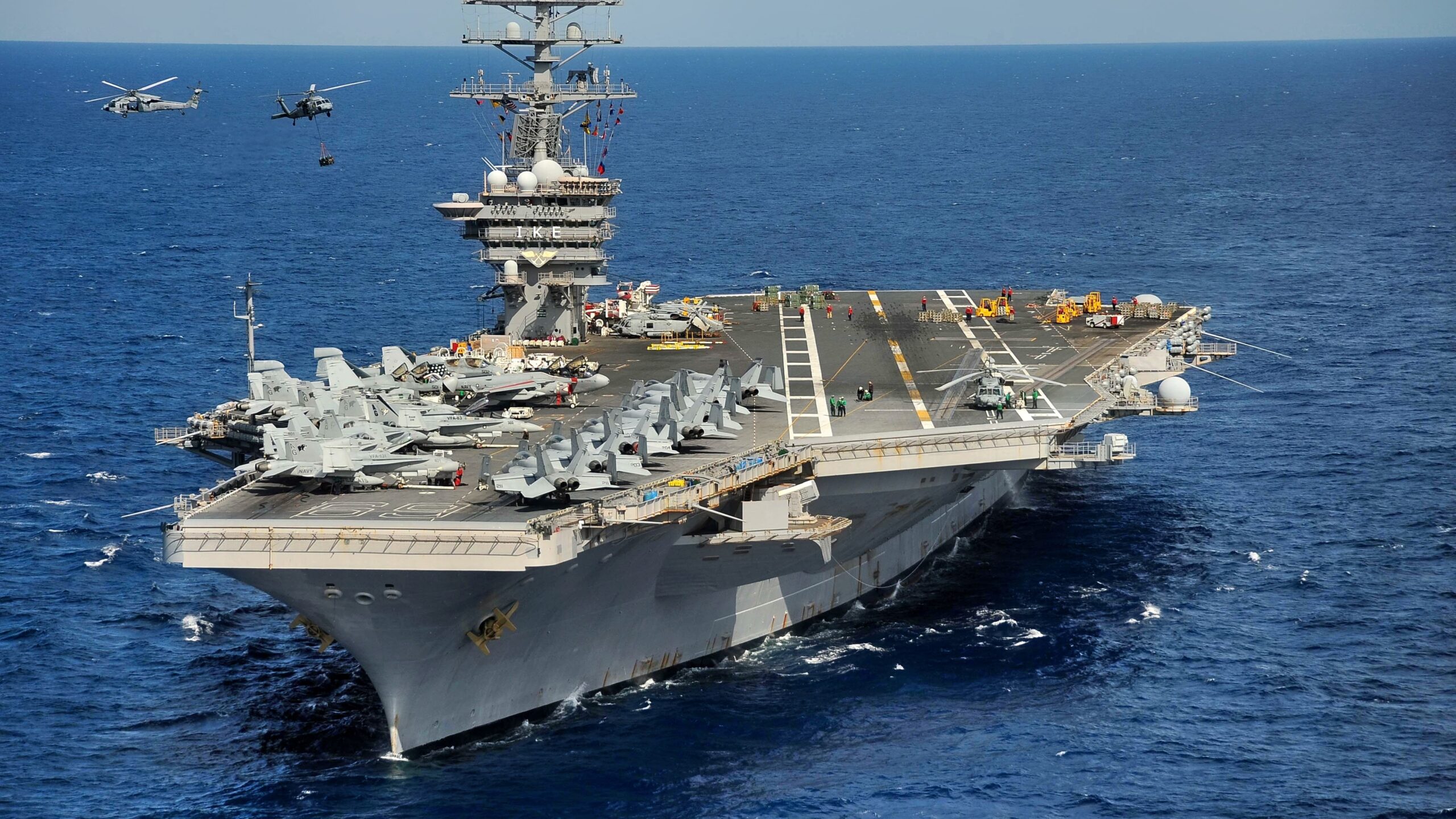
USS Dwight D. Eisenhower. Image Credit: Creative Commons.
The Under-rated Oberon-class Submarine
The Oberon-class subs (HMCS Ojibwa, Onondaga, and Okanagan) are now considered ancient.
They go back to the 1960s when the Canadian navy needed a way to protect its shores from pesky Russian subs during the Cold War.
However, by the 1980s, Canada had extensively improved the Oberon subs.
The boats were outfitted with anechoic tiles to make them more stealthy by absorbing significant levels of sonar signals.
The Oberons had greater range and endurance when patrolling stealthily.
The Canadians soon discovered that they could mask their movements with ultra-quiet battery-powered propulsion.
In 1981, the Canadians were ready to play ball.
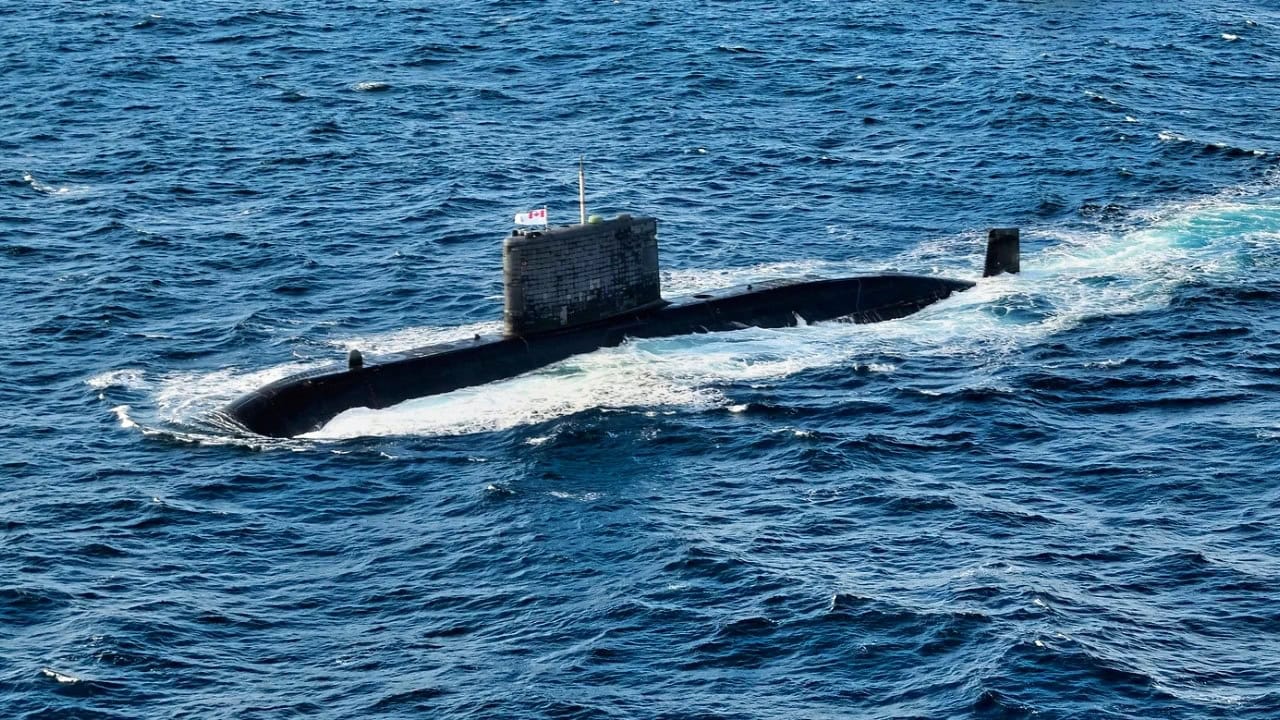
Victoria-Class Submarine at Sea. Image Credit: Creative Commons.
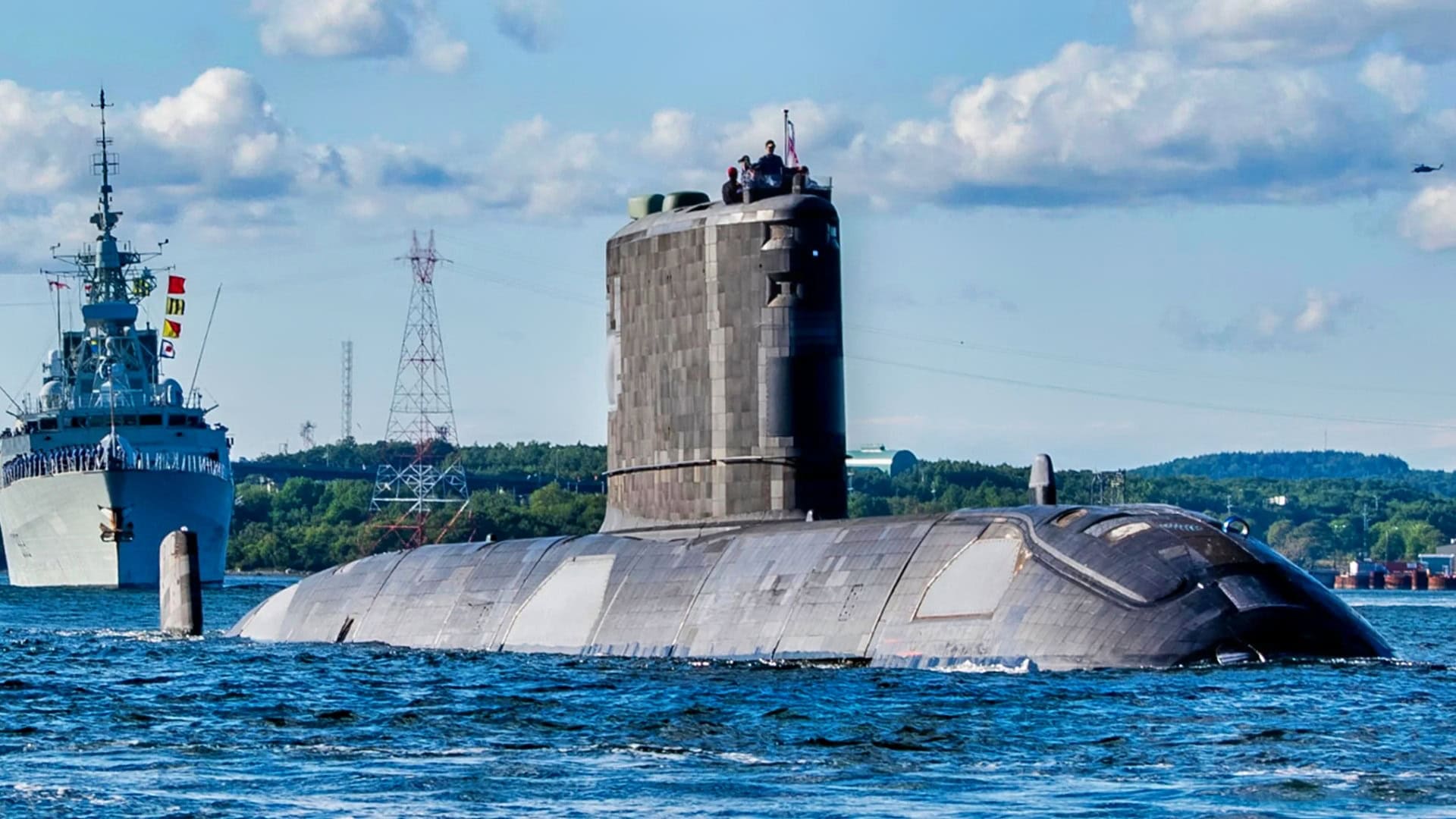
Victoria-Class Submarine Canada.
They were part of a large NATO naval exercise called Ocean Venture in the Atlantic Ocean.
The Oberon-class boats went to work, and one of them surprised the U.S. Navy. The Canadian crew was highly trained and skillful.
The sub took its new improvements and crept up on the Eisenhower strike group, consisting of submarines, destroyers, and frigates – a vaunted force that was supposed to be great at anti-submarine warfare.
The Canadians had what appeared to be an impossible mission.
Could an Oberon-class actually score a notional hit against the Eisenhower?
This would be one of the biggest upsets in simulated warfare that the U.S. Navy ever ran up against.
Canada Is the Master Class Teacher to the U.S. Navy
“What followed was a masterclass in stealth and tactical maneuvering. Using the natural acoustic conditions of the ocean and its own quiet propulsion system, the submarine slipped past the outer defenses of the carrier group. It evaded sonar-equipped destroyers and surveillance aircraft, exploiting gaps in coverage and limitations imposed by the exercise’s rules of engagement,” according to my colleague at 19FortyFive, Isaac Seitz.
Then the Canadian sub calculated the firing solution on the simulated torpedo and launched.
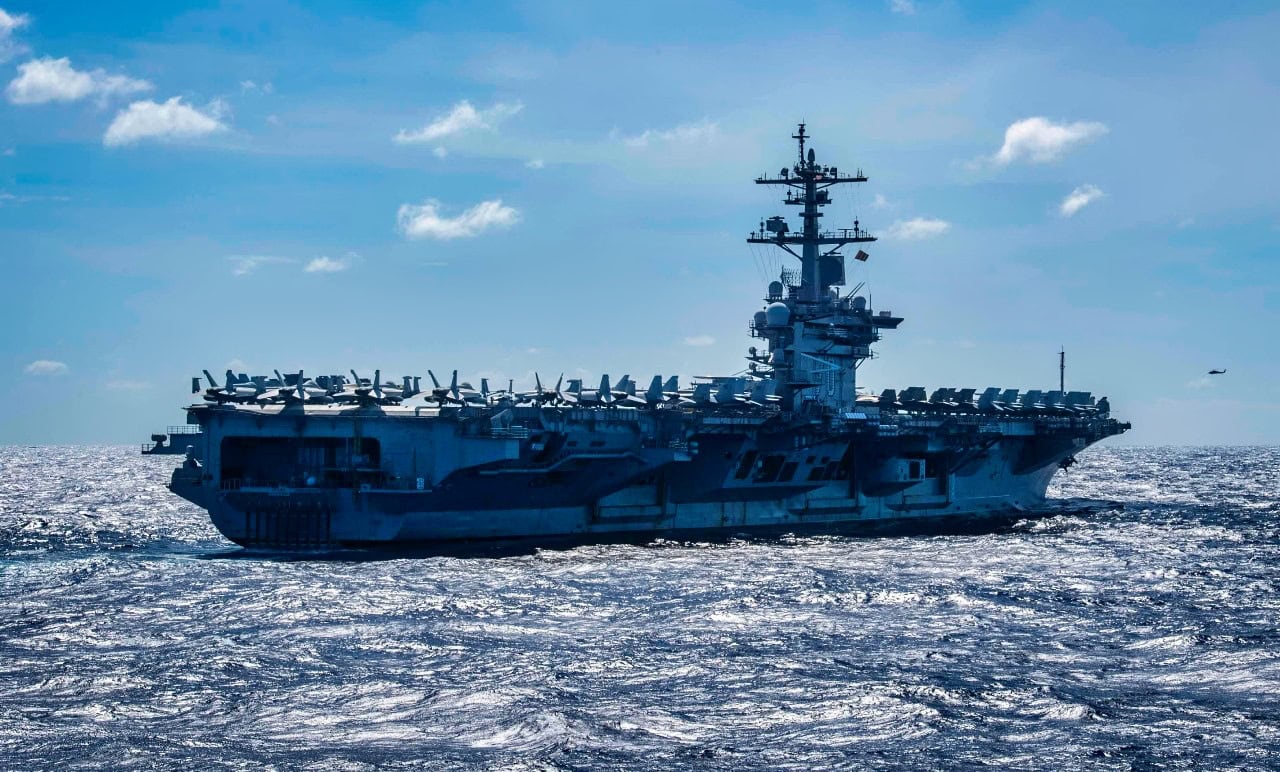
The Nimitz-class aircraft carrier USS Carl Vinson (CVN 70) transits the South China Sea during a Maritime Cooperative Activity with the Philippine Navy, Jan. 17, 2025. The U.S. and Philippines work together as allies, enhancing the interoperability of maritime forces and supporting their shared goal of a free and open Indo-Pacific. Carrier Strike Group ONE, is underway conducting routine operations in the U.S. 7th Fleet area of operations. (U.S. Navy photo by Mass Communication Specialist 3rd Class Brianna Walker)
The observer/ controller of the exercise declared a “hit” and deemed the American aircraft carrier out of action. It was assumed that the Oberon-class would have fired numerous follow-on torpedoes to send the Eisenhower to the bottom of the sea.
The powerful carrier just had a bad day, and the Canadian sub showed how a determined, scrappy crew on a quiet sub could cause some simulated damage.
What was happening with the Eisenhower strike group?
There must have been one embarrassed American commander who saw that his team clearly failed.
The Soviet Union Was Highly Interested in This Outcome
This might have been a fluke, but it showed just how damaging a quiet diesel-electric could be. What if the Soviet Union was taking notes on the exercise and determined that it could also be successful against the U.S. Navy’s carrier forces?
The after-action review conducted by the Americans must have been scathing.
The exercise was likely taught at the Nuclear Power School and the U.S. Naval Academy to demonstrate that asymmetric warfare at sea could lead to defeat.
China Can Threaten An Aircraft Carrier Too
You have to hand it to the Oberon-class sailors. They showed the utmost in training and professionalism.
Lessons learned from the U.S. Navy’s “sinking” will have to alert the modern Silent Service that China’s Yuan-class diesel-electric submarines with Stirling AIP could pose a problem in the Indo-Pacific.
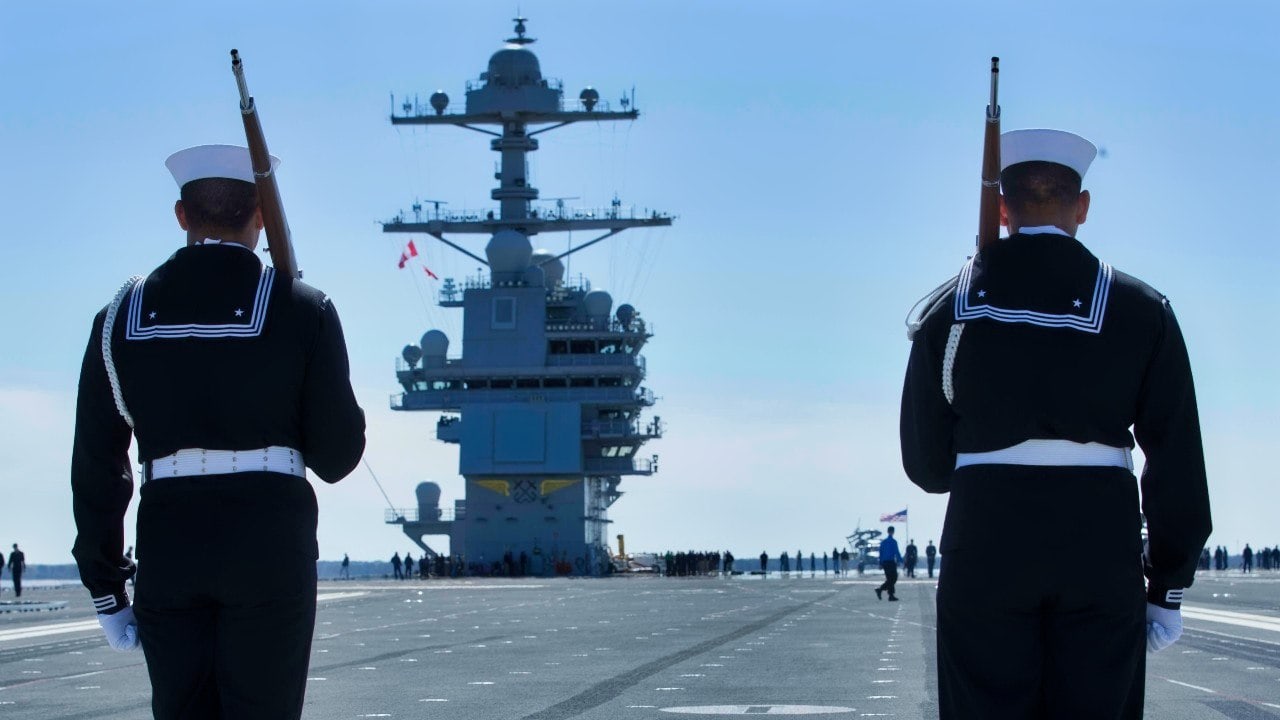
(April 8, 2017) — Logistics Specialist 3rd Class Miguel Monduy, from Miami, Florida, and Aviation Ordnanceman Airman Michael Valdez, from Pheonix, Arizona, assigned to Pre-Commissioning Unit Gerald R. Ford (CVN 78), stand on the flight deck for shifting colors. The future USS Gerald R. Ford (CVN 78) is underway on its own power for the first time. The first-of-class ship — the first new U.S. aircraft carrier design in 40 years — will spend several days conducting builder’s sea trials, a comprehensive test of many of the ship’s key systems and technologies. (U.S. Navy photo by Mass Communication Specialist Seaman Gitte Schirrmacher)
The Americans have been surfacing their subs over the last few years to send a message to adversaries that the Navy can project power and fly the flag anywhere in the world at any time.
But the incident with the Canadians is an example that a diesel-electric can sneak past what is believed to be an impenetrable protective screen.
The Americans should take note: the Chinese will be ready with their Yuan-class boats, which can protect the People’s Republic and bring the fight to the doorstep of the United States.
This exercise that sank the aircraft carrier USS Eisenhower is a reminder that the underdog can sometimes win, and that the U.S. Navy should take this lesson seriously.
About the Author: Brent M. Eastwood
Author of now over 3,000 articles on defense issues, Brent M. Eastwood, PhD is the author of Don’t Turn Your Back On the World: a Conservative Foreign Policy and Humans, Machines, and Data: Future Trends in Warfare plus two other books. Brent was the founder and CEO of a tech firm that predicted world events using artificial intelligence. He served as a legislative fellow for US Senator Tim Scott and advised the senator on defense and foreign policy issues. He has taught at American University, George Washington University, and George Mason University. Brent is a former US Army Infantry officer. He can be followed on X @BMEastwood.